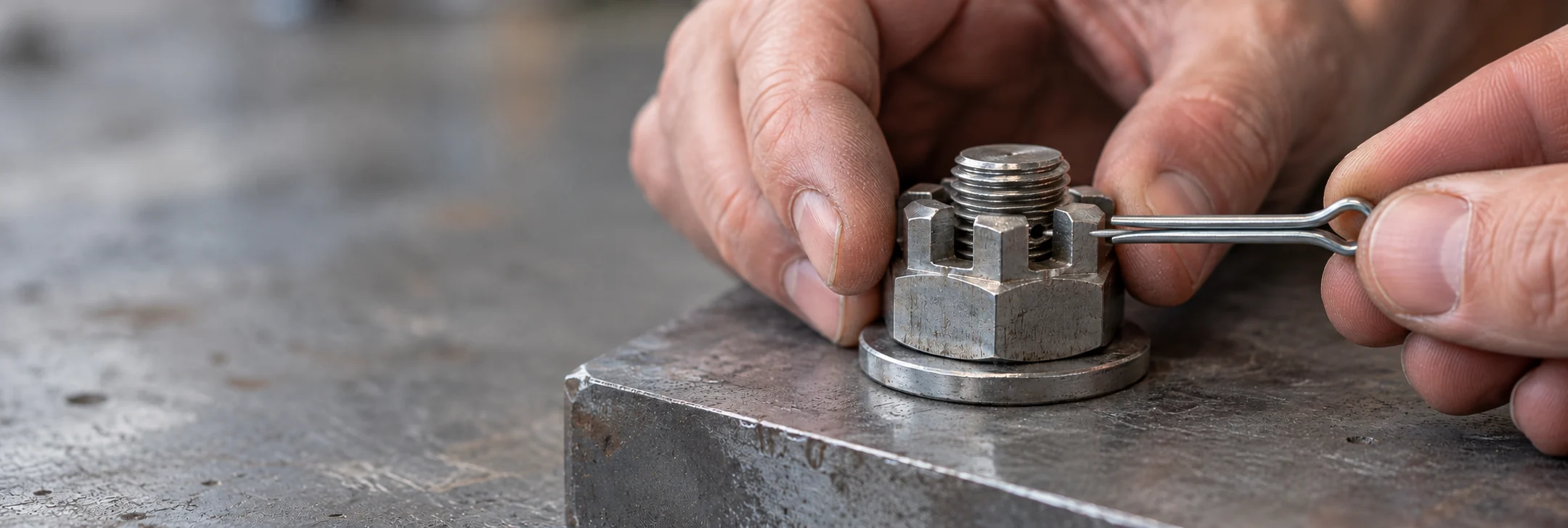
Castellated Nut and Cotter Pin Alignment: Control the Pair
Match nut slots, drilled fastener hole and cotter pin geometry. Keep rotational retention separate from clamp load and the approved installation method.
Read GuideA drawing, a BOM or a short description is enough to start. Technical details can be clarified during review.
Match nut slots, drilled fastener hole and cotter pin geometry. Keep rotational retention separate from clamp load and the approved installation method.
Read Guide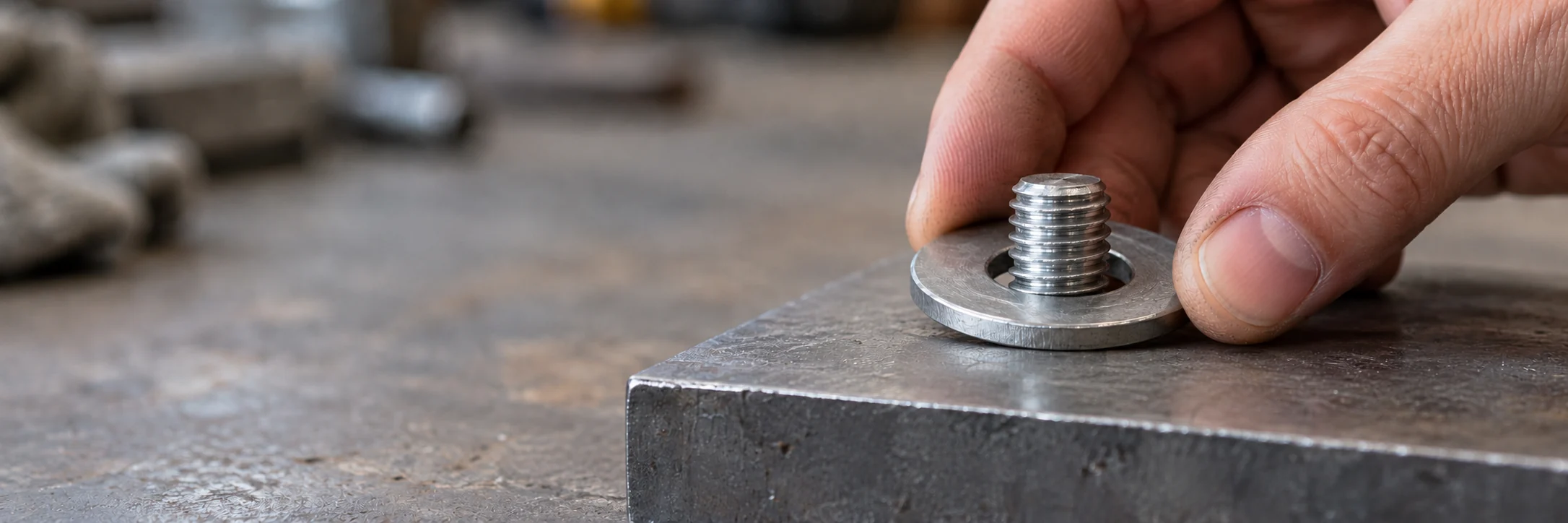
Understand washer hardness classes, why thickness and support affect indentation, and how bearing deformation can reduce retained clamp load.
Read Guide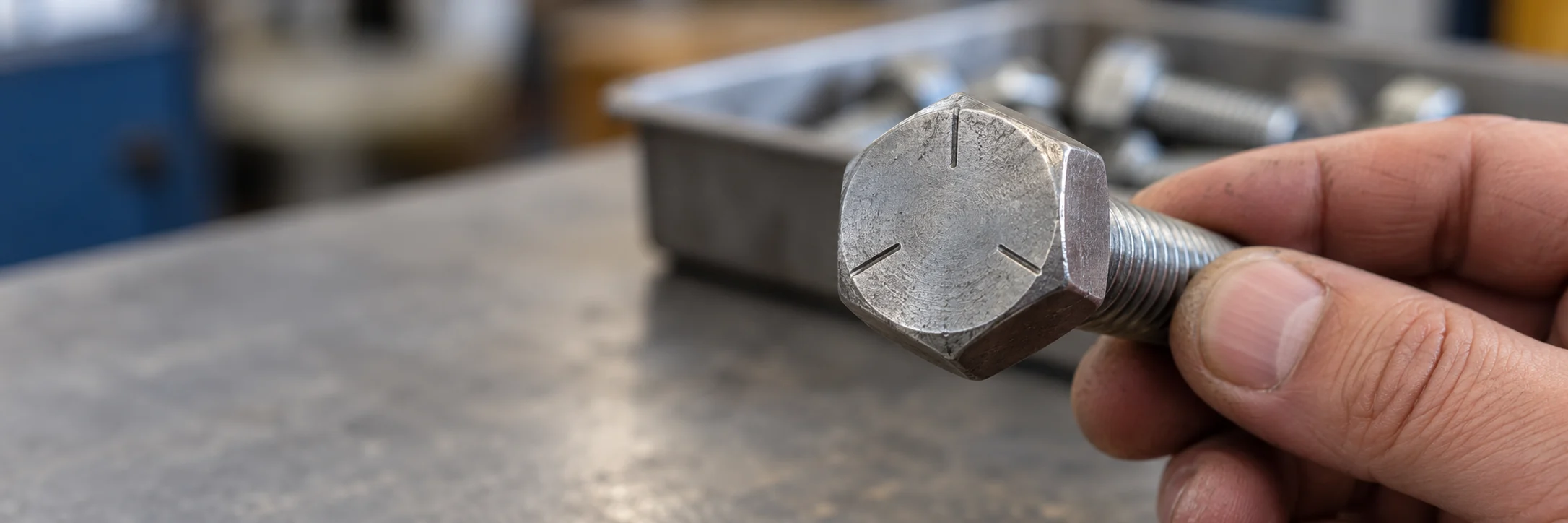
Separate maker identification, grade markings and lot traceability when receiving fasteners. Learn what to check when the head and paperwork disagree.
Read Guide
Compare Incoloy 020 and C-276 for fasteners by actual wet exposure, acid concentration, temperature and cleaning duty before accepting a material change.
Read Guide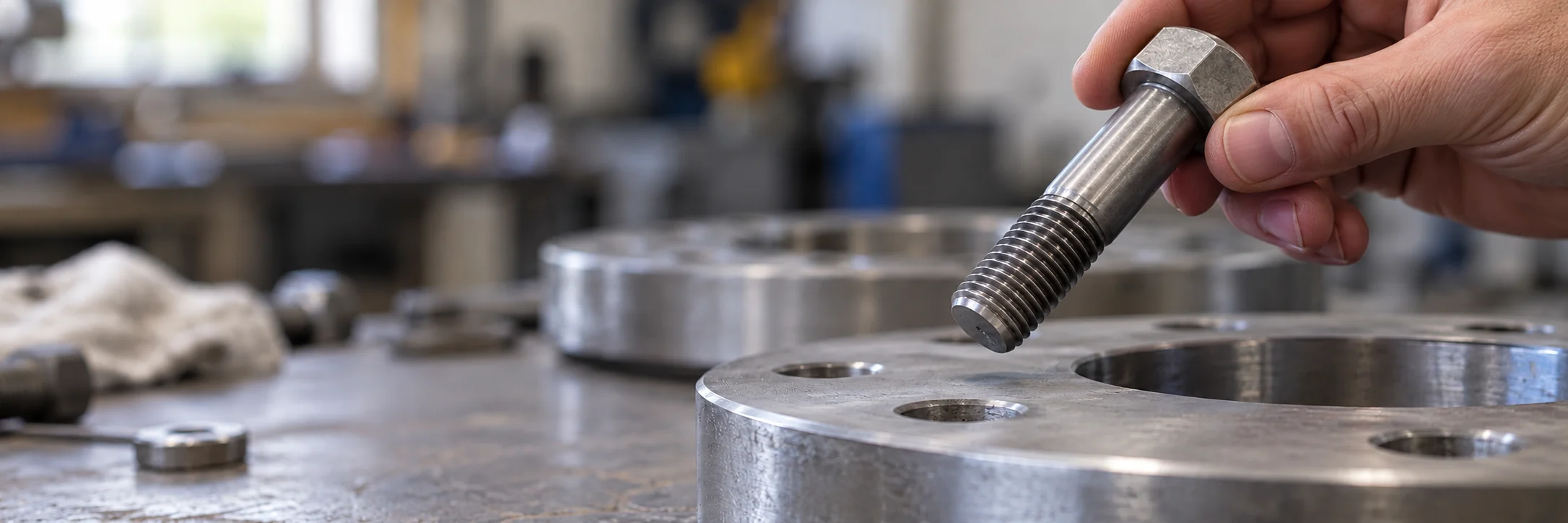
Compare A-286 and 17-4 PH fasteners by condition and duty. Learn why H1150 is not a service rating and hot yield does not establish long-term clamp load.
Read Guide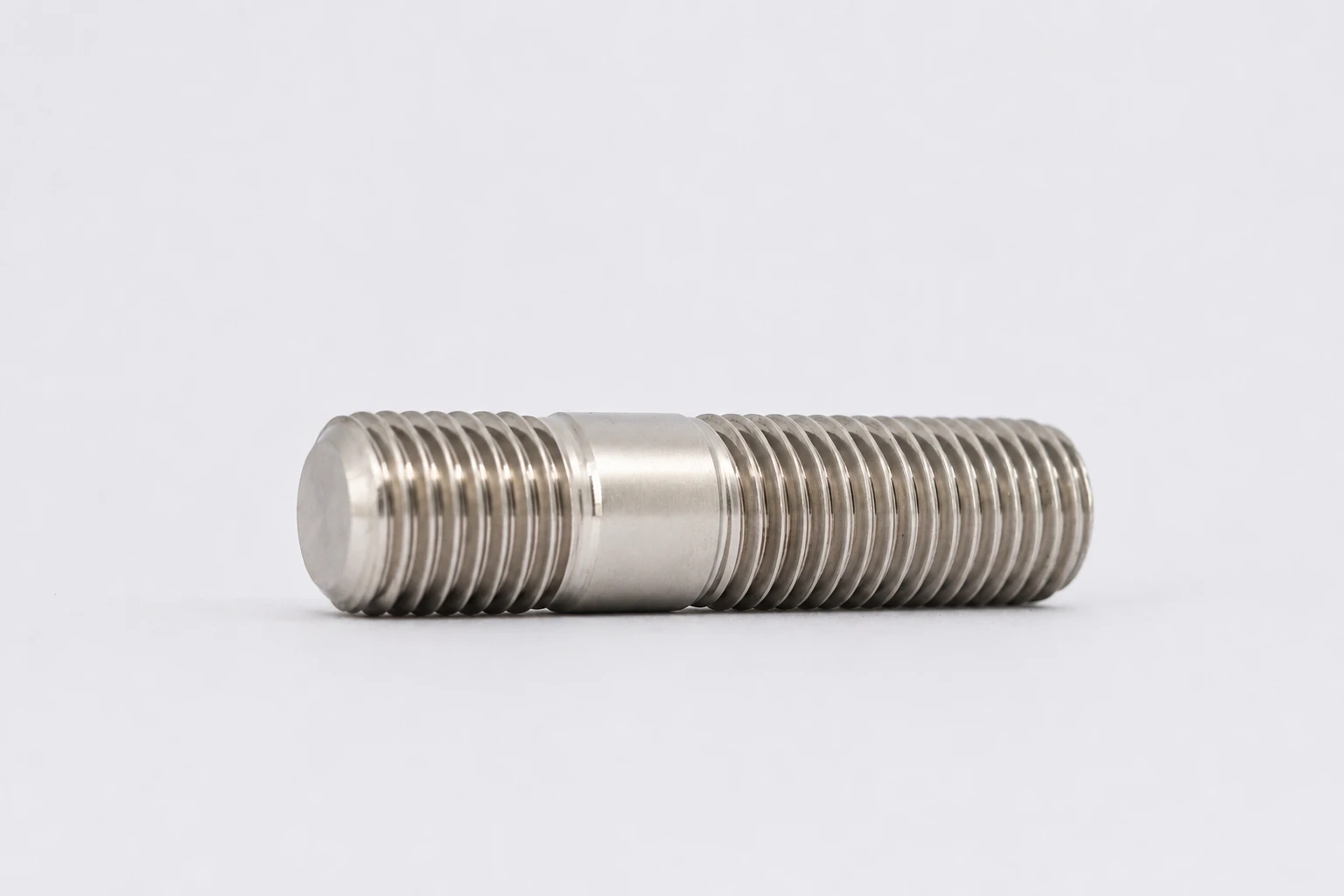
Measure stud bolt length using explicit end references. Separate overall and insertion-end lengths, check complete threads, and prepare a special-alloy RFQ.
Read Guide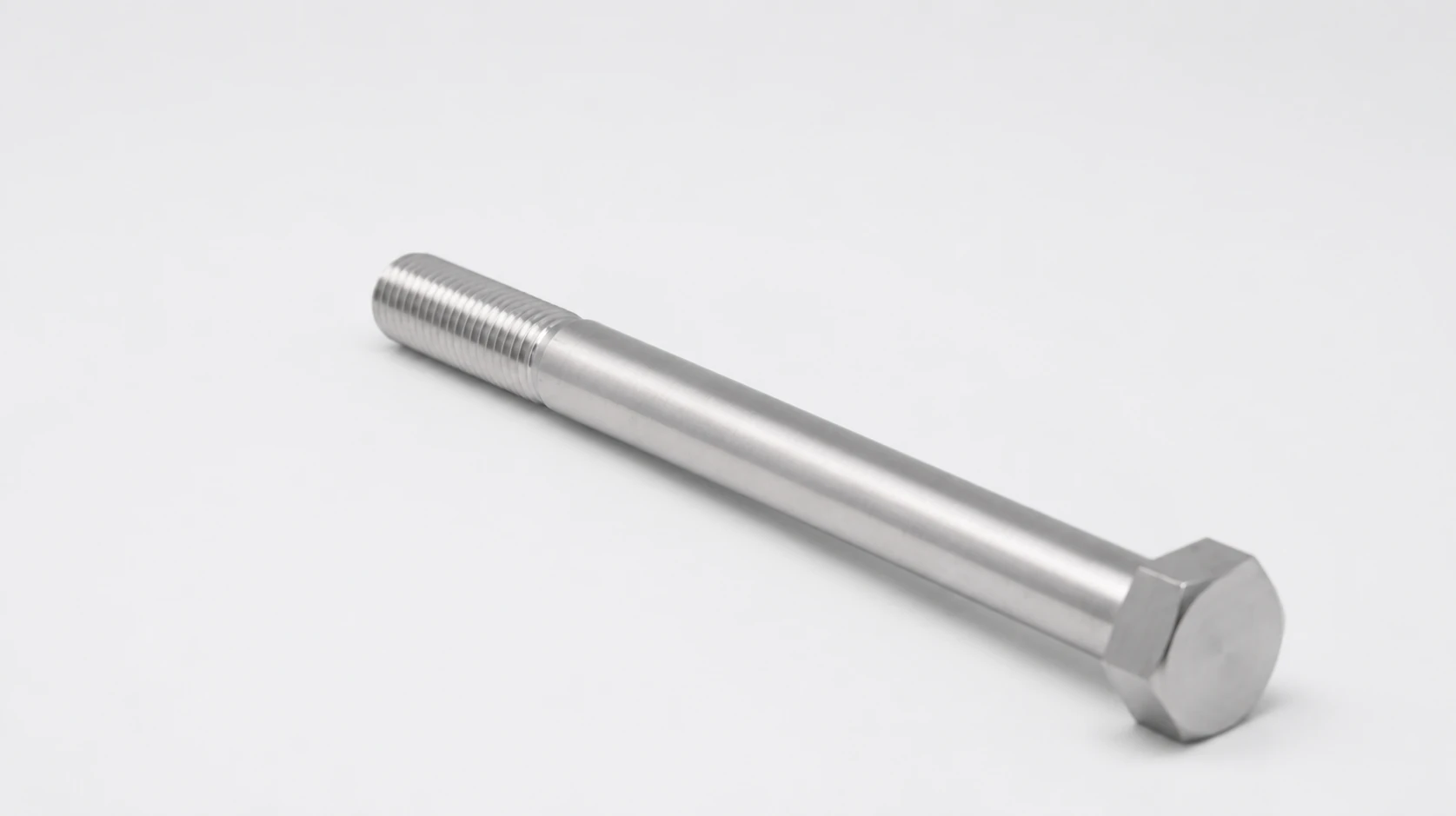
Distinguish plain-shank length, assembly grip and complete threads. Mark runout and nut position for a clear Inconel 718 or A-286 fastener enquiry.
Read Guide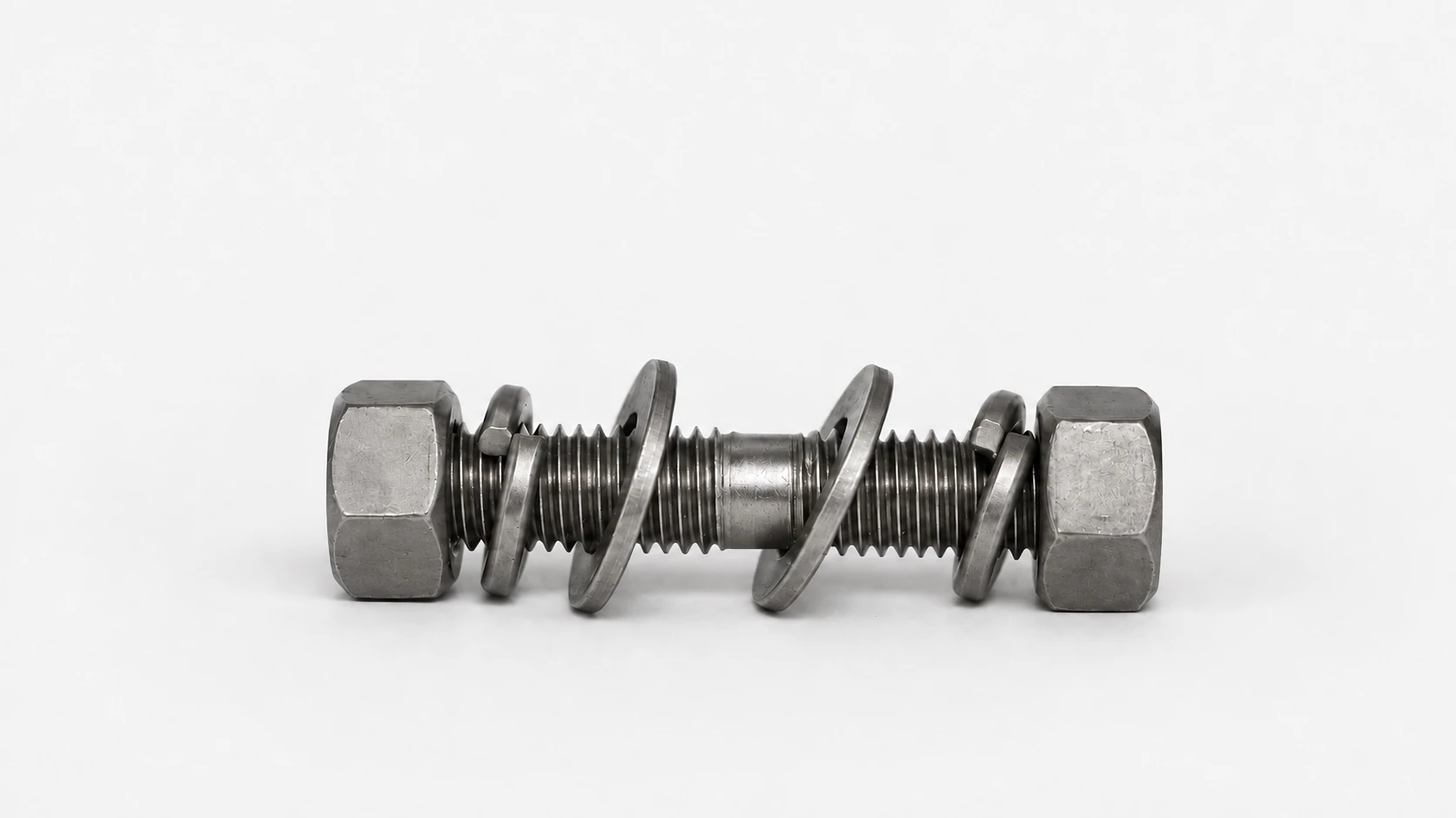
Read, measure and specify special-alloy fastener dimensions and mating threads. Start with stud length, bolt grip, thread classes, UNJ or U-bolt measurement.
Read Guide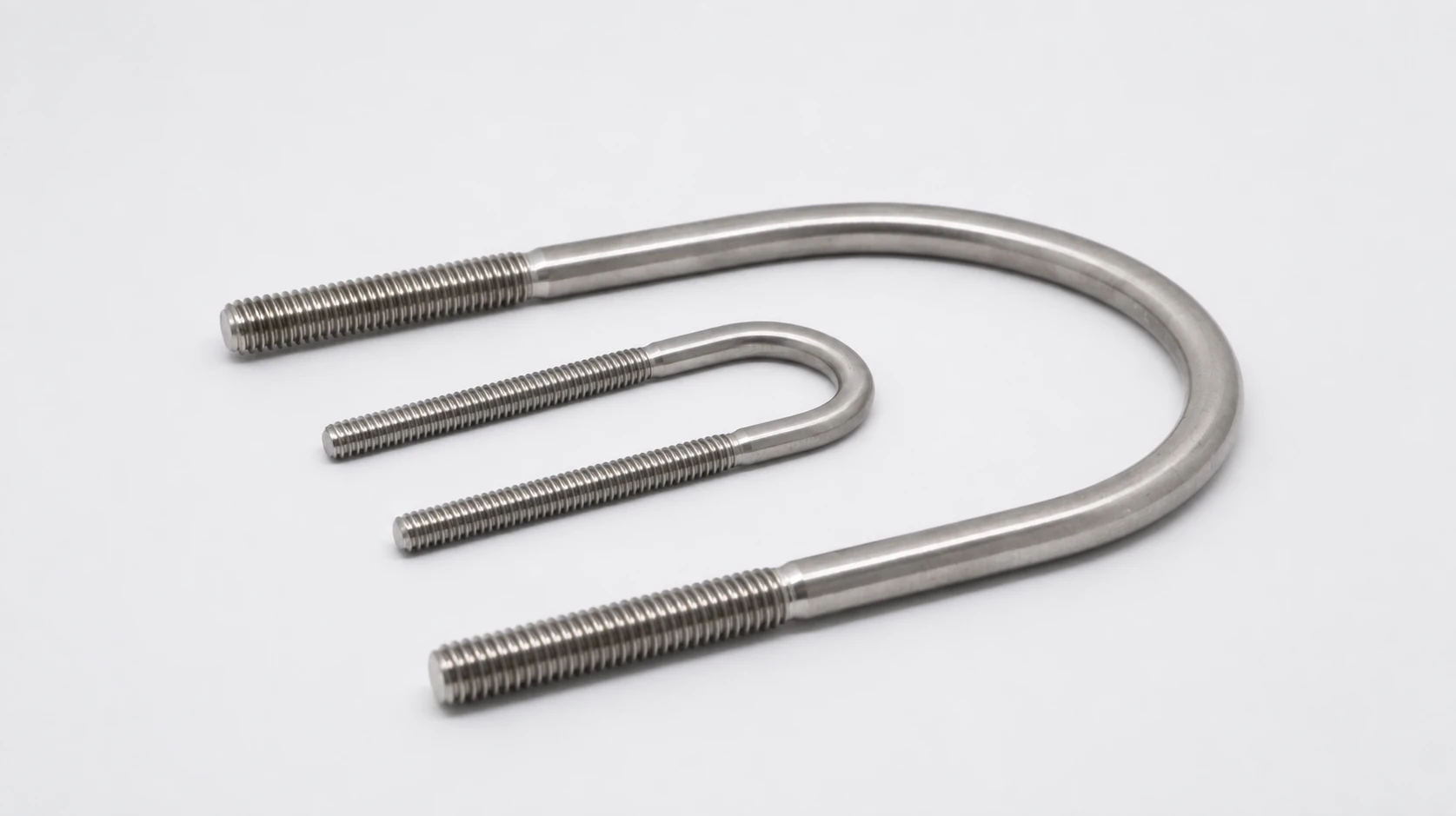
Distinguish inside width from leg-centre distance, define the height datum, and check usable thread against the actual nut and plate arrangement.
Read Guide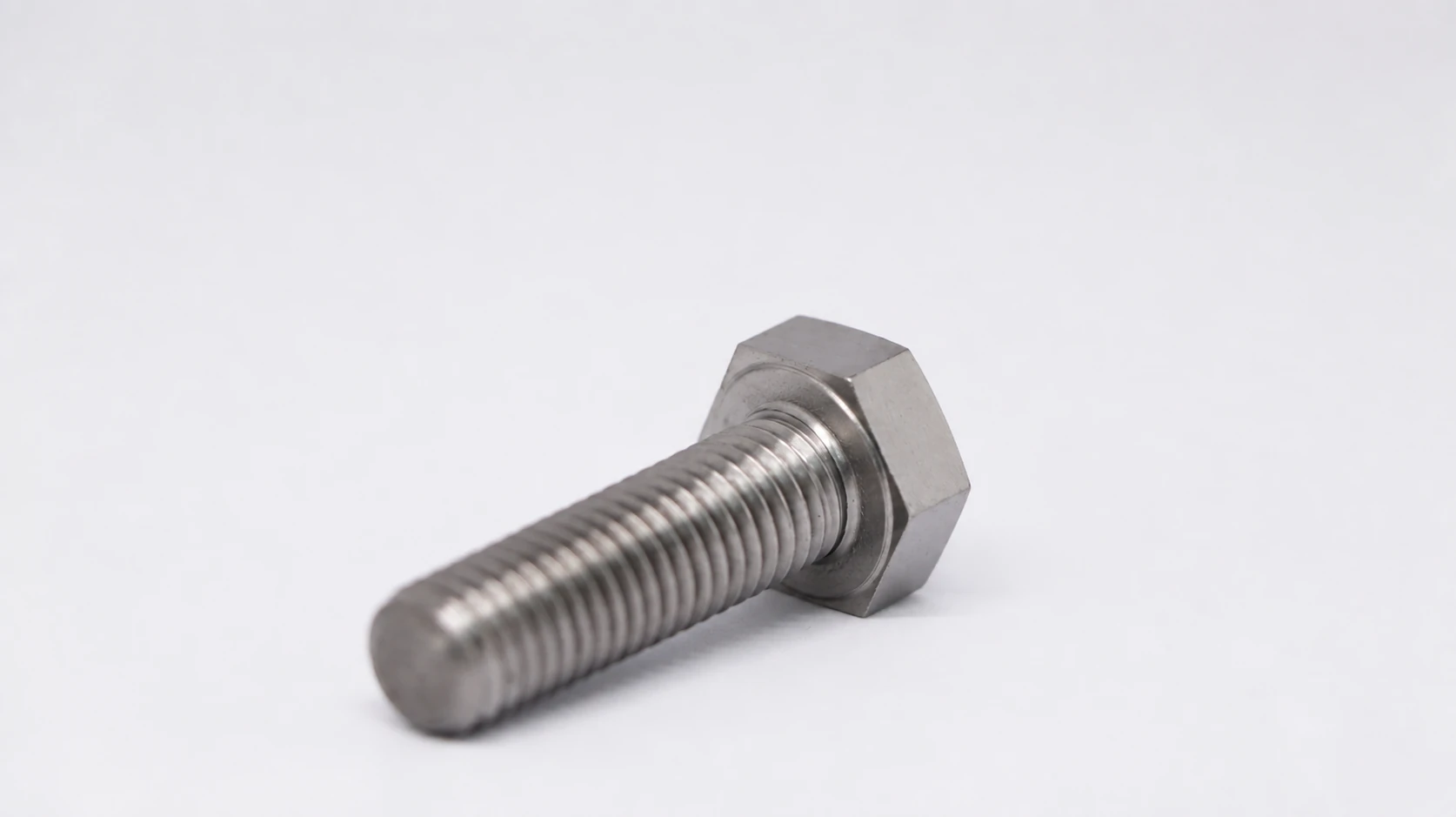
Read condition-labelled 718 hardness values, distinguish Rockwell scales from converted results, and check whether a report represents the finished bolt lot.
Read GuideLook up condition-labelled A-286 yield values, distinguish 0.02% from 0.2% offset, and check whether a test report answers the fastener order’s temperature and acceptance requirement.
Read Guide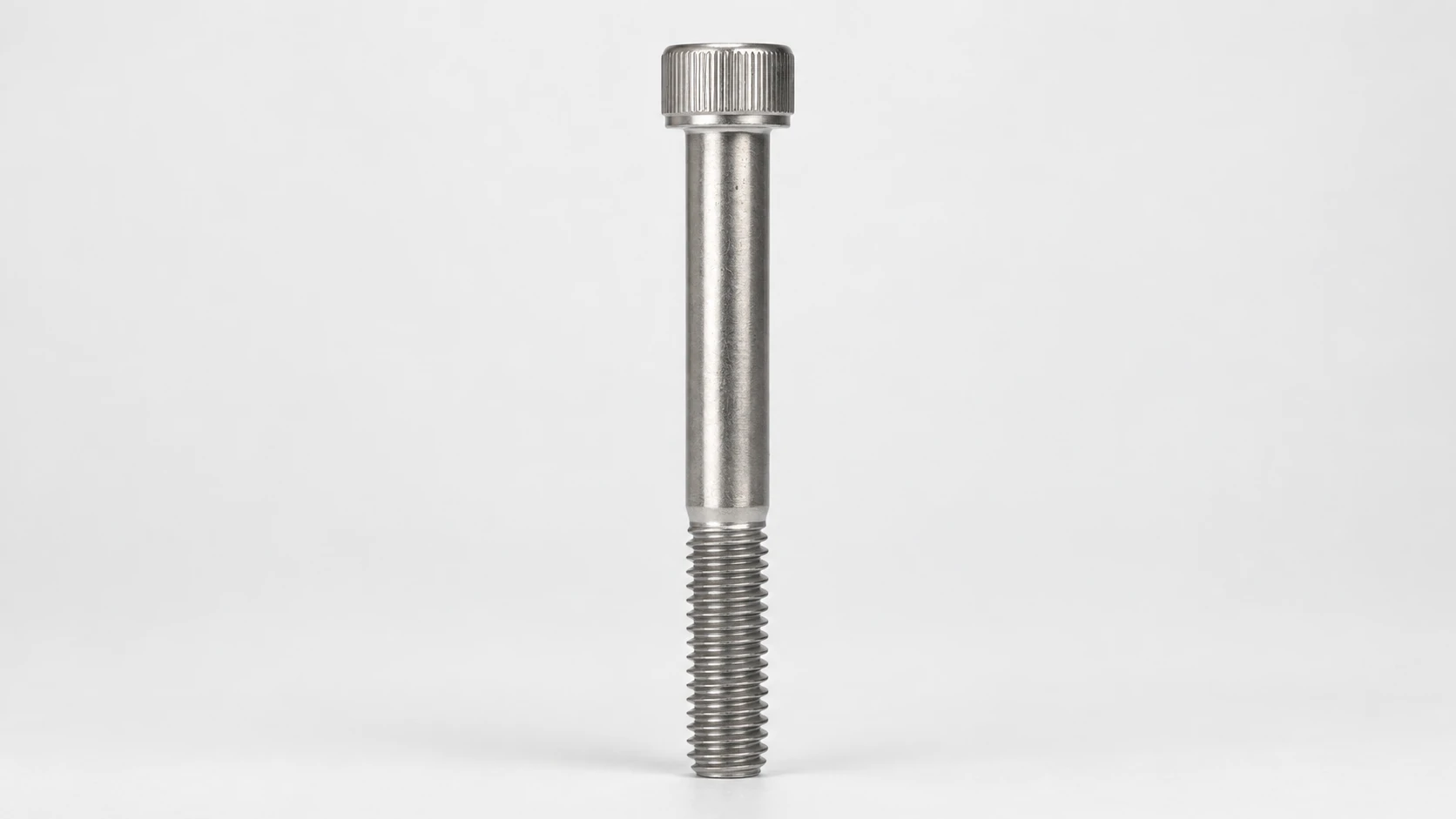
Read a published 718 fatigue result in context, distinguish specimen evidence from threaded-joint qualification, and follow a worked preload and stress-ratio example.
Read Guide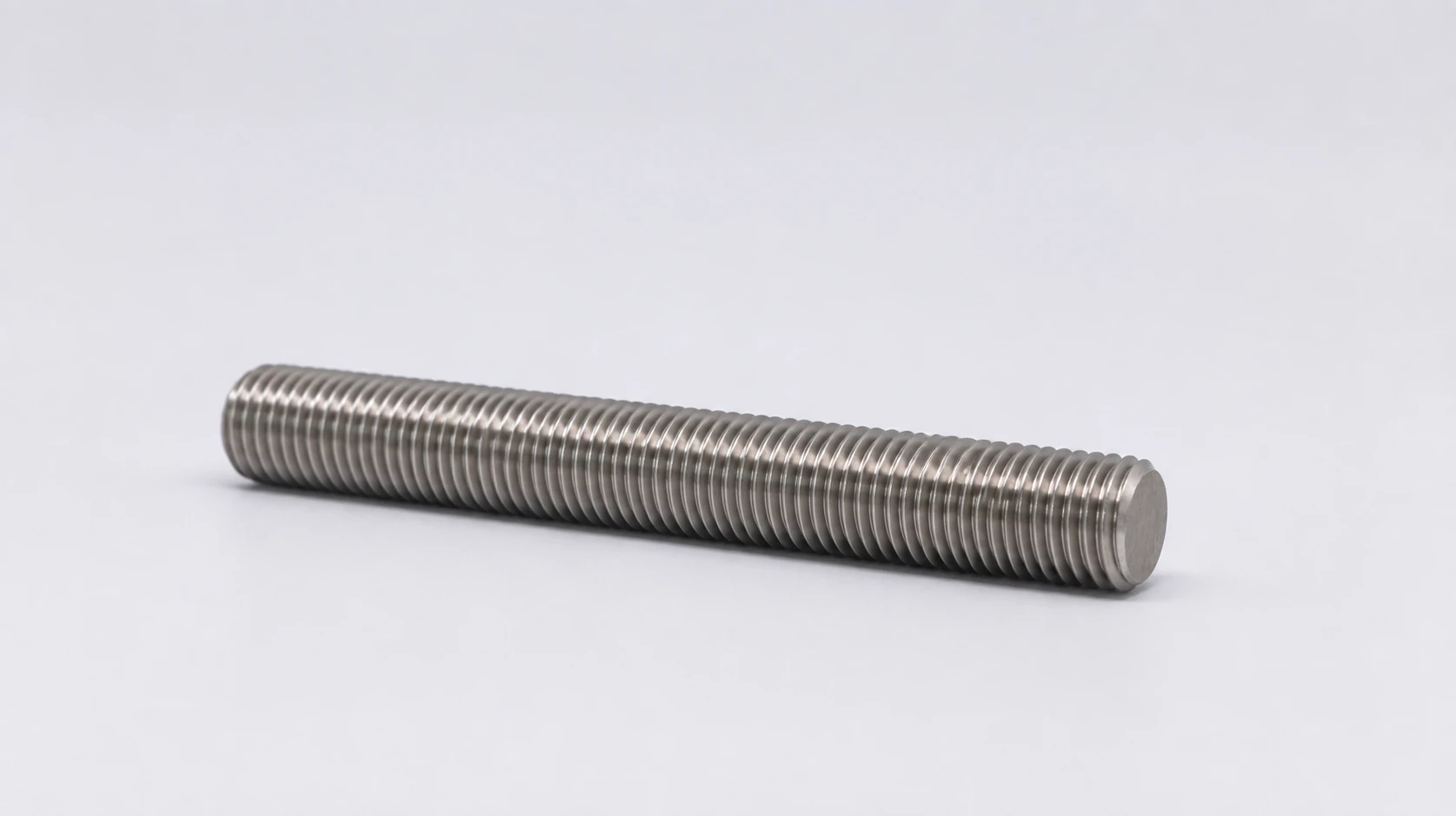
Understand why A-286 treatment routes balance different properties, and use a worked review to judge a proposed change beyond matching hardness.
Read Guide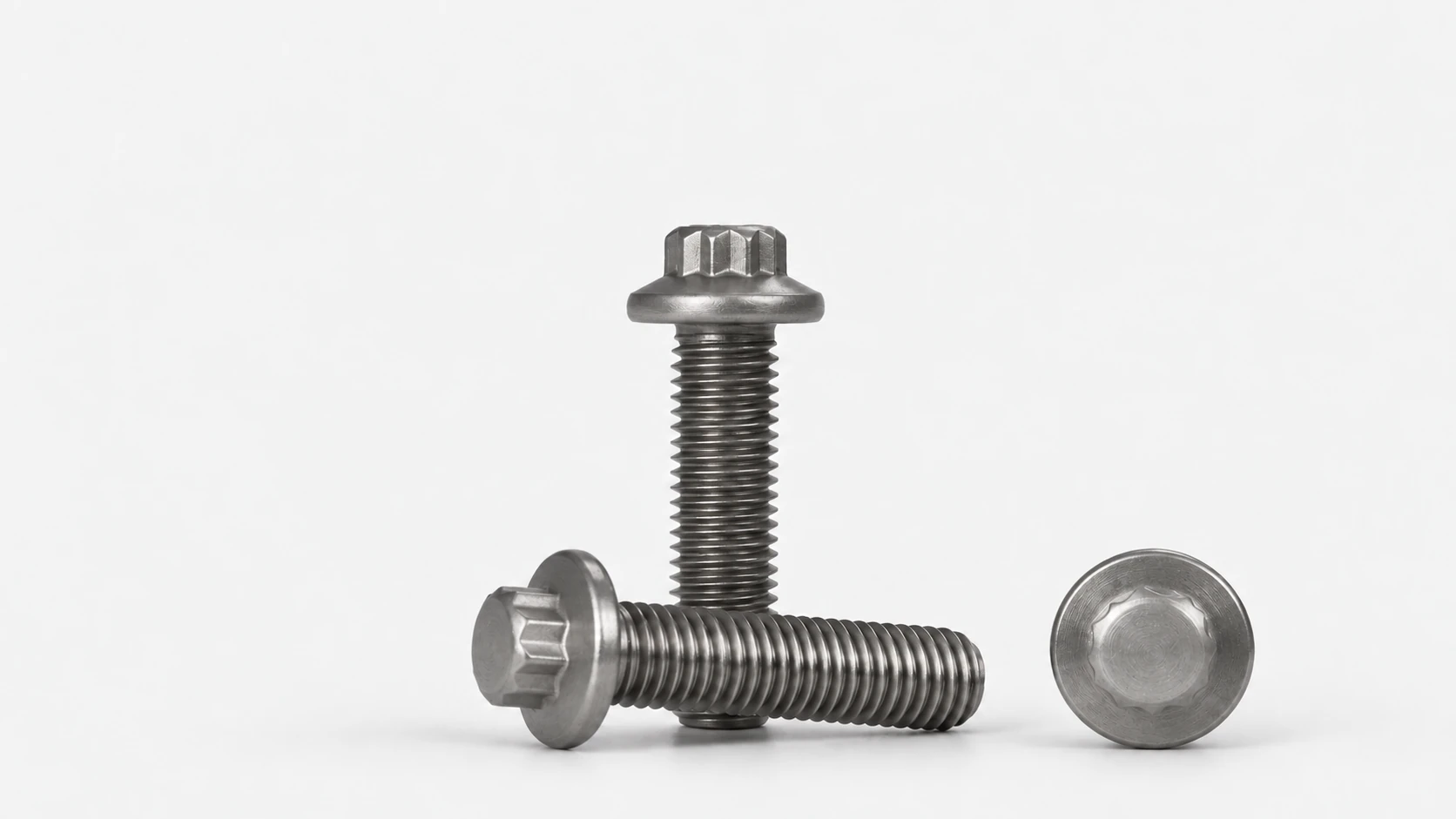
Choose between A286 and Inconel 718 by matching the final condition and complete joint duty, then compare technically acceptable quotations.
Read GuideInconel 600 (UNS N06600 / W.Nr. 2.4816) is a solid-solution nickel-chromium-iron alloy. Review composition, condition-dependent properties, product-form specifications and BYBOLT enquiry routes.
For Inconel 601 (UNS N06601) fastener or raw-material enquiries, send your drawing, product form and quantity. For hot-service parts, include the operating atmosphere, temperature, load and thermal cycles for review.
Inconel 625 is a nickel-chromium-molybdenum-niobium alloy combining corrosion resistance with strength. It is a material option for chemical and marine components. Specify the product form and required condition when enquiring about fasteners or raw material.
Inconel 718 is an age-hardenable nickel-chromium alloy for engineering applications requiring strength and corrosion resistance. Enquiries may cover bolts, studs and drawing-based components, with the required heat-treatment condition stated in the specification.
Inconel X-750 is a precipitation-hardenable nickel-chromium alloy used in springs and elevated-temperature components. Heat treatment must be selected for the product form and service requirement.
Nimonic 75 is a nickel-chromium alloy considered for oxidation resistance and heat-resistant fabricated components.
Nimonic 80A is an age-hardenable nickel-chromium alloy used for elevated-temperature strength and rupture requirements. Product form and treatment are reviewed against the drawing.
Hastelloy C-276 is a nickel-chromium-molybdenum alloy with tungsten, used in demanding corrosion environments. Material selection depends on the process medium, concentration and temperature. Enquire about corrosion-resistant fasteners and components to your specification.
Hastelloy C-22 is a nickel-chromium-molybdenum-tungsten alloy considered for oxidising and other aggressive process environments. Selection against C-276 should be based on the actual corrosion conditions.
Hastelloy B-2 is a nickel-molybdenum corrosion-resistant alloy. Submit the complete process conditions and material specification for review.
Hastelloy B-3 is a nickel-molybdenum alloy for hydrochloric acid and other reducing media, with improved thermal stability compared with B-2.
Incoloy 800 (UNS N08800) enquiries for fasteners and raw materials start with the exact grade, product form and delivery condition. Send your drawing or specification, size and quantity for order-specific review.
Incoloy 825 is a nickel-iron-chromium alloy containing molybdenum, copper and titanium. It is considered for corrosive chemical environments, with suitability assessed against the actual medium and operating conditions.
Incoloy 925 is an age-hardenable nickel-iron-chromium alloy combining strength with corrosion resistance. Enquiries should state the required condition and service environment.
Monel 400 is a nickel-copper alloy used in marine and selected chemical environments. Enquiries should identify the medium, required strength and product form. It is a separate material from age-hardenable K-500.
Monel K-500 is an age-hardenable nickel-copper alloy containing aluminium and titanium. It is considered for corrosion-resistant components requiring higher strength. State the required heat treatment, mechanical properties and service conditions in the enquiry.
A-286 is an age-hardenable iron-based nickel-chromium alloy used for elevated-temperature fasteners and components. Material grade, heat treatment and finished-fastener requirements should be specified separately.
2205 is a duplex stainless steel combining strength with resistance to chloride-related corrosion. Specify UNS S31803 or S32205 explicitly and identify the required product standard and delivery condition.
2507 is a super duplex stainless steel considered for demanding chloride-bearing environments. Specify the required form, heat treatment and testing. UNS S32750 is distinct from S32760.
UNS S32760 is a super duplex stainless steel, distinct from S32750. Zeron 100 is retained as a commercial-name search reference; actual brand and origin follow the order documentation.
Alloy S31254, commonly known as 254 SMO, is a high-alloy austenitic stainless steel developed for chloride-bearing environments. It belongs in the superaustenitic category, separate from duplex grades.
904L is a low-carbon, highly alloyed austenitic stainless steel for corrosion-focused material enquiries.
For XM-19, UNS S20910, material enquiries, please specify the product form, delivery condition and required properties for technical review.
17-4PH, also designated 630, is a chromium-nickel-copper precipitation-hardening stainless steel. Specify the ageing condition with the required strength and toughness.
Alloy 926 is a highly alloyed austenitic stainless steel considered for chloride-bearing corrosive environments.
Incoloy 020 is a nickel-iron-chromium alloy containing copper and molybdenum, considered for sulfuric-acid process environments.
Titanium Grade 2 is commercially pure titanium for corrosion resistance, formability and low-density applications. Enquiries should state the product form, dimensions and service environment.
Titanium Grade 5, Ti-6Al-4V, is an alpha-beta alloy considered for components requiring a high strength-to-weight ratio. Grade 5 is distinct from ELI Grade 23.
Zirconium 702 is a commercially pure zirconium grade considered for selected corrosive chemical environments.
Zirconium 705 is a niobium-alloyed zirconium grade with different strength and specification requirements from 702.
304 is a widely used chromium-nickel austenitic stainless steel.
316L is a low-carbon molybdenum-bearing austenitic stainless steel for corrosion-resistant component enquiries.
316Ti is a titanium-stabilised molybdenum-bearing austenitic stainless steel.
317L is a low-carbon molybdenum-bearing austenitic stainless steel.
321 is a titanium-stabilised austenitic stainless steel.
347 is a niobium-stabilised austenitic stainless steel.
420 is a martensitic stainless steel grade requiring a clearly defined composition and delivery condition.
431 is a nickel-containing hardenable martensitic stainless steel for components requiring a balance of strength, toughness and corrosion resistance.
Nimonic 901, UNS N09901, can be specified in a material enquiry. Please provide the required product form, material standard, delivery condition and mechanical properties for review.
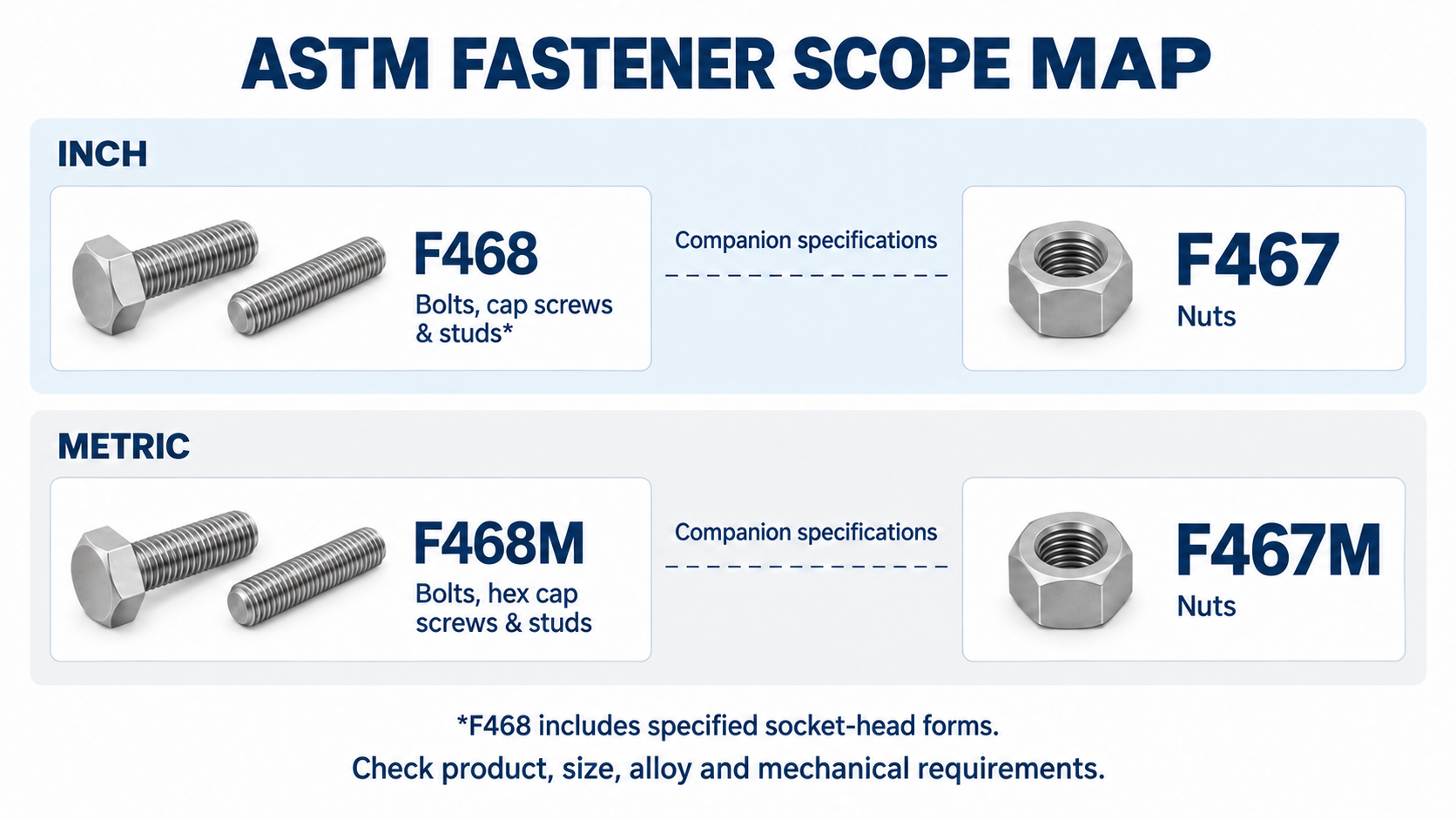
A bolt and nut can share a thread size while falling under different product specifications. This guide compares F468, F467 and their metric counterparts, with examples of scope gaps and a metric nut-strength check.
Read Guide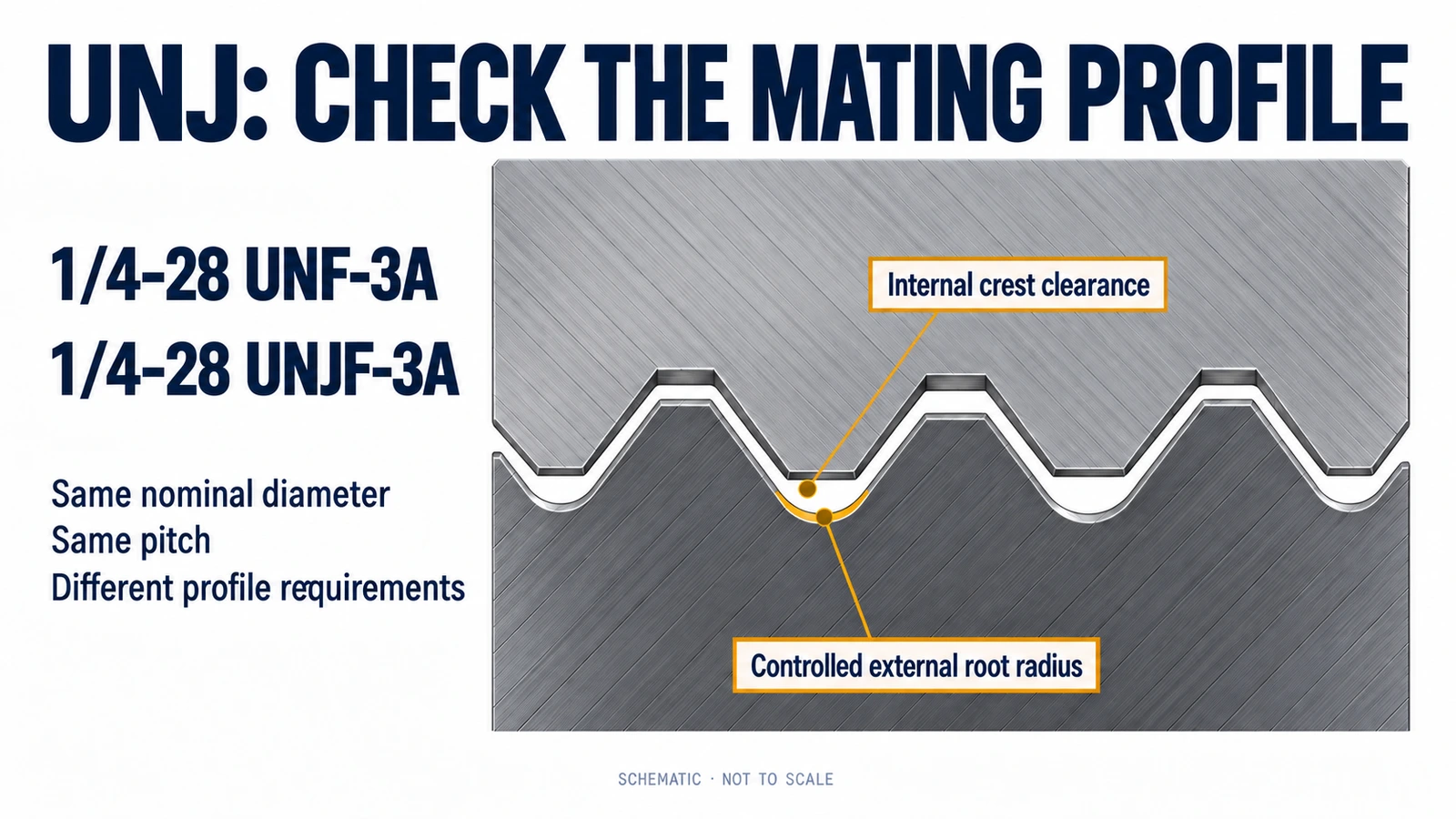
Two fasteners can share a nominal diameter and pitch while requiring different mating-thread geometry. This guide explains the UNJ root profile, the clearance it needs and what to check before accepting a substitute.
Read GuideHeat-resistant austenitic stainless steel for furnace supports, burner components and heat-treatment baskets. Compare 310, 310S and 310H before specifying your grade.
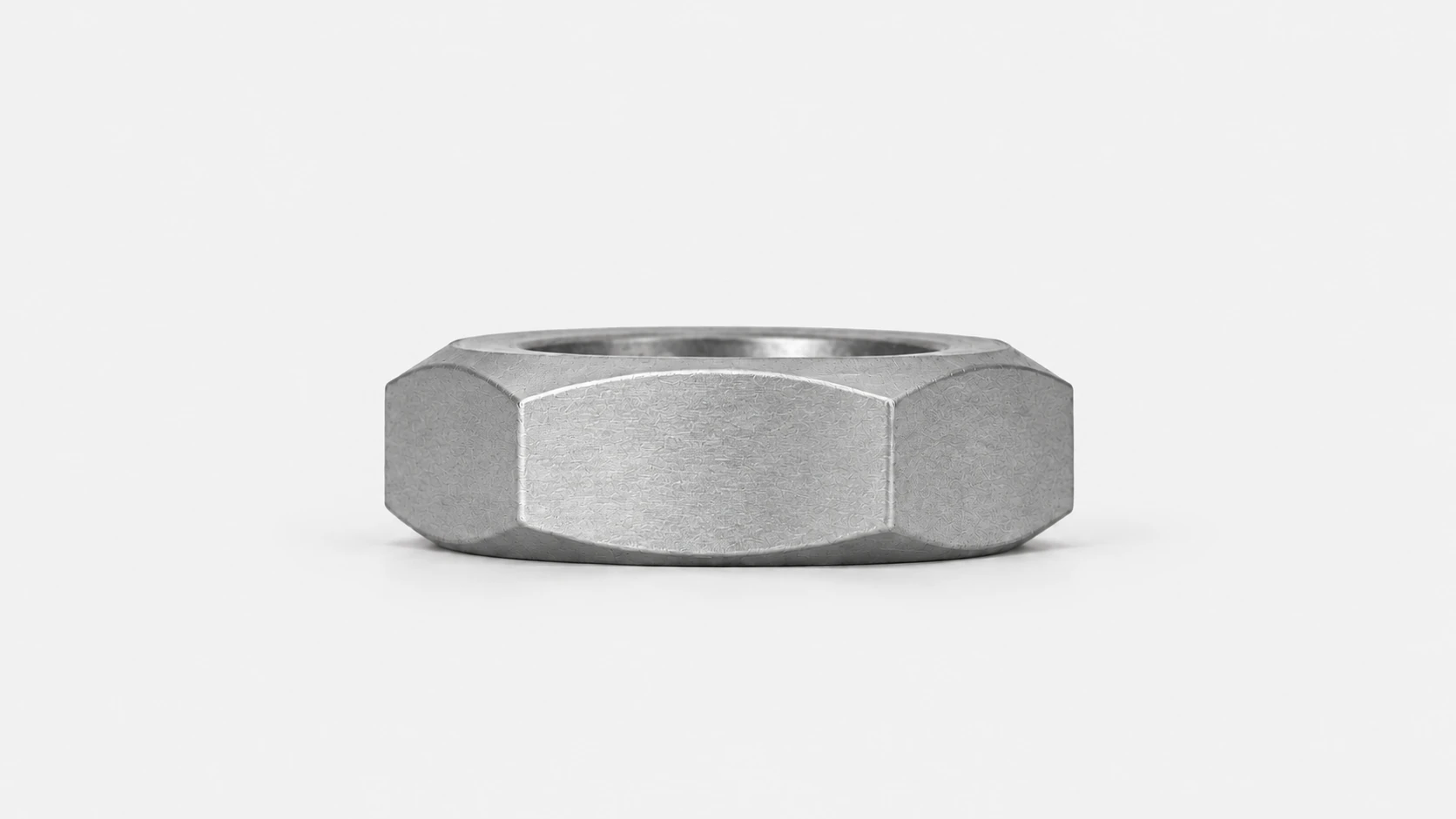
Review thin-nut substitutions through ISO 4035 and ISO 4032, loadability, jam-nut use and the requirements to keep in a fastener order.
Read Guide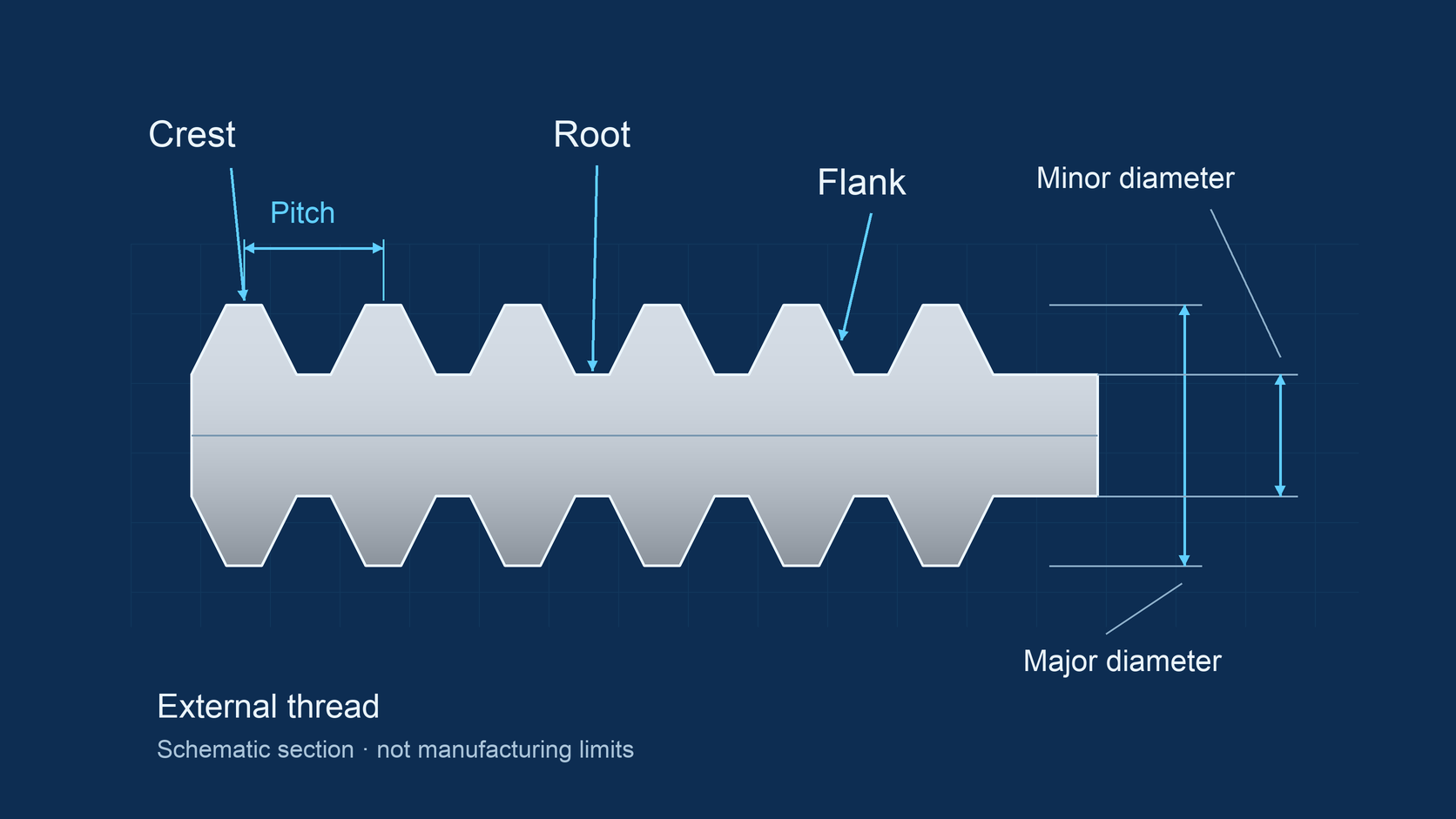
Identify common bolt threads, read the callout and check a replacement. Comparison chart for metric, UNC, UNF, 8UN and UNJ.
Read Guide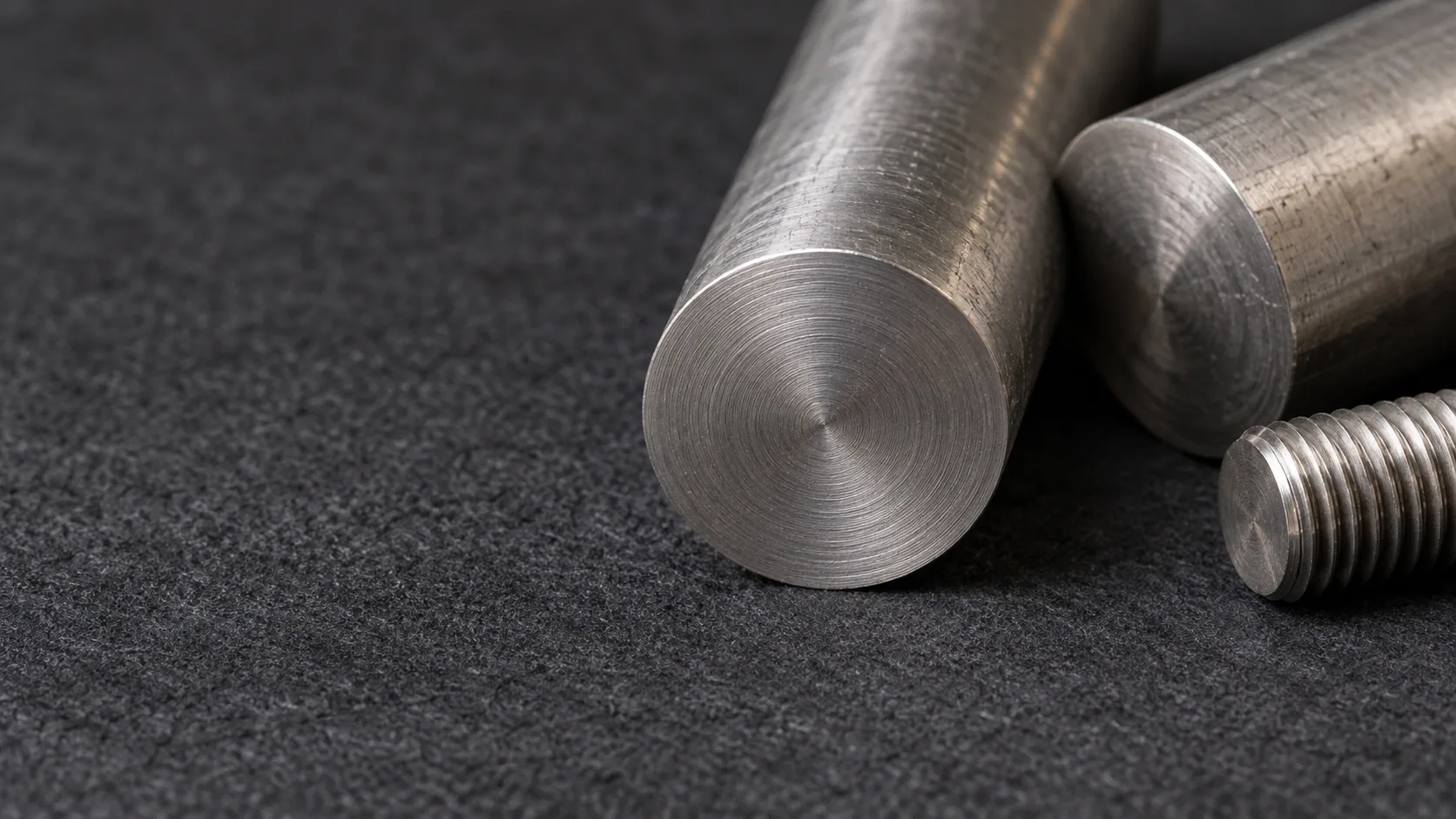
Annealed stock and age-hardened finished bolts are different purchases.
Read GuideChoose a grade, compare suppliers and put a clear requirement on the order. A buying guide with a material comparison chart, RFQ example and receiving checks.
Read Guide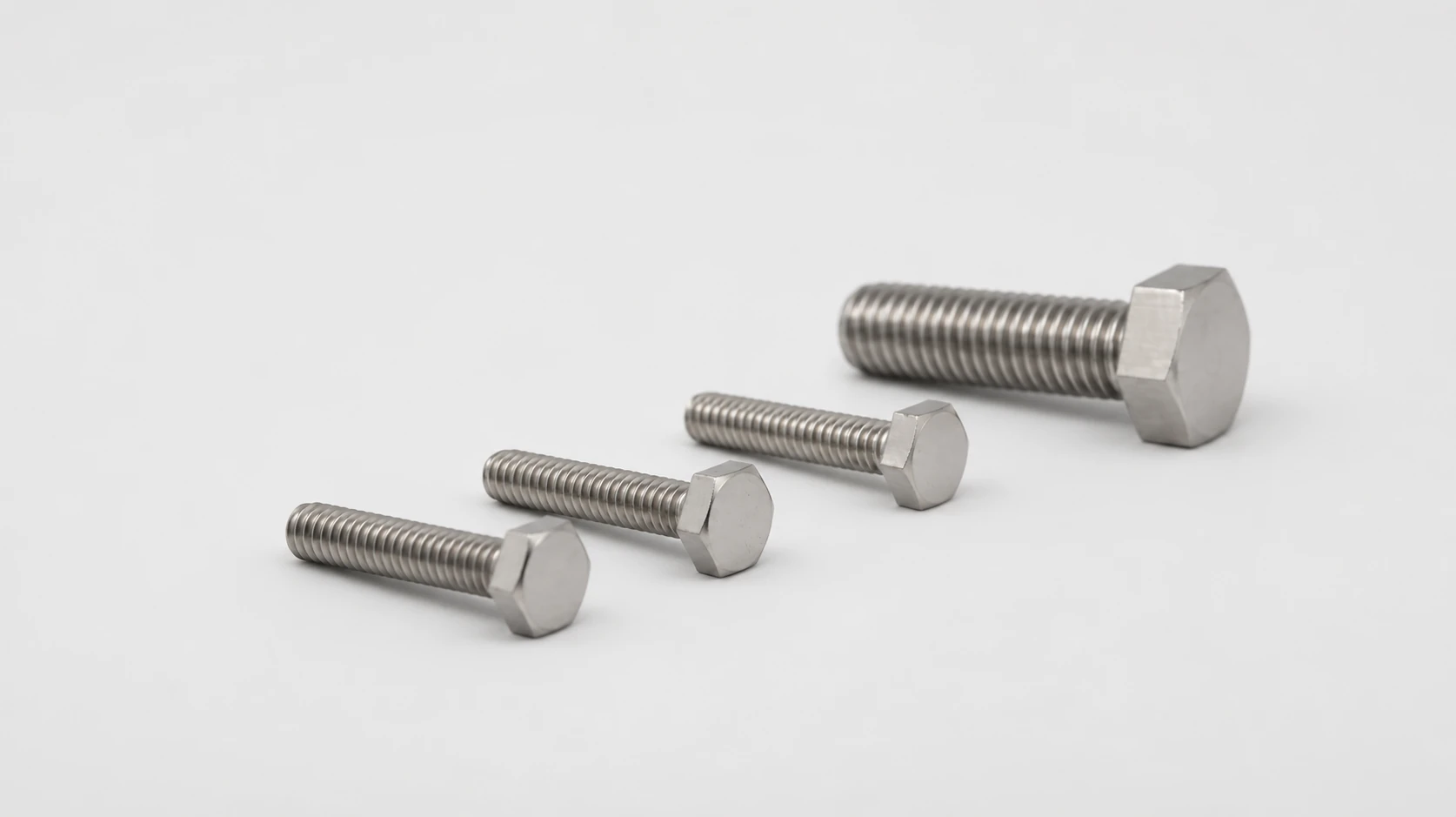
A buying guide to UNS N10276 bolts, studs, nuts and washers—from the material callout to the delivered parts.
Read Guide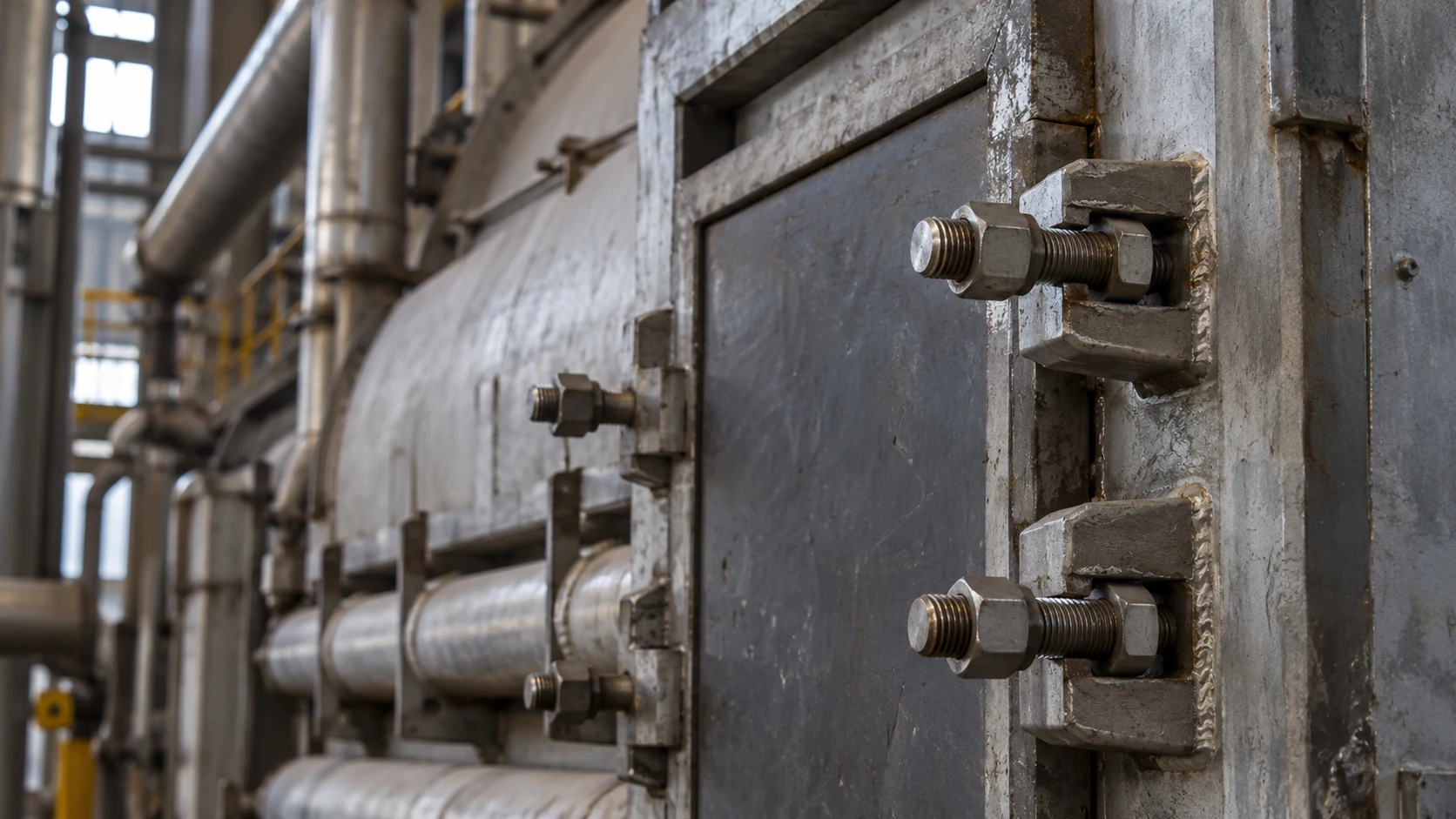
Resolve the grade, stock form and acceptance route before a high-temperature material note becomes a purchase order.
Read Guide
Check the heat chemistry, product form and certificate scope before accepting a dual-certified 2205 offer.
Read Guide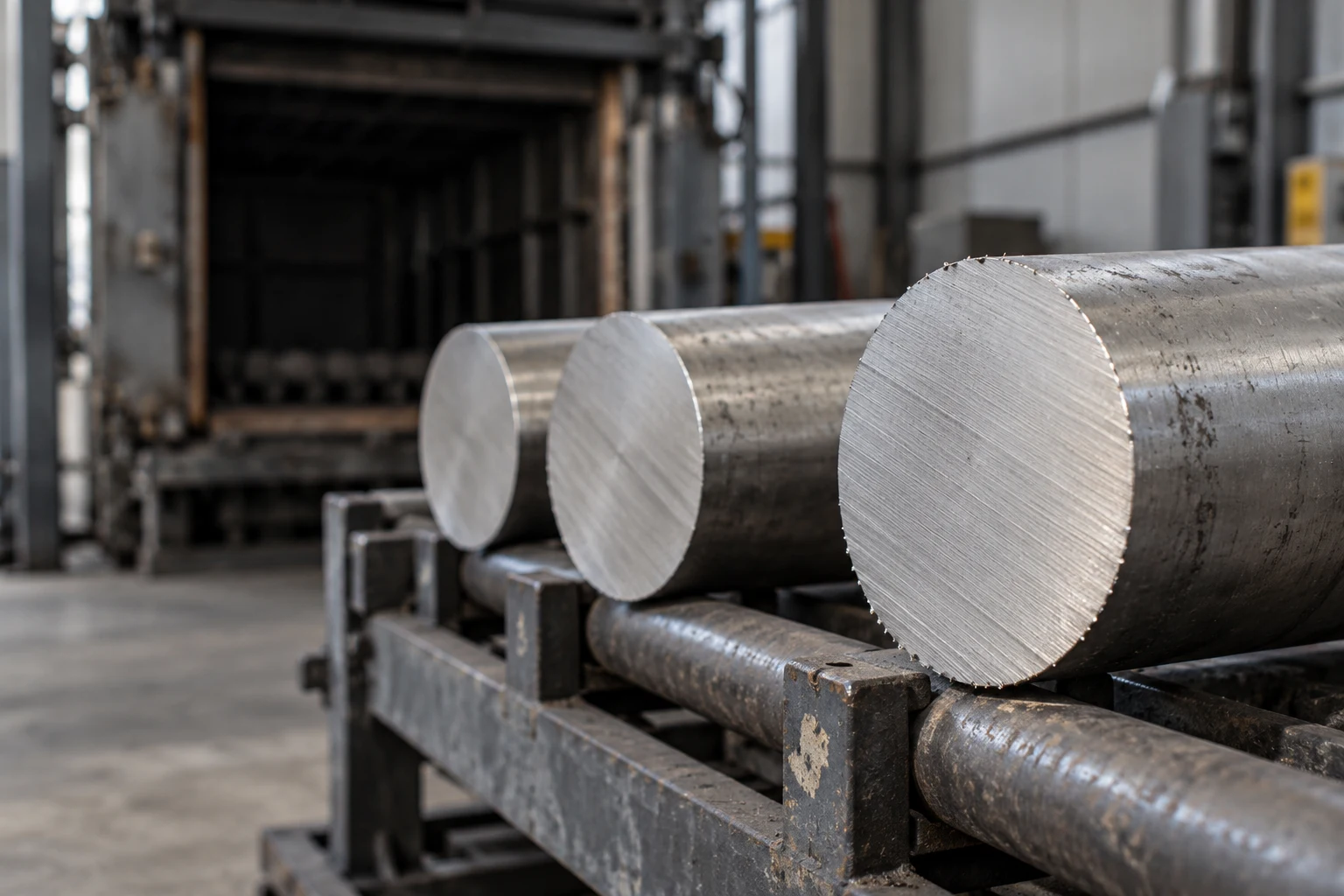
How to review heat-treatment records, ferrite measurements, detrimental-phase tests and sampling coverage for duplex bar and fasteners.
Read Guide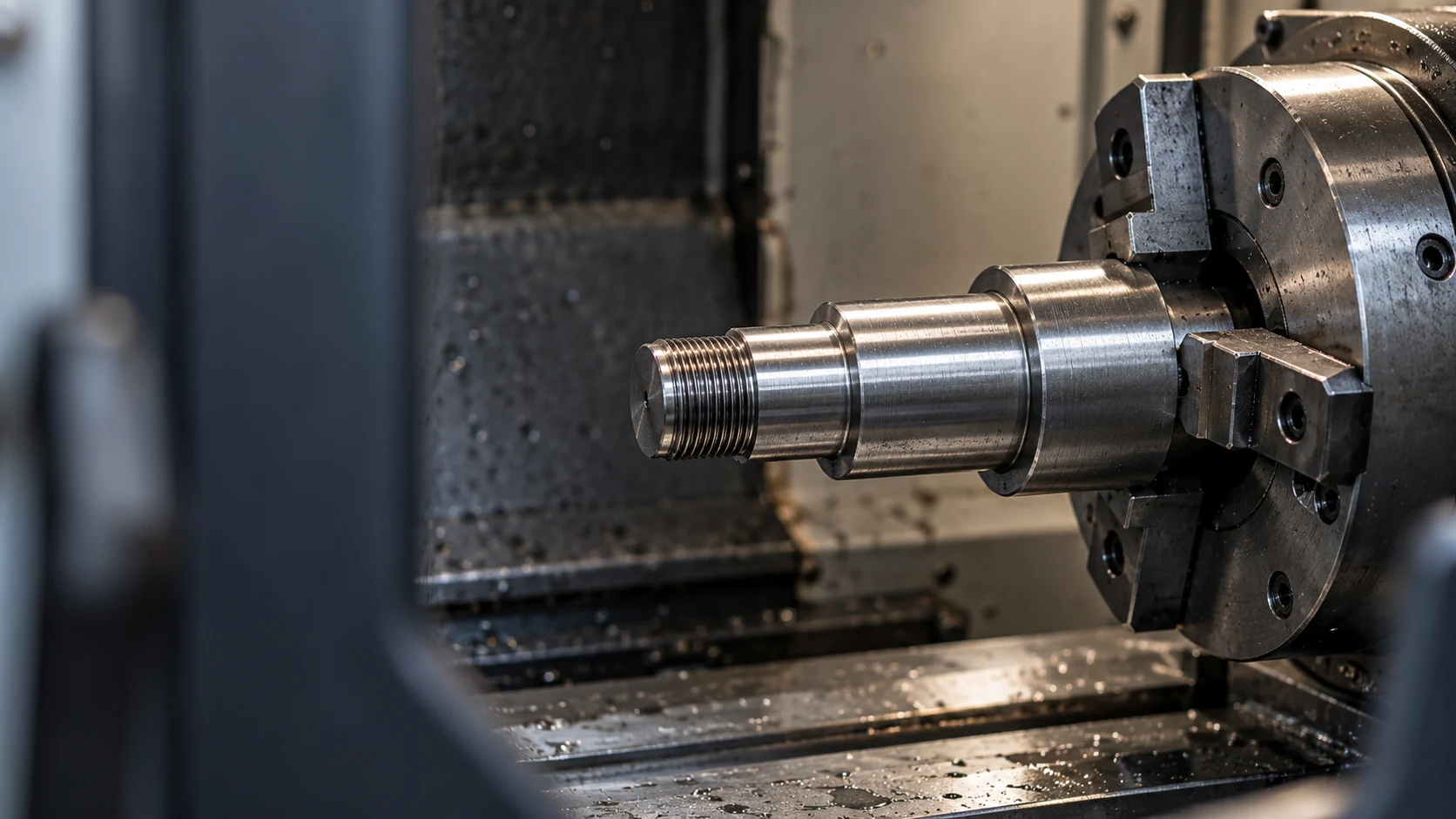
What a 718 MTC can support, why strength and rupture results do not establish retained clamp load, and which joint evidence to request.
Read GuideCompare Monel 400 and K-500 with Inconel 625 and 718 by exposure, delivery condition and hot-joint requirements.
Read Guide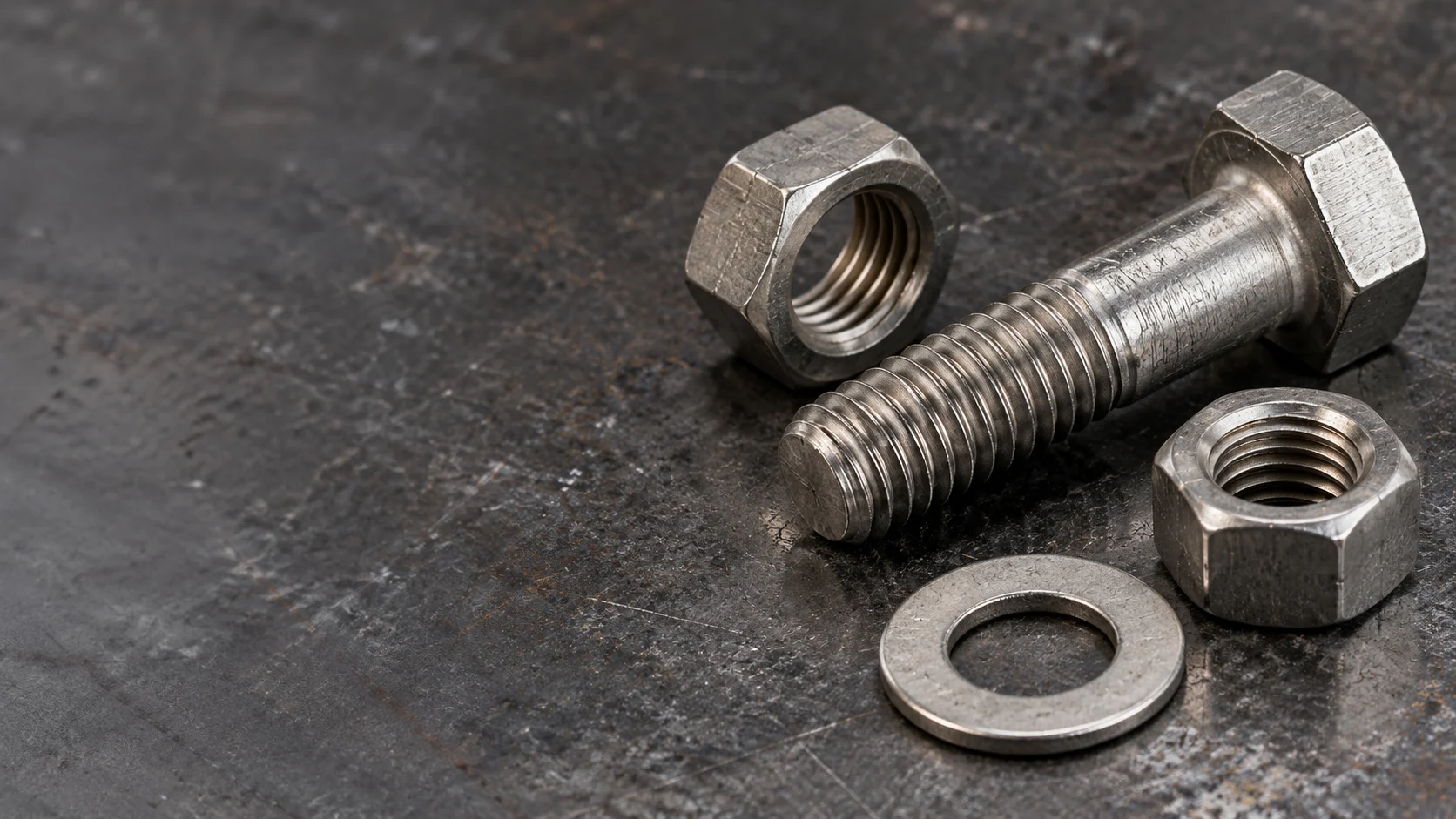
Review the mating specification, load path, corrosion exposure and tightening procedure before substituting the nut.
Read Guide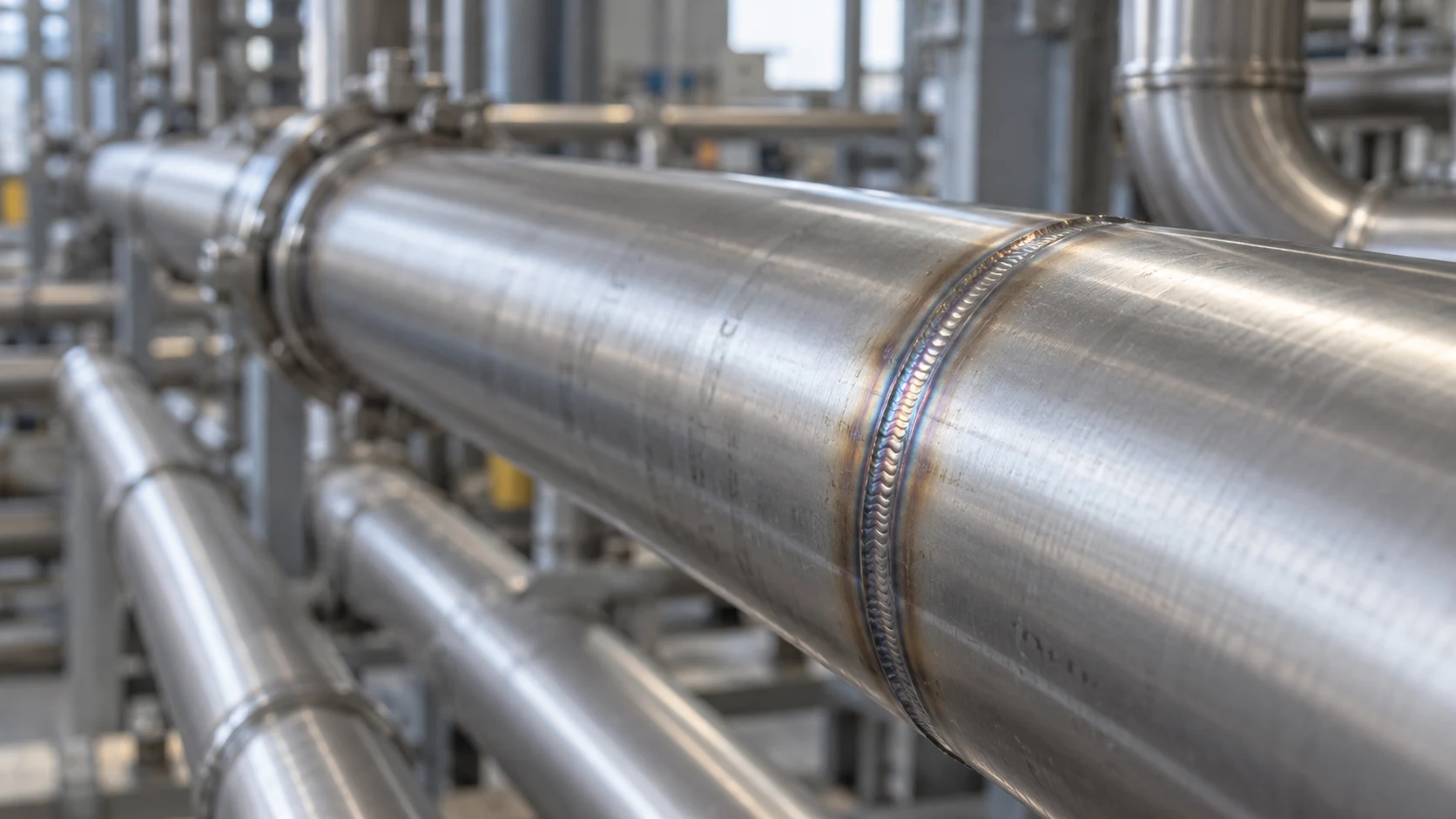
Check what the low-carbon suffix and a dual-certified offer actually establish for the product you are purchasing.
Read GuideChoose and verify the final aging condition for 17-4 PH fasteners and machined components.
Read Guide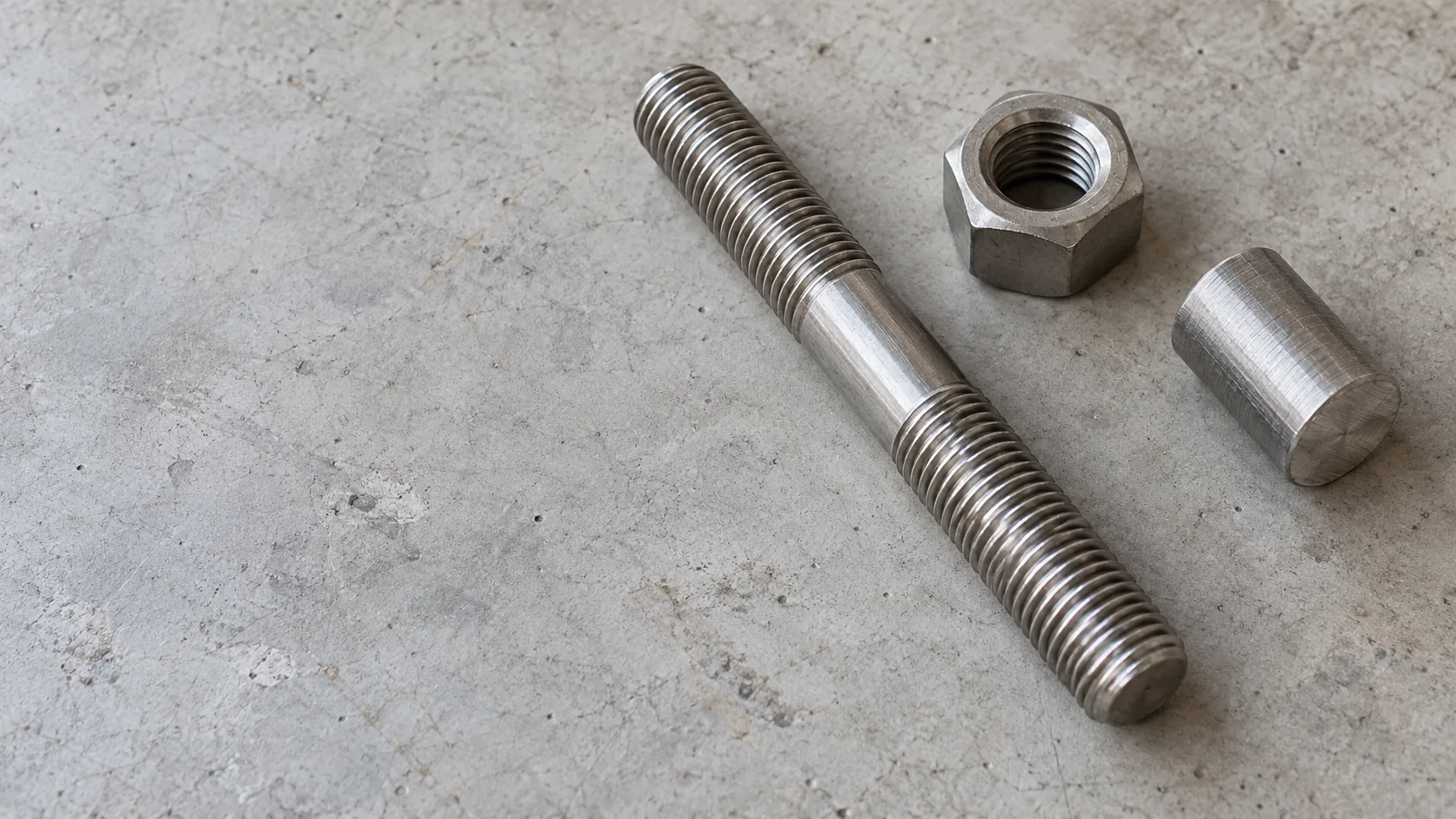
Compare C-22, C-276, 625 and 718 using the actual exposure and mechanical requirements before approving a fastener substitution.
Read Guide
Connect the H2S exposure, standard route, material condition and finished-lot evidence before accepting a sour-service fastener.
Read Guide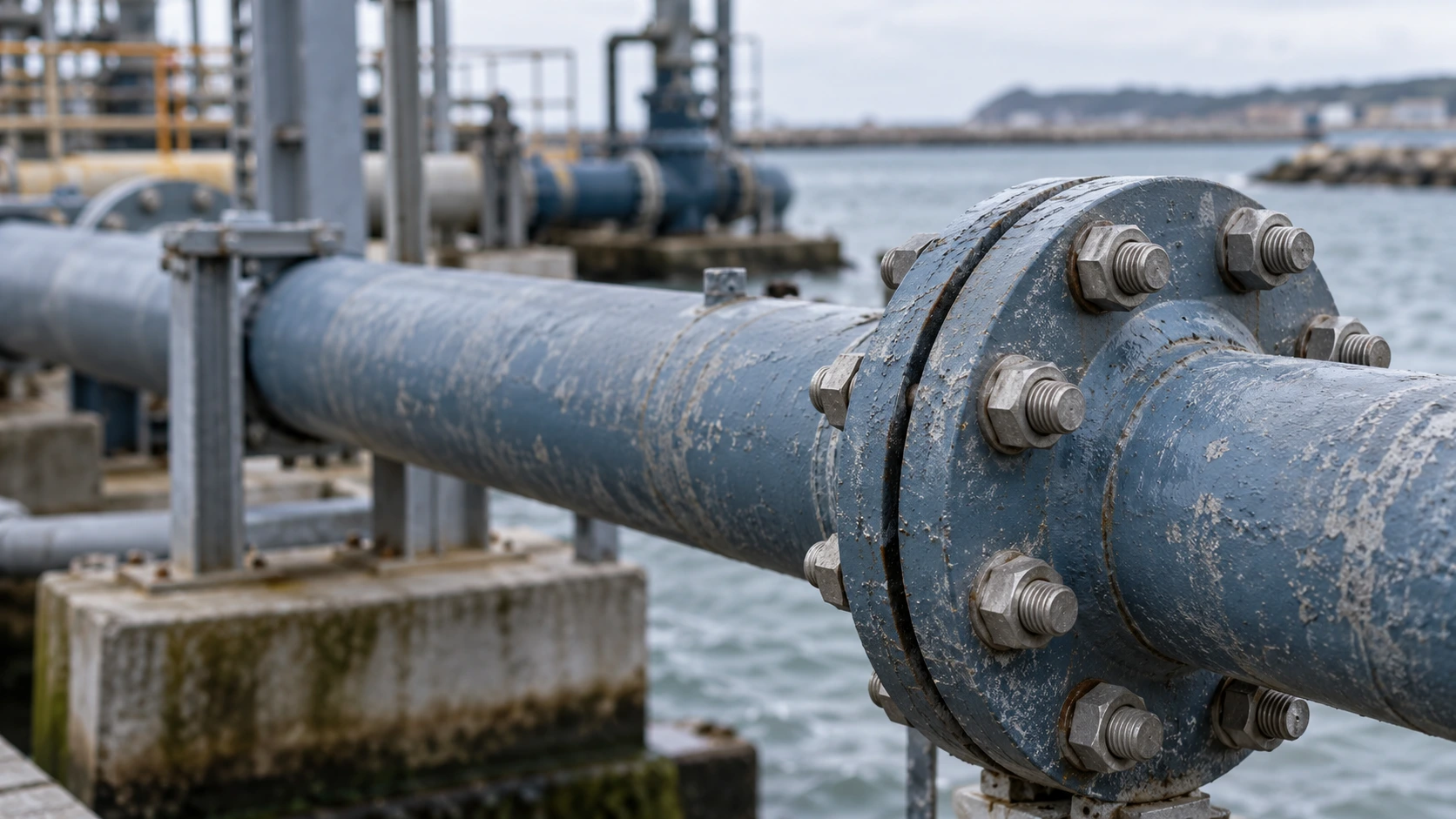
Start at the connection: seawater exposure, sheltered interfaces, connected metals and the load the joint must retain.
Read Guide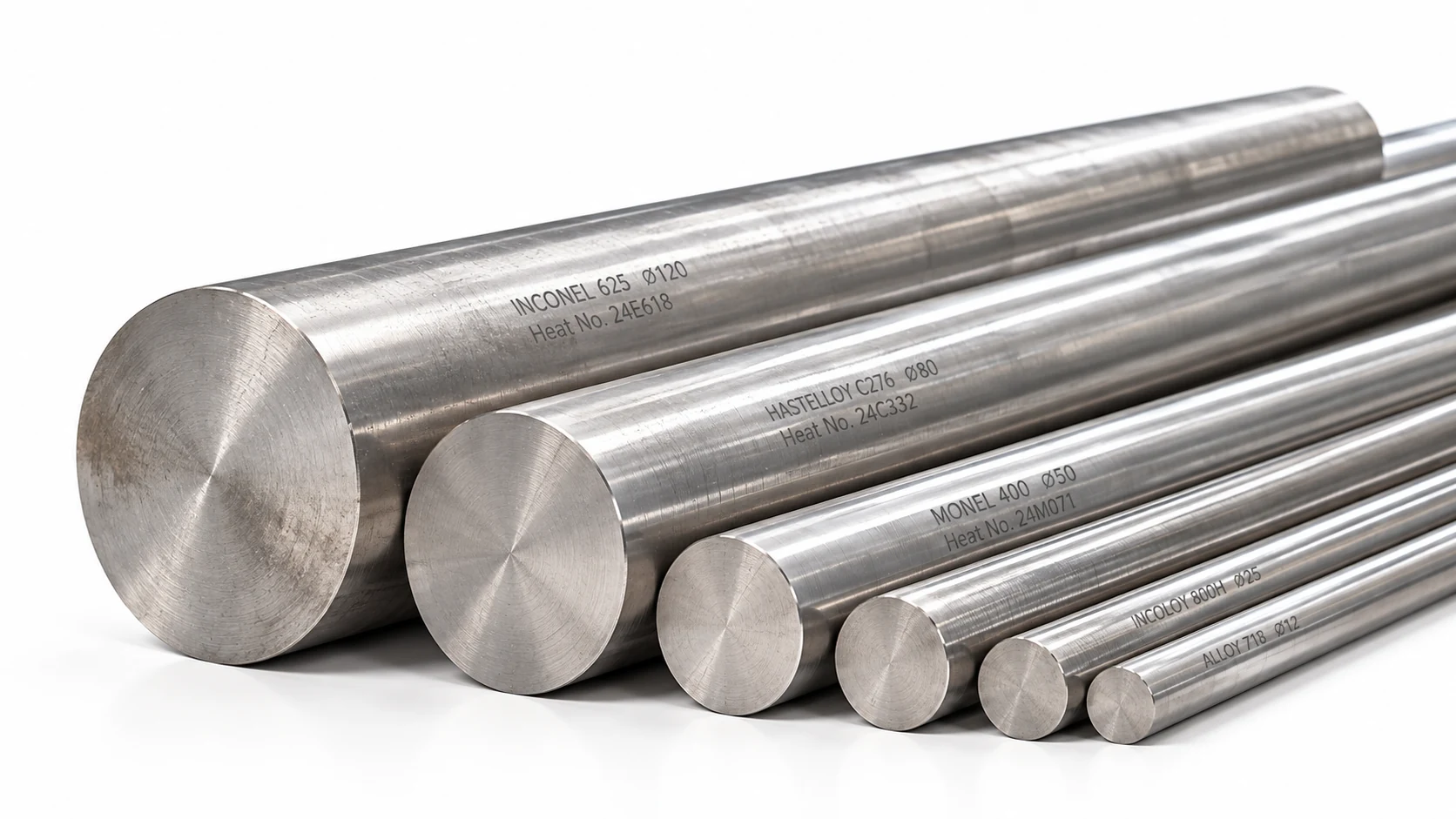 Raw Materials
Special alloy round bar supplied to your specified grade, diameter, length and delivery condition. Send the material standard, tolerance and documentation requirements, together with the quantity or weight required. Cut-length requests can be reviewed with your enquiry.
 Raw Materials
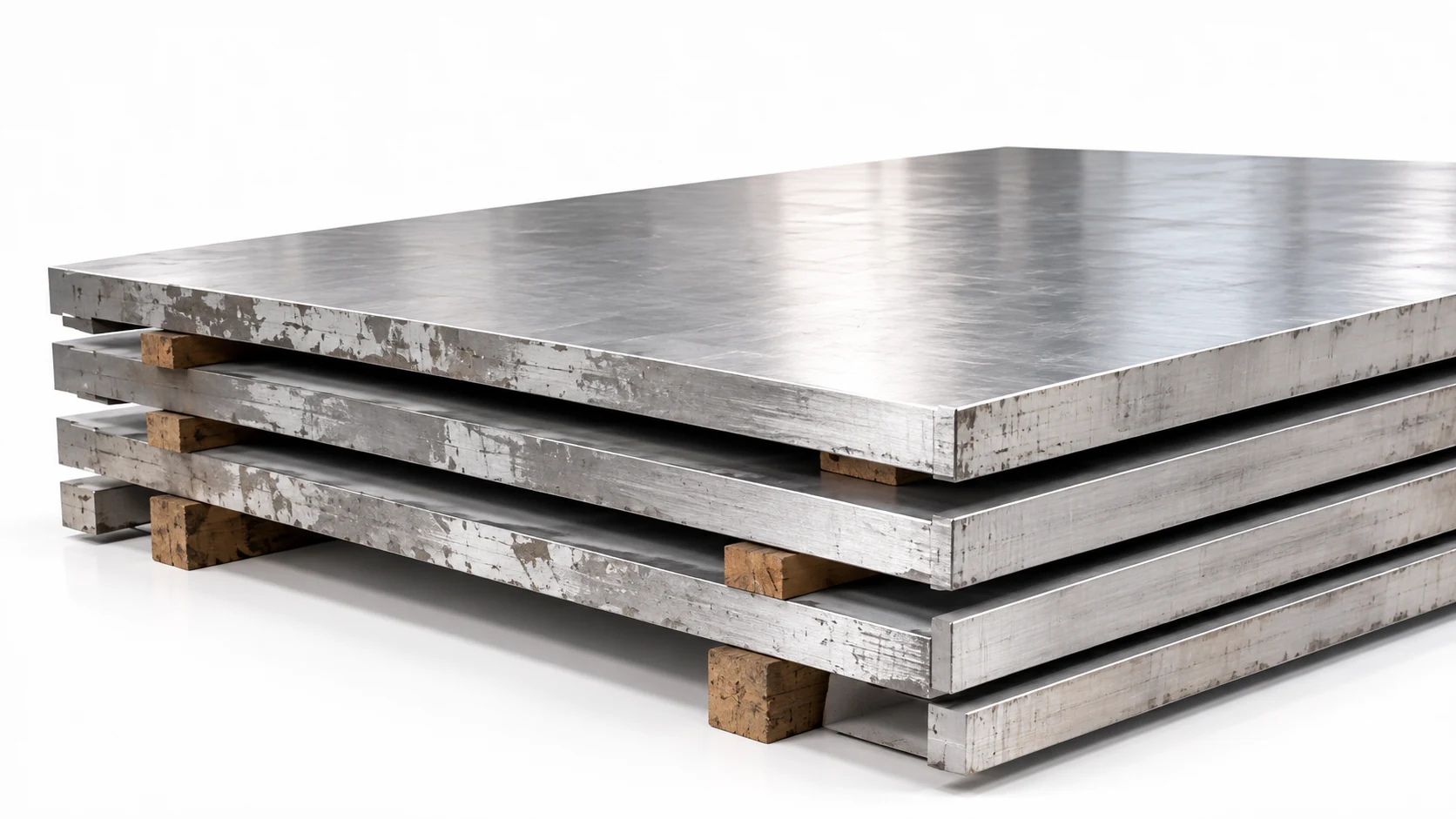
Alloy plate and sheet supplied against your specified thickness, width, length and condition. Include the applicable material standard, surface requirements and any cutting, flatness or testing requirements for quotation.
 Raw Materials
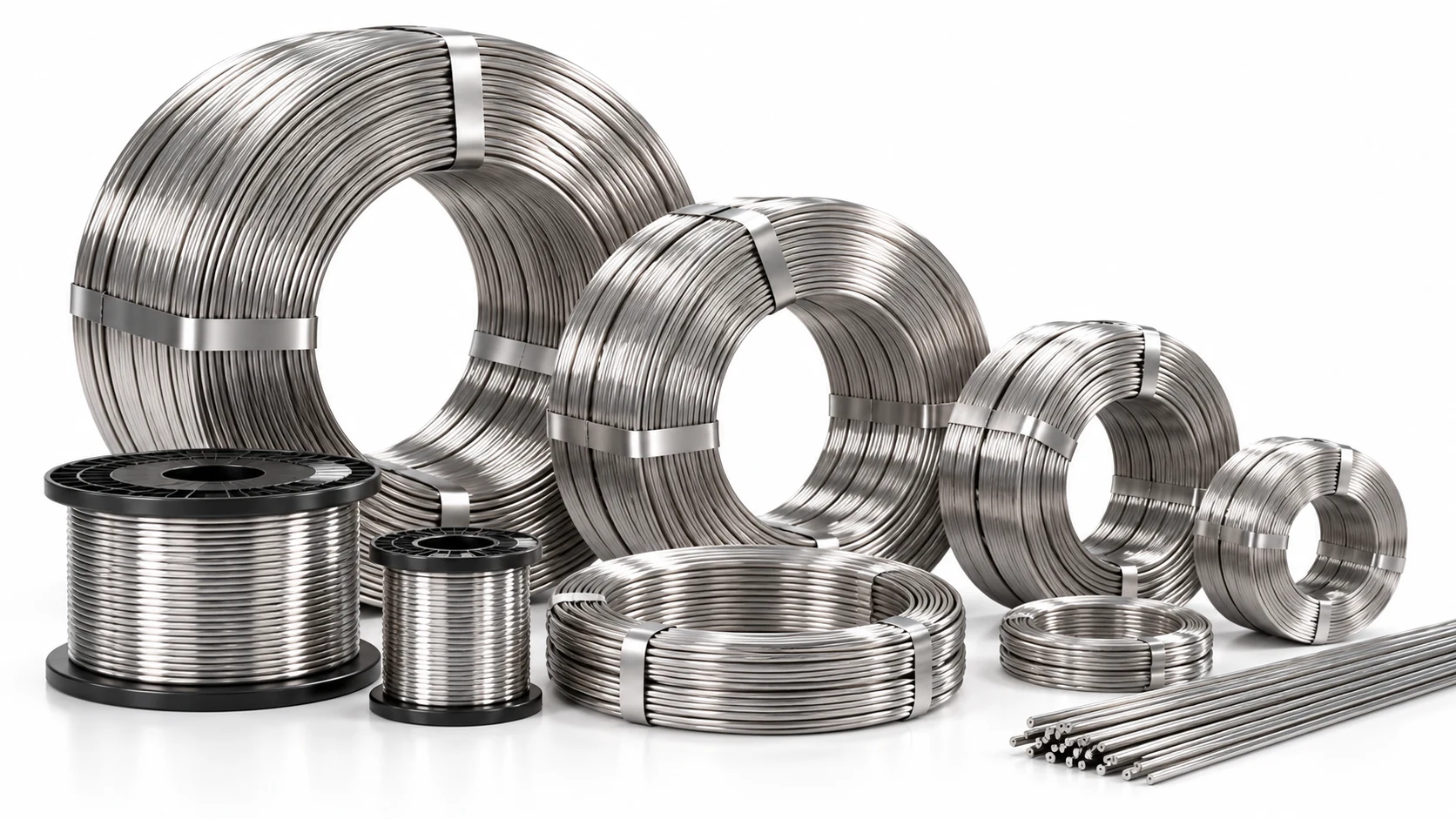
Special alloy wire supplied to your specified diameter, condition and packaging requirements. Tell us whether the material is required in coils, on spools or in straight lengths, and include the material standard and any mechanical property requirements.
A practical method for turning a drawing, BOM or early requirement into a reviewable custom-fastener RFQ—without pretending every technical detail is already fixed.
Read Guide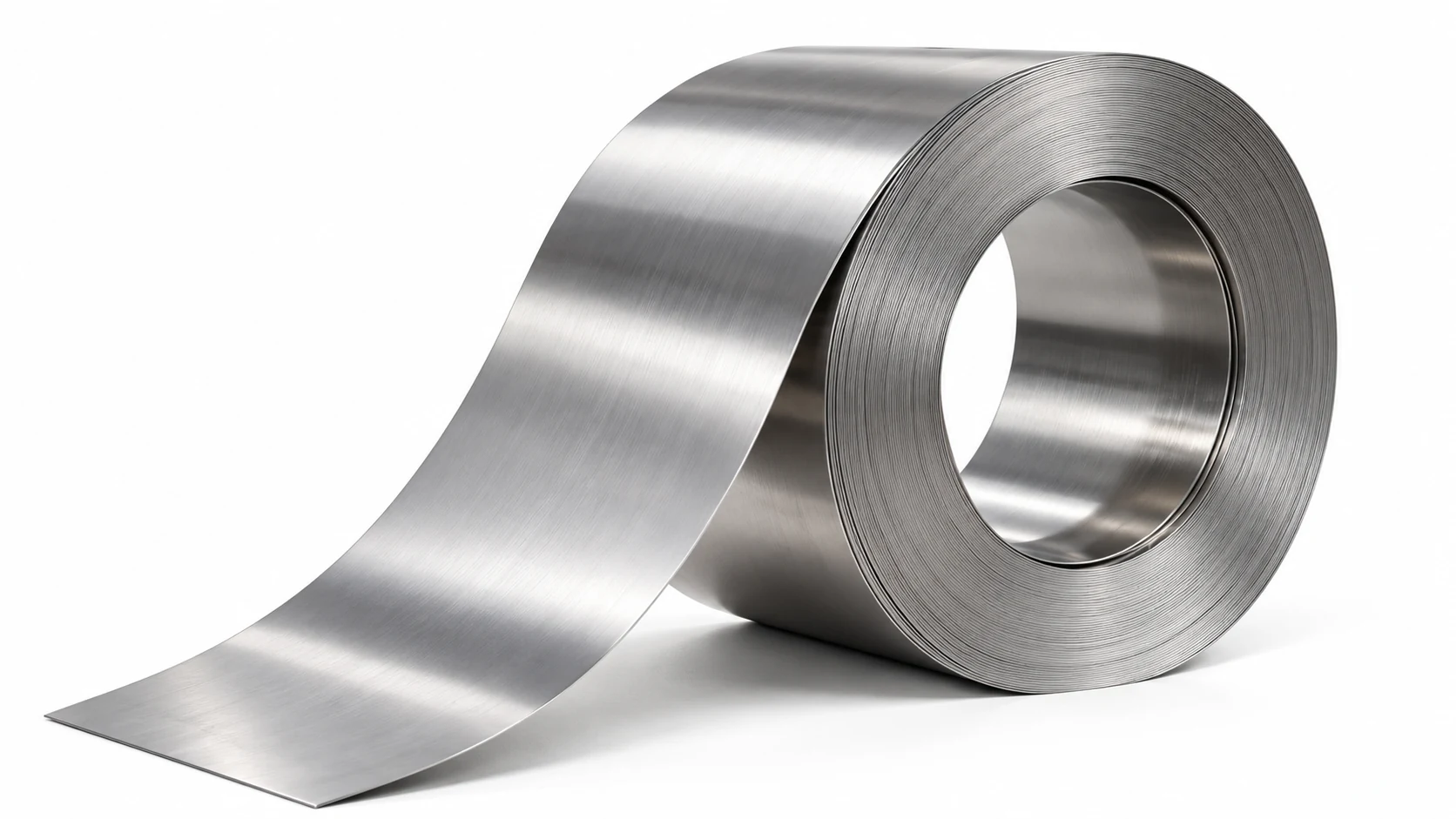 Raw Materials
Alloy strip supplied to specified thickness, width, condition and coil requirements. Include dimensional tolerances, edge requirements and the intended processing steps so that the supply condition and inspection scope can be reviewed.
Start a nickel-alloy fastener enquiry from the service problem, then define the alloy condition, mating parts and acceptance requirements.
Read GuideWhat Inconel identifies, why an alloy number and UNS are needed, and how to clarify an incomplete fastener quotation.
Read GuideCompare 625 and 718 fasteners by strength, corrosion, temperature and condition, with sourced data, fabrication tradeoffs and substitution examples.
Read GuideDefine the final condition of Inconel 718 fasteners, separate B637 feedstock from finished-part acceptance, and clarify the treatment and inspection route.
Read Guide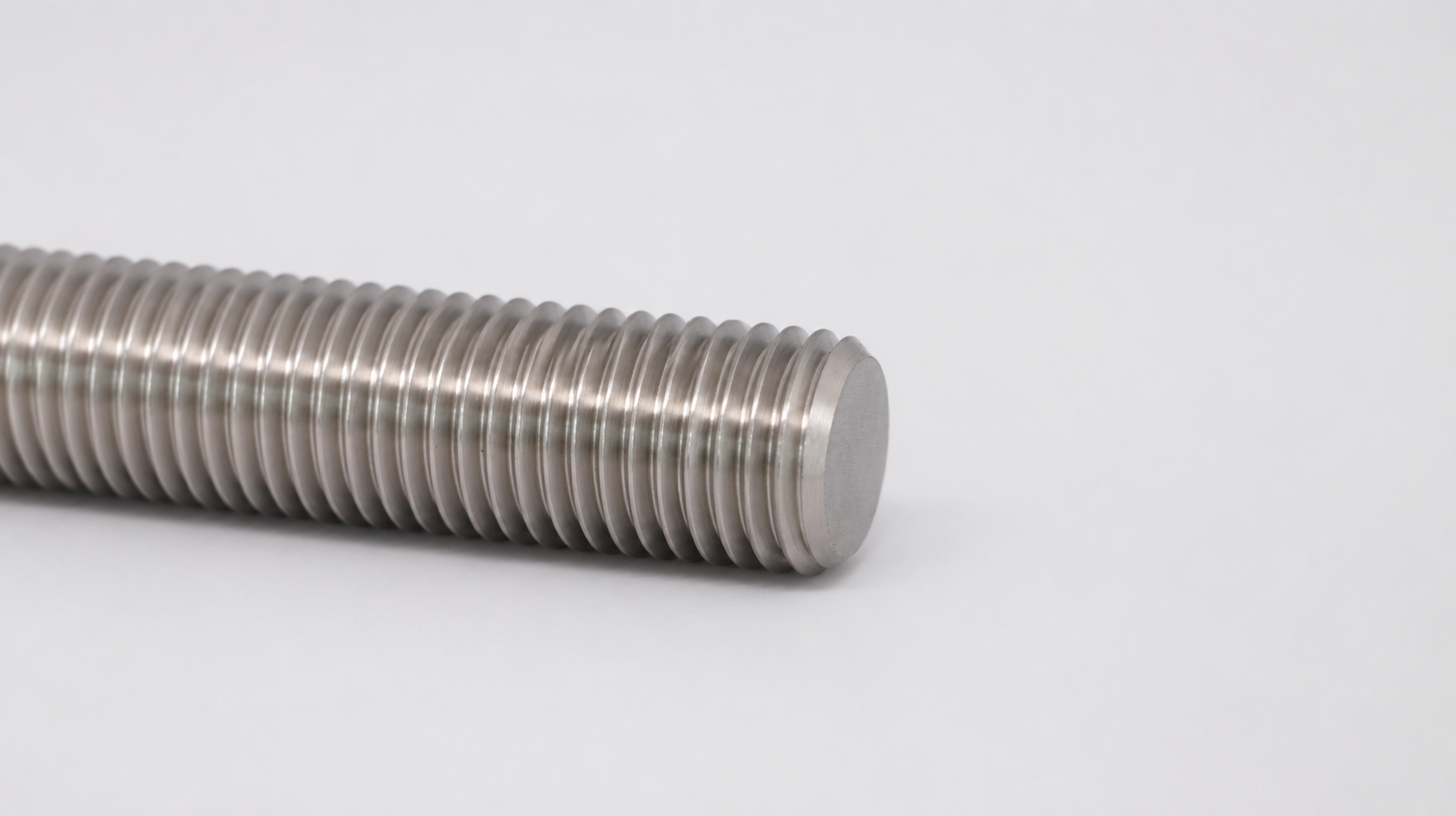
A buyer’s framework for specifying alloy mill forms by grade, product form, dimensions, condition, tolerances, surface and documents—before a supplier confirms availability.
Read GuideSpecify Inconel 625 fasteners with the correct B446 condition, product form and separate finished-part acceptance requirements.
Read GuideResolve the product scopes of F468, F467 and F2281, including socket screws, separate nut requirements and metric callouts.
Read GuideDistinguish thermal expansion, creep, relaxation and surface settlement when a hot joint loses clamp load without breaking its bolts.
Read GuideDiagnose seized threads, understand how anti-seize changes torque and preload, and assess nut materials without confusing Nitronic 50 with Nitronic 60.
Read Guide
An MTC, a PMI result and an inspection report answer different questions. This buyer’s evidence map shows how to connect material, finished-part inspection and traceability without treating one document as blanket proof.
Read Guide
No. A QMS certificate checks a management-system baseline; buyers still need to review the proposed manufacturing route, first-article evidence, traceability, change control, nonconformance handling and order-specific release records.
Read Guide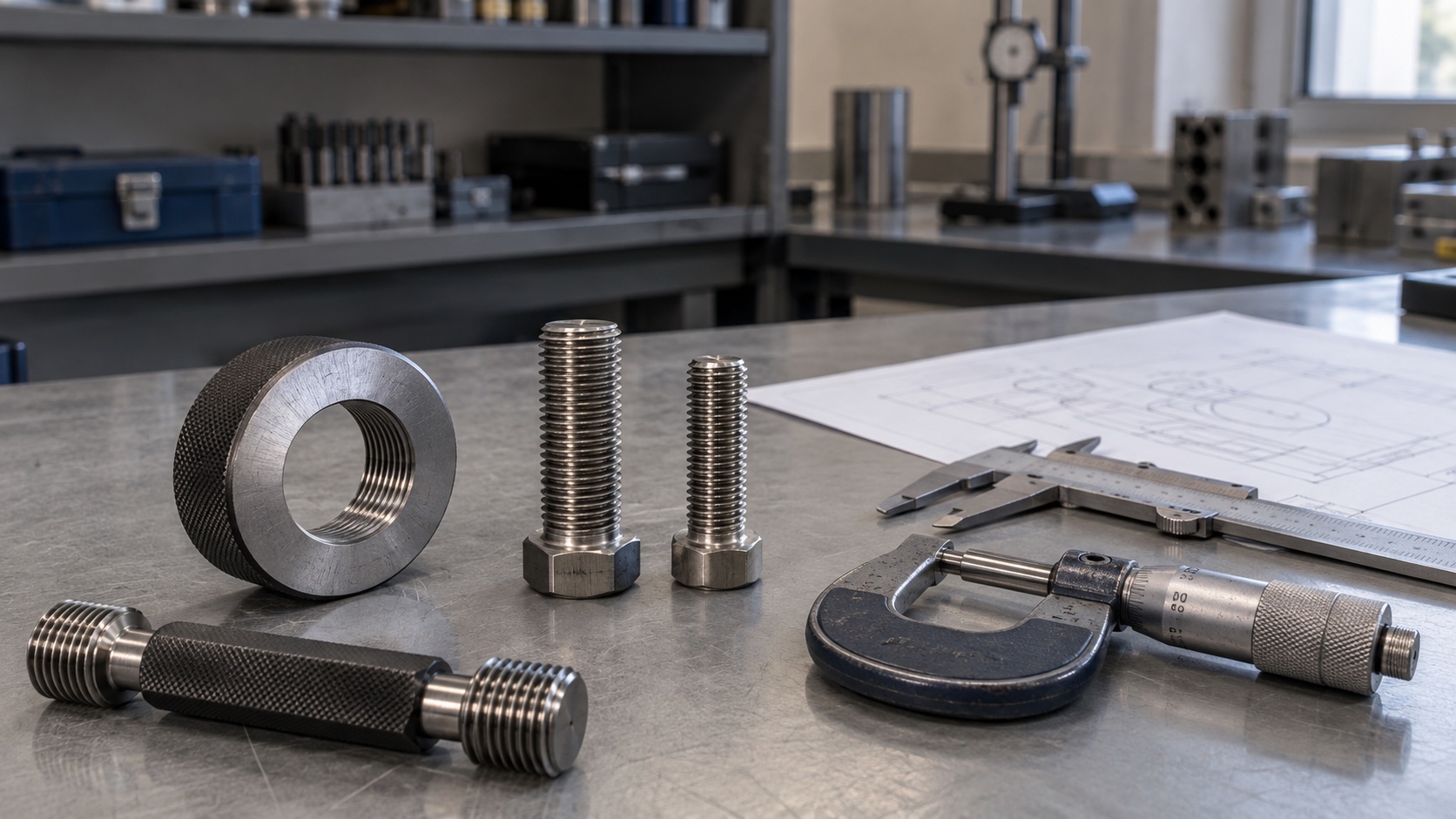
A procurement guide to reading metric and Unified thread callouts, avoiding false class conversions, controlling coating effects and defining a defensible thread-inspection scope.
Read Guide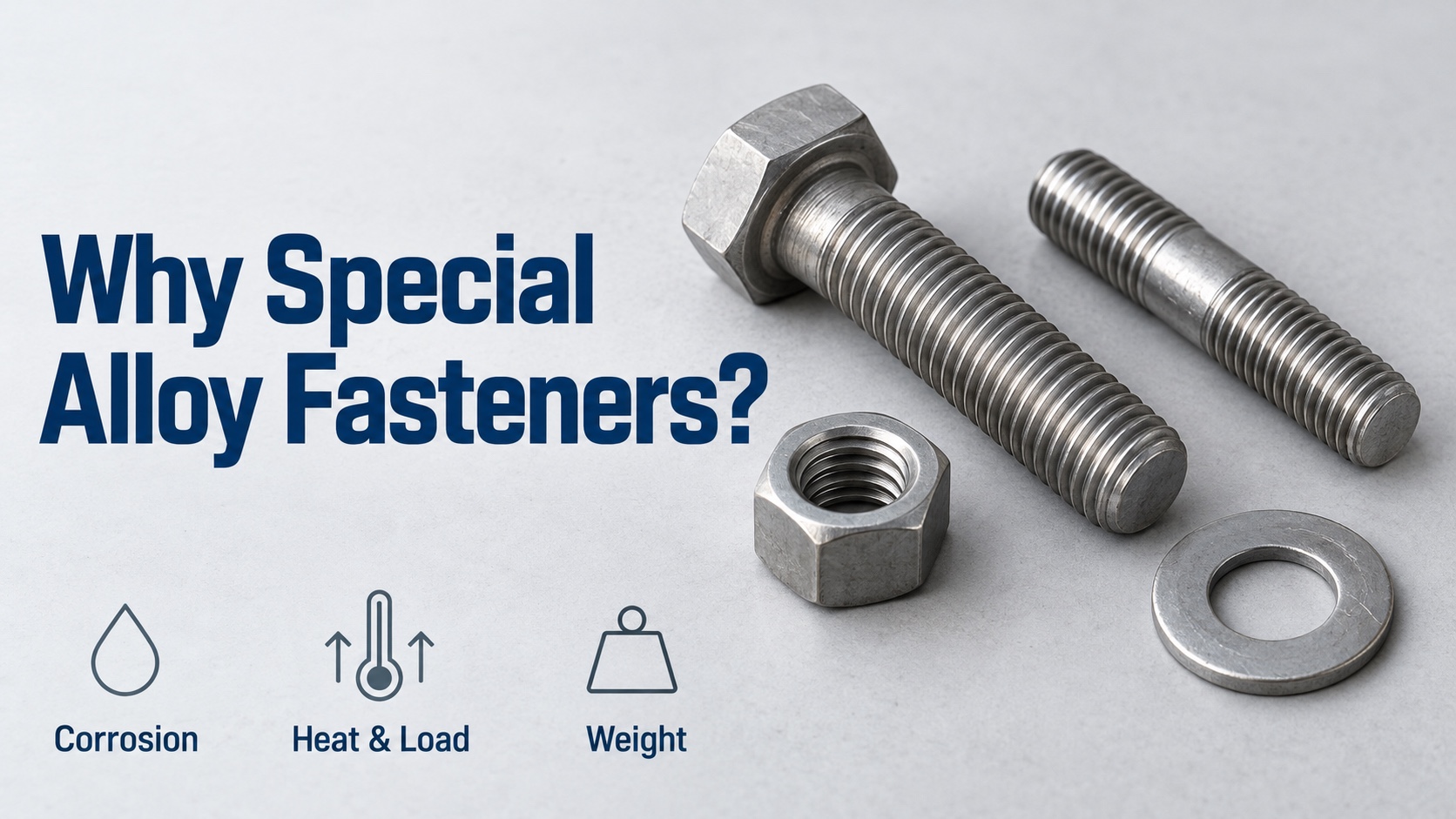
Compare stainless steel, nickel alloys and titanium by corrosion, heat and load. Find the checks that matter before specifying or replacing a fastener.
Read GuideFastenersHex head bolts with full or partial threading, supplied to specified dimensions.
FastenersHex head bolts with an extended plain shank and a threaded end.
 Fasteners
 Fasteners
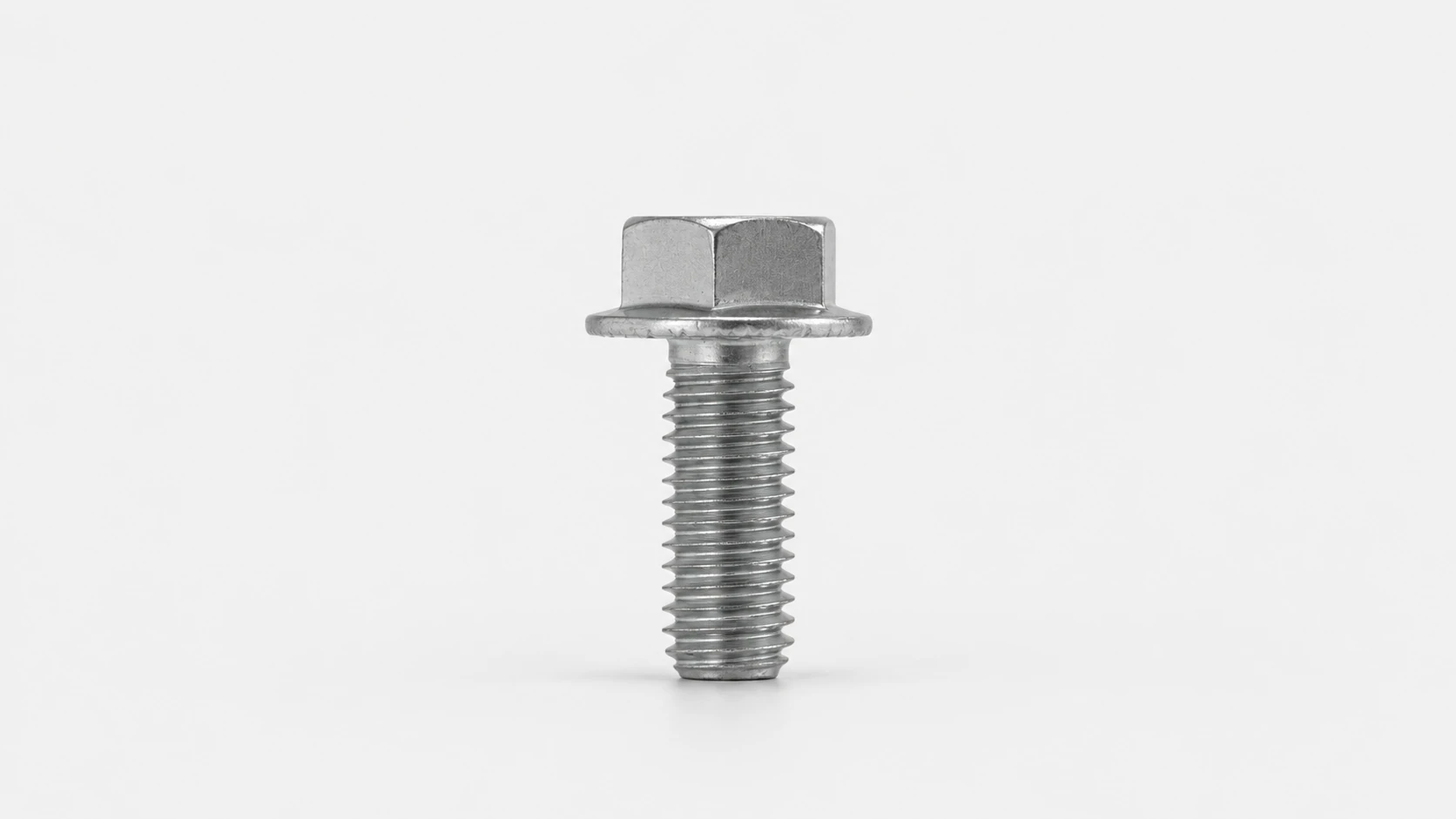
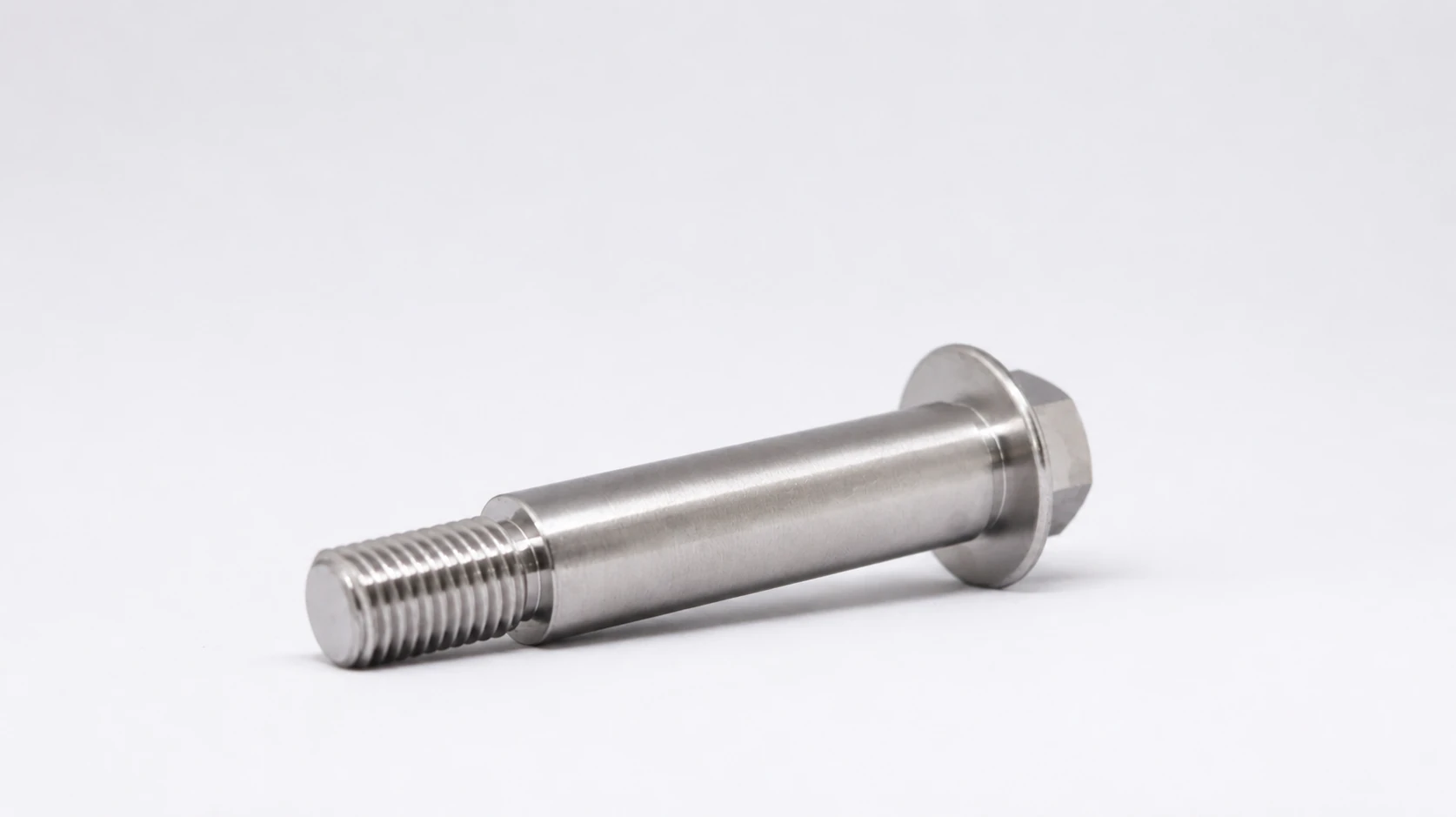
Flanged bolts with an extended plain shank and drawing-defined head geometry.
FastenersExternal 12-point flange bolts for drawing-based enquiries. Specify the head and flange geometry, below-flange length, thread and alloy condition.
Fasteners Fasteners
 Fasteners
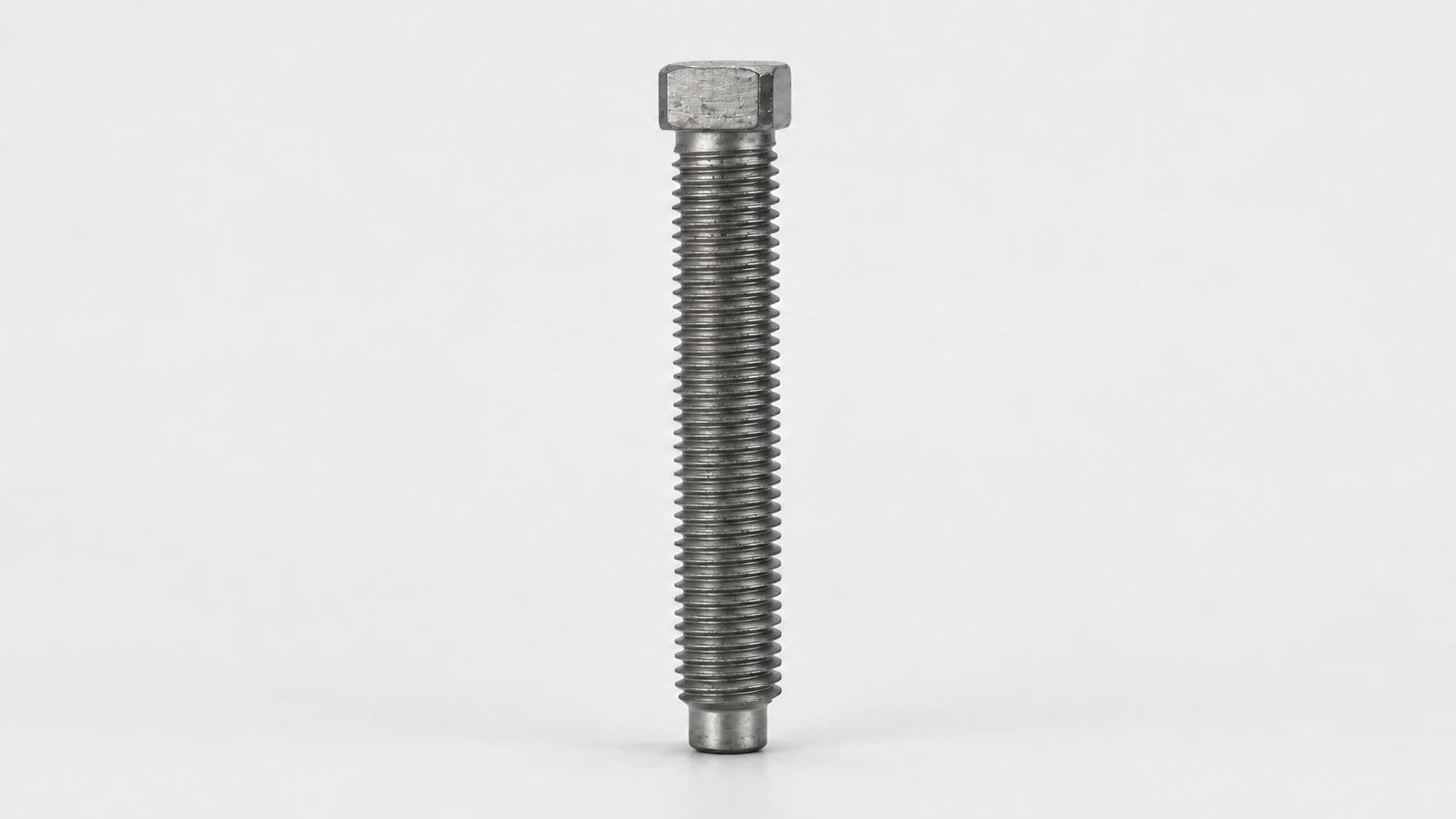
Square-head bolts with drawing-defined shank and locating features.
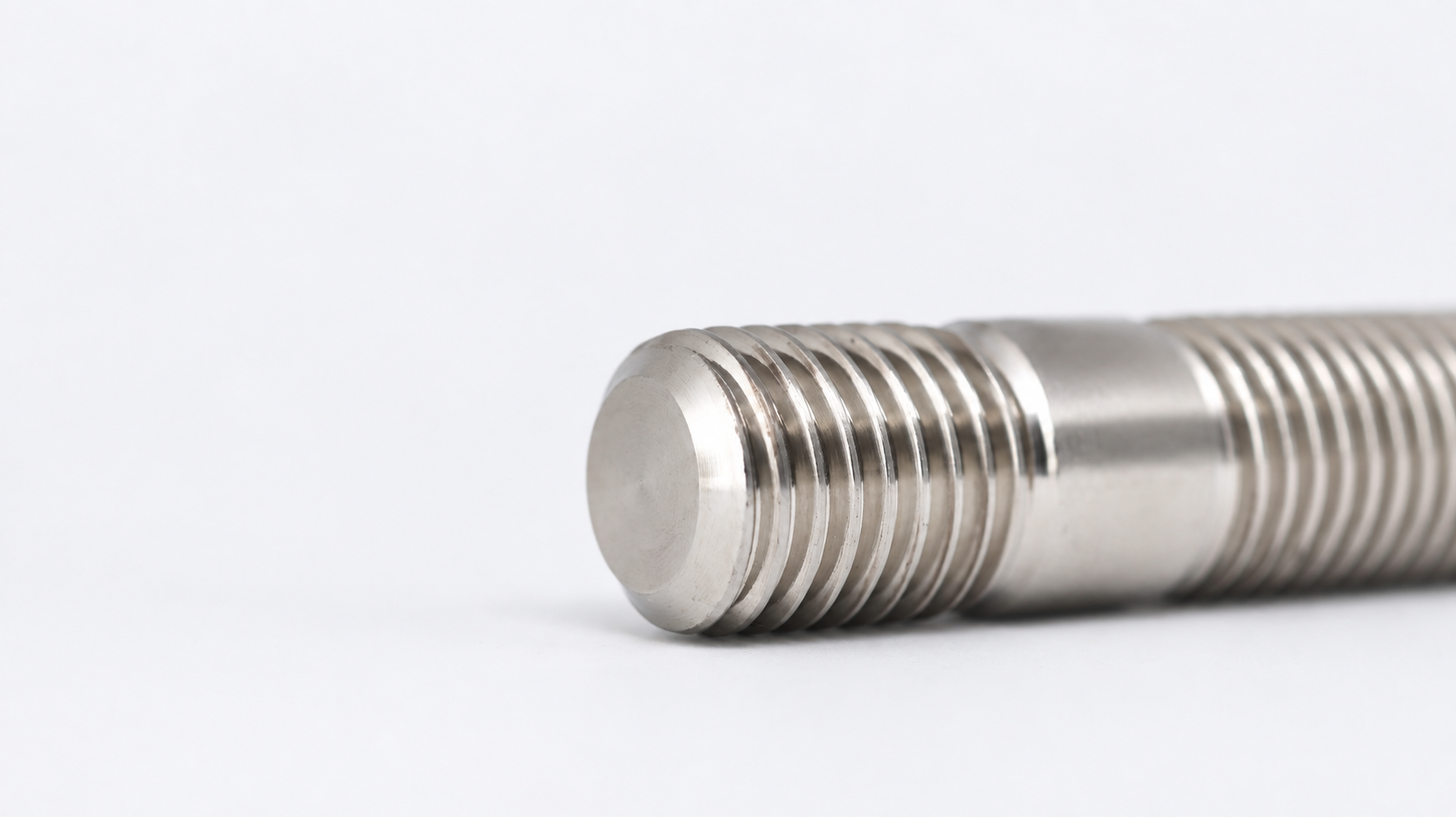
FastenersHeadless, fully threaded studs and rods supplied in specified cut lengths.
FastenersFasteners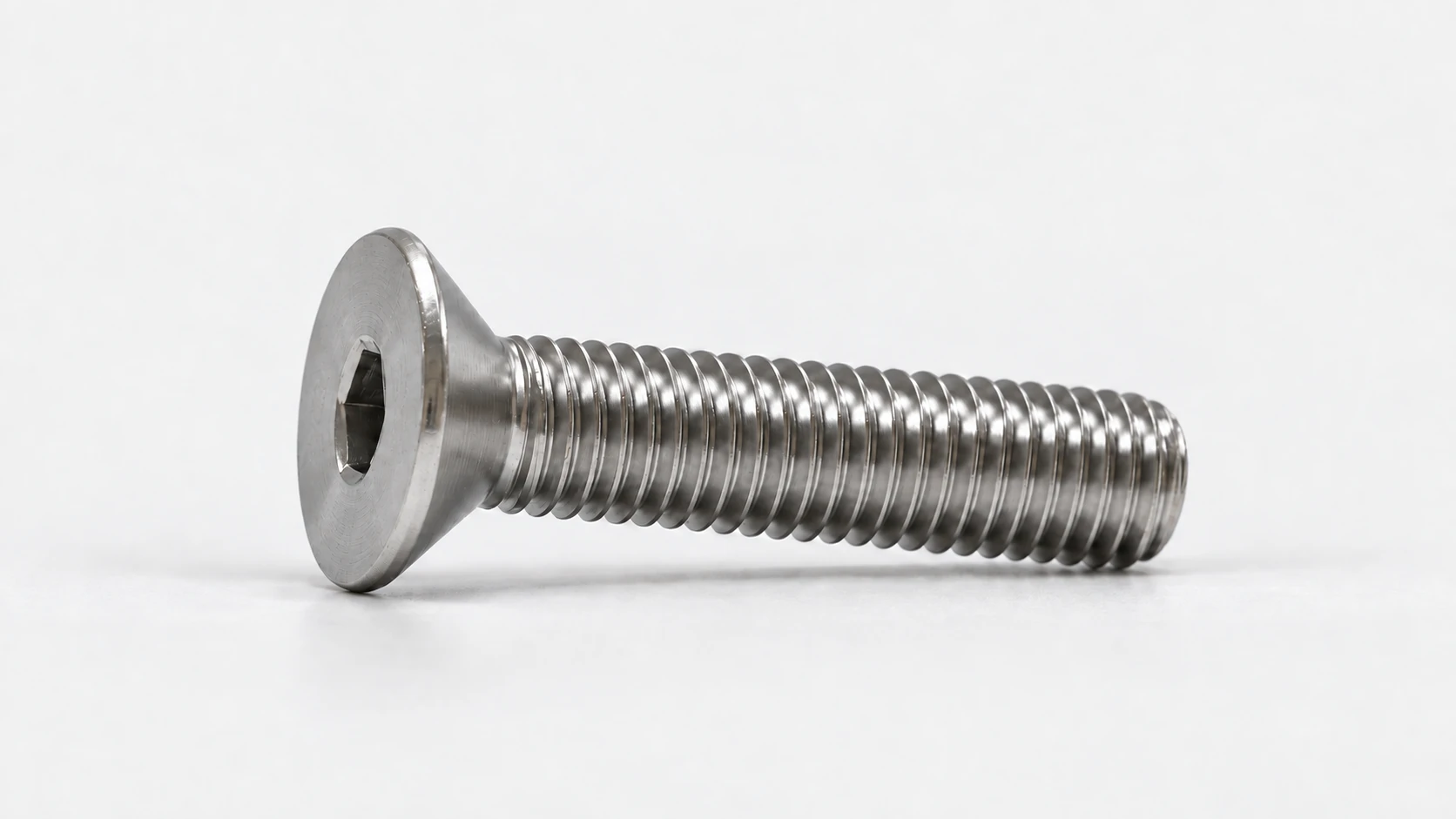 Fasteners
 Fasteners
 Fasteners
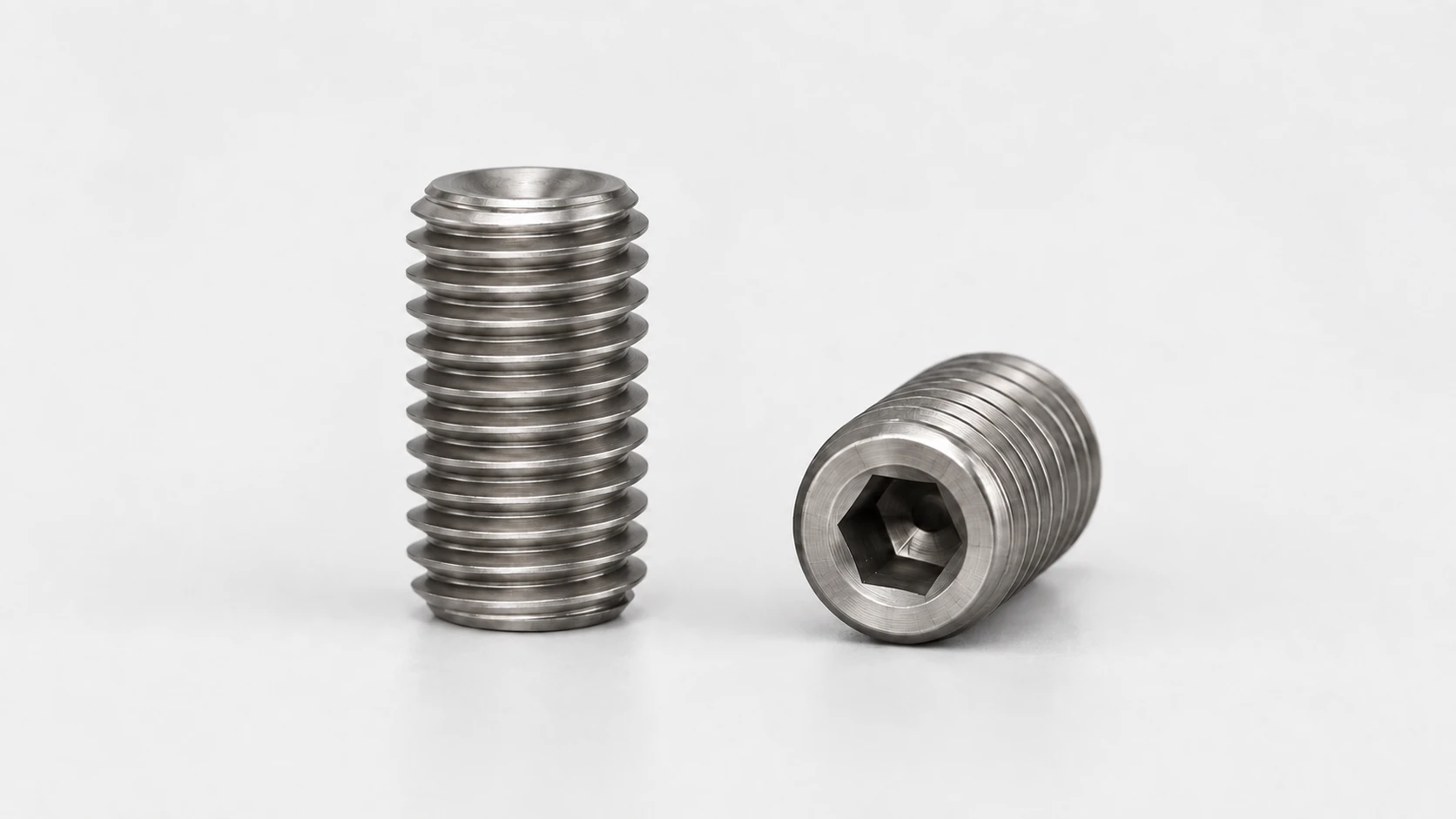
Headless set screws with the drive and contact point specified for the assembly.
 FastenersFasteners
 Fasteners
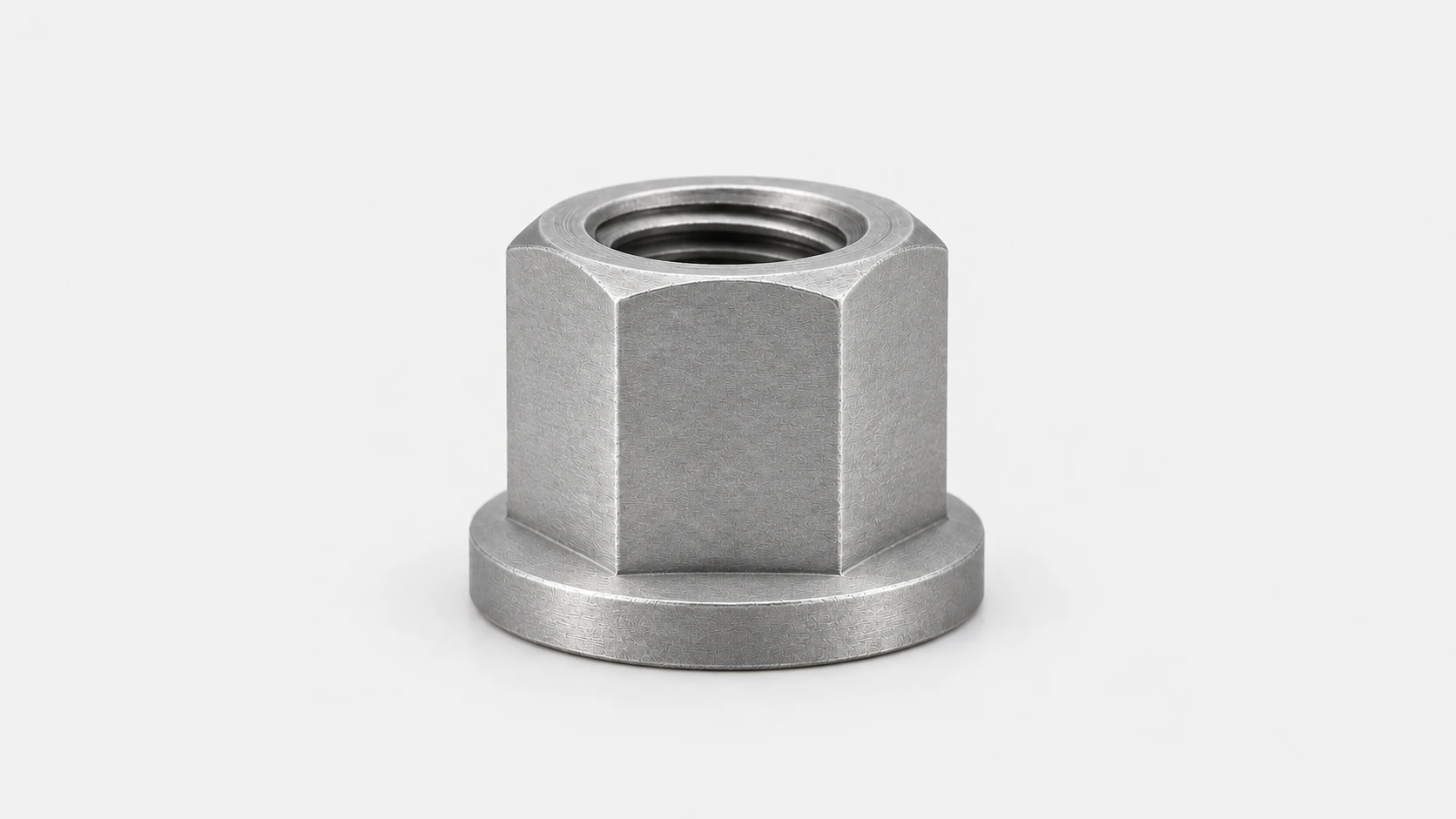 Fasteners
 Fasteners
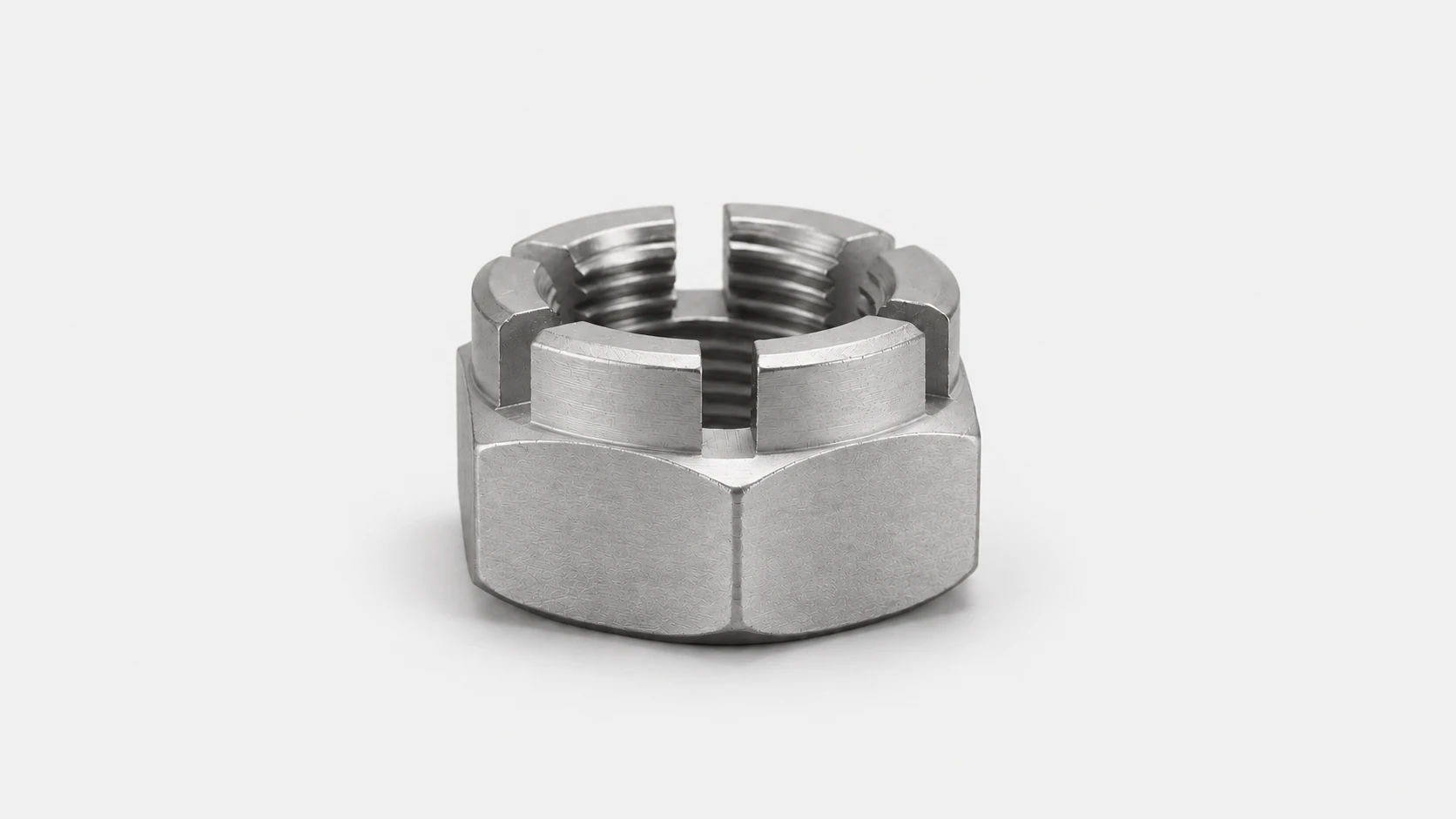
Slotted hex nuts with drawing-defined castellations and pin clearance.
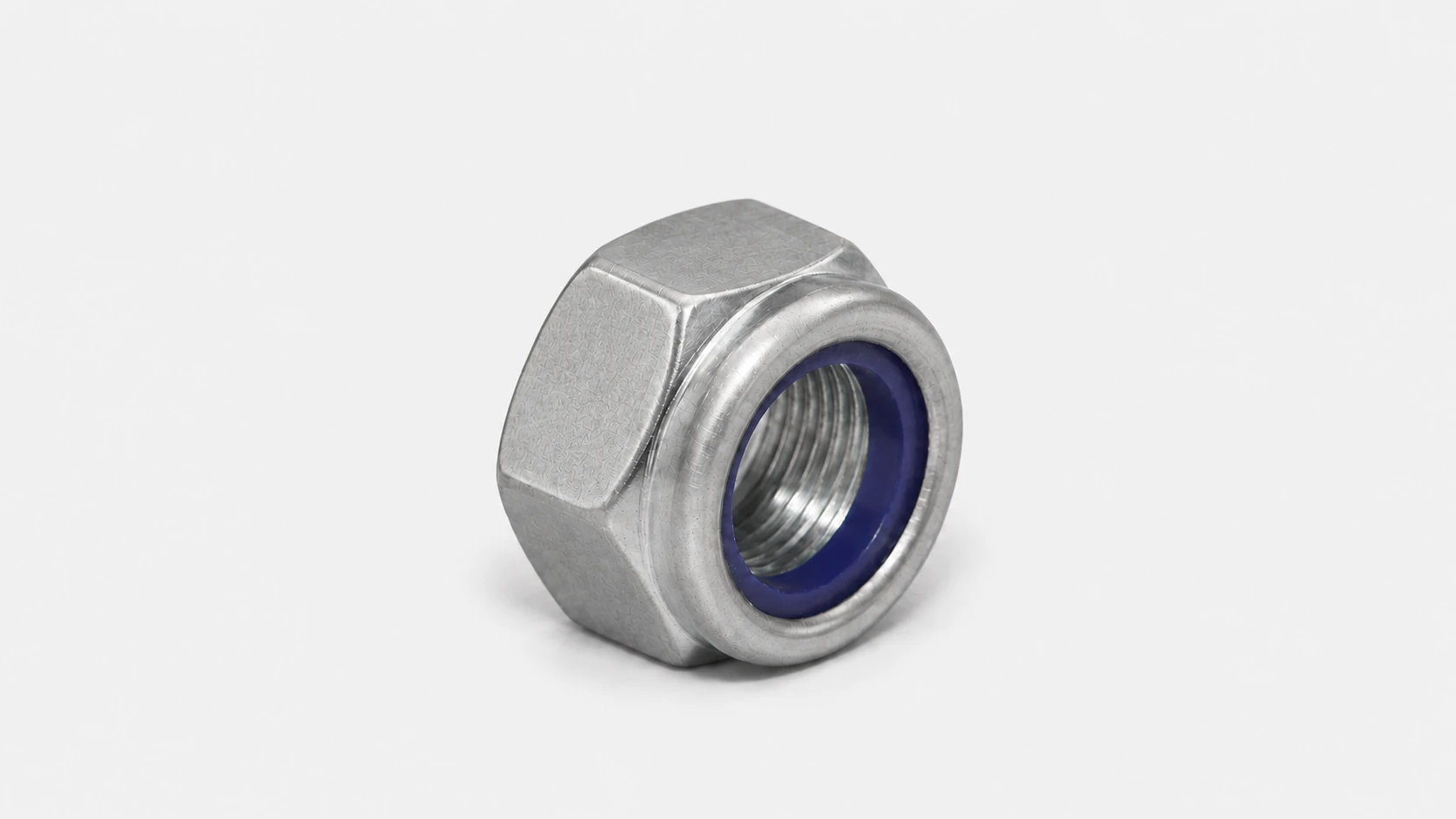 Fasteners
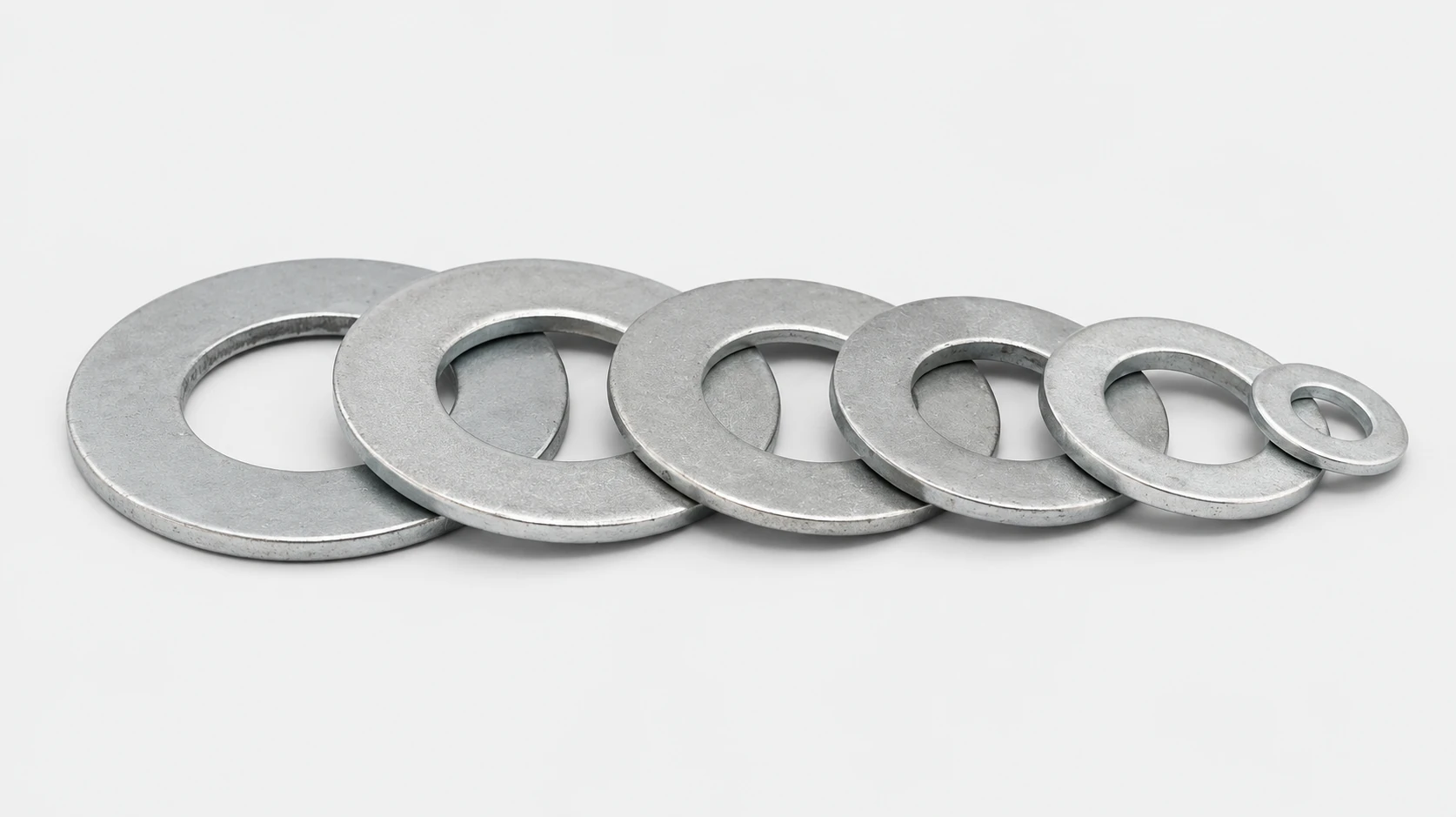 Fasteners
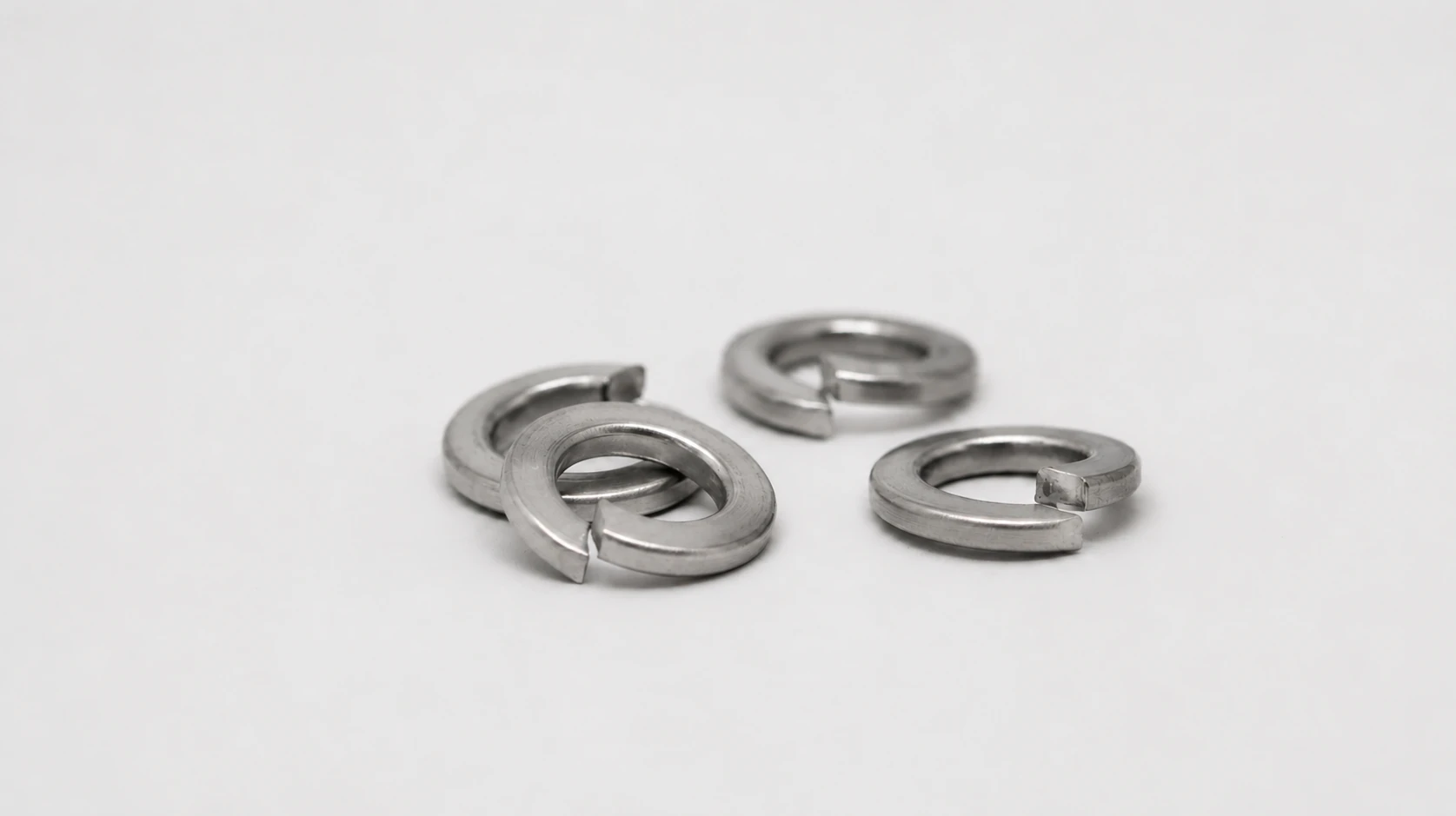 Fasteners
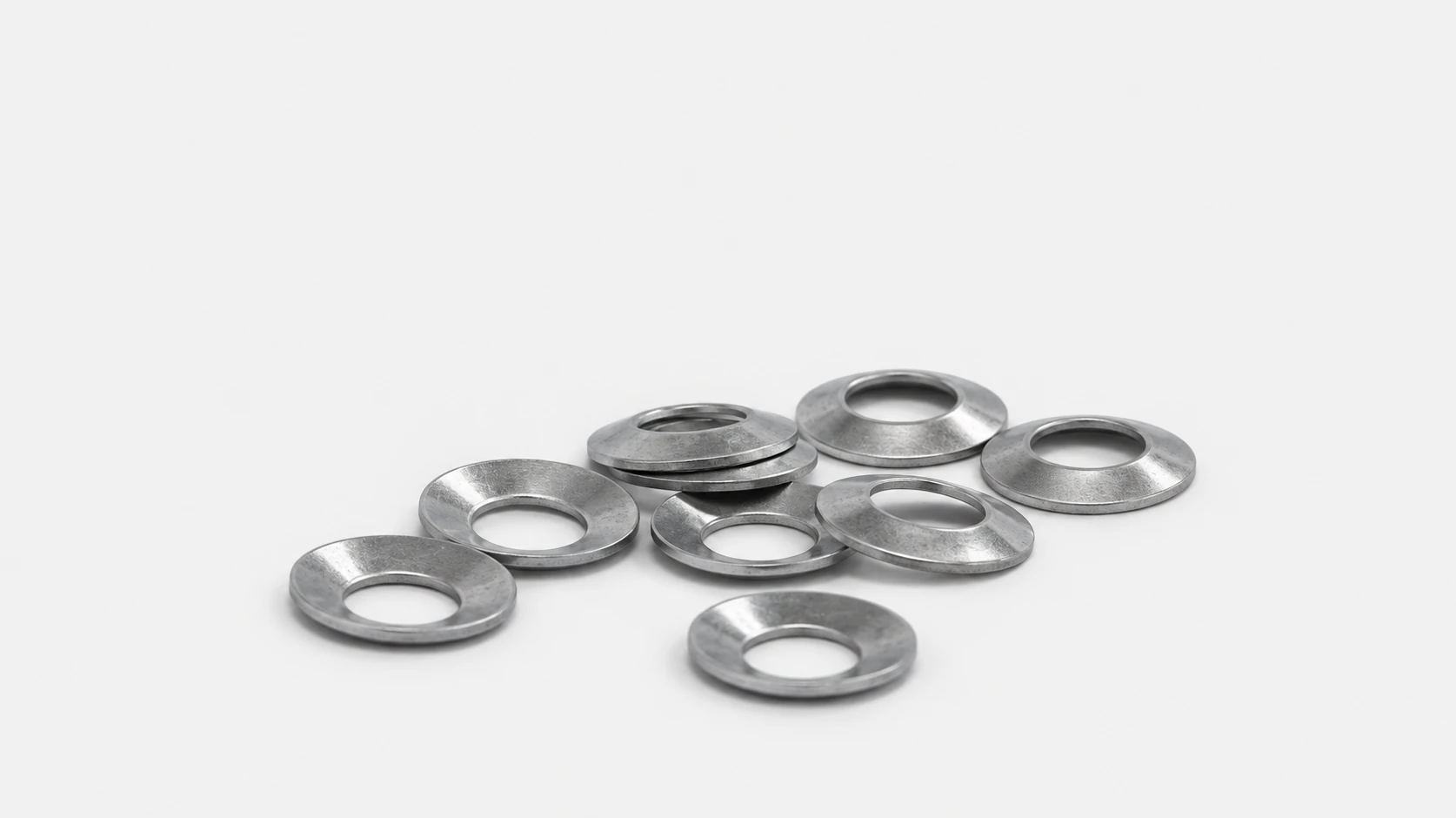 Fasteners
Conical ring washers with specified geometry and spring requirements.
FastenersHave a fastener that does not fit a catalogue shape? Send your drawing, material grade and required condition. We review custom geometries, critical tolerances, inspection needs and quantities with support from our factory before confirming the production route and quotation.
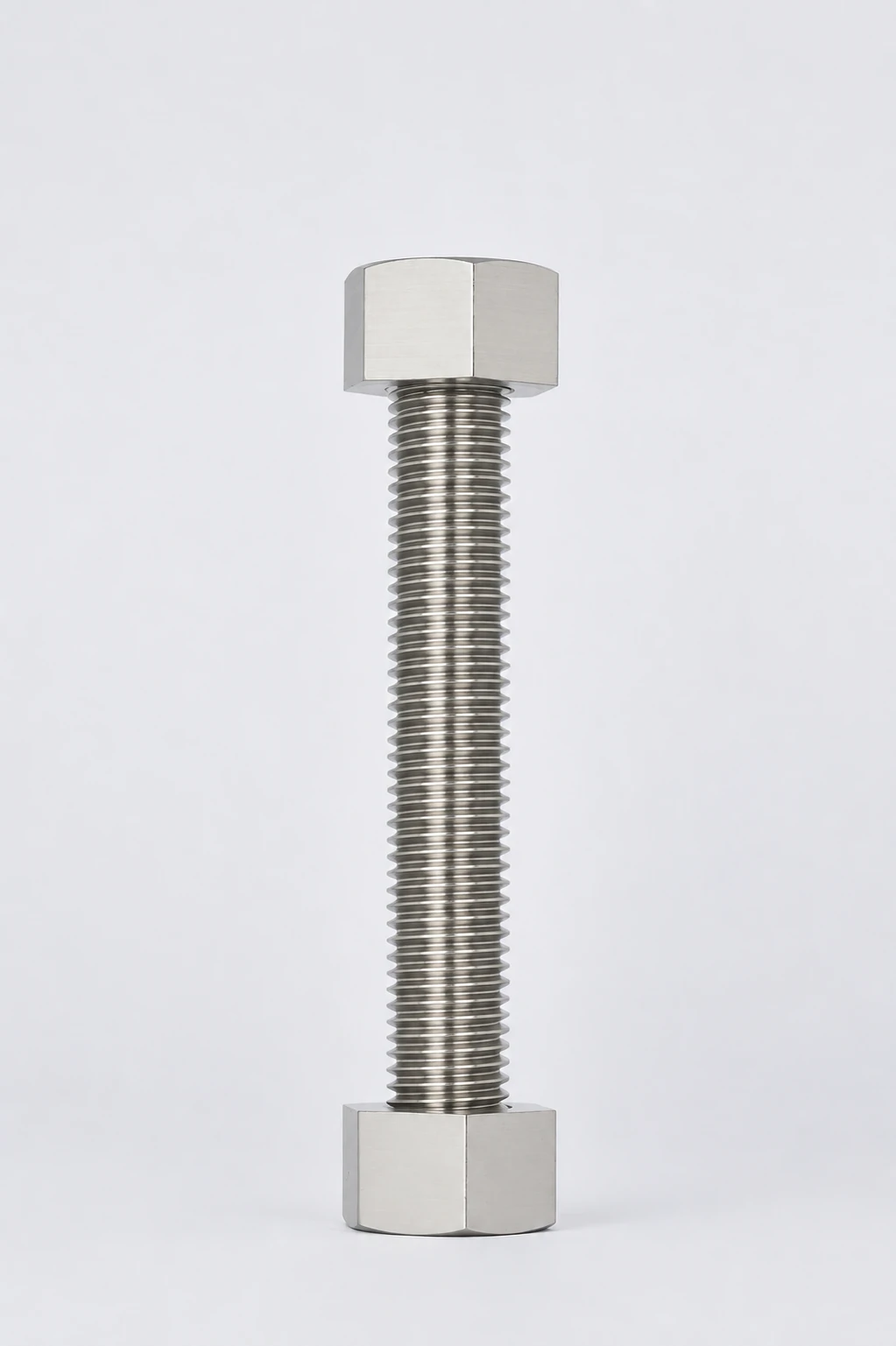 Fasteners
Fully threaded stud and nut sets supplied to a specified component list.
FastenersStud, nut and washer sets supplied to a specified assembly drawing.