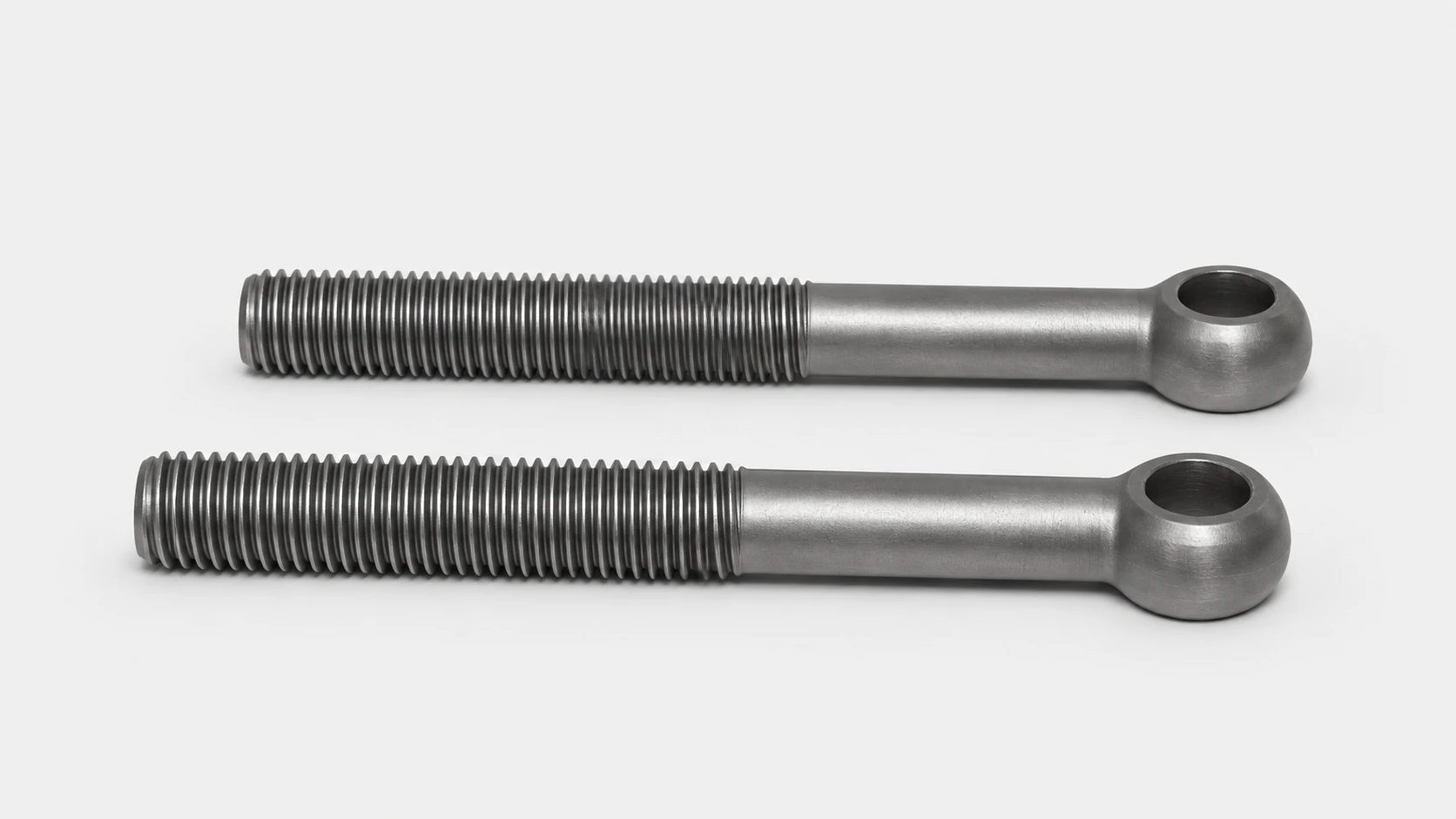
Special alloy eye-end / swing bolts
Swing bolts let a clamp move clear of a slotted cover while remaining attached to its pivot. For access covers and fixtures, pin fit, eye thickness and available swing clearance matter alongside the threaded clamping length.
- Interface
- Eye bore · Pivot pin
- Clamping
- Threaded shank · Nut
- Use
- Hinged covers · Fixtures
- Threads
- Metric · Inch
- Materials
- Nickel alloys · Duplex steels · Titanium
EN 10204 3.1 MTC · Heat traceability
Eye-end / swing bolts material selection
Equipment & applications

Reactor covers
Close slotted reactor covers with pivoting clamps. Loosening the nuts lets each bolt swing clear of the cover while the eye remains attached to its mounting pin.
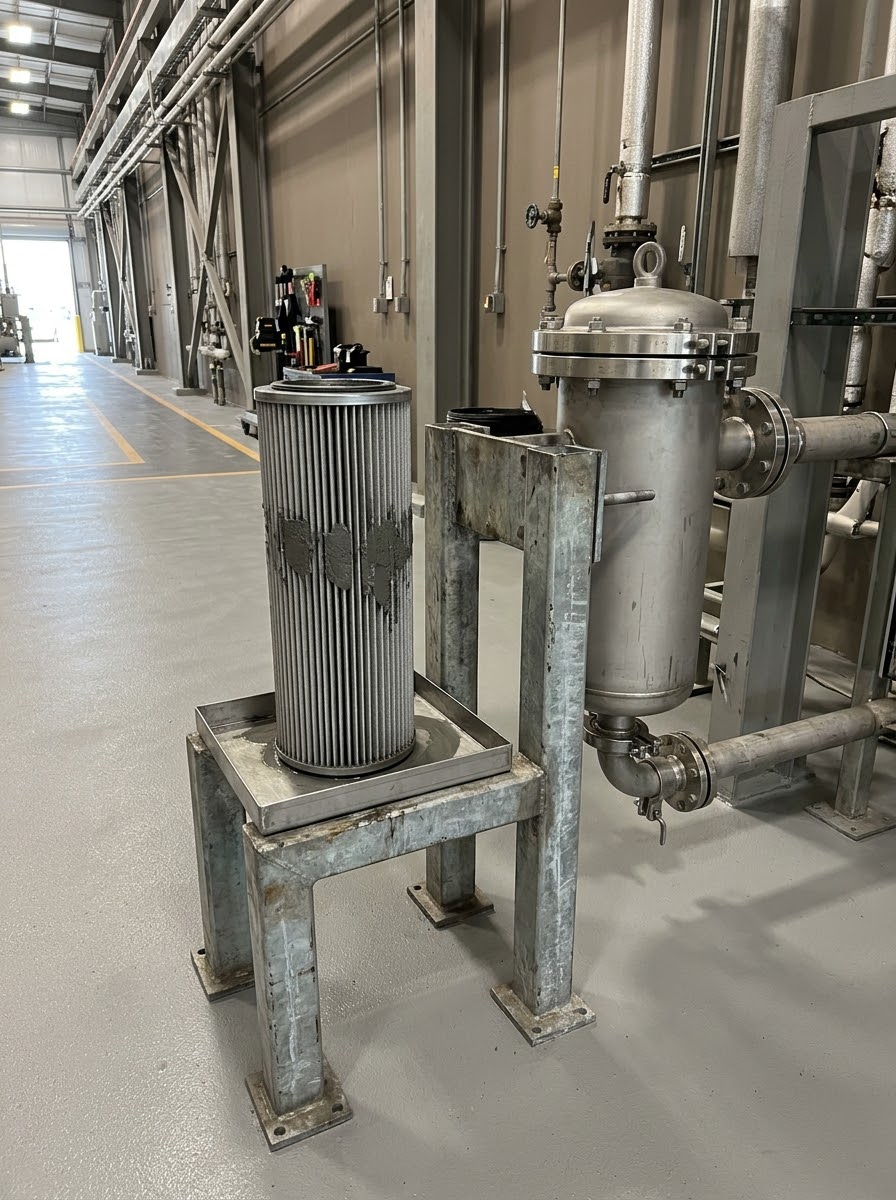
Strainer covers
Fasten strainer covers that are opened for cleaning. The bolt pivots out of the cover slot, avoiding removal and handling of the complete fastener at each service.
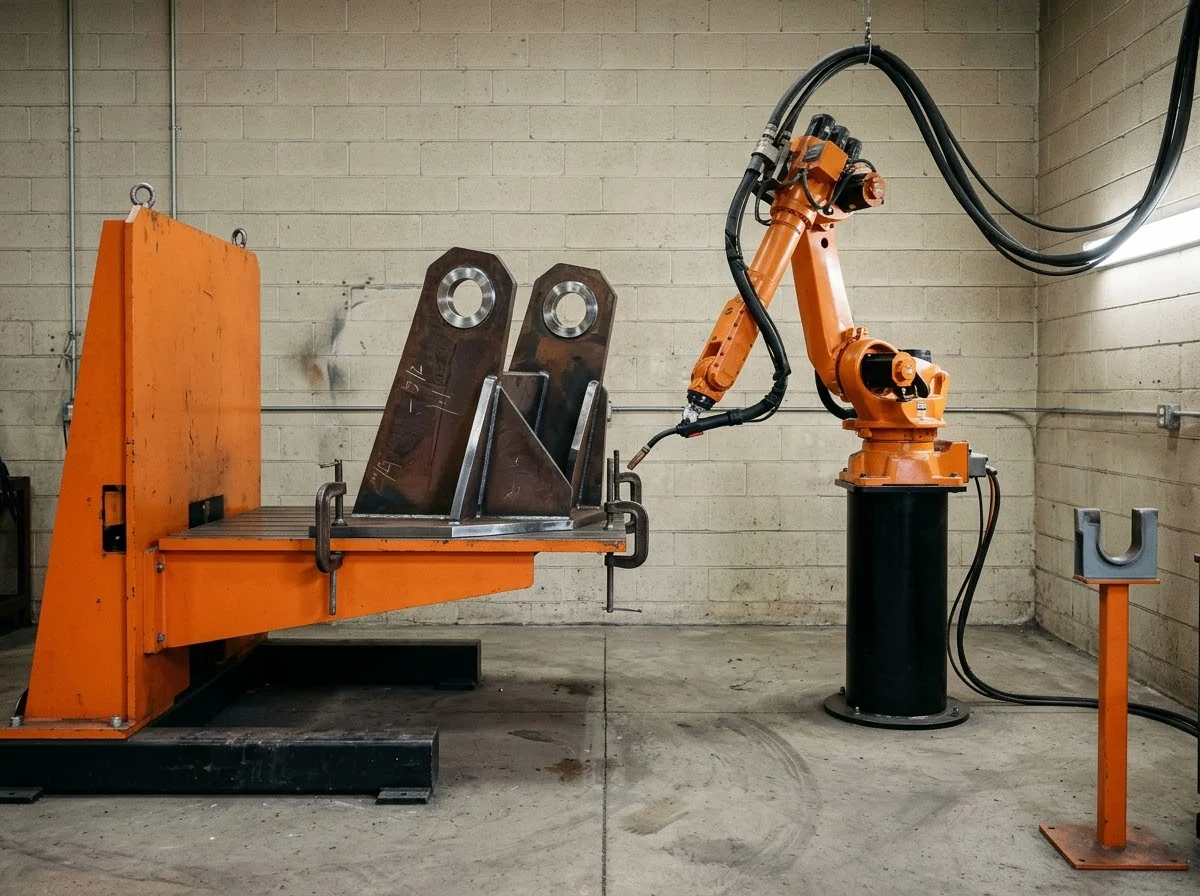
Assembly fixtures
Clamp removable fixture plates through open slots. The pivot retains the bolt on the fixture while the nut releases the plate for a changeover.
Eye-end / swing bolts configurations & dimensions
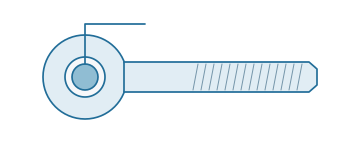
Pivot eye
Use on hinged clamps and access covers that open frequently. The eye stays on a pivot pin so the bolt swings clear of the cover slot without removing the complete fastener.
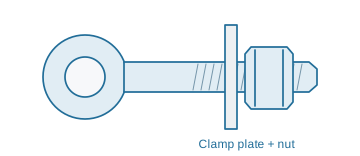
Threaded clamp
The threaded leg sets the clamp opening and tightening travel. On a slotted cover, the nut or clamping handle needs a bearing face wide enough to bridge the slot.
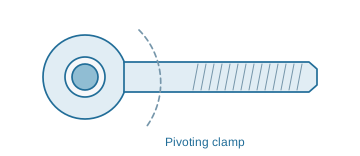
Swing bolt vs lifting eye
Use a swing bolt to retain and tighten a cover; specify a rated lifting component for hoisting. The pivot eye dimensions alone do not establish an allowable lifting load.
Dimension guide
Loading 3D model…
Drag to rotate · Scroll to zoom
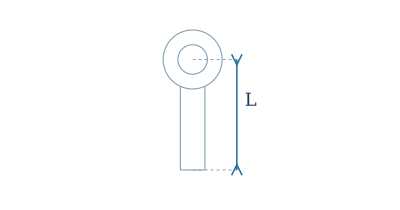
Product and thread standards
Raw Material Specifications
Other Materials & Specifications
Threads · Metric
Threads · Inch
Dimension Reference
Production & heat treatment
CNC · Eye & Pivot Fit
Machining suits small batches and special eye thicknesses. The eye bore is finished to the pivot pin fit, while its centre is located relative to the threaded clamp axis.
Pivot Bore & Thread
The bore and eye faces are finished for free movement around the pin. The threaded end provides the nut travel needed to release the cover slot before the bolt swings away.
Cold Forming / Hot Forging
Small eyes can be cold formed from ductile stock in repeat runs. Thick eye sections and large transitions from shank to eye favour hot forging, which lowers the force needed to distribute metal around the eye blank.
Heat Treatment & Eye Checks
Solution treatment and ageing strengthen Inconel 718 eyes and shanks under clamp load. Annealing restores ductility in cold-formed Inconel 625. Bore size, eye thickness and the shank-to-eye transition are checked after thermal processing.
Testing, MTC 3.1 & material traceability
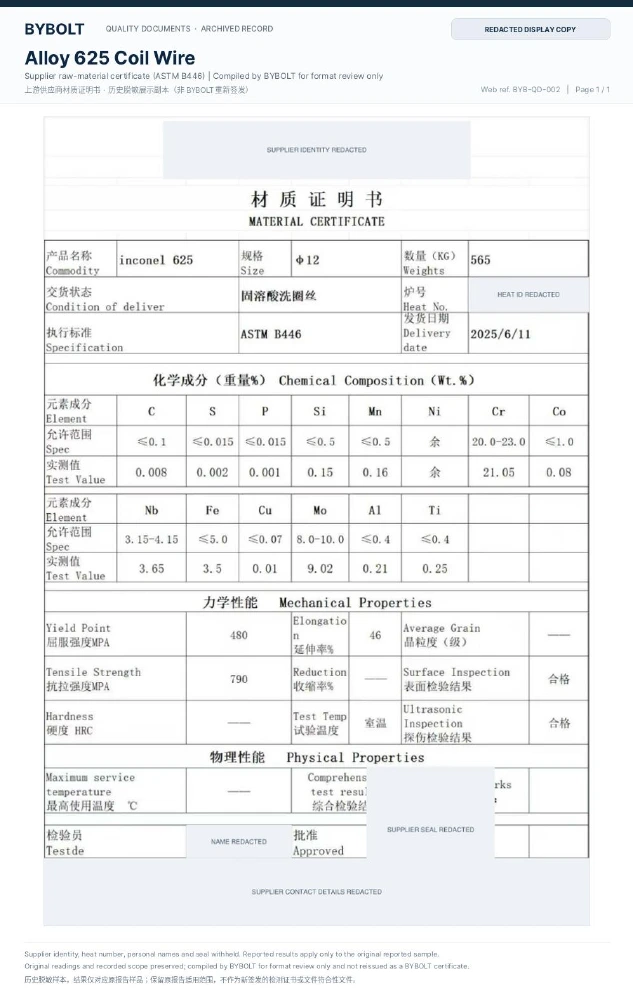
Material certificate
Inconel 625 · historical coil-wire sample
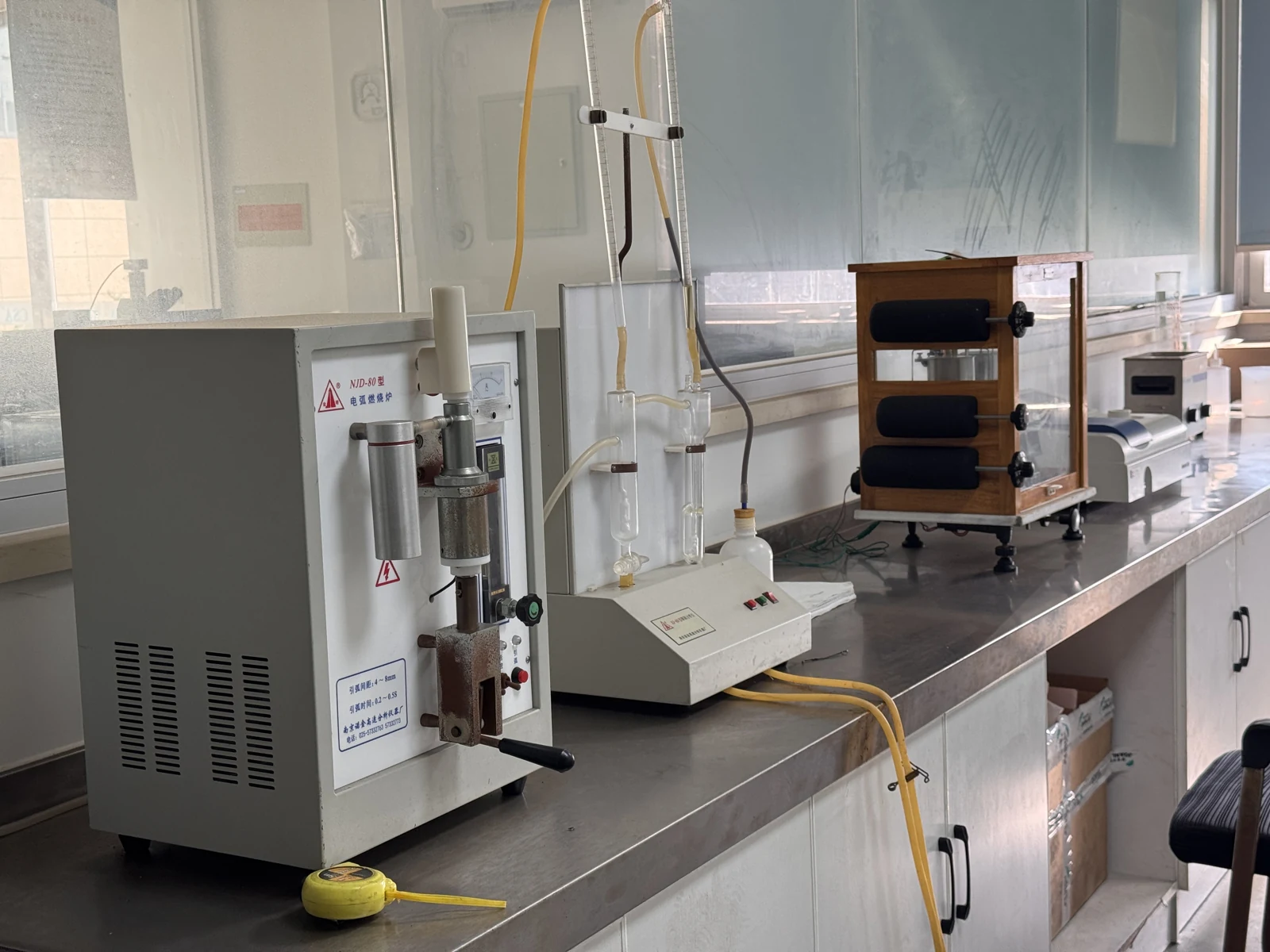
Laboratory report
Inconel 718 · chemistry, tensile & hardness
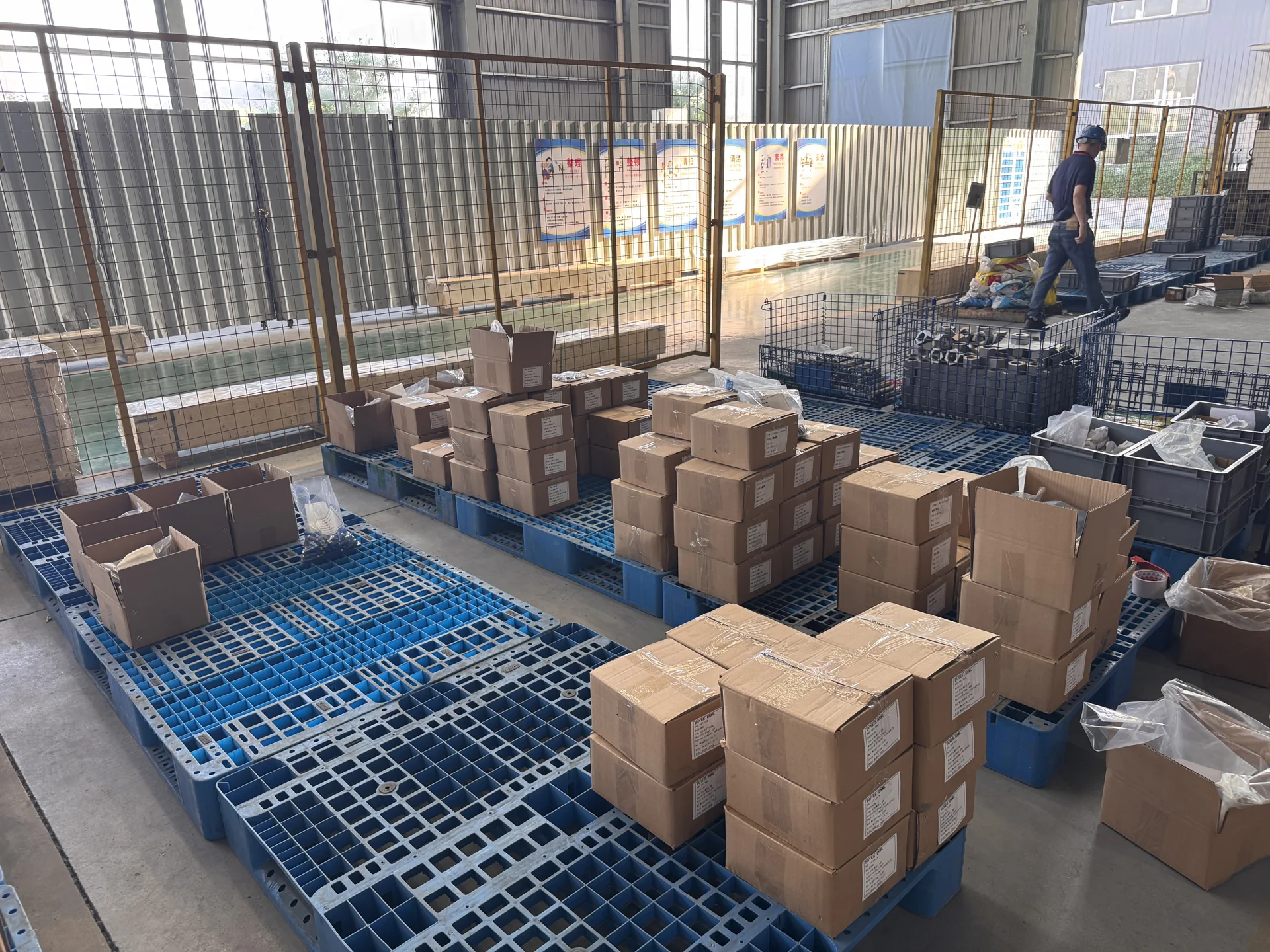
Identified packing
Heat and batch records linked to the shipment
Additional inspection requirements +
PMI, third-party inspection and witness testing are available by order. Project inspection plans can include UT/PT and heat-treatment records.
Matching products for eye-end / swing bolts
Prepare your enquiry
- Material
- Grade / UNS · Condition
- Size
- Diameter · Length / height
- Thread
- Pitch / TPI · Form & class
- Quantity
- Pieces per size