316L
Fasteners & Material Data
UNS S31603
What is 316L stainless steel and its applications?
316L stainless steel (UNS S31603) is a low-carbon, molybdenum-bearing austenitic grade used in process equipment and industrial piping. Compared with 304, its alloying improves resistance to pitting, but it remains vulnerable to sufficiently aggressive chloride conditions.
- Process piping: Connections in fluids confirmed compatible with 316L.
- Food and pharmaceutical equipment: Fabricated parts with defined cleaning and surface requirements.
- Industrial water systems: Equipment selected with water chemistry and stagnation in mind.
Choose your 316L product
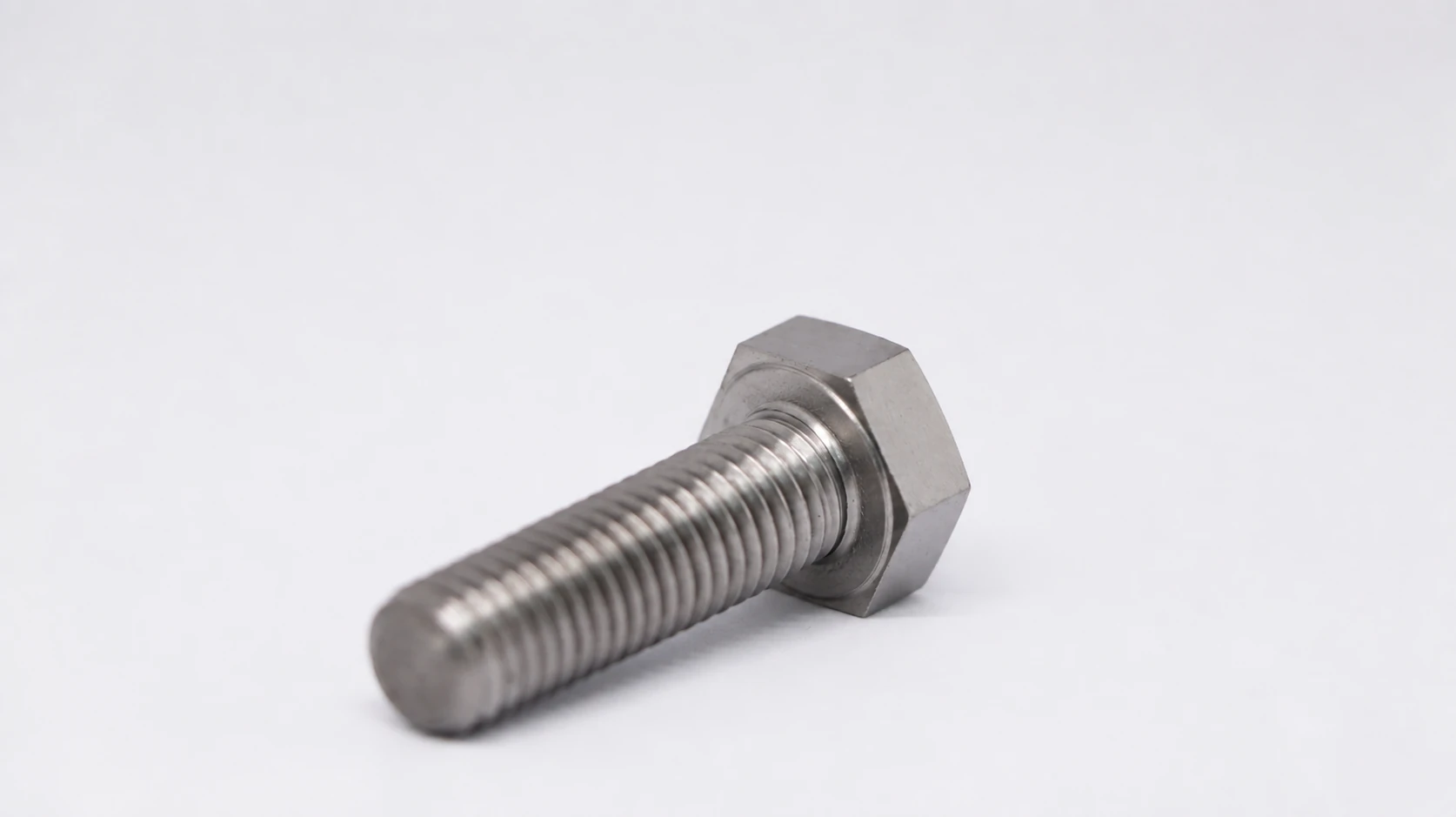
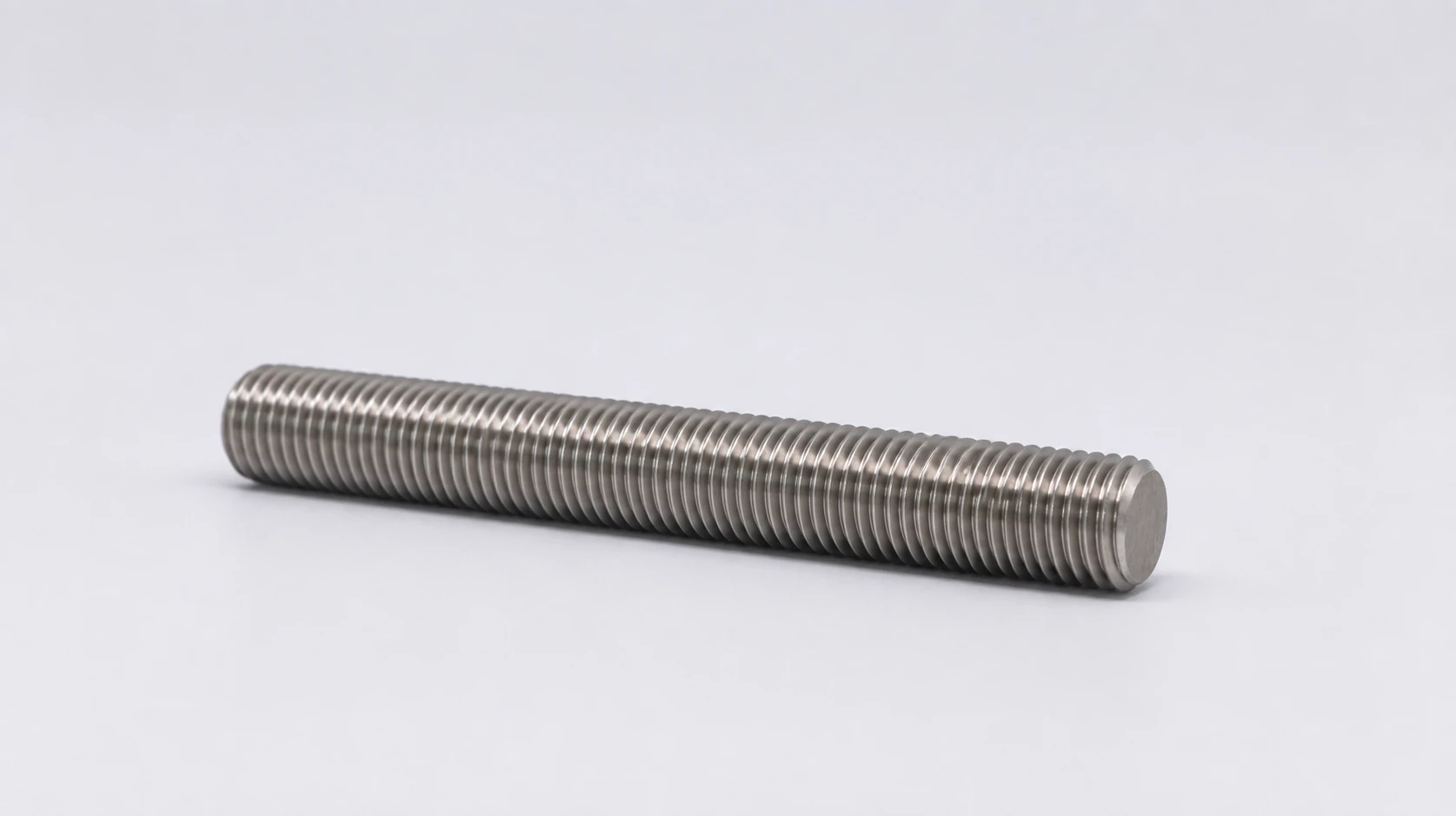
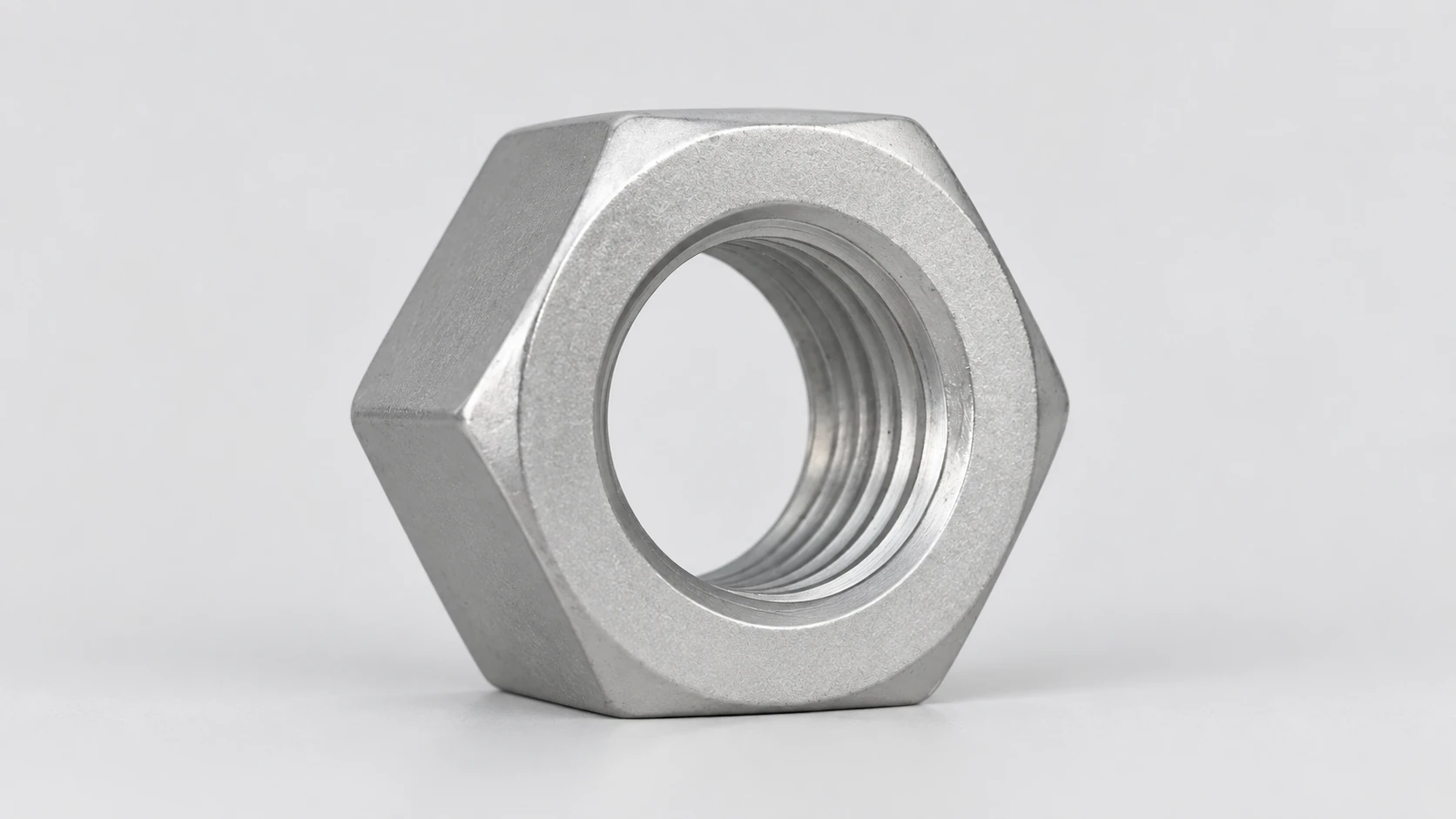
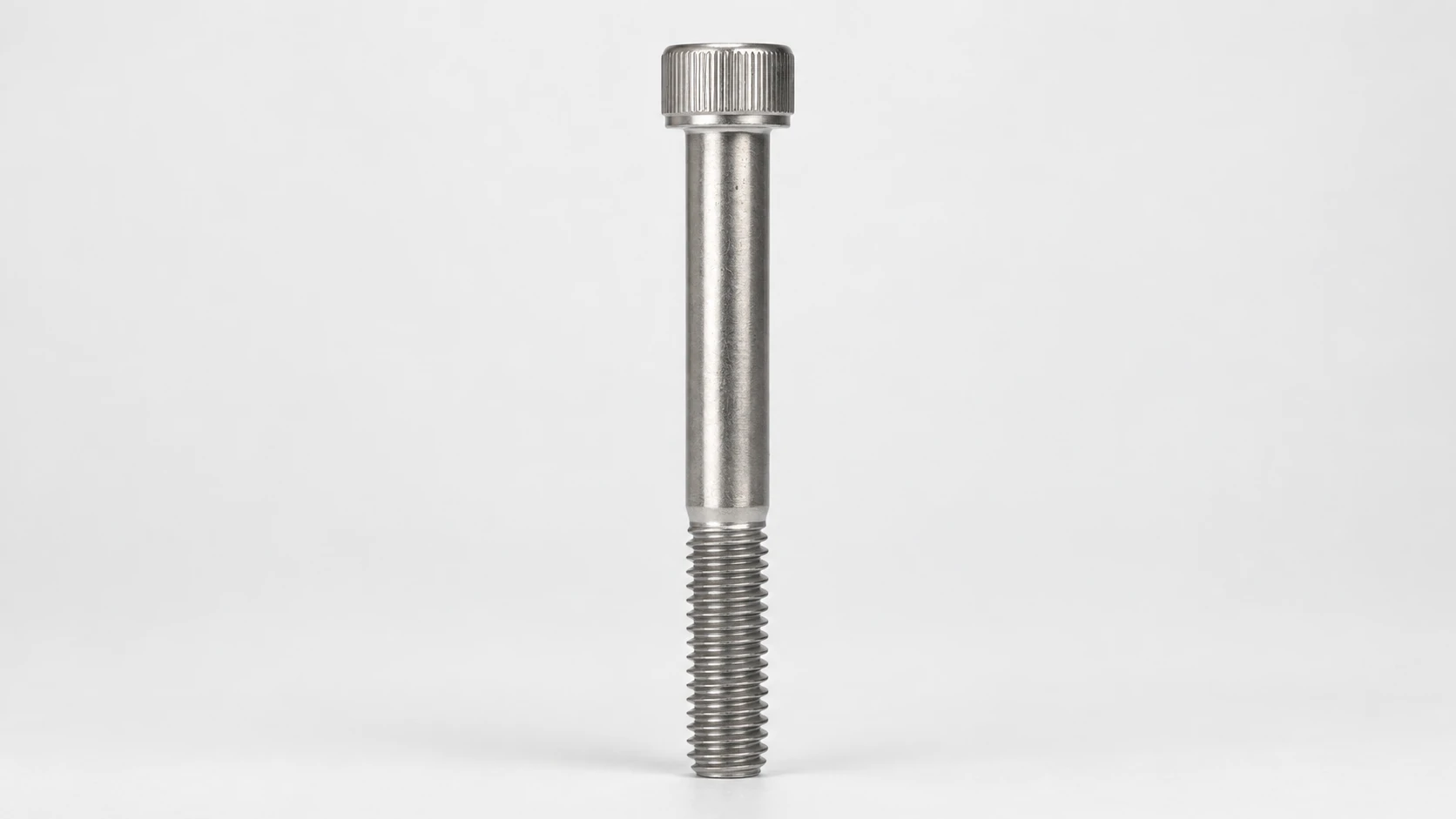
Engineering Application & Selection Guide
Molybdenum improves localized-corrosion resistance, while low carbon reduces sensitization risk after welding. Neither feature makes a crevice beneath a nut or washer immune to chloride attack.
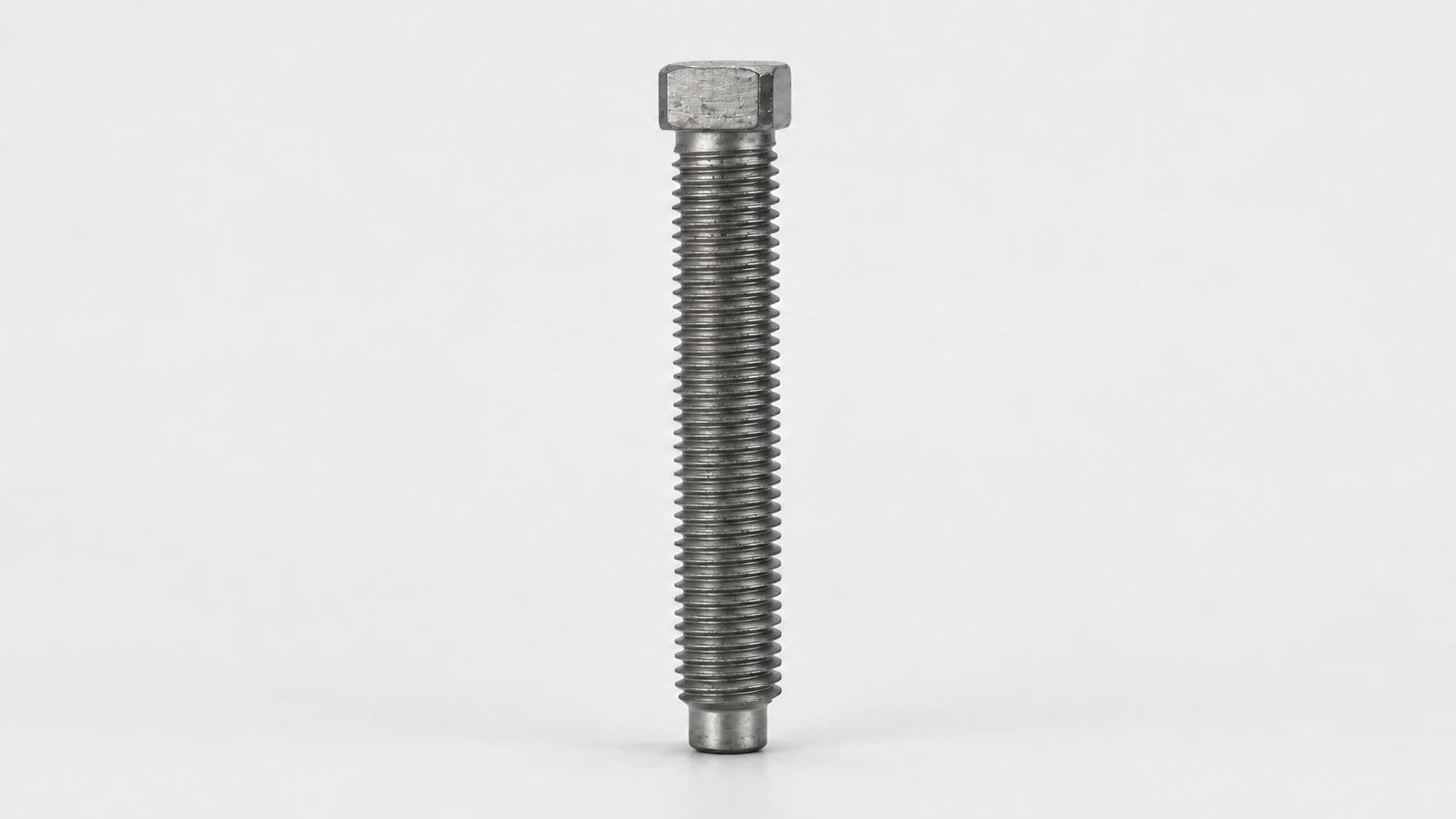
- 316L stud bolts — For process flanges, specify the required bolting standard and strength rather than treating a 316L bar certificate as finished-fastener acceptance.
- 316L hex bolts — For outdoor equipment, identify salt deposits, washdown chemicals and whether the joint can drain.
- 316L socket head cap screws — For serviceable equipment, agree a compatible lubricant and tightening method; material selection does not remove galling risk.
Compare 317L or Duplex 2205 when corrosion or load requirements exceed the selected 316L condition. Confirm the failure mechanism first: more alloying is not a remedy for an incorrectly loaded or poorly drained joint.
316L Composition
Selected composition limits · wt.%
- Cr
- 16–18%
- Ni
- 10–14%
- Mo
- 2–3%
- C
- ≤0.03%
ASTM / ASME specifications by product form
Finished-product requirements
Specify the finished-fastener mechanical requirements, condition and inspection separately from the starting-stock specification.
316L hex bolt requirements ↗Fasteners · dimensional references
| Product | Reference |
|---|---|
| Hex bolts | ISO 4014 / ISO 4017 · ASME B18.2.1 |
| Threaded studs | DIN 976-1 · ASME B18.31.2 |
| Hex nuts | ISO 4032 · ASME B18.2.2 |
| Socket head screws | ISO 4762 · ASME B18.3 |
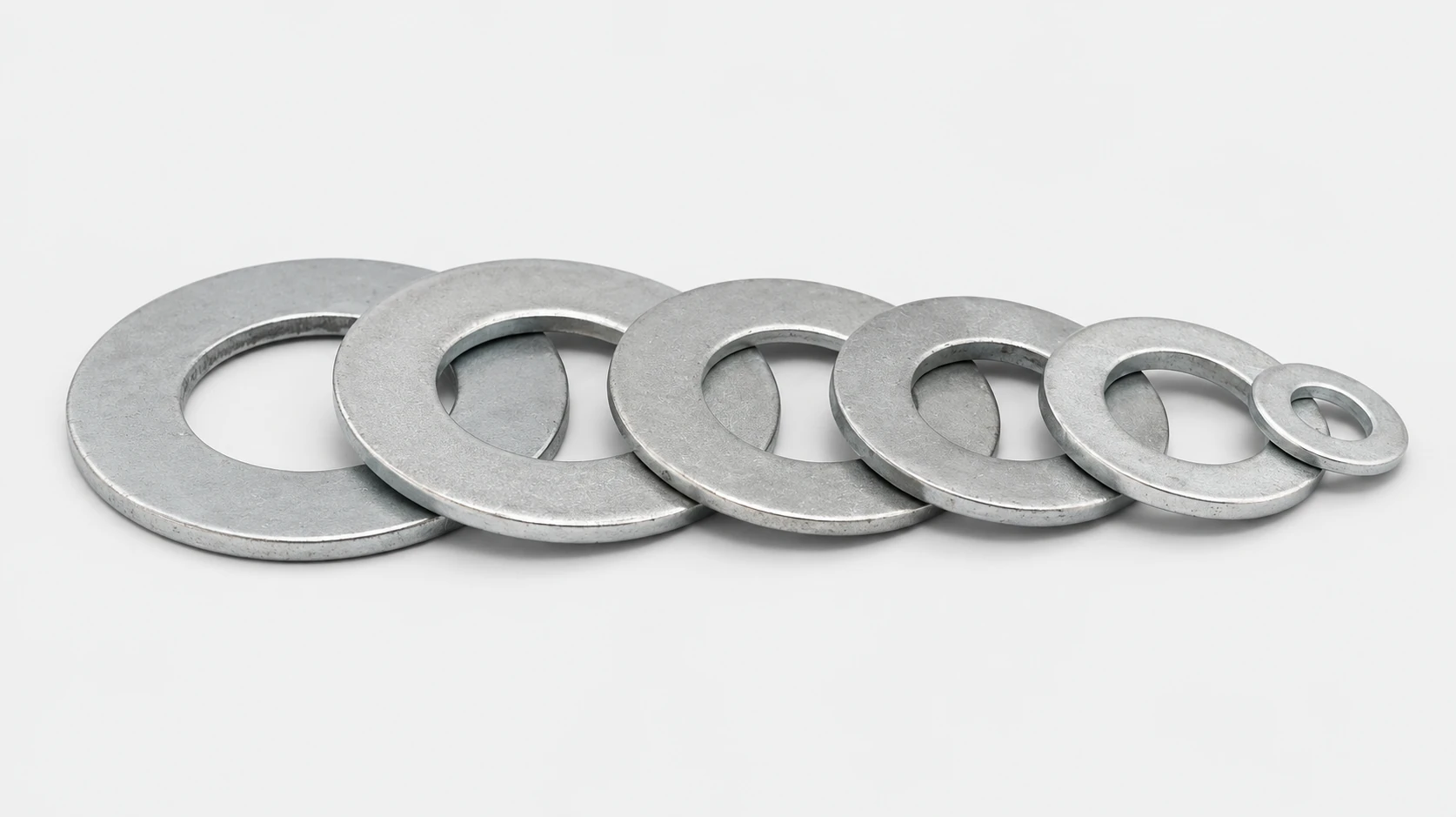
| Flat washers | ISO 7089 / ISO 7090 · ASME B18.21.1 |
| Custom fasteners | Customer drawing |
Raw-material specifications
| Product form / scope | Reference |
|---|---|
| Plate, sheet & strip · Specify grade, condition and order requirements. | ASTM A240 / ASME SA-240 |
| Bar & wire | ASTM A276 / A478 / A479 · ASME SA479 |
| Tube | ASTM A249 / A554 · ASME SA249 |
| Pipe | ASTM A312 / A409 · ASME SA312 / SA409 |
| Billet & forgings | ASTM A314 / A473 |
| Flanges & fittings | ASTM A182 / A403 · ASME SA182 / SA403 |
Dimensions do not define material or finished-part compliance. Specify the grade, condition and applicable requirements.
How to specify round bar, plate, wire and strip ↗316L Mechanical Properties
Reference sample and condition
- Data basis
- Minimums quoted by producer
- Test sample form
- Plate, sheet & strip
- Condition
- Annealed
- Test temperature
- Room temperature
- Gauge length
- 2 in (51 mm)
| Key properties | Value |
|---|---|
| Tensile strength | ≥485 MPa |
| 0.2% yield strength | ≥170 MPa |
| Elongation | ≥40% |
Procurement and application guide
Specify the material and final condition
Review chloride concentration, temperature and crevice conditions.
Material forms in the technical reference: Plate · Sheet · Strip · Bar · Wire · Billet · Forgings · Pipe & tube · Flanges & fittings.
Define the finished-part acceptance
Include the material or bolting specification, required final condition, dimensions and quantity. State the service medium, temperature and loading where known. Agree the required tests, inspection coverage and acceptance criteria for the finished part.
Start with the information you have
Send a drawing or share the product form and dimensions. Identify any undecided requirements for review rather than copying a typical property value into the purchase order.
Upload DrawingTechnical guides
All technical articles ↗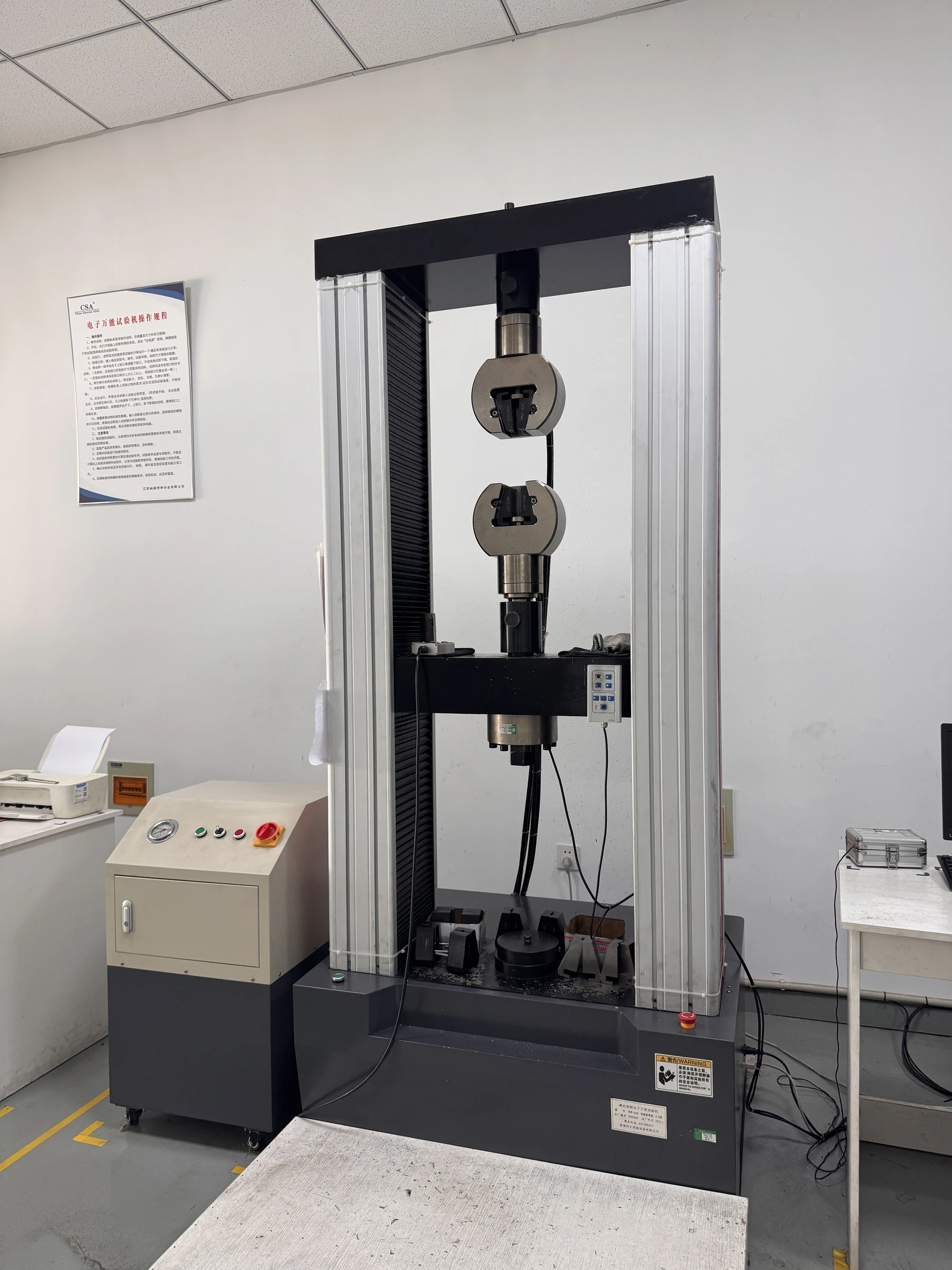 MTC vs PMI vs Inspection Report: Which One Actually Proves Your Fastener Meets the Order?
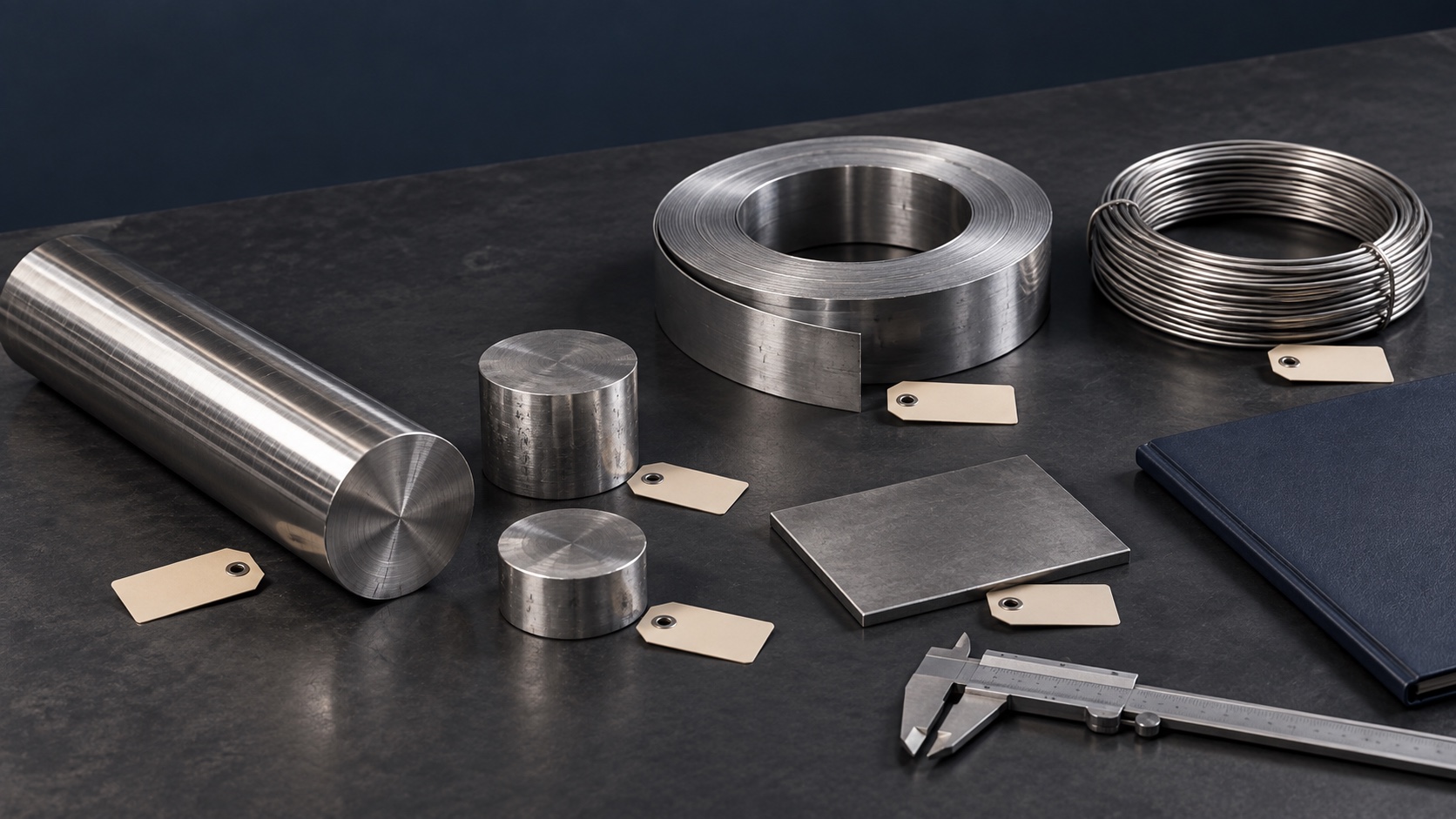 How to Specify Alloy Round Bar, Plate, Wire and Strip
 Custom Fastener RFQ: A Buyer’s Specification Checklist
Selection and specification · 2
Installation and inspection · 2
Quality documents
EN 10204 3.1 MTC
Material certification and heat-number traceability
Mechanical testing
Methods and acceptance criteria follow the agreed specification
Alloy 718 laboratory report · PDF ↗Thread inspection
Sampled GO/NO-GO gauging for threaded products
Additional inspection and records
Heat-treatment records, PMI and third-party scope agreed per order
View PMI sample ↗