Nimonic 75
Fasteners & Material Data
UNS N06075 · W.Nr. 2.4951 / 2.4630 · DIN NiCr20Ti
What is Nimonic 75 and its applications?
Nimonic 75 (UNS N06075) is a nickel-chromium alloy with controlled titanium and carbon additions. It is primarily used in sheet applications requiring oxidation resistance and moderate strength at elevated temperature.
- Gas-turbine engineering: Sheet components in thermal environments.
- Industrial furnaces: Components requiring oxidation and scaling resistance.
- Heat-treatment equipment: Fabricated parts with moderate strength requirements.
Choose your 75 product
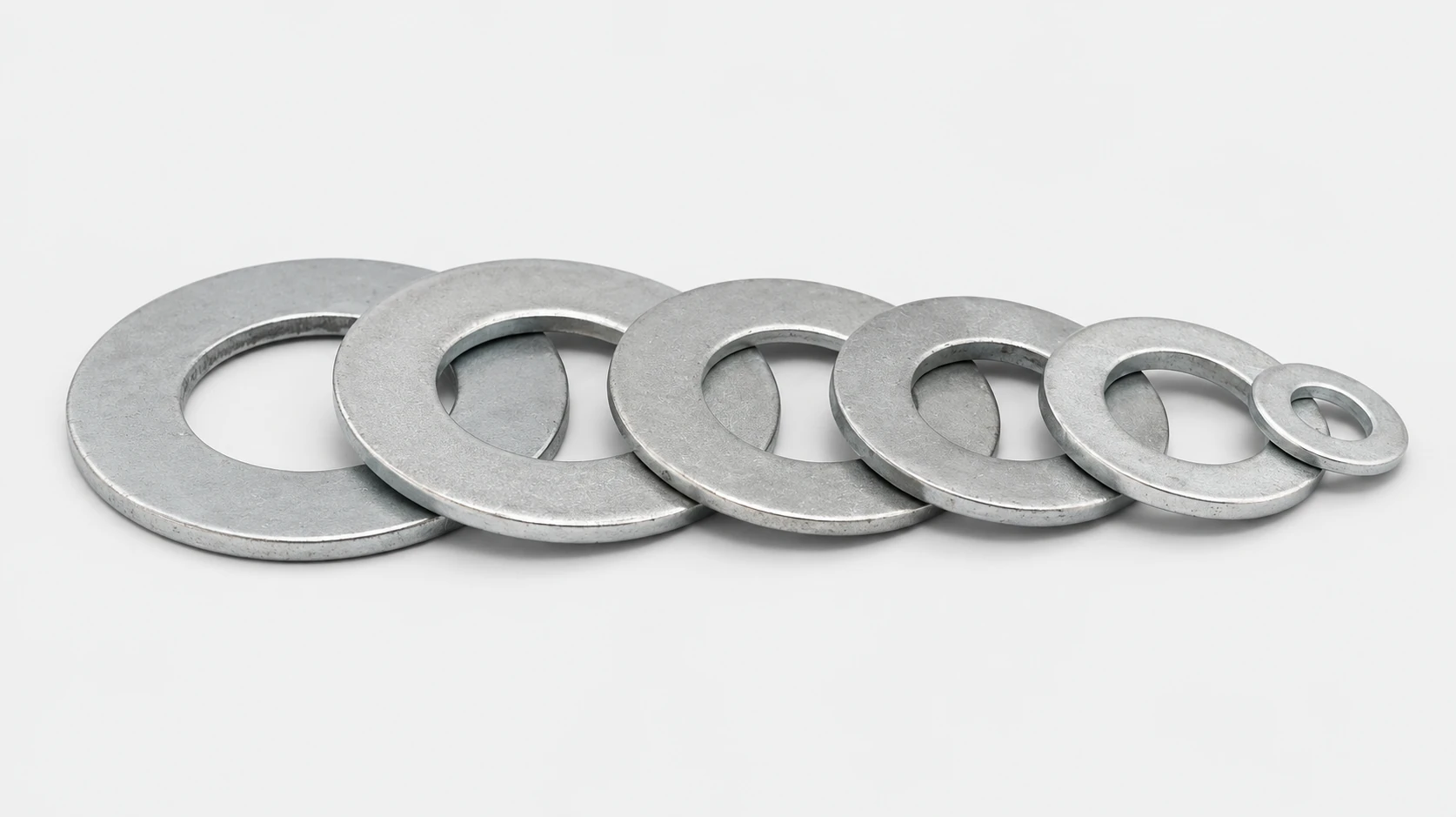
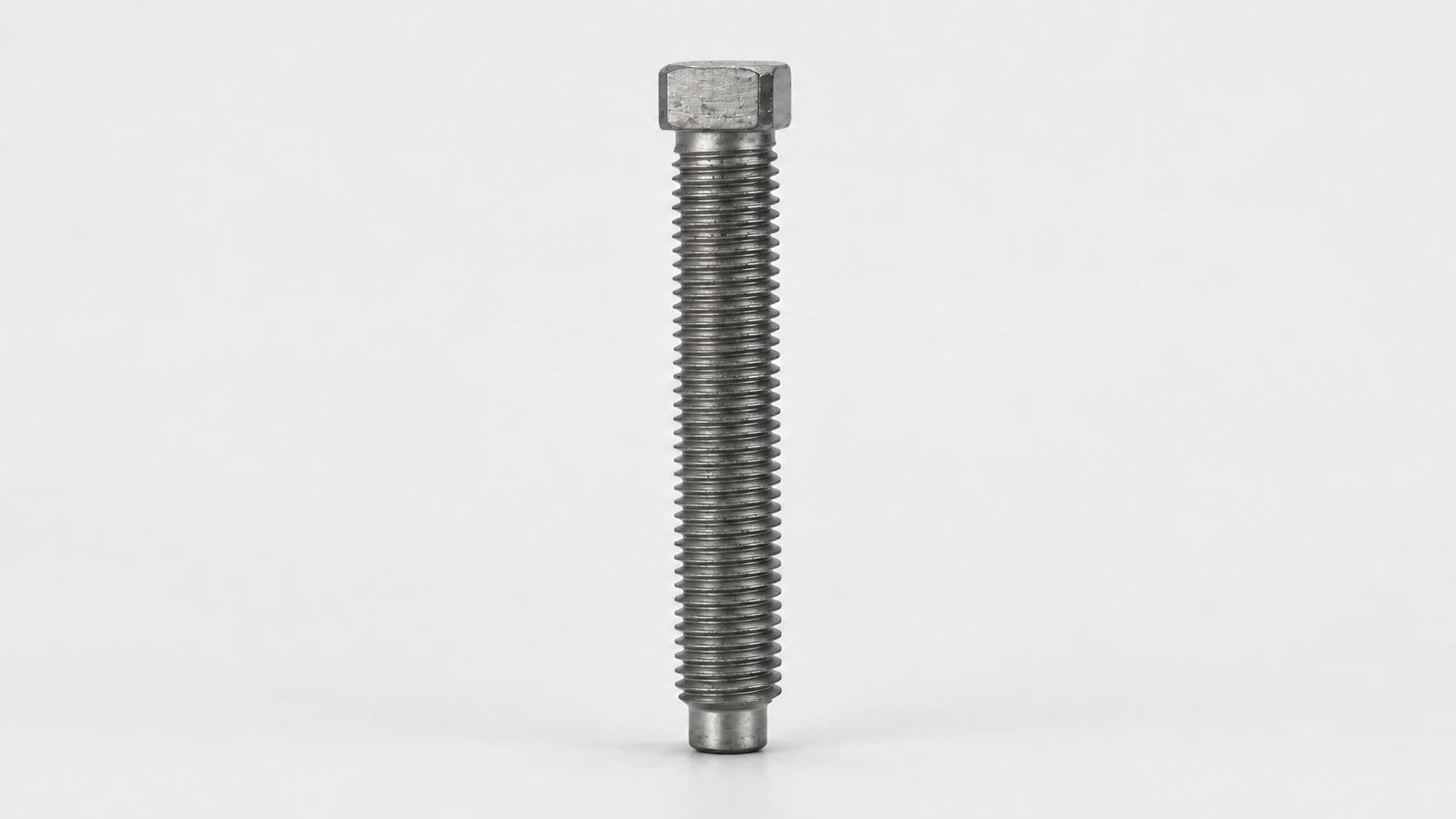
Engineering Application & Selection Guide
Its chemistry and heat-treated condition support thermal-service performance. The published properties are tied to the stock form and thermal treatment. Moderate-strength, oxidation-resistant sheet service is a different requirement from highly loaded, age-hardened bolting.
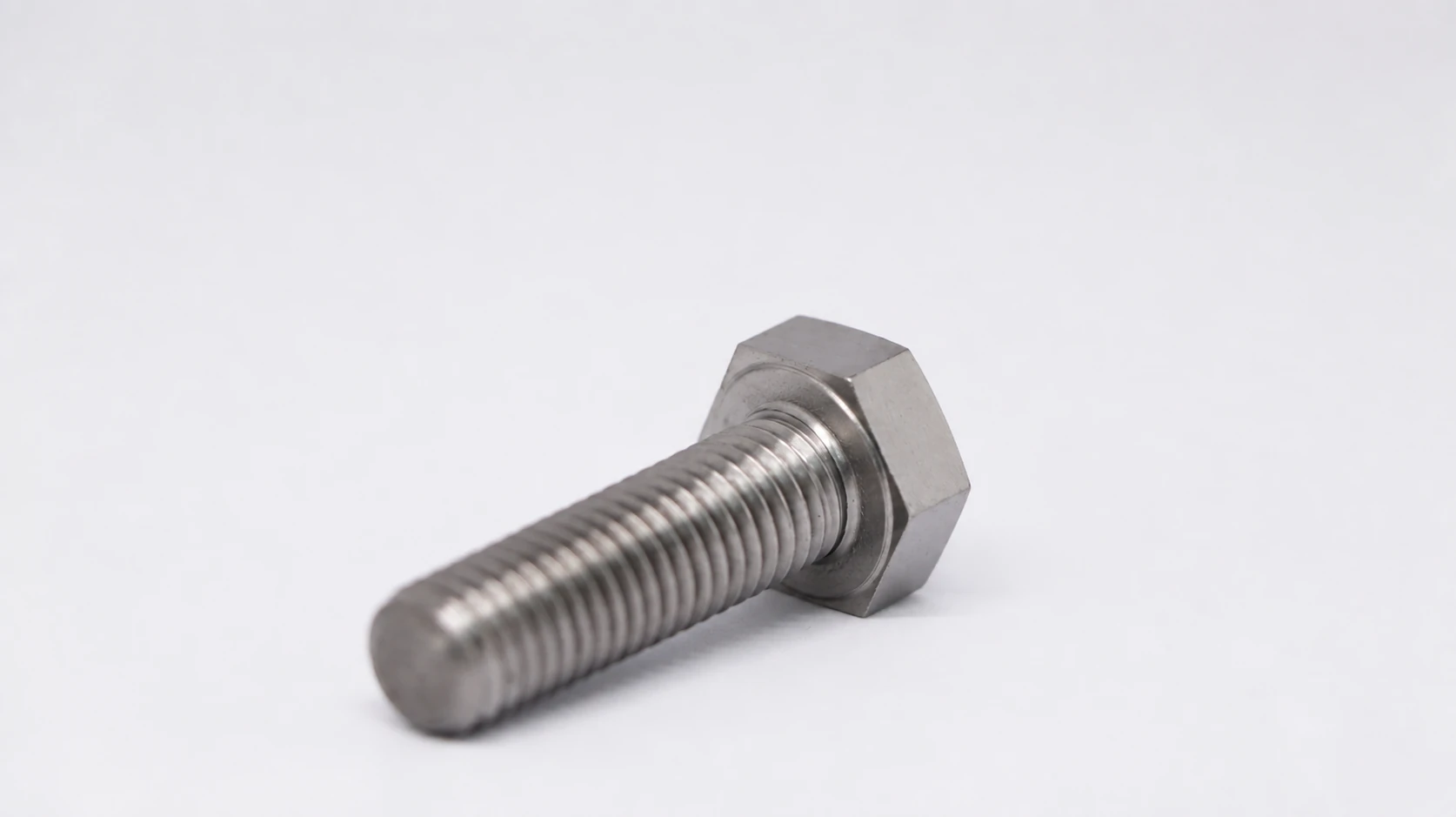
- Nimonic 75 hex bolts — For burner enclosures, review the actual mechanical load and metal temperature.
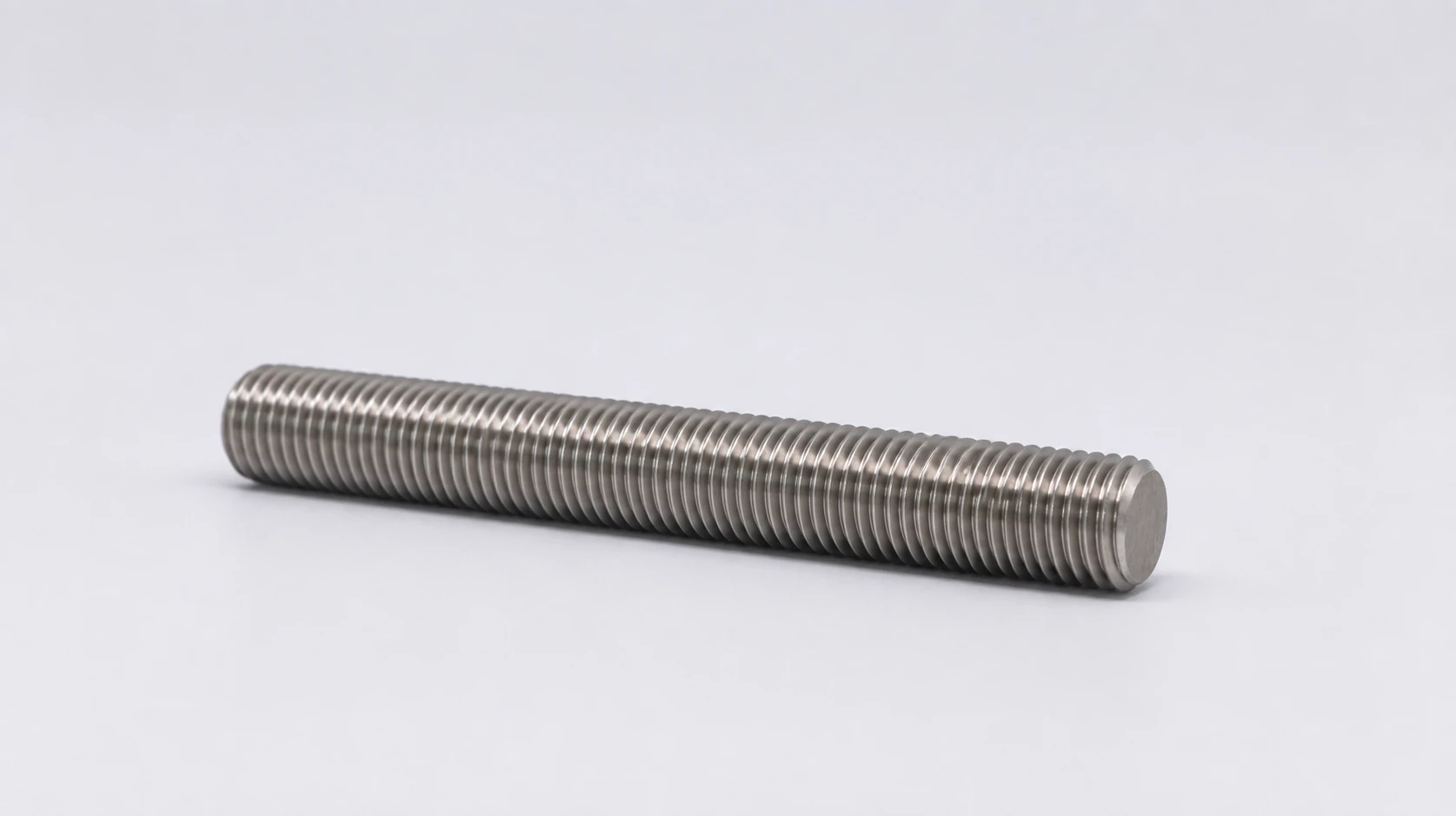
- Nimonic 75 threaded studs — For thermal fixtures, identify the stock condition and effects of repeated heating.
- Nimonic 75 custom fasteners — For fabricated ducting, show sheet thickness, bearing area and differential thermal movement.
Compare Nimonic 75 and 80A where higher strength is required. A sheet-material application does not qualify a highly loaded bolt; the proposed stock form and finished-part condition need their own acceptance basis.
Nimonic 75 Composition
Selected composition limits · wt.%
- Ni
- Balance
- Cr
- 18–21%
- Ti
- 0.2–0.6%
- C
- 0.08–0.15%
ASTM / ASME specifications by product form
Finished-product requirements
Specify the finished-fastener mechanical requirements, condition and inspection separately from the starting-stock specification.
Nimonic 75 hex bolt requirements ↗Fasteners · dimensional references
| Product | Reference |
|---|---|
| Hex bolts | ISO 4014 / ISO 4017 · ASME B18.2.1 |
| Threaded studs | DIN 976-1 · ASME B18.31.2 |
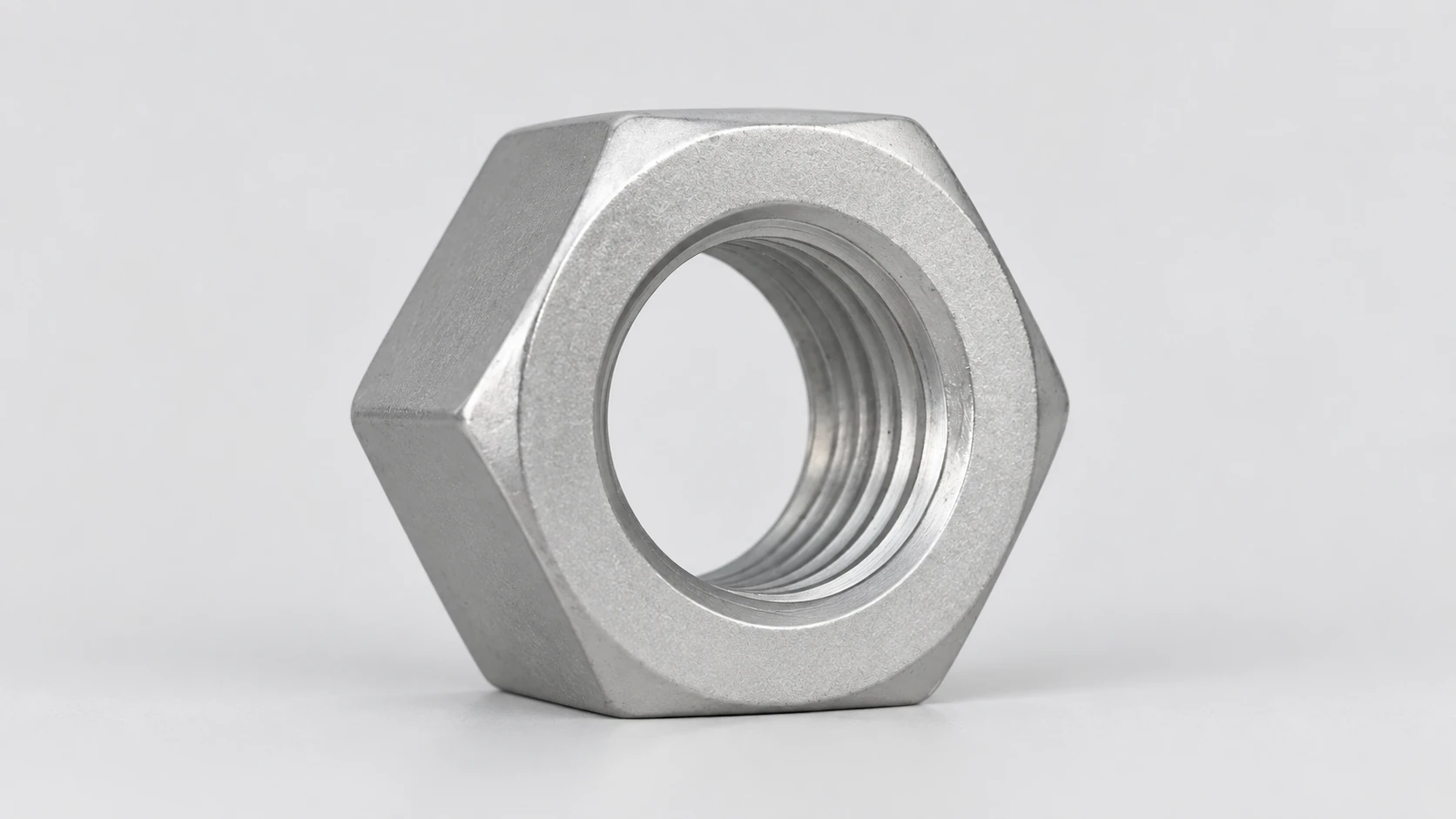
| Hex nuts | ISO 4032 · ASME B18.2.2 |
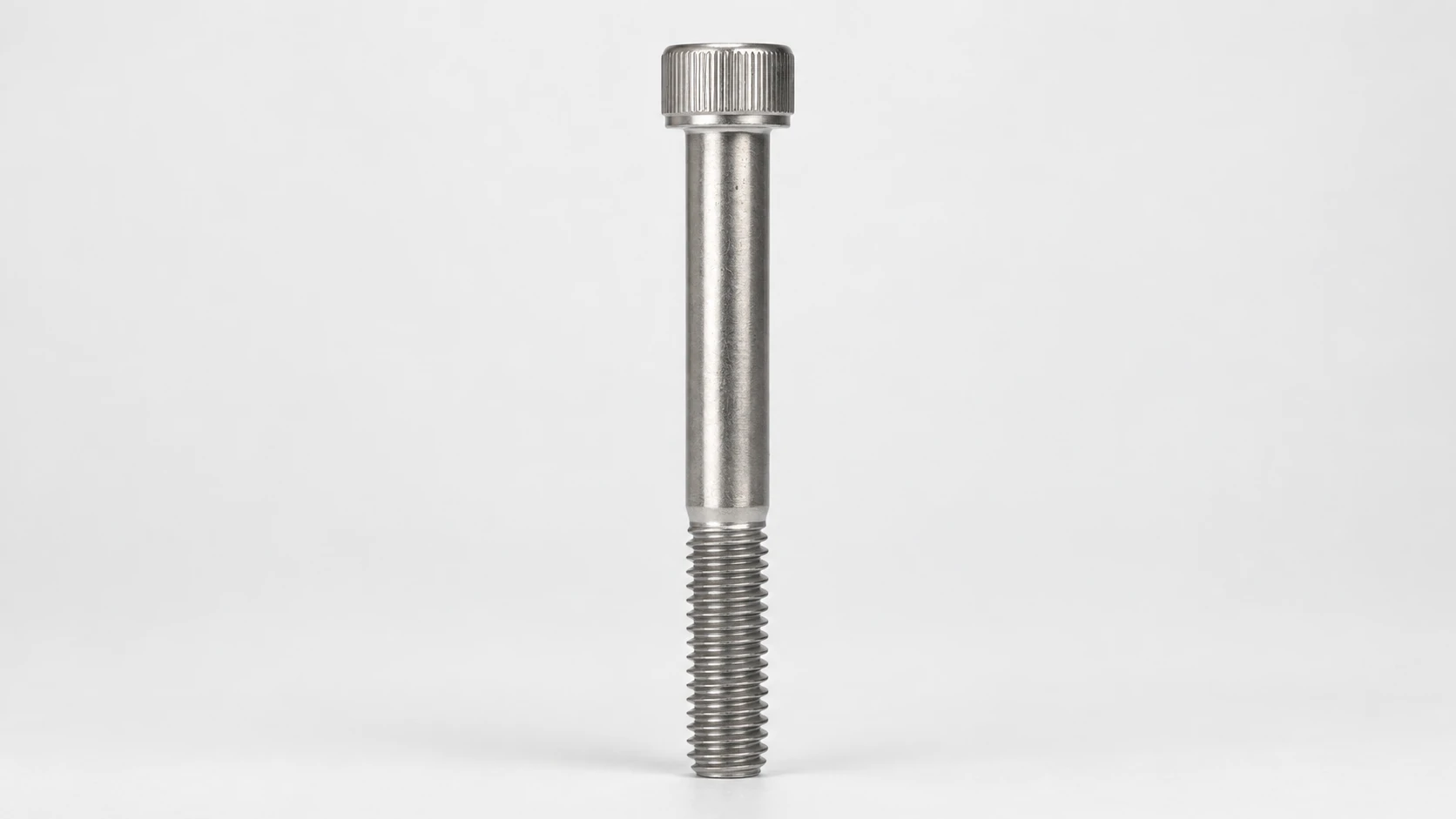
| Socket head screws | ISO 4762 · ASME B18.3 |
| Flat washers | ISO 7089 / ISO 7090 · ASME B18.21.1 |
| Custom fasteners | Customer drawing |
Raw-material specifications
| Product form / scope | Reference |
|---|---|
| Rod, bar & forging stock | BS HR 5 · DIN 17752 · ISO 9723 / 9725 |
| Wire | BS HR 504 · ISO 9724 |
| Plate, sheet & strip | BS HR 203 · DIN 17750 · ISO 6208 |
| Pipe & tube | BS HR 403 · DIN 17751 · ISO 6207 |
Dimensions do not define material or finished-part compliance. Specify the grade, condition and applicable requirements.
How to specify round bar, plate, wire and strip ↗Nimonic 75 Physical Properties
Dynamic Young’s modulus: 20°C, fully heat-treated cylindrical specimens tested in flexural vibration. Thermal conductivity: 20°C. Producer reference values.
| Property | Value | Unit |
|---|---|---|
| Density | 8.37 | g/cm³ |
| Dynamic Young’s modulus | 221 | GPa |
| Thermal conductivity | 11.7 | W/(m·K) |
Temperature curves and values
Tensile and yield strength
Bar · 1050°C for 30–60 min, air cooled
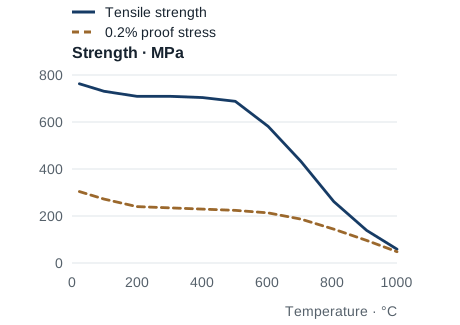
Approximate readings from the reference figure · not design allowables
Special Metals · Alloy 75 · SMC-058 · Tables 1, 2, 4; mechanical curves in Figures 1–2 ↗Elongation and reduction of area
Bar · 1050°C for 30–60 min, air cooled
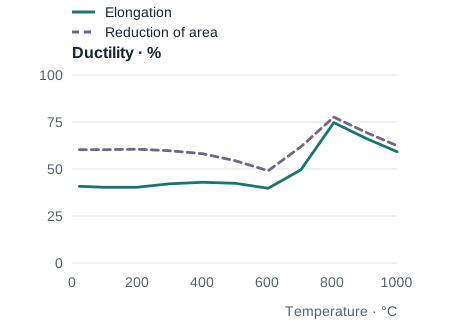
Approximate readings from the reference figure · not design allowables
Special Metals · Alloy 75 · SMC-058 · Tables 1, 2, 4; mechanical curves in Figures 1–2 ↗Tensile and yield strength
Sheet · 1050°C for 5–10 min, air cooled
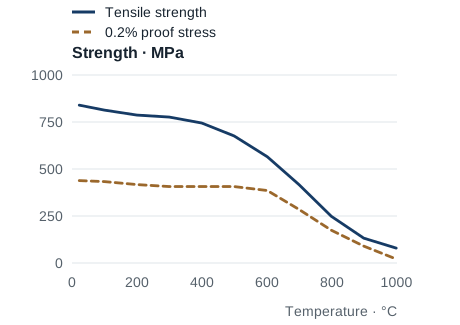
Approximate readings from the reference figure · not design allowables
Special Metals · Alloy 75 · SMC-058 · Tables 1, 2, 4; mechanical curves in Figures 1–2 ↗Elongation vs temperature
Sheet · 1050°C for 5–10 min, air cooled
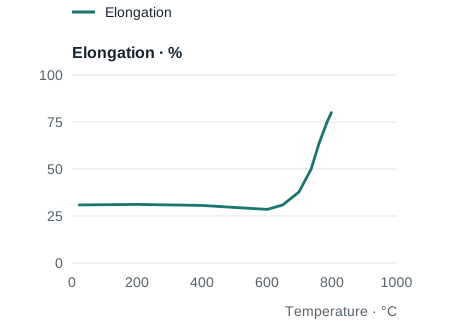
Approximate readings from the reference figure · not design allowables
Special Metals · Alloy 75 · SMC-058 · Tables 1, 2, 4; mechanical curves in Figures 1–2 ↗Procurement and application guide
Specify the material and final condition
Specify product form and heat treatment before setting strength requirements.
Material forms in the technical reference: Round bar · Wire · Sheet · Strip · Plate · Tube · Forging stock · Extruded sections.
Define the finished-part acceptance
Include the material or bolting specification, required final condition, dimensions and quantity. State the service medium, temperature and loading where known. Agree the required tests, inspection coverage and acceptance criteria for the finished part.
Start with the information you have
Send a drawing or share the product form and dimensions. Identify any undecided requirements for review rather than copying a typical property value into the purchase order.
Upload DrawingTechnical guides
All technical articles ↗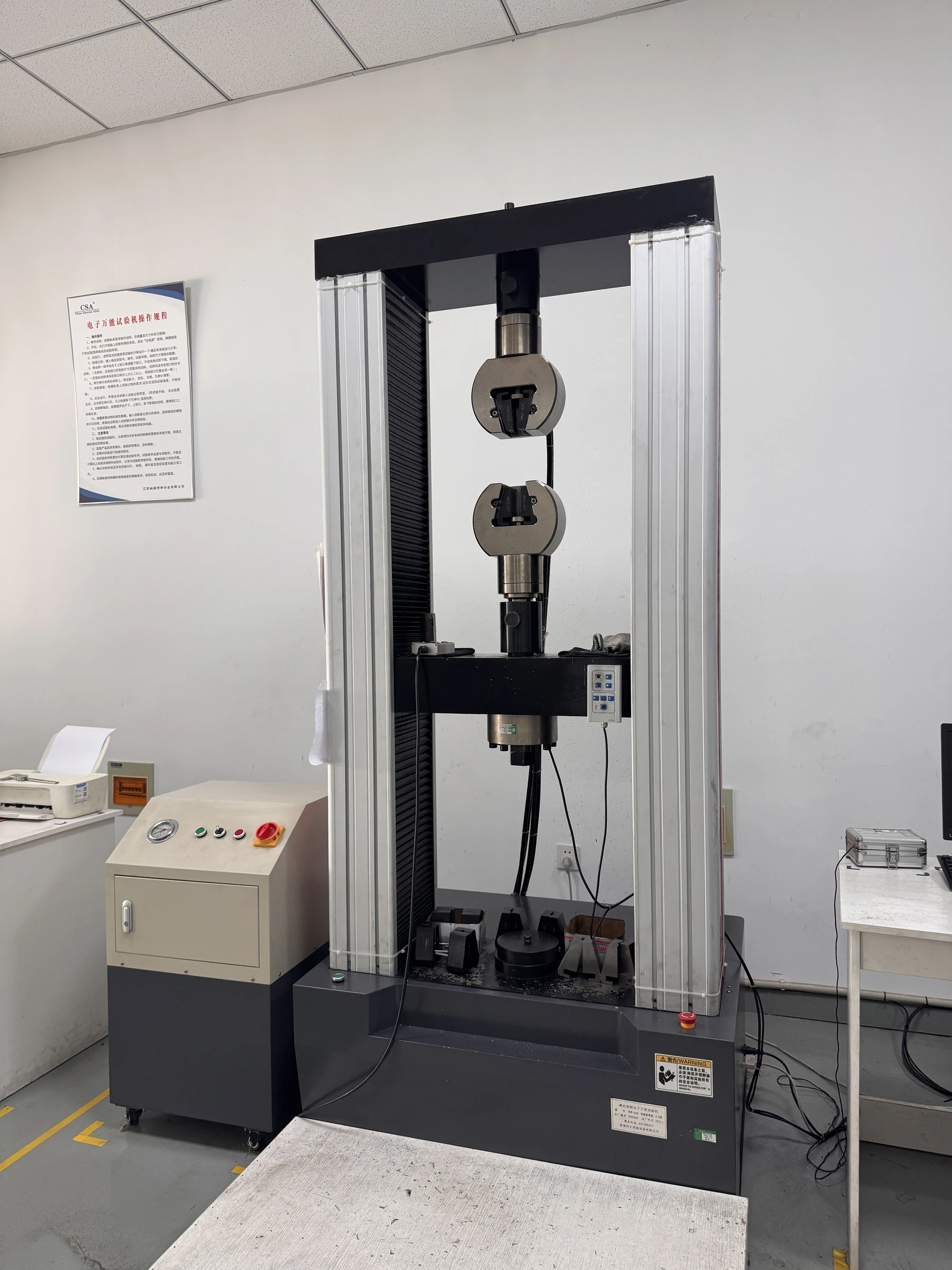 Nickel Alloy Fasteners: Selection and Specification Guide
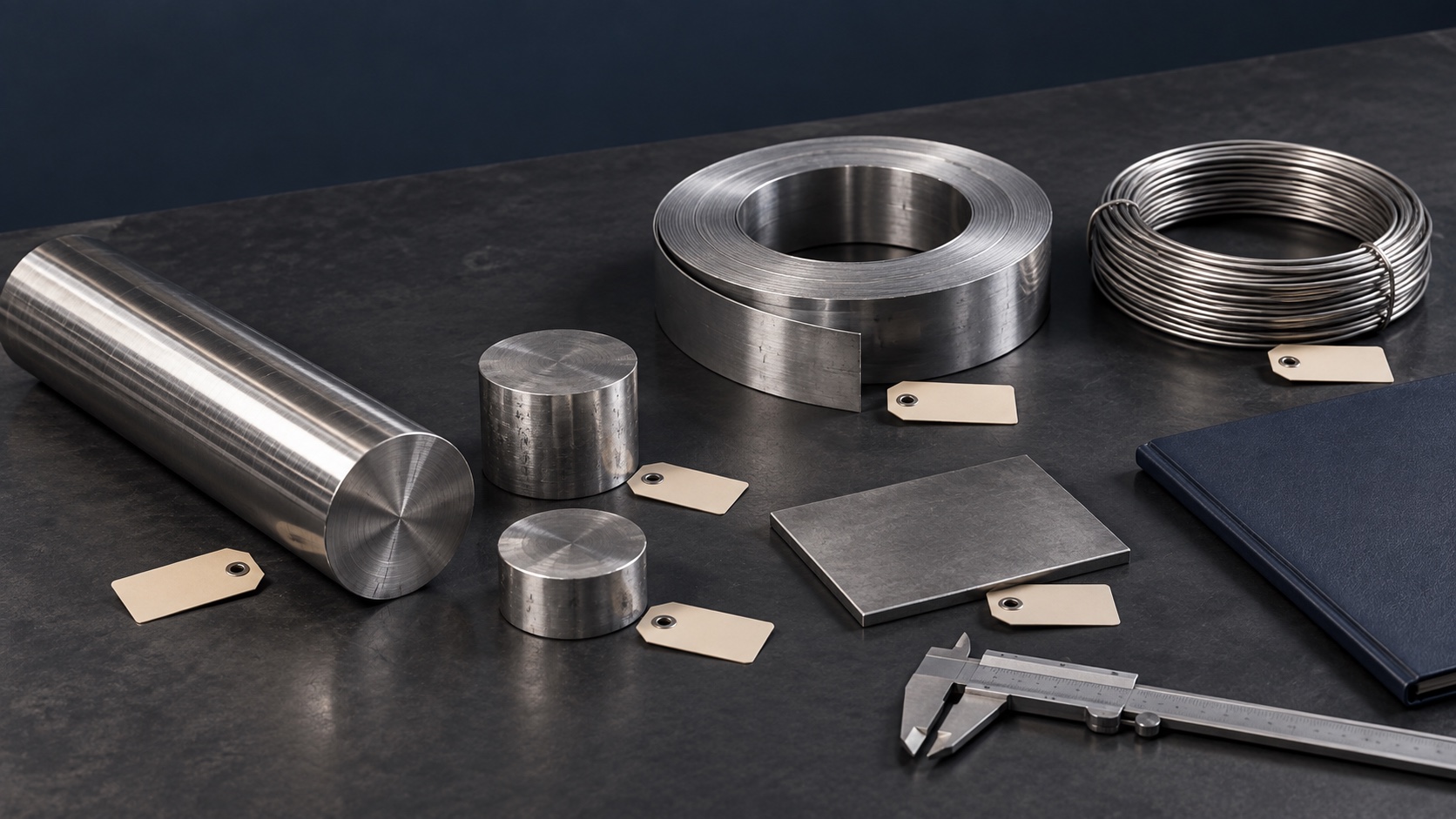 Nickel-Alloy Fastener Galling
 MTC vs PMI vs Inspection Report: Which One Actually Proves Your Fastener Meets the Order?
Selection and specification · 3
Installation and inspection · 3
Quality documents
EN 10204 3.1 MTC
Material certification and heat-number traceability
Mechanical testing
Methods and acceptance criteria follow the agreed specification
Alloy 718 laboratory report · PDF ↗Thread inspection
Sampled GO/NO-GO gauging for threaded products
Additional inspection and records
Heat-treatment records, PMI and third-party scope agreed per order
View PMI sample ↗Specify your Nimonic 75 fastener
Sources and references
Additional published references
- DIN 17742; AECMA PrEN 2306 / 2307 / 2402 / 2293 / 2302 / 2411 / 2294 / 2308 Special Metals · Alloy 75 · SMC-058 · Tables 1, 2, 4; mechanical curves in Figures 1–2 ↗