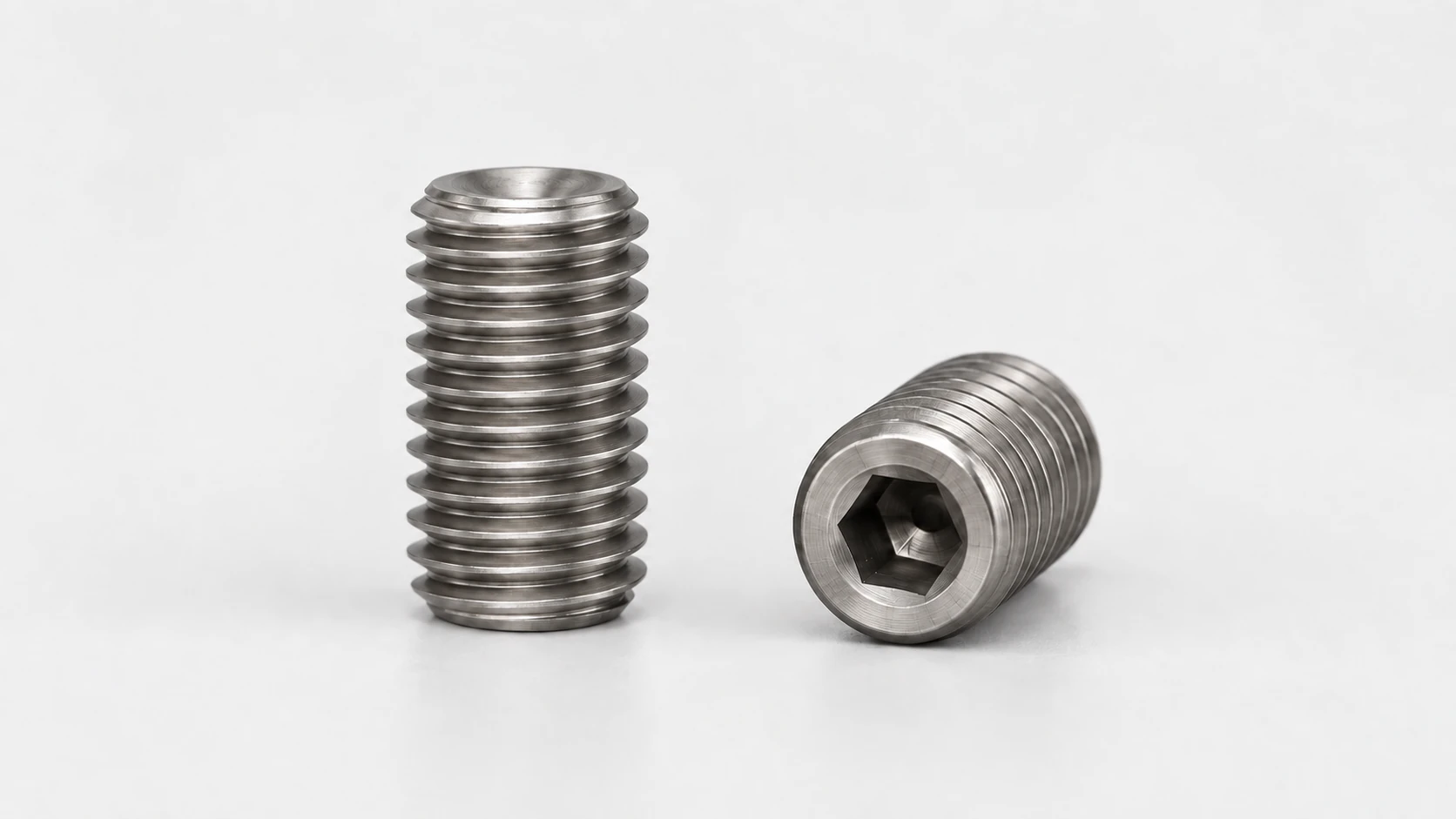
Special alloy set screws
Point style determines how a set screw engages a shaft, collar or locating feature. Cup, flat, cone and dog points offer different contact geometries; choose around the mating surface, positioning requirement and acceptable marking, then specify the alloy and thread.
- Drive
- Internal hex socket
- Point forms
- Flat · Cone · Dog · Cup
- Length basis
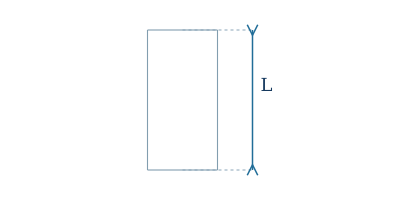
- Overall length
- Threads
- Metric · Inch
- Materials
- Nickel alloys · Stainless steels · Titanium
EN 10204 3.1 MTC · Heat traceability
Set screws material selection
Equipment & applications
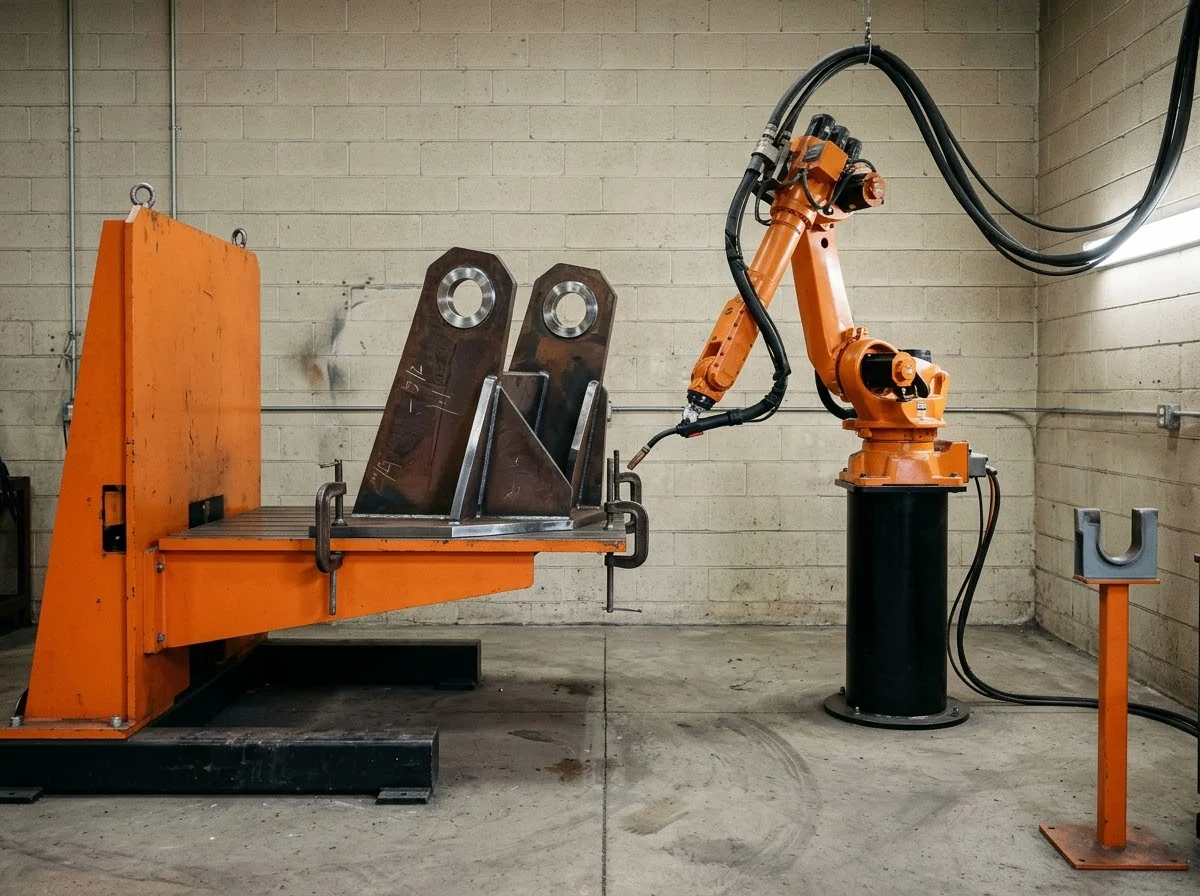
Positioning & locating
Lock adjustable stops and collars in position. A dog point follows a locating hole or slot; a flat point bears on a prepared shaft flat for later repositioning.
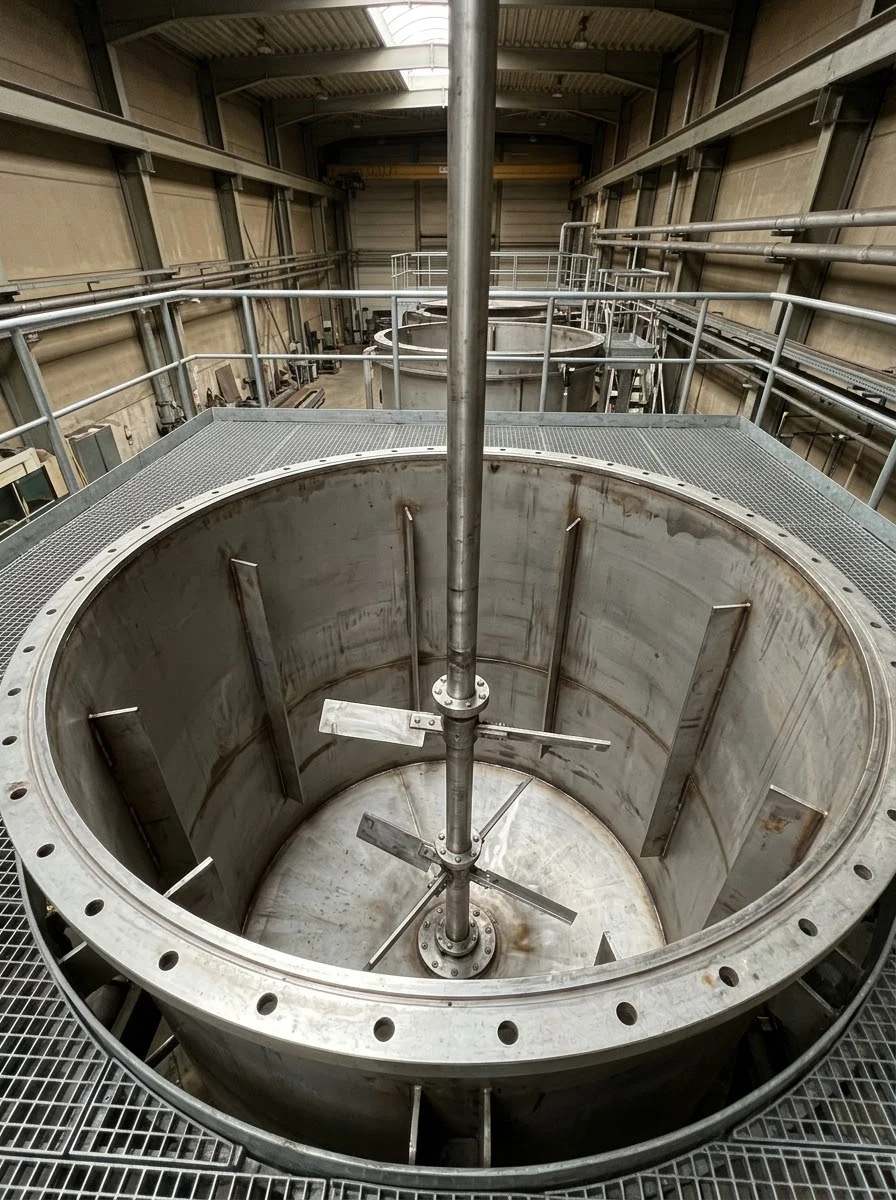
Agitator attachments
Retain shaft collars and coupling components on agitator drives. Cup points bite into a shaft surface, while a machined flat or recess gives repeatable seating for other point styles.
Actuator mountings
Fix collars and stops on actuator shafts. A headless screw stays within the hub envelope, leaving clearance for adjacent rotating or sliding parts.
Set screws configurations & dimensions
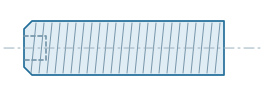
Flat point
Use for repeated adjustment against a flat or pad where deep penetration is unwanted. A prepared flat on the shaft gives more stable seating than contact on a round surface.
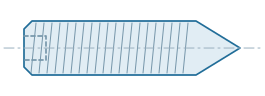
Cone point
Use for positive location in a prepared dimple on a shaft or collar. The concentrated tip contact can mark the component, making it less suitable for frequent repositioning on a finished shaft.
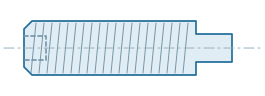
Dog point
Use the cylindrical tip in a hole or guide slot to locate a collar or restrict travel. Control tip diameter and projection to avoid binding or bottoming in the mating feature.
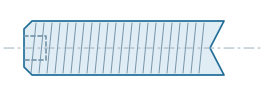
Cup point
Use on shaft collars and hubs where the cup edge can bite into the shaft to resist slip. Expect a contact mark; use a prepared seat when repeated removal and repositioning matter.
Dimension guide
Loading 3D model…
Drag to rotate · Scroll to zoom
Product and thread standards
Raw Material Specifications
Other Materials & Specifications
Finished-Screw Specifications
Threads · Metric
Threads · Inch
Dimension Reference
Production & heat treatment
CNC · Points & Short Runs
Bar machining produces special lengths and cup, flat, cone or dog points without separate forming tools. Point concentricity is controlled relative to the threaded body.
Recess & Threading
The drive recess must leave enough material around the point and body. Rolling suits repeat thread sizes; cutting accommodates short runs and threads close to a shoulder or dog point.
Cold Forming / Machined Blanks
Small repeat set screws can use cold-formed blanks and recesses from ductile stock. Larger headless parts commonly remain bar-machined because they need little upsetting; hot forging is useful only when the blank has an enlarged section that warrants it.
Heat Treatment & Point Contact
Ageing strengthens solution-treated Inconel 718 so its point resists permanent indentation under the locking load. Inconel 625 gains no comparable precipitation-hardening benefit from an anneal; annealing instead restores ductility. Point dimensions, hardness and recess engagement are checked together.
Testing, MTC 3.1 & material traceability
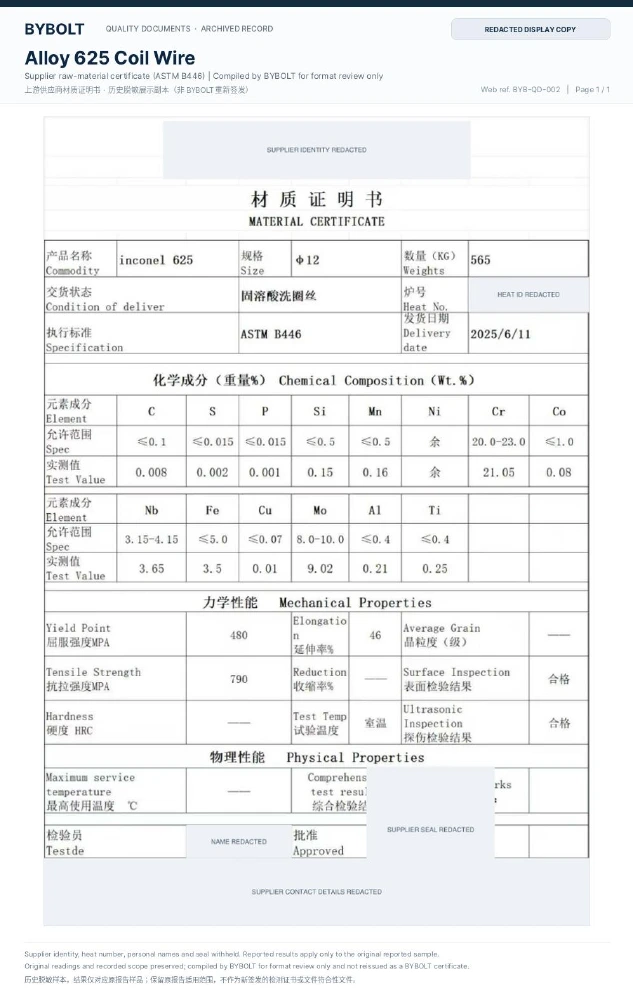
Material certificate
Inconel 625 · historical coil-wire sample
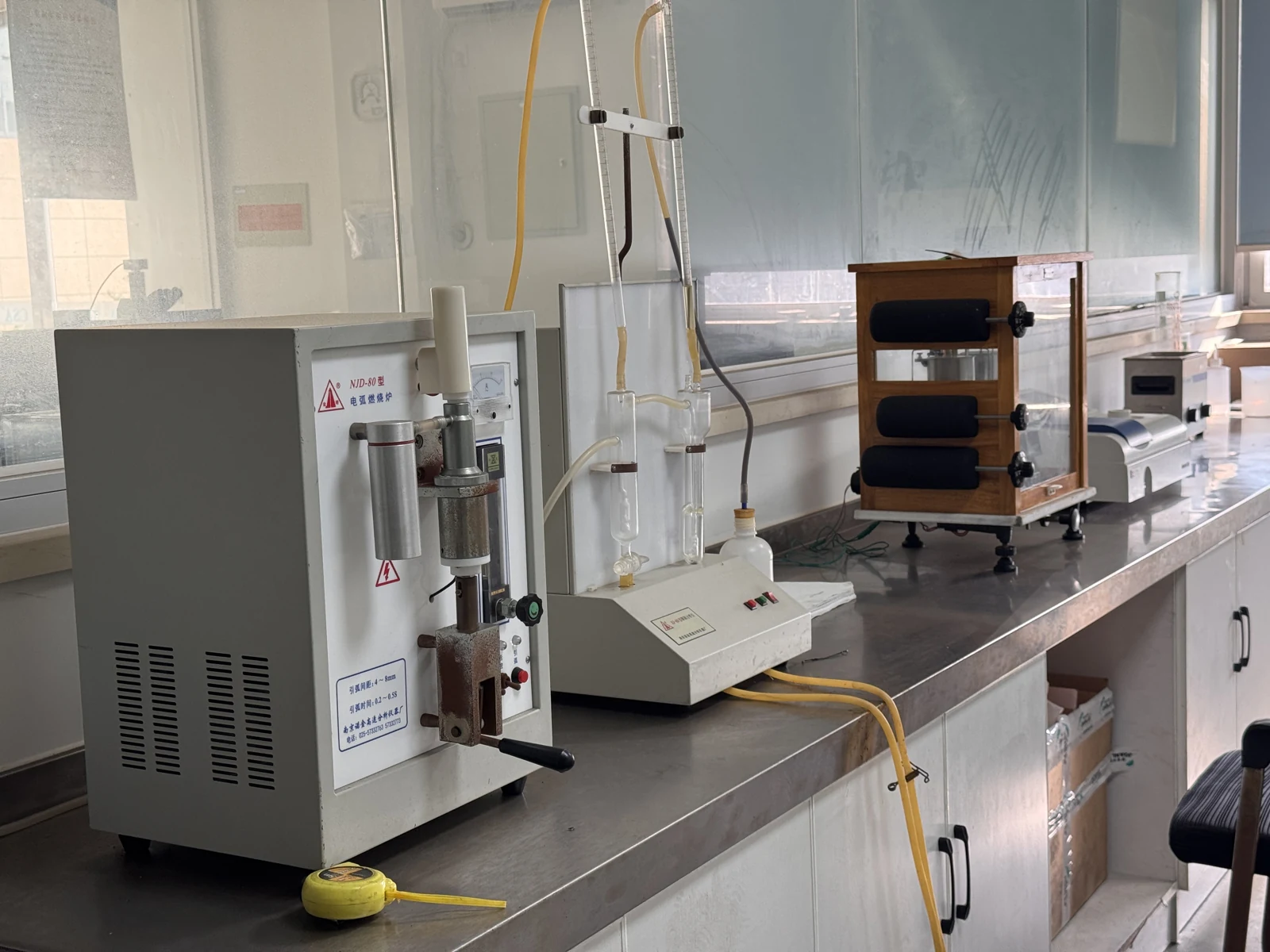
Laboratory report
Inconel 718 · chemistry, tensile & hardness
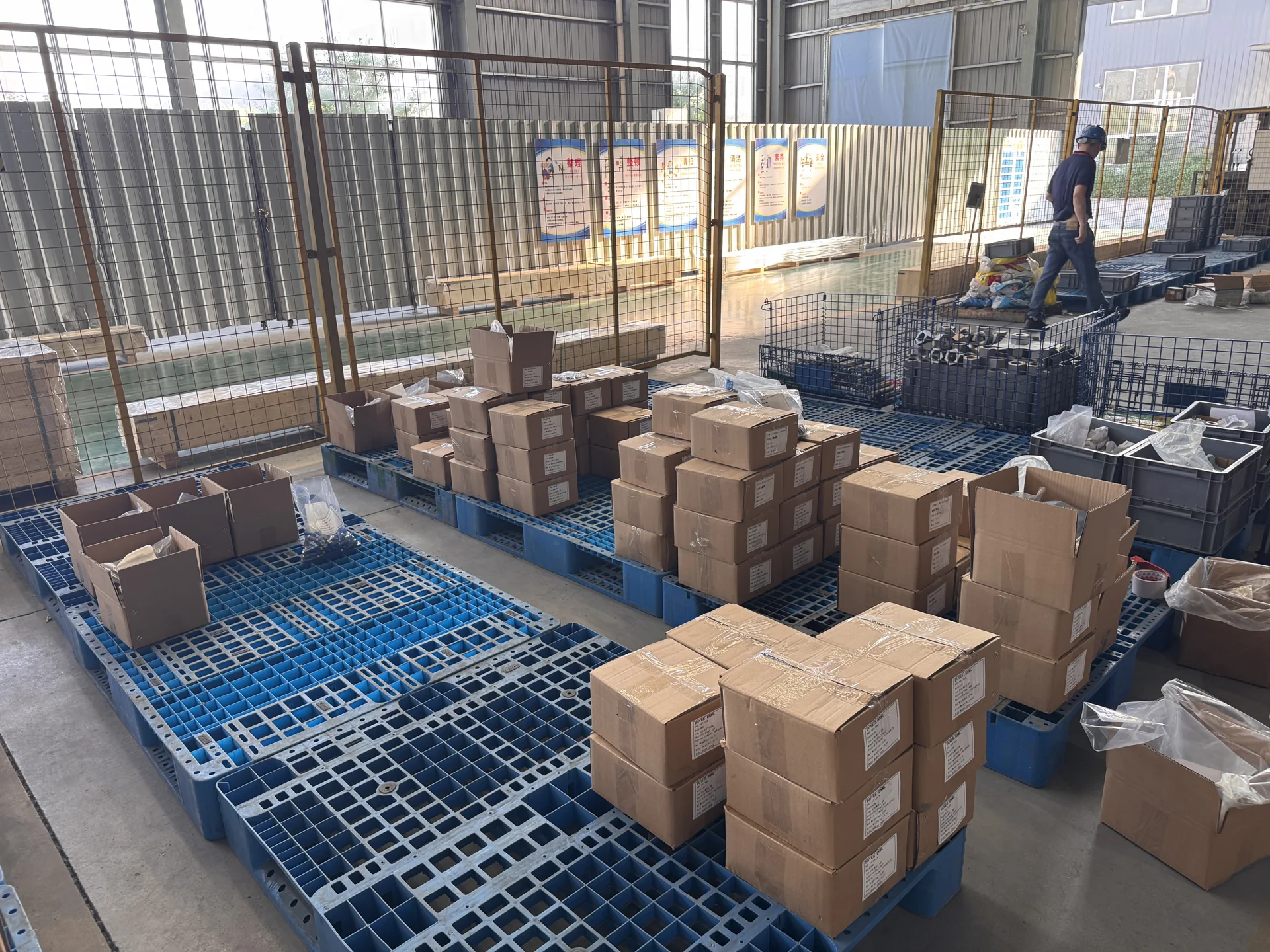
Identified packing
Heat and batch records linked to the shipment
Additional inspection requirements +
PMI, third-party inspection and witness testing are available by order. Project inspection plans can include UT/PT and heat-treatment records.
Matching products for set screws
Prepare your enquiry
- Material
- Grade / UNS · Condition
- Size
- Diameter · Length / height
- Thread
- Pitch / TPI · Form & class
- Quantity
- Pieces per size