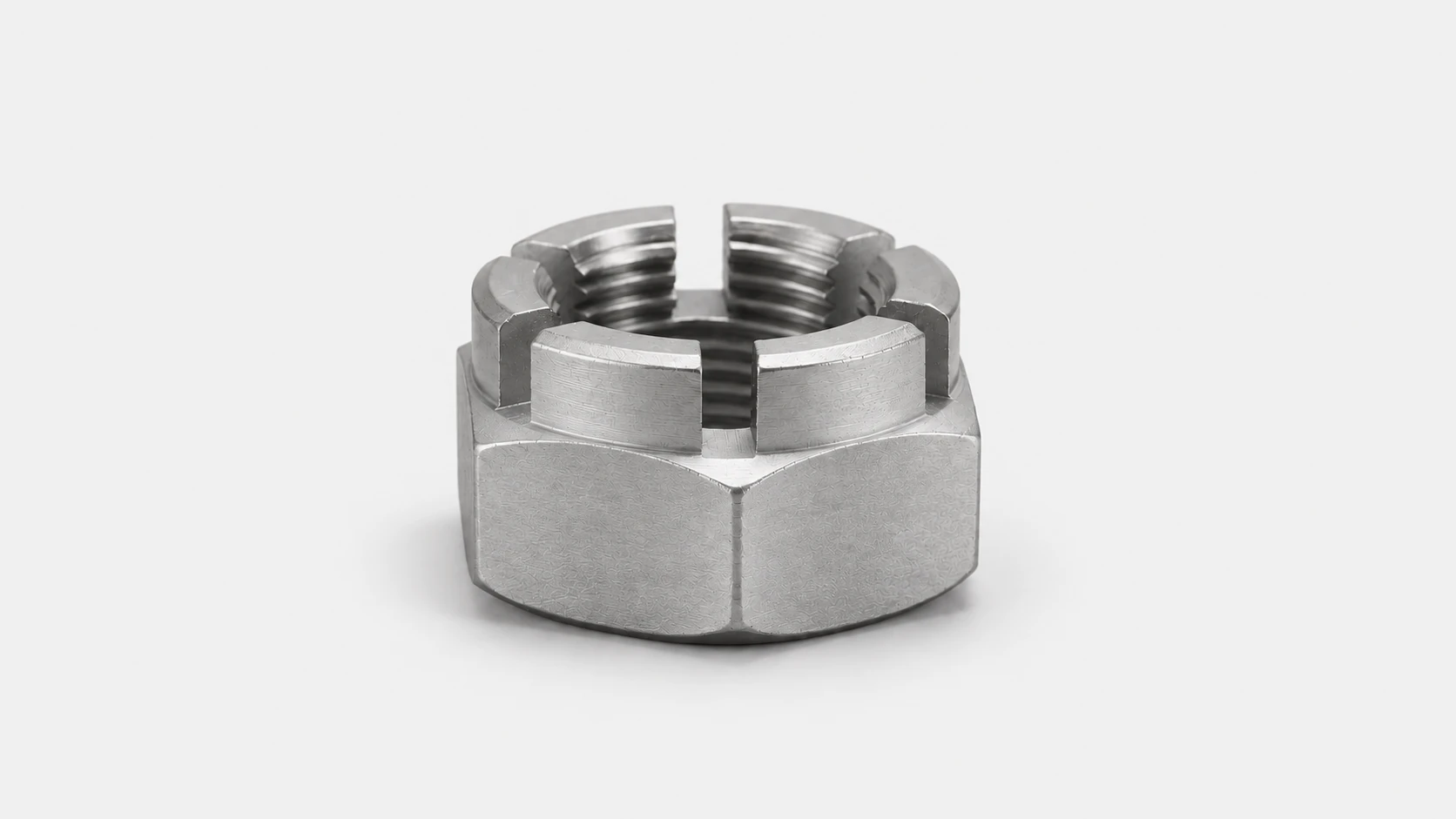
Special alloy slotted & castle nuts
For pinned shaft and linkage assemblies, nut selection includes the split-pin path as well as the thread. Slotted and castle patterns have different upper profiles, so crown clearance, cross-hole position and the specified tightening method need to align.
- Retention
- Slots · Split pin
- Mating part
- Cross-drilled bolt or shaft
- Patterns
- Slotted · Castellated
- Threads
- Metric · Inch
- Materials
- Nickel alloys · Duplex steels · Titanium
EN 10204 3.1 MTC · Heat traceability
Slotted & castle nuts material selection
Show fewer materials
Equipment & applications
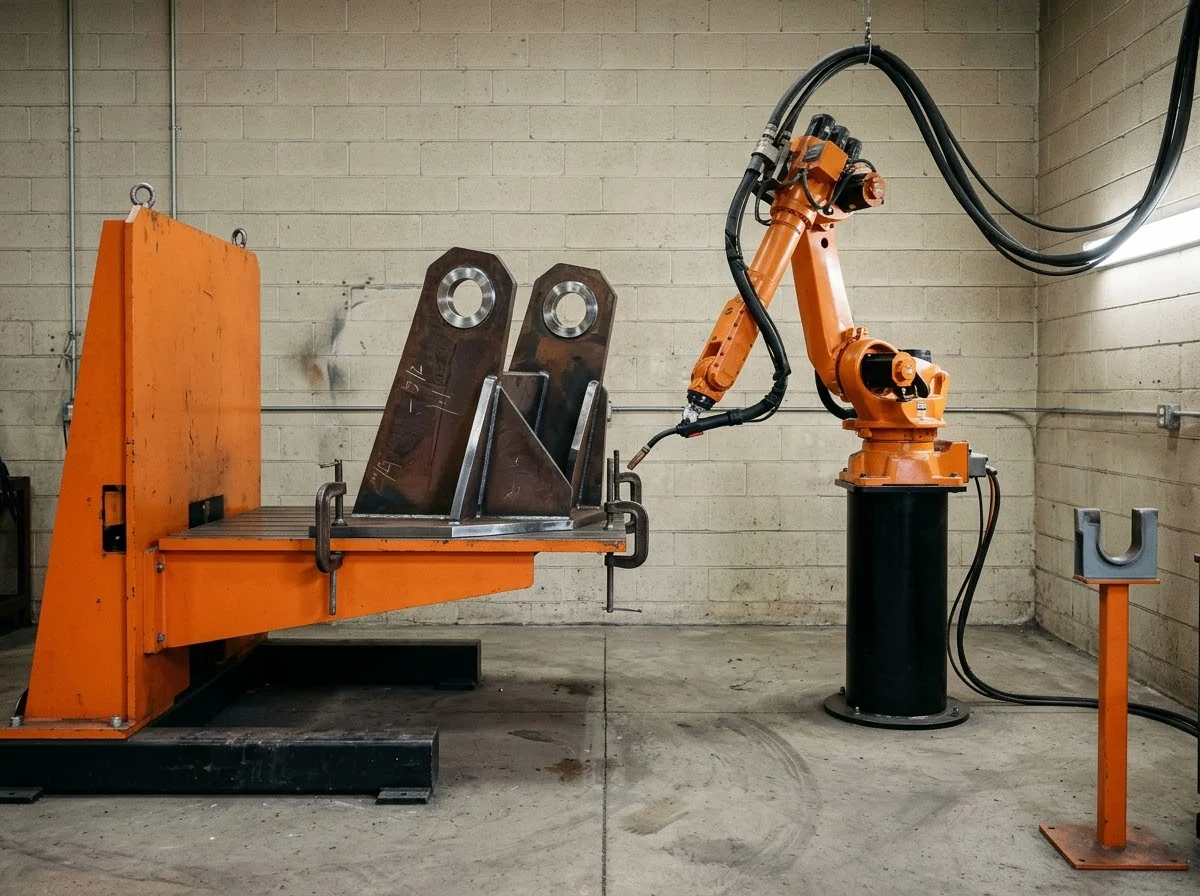
Actuator mountings
Retain actuator linkage pins and threaded shafts. A split pin through the shaft cross-hole and nut slots positively limits nut rotation after adjustment.
Positioning & locating
Retain pivots in positioning linkages. Slot height and the shaft cross-hole must overlap at the assembled position so the pin can pass through both.
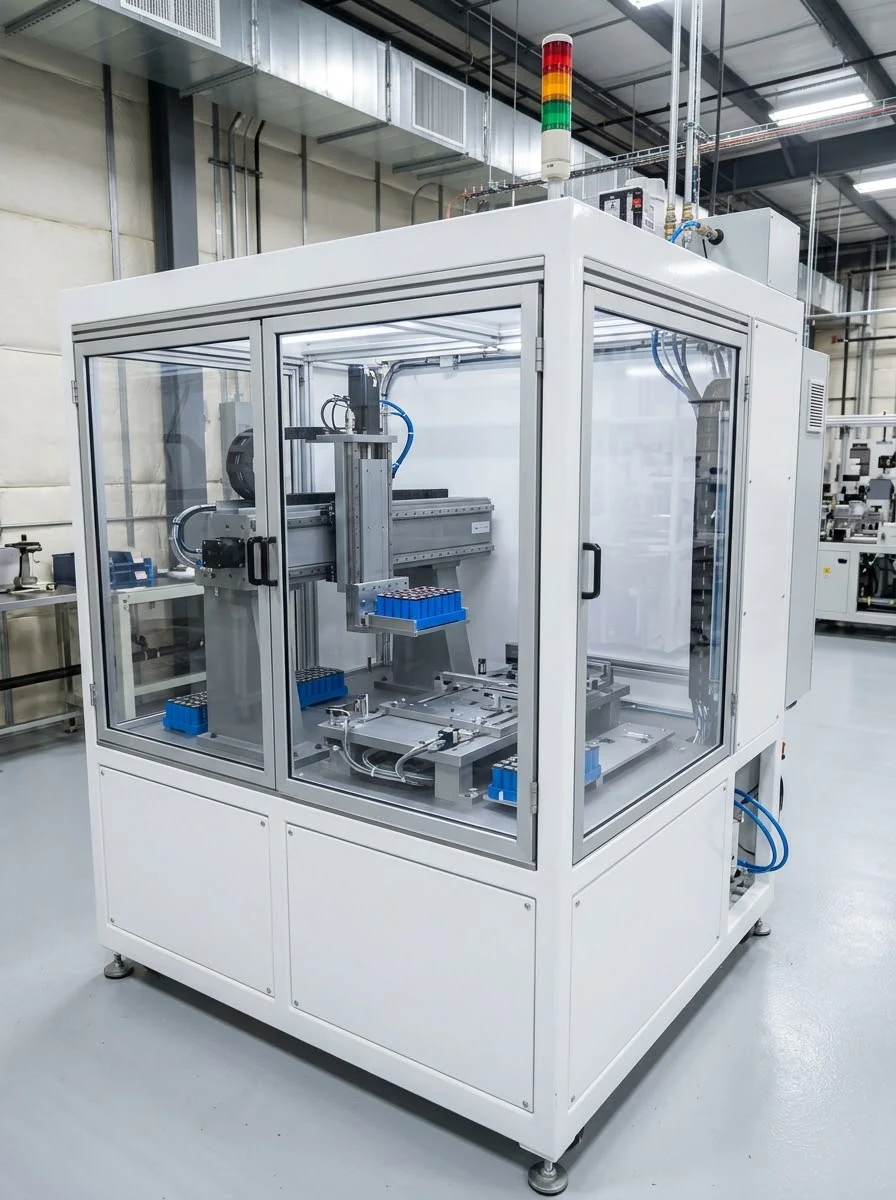
Assembly tooling
Secure pivoting clamp pins on assembly fixtures. The pinned nut keeps the retainer on the shaft while the linkage is cycled or repositioned.
Slotted & castle nuts configurations & dimensions

Slotted nut
Use on drilled shafts and pins where a cotter pin retains the nut after adjustment. Slots in the hex body provide a lower axial envelope when the installation has limited clearance.

Castle nut
Use the raised slotted crown to position the cotter-pin path above the wrenching body. The crown needs clearance beyond the bearing assembly or linkage end.
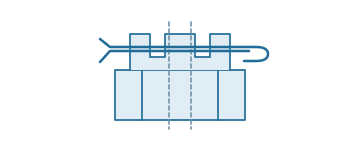
Pin alignment
For wheel, pivot and linkage assemblies, align the slots with the cross-hole using the assembly’s preload or end-play procedure. The pin retains the nut; it does not set the bearing adjustment.
Dimension guide
Loading 3D model…
Drag to rotate · Scroll to zoom
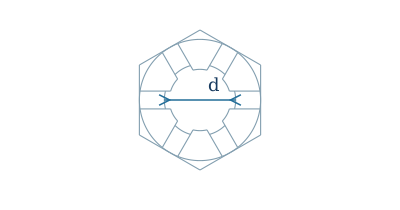
Product and thread standards
Raw Material Specifications
Other Materials & Specifications
Threads · Metric
Threads · Inch
Dimension Reference
Production & heat treatment
CNC · Crown & Slots
Bar machining suits small batches and special pin positions. The crown and slots are cut to place the pin path at the assembled shaft cross-hole.
Thread & Pin Clearance
The thread is tapped and gauged before checking slot width and depth. Deburring the slots prevents sharp edges from obstructing insertion or damaging the split pin.
Cold Forming / Hot Forging
Smaller repeat nuts favour cold-formed bodies from ductile stock. Large crowns and high-resistance alloys favour hot-forged blanks; slots are then machined rather than relying on the forging to define the pin clearance.
Heat Treatment & Retention Geometry
Solution treatment and ageing strengthen Inconel 718 nut bodies; annealing restores ductility in cold-worked Inconel 625. Inspection checks thread fit, crown integrity and slot position so the split pin can engage after the nut reaches its assembly position.
Testing, MTC 3.1 & material traceability
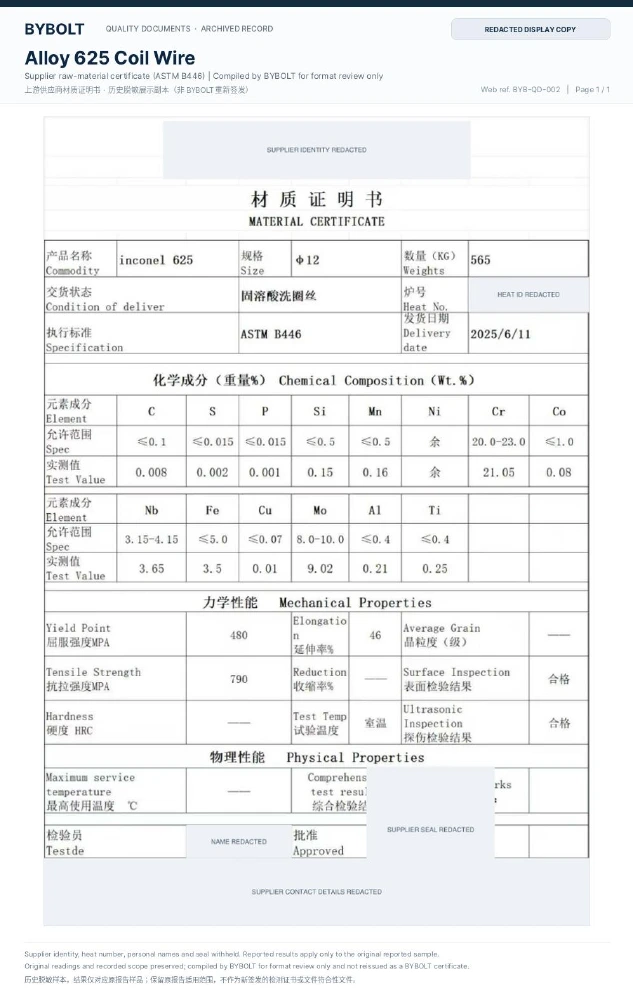
Material certificate
Inconel 625 · historical coil-wire sample
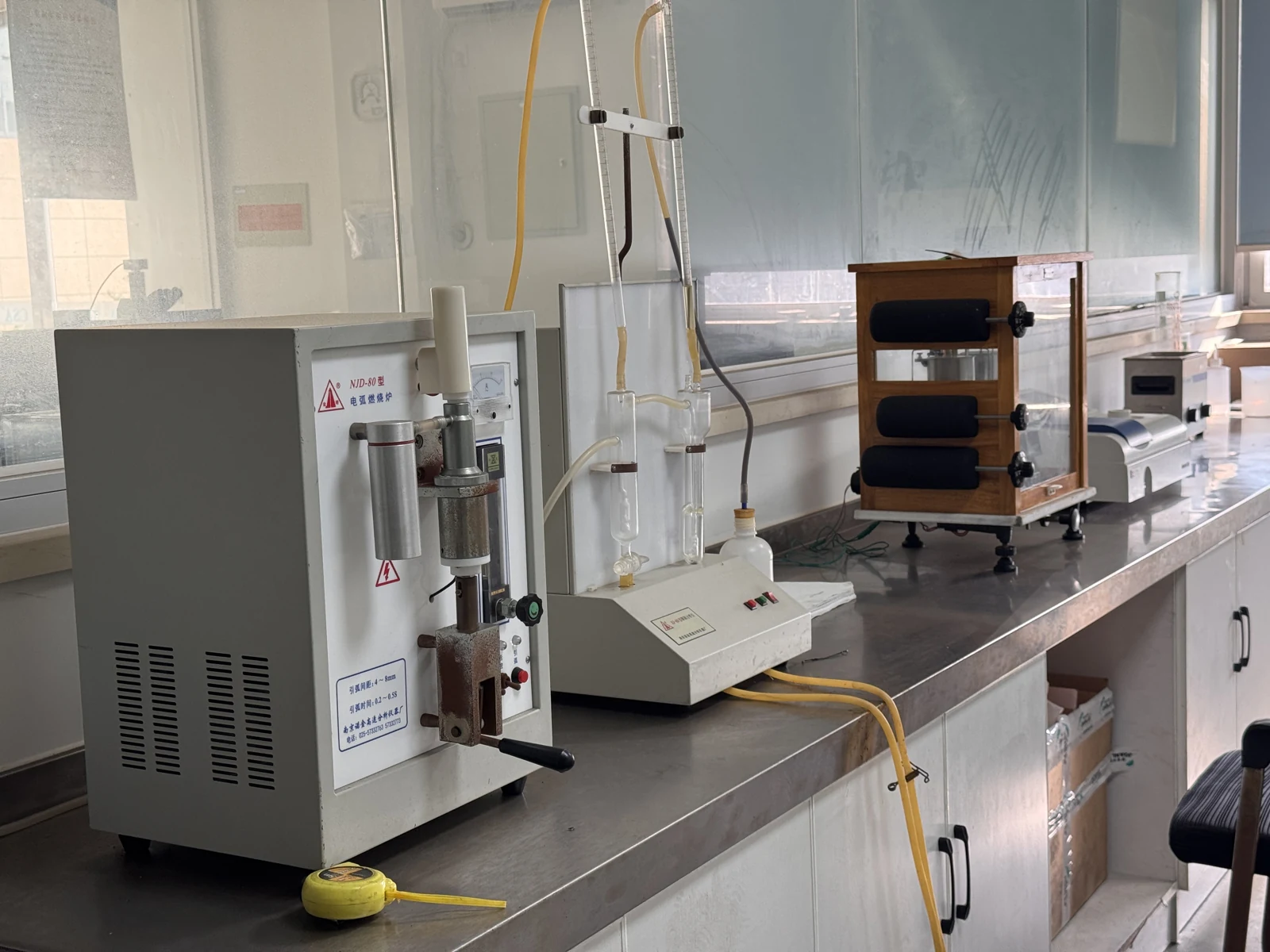
Laboratory report
Inconel 718 · chemistry, tensile & hardness
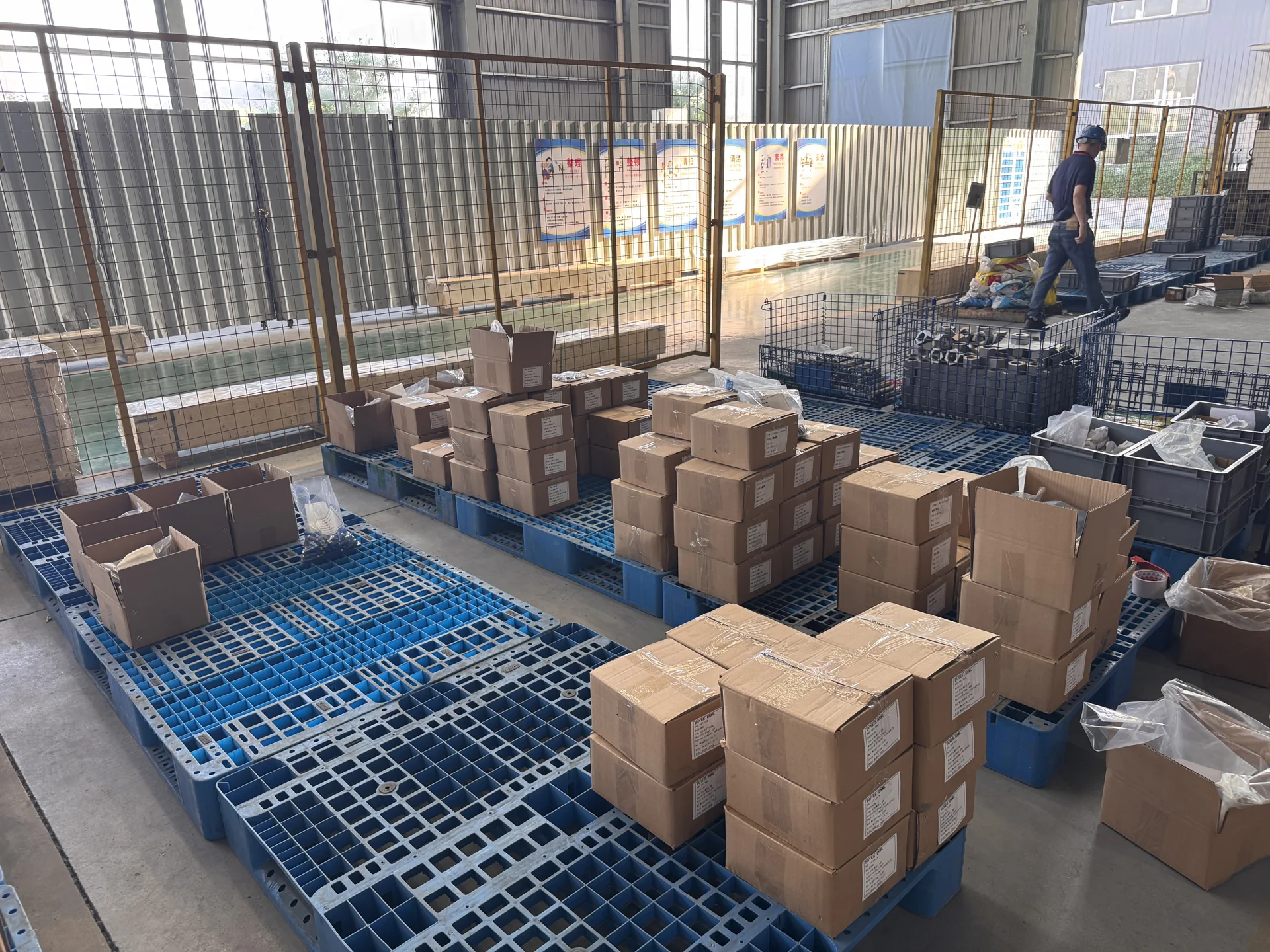
Identified packing
Heat and batch records linked to the shipment
Additional inspection requirements +
PMI, third-party inspection and witness testing are available by order. Project inspection plans can include UT/PT and heat-treatment records.
Matching products for slotted & castle nuts
Prepare your enquiry
- Material
- Grade / UNS · Condition
- Size
- Diameter · Length / height
- Thread
- Pitch / TPI · Form & class
- Quantity
- Pieces per size