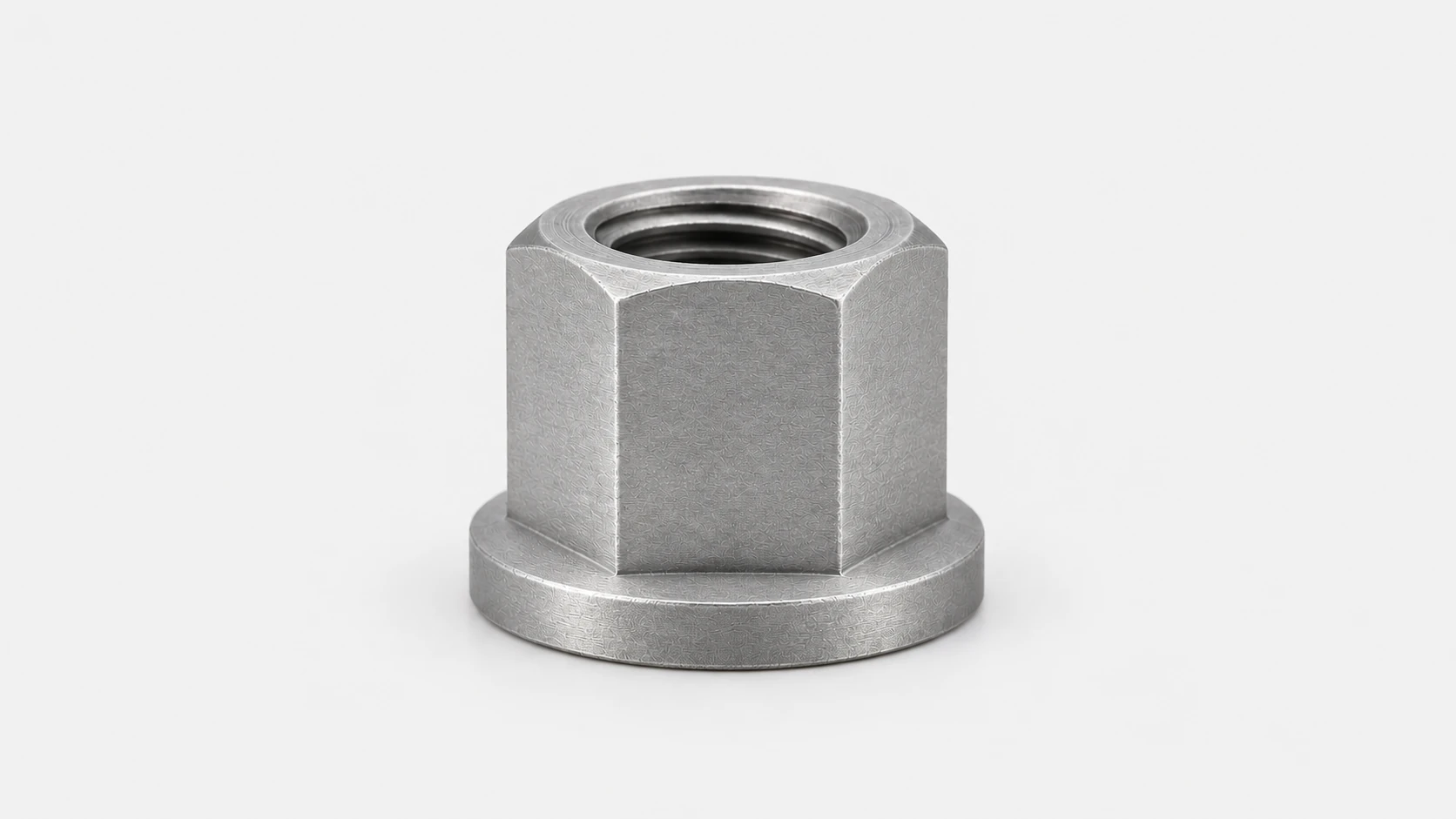
Special alloy tall flange nuts
Equipment clamps may need both extended thread engagement and a broad bearing footprint. Tall flange nuts bring those features together; body height, wrench access and flange diameter define the fit, while any locking function requires its own design feature.
- Body
- Extended height
- Bearing
- Integral flange
- Threads
- Metric · Inch
- Key dimensions
- Height · Flange diameter · Across flats
- Materials
- Nickel alloys · Duplex steels · Titanium
EN 10204 3.1 MTC · Heat traceability
Tall flange nuts material selection
Equipment & applications
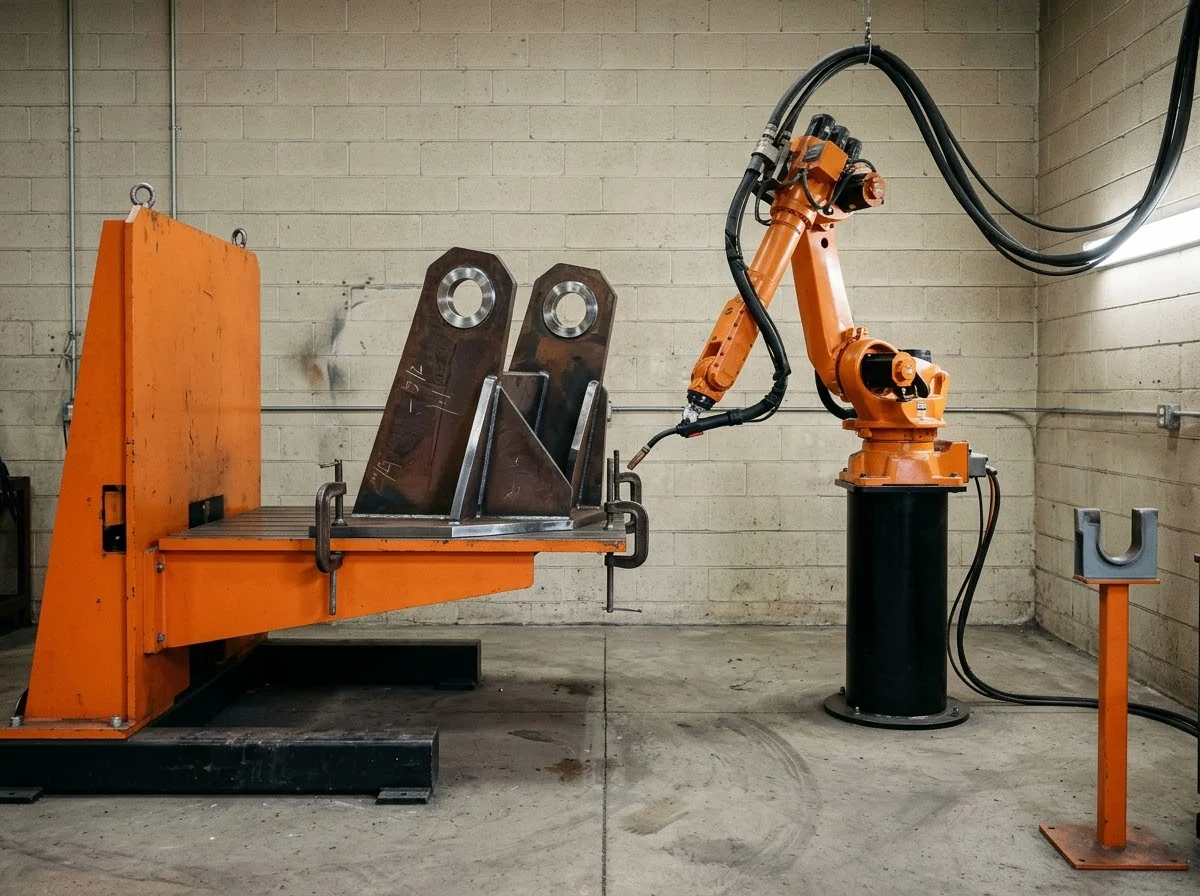
Assembly fixtures
Clamp workpieces with studs and strap clamps on machine tables. The tall nut provides extended thread engagement, while its flange bears on the clamp during repeated setup changes.
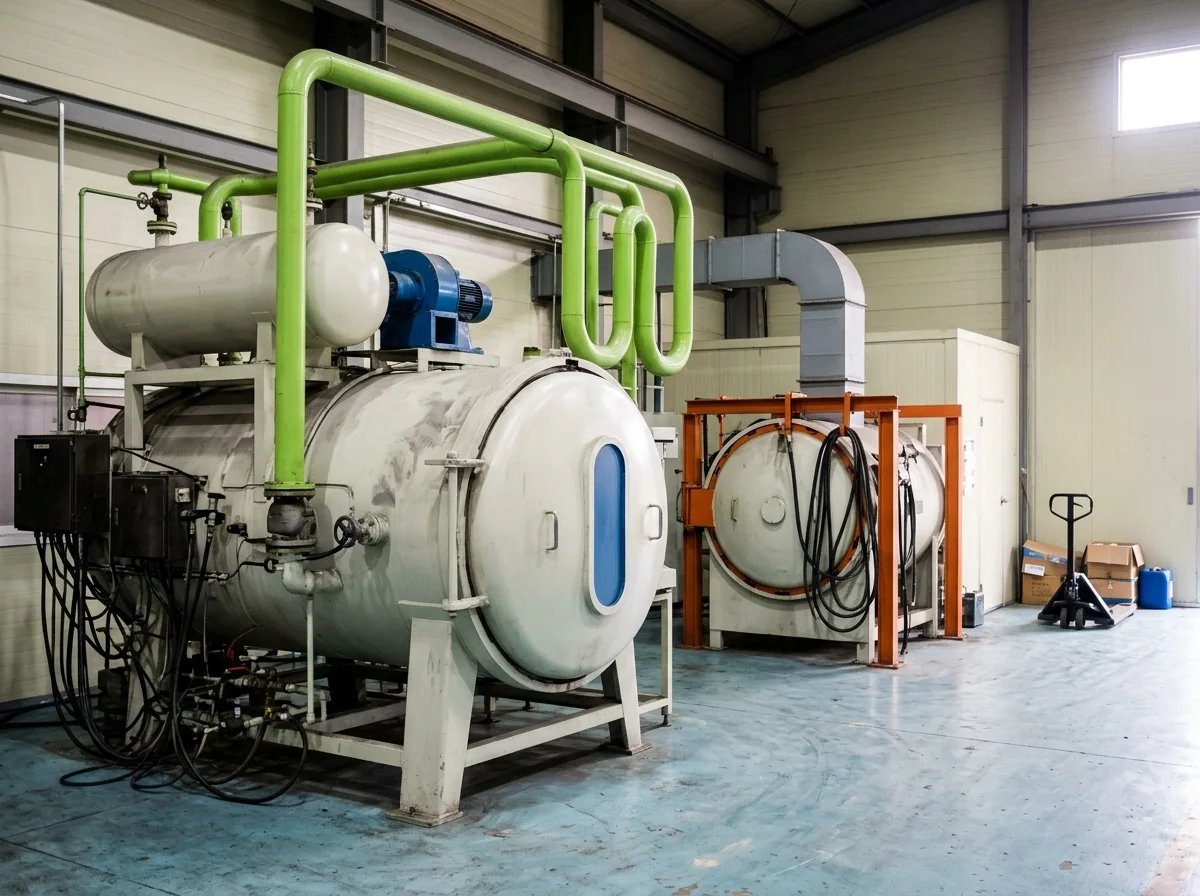
Heated tooling
Secure clamp plates on heated tooling with threaded studs. The flange spreads the load across the plate; the nut alloy and heat-treatment condition are selected for the loaded joint temperature.
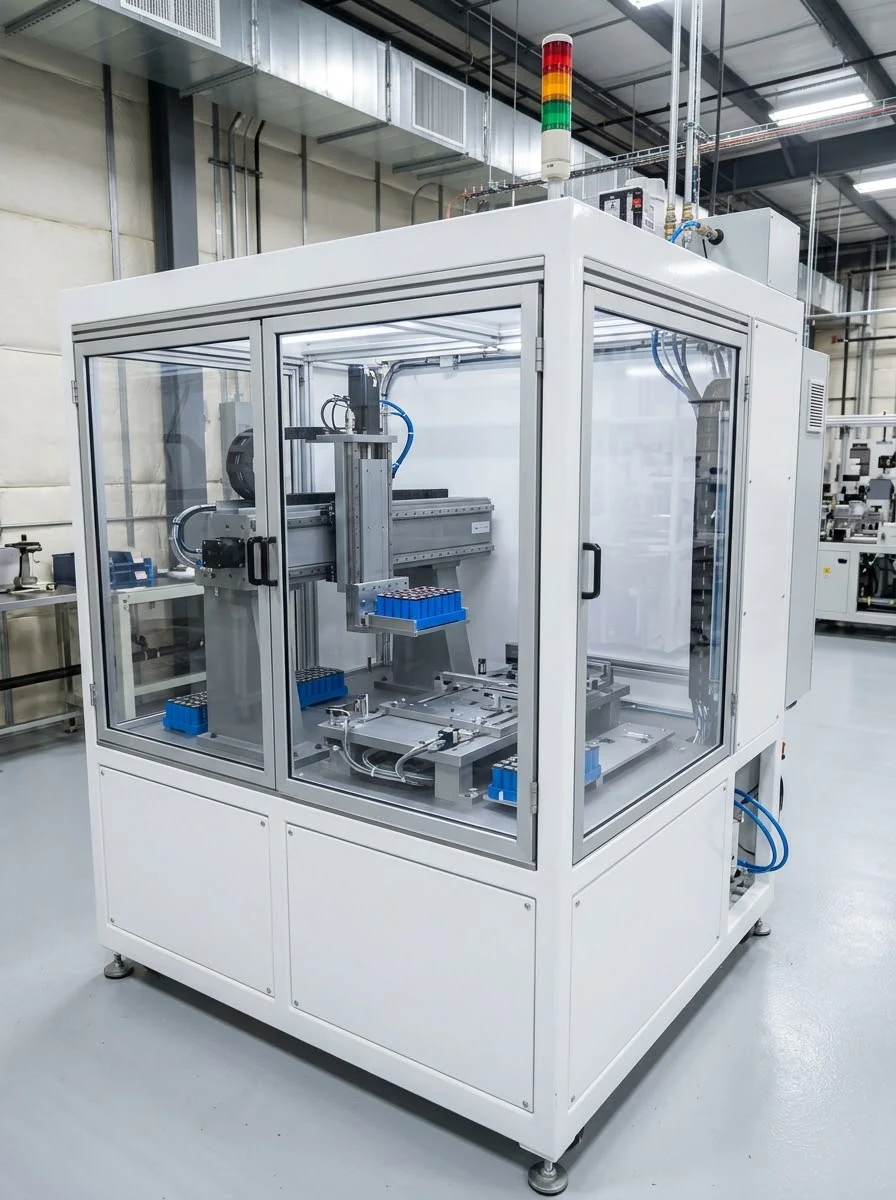
Assembly tooling
Fasten removable clamp plates on assembly jigs. The tall hex body provides wrench access above the plate, and the integral flange keeps the bearing face with the nut during changeovers.
Tall flange nuts configurations & dimensions
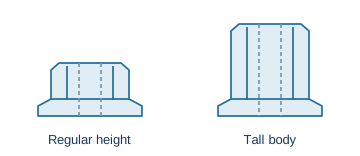
Body height: regular / tall
- Regular height
- Fits compact equipment covers and mounting brackets where clearance above the nut is limited.
- Tall body
- Provides longer thread engagement on clamping studs in jigs, fixtures and machine-tool setups that are tightened and released repeatedly.
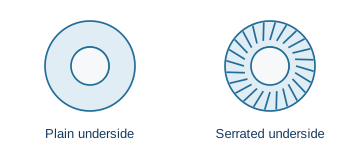
Bearing face: plain / serrated
- Plain face
- For painted covers and finished equipment faces where serration marks are unwanted.
- Serrated face
- For metal mounting brackets where teeth can bite directly into the seat to resist rotation.
All configurations shown are available on request.
Dimension guide
Loading 3D model…
Drag to rotate · Scroll to zoom
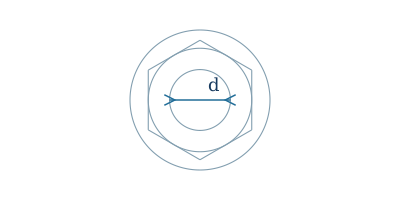
Product and thread standards
Raw Material Specifications
Other Materials & Specifications
Finished-Nut Specifications
Threads · Metric
Threads · Inch
Dimension Reference
Production & heat treatment
CNC · samples & small batches
Machining from bar avoids dedicated forming dies for prototypes, small batches and orders with several nut sizes. The body height, flange diameter and bore can be changed between designs without new forging tooling.
Threading & flange finishing
Finish machining makes the flange bearing face square to the bore so the nut seats evenly against the clamped part. Tapping and thread gauging control the fit along the extended internal thread.
Cold forming / hot forging
Cold forming suits smaller nuts in long, repeat production runs using ductile, annealed feedstock. Multi-stage dies form the body and flange with little material waste. Hot forging suits larger nuts, wide flanges and nickel alloys with high forming resistance. Heating reduces the force needed to fill the die and form the body-to-flange transition.
Heat treatment & inspection
For Inconel 625, annealing softens work-hardened material and restores ductility. For C-276, solution annealing restores ductility and optimises corrosion resistance after forming. For Inconel 718, solution treatment followed by ageing develops the strength needed to resist permanent deformation under load. Final checks cover thread fit, flange seating, dimensions and hardness.
Testing, MTC 3.1 & material traceability
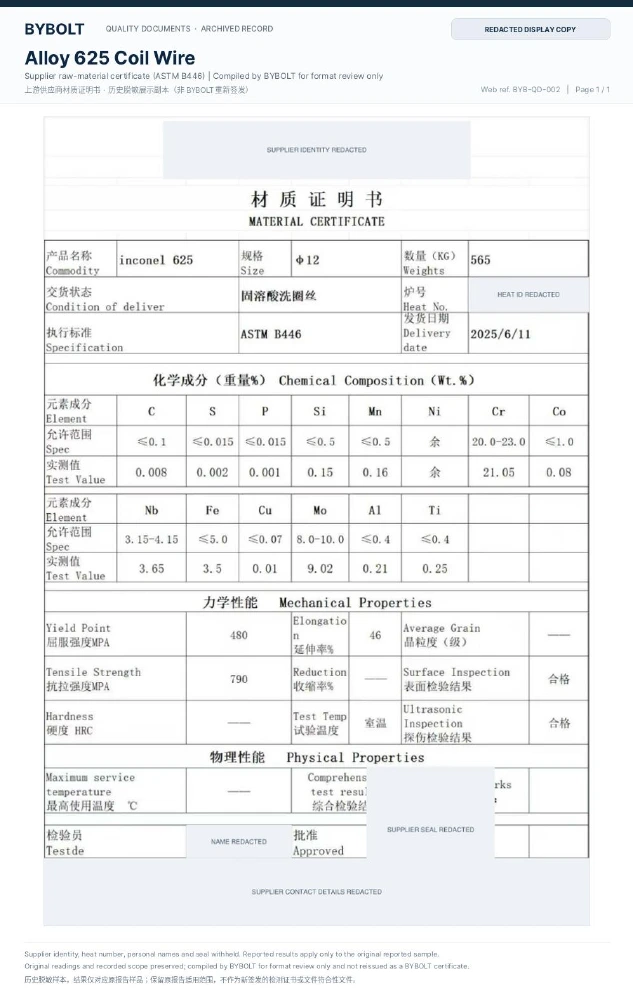
Material certificate
Inconel 625 · historical coil-wire sample

Laboratory report
Inconel 718 · chemistry, tensile & hardness
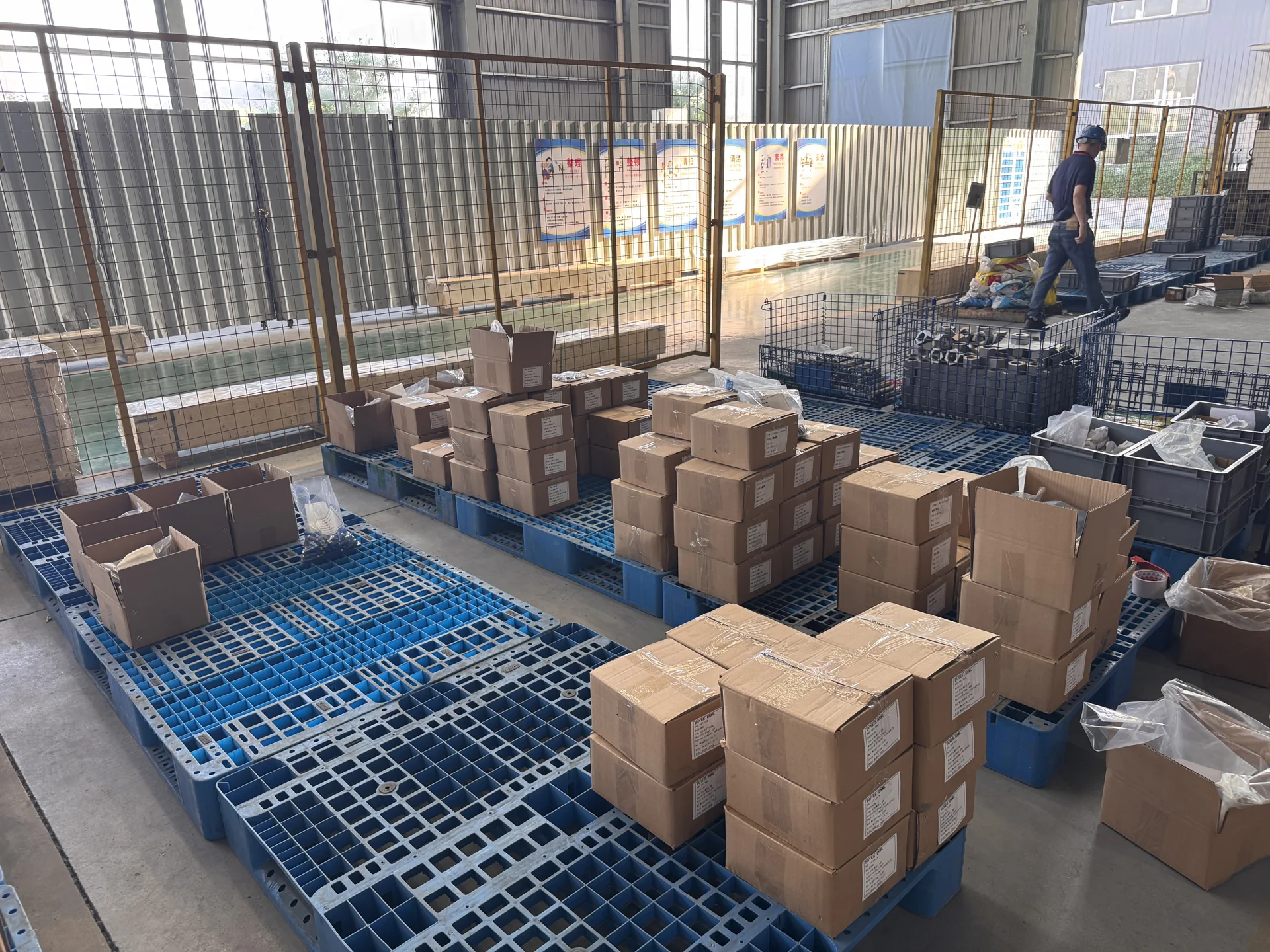
Identified packing
Heat and batch records linked to the shipment
Additional inspection requirements +
PMI, third-party inspection and witness testing are available by order. Project inspection plans can include UT/PT and heat-treatment records.
Matching products for tall flange nuts
Prepare your enquiry
- Material
- Grade / UNS · Condition
- Size
- Diameter · Length / height
- Thread
- Pitch / TPI · Form & class
- Quantity
- Pieces per size