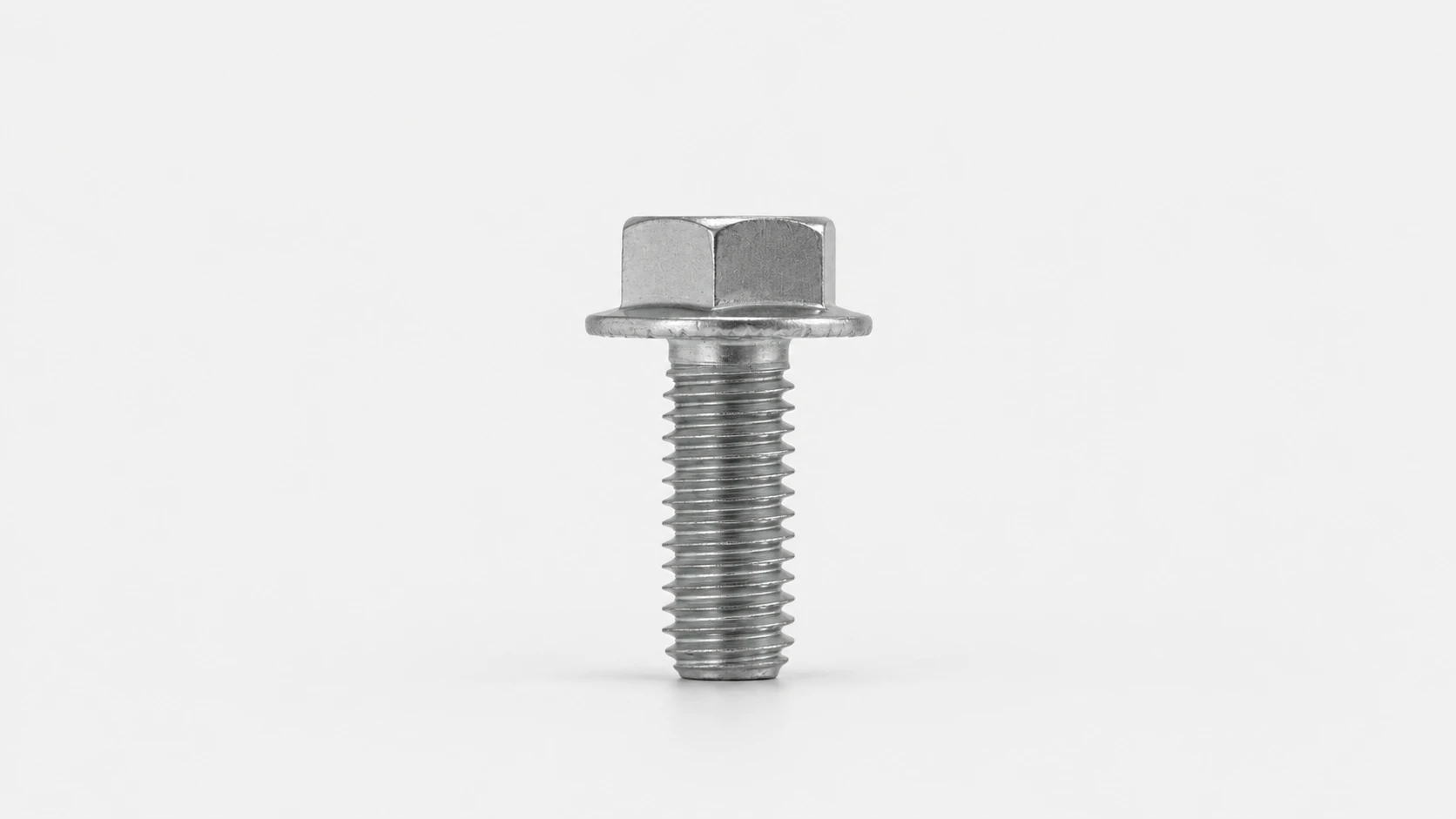
Special alloy hex flange bolts
An integral flange combines head and bearing area in one part for housings, brackets and equipment panels. Unlike a separate washer, the flange turns with the bolt, making seat diameter, surface finish and installation clearance important selection details.
- Head
- Hex drive · Integral flange
- Bearing face
- Plain or specified surface profile
- Length basis
- Under flange
- Threads
- Metric · UNC · UNF · UNJ
- Materials
- Nickel alloys · Duplex steels · Titanium
EN 10204 3.1 MTC · Heat traceability
Hex flange bolts material selection
Show fewer materials
Equipment & applications
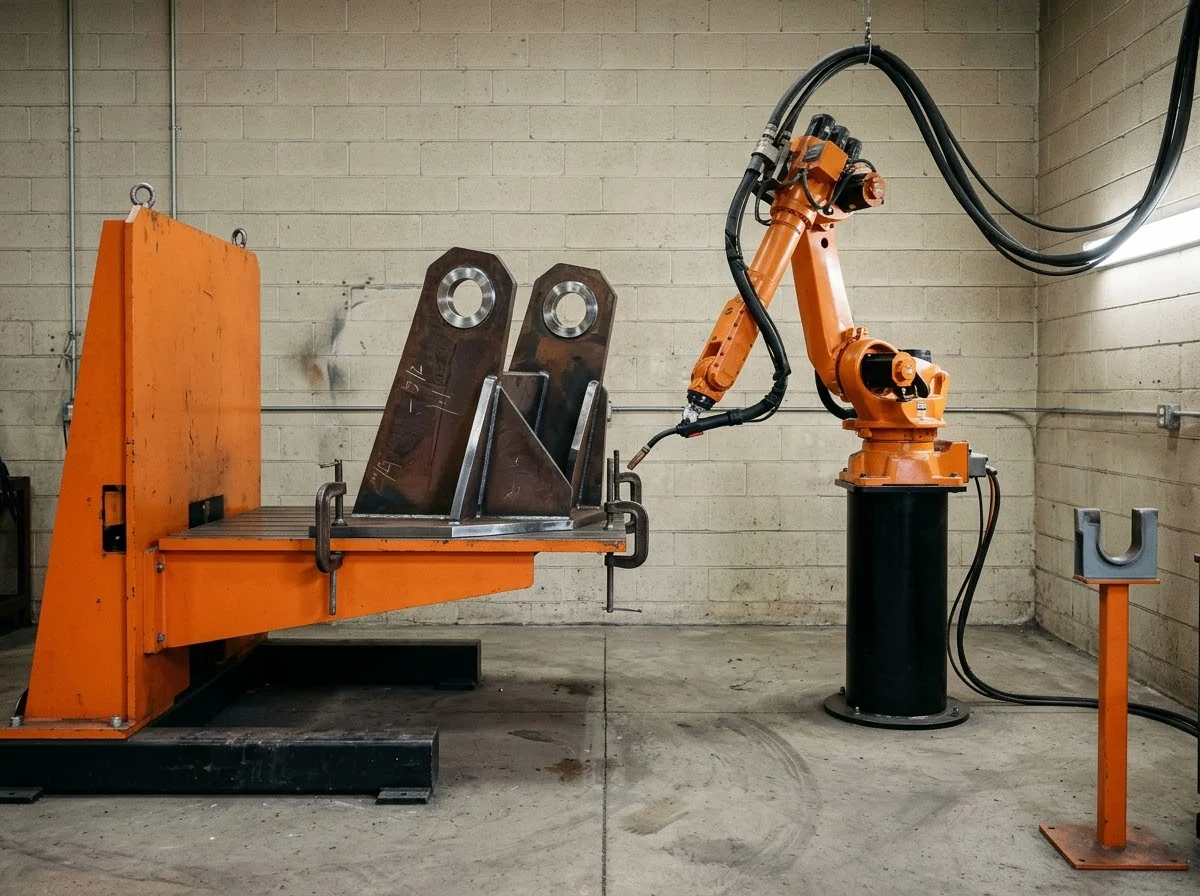
Actuator mountings
Fasten actuator brackets to valve adapters. The integral flange supplies the head-side bearing area without handling a separate washer during installation.
Robot peripherals
Attach robot end-effector brackets and peripheral mounts. A flanged head spreads contact across the mounting face and reduces the number of loose assembly parts.
Washdown conveyors
Fasten conveyor guards and external brackets in washdown areas. A smooth flange bears on the bracket face; the alloy addresses exposure to cleaning water and chemicals.
Hex flange bolts configurations & dimensions
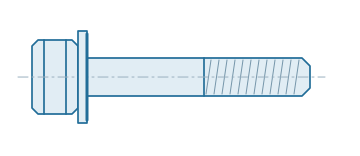
Integral flange
Use on mounting brackets and equipment covers to distribute head load over a wider seat and reduce loose parts during assembly. The flange needs a flat landing clear of nearby walls and radii.
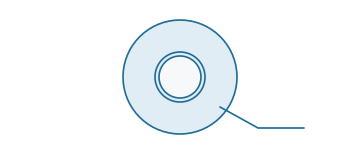
Plain bearing face
Choose a plain underside for finished or coated seats where teeth would mark the surface. It also permits controlled sliding at the head-seat interface during tightening.
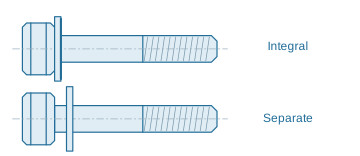
Flange vs loose washer
An integral flange speeds repeated assembly by keeping the bearing surface with the bolt. Retain a separate washer when the joint needs a replaceable wear face or a specifically hardened bearing layer.
Dimension guide
Loading 3D model…
Drag to rotate · Scroll to zoom
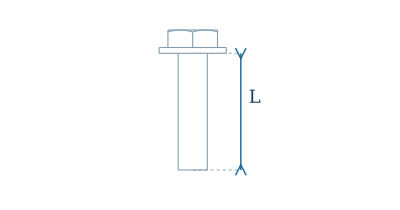
Product and thread standards
Raw Material Specifications
Other Materials & Specifications
Finished-Bolt Specifications
Other Materials & Specifications
Threads · Metric
Threads · Inch
Dimension Reference
Production & heat treatment
CNC · Head & Flange
Turning and milling create short-run flange heads directly from bar. Flange diameter, thickness and hex size can be adjusted without commissioning heading dies.
Bearing Seat & Threads
Finishing keeps the flange seat square to the shank and clears the under-head transition. The thread is rolled or cut, then gauged for the intended tapped hole or mating nut.
Cold Heading / Hot Forging
Small flange heads in long runs favour multi-stage cold heading of ductile stock. Wide flanges and larger nickel-alloy blanks favour hot forging because the metal must flow farther sideways to fill the flange without excessive die load.
Heat Treatment & Flange Checks
Solution treatment and ageing strengthen Inconel 718 against head and shank deformation. Annealing recovers ductility in cold-formed Inconel 625. Flange flatness, thickness and head-to-shank alignment are checked after thermal processing.
Testing, MTC 3.1 & material traceability
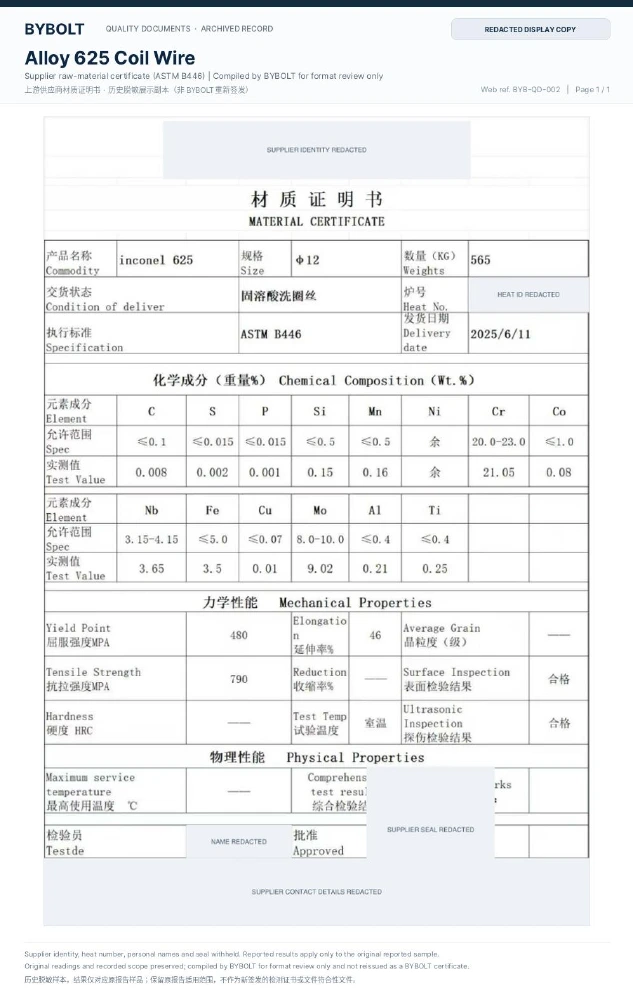
Material certificate
Inconel 625 · historical coil-wire sample

Laboratory report
Inconel 718 · chemistry, tensile & hardness
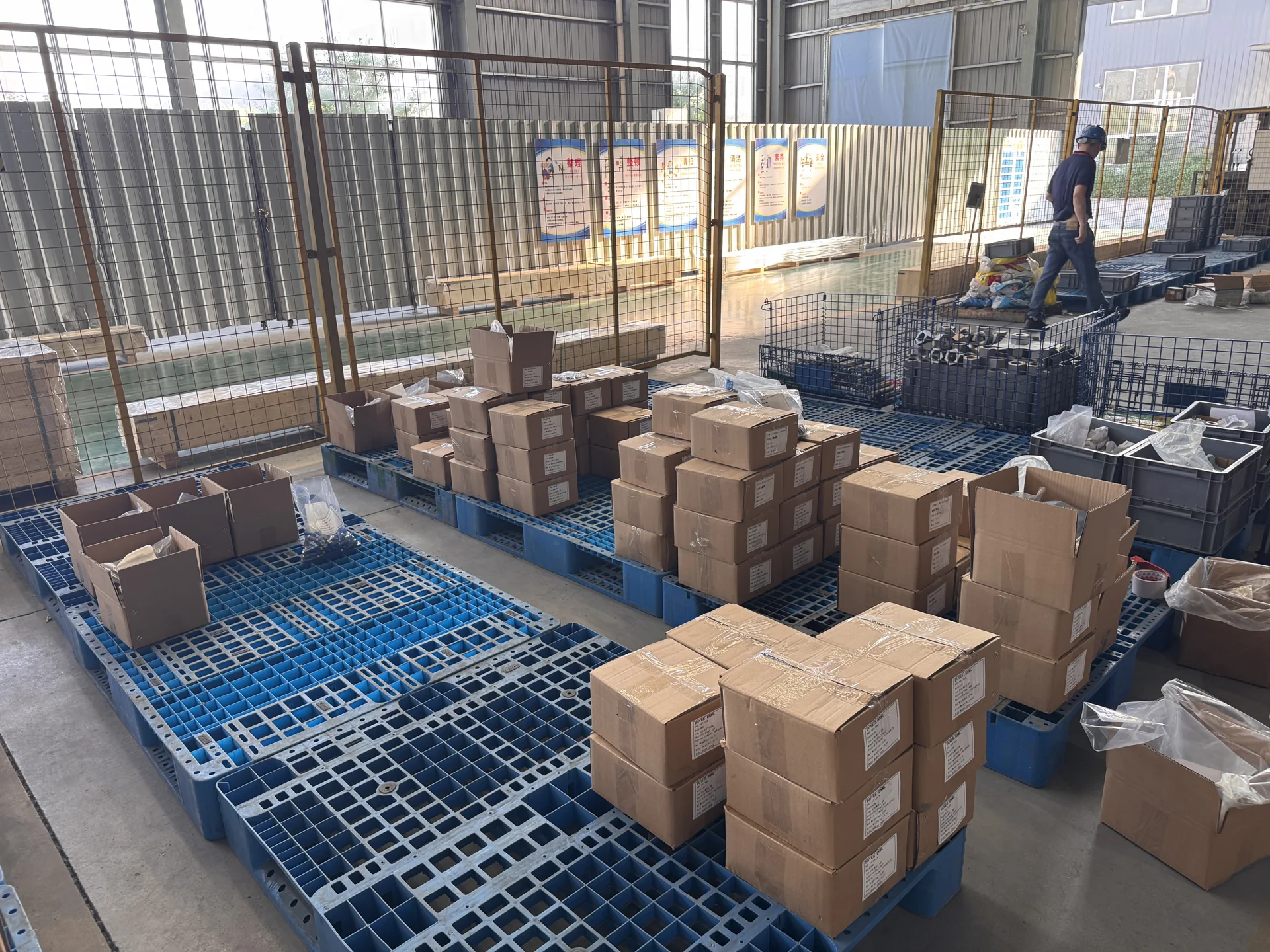
Identified packing
Heat and batch records linked to the shipment
Additional inspection requirements +
PMI, third-party inspection and witness testing are available by order. Project inspection plans can include UT/PT and heat-treatment records.
Matching products for hex flange bolts
Prepare your enquiry
- Material
- Grade / UNS · Condition
- Size
- Diameter · Length / height
- Thread
- Pitch / TPI · Form & class
- Quantity
- Pieces per size