

Castellated Nut and Cotter Pin Alignment: Control the Pair
Match nut slots, drilled fastener hole and cotter pin geometry. Keep rotational retention separate from clamp load and the approved installation method.
Read GuideUse these buyer-focused guides to define drawings, alloy conditions, standards, inspection evidence and RFQ requirements before a quotation. Each article separates what a document or standard proves from what still needs order-specific review.
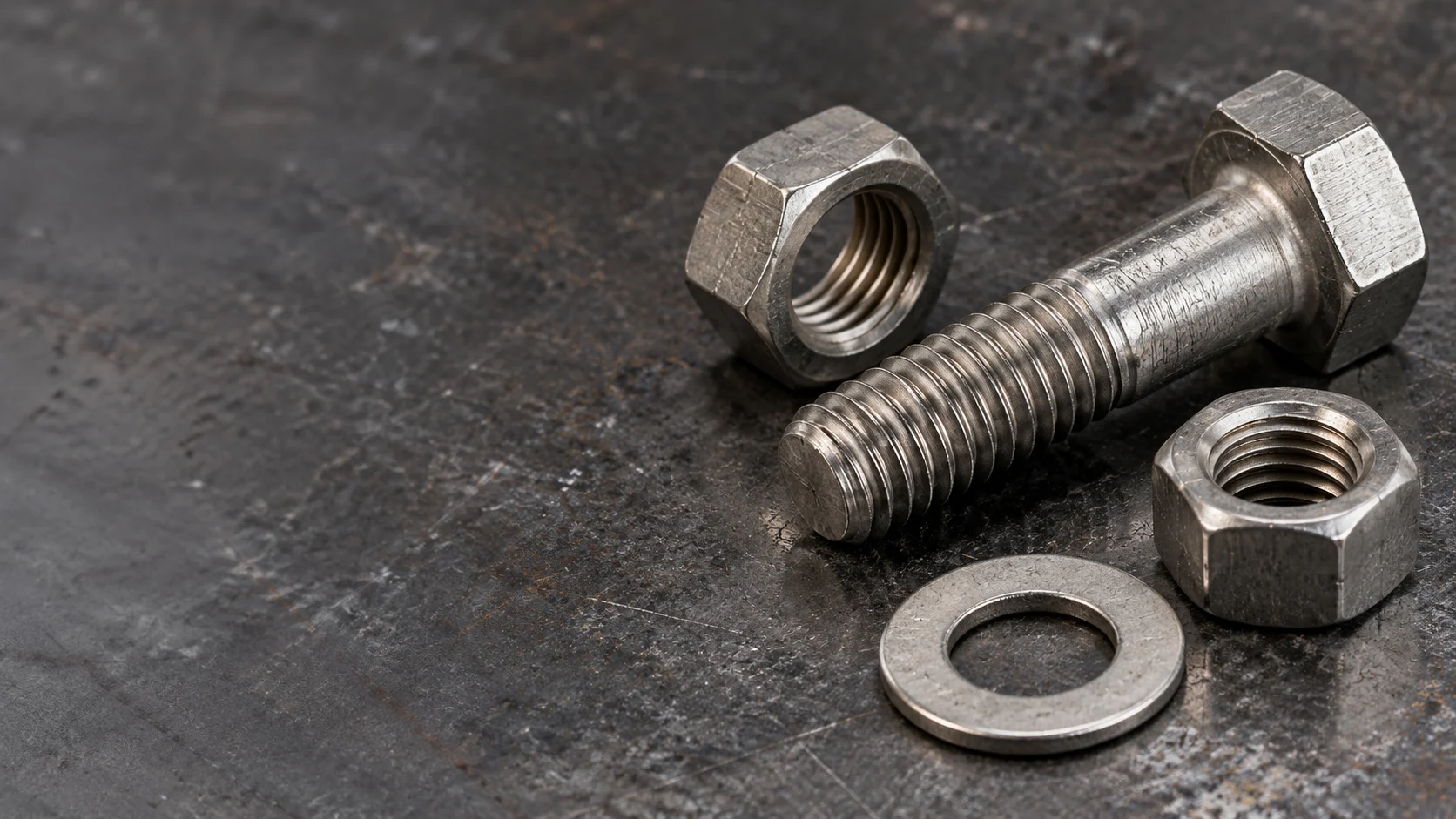
Start a nickel-alloy fastener enquiry from the service problem, then define the alloy condition, mating parts and acceptance requirements.
Read the GuideStart with the decision you need to make, not a generic keyword list.
Original frameworks, checklists and reference-backed explanations for sourcing special alloy fasteners and mill forms.
Turn design intent into dimensions, thread details, revisions and RFQ inputs a supplier can review.
Match nut slots, drilled fastener hole and cotter pin geometry. Keep rotational retention separate from clamp load and the approved installation method.
Read Guide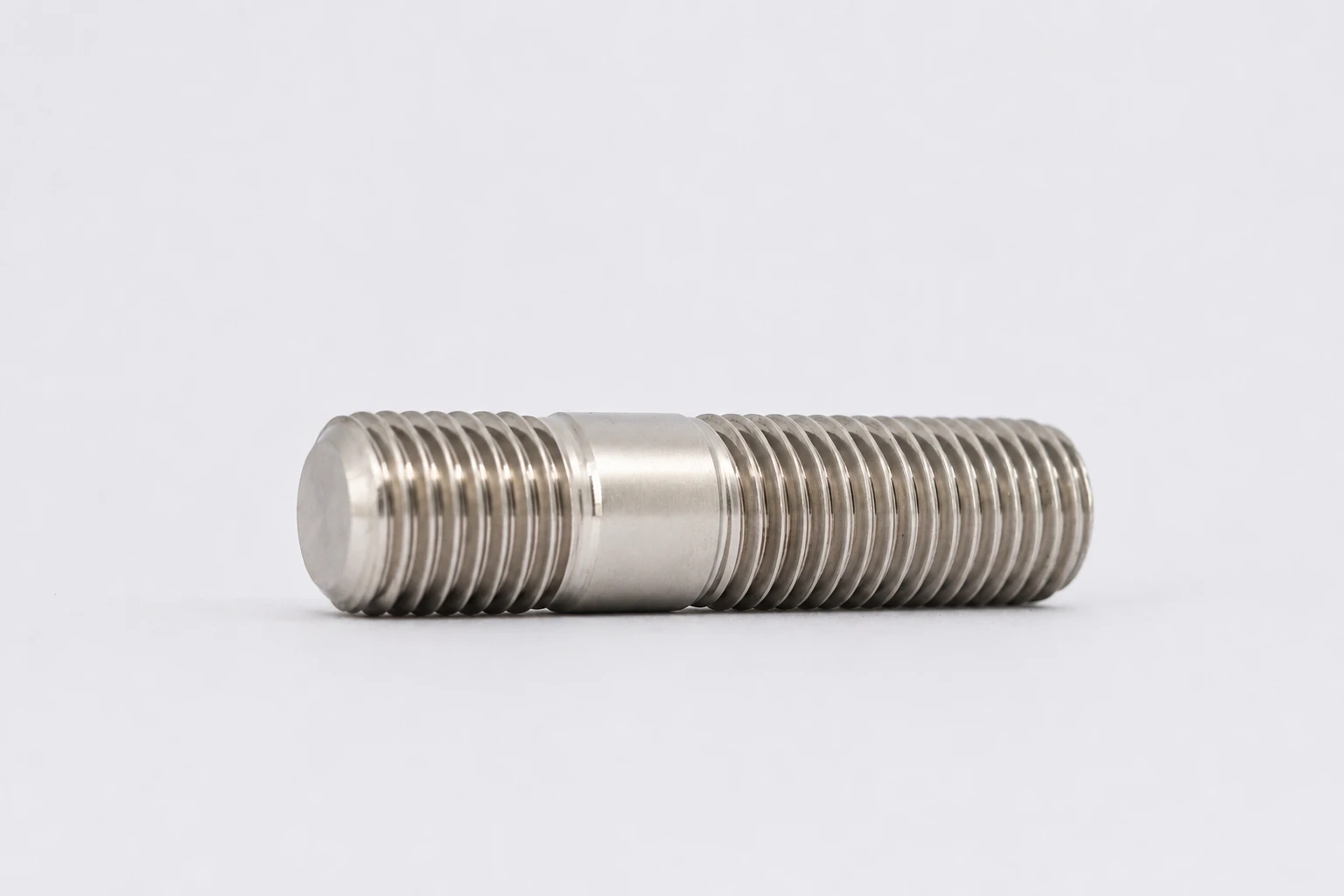
Measure stud bolt length using explicit end references. Separate overall and insertion-end lengths, check complete threads, and prepare a special-alloy RFQ.
Read Guide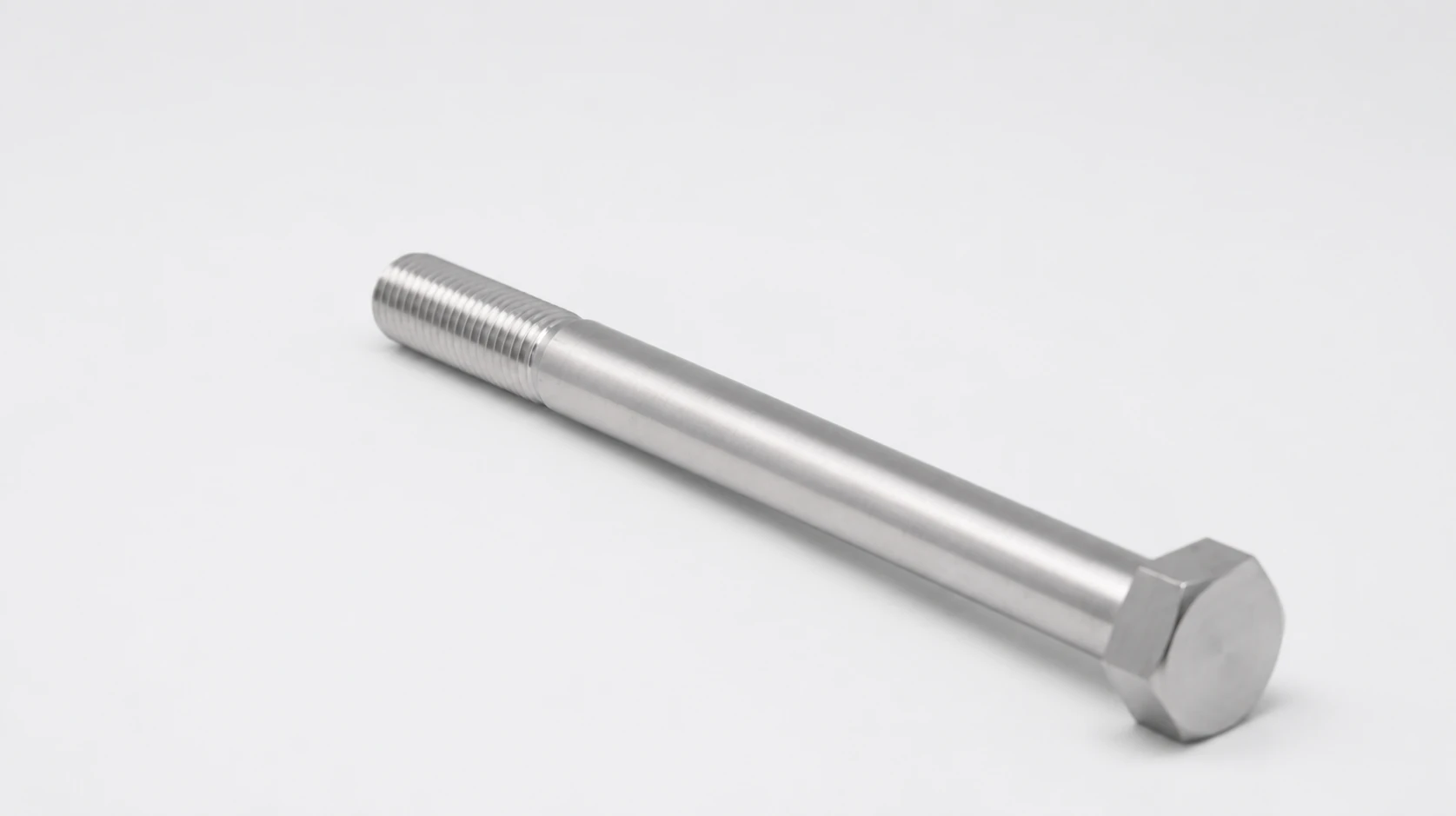
Distinguish plain-shank length, assembly grip and complete threads. Mark runout and nut position for a clear Inconel 718 or A-286 fastener enquiry.
Read Guide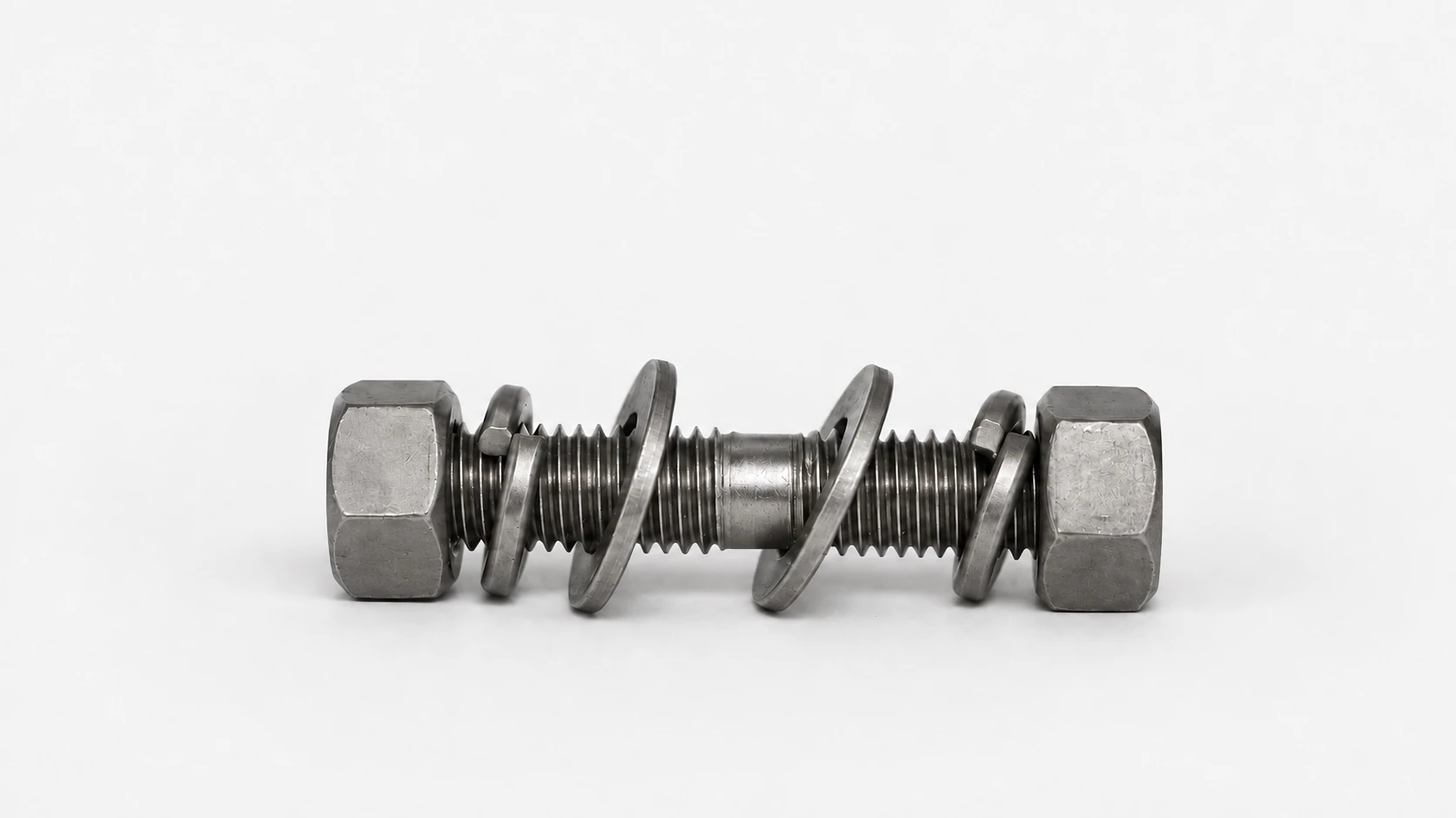
Read, measure and specify special-alloy fastener dimensions and mating threads. Start with stud length, bolt grip, thread classes, UNJ or U-bolt measurement.
Read Guide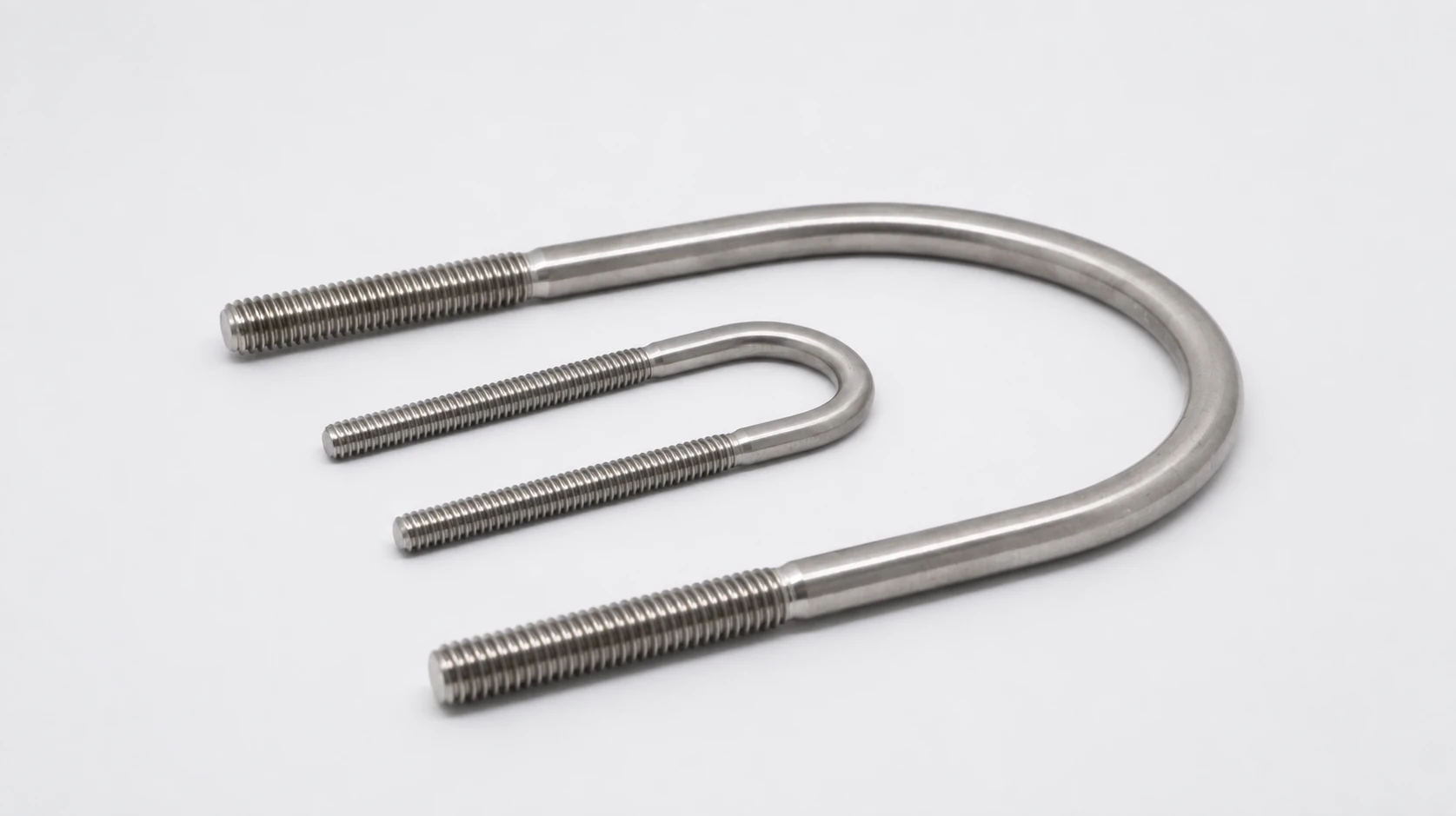
Distinguish inside width from leg-centre distance, define the height datum, and check usable thread against the actual nut and plate arrangement.
Read GuideChoose a grade, compare suppliers and put a clear requirement on the order. A buying guide with a material comparison chart, RFQ example and receiving checks.
Read Guide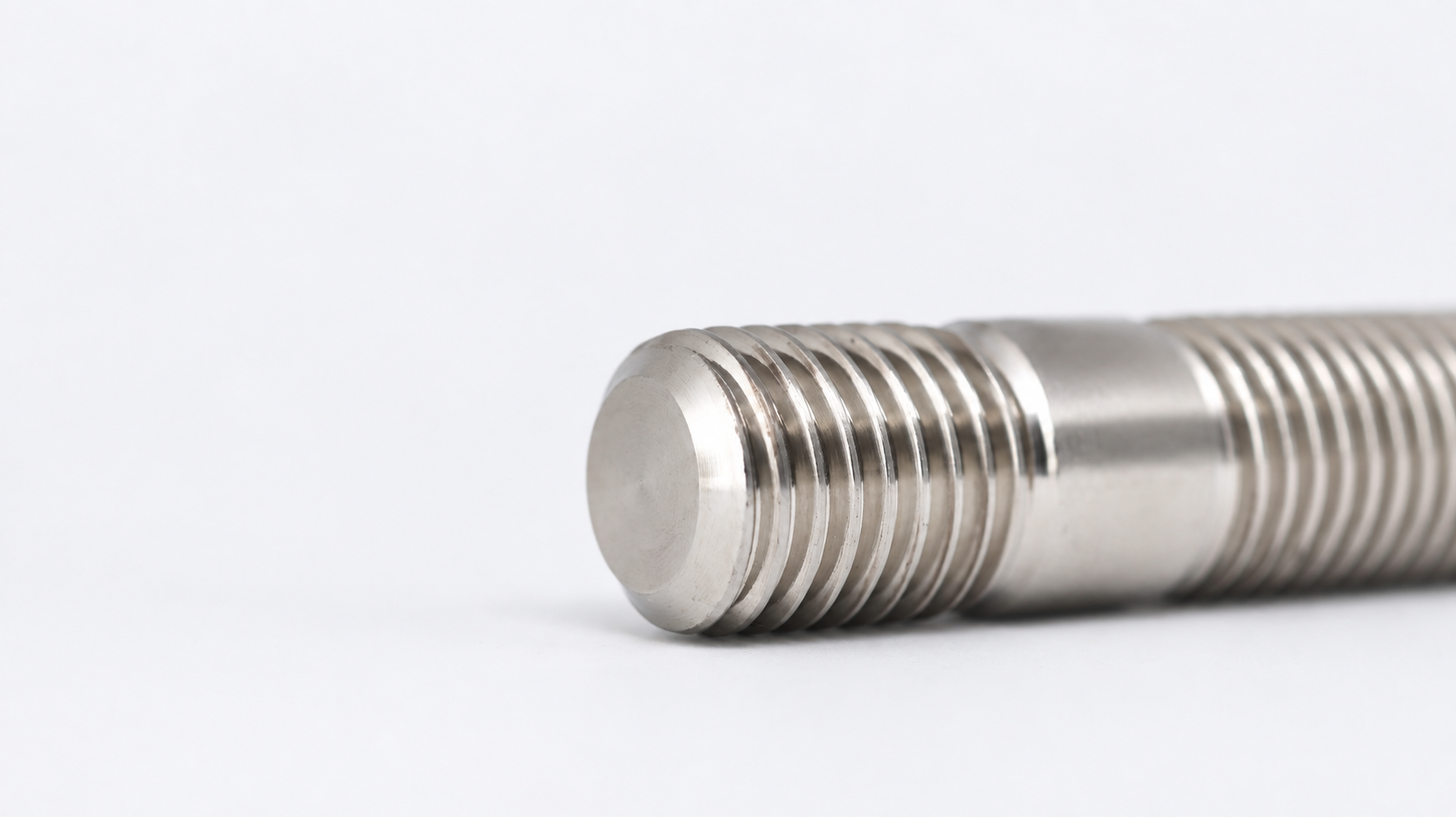
A practical method for turning a drawing, BOM or early requirement into a reviewable custom-fastener RFQ—without pretending every technical detail is already fixed.
Read GuideDiagnose seized threads, understand how anti-seize changes torque and preload, and assess nut materials without confusing Nitronic 50 with Nitronic 60.
Read GuideSpecify grade, product form, heat-treatment or delivery condition without confusing raw material with finished-part compliance.

Understand washer hardness classes, why thickness and support affect indentation, and how bearing deformation can reduce retained clamp load.
Read Guide
Compare Incoloy 020 and C-276 for fasteners by actual wet exposure, acid concentration, temperature and cleaning duty before accepting a material change.
Read Guide
Compare A-286 and 17-4 PH fasteners by condition and duty. Learn why H1150 is not a service rating and hot yield does not establish long-term clamp load.
Read Guide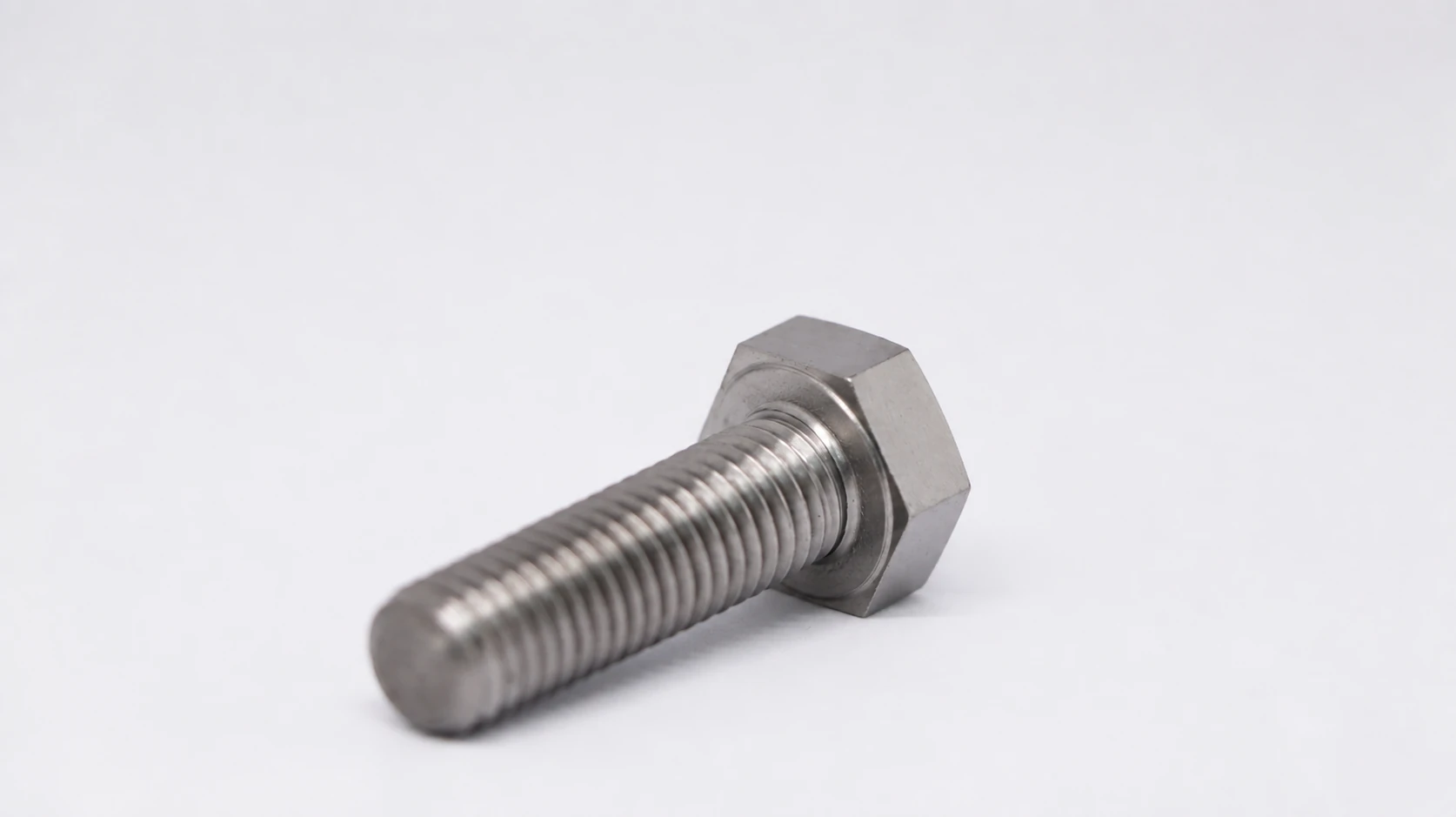
Look up condition-labelled A-286 yield values, distinguish 0.02% from 0.2% offset, and check whether a test report answers the fastener order’s temperature and acceptance requirement.
Read Guide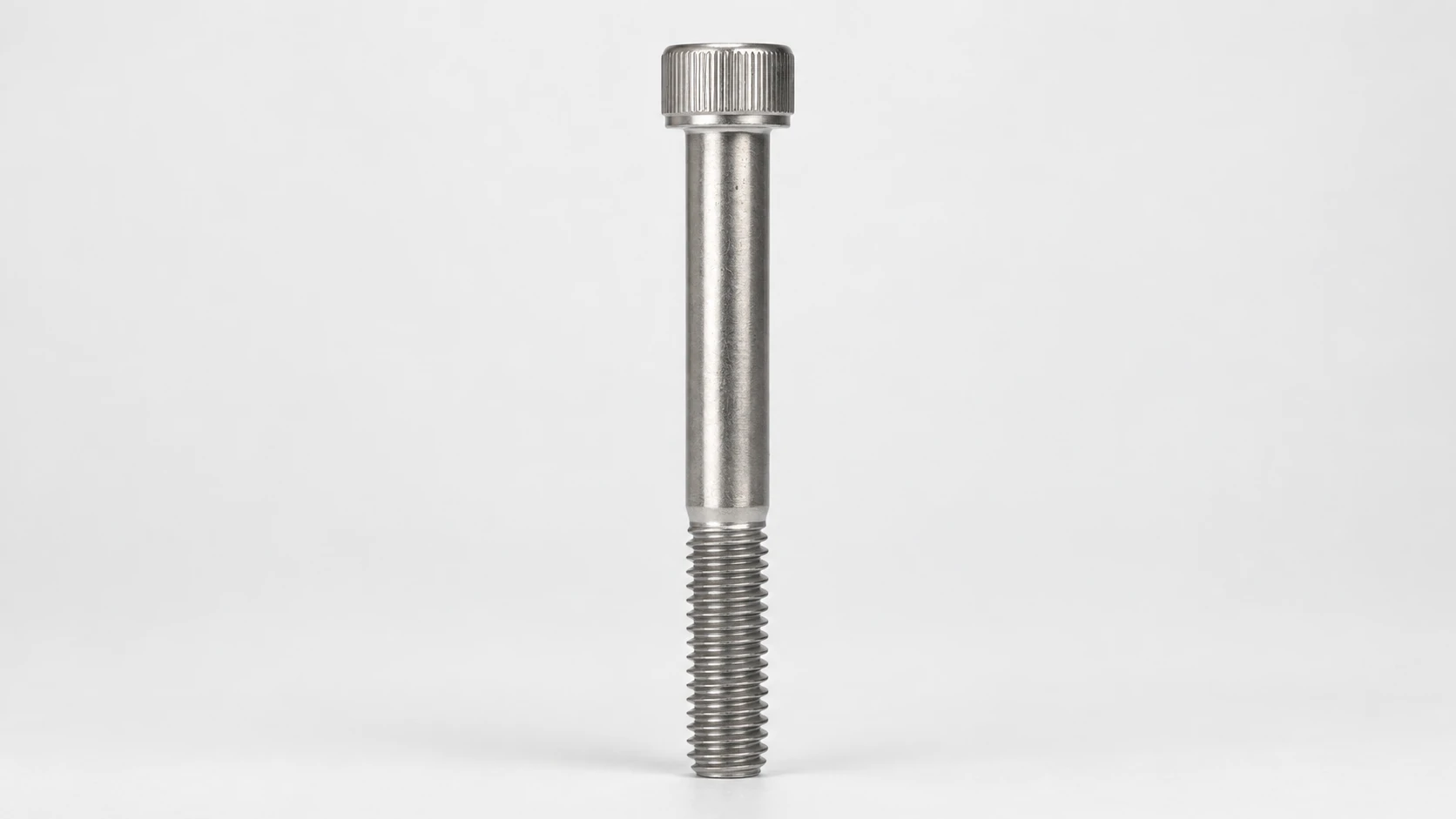
Read a published 718 fatigue result in context, distinguish specimen evidence from threaded-joint qualification, and follow a worked preload and stress-ratio example.
Read Guide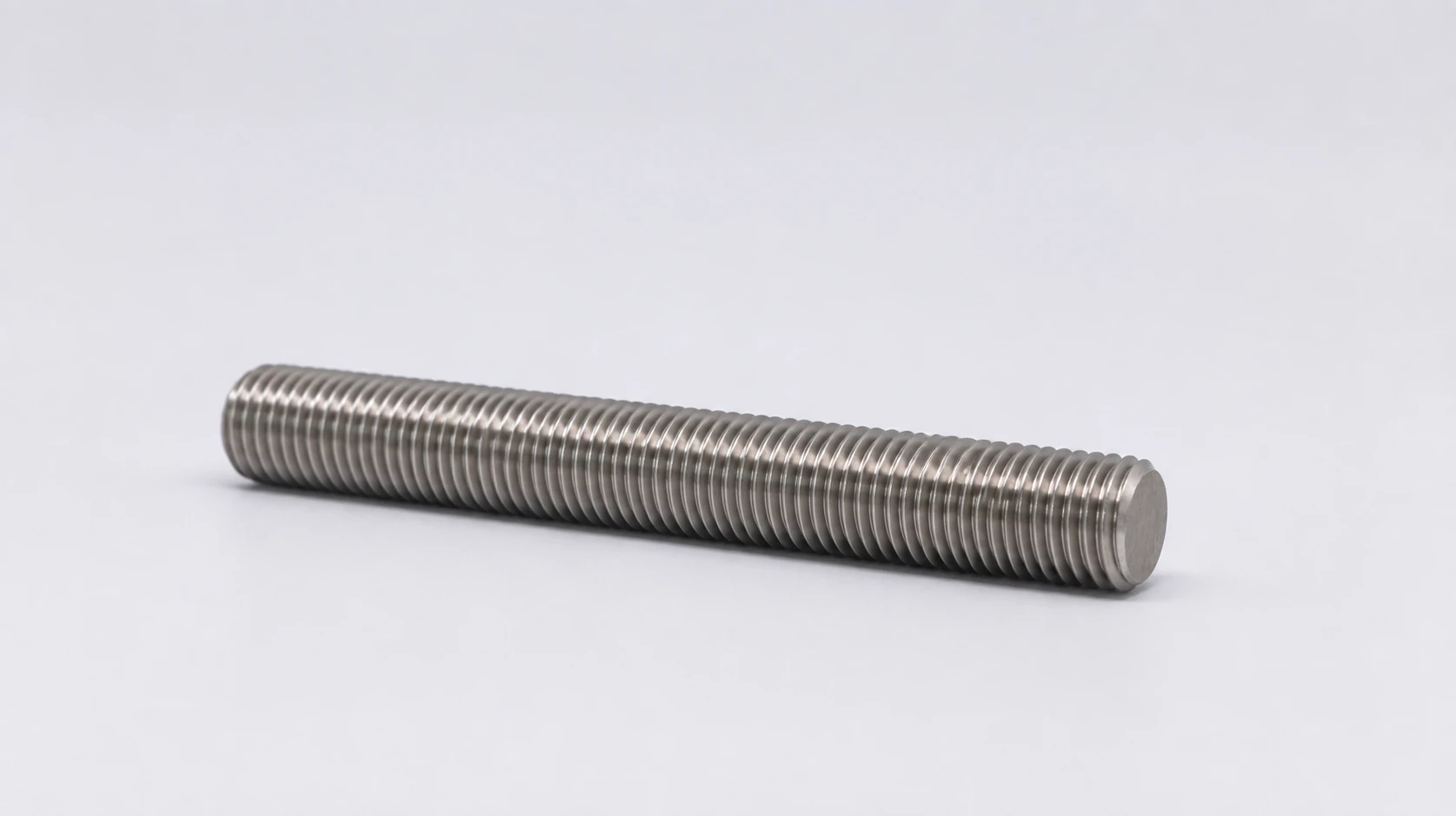
Understand why A-286 treatment routes balance different properties, and use a worked review to judge a proposed change beyond matching hardness.
Read Guide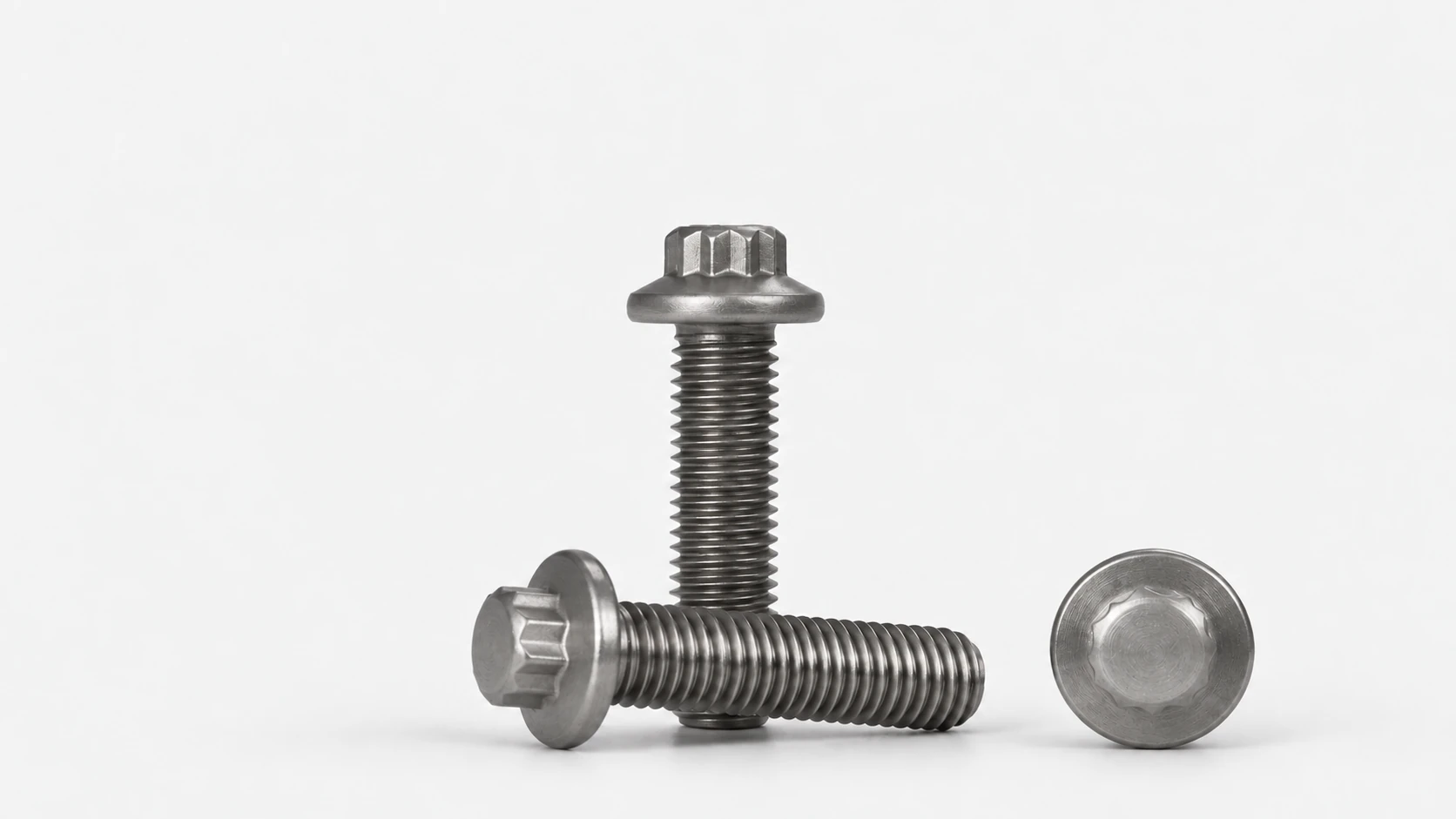
Choose between A286 and Inconel 718 by matching the final condition and complete joint duty, then compare technically acceptable quotations.
Read Guide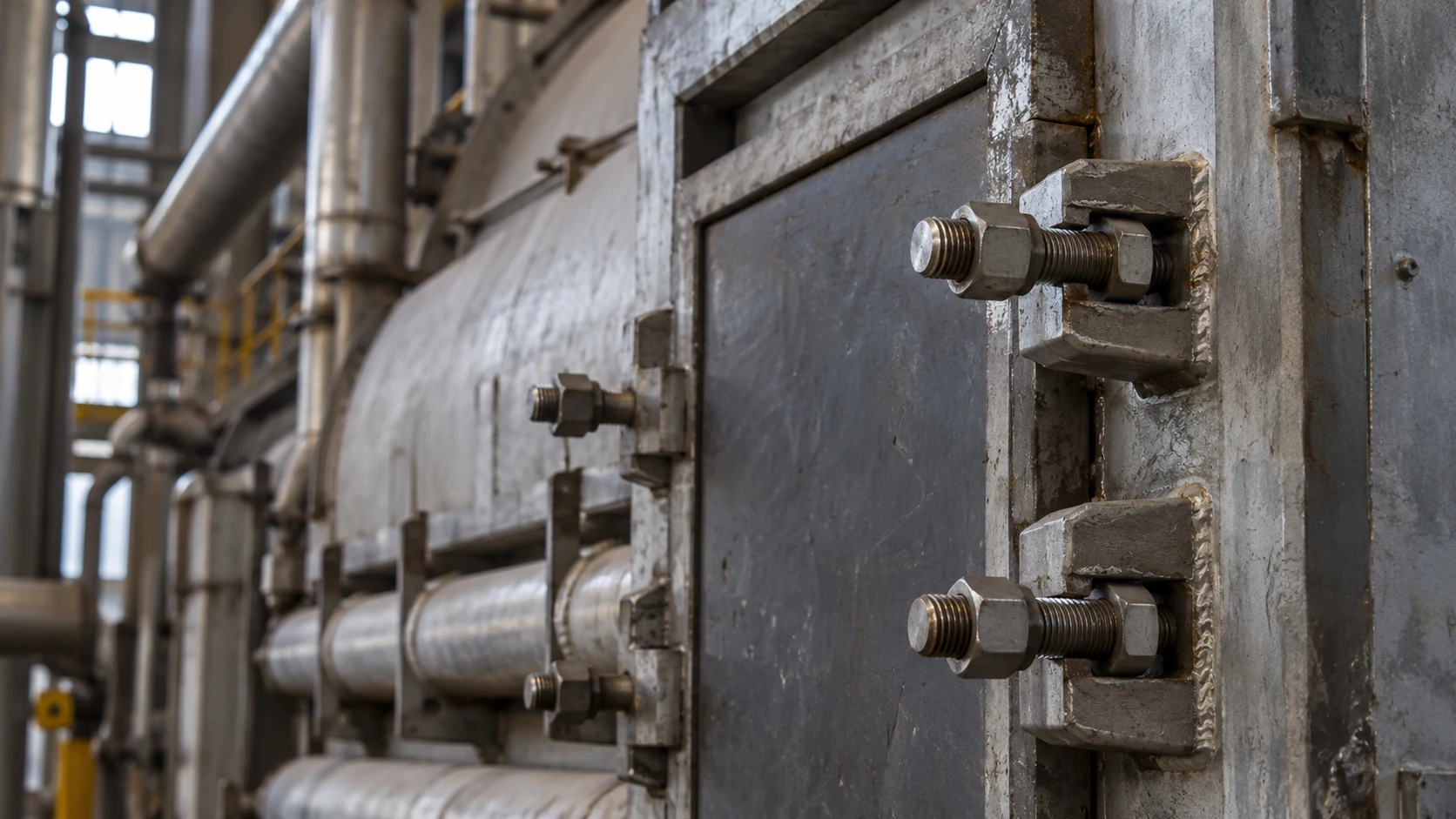
Resolve the grade, stock form and acceptance route before a high-temperature material note becomes a purchase order.
Read Guide
Check the heat chemistry, product form and certificate scope before accepting a dual-certified 2205 offer.
Read Guide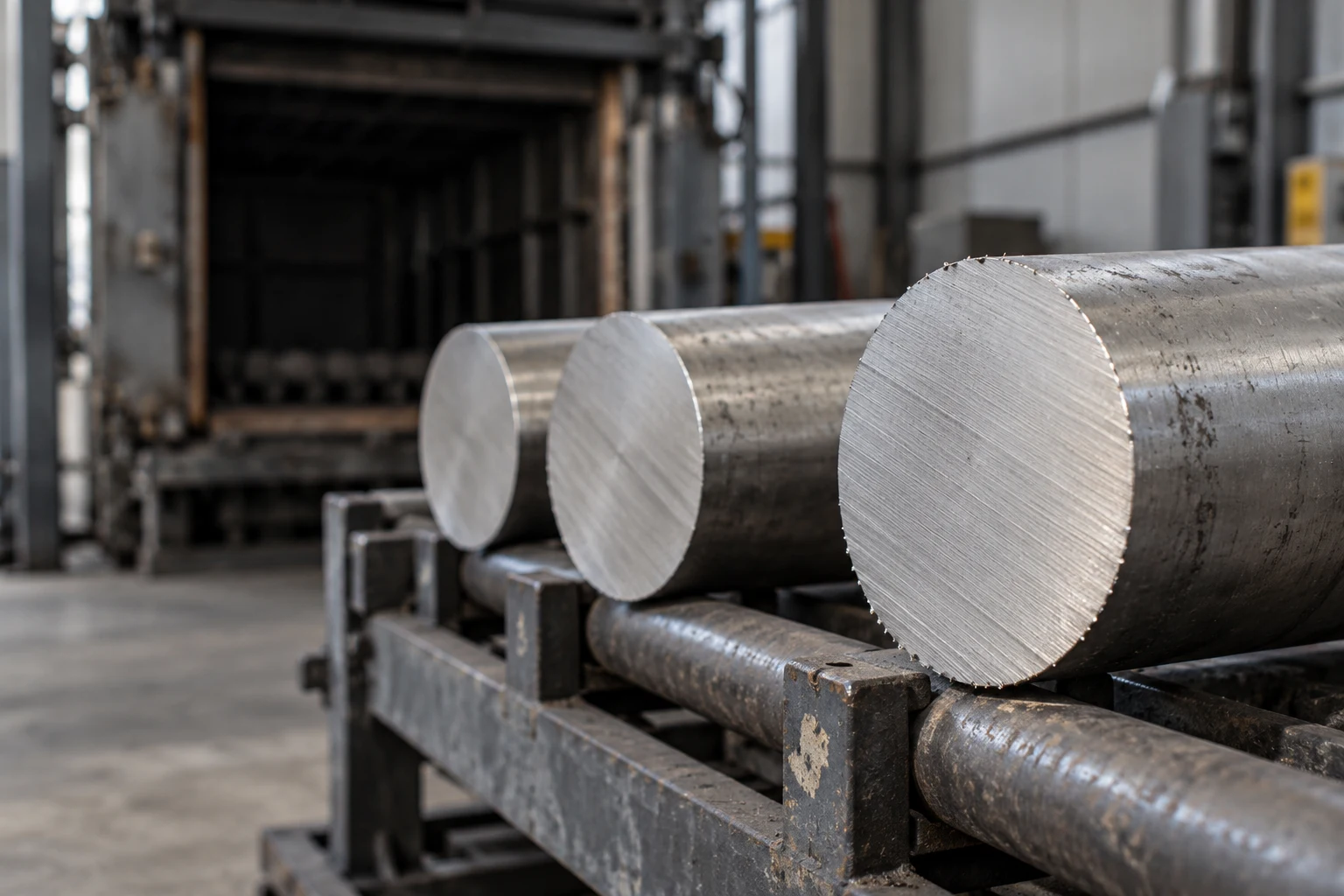
How to review heat-treatment records, ferrite measurements, detrimental-phase tests and sampling coverage for duplex bar and fasteners.
Read Guide
Compare Monel 400 and K-500 with Inconel 625 and 718 by exposure, delivery condition and hot-joint requirements.
Read Guide
Check what the low-carbon suffix and a dual-certified offer actually establish for the product you are purchasing.
Read Guide
Choose and verify the final aging condition for 17-4 PH fasteners and machined components.
Read Guide
Compare C-22, C-276, 625 and 718 using the actual exposure and mechanical requirements before approving a fastener substitution.
Read Guide
Connect the H2S exposure, standard route, material condition and finished-lot evidence before accepting a sour-service fastener.
Read Guide
Start at the connection: seawater exposure, sheltered interfaces, connected metals and the load the joint must retain.
Read GuideStart a nickel-alloy fastener enquiry from the service problem, then define the alloy condition, mating parts and acceptance requirements.
Read GuideWhat Inconel identifies, why an alloy number and UNS are needed, and how to clarify an incomplete fastener quotation.
Read GuideCompare 625 and 718 fasteners by strength, corrosion, temperature and condition, with sourced data, fabrication tradeoffs and substitution examples.
Read Guide
A buyer’s framework for specifying alloy mill forms by grade, product form, dimensions, condition, tolerances, surface and documents—before a supplier confirms availability.
Read GuideDistinguish thermal expansion, creep, relaxation and surface settlement when a hot joint loses clamp load without breaking its bolts.
Read Guide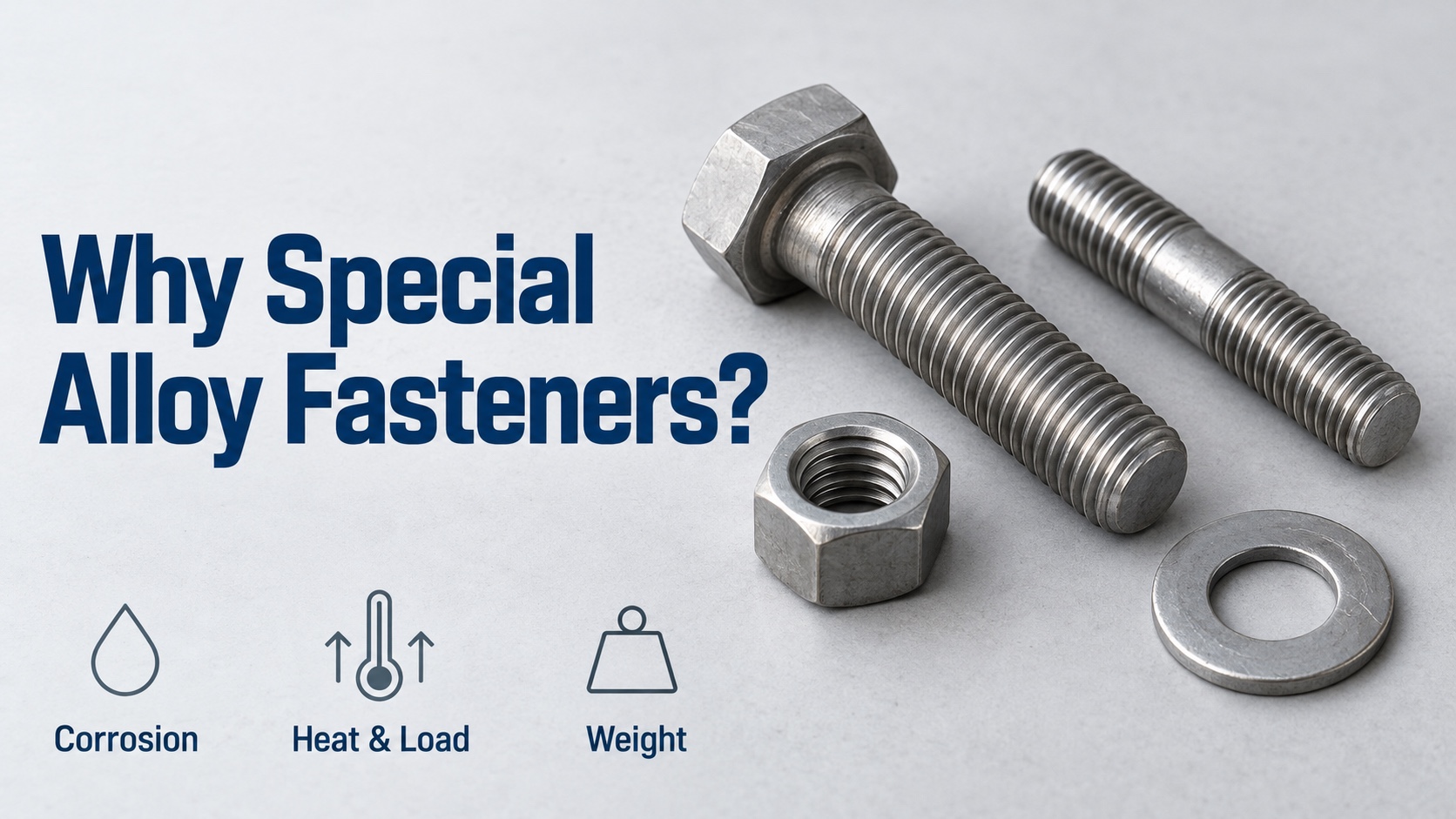
Compare stainless steel, nickel alloys and titanium by corrosion, heat and load. Find the checks that matter before specifying or replacing a fastener.
Read GuideUnderstand which standard controls geometry, material, performance or testing—and where one reference is not enough.
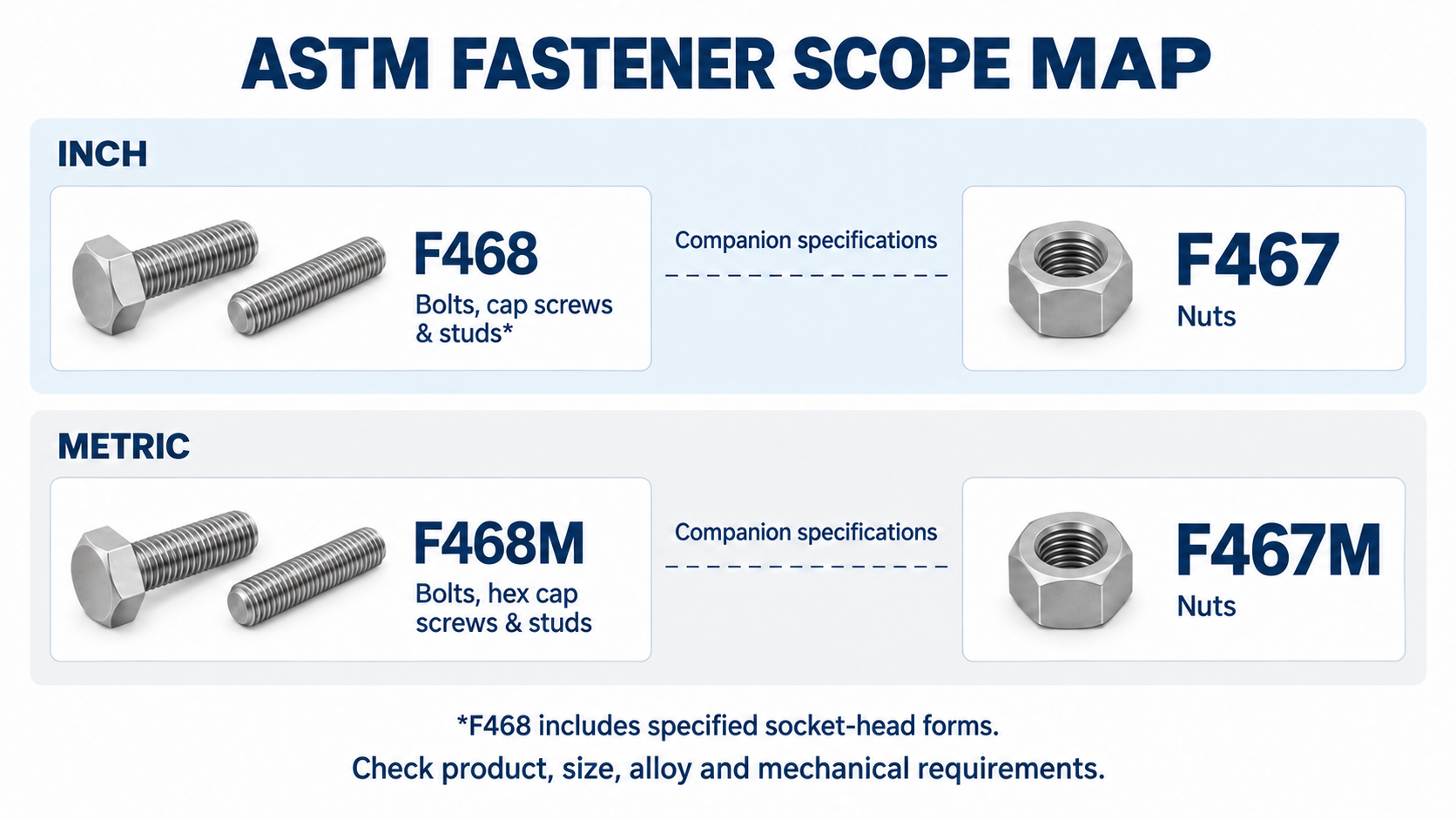
A bolt and nut can share a thread size while falling under different product specifications. This guide compares F468, F467 and their metric counterparts, with examples of scope gaps and a metric nut-strength check.
Read Guide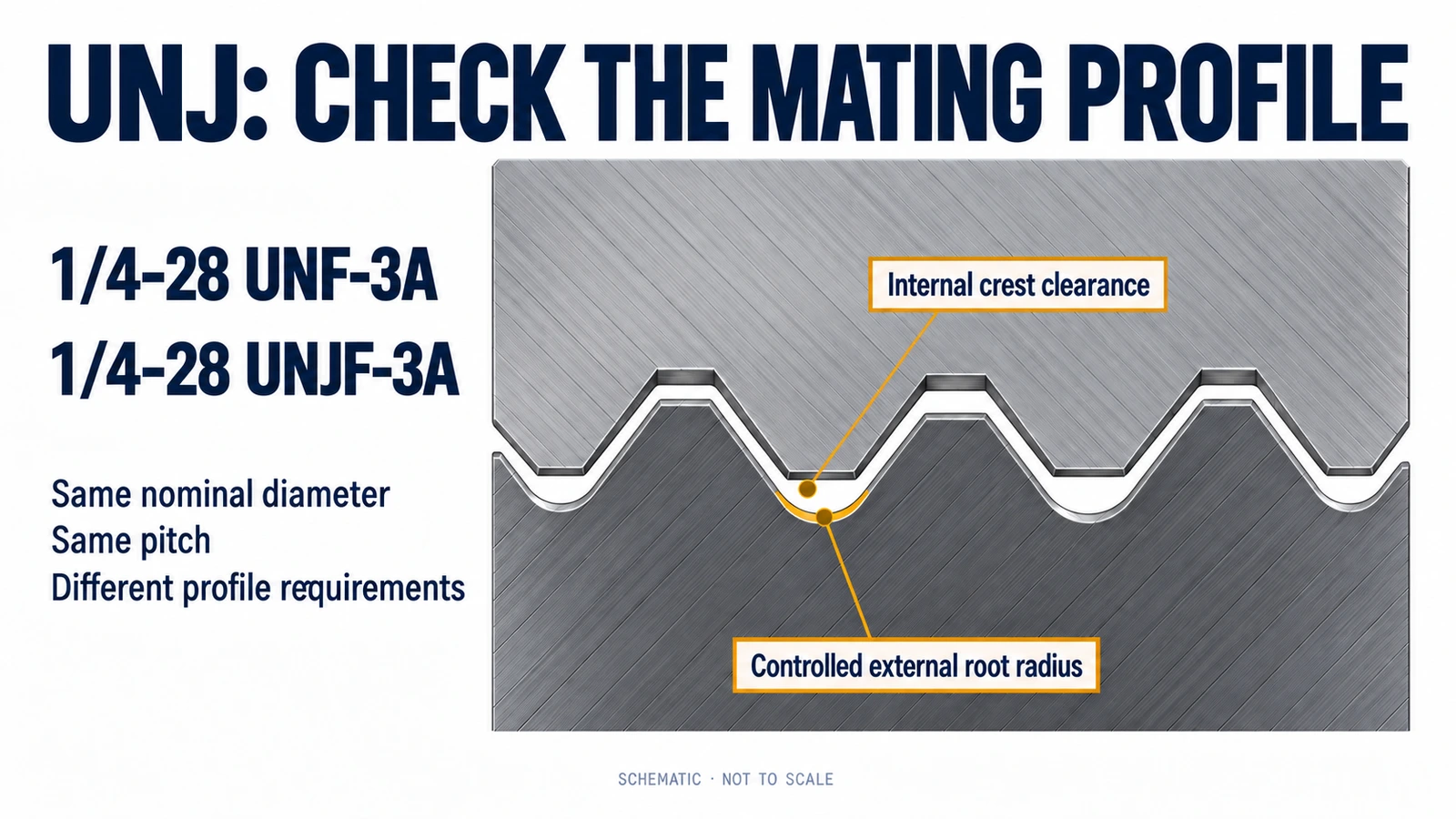
Two fasteners can share a nominal diameter and pitch while requiring different mating-thread geometry. This guide explains the UNJ root profile, the clearance it needs and what to check before accepting a substitute.
Read Guide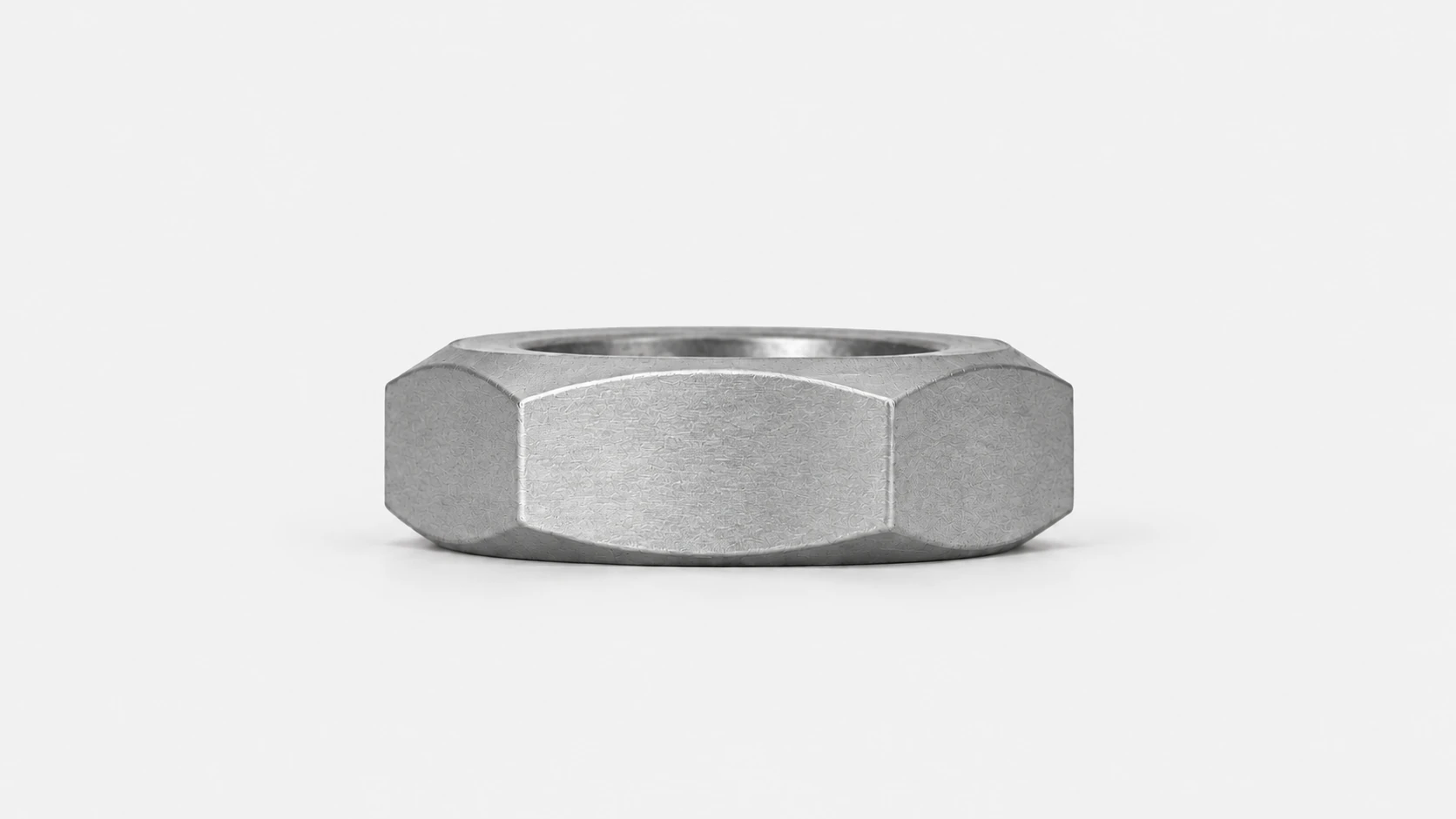
Review thin-nut substitutions through ISO 4035 and ISO 4032, loadability, jam-nut use and the requirements to keep in a fastener order.
Read Guide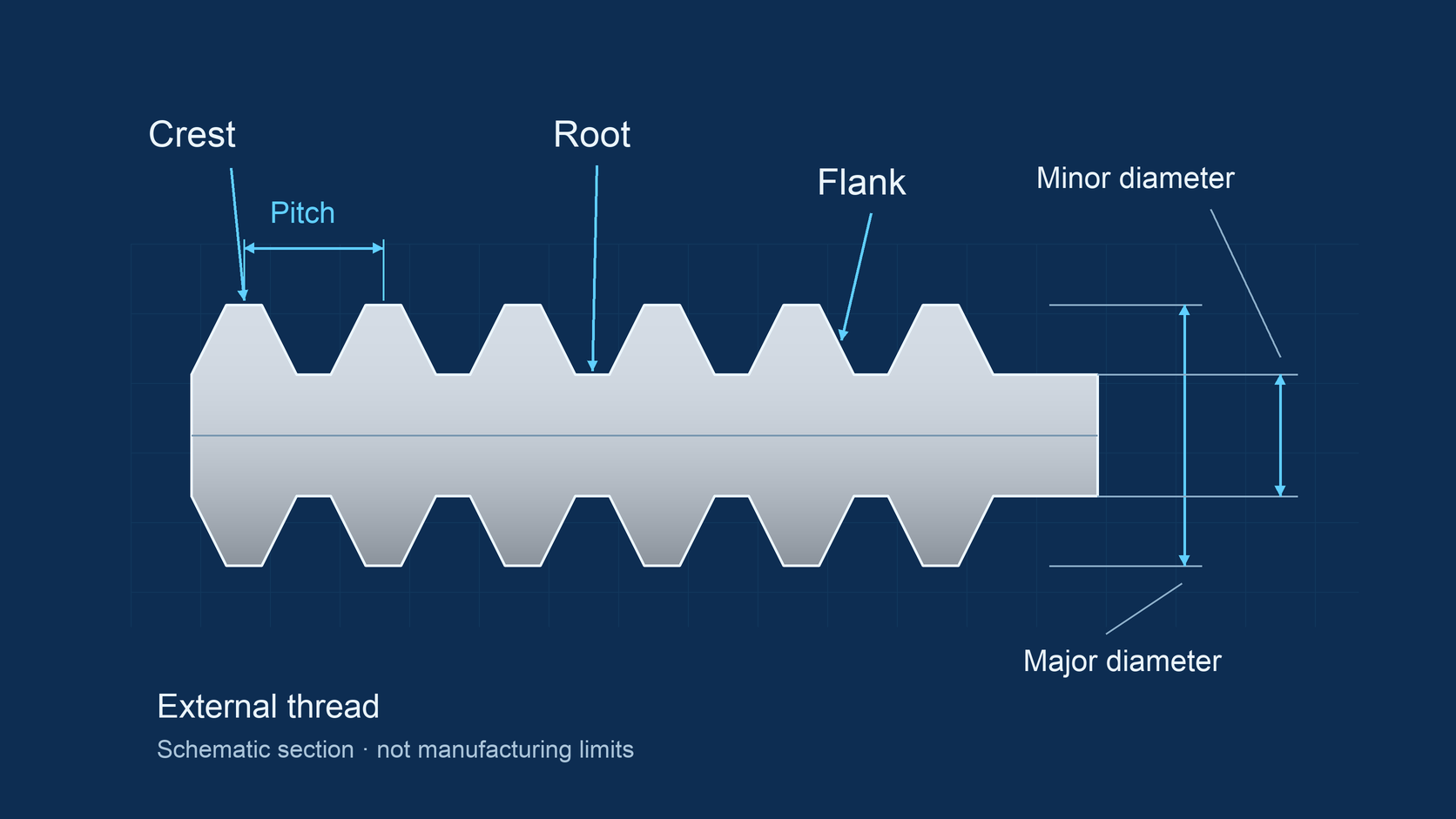
Identify common bolt threads, read the callout and check a replacement. Comparison chart for metric, UNC, UNF, 8UN and UNJ.
Read GuideAnnealed stock and age-hardened finished bolts are different purchases.
Read Guide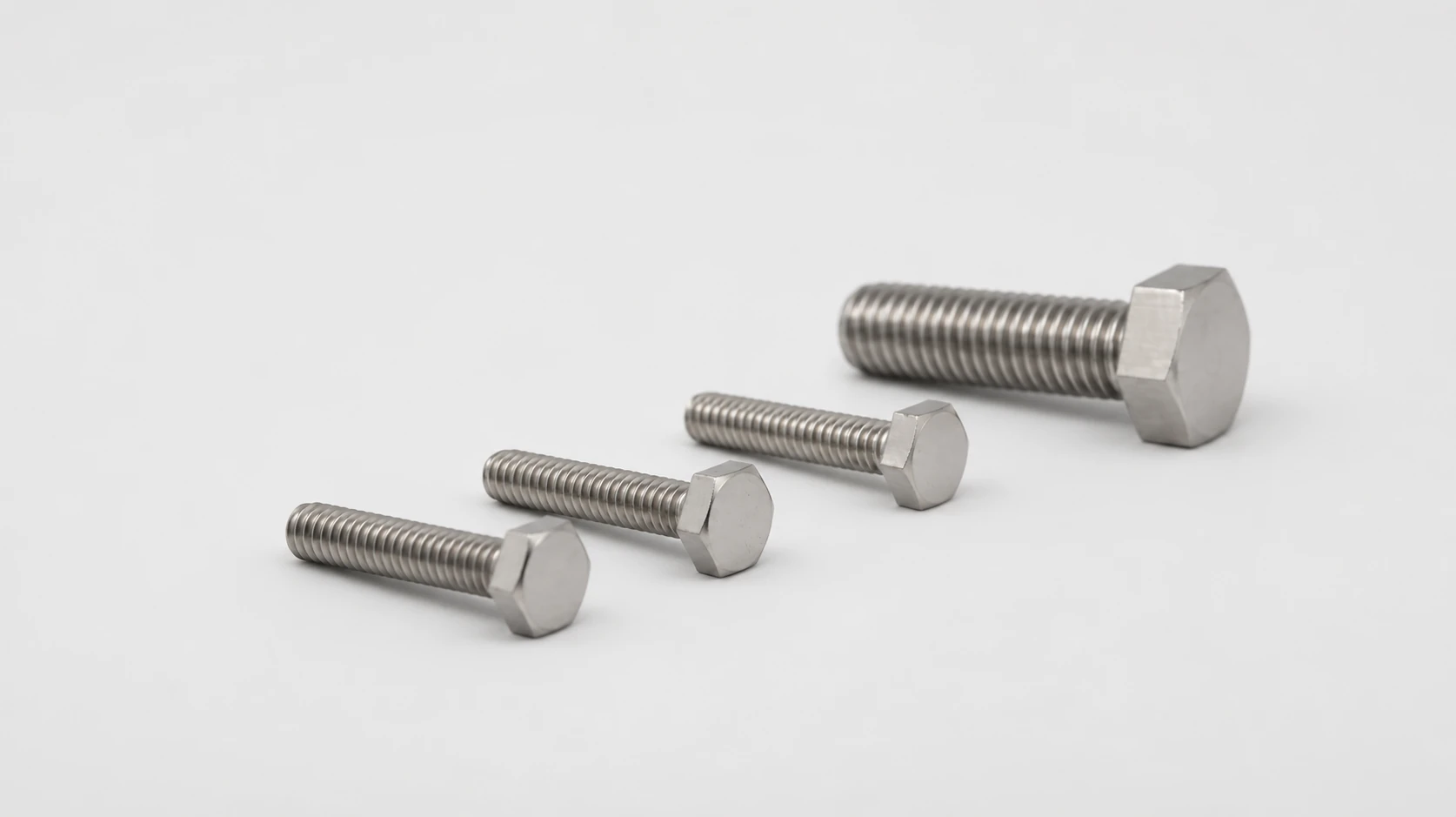
A buying guide to UNS N10276 bolts, studs, nuts and washers—from the material callout to the delivered parts.
Read GuideReview the mating specification, load path, corrosion exposure and tightening procedure before substituting the nut.
Read GuideDefine the final condition of Inconel 718 fasteners, separate B637 feedstock from finished-part acceptance, and clarify the treatment and inspection route.
Read GuideSpecify Inconel 625 fasteners with the correct B446 condition, product form and separate finished-part acceptance requirements.
Read GuideResolve the product scopes of F468, F467 and F2281, including socket screws, separate nut requirements and metric callouts.
Read Guide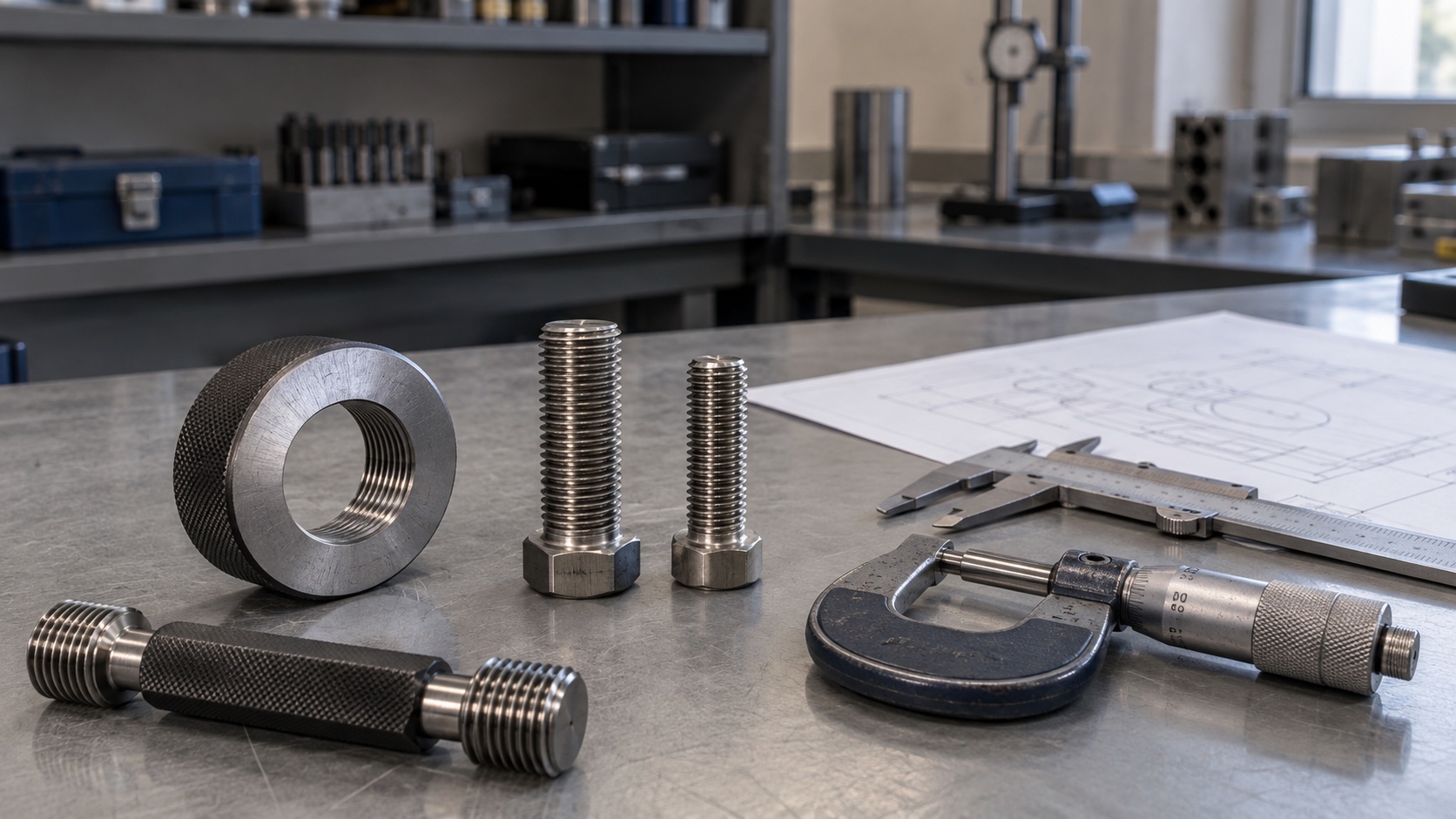
A procurement guide to reading metric and Unified thread callouts, avoiding false class conversions, controlling coating effects and defining a defensible thread-inspection scope.
Read GuideDefine the evidence package, sampling scope and identification controls required for the order.
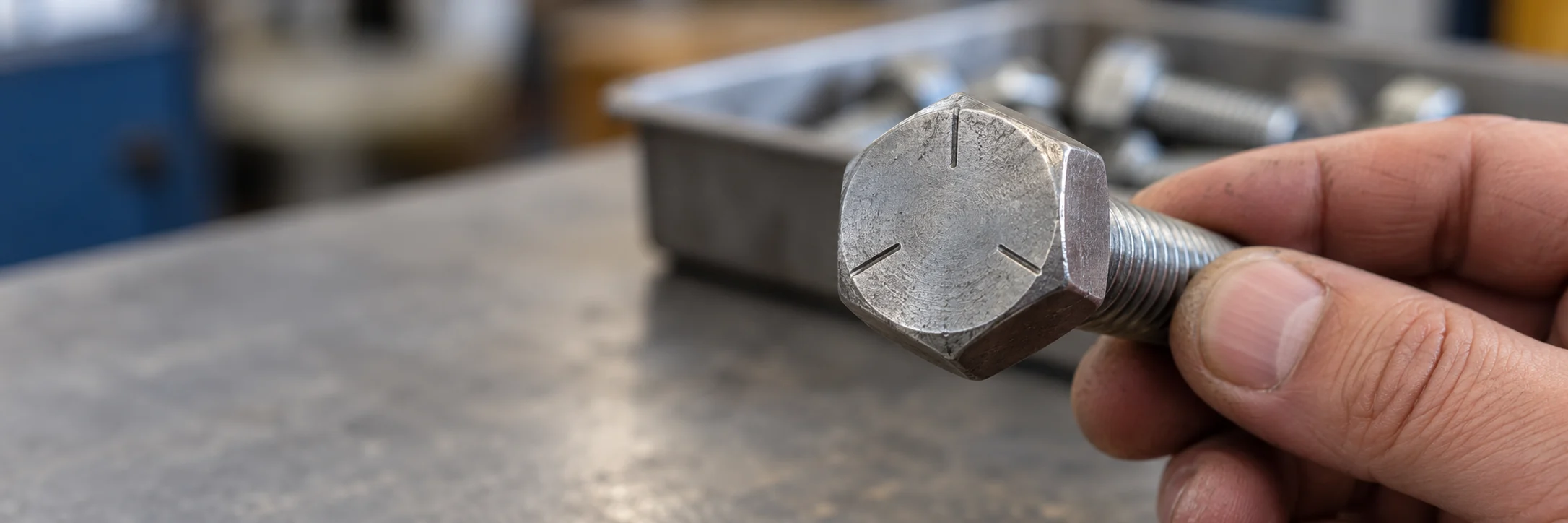
Separate maker identification, grade markings and lot traceability when receiving fasteners. Learn what to check when the head and paperwork disagree.
Read GuideRead condition-labelled 718 hardness values, distinguish Rockwell scales from converted results, and check whether a report represents the finished bolt lot.
Read GuideWhat a 718 MTC can support, why strength and rupture results do not establish retained clamp load, and which joint evidence to request.
Read Guide
An MTC, a PMI result and an inspection report answer different questions. This buyer’s evidence map shows how to connect material, finished-part inspection and traceability without treating one document as blanket proof.
Read Guide
No. A QMS certificate checks a management-system baseline; buyers still need to review the proposed manufacturing route, first-article evidence, traceability, change control, nonconformance handling and order-specific release records.
Read GuideShare the drawing or product form, alloy requirement, quantity, service conditions and required inspection documents. Missing details can be resolved during review.