304
Fasteners & Material Data
UNS S30400
What is 304 stainless steel and its applications?
304 stainless steel (UNS S30400) is a chromium-nickel austenitic grade used for equipment exposed to many everyday industrial environments. It combines formability and corrosion resistance in food equipment, general plant hardware and non-marine architectural components.
- Food-handling equipment: Frames and equipment components with specified cleaning and surface-finish requirements.
- General industrial assemblies: Covers, brackets and machinery connections in moderately corrosive environments.
- Architectural hardware: Indoor and non-marine exterior fittings where appearance and exposure must be considered together.
Choose your 304 product
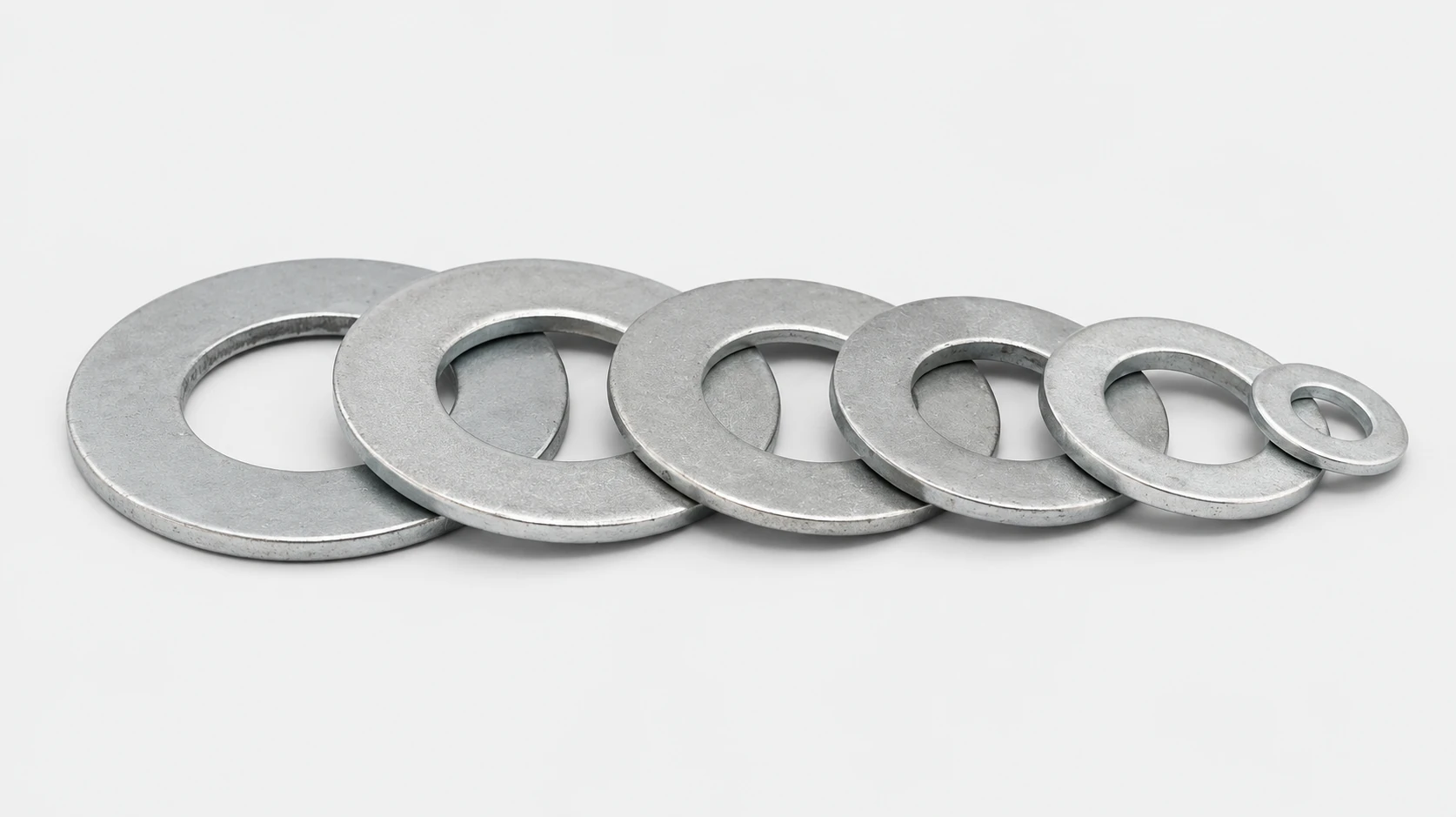
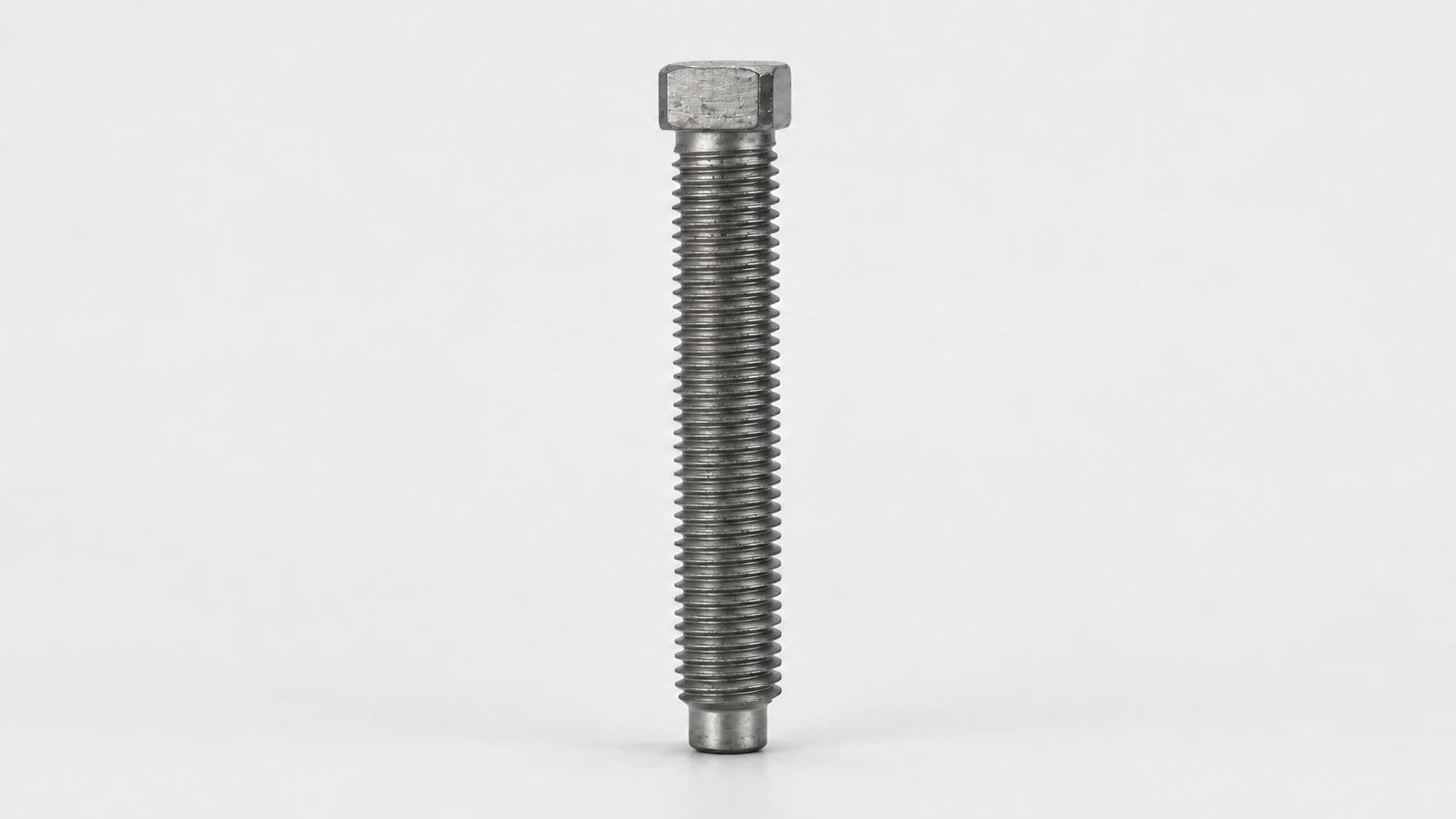
Engineering Application & Selection Guide
Chromium supports the passive surface film, while nickel stabilizes the austenitic structure. Cold working can increase strength; a 304 chemical certificate alone does not identify the mechanical properties of a finished bolt.
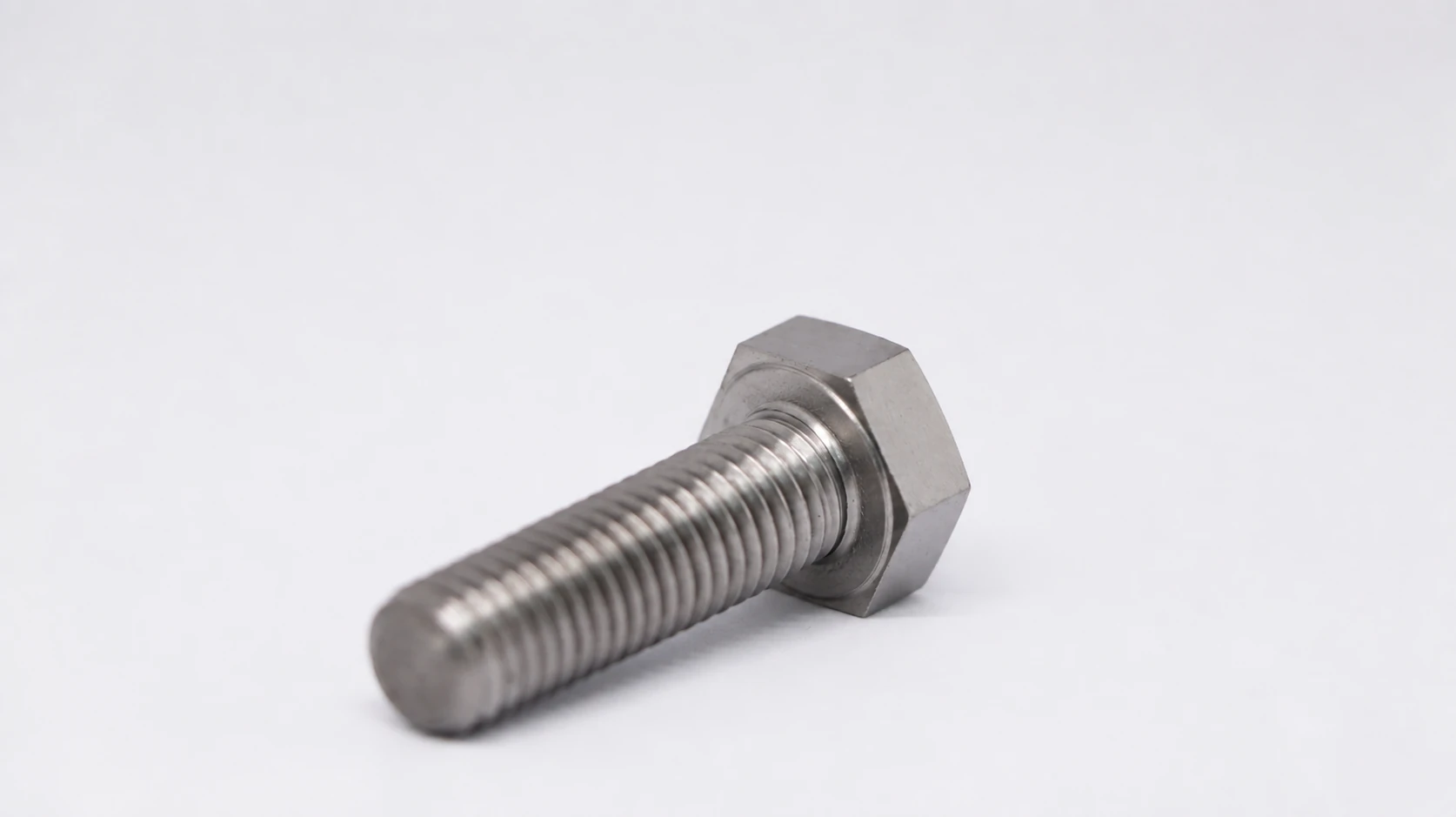
- 304 hex bolts — For routine machinery joints, specify the required mechanical property class as well as the alloy designation.
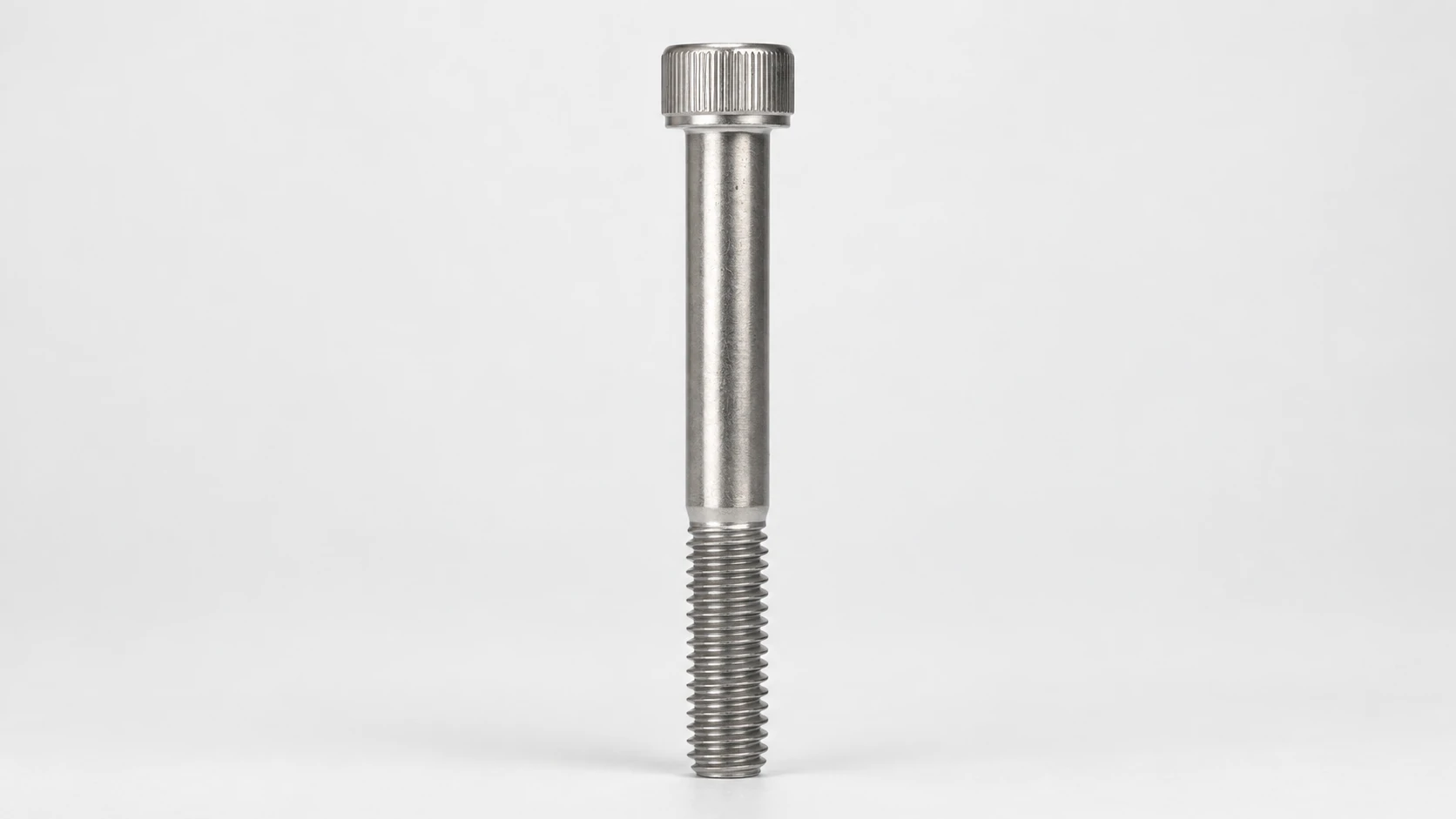
- 304 socket head cap screws — For frequently serviced covers, define lubrication and installation practice to limit thread damage.
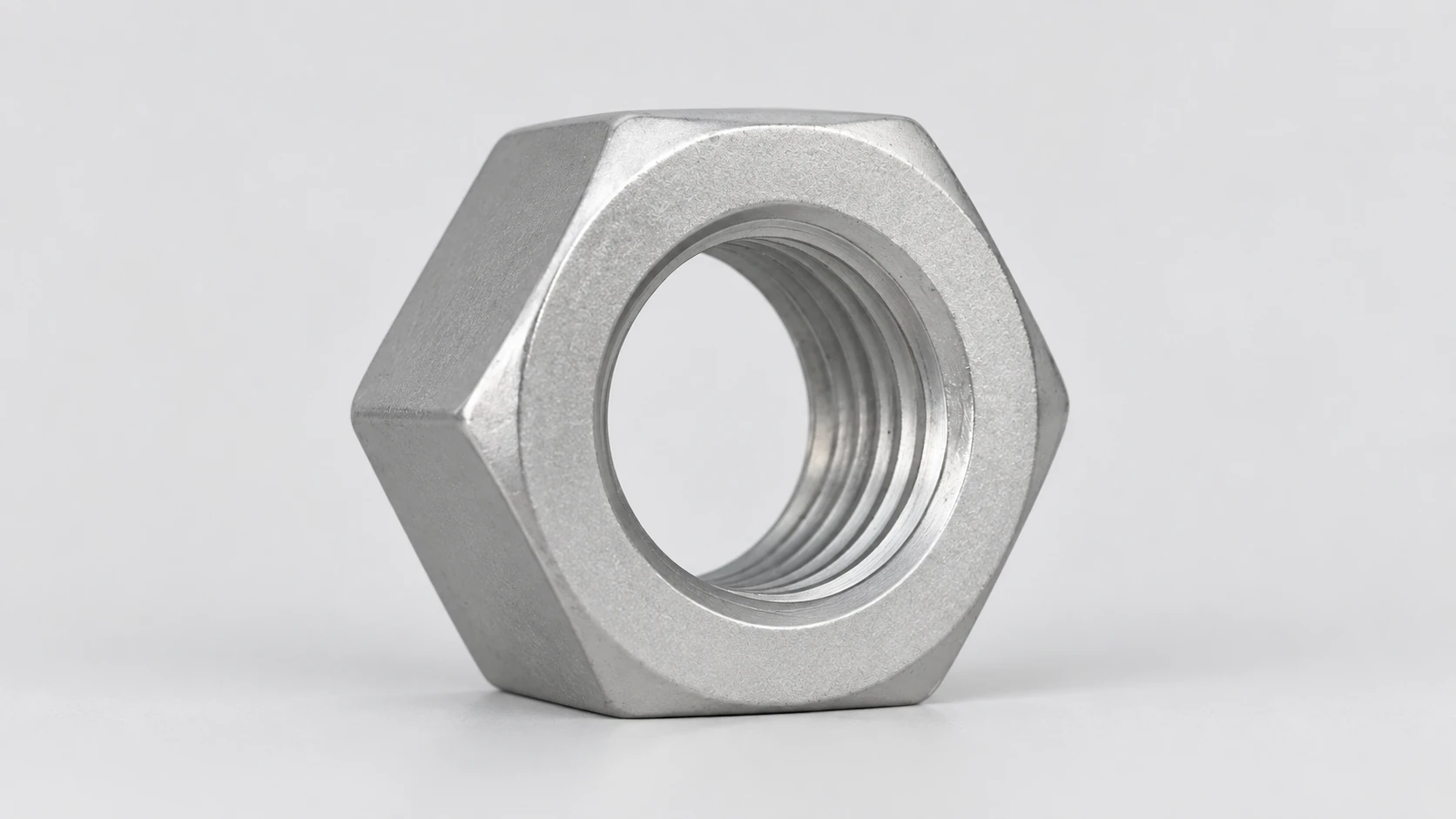
- 304 hex nuts — Match nut load capacity and thread tolerance to the bolt rather than choosing a pair solely because both say 304.
Choose between 304 and 304L on the actual fabrication and certification requirements. If chlorides govern corrosion, compare 316L and more resistant alternatives. A stainless grade is not a blanket approval for seawater exposure.
304 Composition
Selected typical composition · wt.%
- Cr
- 18.1%
- Ni
- 8.1%
- C
- 0.04%
ASTM / ASME specifications by product form
Finished-product requirements
Specify the finished-fastener mechanical requirements, condition and inspection separately from the starting-stock specification.
304 hex bolt requirements ↗Fasteners · dimensional references
| Product | Reference |
|---|---|
| Hex bolts | ISO 4014 / ISO 4017 · ASME B18.2.1 |
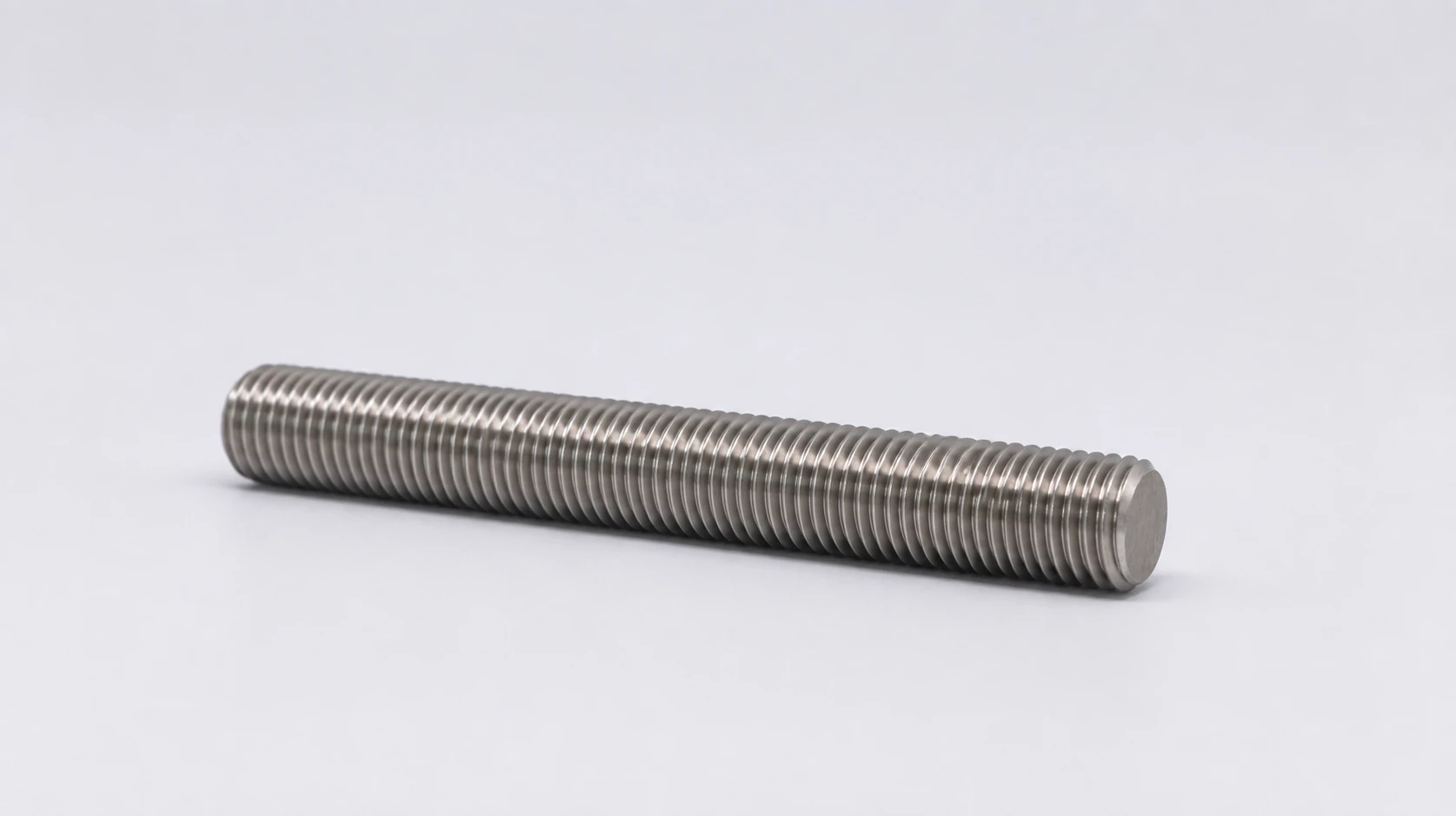
| Threaded studs | DIN 976-1 · ASME B18.31.2 |
| Hex nuts | ISO 4032 · ASME B18.2.2 |
| Socket head screws | ISO 4762 · ASME B18.3 |
| Flat washers | ISO 7089 / ISO 7090 · ASME B18.21.1 |
| Custom fasteners | Customer drawing |
Raw-material specifications
| Product form / scope | Reference |
|---|---|
| Bar & shapes · Specify grade, condition and order requirements. | ASTM A276 |
Dimensions do not define material or finished-part compliance. Specify the grade, condition and applicable requirements.
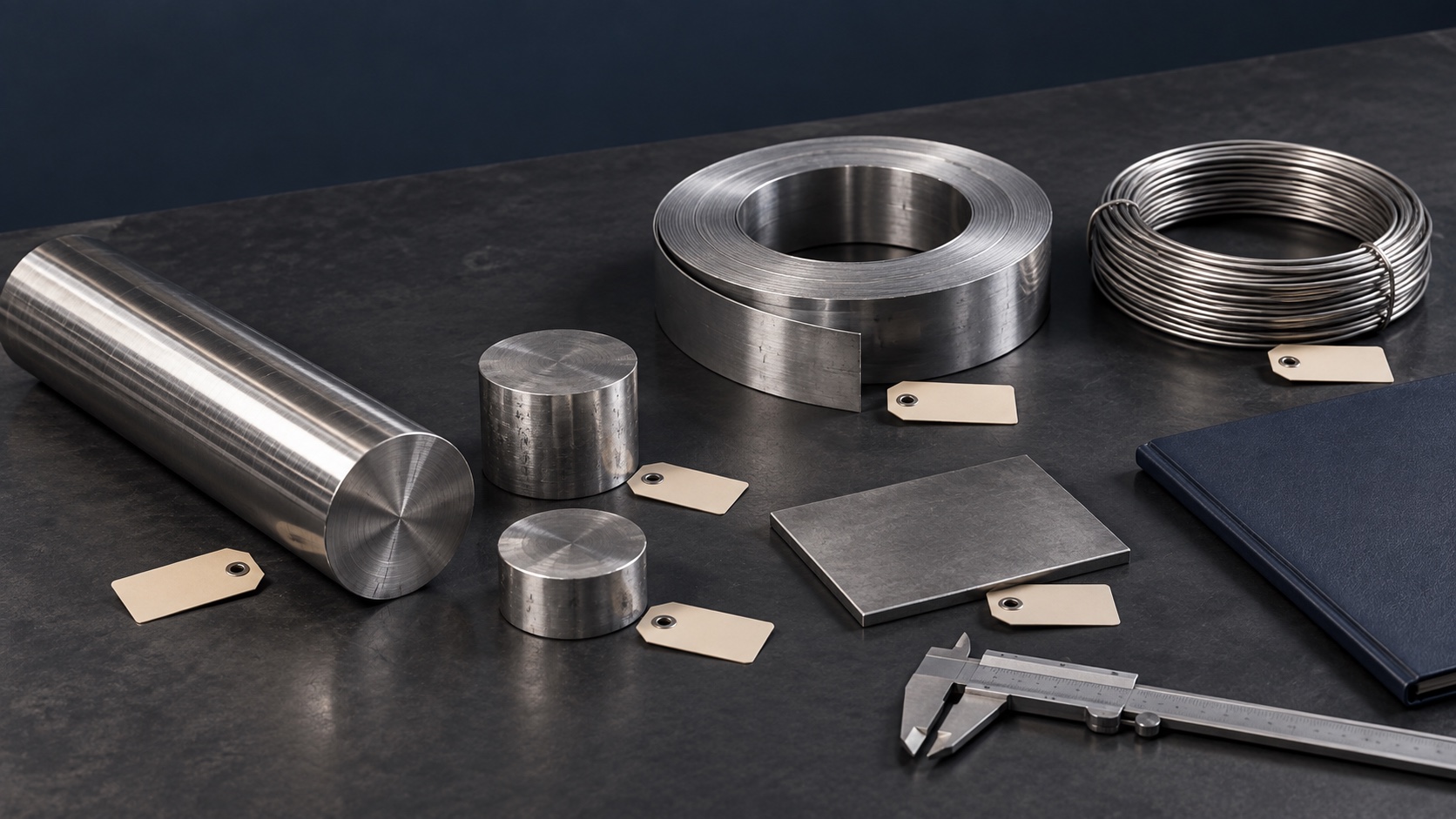
How to specify round bar, plate, wire and strip ↗304 Mechanical Properties
Reference sample and condition
- Data basis
- Producer typical reference
- Test sample form
- Hot-rolled quarto plate
- Test temperature
- Room temperature
- Gauge length
- A5
| Key properties | Value |
|---|---|
| Tensile strength | 600 MPa |
| 0.2% yield strength | 270 MPa |
| Elongation | 55% |
Procurement and application guide
Specify the material and final condition
Specify the required condition and fastener property class separately.
Material forms in the technical reference: Plate · Sheet · Strip · Bar · Shapes.
Define the finished-part acceptance
Include the material or bolting specification, required final condition, dimensions and quantity. State the service medium, temperature and loading where known. Agree the required tests, inspection coverage and acceptance criteria for the finished part.
Start with the information you have
Send a drawing or share the product form and dimensions. Identify any undecided requirements for review rather than copying a typical property value into the purchase order.
Upload DrawingTechnical guides
All technical articles ↗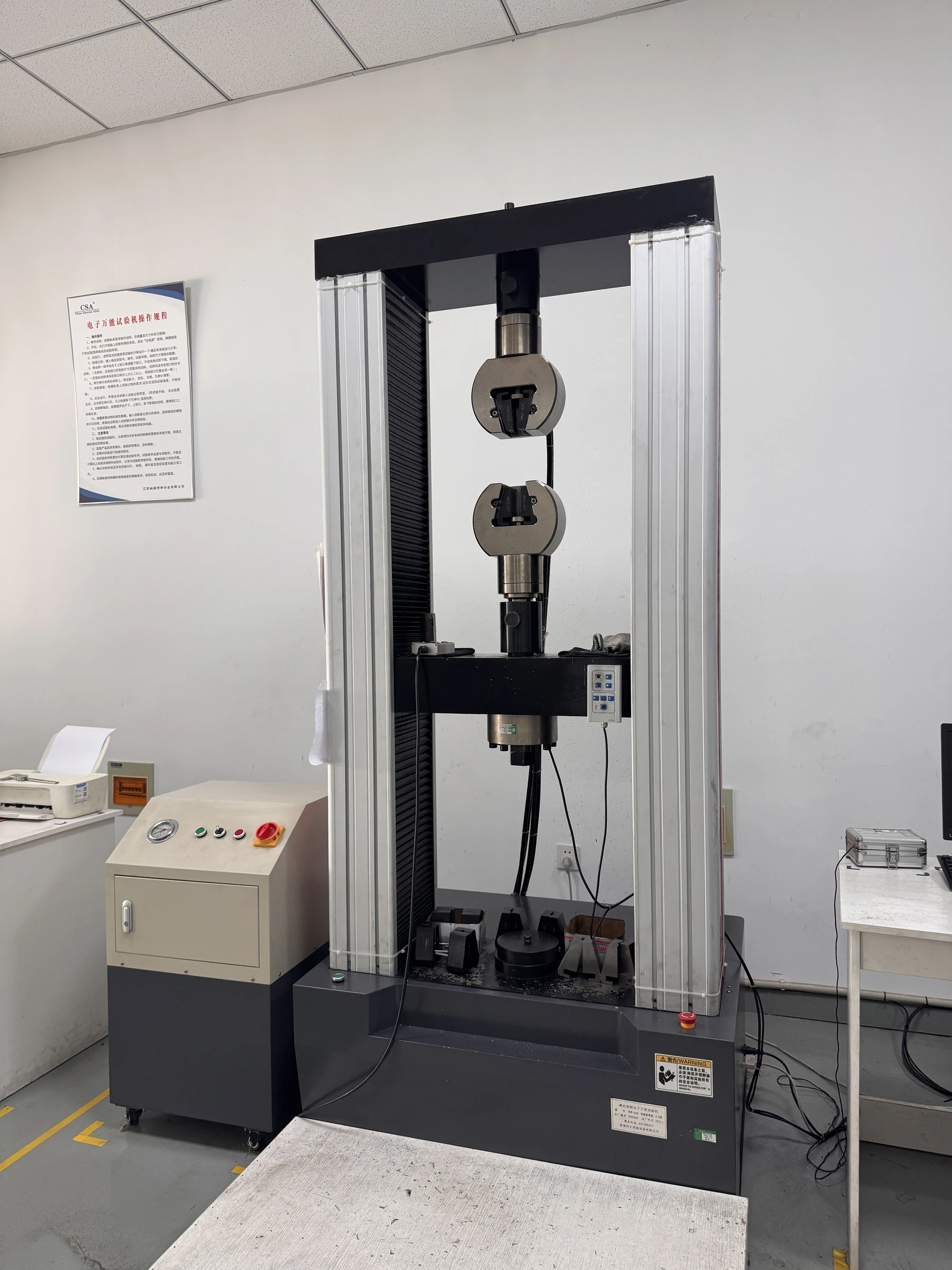 304 vs 304L: Carbon Limits, Welding and Dual Certification
 Stainless Steel vs Special Alloy Fasteners: What Is the Difference?
 MTC vs PMI vs Inspection Report: Which One Actually Proves Your Fastener Meets the Order?
Selection and specification · 2
Installation and inspection · 3
Quality documents
EN 10204 3.1 MTC
Material certification and heat-number traceability
Mechanical testing
Methods and acceptance criteria follow the agreed specification
Alloy 718 laboratory report · PDF ↗Thread inspection
Sampled GO/NO-GO gauging for threaded products
Additional inspection and records
Heat-treatment records, PMI and third-party scope agreed per order
View PMI sample ↗Specify your 304 fastener
Sources and references
- Outokumpu · Stainless Steel Handbook · Tables 2:1, 2:2, 7:5 & 7:6 · PDF pages 52–53 for tensile values; hosted by SCI ↗
- Outokumpu · Core range · 304 / 304L identity and grade characteristics ↗
- Carpenter Technology · 304L · Type analysis and specification references ↗
- ATI 302/304/304L/305 · Material identity, characteristics and application context. ↗
- Carpenter CarTech 304/304L · Material identity, characteristics and application context. ↗