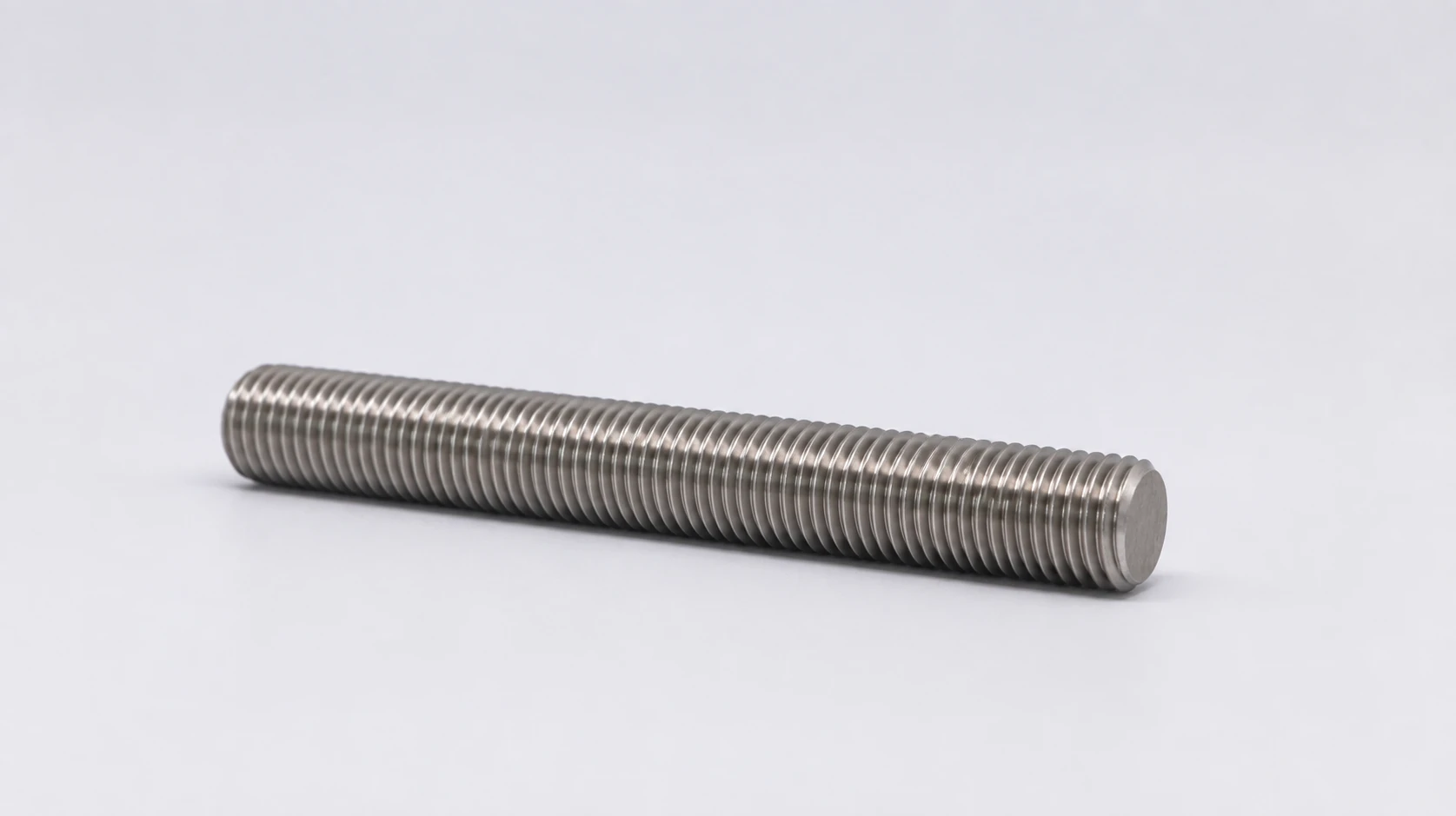
Special alloy stud bolts & threaded rods
Special alloy stud bolts are specified as double-ended closure for flange joints that require controlled tensioning, repeated disassembly, or nut engagement on both faces. Selection is driven by flange-to-flange thickness plus gasket and nut stack-up, by usable thread length and tensioner or wrench clearance at each end, and by expansion mismatch that governs preload loss through heating, cooling, and shutdown cycles.
- Metric diameter
- M4–M100
- Inch diameter
- 1/4″–4″
- Thread systems
- Metric · UNC · UNF · 8UN · UNJ
- Forms
- Full thread · Double-ended · Tap-end
- Materials
- Nickel alloys · Duplex steels · Titanium
EN 10204 3.1 MTC · Heat traceability
Stud bolt material selection by operating environment
Equipment & applications
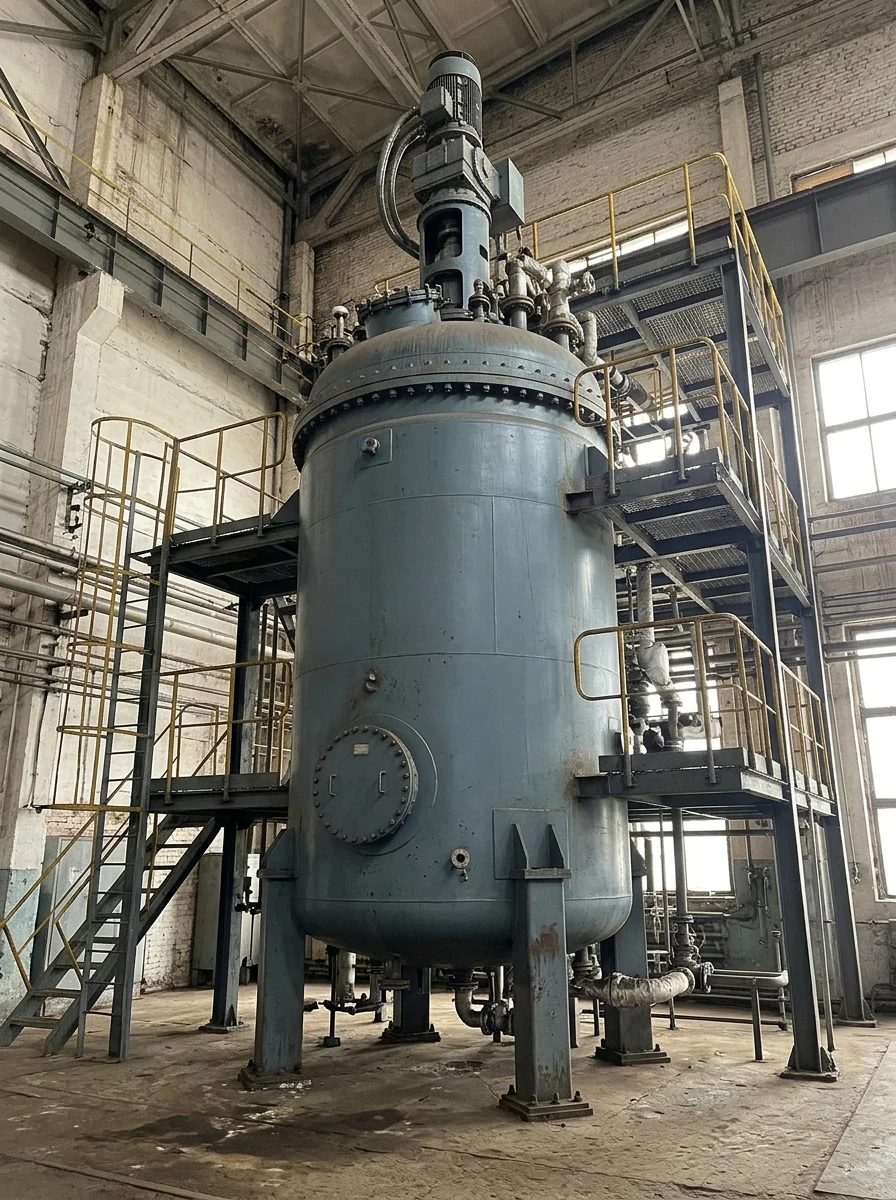
Reactor covers
Clamp removable reactor covers with a nut at each end of the stud. The finished length accommodates the cover, gasket and nut engagement for the complete joint.
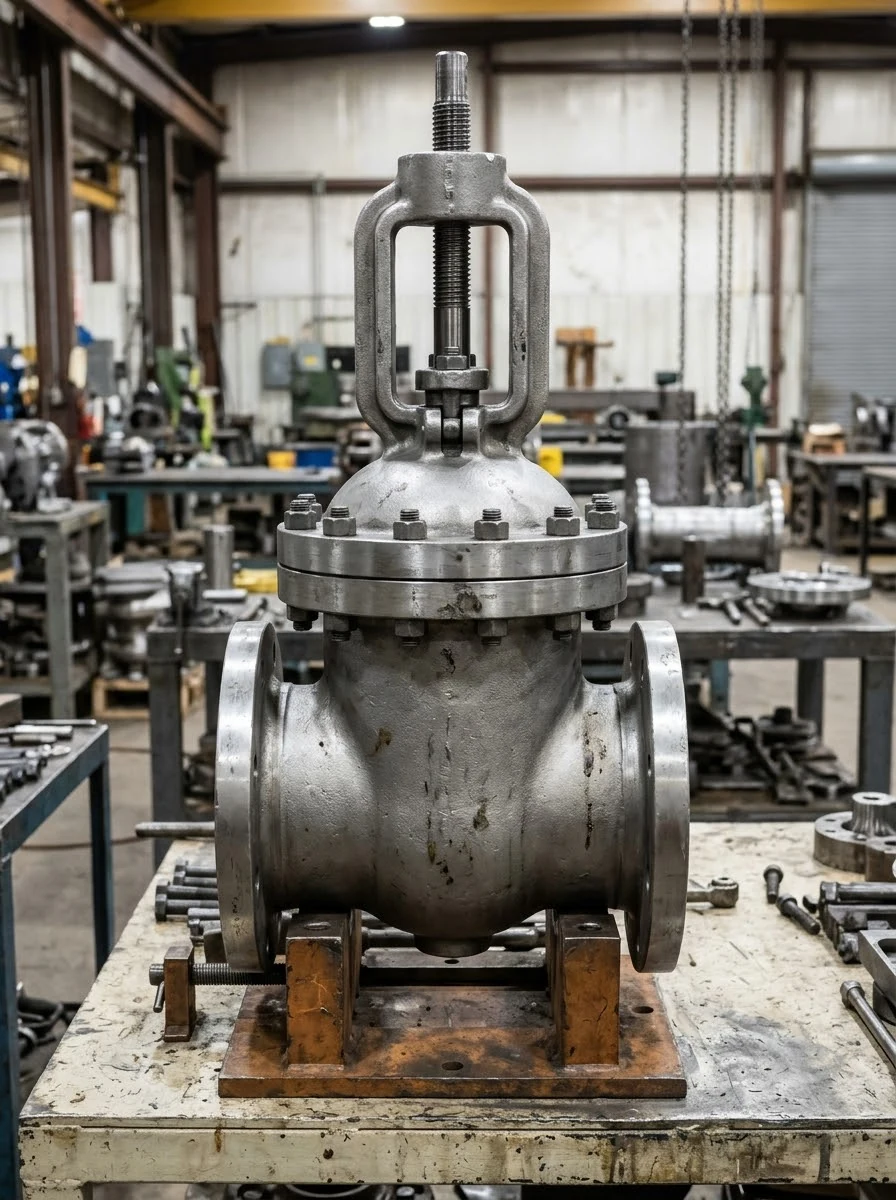
Valve bonnets
Secure valve bonnets with full-thread or tap-end studs. A retained tap end allows bonnet removal from the nut side without repeatedly threading a bolt into the valve body.
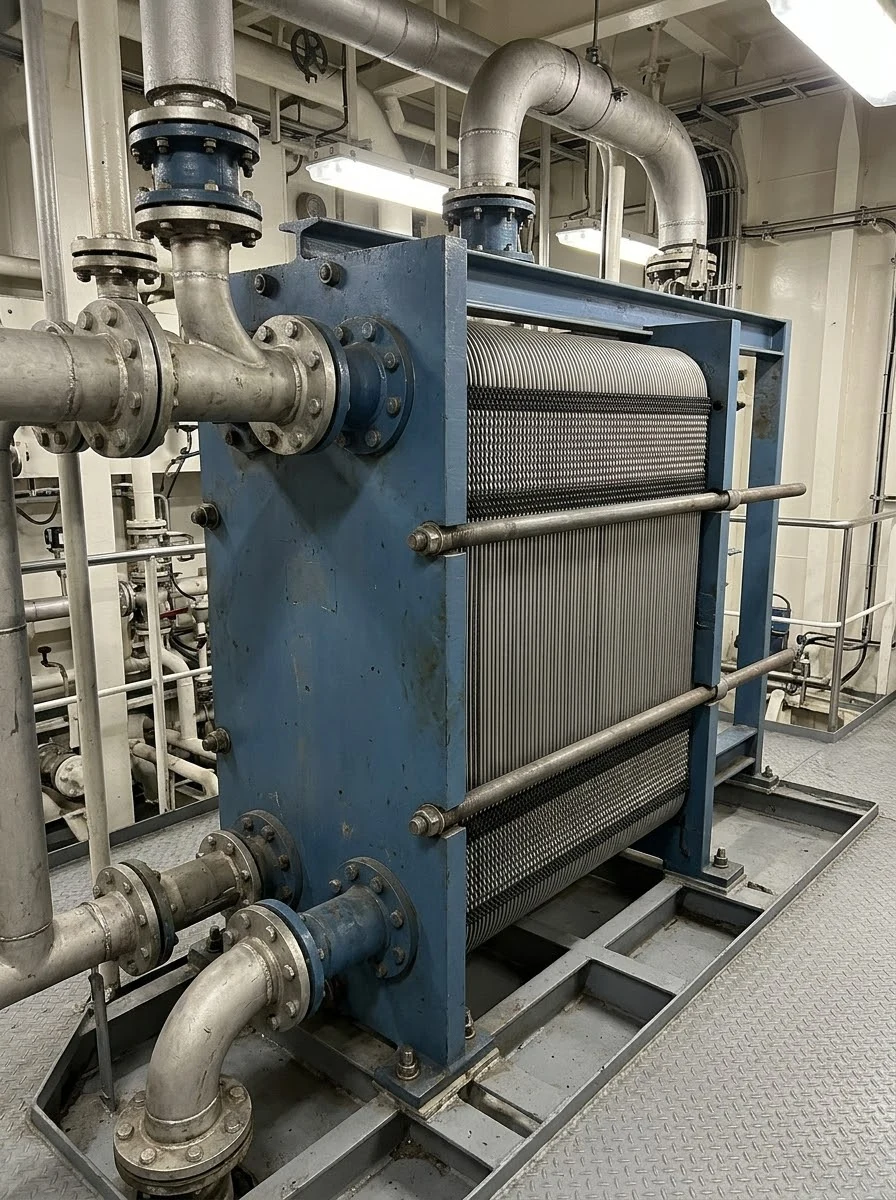
Heat-exchanger covers
Fasten exchanger end covers with matched studs and nuts. Defined end lengths and projection keep the nuts accessible around the cover perimeter during maintenance.
Stud bolt configurations & dimensions
Continuous-thread stud
Use with two nuts on removable flange joints. Full-length thread allows nut positioning across different grip lengths; finished length still needs to accommodate the complete flange and gasket stack.
Threaded rod
Cut multiple lengths from stock for equipment supports and maintenance parts. Deburr and finish each cut end so the nut starts cleanly without damaging the first thread.
Double-end clamping stud
Use on through-bolted covers and housings when the joint requires a plain grip section. Set each threaded end long enough for nut engagement while keeping the thread runout outside the intended plain grip.
Tap-end stud
Use on valve bonnets and machine housings opened repeatedly for maintenance. The insertion end stays in the body while the exposed nut is removed, reducing repeated wear of the housing thread.
Dimension guide
Loading 3D model…
Drag to rotate · Scroll to zoom
Product and thread standards
Raw Material Specifications
Other Materials & Specifications
Finished-Stud Specifications
Other Materials & Specifications
Threads · Metric
Threads · Inch
Dimension Reference
Stud bolt production & heat treatment
Bar Cutting & End Preparation
Bar is cut to finished stud length allowing for end chamfers and thread starts, then ends are squared and chamfered so nuts start cleanly without cross-threading. Material identity is retained to the bar heat through cutting and threading, because condition and certification travel with the stud, not with the finished length alone.
Threading Both Ends
Threads are formed on both ends to the specified form and class, with thread runout controlled so the central portion, where present, is not notched at either transition. Usable thread length at each end is set by nut height, washer thickness, and tensioning allowance, so full nut engagement remains available without running out of thread at installed position.
Heat Treatment & Condition Control
Heat treatment is applied as the controlled cycle specified for the alloy and condition, recorded against the bar heat and verified by the agreed mechanical testing. This step is condition-critical for precipitation-hardening and high-strength alloys, where an unstated or generic cycle can leave a stud under-strength or susceptible to cracking in service.
Straightness & Thread Inspection
Final inspection verifies straightness, overall length, thread gauging at both ends, and end-chamfer condition, so the stud tensions evenly without bending or side-loading the nuts. A bowed stud or a damaged thread start concentrates load on one side of the joint and defeats the controlled tensioning that stud bolting is specified to provide.
Testing, MTC 3.1 & material traceability
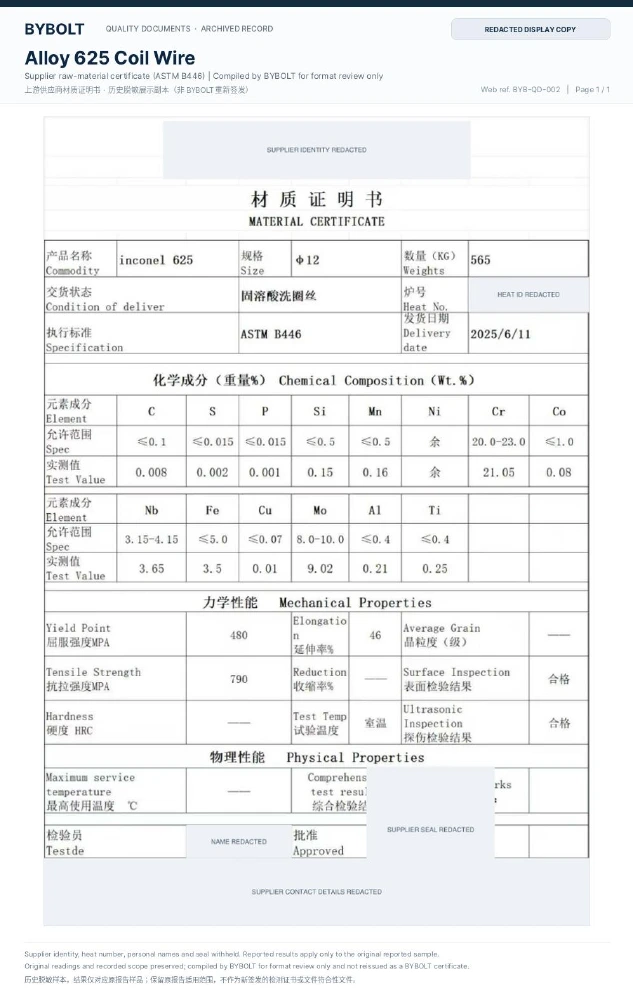
Material certificate
Inconel 625 · historical coil-wire sample

Laboratory report
Inconel 718 · chemistry, tensile & hardness

Identified packing
Heat and batch records linked to the shipment
Additional inspection requirements +
PMI, third-party inspection and witness testing are available by order. Project inspection plans can include UT/PT and heat-treatment records.
Flange bolting reference
Find reference stud quantities, diameters and lengths for the flange combinations covered below.
Matching Kit
Flange Stud Bolt Kits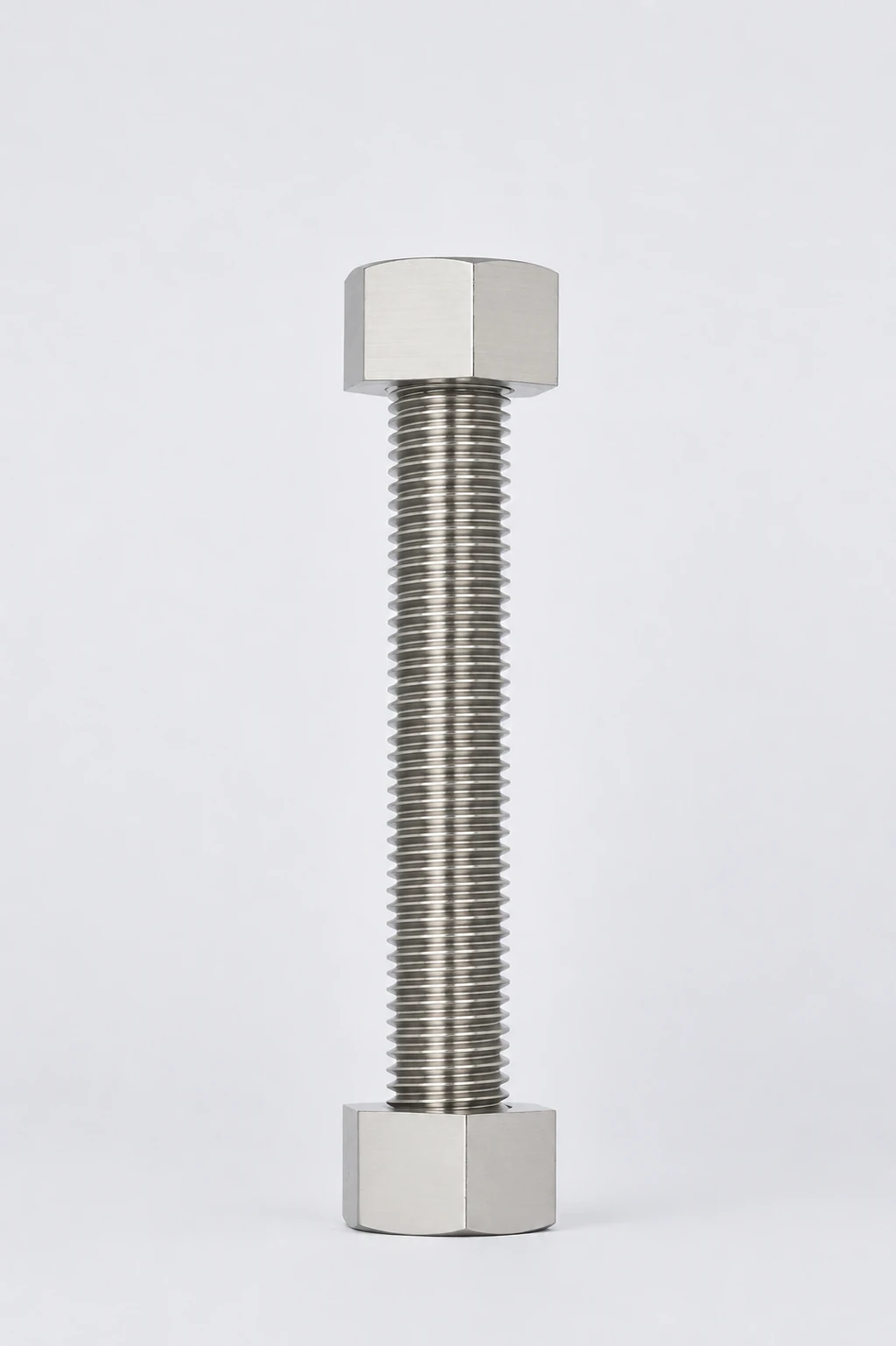
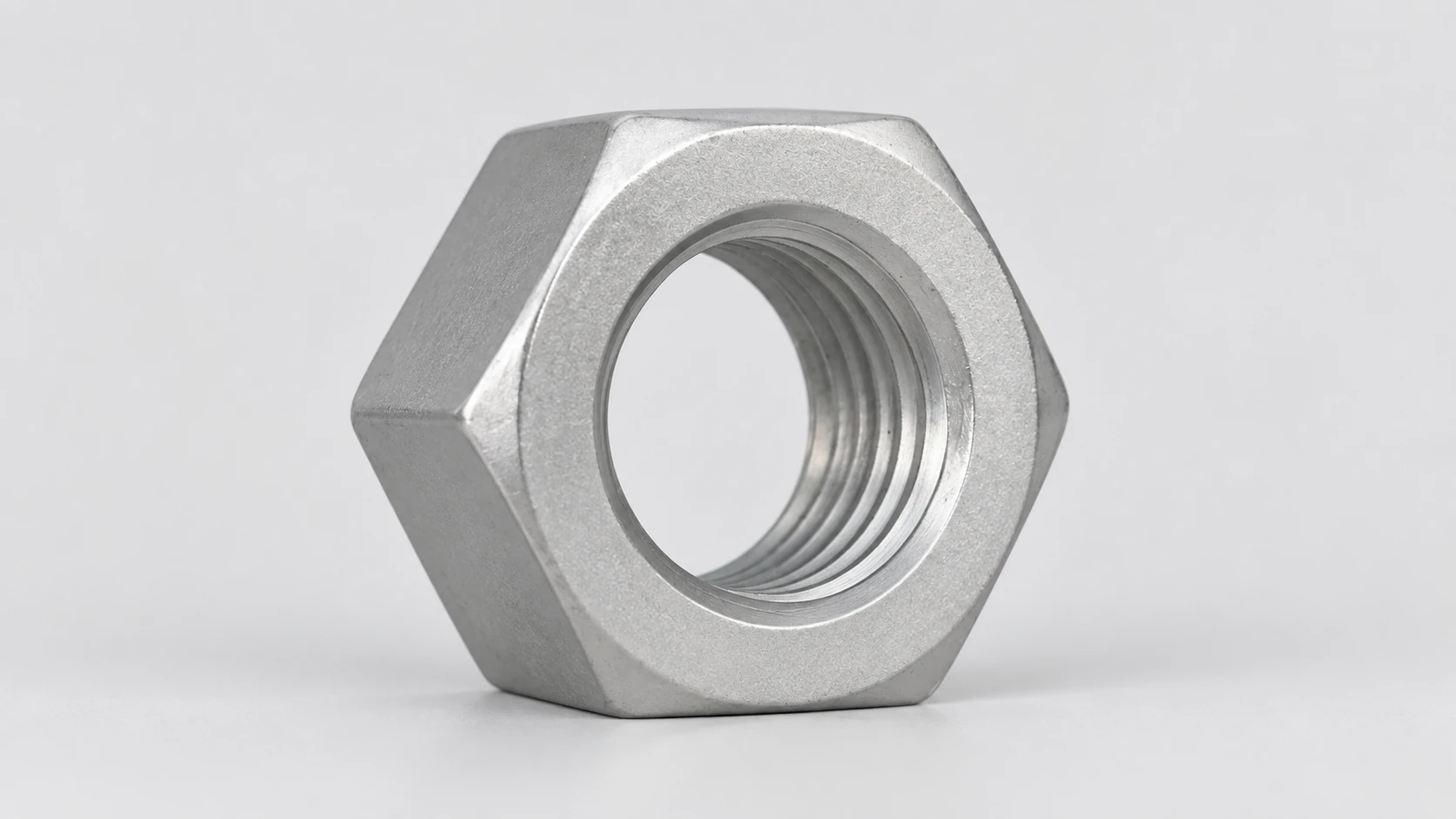
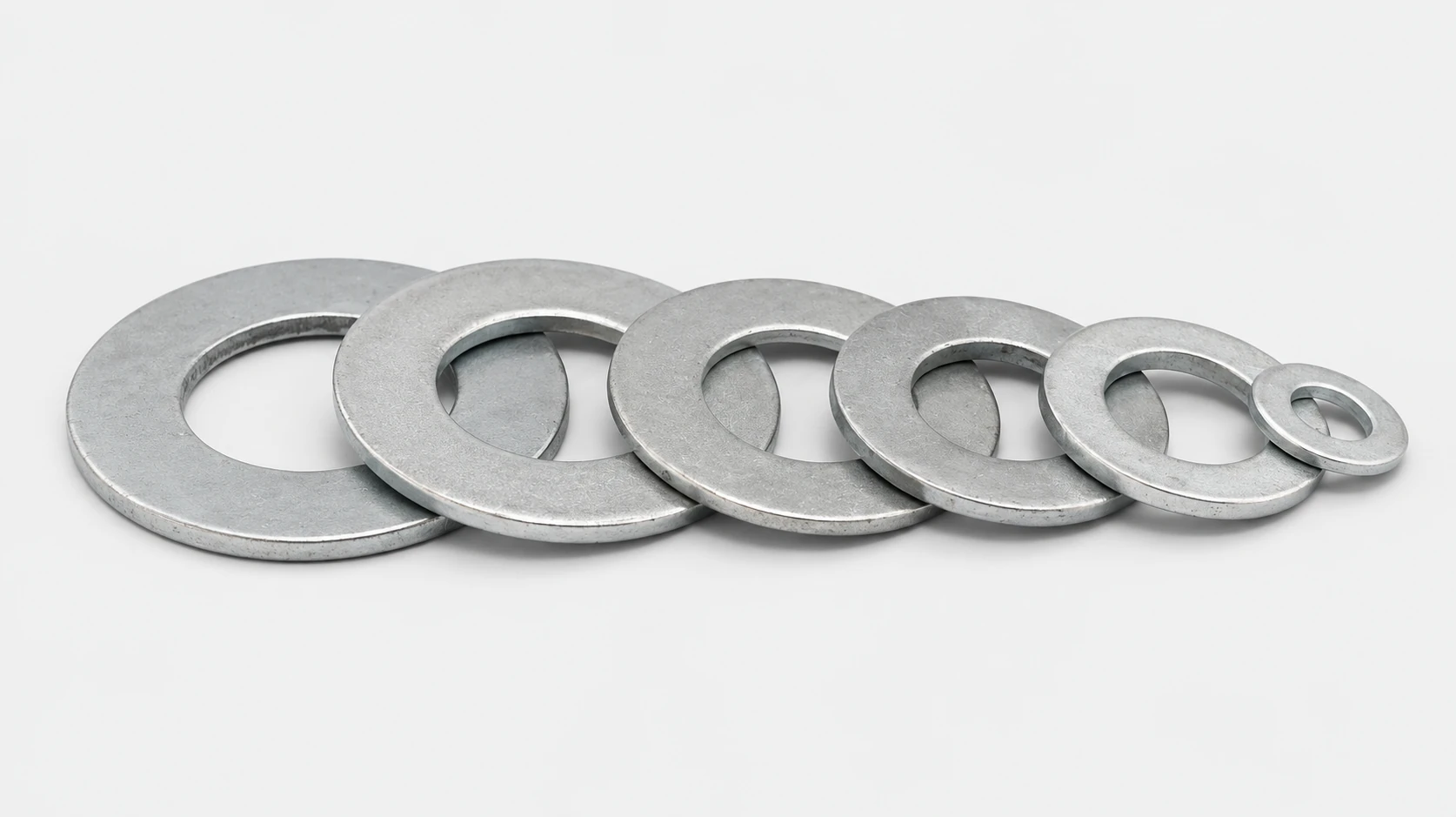
Matching nuts & washers for stud bolts
Prepare your enquiry
- Material
- Grade / UNS
Material condition - Size
- Diameter × length
Stud form - Thread
- Pitch / TPI
Thread form & class - Quantity
- Pieces per size