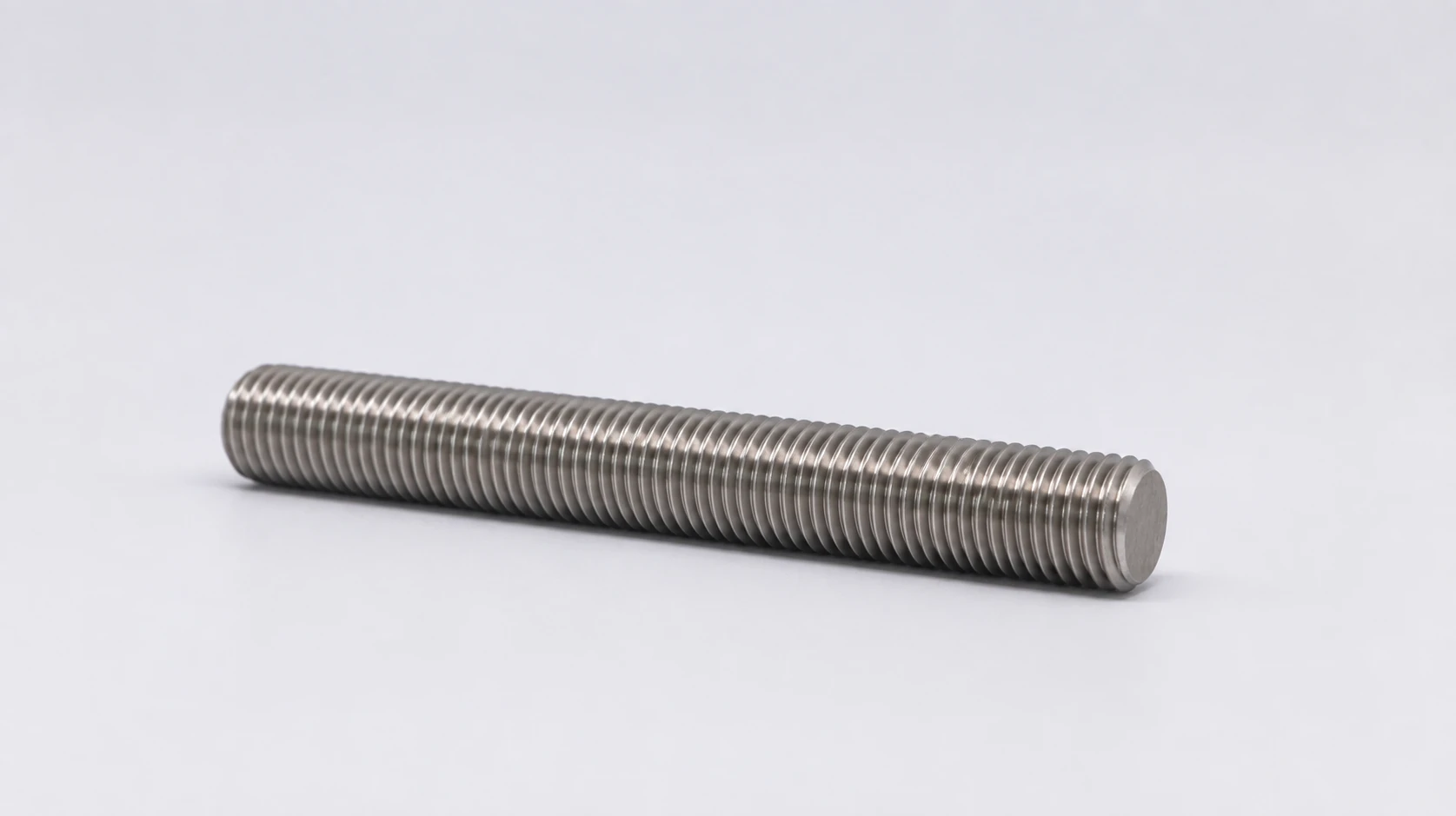
Hastelloy C-22 Stud Bolts
ASME B18.31.2ASTM B574
Hastelloy C-22 stud bolts pair a solid-solution nickel-chromium-molybdenum-tungsten alloy with double-ended closure and anchoring for reactor flanges, pump casings, and acid-bath hardware under aggressive chemical exposure. The alloy resists pitting, crevice attack, and chloride stress-corrosion cracking.
- MOQ
- 100PCS
- Samples · typical
- ~20 days
- Production · typical
- 25–35 days
- Heat treatment
- Solution annealed
EN 10204 3.1 MTC + heat-number traceability
Which standard is on your order?
Raw Material Specifications
Threads · Metric
Threads · Inch
Dimension Reference
Heat Treatment
Solution annealedSolution annealing dissolves detrimental precipitates, followed by rapid cooling to preserve corrosion resistance.
What we can make in Hastelloy C-22
Fully threaded
Two nuts clamp the flange or cover; usable thread length spans the assembled grip.
Double-end
A plain centre spans the grip, with a threaded portion at each end for the nuts.
Tap-end
One end engages a tapped casing; the exposed end accepts the cover nut.
- Threads
- Metric · UNC · UNF · 8UN · UNJ
- Forms
- Continuous thread · Double-end · Tap-end
- Final condition
- Solution annealed
- Inspection
- Thread size and fit; overall and effective thread length; end geometry; lot identification.
Manufacturing route
CNC machining suits samples and special end forms. Repeat lots use cut-to-length stock with rolling or cutting selected for the ordered thread and material condition.
Heat treatment & final condition
The final annealed or specified strengthened condition is linked to the lot; an aging treatment is not assumed for a solid-solution alloy.
Finished geometry
End lengths, runout and effective thread engagement are checked separately from overall length; tap ends are gauged to their own fit requirement.
Where C-22 fits — and what matters
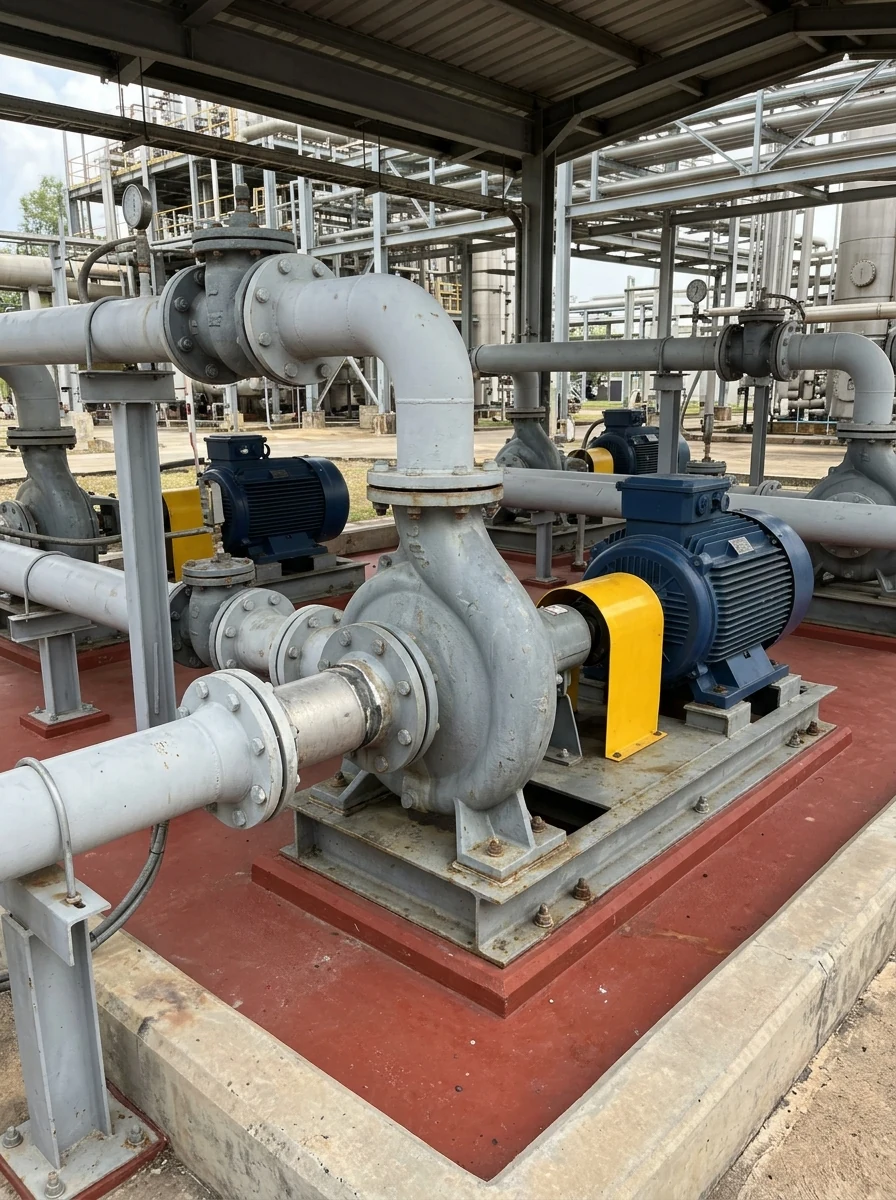
Chemical transfer pump casings
Hastelloy C-22 Stud BoltsChemical pump cover studs can remain in the casing while the cover and nuts are removed for seal or impeller access. C-22 provides resistance to aggressive mixed liquids at the exposed stud surfaces. The combination is useful where process changes or cleaning cycles alter the chemical exposure around the same pump joint.
Connection requirements
- Casing joint thickness, gasket type, and required preload
- Stud diameter, overall length, and nut engagement at each end
- Exposure chemistry, cycling duty, and heat-number certification
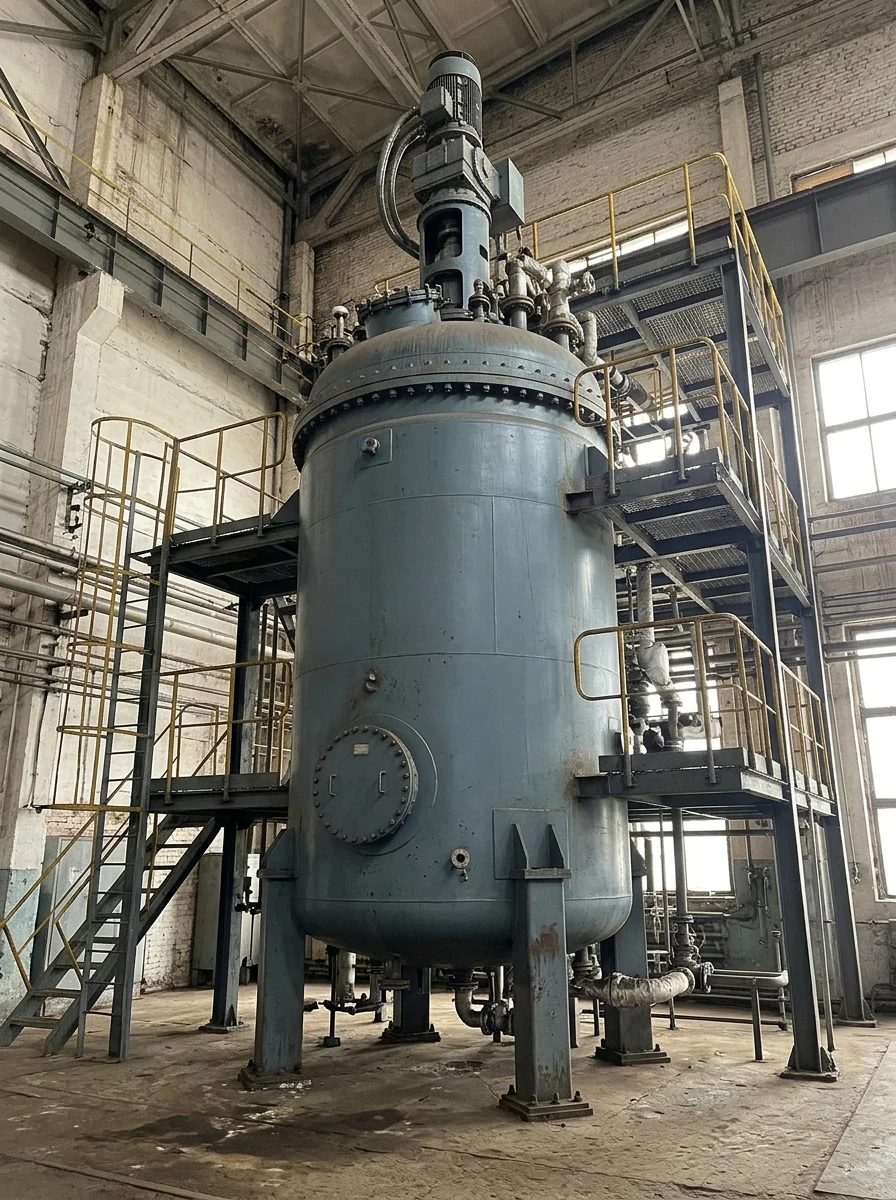
Reactor vessel & manway flanges
Hastelloy C-22 Stud BoltsManway studs guide the cover and carry the clamping load through removable nuts. In C-22, they resist a broad range of aggressive process and cleaning media around the flange. This matters at projecting threads and gasket-edge leak paths that can remain wet between reactor shutdowns.
Connection requirements
- Flange joint thickness, gasket type, and required preload
- Stud diameter, overall length, and nut engagement at each end
- Exposure chemistry, cycling duty, and heat-number certification
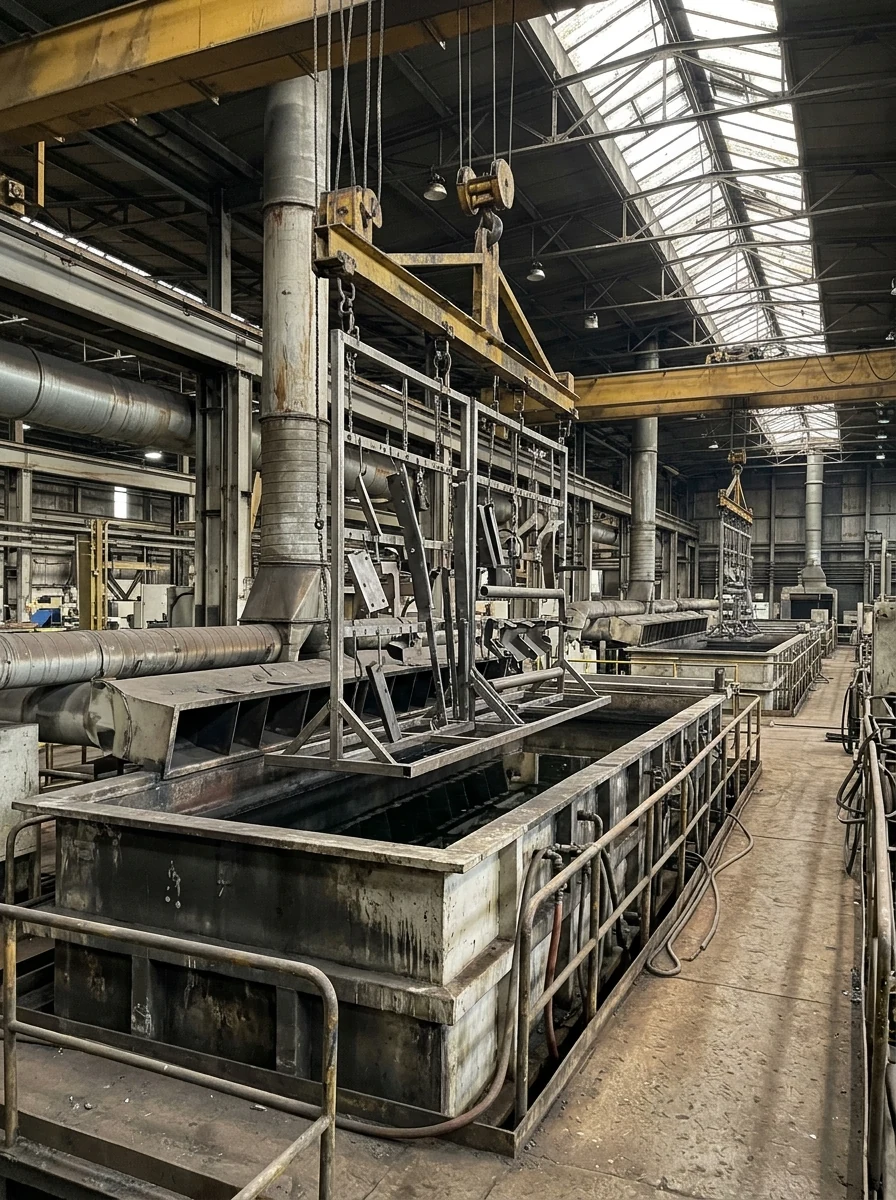
Pickling tank & acid-bath hardware
Hastelloy C-22 Stud BoltsC-22 studs can secure pickling-equipment covers and pipe connections exposed to acid splash and contaminated fumes. They are worth considering when the chemistry includes oxidizing species or varies during use. Fixed studs also simplify positioning of removable covers around tanks and acid-handling auxiliaries.
Connection requirements
- Hardware thickness, load, and required preload
- Stud diameter, overall length, and nut engagement at each end
- Exposure chemistry, cycling duty, and heat-number certification
Same stud. Different material priorities.
Hastelloy C-22 material dataHastelloy C-276 Stud Bolts
Hastelloy C-276 studs suit repeatedly opened reactor, scrubber and acid-exchanger covers exposed to corrosive deposits or process leakage. The alloy protects the loaded stud surfaces in compatible mixed chemical media. Removable nuts provide access while body-mounted studs can remain installed.
Hastelloy B-3 Stud Bolts
Reducing-acid exchanger and reactor covers need studs that tolerate leakage at the projecting threads as well as the exposed shank. Hastelloy B-3 studs address that corrosion duty and offer improved stability over B-2 during fabrication heating. Removable nuts give access to the cover; ferric or cupric contamination remains a material-selection limit for the B family.
Inconel 625 Stud Bolts
Offshore flanges and marine valve bonnets put the stud threads, nut seats and exposed shank in different pockets of chloride exposure. Inconel 625 studs bring pitting and crevice-corrosion resistance to that loaded connection. On tapped-stud bonnets, crews can remove the nuts and cover while leaving the studs installed in the valve body.
From drawing to documented delivery
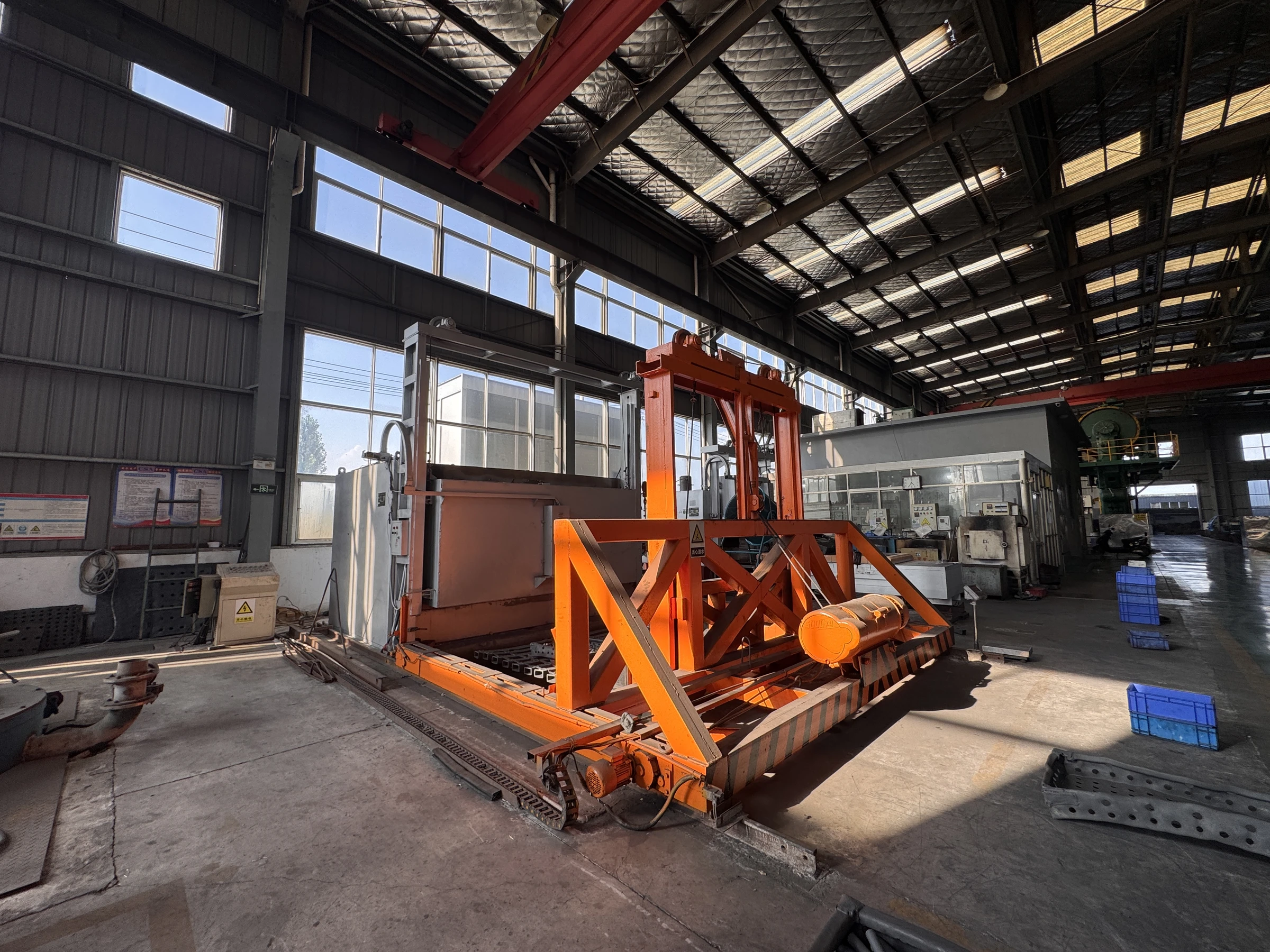
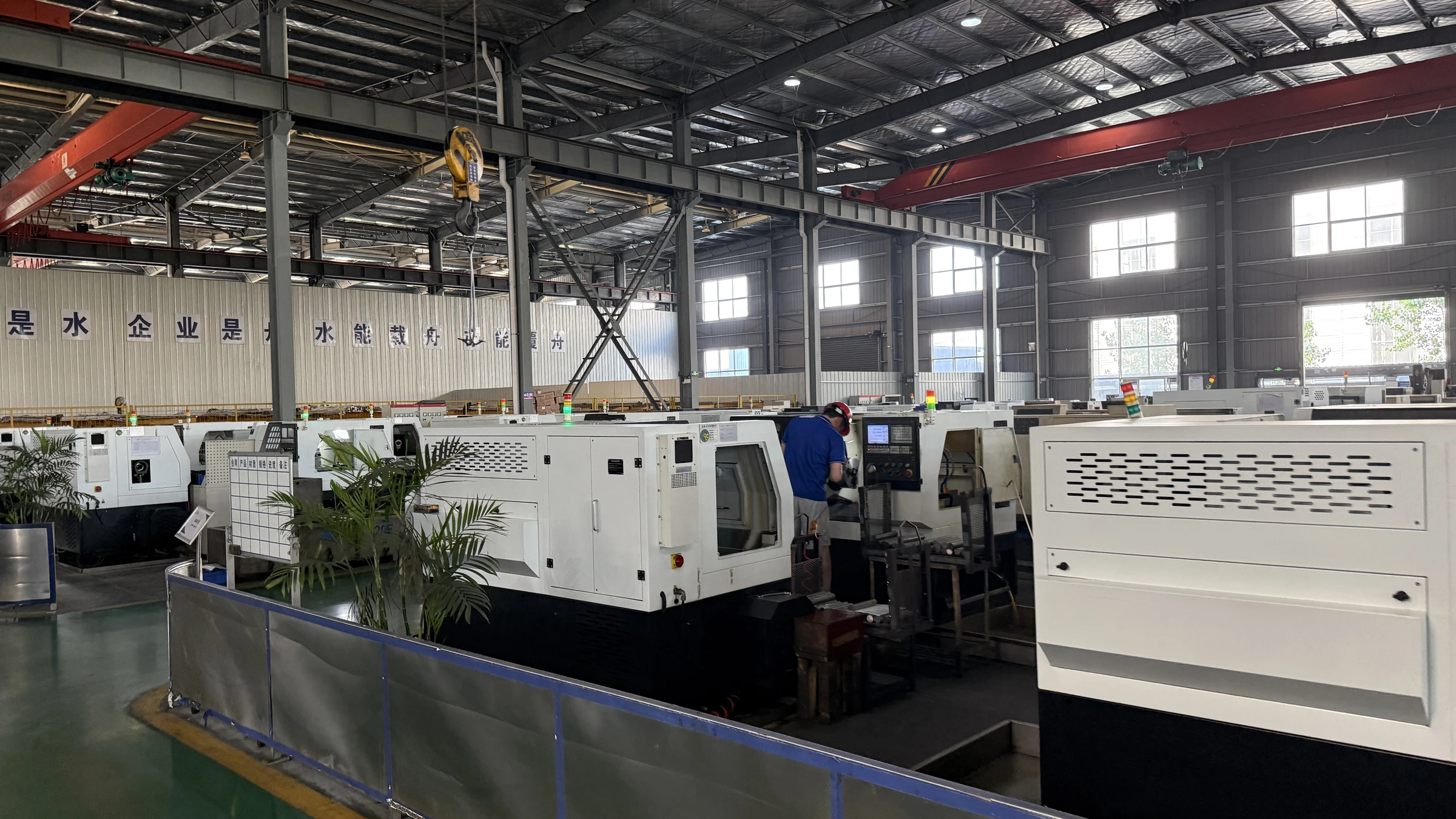
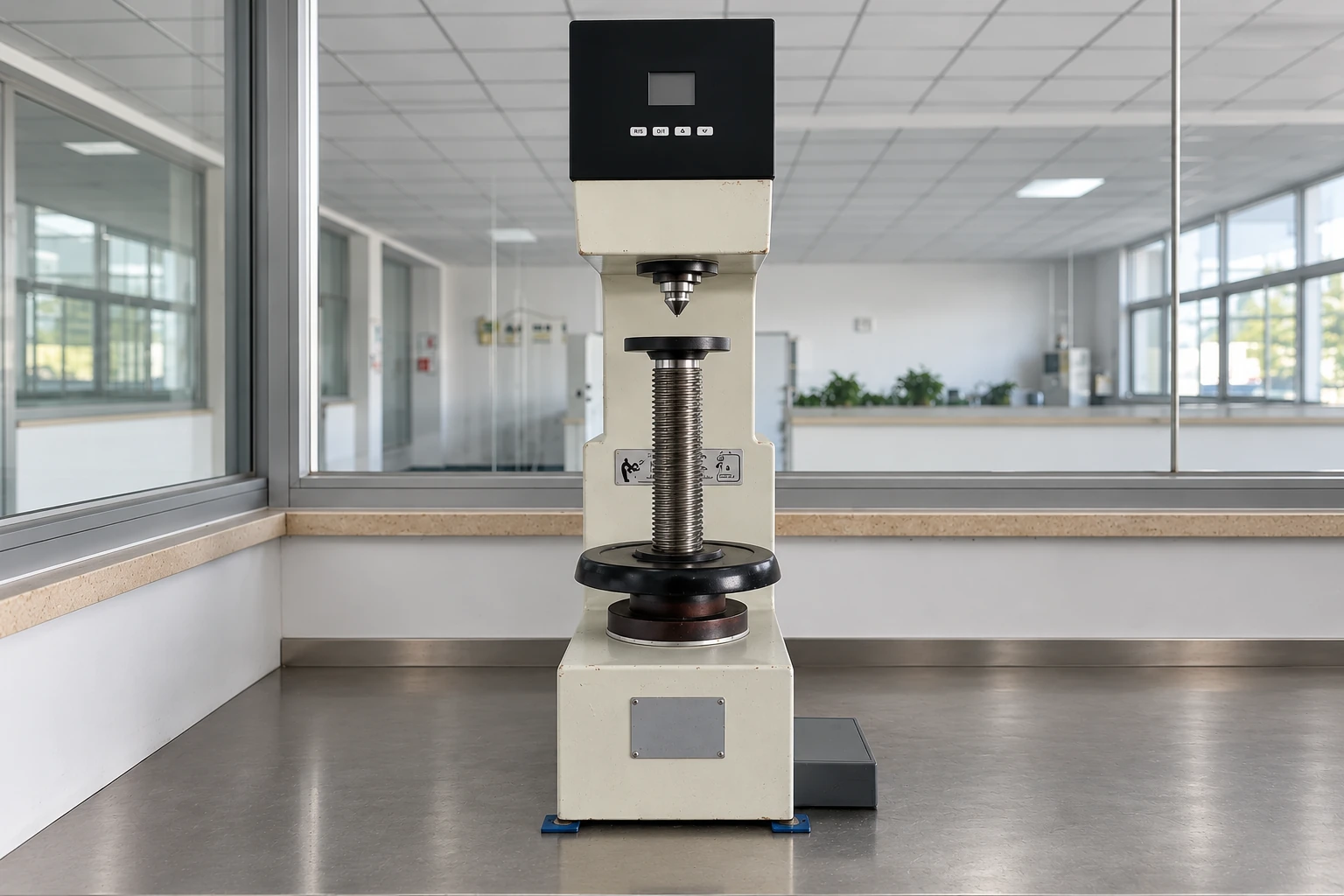
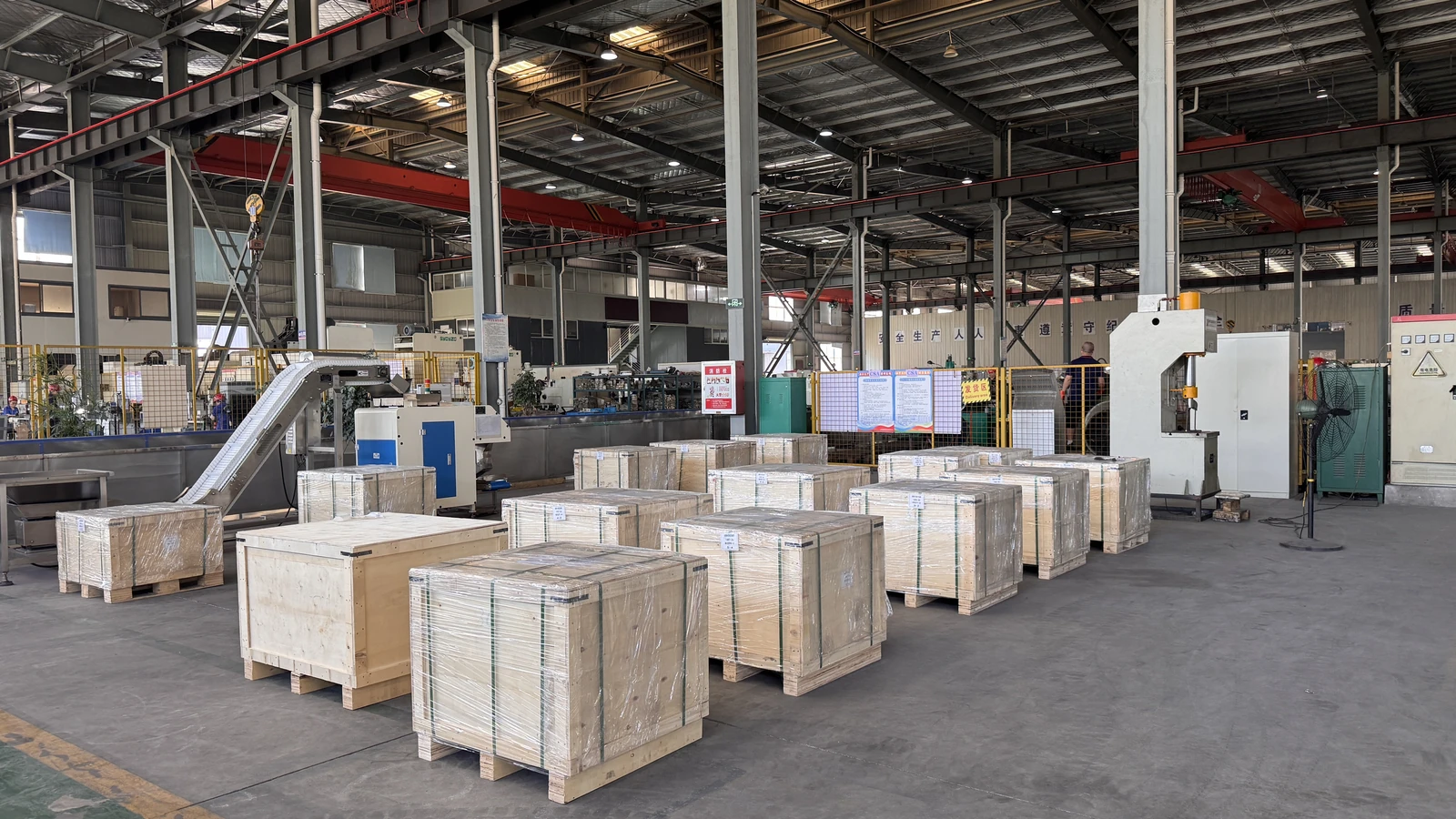
- 01Drawing & BOMForm, dimensions and quantity
- 02Material & formingGrade, heat and manufacturing route
- 03Final inspectionGeometry, threads and ordered tests
- 04Documents & dispatchLot records and identified packing
Order documents
- Material identity
- UNS N06022 · heat number · ordered condition
- Final-part acceptance
- Grade chemistry, supplied condition and ordered mechanical requirements.
- Dimensional record
- Thread size and fit; overall and effective thread length; end geometry; lot identification.
- Traceability
- EN 10204 3.1 material certificate · production lot · identified packing
Matching Kit
Flange Stud Bolt Kits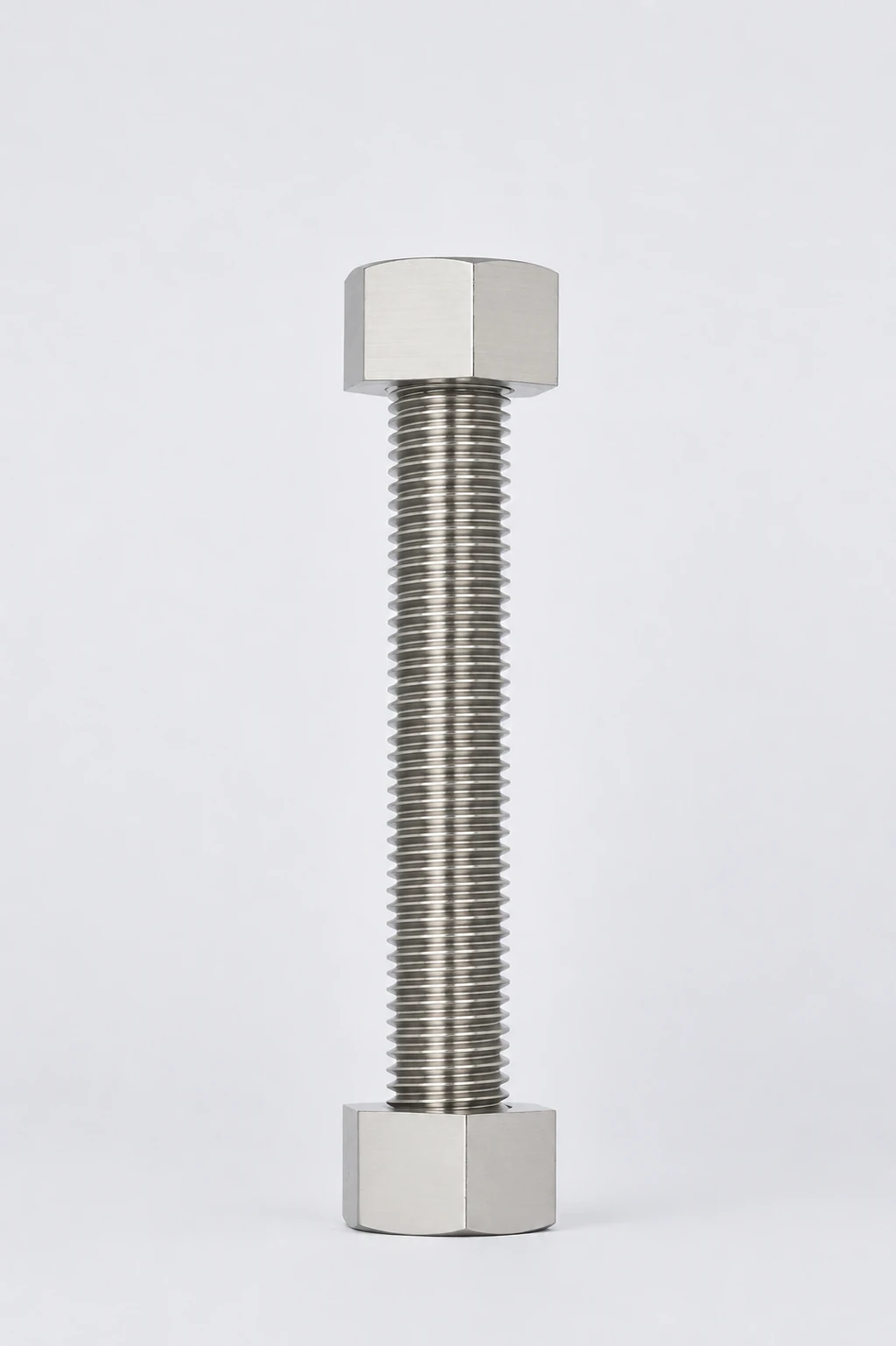
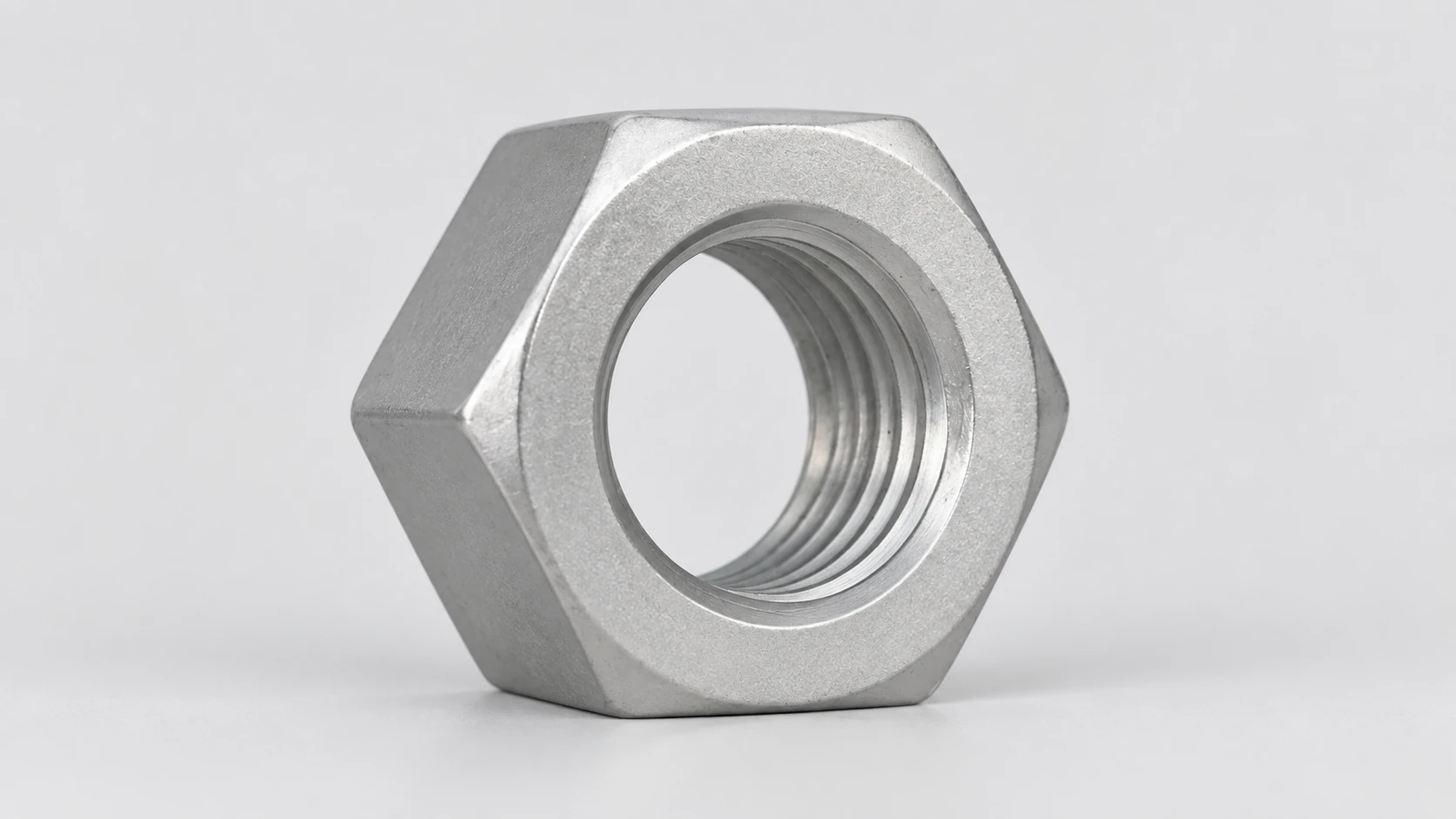
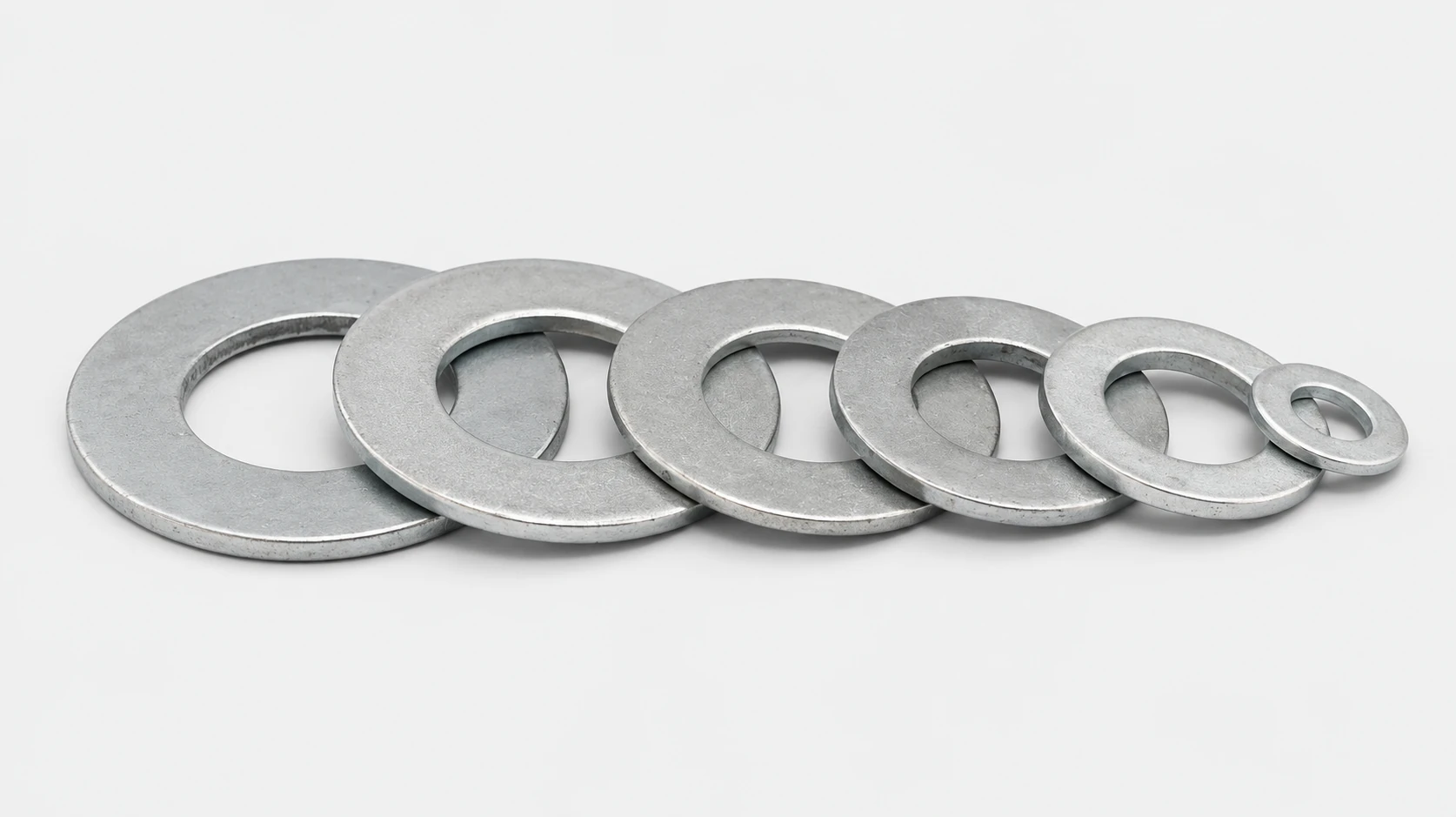
Build your C-22 stud enquiry
Questions about C-22 stud bolts & threaded rods
Does changing the stud alloy also change the nut selection?
The nut needs compatible internal threads, sufficient engaged height and a specified material condition. Select lubricant or surface treatment with the stud–nut pair, because assembly friction affects the preload obtained from tightening.