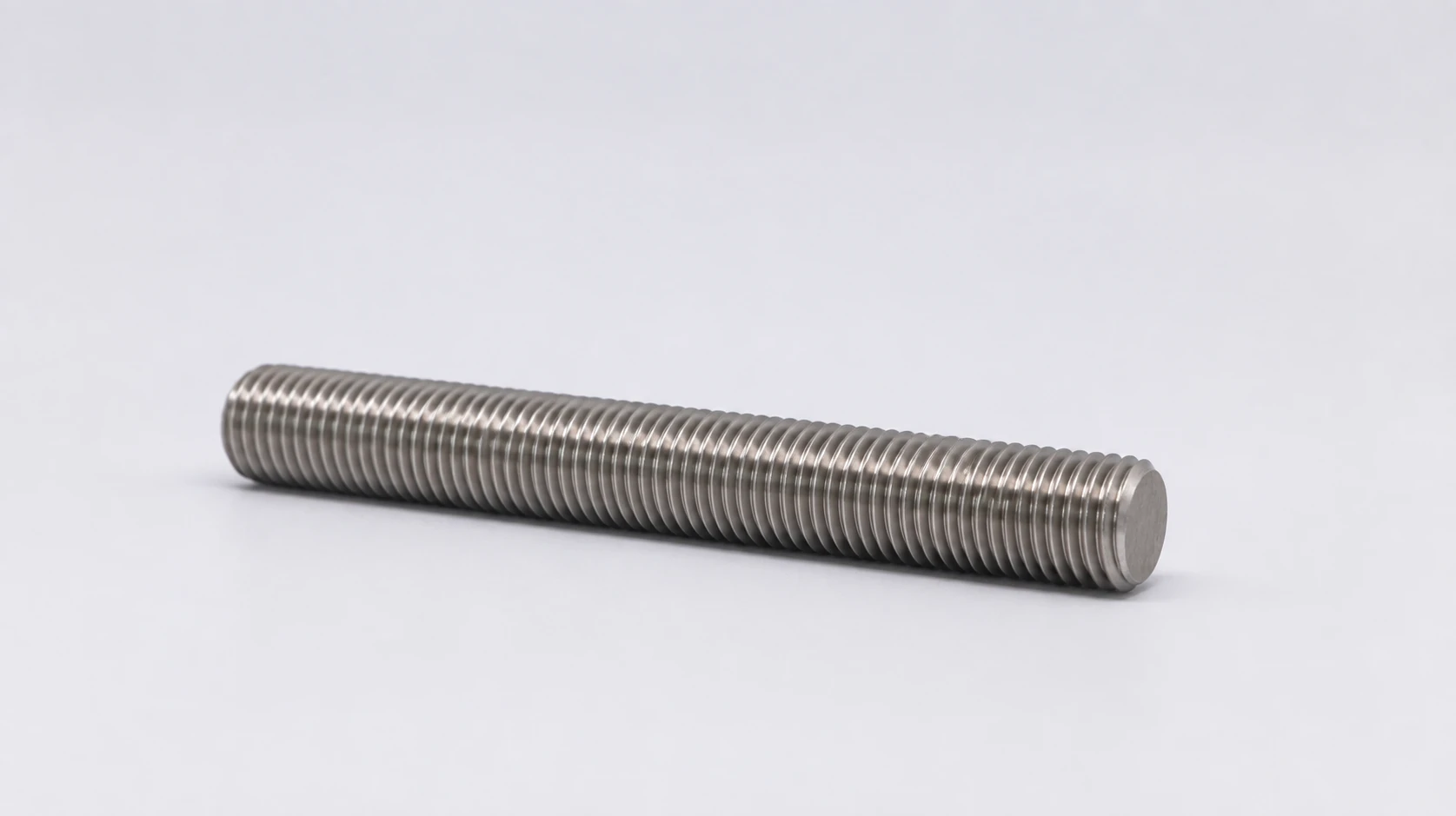
A-286 Stud Bolts
ASME B18.31.2
A-286 stud bolts pair an iron-base precipitation-hardened austenitic alloy with double-ended closure for hot turbine and steam flange joints that need controlled tensioning. The alloy retains strength through sustained heat and cycling.
- MOQ
- 100PCS
- Samples · typical
- ~20 days
- Production · typical
- 25–35 days
- Heat treatment
- Solution treated and aged
EN 10204 3.1 MTC + heat-number traceability
Which standard is on your order?
Raw Material Specifications
Finished-Stud Specifications
Threads · Metric
Threads · Inch
Dimension Reference
Heat Treatment
Solution treated and agedSolution treatment is followed by precipitation aging, with the Grade 660 class defining the required heat-treatment route and final properties.
What we can make in A-286
Fully threaded
Two nuts clamp the flange or cover; usable thread length spans the assembled grip.
Double-end
A plain centre spans the grip, with a threaded portion at each end for the nuts.
Tap-end
One end engages a tapped casing; the exposed end accepts the cover nut.
- Threads
- Metric · UNC · UNF · 8UN · UNJ
- Forms
- Continuous thread · Double-end · Tap-end
- Final condition
- Solution treated and aged
- Inspection
- Thread size and fit; overall and effective thread length; end geometry; lot identification.
Manufacturing route
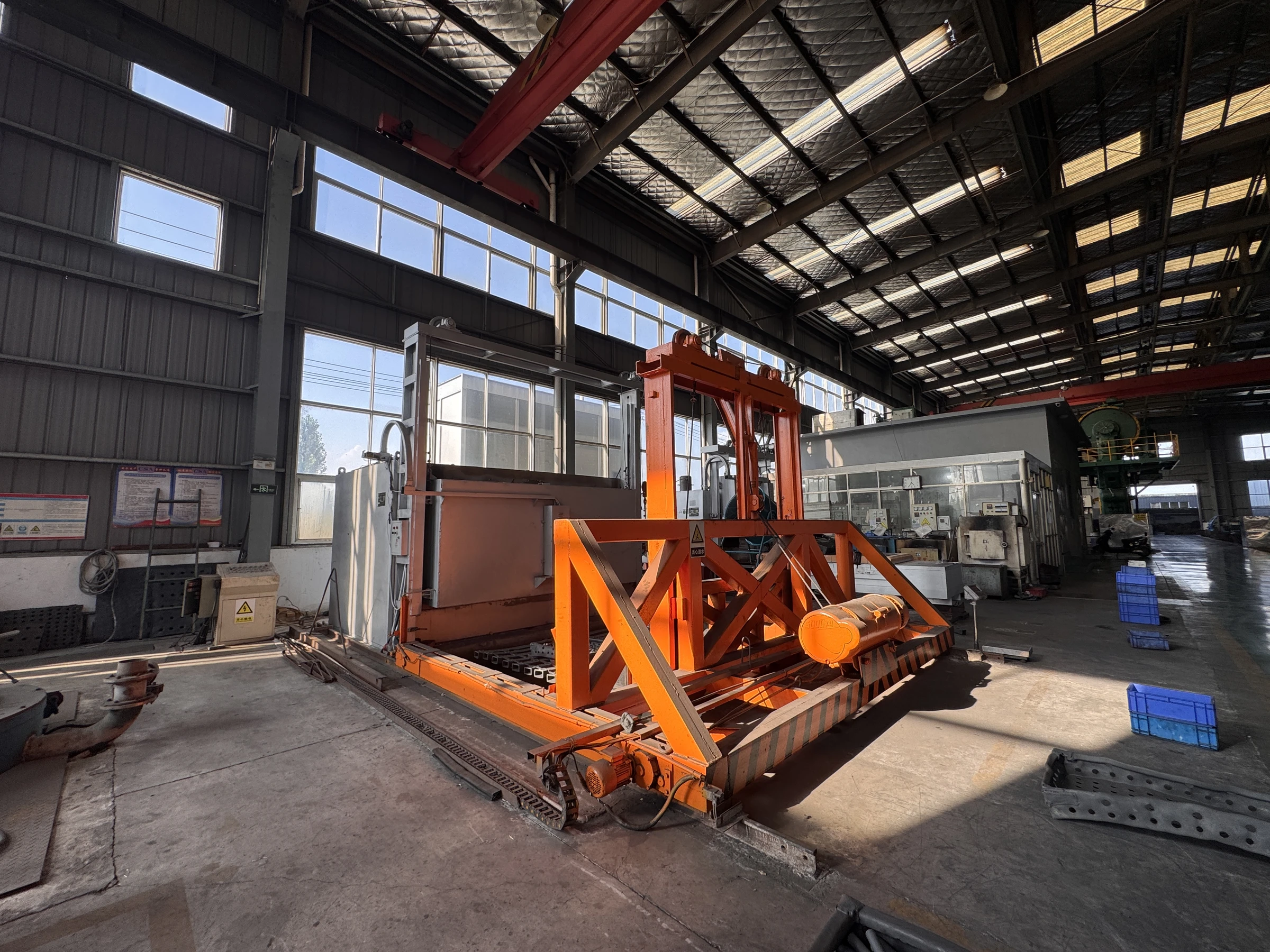
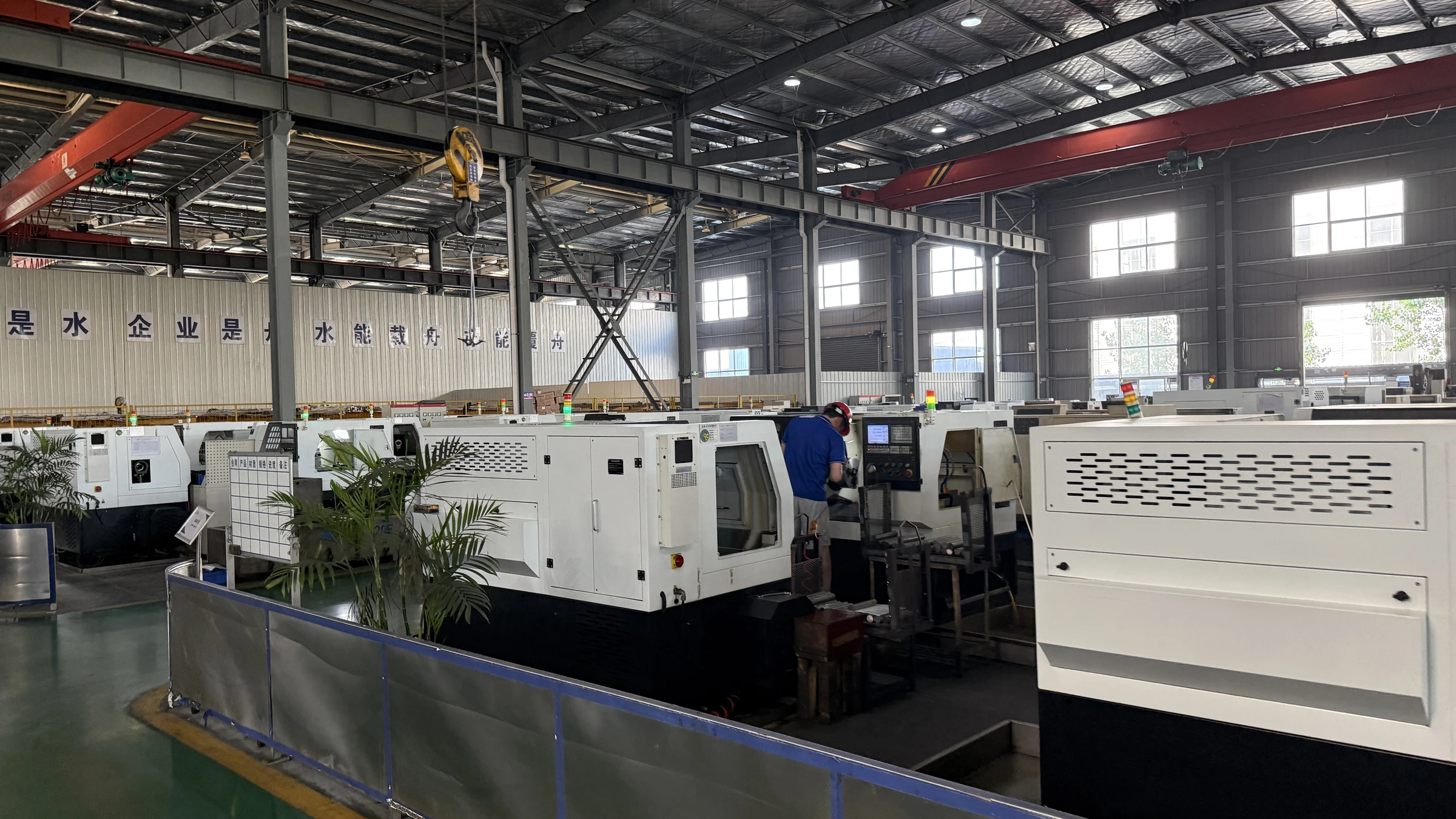
CNC machining suits samples and special end forms. Repeat lots use cut-to-length stock with rolling or cutting selected for the ordered thread and material condition.
Heat treatment & final condition
Solution treatment and the specified aging condition are recorded against the production lot; final dimensions are checked after thermal processing.
Finished geometry
End lengths, runout and effective thread engagement are checked separately from overall length; tap ends are gauged to their own fit requirement.
Where A-286 fits — and what matters
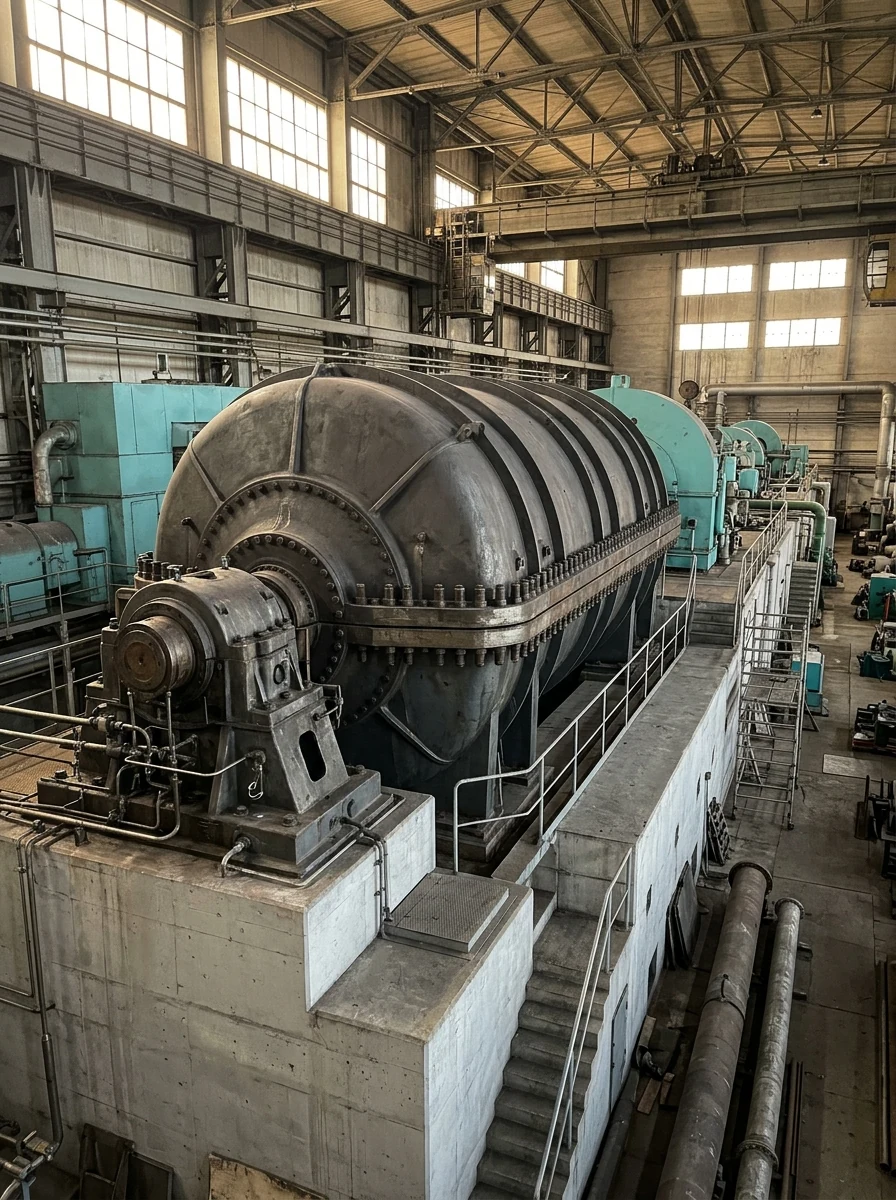
Gas & steam turbine casing joints
A-286 Stud BoltsA-286 studs let turbine casing nuts be removed while the studs remain in their locating positions. Their precipitation-hardened material offers elevated-temperature strength for the casing load. This combination is useful on repeatedly opened hot joints, where both the fastening arrangement and the material condition matter to maintenance.
Connection requirements
- Casing flange thickness, gasket type, and required preload
- Stud diameter, overall length, and nut engagement at each end
- Temperature range, cycling duty, and precipitation-hardened condition certification
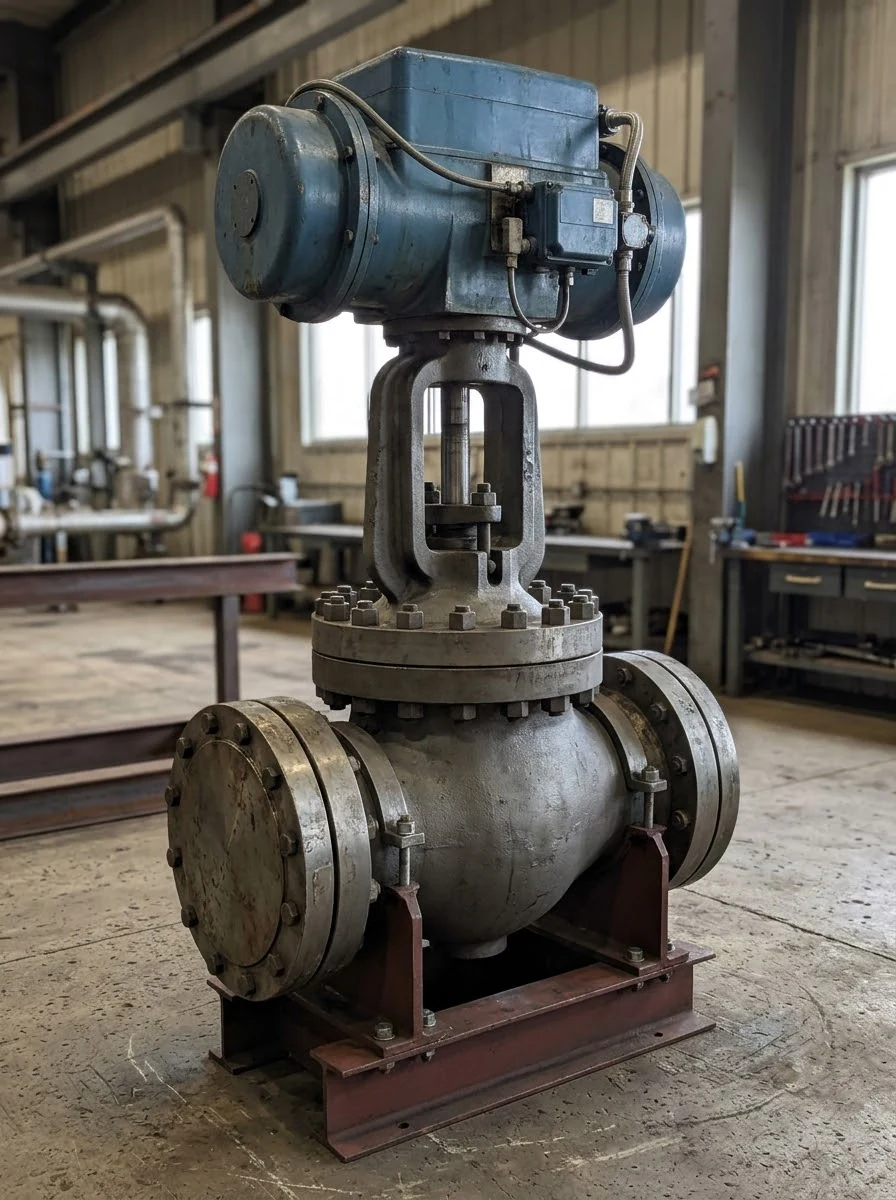
High-pressure steam valve bonnets
A-286 Stud BoltsSteam-valve bonnet studs guide the bonnet and clamp it through accessible nuts. A-286 supplies a hot-strength bolting option for this pressure-cover connection. Keeping the studs installed can reduce repeated handling of tapped body holes during packing, stem and internal valve maintenance.
Connection requirements
- Bonnet joint thickness, gasket type, and required preload
- Stud diameter, overall length, and tensioning clearance at each end
- Temperature range, cycling duty, and precipitation-hardened condition certification
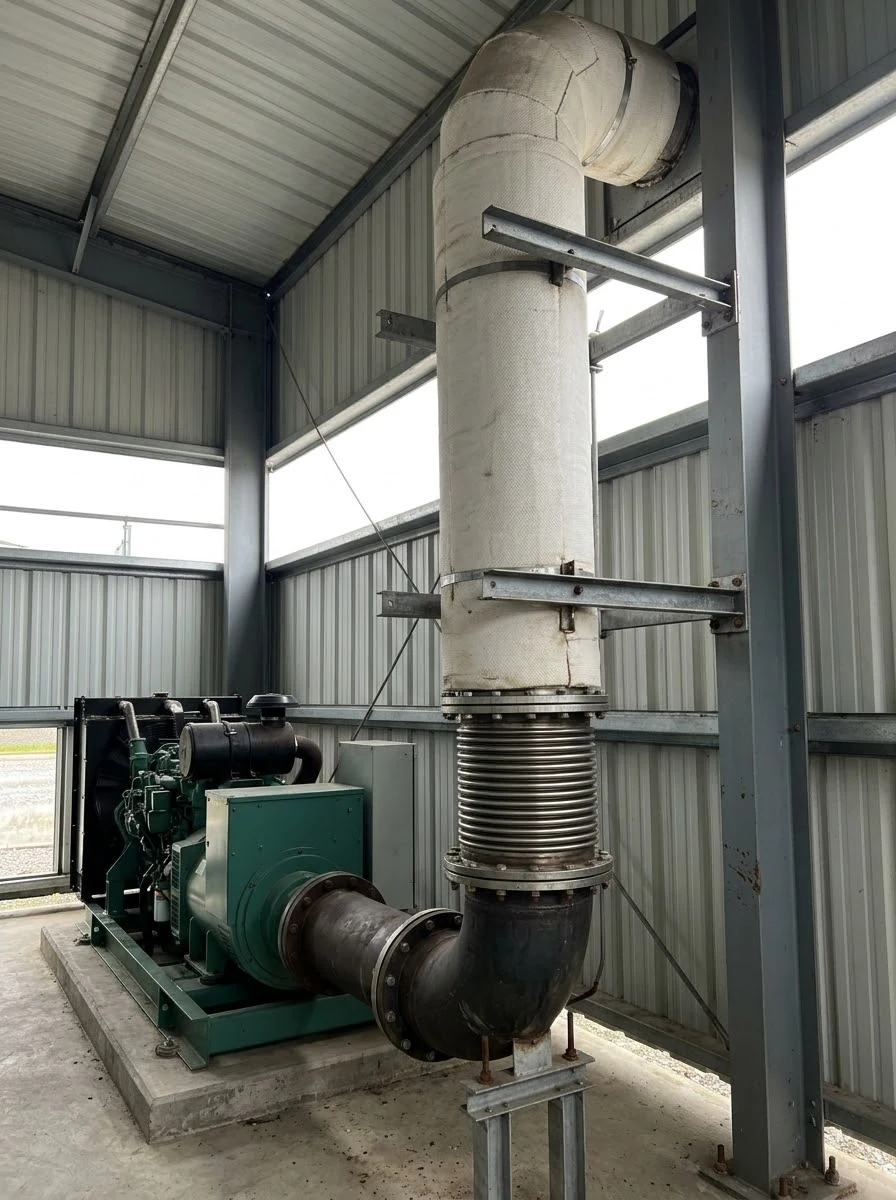
Exhaust manifolds & expansion bellows
A-286 Stud BoltsA-286 studs suit exhaust manifolds that are removed from the accessible nut side during servicing. Their hot strength supports the flange load while the studs remain in the mounting body. Order enough projection for the manifold, gasket and full specified nut engagement.
Connection requirements
- Manifold flange thickness, gasket type, and required preload
- Stud diameter, overall length, and nut engagement at each end
- Temperature range, vibration duty, and precipitation-hardened condition certification
Same stud. Different material priorities.
A-286 material dataInconel 718 Stud Bolts
Inconel 718 studs carry high tensile loads in turbine casings and hot valve bonnets where the hole pattern limits fastener size. Precipitation hardening supplies strength, and removable nuts provide service access. Sour-gas connections additionally require the prescribed heat-treatment and hardness condition.
Nimonic 80A Stud Bolts
Nimonic 80A studs carry hot tensile loads at selected valve bonnets, boiler supports and exchanger covers. Precipitation hardening supplies nickel-alloy strength at temperature. Accessible end nuts provide cover removal or support adjustment without requiring the stud itself to turn with every maintenance operation.
Inconel 601 Stud Bolts
Inconel 601 studs provide fixed, oxidation-resistant mounting points for furnace covers, lining retainers and hot-side supports. Nuts can be removed while the stud stays installed. Projection and stand-off length help place the accessible nut away from the hot attachment point.
From drawing to documented delivery
- 01Drawing & BOMForm, dimensions and quantity
- 02Material & formingGrade, heat and manufacturing route
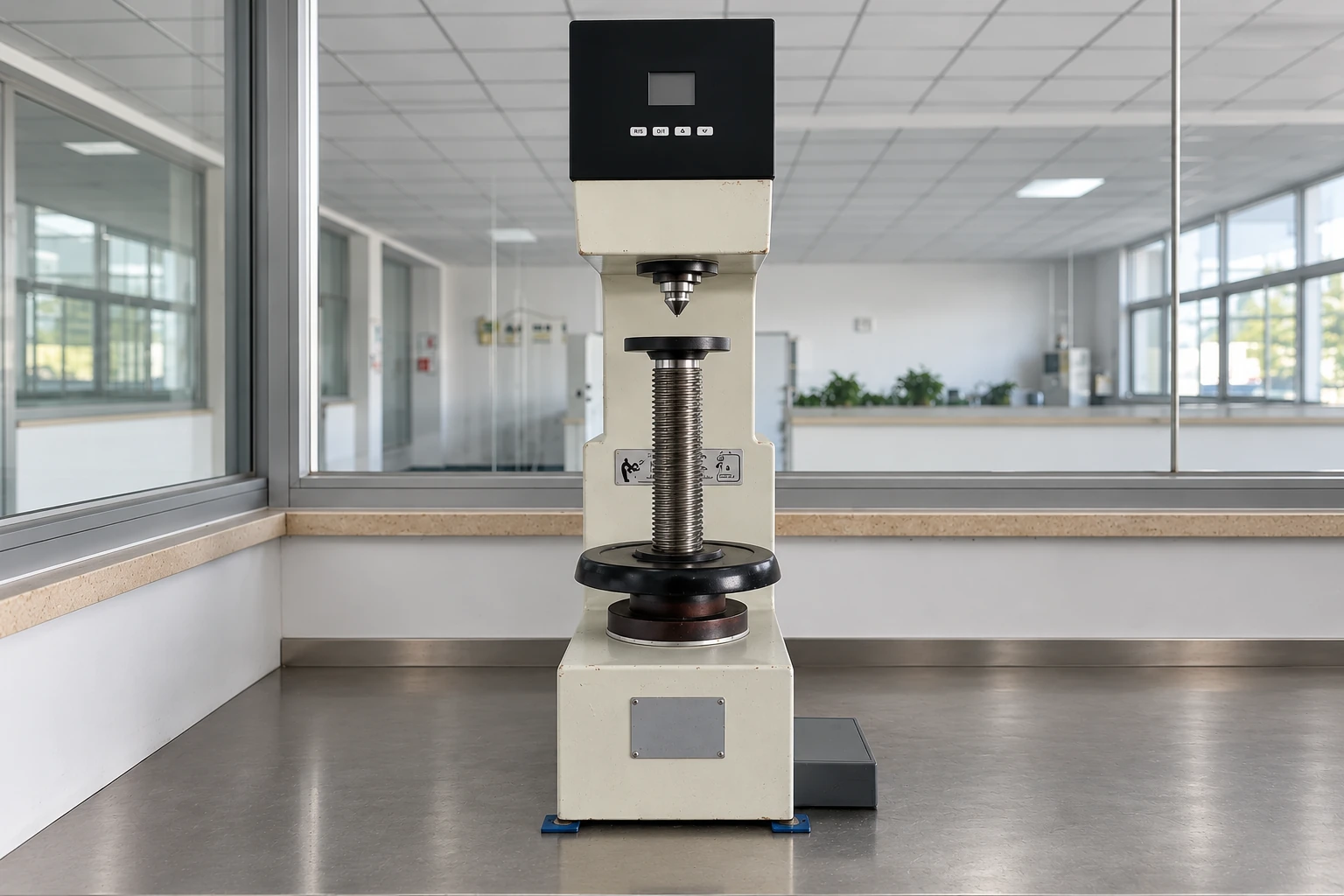
- 03Final inspectionGeometry, threads and ordered tests
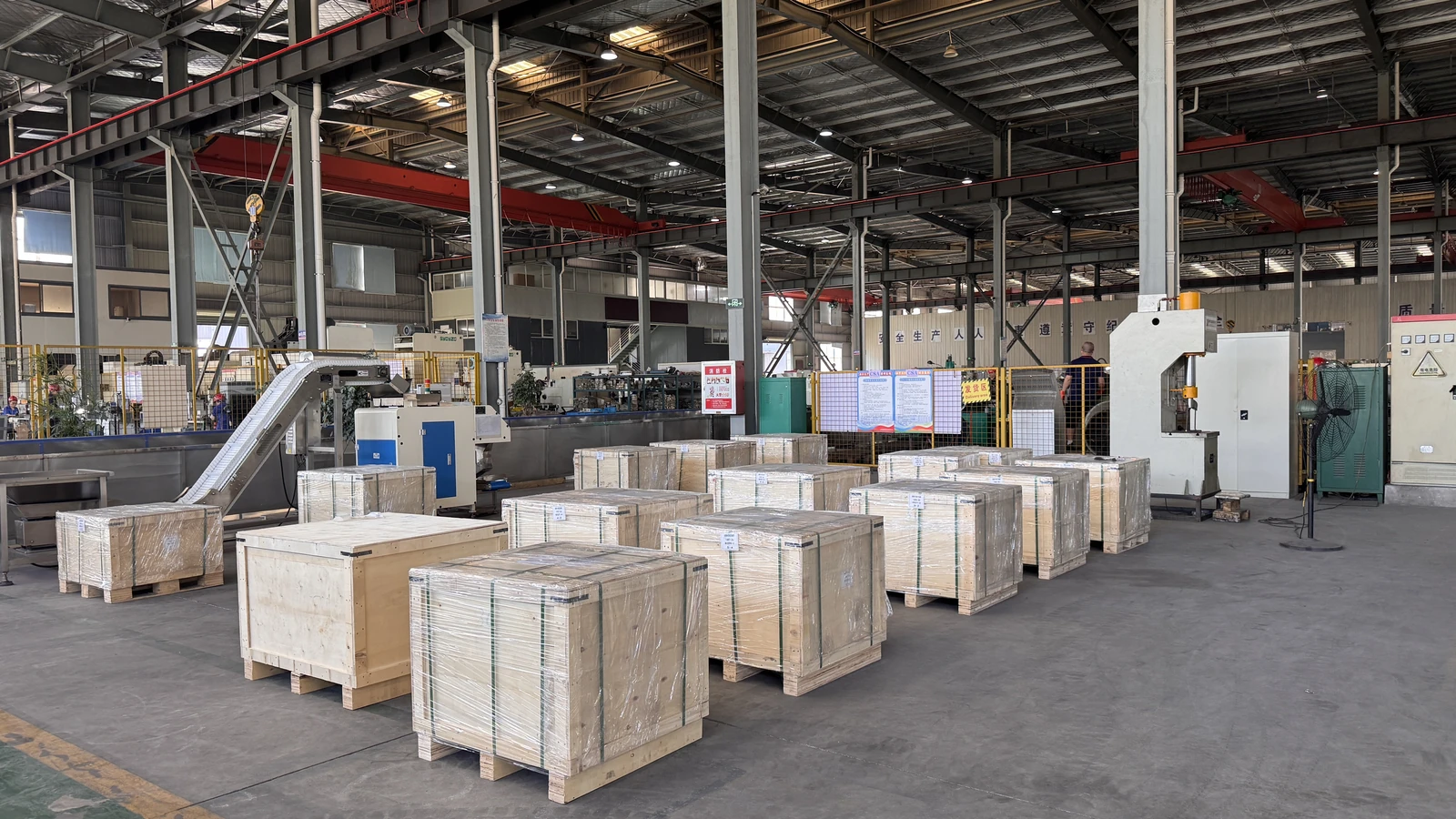
- 04Documents & dispatchLot records and identified packing
Order documents
- Material identity
- UNS S66286 · heat number · ordered condition
- Final-part acceptance
- Lot-linked aging record and mechanical acceptance in the final condition.
- Dimensional record
- Thread size and fit; overall and effective thread length; end geometry; lot identification.
- Traceability
- EN 10204 3.1 material certificate · production lot · identified packing
Matching Kit
Flange Stud Bolt Kits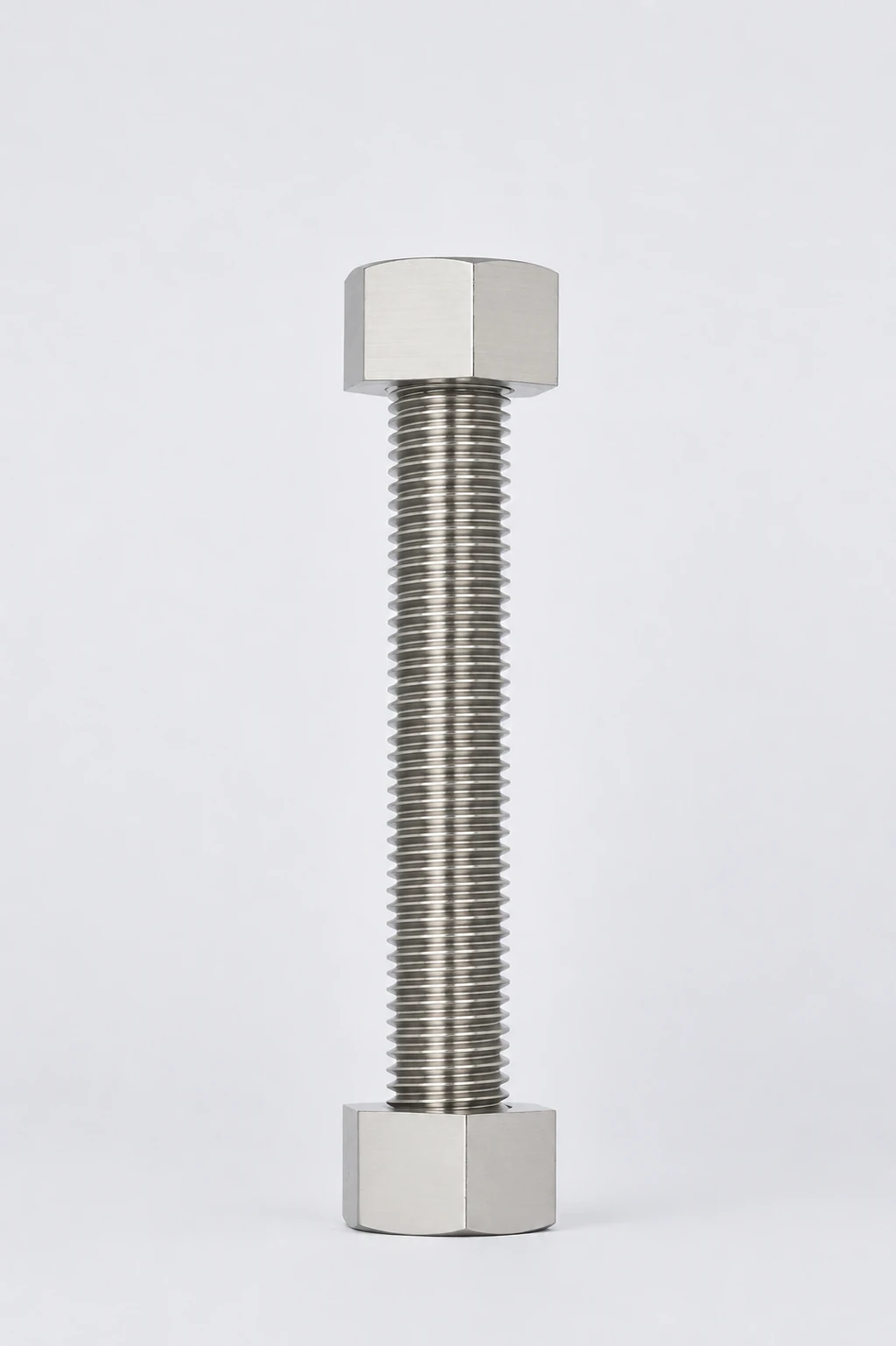
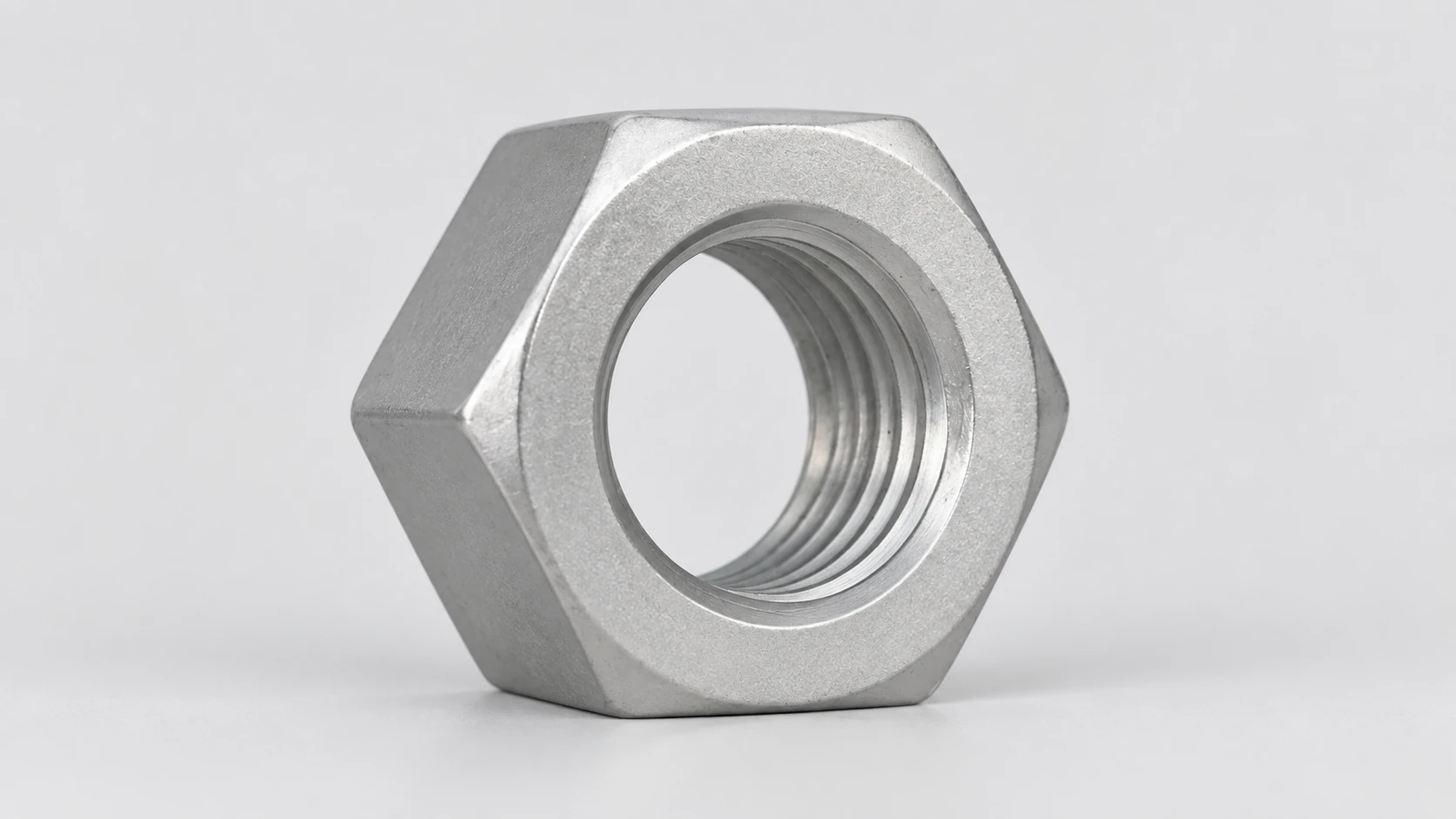
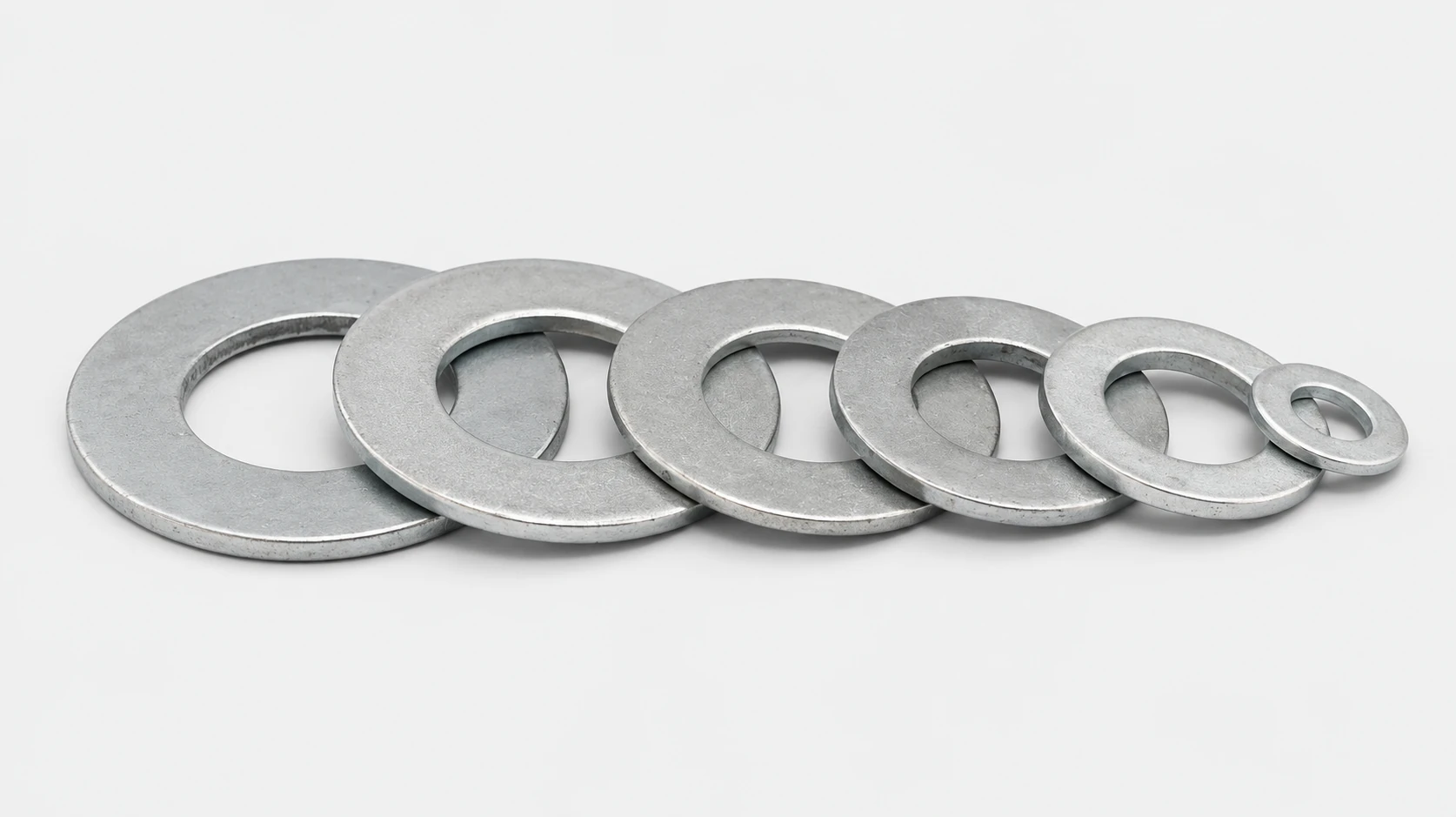
Build your A-286 stud enquiry
Questions about A-286 stud bolts & threaded rods
Does changing the stud alloy also change the nut selection?
The nut needs compatible internal threads, sufficient engaged height and a specified material condition. Select lubricant or surface treatment with the stud–nut pair, because assembly friction affects the preload obtained from tightening.