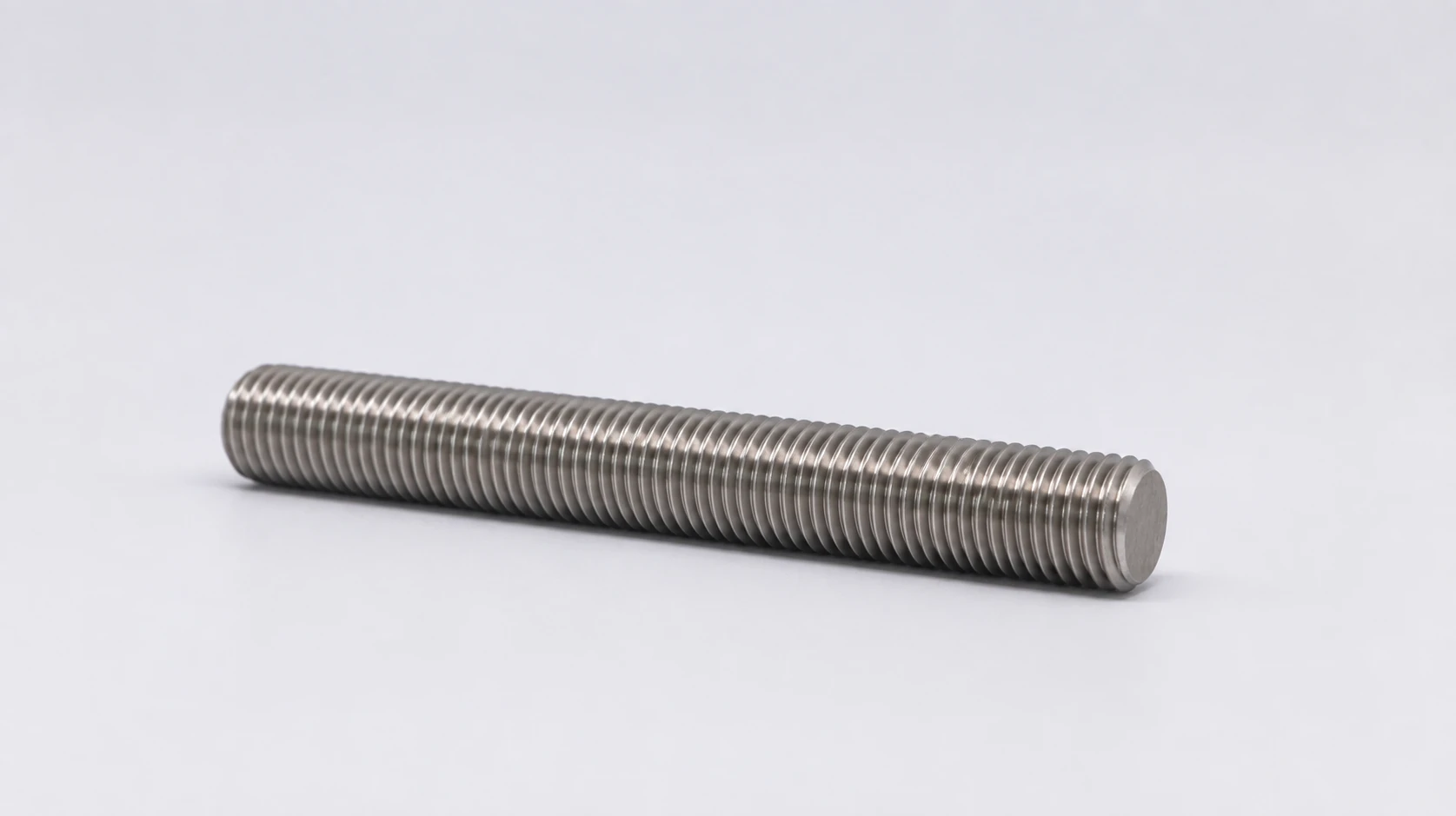
Hastelloy C-276 Stud Bolts
ASME B18.31.2 · DIN 976-1ASTM B574 — rod / bar
Hastelloy C-276 stud bolts pair a solid-solution nickel-molybdenum-chromium alloy with double-ended closure for acid and chloride flange joints that need controlled tensioning. The alloy resists pitting, crevice attack, and chloride stress-corrosion cracking.
- MOQ
- 100PCS
- Samples · typical
- ~20 days
- Production · typical
- 25–35 days
- Heat treatment
- Solution annealed
EN 10204 3.1 MTC + heat-number traceability
Hastelloy C-276 in this connection
A nickel-chromium-molybdenum-tungsten alloy for severe process corrosion, including reducing acids and wet-chlorine environments.
- Connection
- Reactor vessel & manway flanges
- Critical dimensions
- Overall length · end-thread lengths · nut engagement
Which standard is on your order?
Raw Material Specifications
Finished-Stud Specifications
Threads · Metric
Threads · Inch
Dimension Reference
Heat Treatment
Solution annealedSolution annealing dissolves detrimental precipitates, followed by rapid cooling to preserve corrosion resistance.
What we can make in Hastelloy C-276
Forms & dimension guideFully threaded
Two nuts clamp the flange or cover; usable thread length spans the assembled grip.
Double-end
A plain centre spans the grip, with a threaded portion at each end for the nuts.
Tap-end
One end engages a tapped casing; the exposed end accepts the cover nut.
- Product forms
- Full thread · Double-end · Tap-end
- Dimensional control
- Overall length · end-thread lengths · nut engagement
- Manufacturing
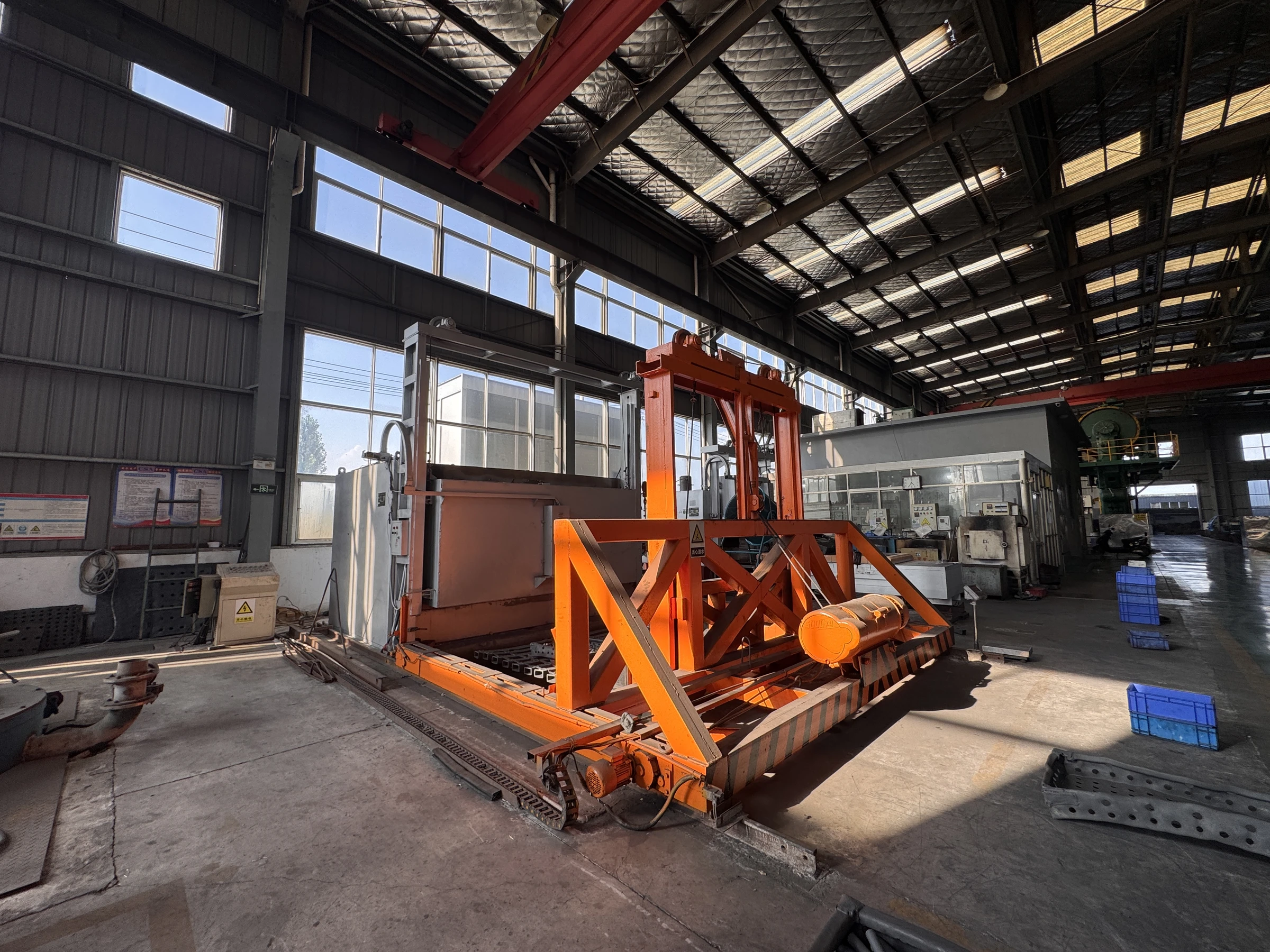
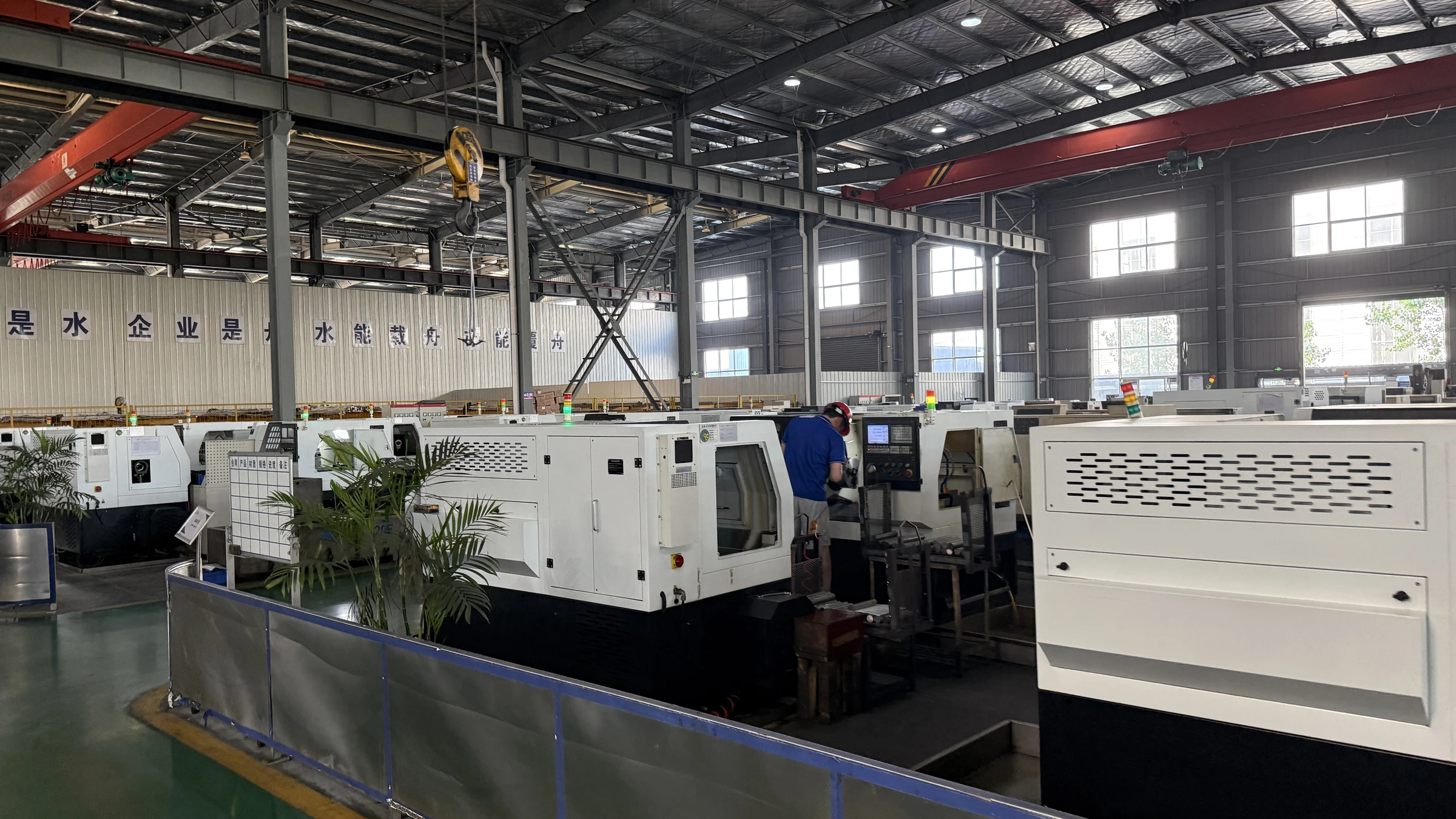
- Cut bar, CNC-finish ends and any grip features; roll or cut the specified threads. Studs do not require a headed-bolt upsetting operation.
- Final condition
- Solution annealing restores the specified corrosion-resistant condition after the agreed manufacturing route.
- Inspection
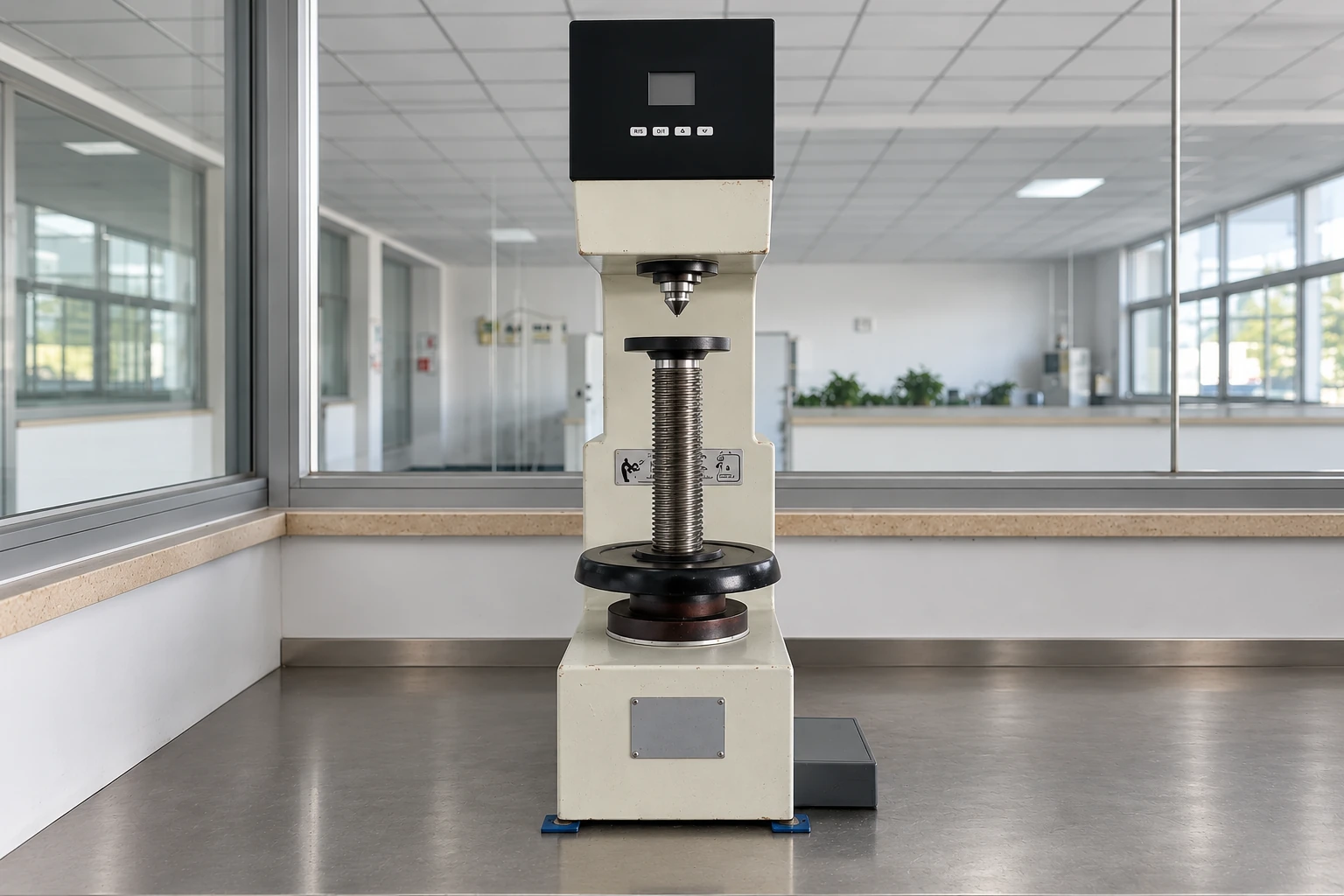
- Chemistry · final condition · mechanical properties · specified surface examination
Where C-276 fits — and what matters
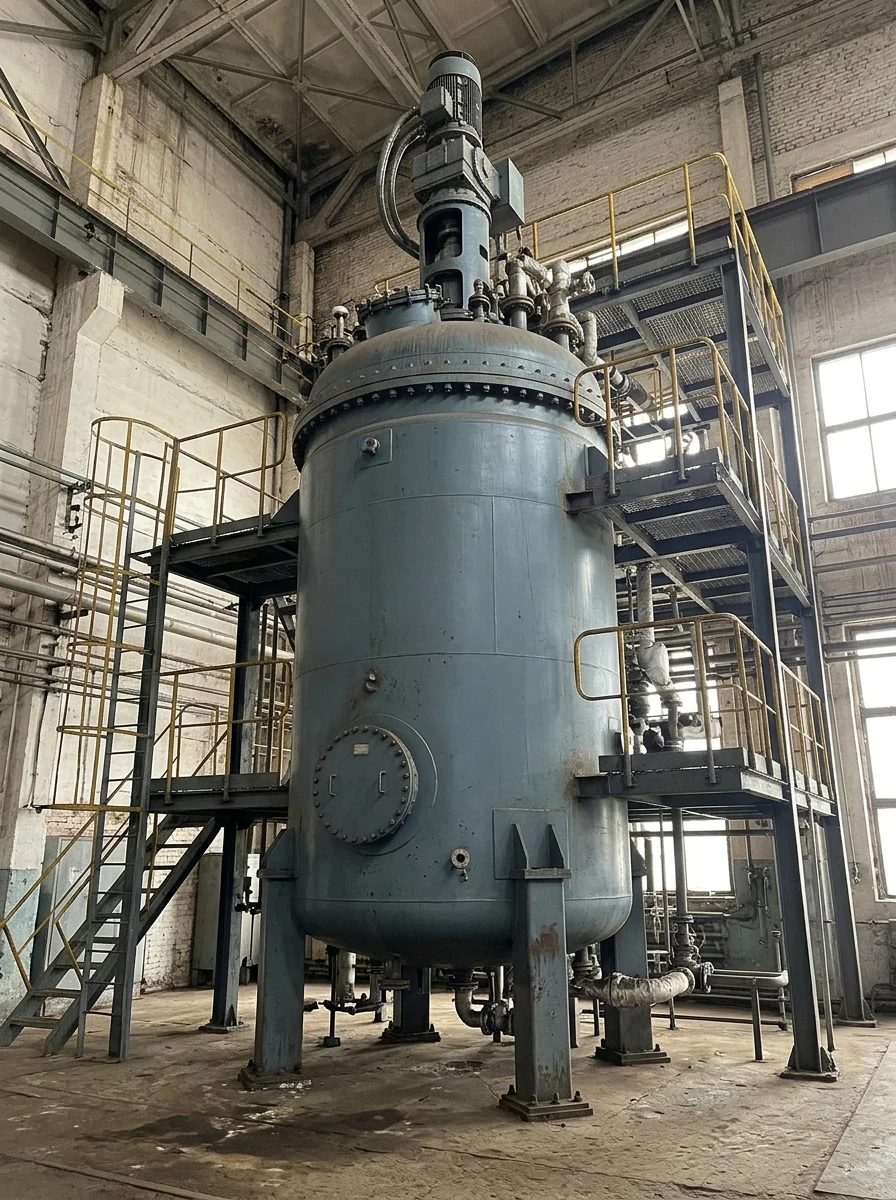
Reactor vessel & manway flanges
Hastelloy C-276 Stud BoltsAt reactor manways, C-276 studs are candidates where process leakage or condensate repeatedly wets the flange threads. Their corrosion resistance matters both during operation and when the nuts are removed at shutdown. On tapped-stud designs, the cover can be serviced without withdrawing the studs from the flange.
Connection requirements
- Vessel flange thickness, gasket type, and required preload
- Stud diameter, overall length, and nut engagement at each end
- Acid and chloride exposure, and heat-number certification
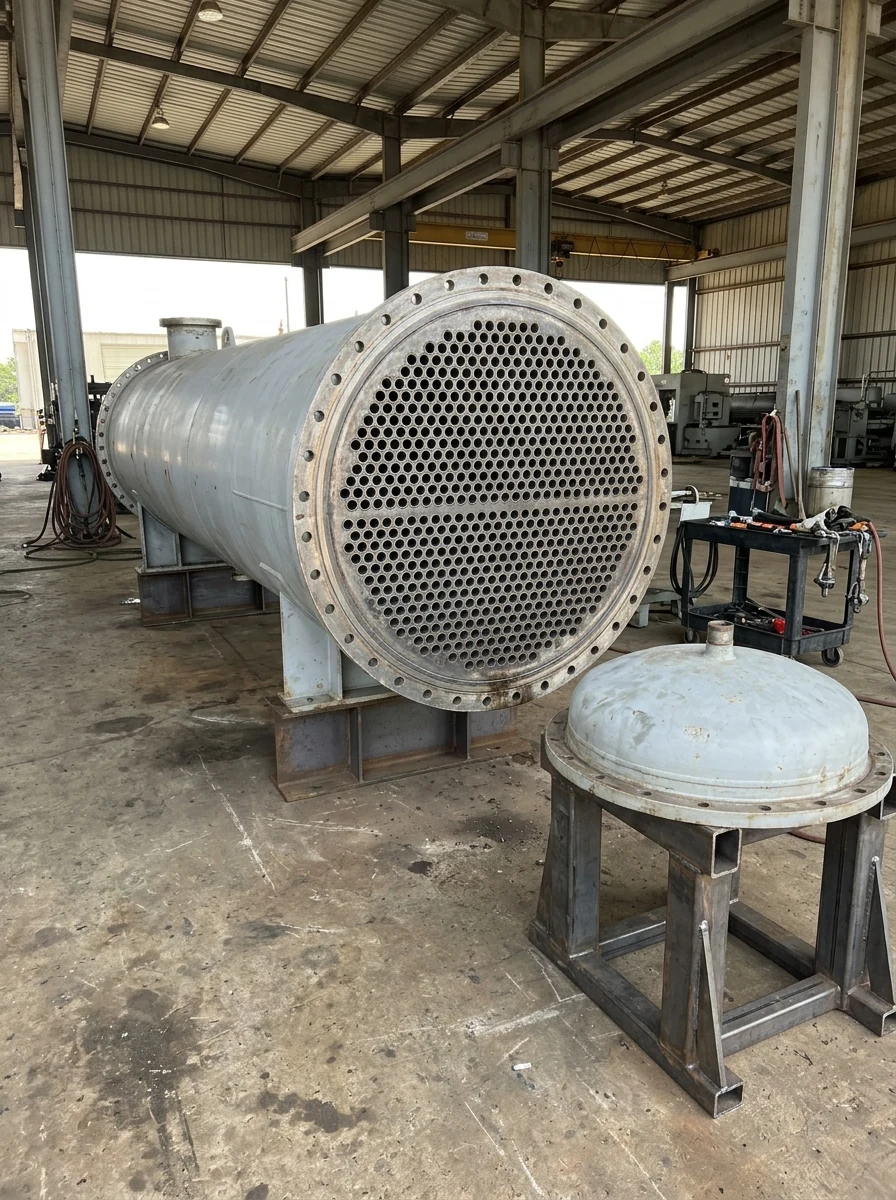
Acid heat exchangers & condensers
Hastelloy C-276 Stud BoltsAcid-exchanger channel covers use stud-and-nut connections to clamp a removable pressure boundary. C-276 places corrosion-resistant material in the loaded stud and exposed thread ends. That is valuable near aggressive condensate and leak paths, especially on equipment opened repeatedly for tube cleaning or bundle access.
Connection requirements
- Cover joint thickness, gasket type, and required preload
- Stud diameter, overall length, and nut engagement at each end
- Acid and chloride exposure, and heat-number certification
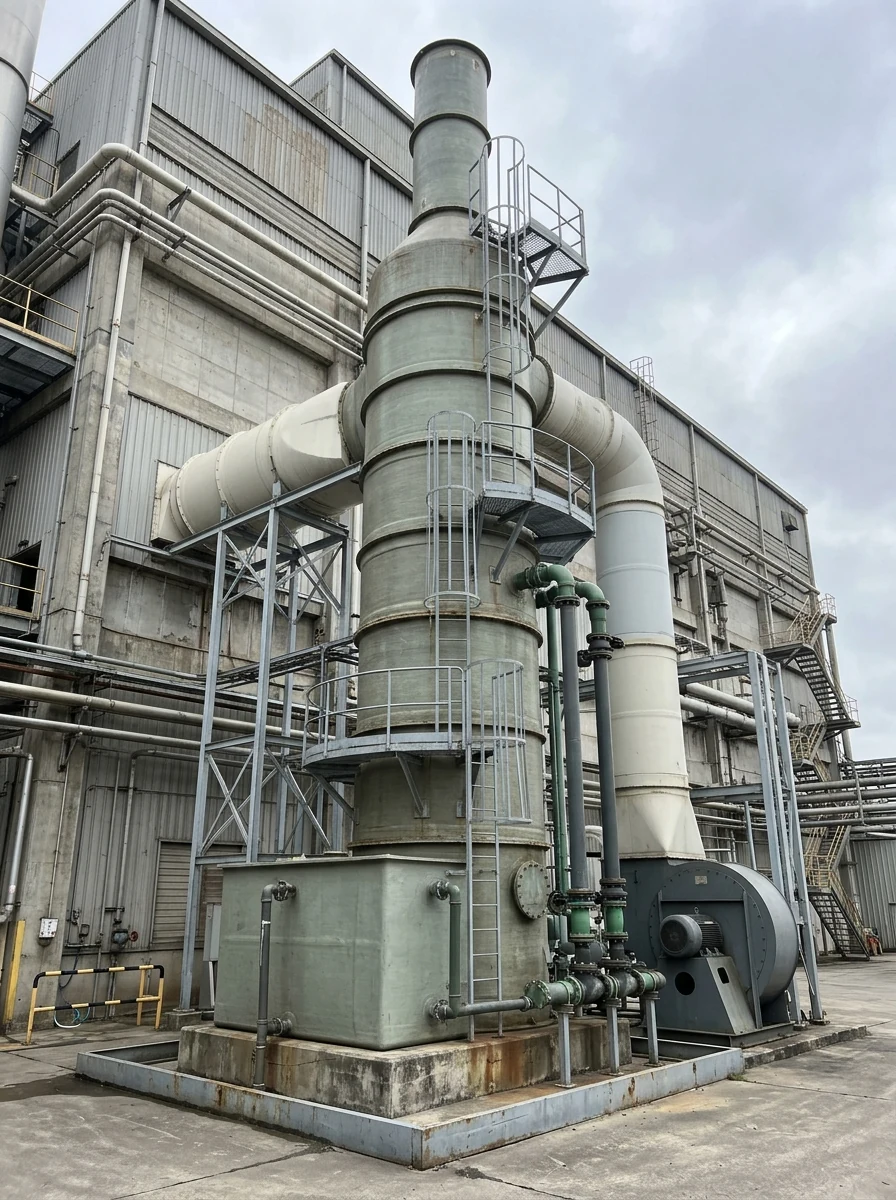
Scrubber towers & halide piping joints
Hastelloy C-276 Stud BoltsAt scrubber inspection ports and halide piping flanges, C-276 studs carry the cover or flange load through connections exposed to wet, aggressive deposits. The alloy resists attack on the shank and projecting threads. Removable nuts give maintenance crews access to the joint while body-mounted studs can stay in place.
Connection requirements
- Piping flange rating, gasket type, and required preload
- Stud diameter, overall length, and nut engagement at each end
- Chloride and acid exposure, and heat-number certification
Same stud. Different material priorities.
Hastelloy C-276 material dataHastelloy C-22 Stud Bolts
Hastelloy C-22 studs suit serviceable pump and reactor covers where process mixtures or cleaning cycles change the chemical exposure. Broad corrosion resistance protects exposed threads and shanks. Fixed studs also assist cover positioning before accessible nuts are tightened.
Hastelloy B-3 Stud Bolts
Reducing-acid exchanger and reactor covers need studs that tolerate leakage at the projecting threads as well as the exposed shank. Hastelloy B-3 studs address that corrosion duty and offer improved stability over B-2 during fabrication heating. Removable nuts give access to the cover; ferric or cupric contamination remains a material-selection limit for the B family.
Inconel 625 Stud Bolts
Offshore flanges and marine valve bonnets put the stud threads, nut seats and exposed shank in different pockets of chloride exposure. Inconel 625 studs bring pitting and crevice-corrosion resistance to that loaded connection. On tapped-stud bonnets, crews can remove the nuts and cover while leaving the studs installed in the valve body.
From drawing to documented delivery
- 01Drawing & BOMGrade, condition and part dimensions
- 02Sample lotOptional · typically ~20 days
- 03Production & testingTypically 25–35 days
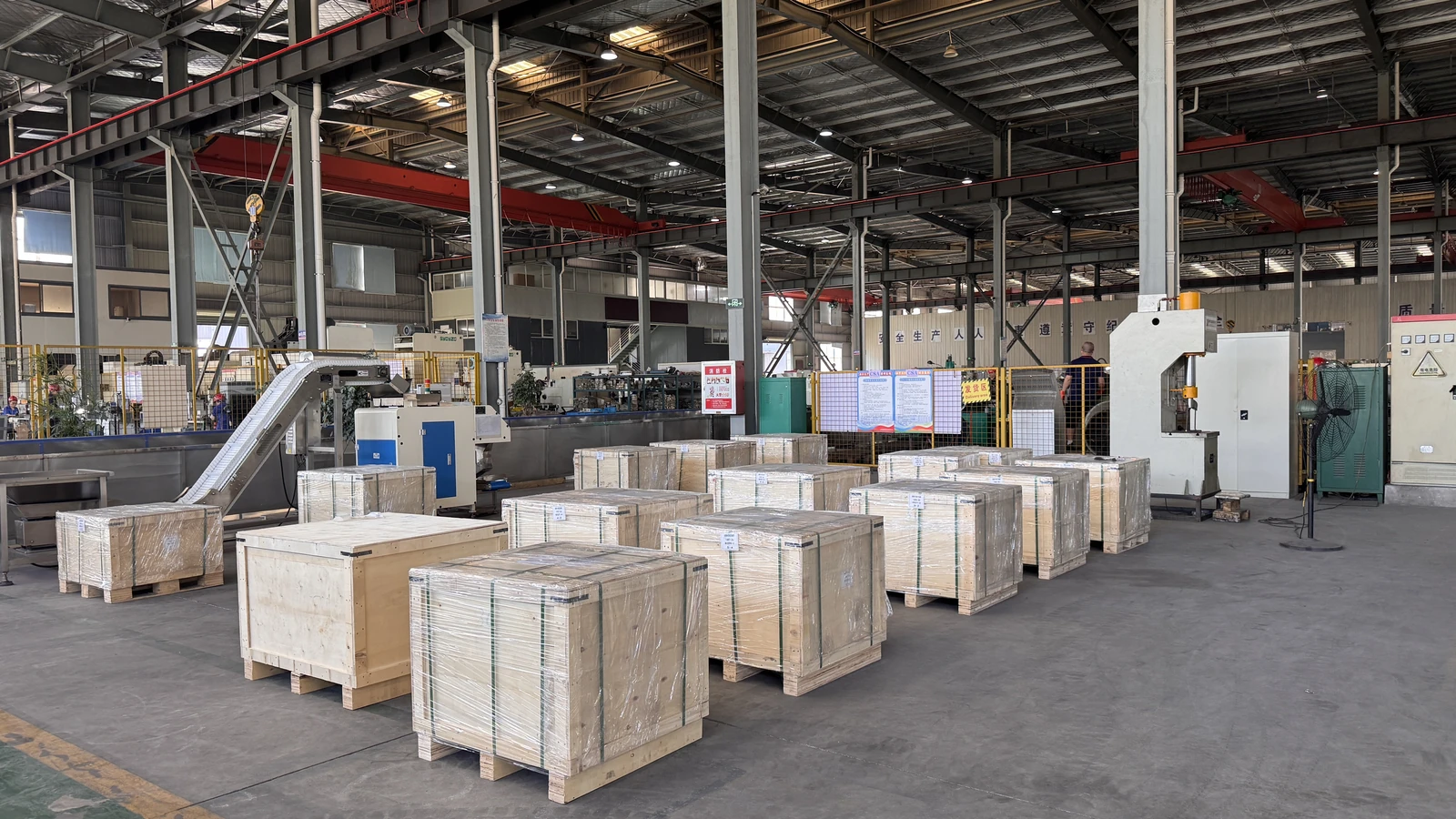
- 04Documents & dispatchHeat-linked lots and packing
Connection & acceptance
Reactor vessel & manway flanges: Vessel flange thickness, gasket type, and required preload · Stud diameter, overall length, and nut engagement at each end · Acid and chloride exposure, and heat-number certification.
Material & final condition
Solution annealing restores the specified corrosion-resistant condition after the agreed manufacturing route.
Connection inspection
Overall length · end-thread lengths · nut engagement. Chemistry · final condition · mechanical properties · specified surface examination.
Matching Kit
Flange Stud Bolt Kits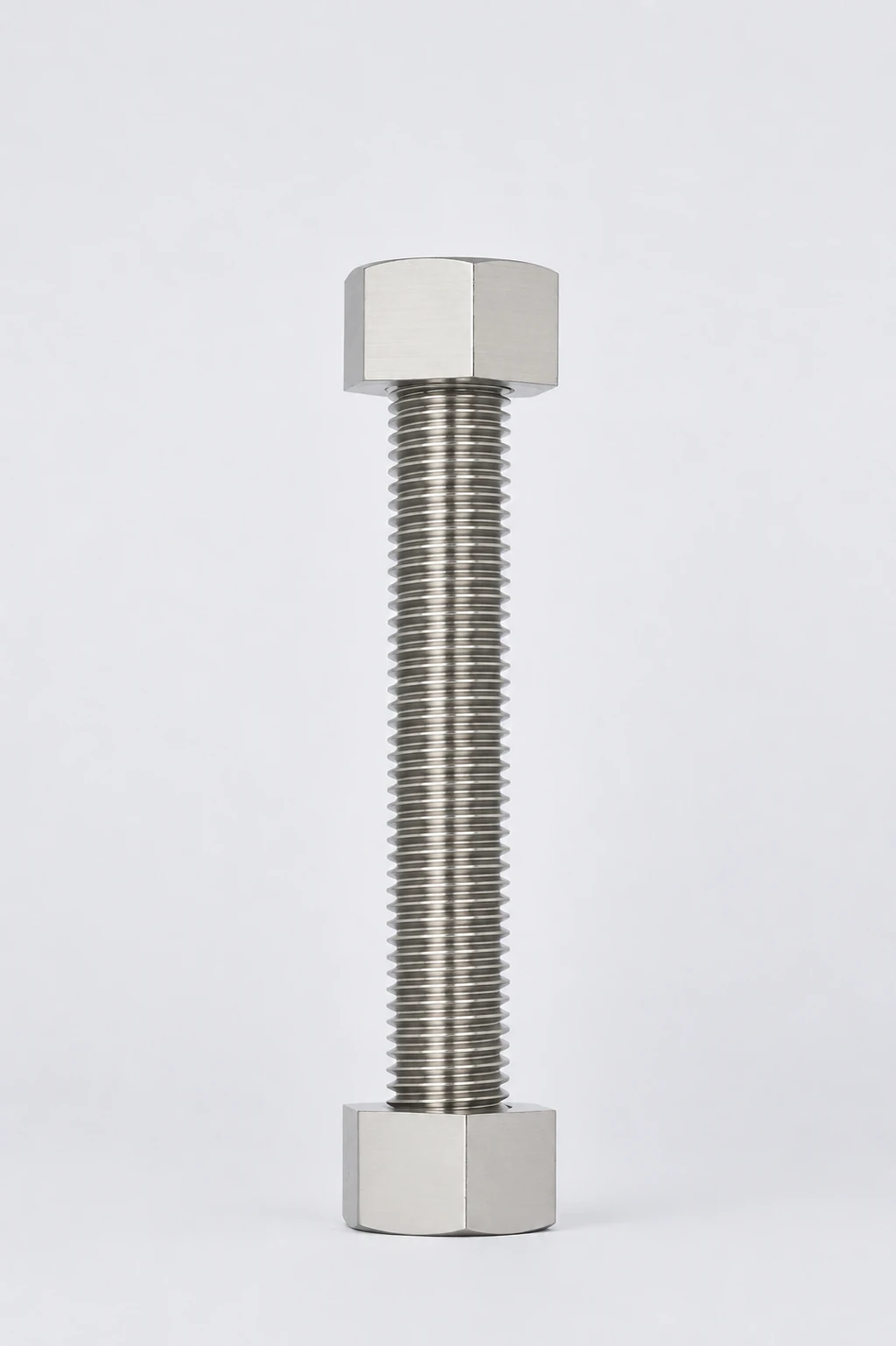
Build your C-276 stud enquiry
Upload drawing insteadQuestions about C-276 stud bolts & threaded rods
Does C-276 establish semiconductor cleanliness?
Alloy chemistry addresses corrosion. Particle limits, cleaning procedure, surface finish and packaging are separate equipment requirements and can be included in the fastener inspection and packing scope.
Technical references & photo credits
Catalogue photography shows product form. Application examples connect alloy properties to equipment duties; they are not customer installation records. Quantities, schedules and the inspection scope are confirmed in the quotation.