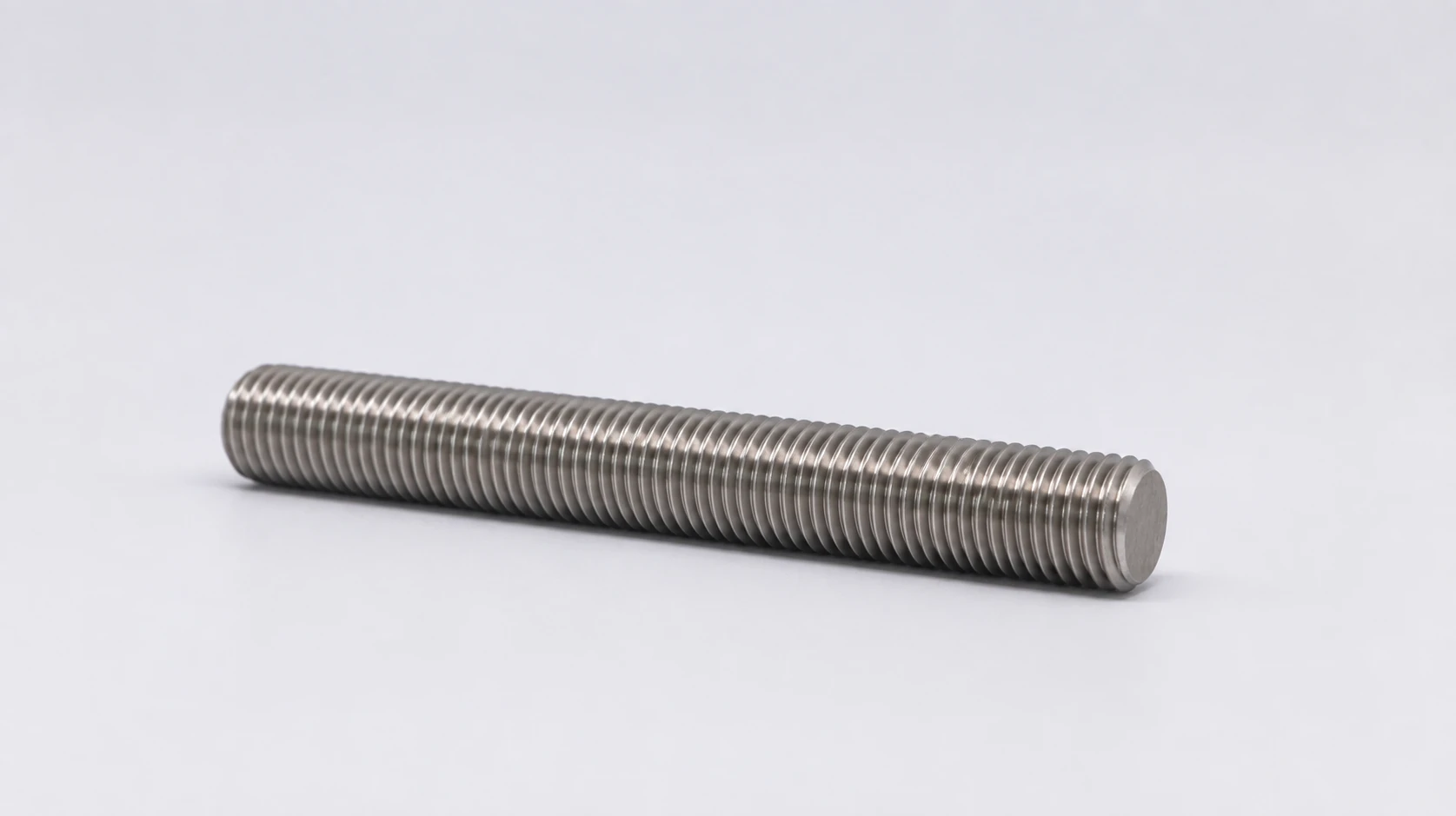
Titanium Grade 5 Stud Bolts
ASME B18.31.2 · DIN 976-1ASTM B348 / B348M Grade 5
Titanium Grade 5 studs provide lightweight connections for removable covers, tooling plates and marine equipment. Double-end forms keep the housing-side thread installed during maintenance, while the nut end provides access for repeated assembly.
- MOQ
- 100PCS
- Samples · typical
- ~20 days
- Production · typical
- 25–35 days
- Heat treatment
- Annealed
EN 10204 3.1 MTC + heat-number traceability
Titanium Grade 5 in this connection
Ti-6Al-4V combines high strength with low density. For a stud joint, this makes mass, nut engagement and the specified preload central to the choice.
- Connection
- Marine instrument housings & removable equipment covers
- Critical dimensions
- Overall length · end-thread lengths · nut engagement
Which standard is on your order?
Raw Material Specifications
Finished-Stud Specifications
Threads · Metric
Threads · Inch
Dimension Reference
Heat Treatment
AnnealedAnnealing reduces working stresses and restores ductility, with atmosphere and surface control limiting contamination during heating.
What we can make in Titanium Grade 5
Forms & dimension guideFully threaded
Two nuts clamp the flange or cover; usable thread length spans the assembled grip.
Double-end
A plain centre spans the grip, with a threaded portion at each end for the nuts.
Tap-end
One end engages a tapped casing; the exposed end accepts the cover nut.
- Product forms
- Full thread · Double-end · Tap-end
- Dimensional control
- Overall length · end-thread lengths · nut engagement
- Manufacturing
- CNC-machine Grade 5 bar for sample and small-batch studs, including grip lengths and end details. Control thread-root finish, pitch diameter and nut engagement against the stud drawing; full-thread studs need no headed-bolt forming operation.
- Final condition
- Annealed Grade 5 bar; final stud properties and any subsequent thermal processing follow the ordered fastener specification.
- Inspection
- Heat chemistry · tensile properties · thread gauges · end-thread and overall-length inspection
Where Titanium Grade 5 fits — and what matters
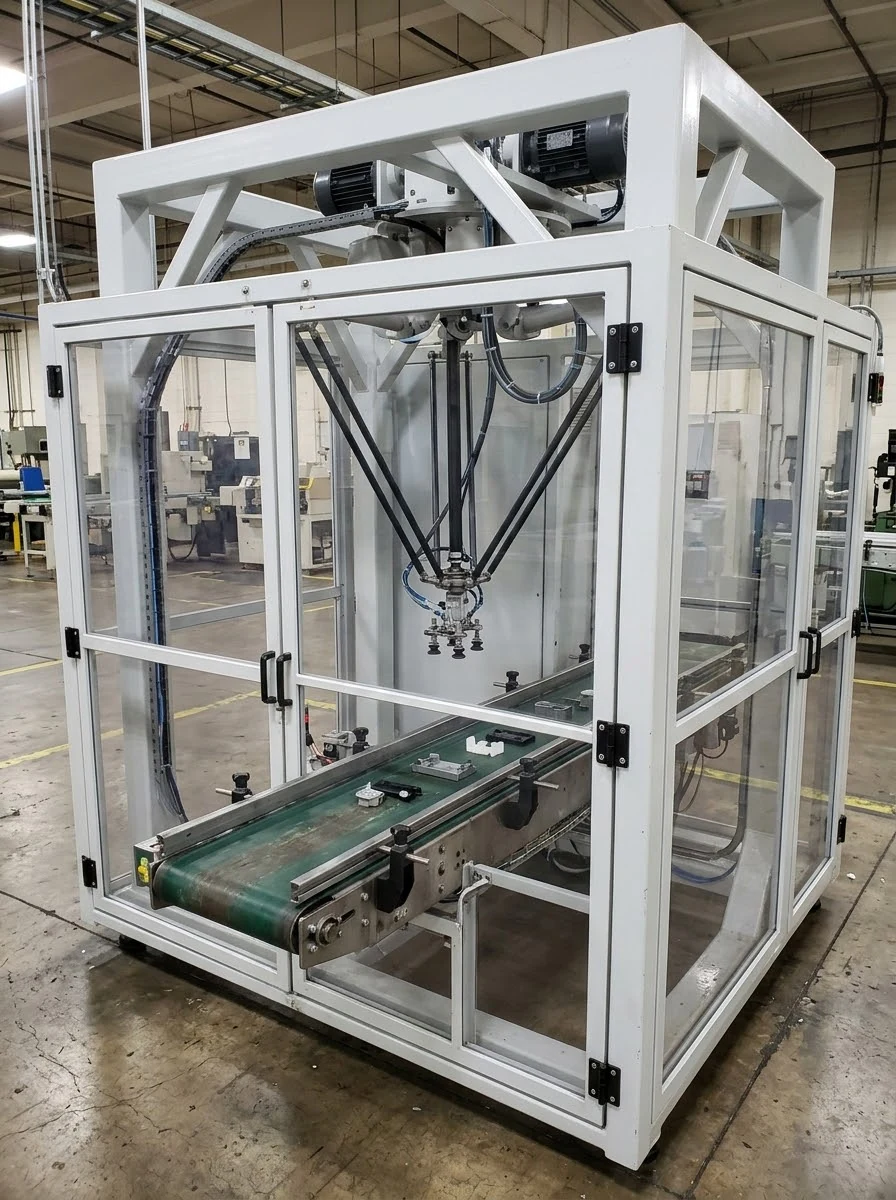
High-speed robotic arms & linear gantries
Titanium Grade 5 Stud BoltsGrade 5 double-end studs can secure a removable robot tool plate with less fastener mass than steel studs of the same dimensions. Leaving the robot-side threads installed reduces repeated assembly of those mounting holes. The free end is sized for the nut and tool envelope so the lightweight connection remains serviceable.
Connection requirements
- Tool plate and nut stack
- Housing thread engagement
- Projection within the moving envelope
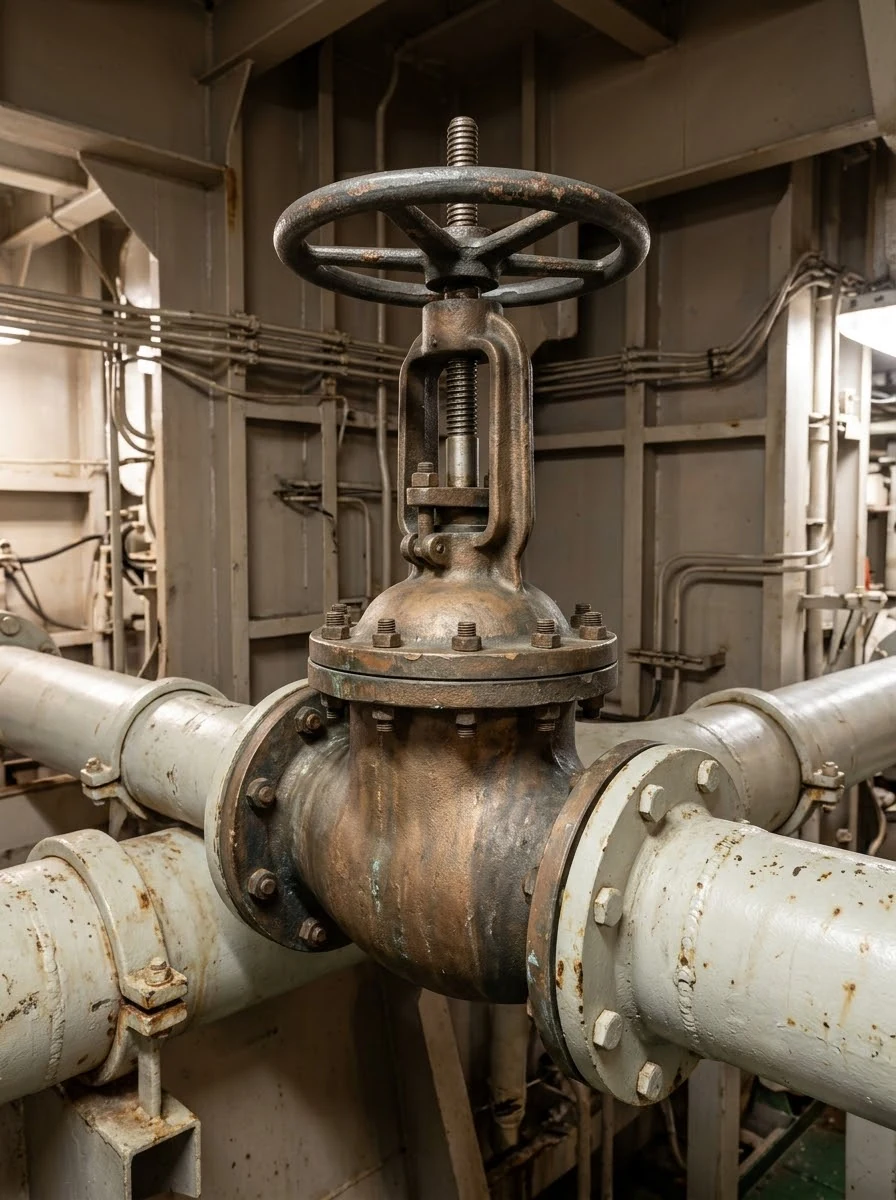
Marine valve bonnets
Titanium Grade 5 Stud BoltsOn weight-sensitive marine valve assemblies, titanium studs can retain the bonnet while the nuts remain accessible for servicing. Grade 5 combines strength with seawater corrosion resistance. The nut pairing and lubricant matter during repeated tightening because titanium-on-titanium threads can gall; bonnet material also determines the wet-joint isolation detail.
Connection requirements
- Bonnet material and exposure
- Nut material and anti-galling treatment
- Stud tension and engagement
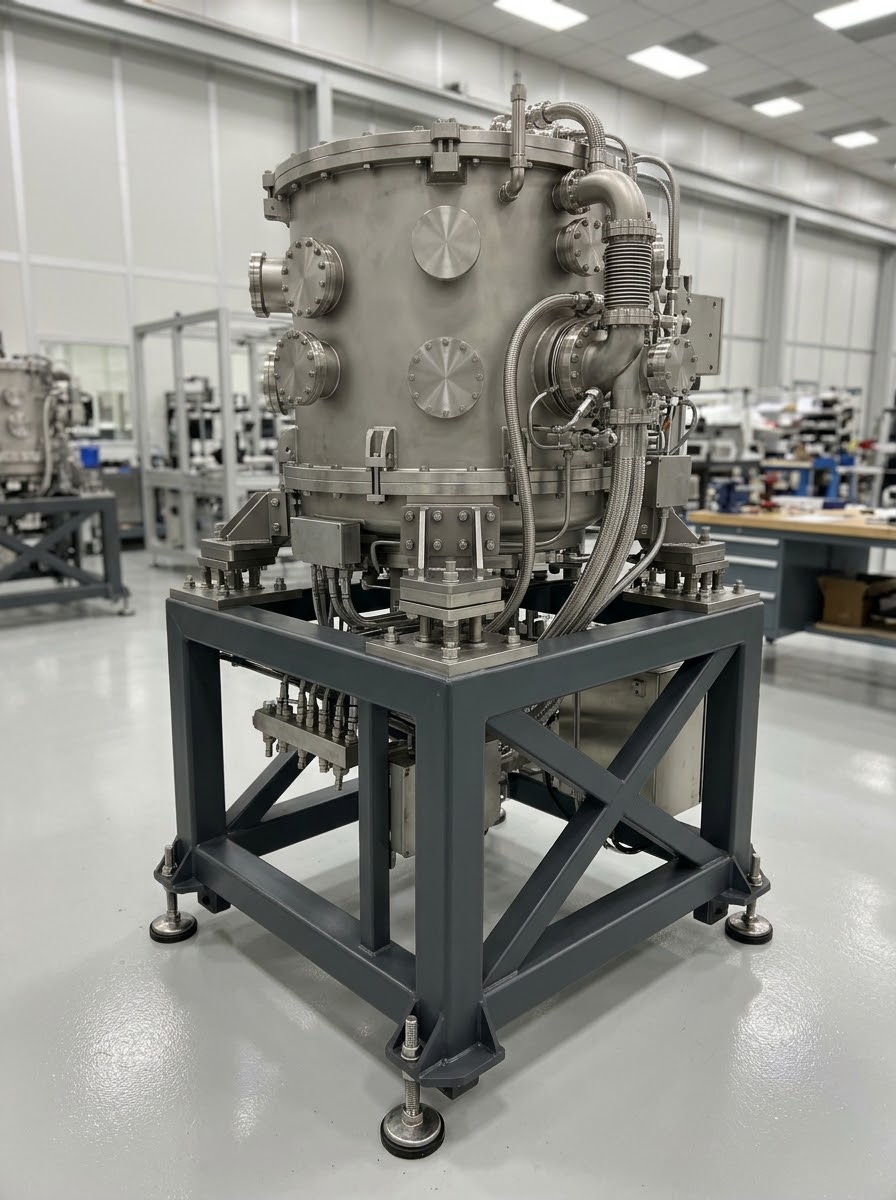
Vacuum & etch chamber structural mounts
Titanium Grade 5 Stud BoltsGrade 5 double-end studs fasten external brackets around vacuum equipment where low mass and non-ferromagnetic hardware are useful. The fixed end stays in the base while the bracket lifts off for maintenance. A defined free-end length accommodates the bracket, washer and nut without projecting into the nearby mechanism.
Connection requirements
- Mount location and cleanliness requirement
- Base thread and removable stack
- Nut access and preload
Same stud. Different material priorities.
Titanium Grade 5 material dataInconel 625 Stud Bolts
Offshore flanges and marine valve bonnets put the stud threads, nut seats and exposed shank in different pockets of chloride exposure. Inconel 625 studs bring pitting and crevice-corrosion resistance to that loaded connection. On tapped-stud bonnets, crews can remove the nuts and cover while leaving the studs installed in the valve body.
Inconel 718 Stud Bolts
Inconel 718 studs carry high tensile loads in turbine casings and hot valve bonnets where the hole pattern limits fastener size. Precipitation hardening supplies strength, and removable nuts provide service access. Sour-gas connections additionally require the prescribed heat-treatment and hardness condition.
Super Duplex 2507 Stud Bolts
2507 studs are useful on seawater pump covers and high-pressure desalination connections where corrosion resistance and strength are both priorities. The stud arrangement keeps nuts accessible and helps locate removable covers. Compared with 2205 studs, they address more demanding chloride exposure; the final heat-treated condition is central to that performance.
From drawing to documented delivery
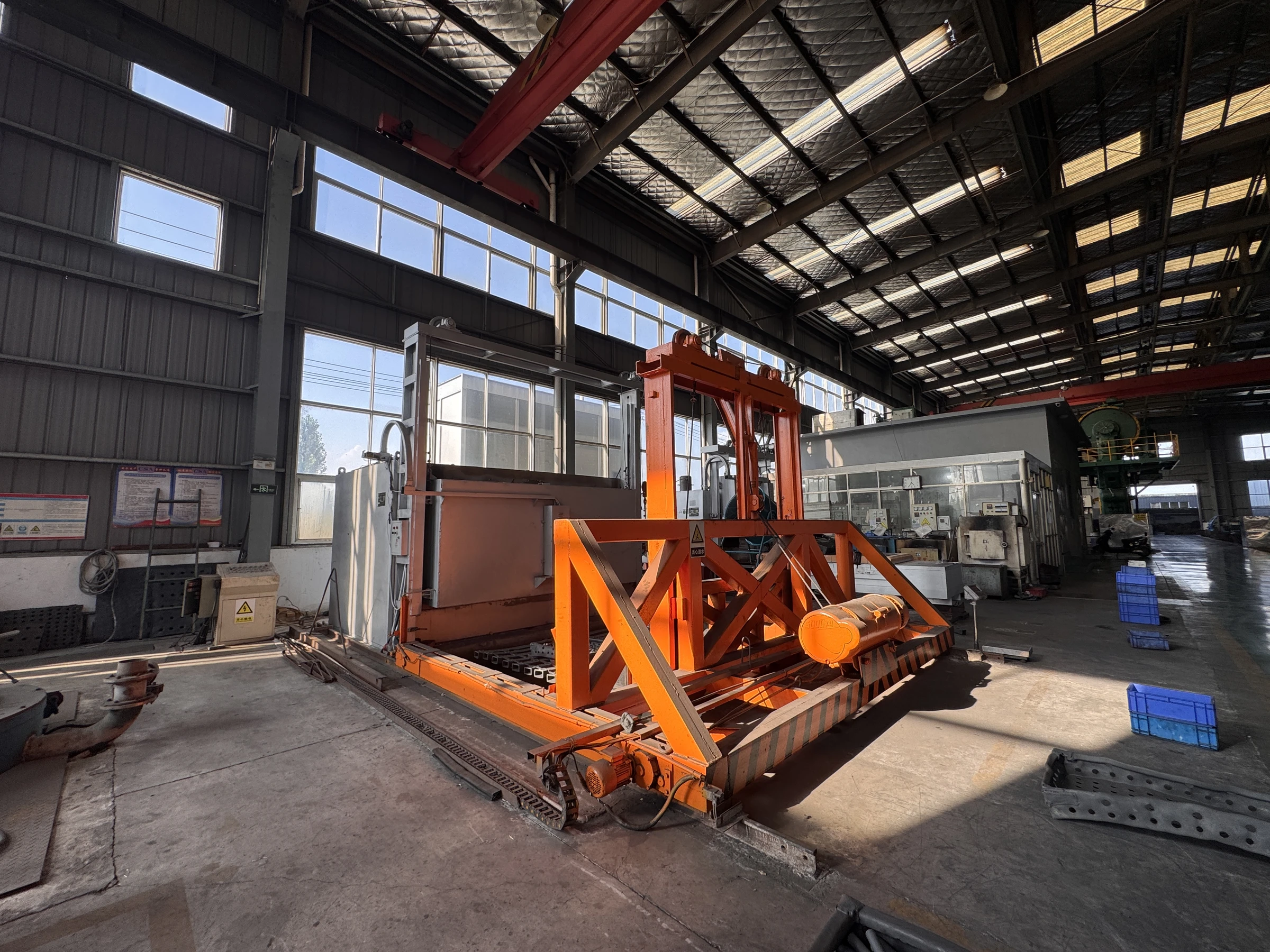
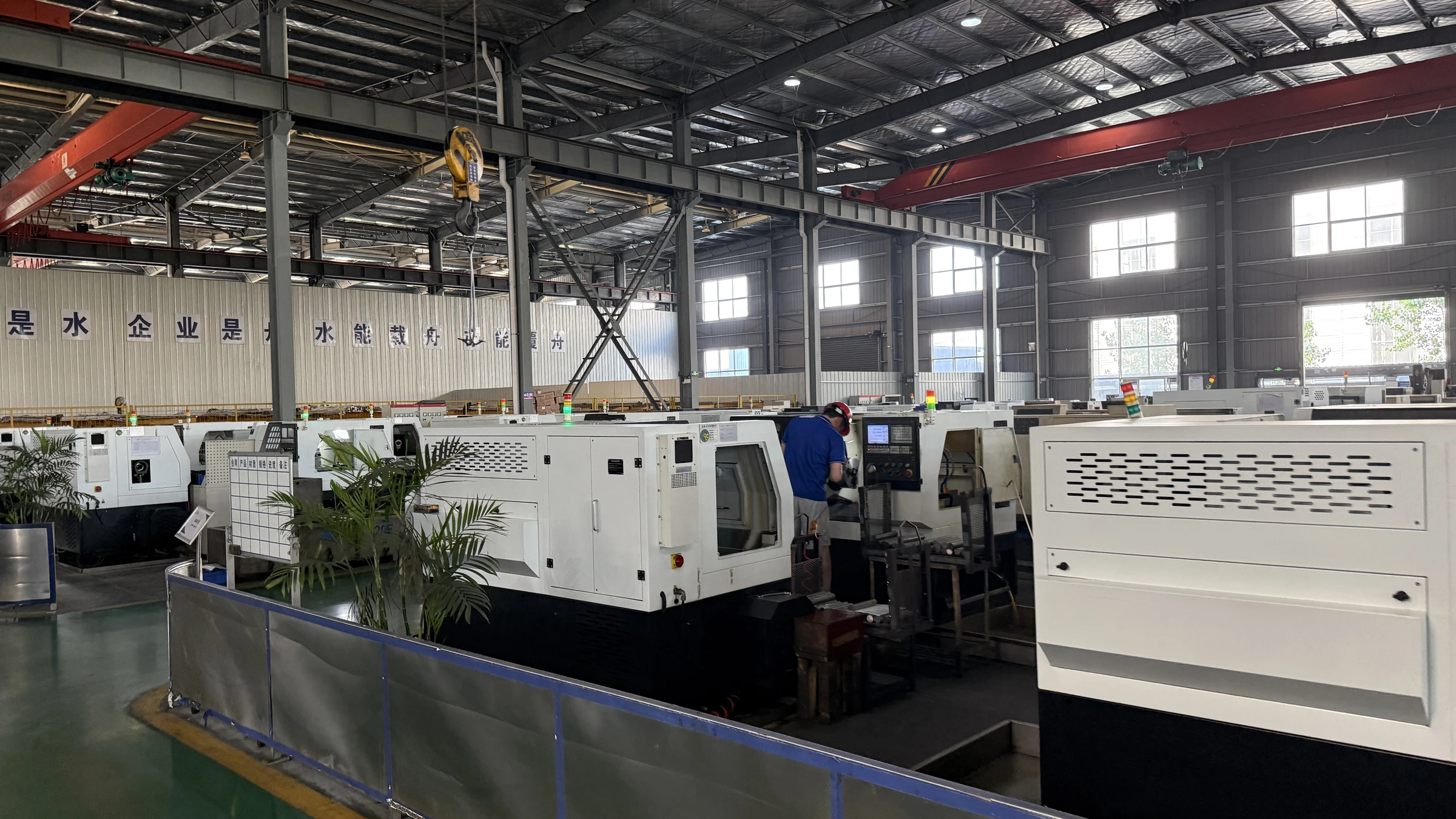
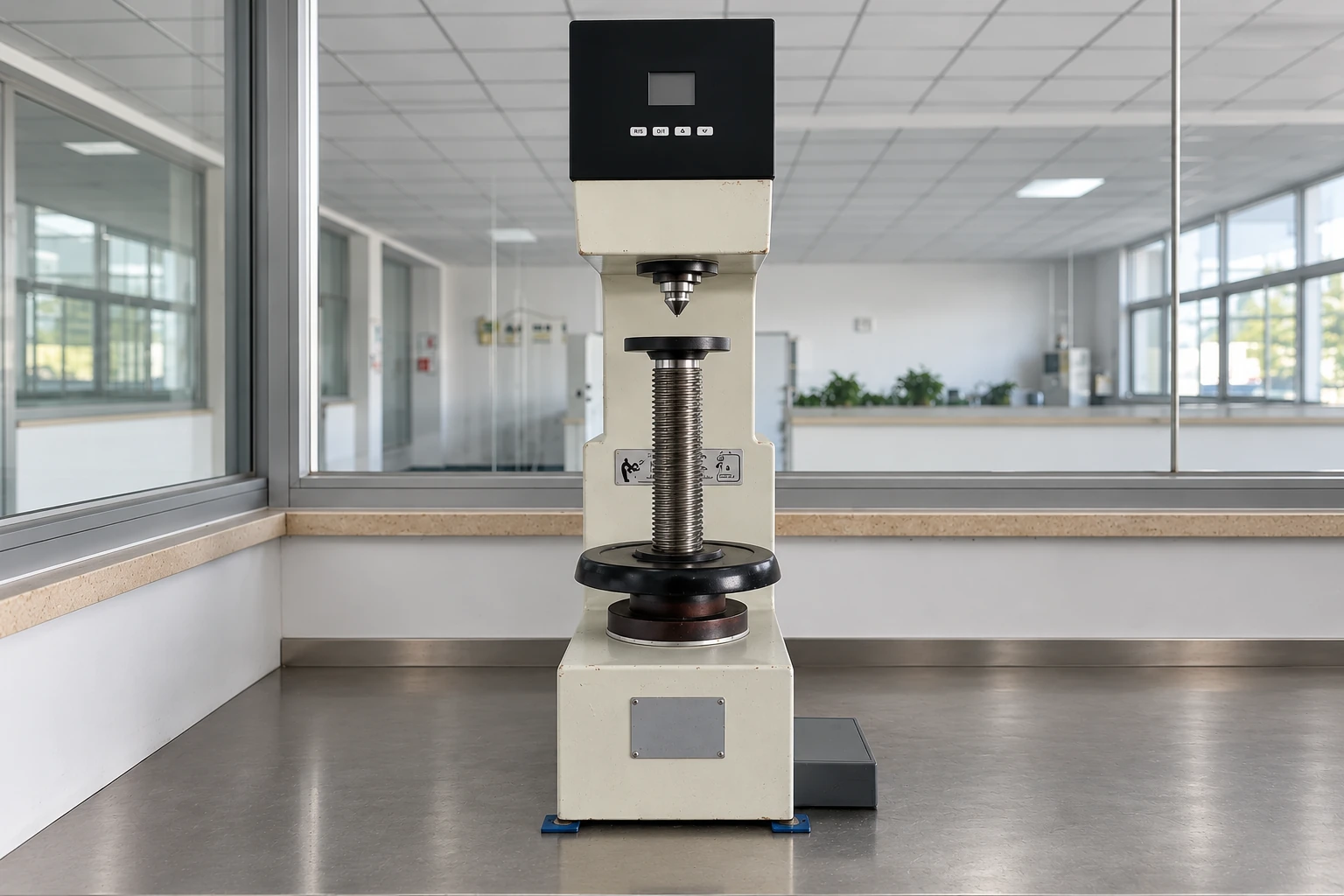
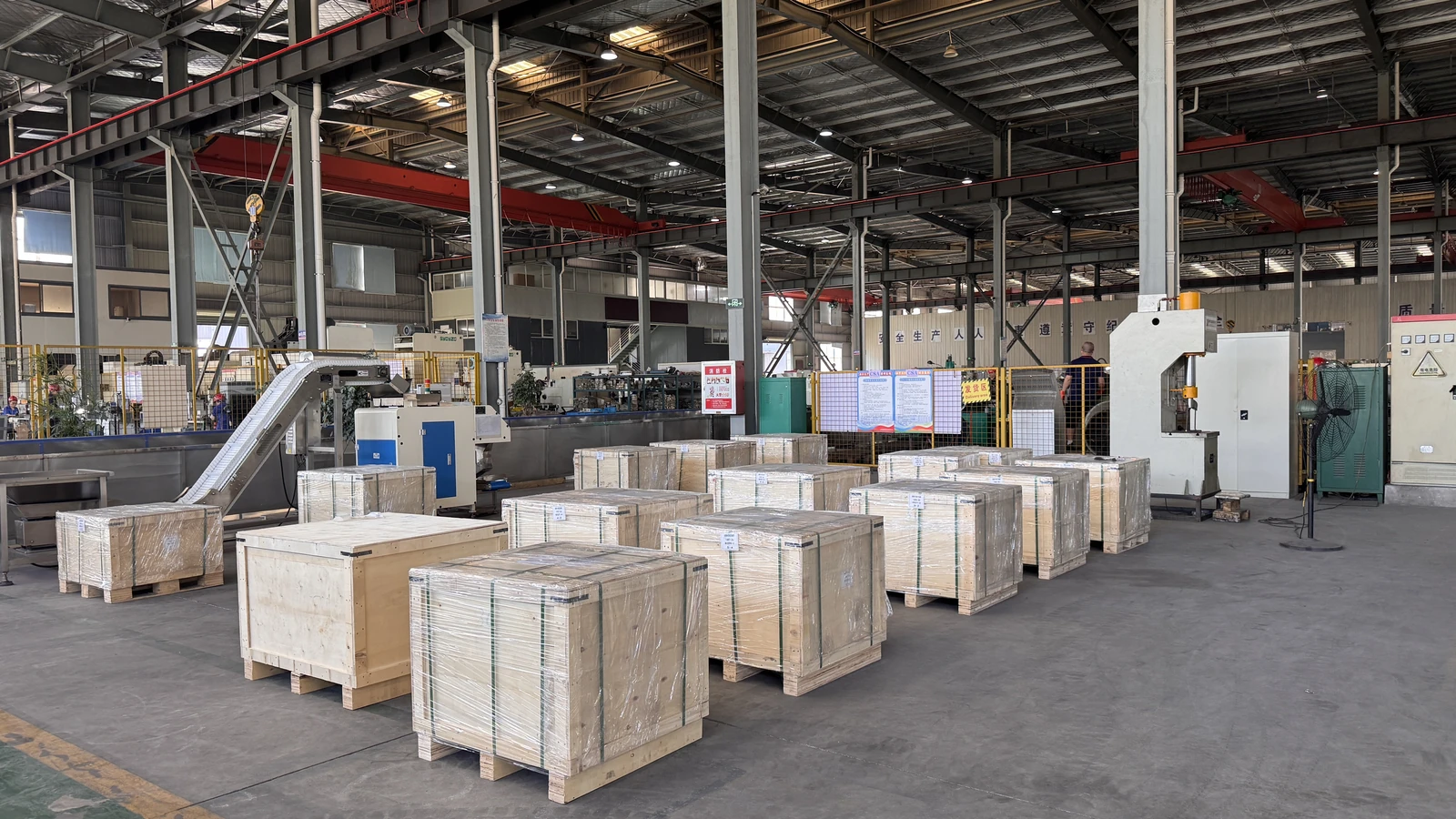
- 01Drawing & BOMGrade, condition and part dimensions
- 02Sample lotOptional · typically ~20 days
- 03Production & testingTypically 25–35 days
- 04Documents & dispatchHeat-linked lots and packing
Connection & acceptance
Marine instrument housings & removable equipment covers: Seawater exposure · joint temperature · mating-metal compatibility · specified clamp load.
Material & final condition
Annealed Grade 5 bar; final stud properties and any subsequent thermal processing follow the ordered fastener specification.
Connection inspection
Overall length · end-thread lengths · nut engagement. Heat chemistry · tensile properties · thread gauges · end-thread and overall-length inspection.
Matching Kit
Flange Stud Bolt Kits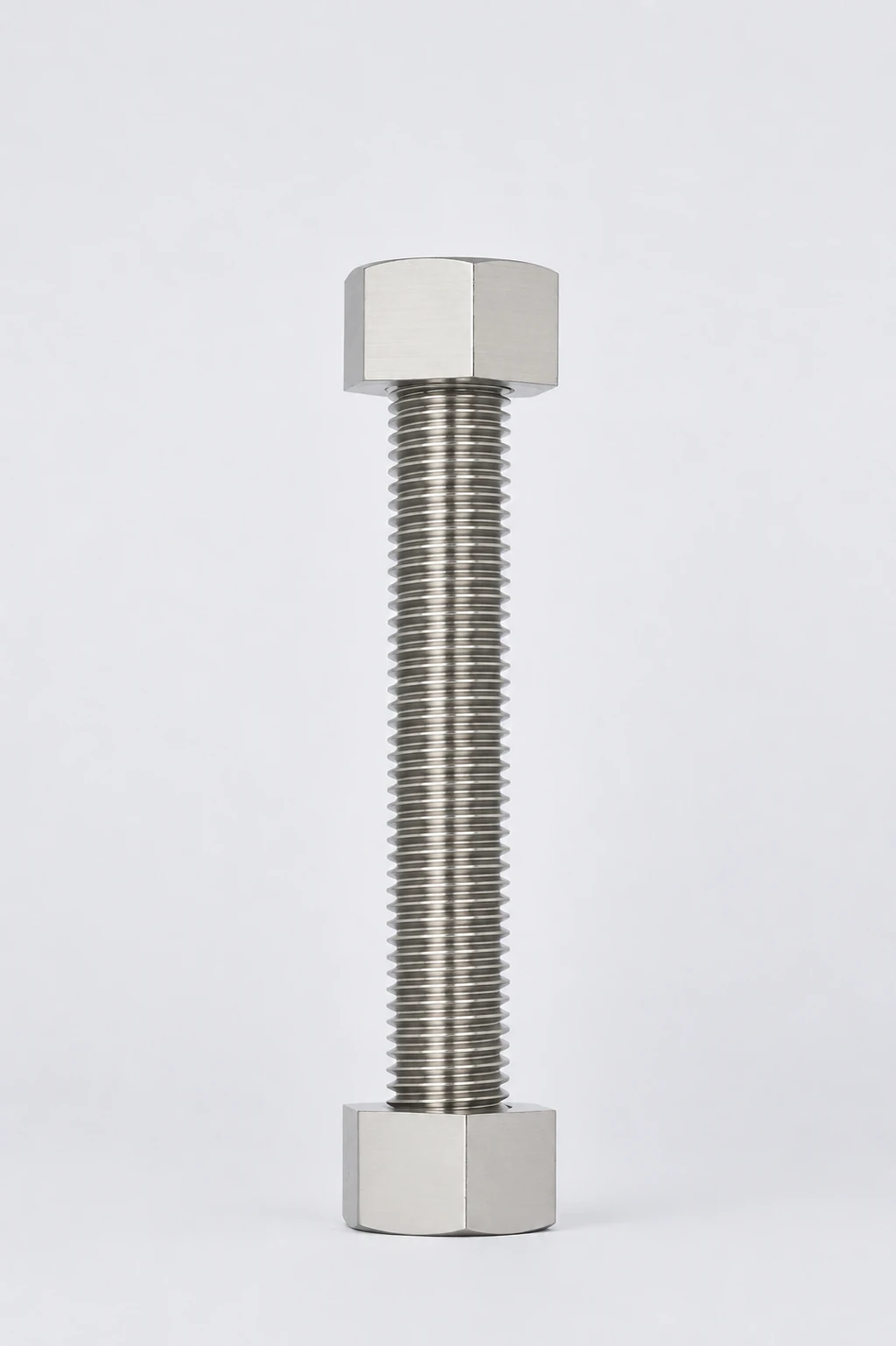
Build your Titanium Grade 5 stud enquiry
Upload drawing insteadQuestions about Titanium Grade 5 stud bolts & threaded rods
Can Grade 5 studs replace steel studs using the same tightening torque?
No. Material strength alone does not establish an equivalent joint. The stud condition, nut material, thread engagement and friction system determine the tightening procedure. Use a preload and assembly procedure established for the titanium stud-and-nut combination.
Technical references & photo credits
Catalogue photography shows product form. Application examples connect alloy properties to equipment duties; they are not customer installation records. Quantities, schedules and the inspection scope are confirmed in the quotation.