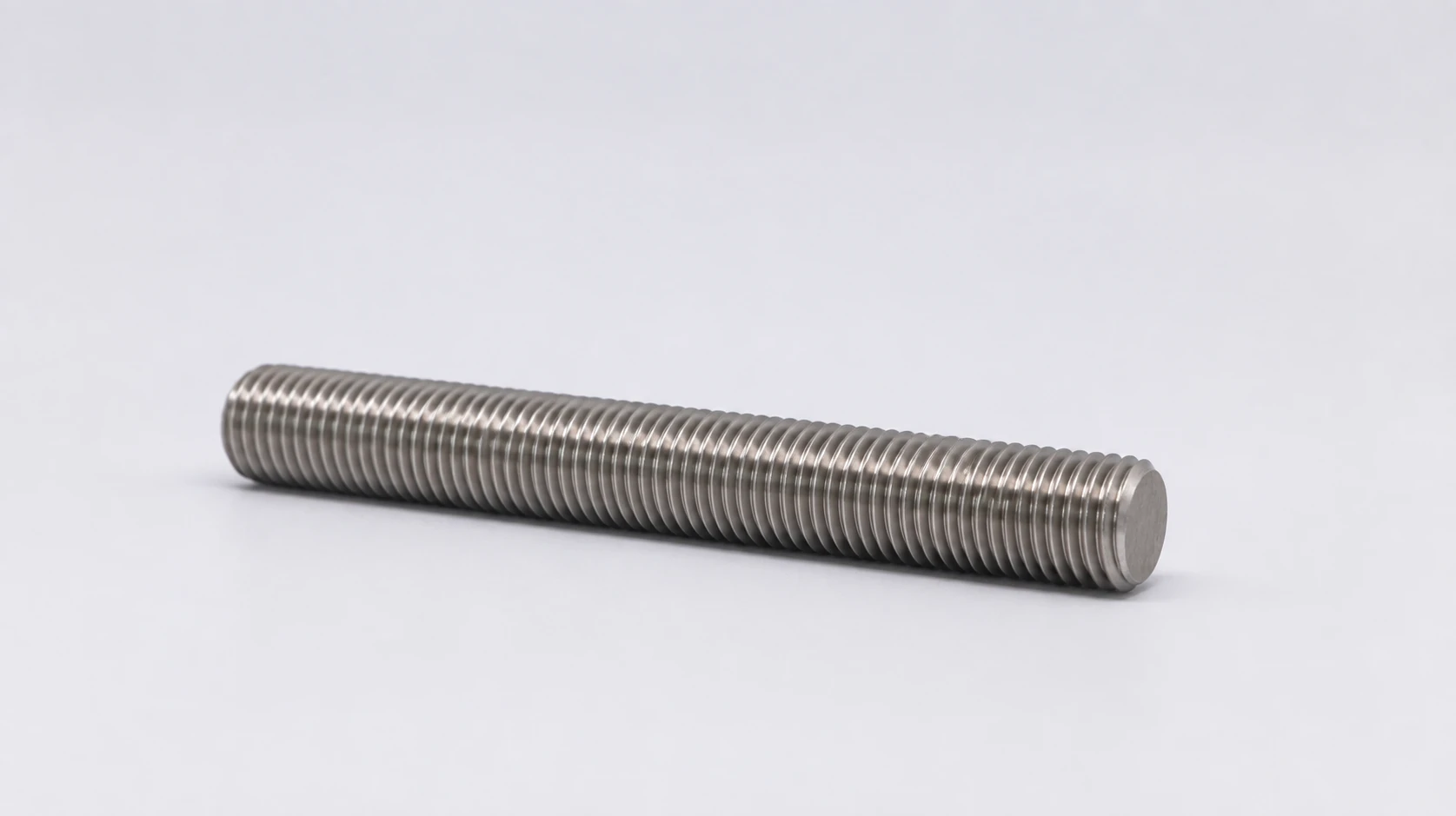
Incoloy 800H Stud Bolts
ASME B18.31.2 · DIN 976-1ASTM B408 — rod / bar
Incoloy 800H stud bolts pair a controlled-carbon, coarse-grained iron-nickel-chromium alloy with double-ended closure for refinery, molten-salt, and exchanger joints under sustained high-temperature load. Controlled carbon and a coarse-grained, solution-annealed structure give 800H higher creep strength than base 800 for sustained high-temperature loading.
- MOQ
- 100PCS
- Samples · typical
- ~20 days
- Production · typical
- 25–35 days
- Heat treatment
- Solution annealed
EN 10204 3.1 MTC + heat-number traceability
Incoloy 800H in this connection
Controlled carbon and grain structure distinguish 800H from ordinary 800 for creep and stress-rupture duties.
- Connection
- High-temp refinery & coker flanges
- Critical dimensions
- Overall length · end-thread lengths · nut engagement
Which standard is on your order?
Raw Material Specifications
Threads · Metric
Threads · Inch
Dimension Reference
Heat Treatment
Solution annealedThe specified solution treatment develops the controlled grain structure needed for sustained high-temperature creep duty.
What we can make in Alloy 800H
Forms & dimension guideFully threaded
Two nuts clamp the flange or cover; usable thread length spans the assembled grip.
Double-end
A plain centre spans the grip, with a threaded portion at each end for the nuts.
Tap-end
One end engages a tapped casing; the exposed end accepts the cover nut.
- Product forms
- Full thread · Double-end · Tap-end
- Dimensional control
- Overall length · end-thread lengths · nut engagement
- Manufacturing
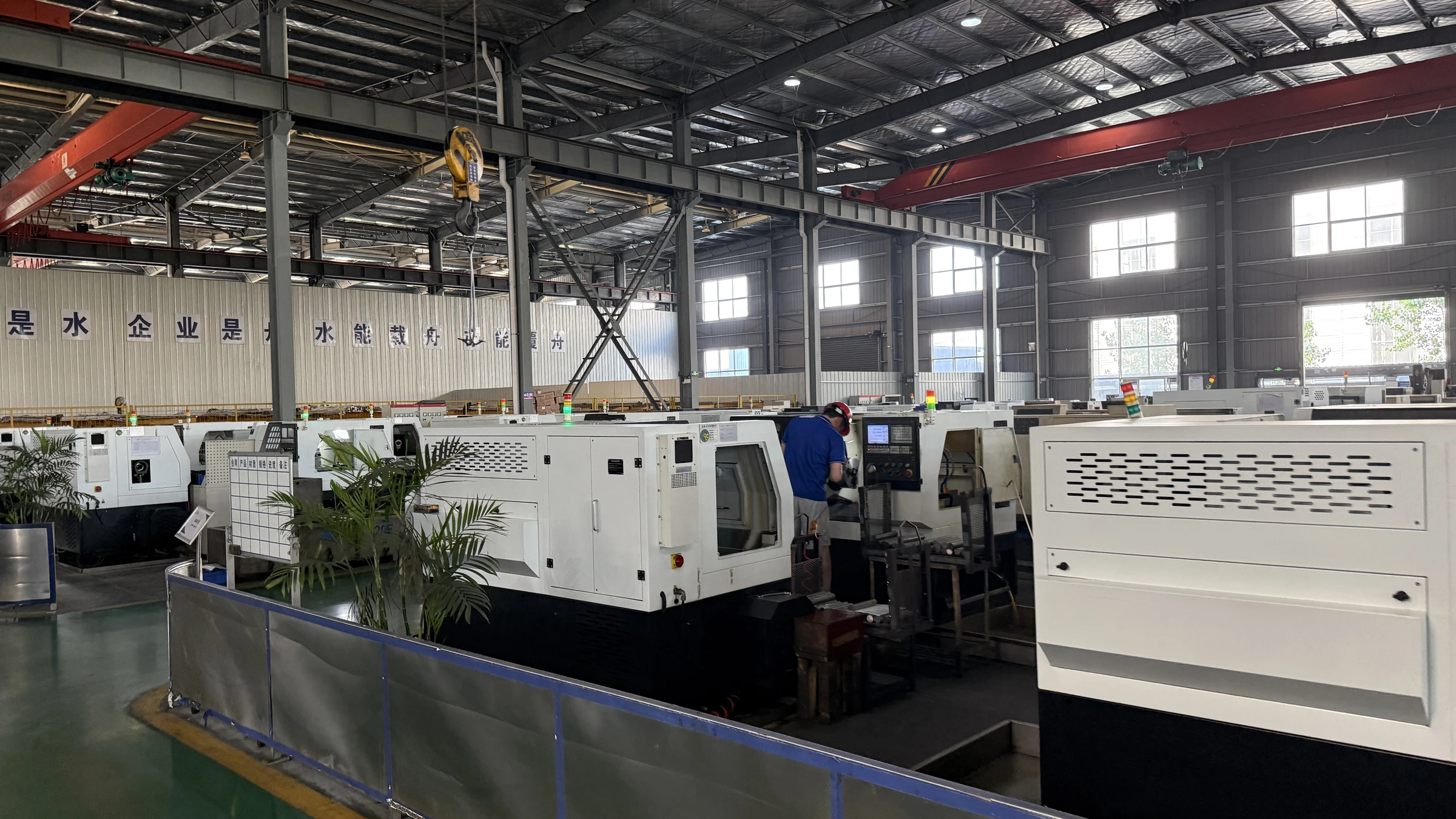
- Cut bar, CNC-finish ends and any grip features; roll or cut the specified threads. Studs do not require a headed-bolt upsetting operation.
- Final condition
- The specified high-temperature solution treatment and grain-size requirement are retained through manufacture.
- Inspection
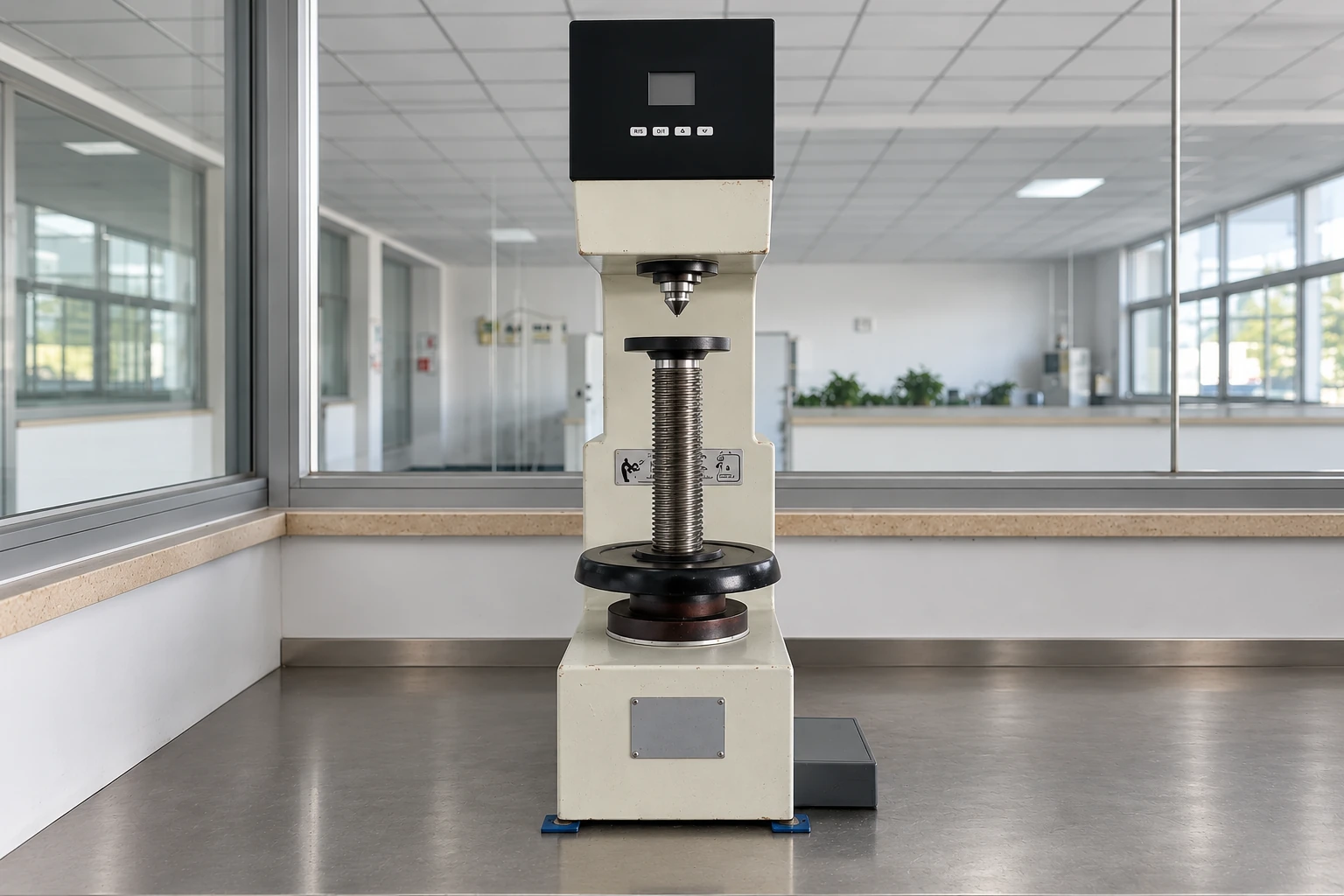
- Carbon · grain size · heat-treatment record · specified creep / rupture acceptance
Where 800H fits — and what matters

High-temp refinery & coker flanges
Incoloy 800H Stud BoltsIncoloy 800H studs address sustained hot tension on refinery cover joints designed for this alloy. Their controlled-carbon, coarse-grain condition improves creep and rupture strength over Incoloy 800, which matters over long operating runs. Accessible nuts allow the cover to be opened at shutdown, with stud and nut capacity established together in the pressure-joint design.
Connection requirements
- Flange thickness, gasket type, and required preload
- Stud diameter, overall length, and nut engagement at each end
- Sustained high-temperature duty, grade certification, and heat-number certification
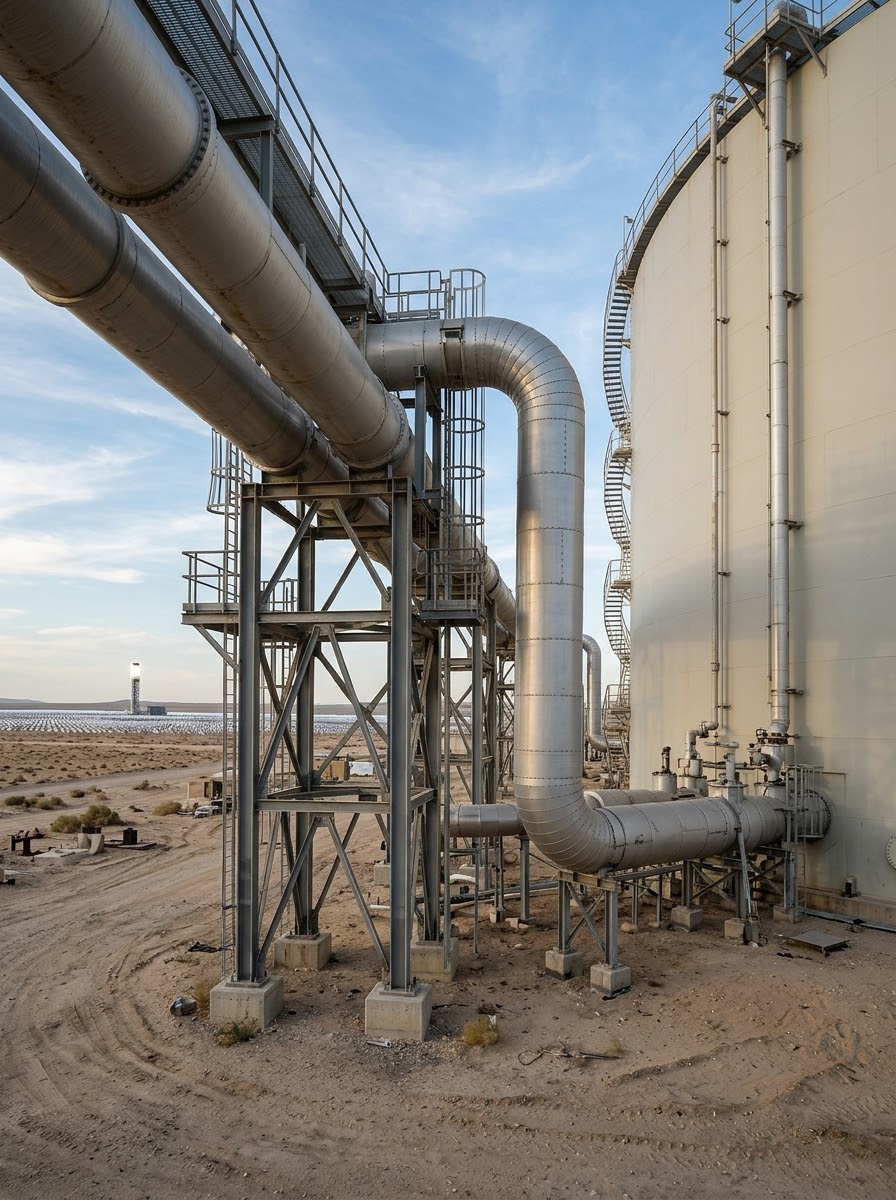
Solar thermal (CSP) molten-salt piping
Incoloy 800H Stud BoltsMolten-salt piping can heat its external flange studs through the joint even when the studs never touch the process fluid. Incoloy 800H is considered for this sustained hot tensile duty. Stud length and the mating nut arrangement then follow the flange design, while the alloy choice addresses long-term deformation under load.
Connection requirements
- Piping joint thickness, gasket type, and required preload
- Stud diameter, overall length, and nut engagement at each end
- Sustained high-temperature duty, grade certification, and heat-number certification
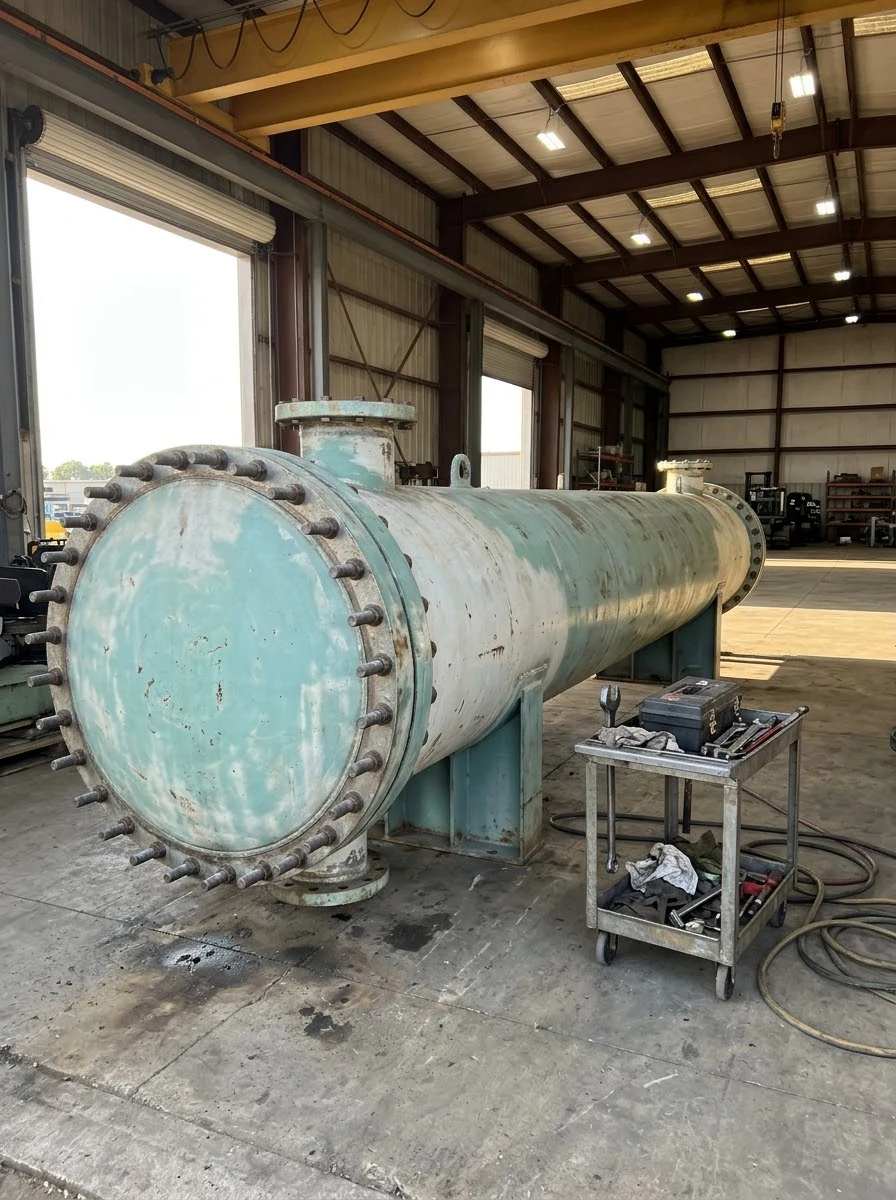
Heat-exchanger & reactor covers
Incoloy 800H Stud BoltsIncoloy 800H studs carry the clamping load on selected hot exchanger and reactor covers over long operating periods. Controlled carbon and coarse grain structure improve creep and rupture strength relative to Incoloy 800. Removable nuts permit cover access at shutdown; the operating temperature and sustained stud stress define the material choice.
Connection requirements
- Cover joint thickness, gasket type, and required preload
- Stud diameter, overall length, and nut engagement at each end
- Sustained high-temperature duty, grade certification, and heat-number certification
Same stud. Different material priorities.
Incoloy 800H material dataIncoloy 800 Stud Bolts
Incoloy 800 studs provide fixed, heat-resistant mounting points for retort covers and furnace accessories. Nuts can be removed while the stud remains in place. The alloy suits selected oxidation- and carburization-exposed duties, with the required hot load distinguishing general 800 from creep-focused 800H.
Nimonic 80A Stud Bolts
Nimonic 80A studs carry hot tensile loads at selected valve bonnets, boiler supports and exchanger covers. Precipitation hardening supplies nickel-alloy strength at temperature. Accessible end nuts provide cover removal or support adjustment without requiring the stud itself to turn with every maintenance operation.
Inconel 718 Stud Bolts
Inconel 718 studs carry high tensile loads in turbine casings and hot valve bonnets where the hole pattern limits fastener size. Precipitation hardening supplies strength, and removable nuts provide service access. Sour-gas connections additionally require the prescribed heat-treatment and hardness condition.
From drawing to documented delivery
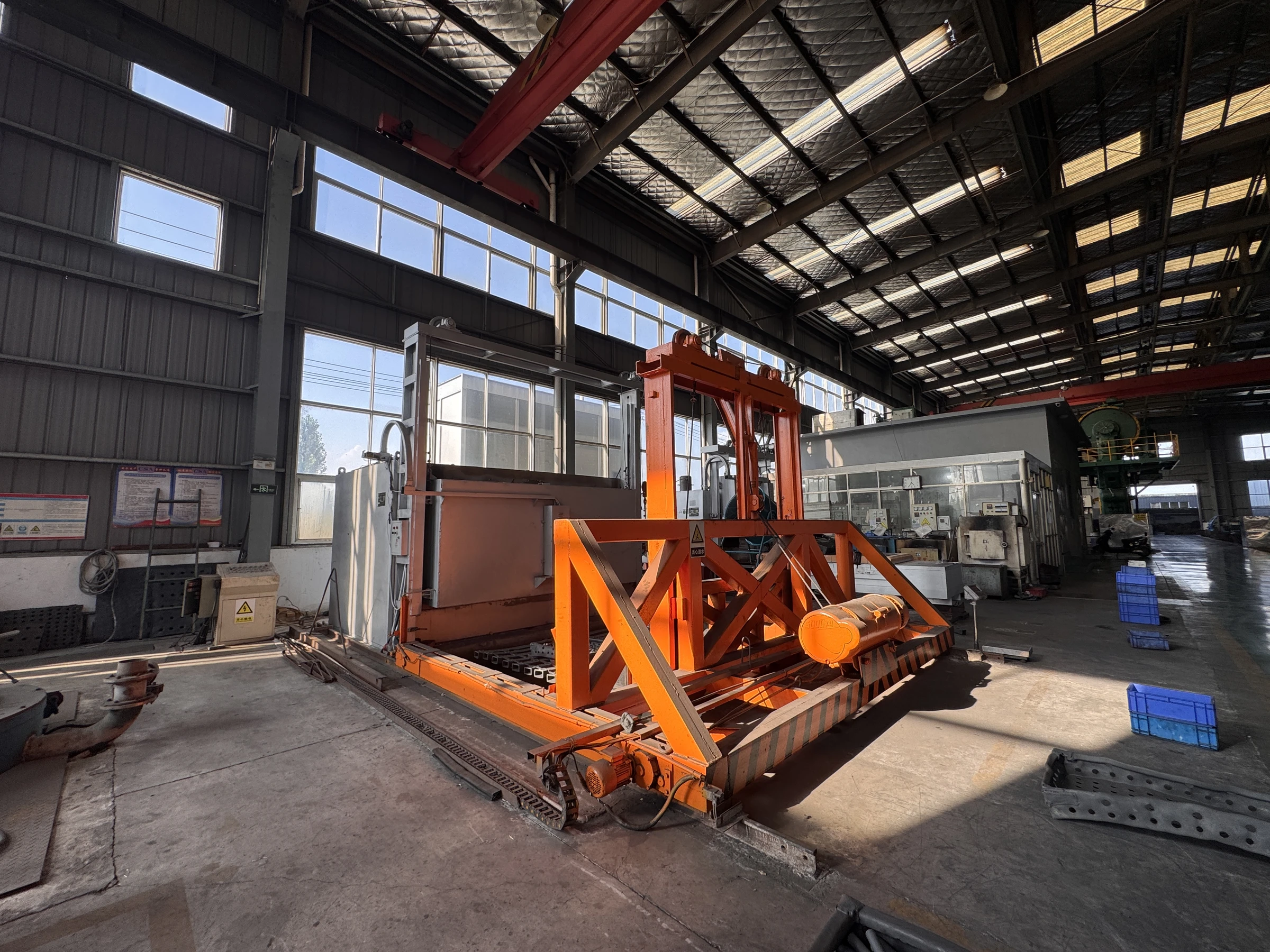
- 01Drawing & BOMGrade, condition and part dimensions
- 02Sample lotOptional · typically ~20 days
- 03Production & testingTypically 25–35 days
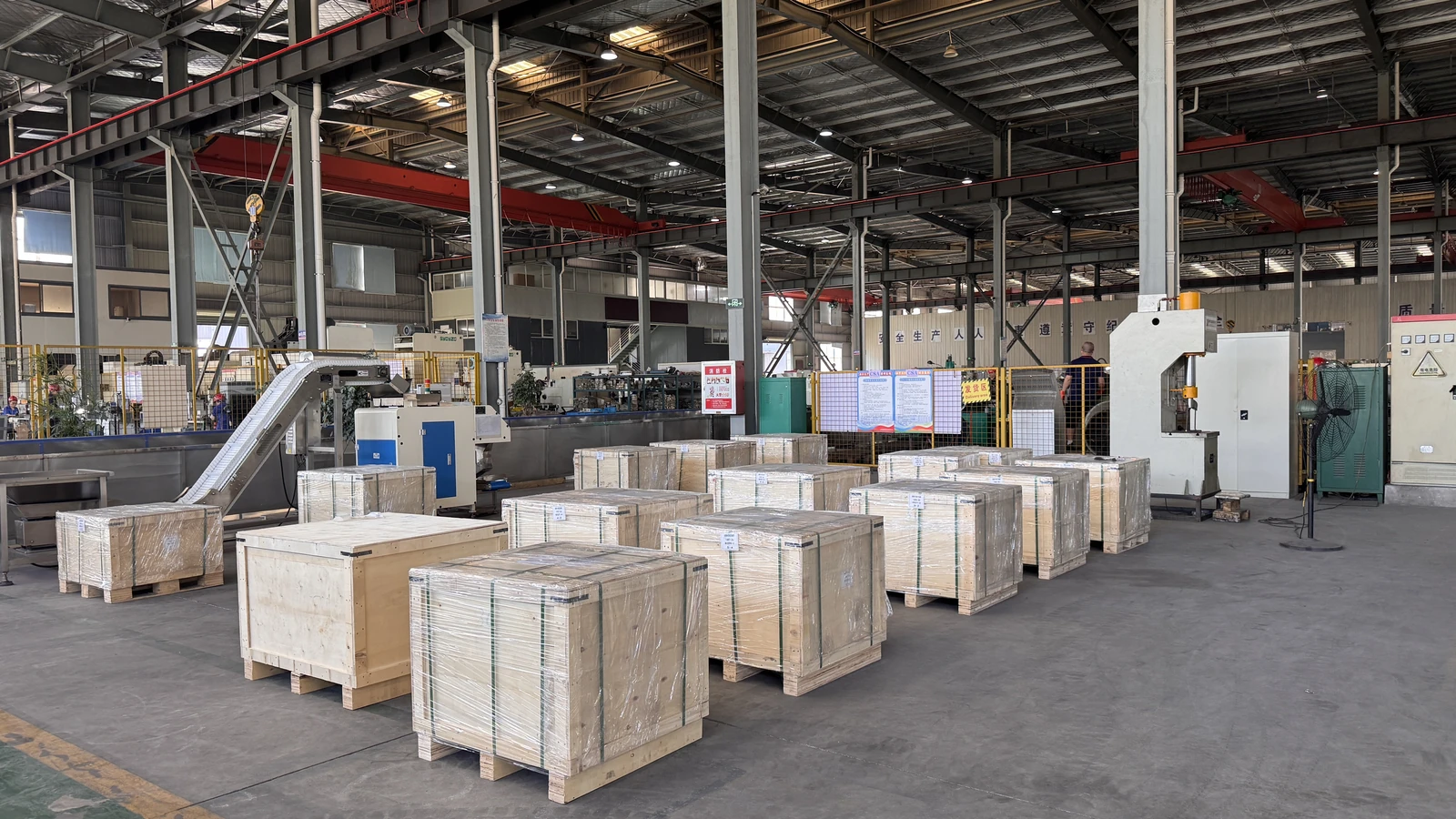
- 04Documents & dispatchHeat-linked lots and packing
Connection & acceptance
High-temp refinery & coker flanges: Flange thickness, gasket type, and required preload · Stud diameter, overall length, and nut engagement at each end · Sustained high-temperature duty, grade certification, and heat-number certification.
Material & final condition
The specified high-temperature solution treatment and grain-size requirement are retained through manufacture.
Connection inspection
Overall length · end-thread lengths · nut engagement. Carbon · grain size · heat-treatment record · specified creep / rupture acceptance.
Matching Kit
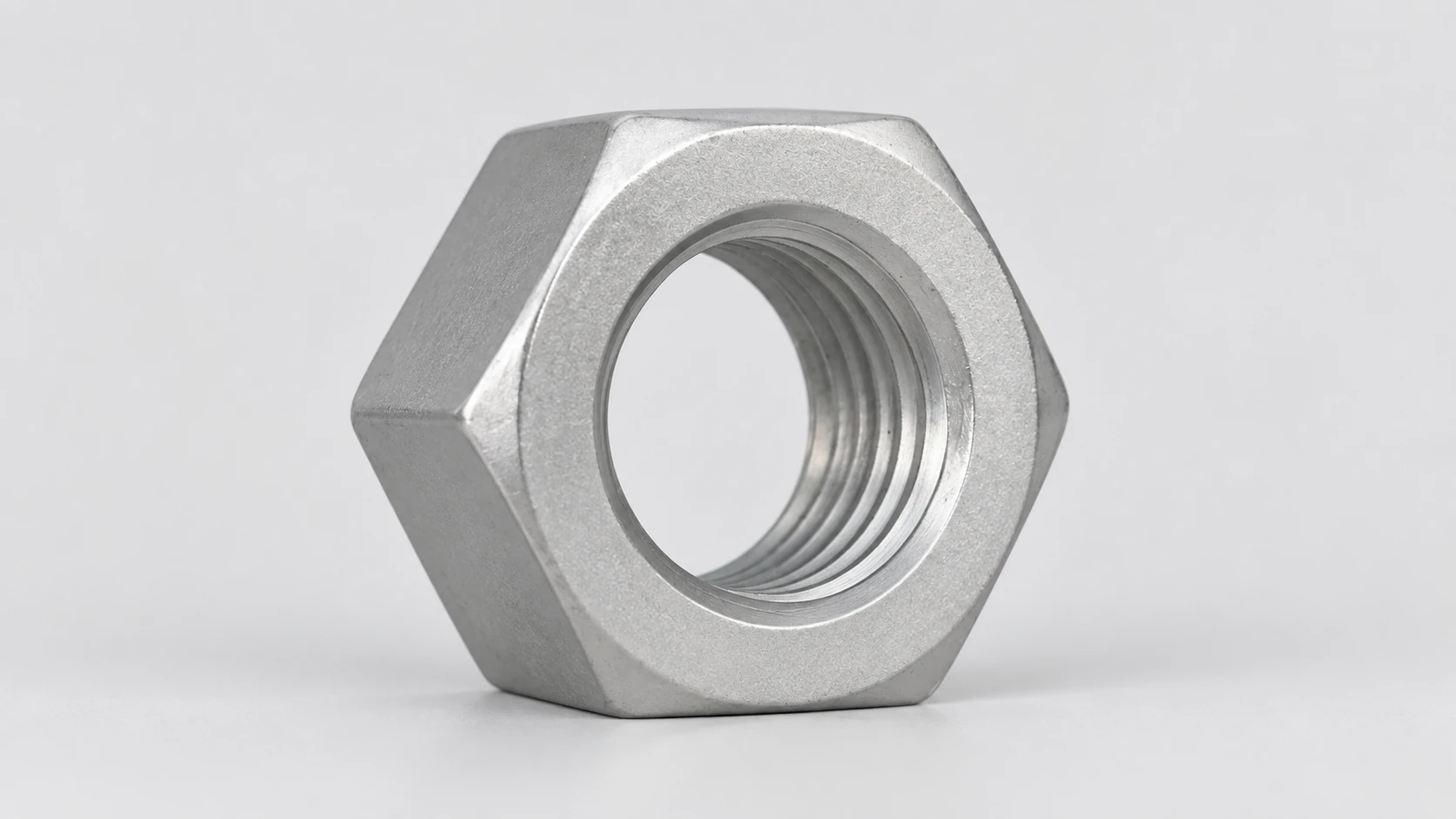
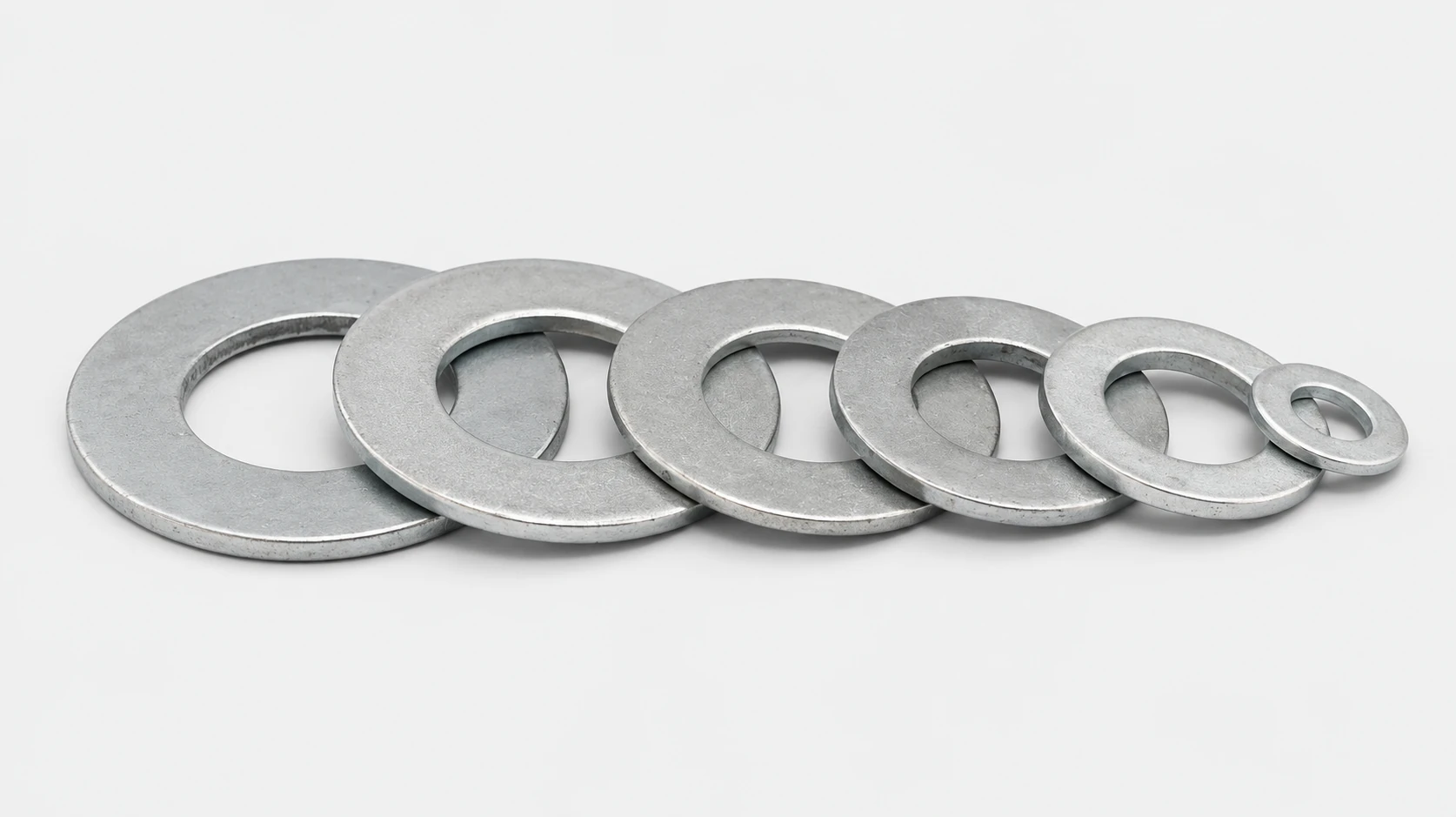
Flange Stud Bolt Kits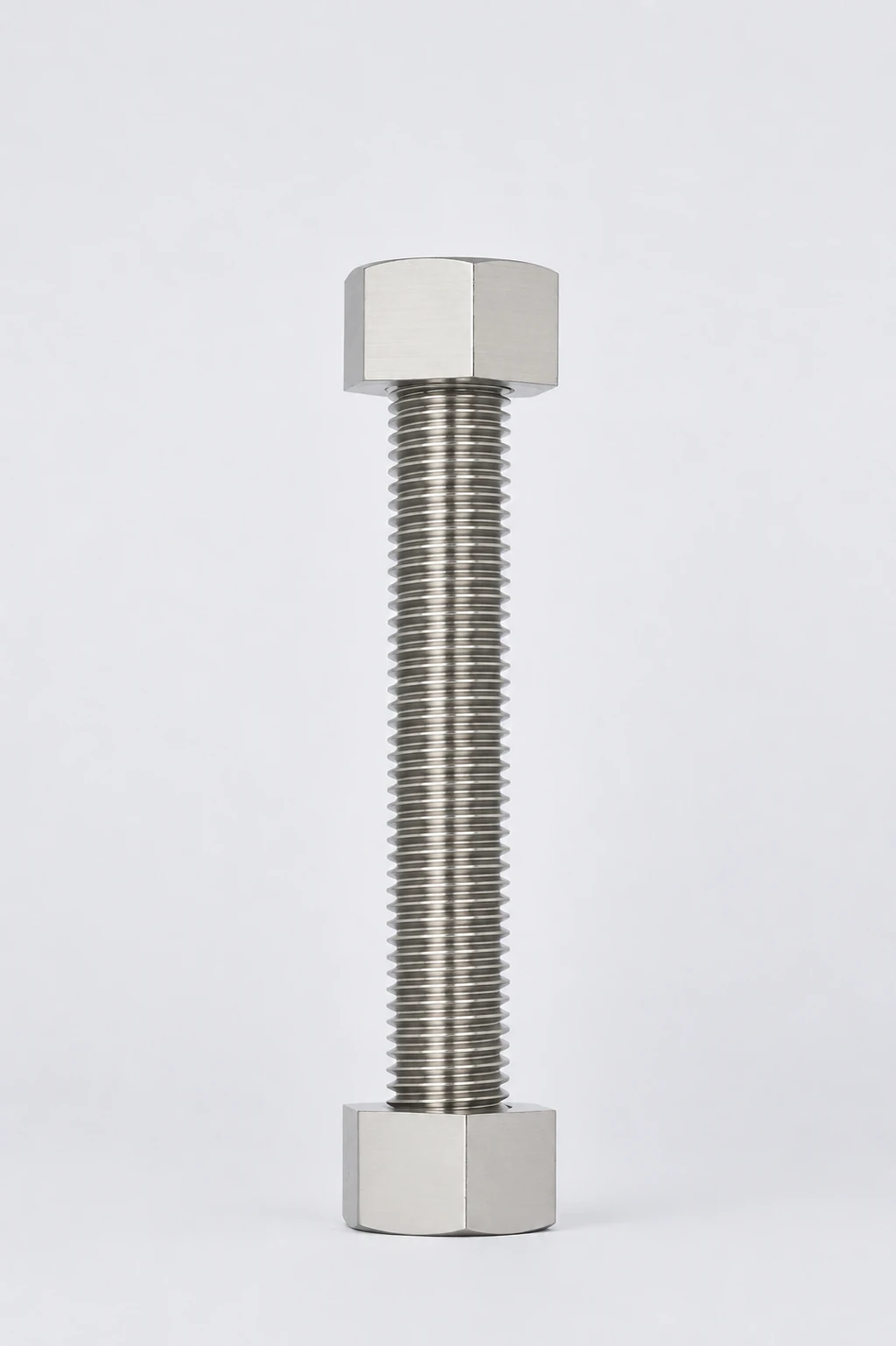
Build your 800H stud enquiry
Upload drawing insteadQuestions about 800H stud bolts & threaded rods
Can ordinary 800 bar be used for 800H studs?
800H has controlled carbon and grain-size requirements associated with its high-temperature properties. The starting heat, final treatment and ordered acceptance need to retain the 800H identity.
Technical references & photo credits
Catalogue photography shows product form. Application examples connect alloy properties to equipment duties; they are not customer installation records. Quantities, schedules and the inspection scope are confirmed in the quotation.