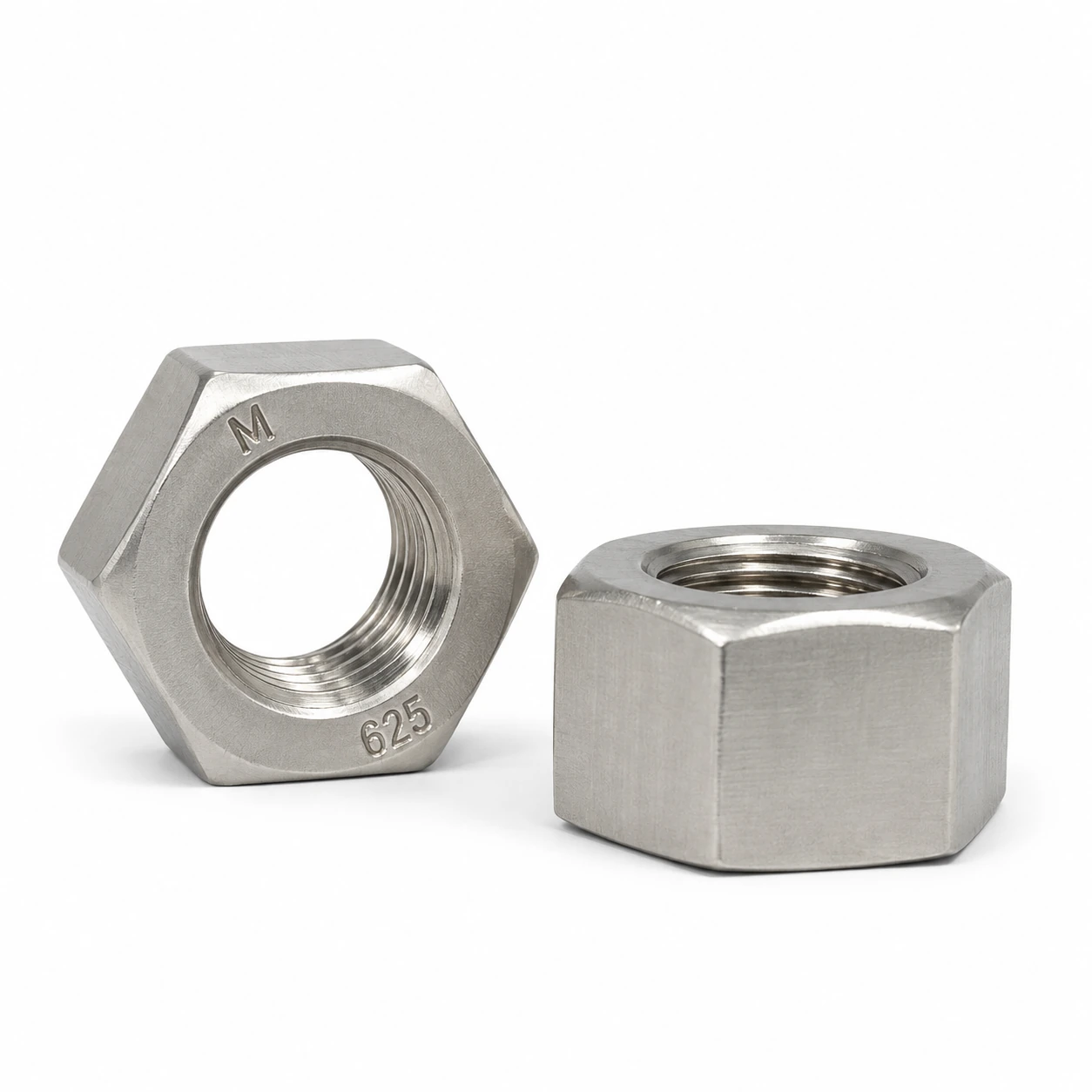
Nickel Alloy Heavy Hex Nuts – ASME B18.2.2 & Metric ASME B18.2.4.6M
Nickel alloy heavy hex nuts for flange studs and high-preload bolting, in Inconel, Monel, Hastelloy, Incoloy, duplex, A286 and titanium. Pick the alloy below, or check across-flats, across-corners and thickness in the inch and metric tables before you order. Nuts are machined from certified bar, tapped UNC, UNF, 8-UN or metric, and every lot ships with an EN 10204 3.1 MTC. MOQ: 100 pcs per size and grade.
- Inch diameter
- 1/4"–4"
- Metric diameter
- M12–M100; M6–M10 to DIN 934
- Threads
- UNC · UNF · 8-UN · Metric
- Standards
- ASME B18.2.2 · ASME B18.2.4.6M / ISO 4775 · ASTM F467
- Materials
- Nickel alloys · Duplex · A286 · Titanium
- Documents
- EN 10204 3.1 MTC
Heavy Hex Nuts by Alloy
Each alloy page has the heavy hex nut specification table, the delivery condition and the matching studs. We make heavy hex nuts in all 47 alloys below; for a grade without a page, name it on your enquiry.
Most requested for heavy hex nuts
Not in ASTM F467; API 6ACRA condition on request
Nuts for high-strength and sour-service studs
UNS N07718
W.Nr. 2.4668
- Nut standard
- Not in ASTM F467; API 6ACRA condition on request
- Bar
- ASTM B637
- Condition
- Solution treated and aged to the stud’s condition
ASTM F467 (Ni 625)
Seawater, chlorides, offshore flanges
UNS N06625
W.Nr. 2.4856
- Nut standard
- ASTM F467 (Ni 625)
- Bar
- ASTM B446
- Condition
- Annealed
ASTM F467 (Ni 276)
Wet chlorine, FGD, mixed acids
UNS N10276
W.Nr. 2.4819
- Nut standard
- ASTM F467 (Ni 276)
- Bar
- ASTM B574
- Condition
- Solution annealed
ASTM F467 (Ni 500)
Seawater pump and valve bolting
UNS N05500
W.Nr. 2.4375
- Nut standard
- ASTM F467 (Ni 500)
- Bar
- ASTM B865
- Condition
- Solution treated and age-hardened
ASTM F467 (Ni 400)
Seawater, brine, hydrofluoric acid
UNS N04400
W.Nr. 2.4360
- Nut standard
- ASTM F467 (Ni 400)
- Bar
- ASTM B164
- Condition
- Cold worked, stress relieved
ASTM A638 Grade 660
Turbine and hot-section studs
ASTM A1082 (S32750)
SWRO, offshore, high-chloride water
UNS S32750
W.Nr. 1.4410
- Nut standard
- ASTM A1082 (S32750)
- Bar
- ASTM A479
- Condition
- Solution annealed
ASTM F467
Light weight, seawater
UNS R56400
W.Nr. 3.7165
- Nut standard
- ASTM F467
- Bar
- ASTM B348 Grade 5
- Condition
- Mill annealed
ASTM B166
Furnace and heat-treat fixtures
ASTM B166
Furnace hardware, oxidising heat
ASTM B637
Turbine bolting at temperature
ASTM B574
Oxidising acids and chlorides
ASTM B335
Hydrochloric acid, reducing only
ASTM B335
Hydrochloric acid, reducing only
ASTM B408
Heat and corrosion below 600 °C
ASTM B408
Creep service, reformers, retorts
ASTM B425
Sulfuric and phosphoric acid
ASTM B408
Creep service, controlled Al + Ti
ASTM B805
Sour wells, completion equipment
ASTM B637
Gas turbine and valve bolting
UNS N07080
W.Nr. 2.4952
- Bar
- ASTM B637
- Condition
- Solution treated, stabilised and aged
BS HR5
Lightly loaded hot sections
AMS 5660 / 5661
Turbine discs and bolting
UNS N09901
W.Nr. 2.4662
- Bar
- AMS 5660 / 5661
- Condition
- Solution treated, stabilised and aged
ASTM A1082 (S32205)
Seawater, desalination, chlorides
UNS S31803 / S32205
W.Nr. 1.4462
- Nut standard
- ASTM A1082 (S32205)
- Bar
- ASTM A479
- Condition
- Solution annealed
ASTM A1082
Seawater, firewater, offshore
UNS S32760
W.Nr. 1.4501
- Nut standard
- ASTM A1082
- Condition
- Solution annealed
ASTM A479
Seawater and desalination
ASTM B649; A276 / A479
Sulfuric acid, mild chlorides
Sulfuric acid service
ASTM A479
Stronger austenitic for seawater
UNS S20910
W.Nr. 1.3964
- Bar
- ASTM A479
- Condition
- Carbide solution treated
ASTM A1082 (H1150D for sour service)
High strength, moderate corrosion
UNS S17400
W.Nr. 1.4542
- Nut standard
- ASTM A1082 (H1150D for sour service)
- Bar
- ASTM A564
- Condition
- Solution treated and aged
ASTM B649
Seawater, chloride-bearing acids
ASTM F594 / A194
General water and atmosphere
UNS S30400
- Nut standard
- ASTM F594 / A194
- Bar
- ASTM A276 / A479
- Condition
- Annealed or cold worked
ASTM A276 / A479
Welded assemblies, low carbon
ASTM A276 / A479
Furnace parts, scaling resistance
ASTM A276 / A479
Hot strength, higher carbon
ASTM A276 / A479
Furnace hardware, scaling resistance
ASTM F594 / A194
Marine atmosphere, mild chlorides
UNS S31603
- Nut standard
- ASTM F594 / A194
- Bar
- ASTM A276 / A479
- Condition
- Annealed or cold worked
ASTM A276 / A479
Ti-stabilised 316 for hot service
ASTM A276 / A479
Higher-Mo chemical service
ASTM F594 / A194
Intermittent heat, Ti-stabilised
UNS S32100
W.Nr. 1.4541
- Nut standard
- ASTM F594 / A194
- Bar
- ASTM A276 / A479
- Condition
- Annealed or cold worked
ASTM F594 / A194
Heat service, Nb-stabilised
UNS S34700
W.Nr. 1.4550
- Nut standard
- ASTM F594 / A194
- Bar
- ASTM A276 / A479
- Condition
- Annealed or cold worked
ASTM F594 / A194
Steam and valve trim, mild corrosion
UNS S41000
- Nut standard
- ASTM F594 / A194
- Bar
- ASTM A276 / A479
- Condition
- Hardened and tempered
ASTM A276 / A479
Hardenable, mild corrosion
ASTM F594
Mild atmospheric service
ASTM A276 / A479
Higher strength, mild corrosion
ASTM F467
Seawater, wet chlorine
UNS R50400
W.Nr. 3.7035
- Nut standard
- ASTM F467
- Bar
- ASTM B348 Grade 2
- Condition
- Annealed
ASTM B550
Hot hydrochloric and organic acids
ASTM B550
Load-bearing acid service
Not sure which alloy? Send the temperature, medium and pressure – we'll suggest grades.
ASTM F467 Heavy Hex Nuts – Which Alloys It Covers
ASTM F467 covers nonferrous nuts. In nickel alloys it lists 400, 405, K-500, 625, 686, 59 and C-276, alongside titanium grades such as Grade 2 and Grade 5; if your specification calls for F467, choose from those. A286 heavy hex nuts can be ordered to ASTM A453 Grade 660, and duplex and 17-4 PH nuts to ASTM A1082. Inconel 718 and Alloy 20 are in none of these: Inconel 718 nuts are made to ASME B18.2.2 dimensions from ASTM B637 bar, and Alloy 20 nuts are machined from UNS N08020 bar; the MTC reports the bar standard that applies.
| Nut standard | Alloys | Bar standard | Condition on the MTC |
|---|---|---|---|
| ASTM F467 / F467M | Monel 400 · Monel K-500 · Inconel 625 · Hastelloy C-276 · Titanium Grade 2 · Titanium Grade 5 | B164 · B865 · B446 · B574 · B348 | As F467 sets for the grade; K-500 solution treated and age-hardened |
| ASTM A453 / A453M Grade 660 | A286 | A638 Grade 660 | Solution treated and aged; class as ordered |
| ASTM A1082 / A1082M | Duplex 2205 · Super Duplex 2507 · Super Duplex S32760 · 17-4 PH | A479 · A564 | Duplex: solution annealed · 17-4 PH: H900 to H1150M, H1150D for sour service |
| ASTM A194 / A194M · F594 / F594M | 304 · 316 / 316L · 321 · 347 · 410 · 430 (F594 only) | A276 / A479 | Grade or condition as ordered; 410 hardened and tempered |
| No finished-nut standard – bar standard on the MTC | Inconel 718 | B637 | Aged to the stud's condition, ASTM A1014 or API 6ACRA |
| No finished-nut standard – bar standard on the MTC | Alloy 20 | UNS N08020 bar – the MTC reports the bar standard | Annealed |
| No finished-nut standard – ASME B18.2.2 / B18.2.4.6M dimensions, bar to its own standard | Inconel 600 / 601 / X-750 · Nimonic 80A · Hastelloy C-22 / B-2 / B-3 · Incoloy 800 / 800H / 825 · 254 SMO · 904L | B166 · B637 · B574 · B335 · B408 · B425 · A479 · B649 | X-750 and 80A aged; others annealed or solution annealed |
Other standards we work to — Thread, Bar & Dimensional Standards
Bar Standards
16 Specs- ASTM B637
- age-hardening nickel alloy bar (718, X-750, 80A)
- ASTM B446
- Inconel 625 bar
- ASTM B574
- Hastelloy C-276 and C-22 bar
- ASTM B164
- Monel 400 bar
- ASTM B865
- Monel K-500 bar
- ASTM A638
- A286 bar
- ASTM A276 / A479
- stainless and duplex bar
- ASTM B348
- titanium bar
- ASTM B166
- Inconel 600 and 601 bar
- ASTM B335
- Hastelloy B-2 and B-3 bar
- ASTM B408
- Incoloy 800, 800H and 800HT bar
- ASTM B425
- Incoloy 825 bar
- ASTM B805
- Incoloy 925 bar
- ASTM A564
- 17-4 PH bar
- ASTM B649
- Alloy 926 bar
- ASTM B550
- zirconium bar
Threads
- ASME B1.1
- unified inch threads – UNC, UNF, 8-UN
- ASME B1.13M
- metric threads
Dimensions
- ASME B18.2.2
- inch hex, heavy hex and jam nuts
- ASME B18.2.4.6M / ISO 4775
- metric heavy hex nuts, M12–M100
- DIN 934 / ISO 4032
- metric hex nuts below M12
- DIN 6915
- heavy hex nuts for DIN 6914 structural bolts
Heavy Hex Nut Dimensions – ASME B18.2.2 & Metric ASME B18.2.4.6M / ISO 4775
Dimensions in inches; threads to ASME B1.1.
| Size | UNC | UNF | 8-UN | F, across flats (min–max) | G, across corners (min–max) | H, thickness (min–max) |
|---|---|---|---|---|---|---|
| 20 | 28 | - | ||||
| 18 | 24 | - | ||||
| 16 | 24 | - | ||||
| 14 | 20 | - | ||||
| 13 | 20 | - | ||||
| 12 | 18 | - | ||||
| 11 | 18 | - | ||||
| 10 | 16 | - | ||||
| 9 | 14 | - | ||||
| 8 | 12 | - | ||||
| 7 | 12 | 8 | ||||
| 7 | 12 | 8 | ||||
| 6 | 12 | 8 | ||||
| 6 | 12 | 8 | ||||
| - | - | 8 | ||||
| 5 | - | 8 | ||||
| - | - | 8 | ||||
| 4-1/2 | - | 8 | ||||
| 4-1/2 | - | 8 | ||||
| 4 | - | 8 | ||||
| 4 | - | 8 | ||||
| 4 | - | 8 | ||||
| 4 | - | 8 | ||||
| 4 | - | 8 | ||||
| 4 | - | 8 | ||||
| 4 | - | 8 |
- F
- 1.212–1.250
- G
- 1.382–1.443
- H
- 0.710–0.758
Select F, G or H to view the dimension.
Drag to rotate · Scroll to zoom
- Flange studs of 1-1/8" and larger normally use the 8-UN thread series.
Heavy Hex Nut Configurations: Heavy Hex vs. Hex vs. Thin Nut
All three run on the same thread. Width across flats sets the bearing area and the socket size; thickness sets how much load the nut is meant to carry.
Heavy Hex vs. Hex vs. Thin Hex Nut
Drawing note: At 3/4" a heavy hex nut is 1/8" wider across flats than a hex nut, so it takes a larger socket and needs more room on the seat. A thin nut keeps the hex nut's width at about two-thirds of its thickness: run it against a full nut as a lock, not on its own under joint load. See nickel alloy hex nuts and thin hex nuts.
How We Make and Certify Heavy Hex Nuts
Every step below leaves a record that ends up on, or behind, the MTC for your lot.
Production steps
Bar check and cut
Bar is checked against its mill certificate before cutting, and the heat number follows each blank through to the MTC.
Hex body
Nut blanks are machined from hex or round bar; large sizes may be hot forged first, depending on alloy. Across-flats, thickness and bearing-face squareness are set here.
Heat treatment
Age-hardening alloys such as 718, K-500 and A286 are solution treated and aged to the same condition as the studs they will run on, recorded against the bar heat.
Tapping and final inspection
Threads are tapped and checked with GO / NO-GO plug gauges. Across-flats, thickness and bearing face are inspected before the lot is packed under its heat label.
Documents you receive
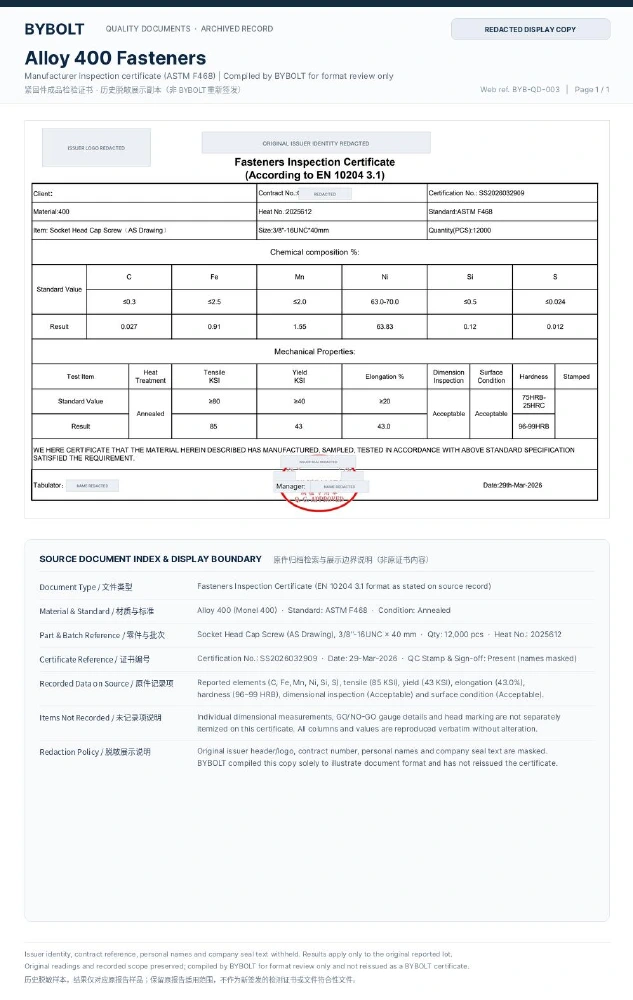
EN 10204 3.1 MTC
A 3.1 MTC confirms compliance with the order and reports specific inspection results for the identified heat or lot. It links the alloy, condition, chemistry and mechanical results to the fasteners, with validation by the manufacturer’s inspection representative independent of manufacturing.
Archived sample: Alloy 400 socket head cap screws
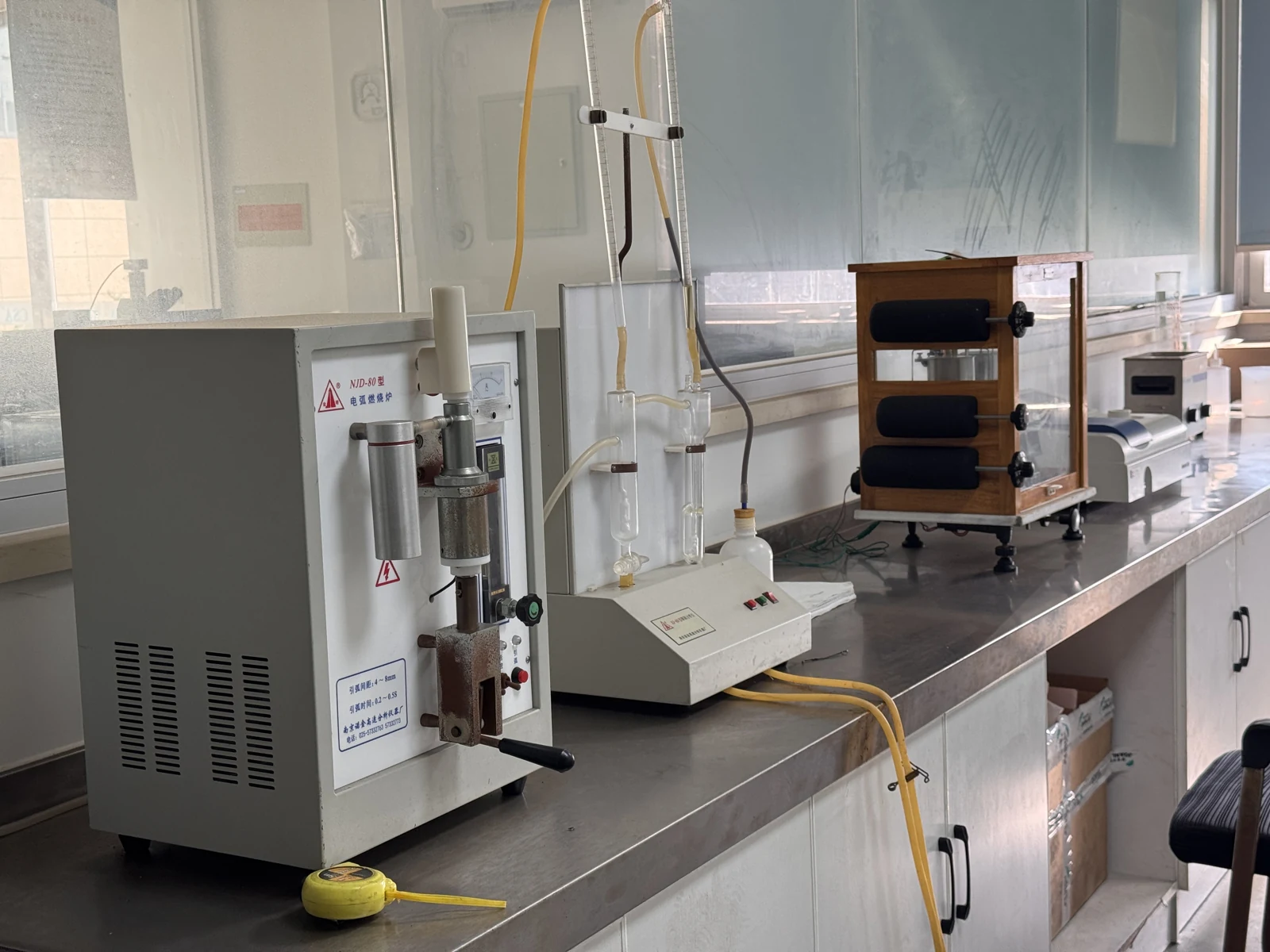
Laboratory report
Chemical analysis checks the alloy composition; tensile and hardness tests report the tested material’s mechanical properties. The laboratory report records these measured values with heat and sample references, linking the test results to the material tested.
Chemistry, tensile and hardness testing
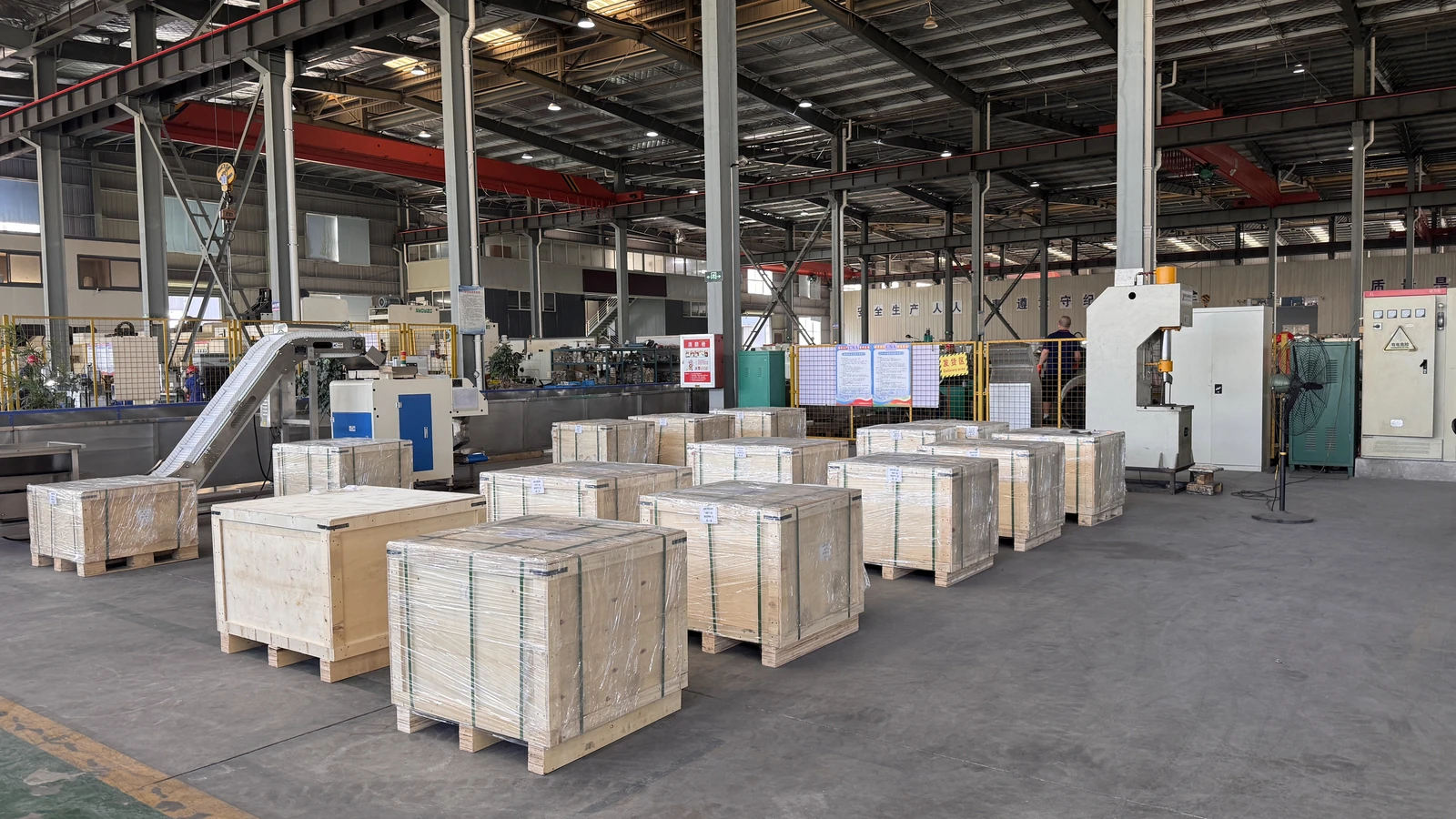
Identified packing
Each package is labelled with the alloy, size, heat and lot. These references keep batches separate and let your receiving team match the delivered parts to their MTC and inspection records, then retain that identity through storage and installation.
Alloy, size, heat and lot identification
Additional inspection
Routine PMI by sampling; 100% PMI, third-party inspection and witness testing on request. Project inspection plans can include UT / PT and heat-treatment records.
Matching Studs, Bolts & Flange Kits for Heavy Hex Nuts
Order the nuts in the same alloy and condition as the studs they run on. A stainless nut on a nickel alloy stud is prone to galling under torque and, in seawater, forms a galvanic couple.
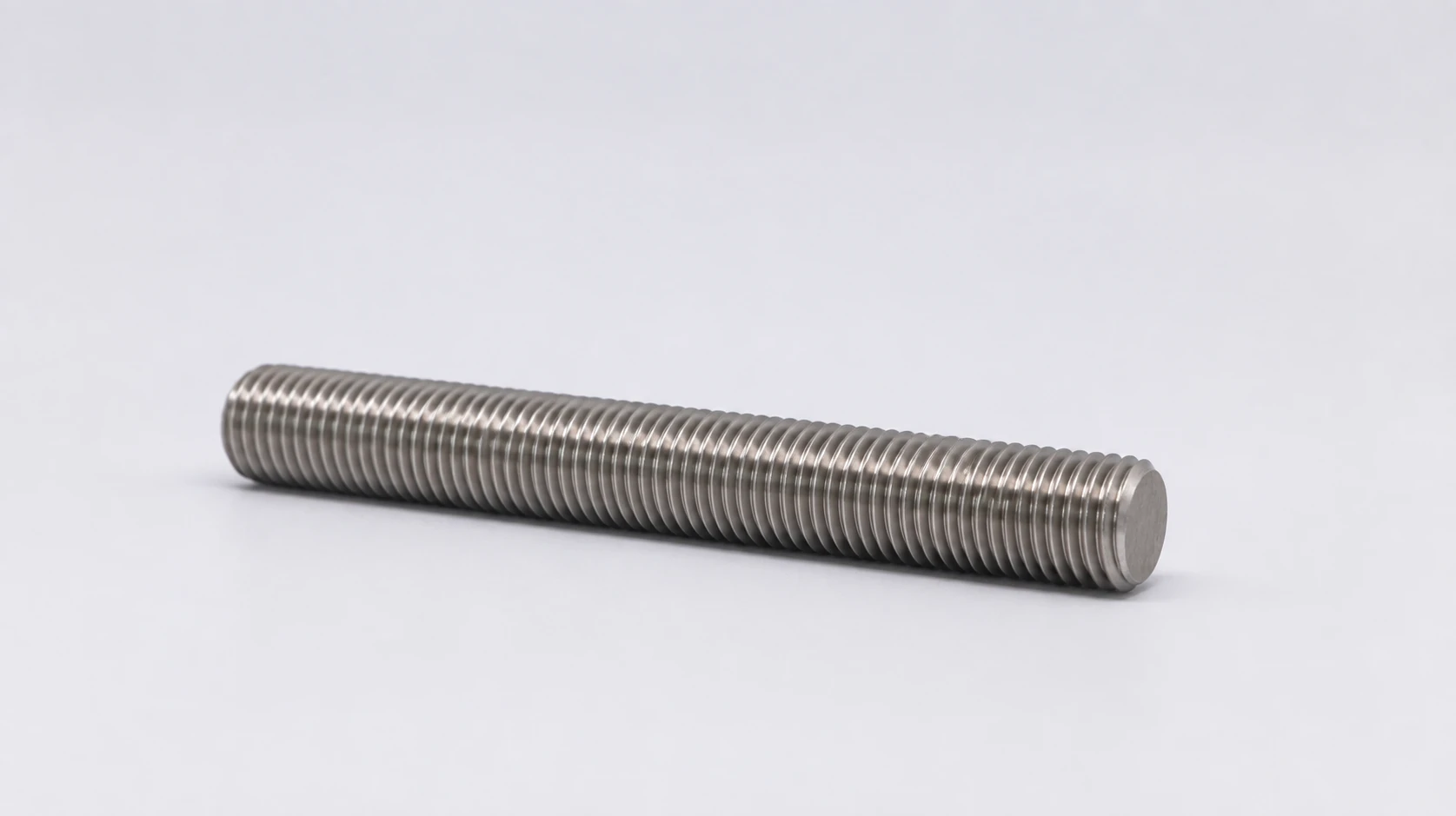
Fully threaded studs in the nut's alloy, ASME B1.1 or metric threads.
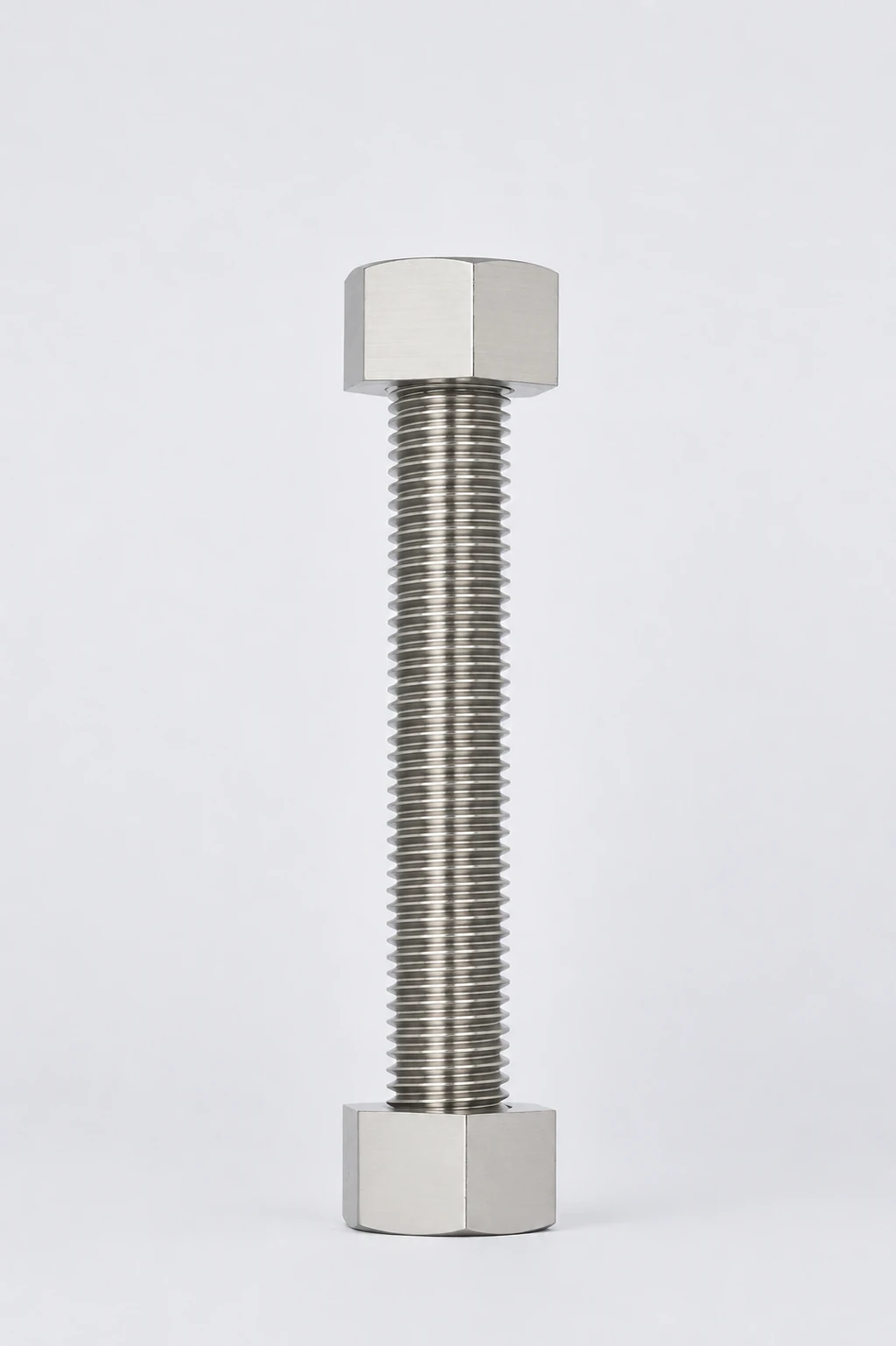
Two heavy hex nuts per stud, one alloy and one condition.
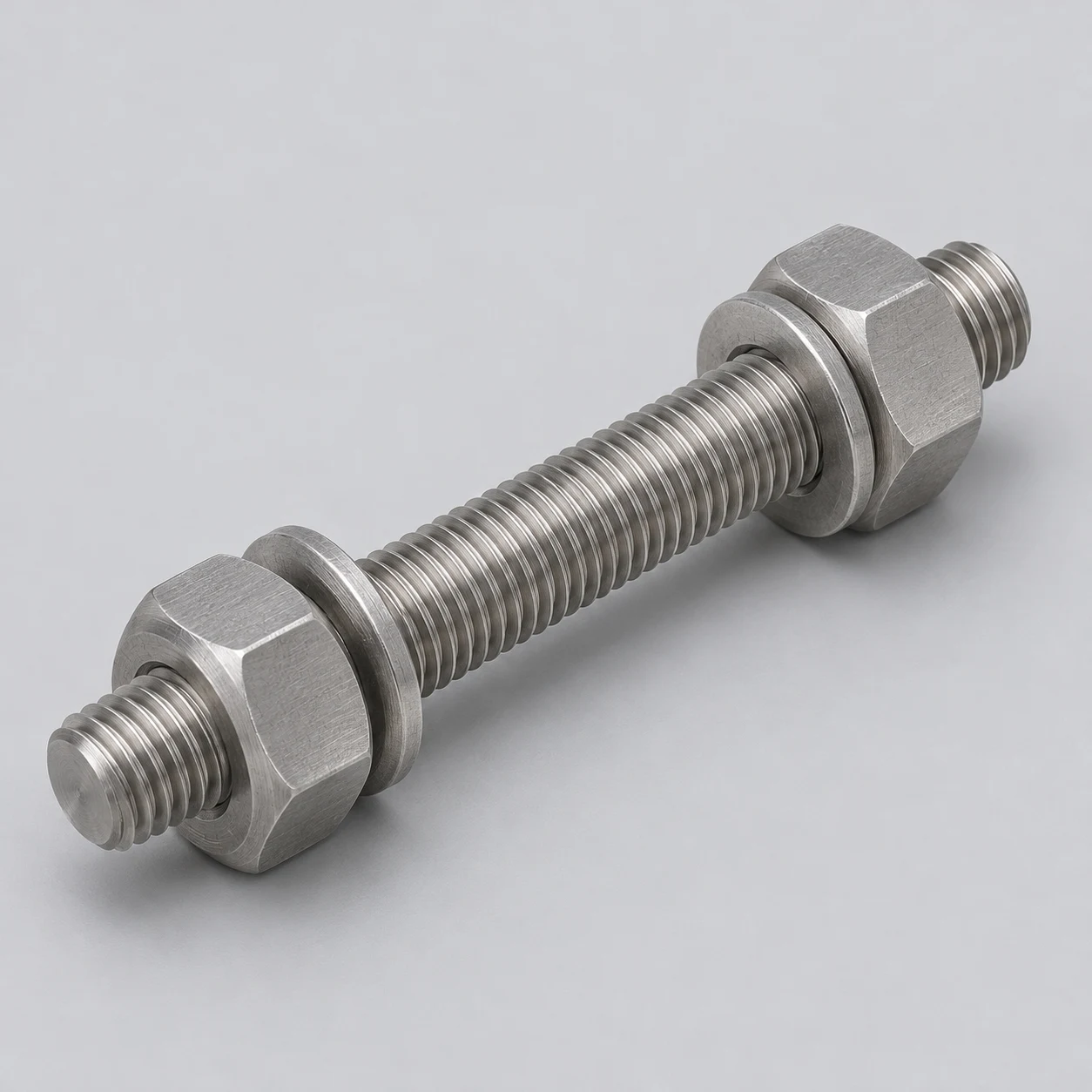
One stud, two heavy hex nuts and two washers per bolt hole, packed by flange and line number.
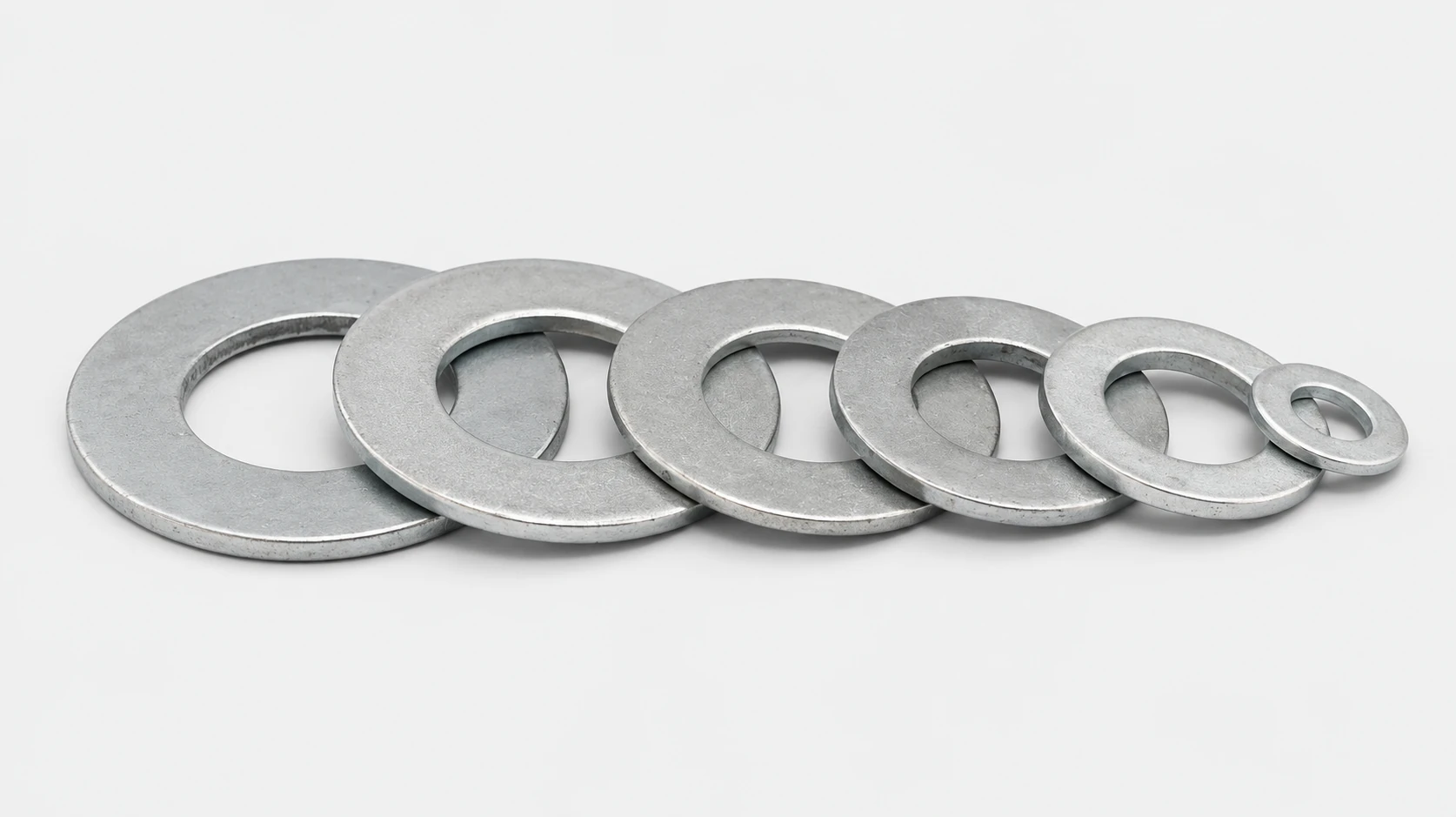
Same alloy as the nut, for soft or slotted bearing faces.
How to Order Heavy Hex Nuts
A complete enquiry gets a complete quote. These seven lines cover it:
MOQ: 100 pcs per size and grade.
- Material
- Grade, UNS and condition – e.g. Inconel 718, UNS N07718, aged to match the studs
- Standard
- Nut standard (F467, A1082, A194 / F594) or bar standard only
- Size and type
- Diameter; heavy hex, hex or thin (jam) nut; for metric, B18.2.4.6M / ISO 4775 or DIN 6915
- Thread
- UNC, UNF, 8-UN or metric pitch, with class (2B, 3B, 6H)
- Quantity
- Pieces per size – two nuts per stud on flange joints
- Documents
- EN 10204 3.1 MTC; routine PMI by sampling; 100% PMI or third-party inspection on request
- Drawing
- Any feature that departs from the standard
Heavy Hex Nuts – FAQ
Is a heavy hex nut the same as a 2H nut?
No. 2H is a grade in ASTM A194: quenched and tempered carbon steel nuts for pressure and high-temperature bolting, normally made in the heavy hex pattern. Heavy hex describes only the shape. On a nickel alloy, duplex or titanium stud, order the heavy hex nut in the stud's alloy and condition instead of 2H.
Can I fit a heavy hex nut on a standard hex bolt?
Yes. The thread is the same, so a heavy hex nut runs on a hex bolt or stud of the same size. It is larger across flats, so it takes a different socket from the bolt head, and its bigger bearing face needs room on spot-faced or recessed seats. nickel alloy hex bolts
Do you make heavy hex jam nuts?
Yes, to ASME B18.2.2. A heavy hex jam nut has the same across-flats as the heavy hex nut but is thinner – on a 3/4" thread it is 0.398–0.446" thick against 0.710–0.758". It locks a load-carrying nut and is not meant to carry the joint load itself. thin nut vs regular nut
How do you reduce thread galling between nickel alloy nuts and studs?
Same-alloy nuts and studs can still gall, so material matching is not a galling fix – it keeps strength and corrosion behaviour consistent across the joint. To reduce galling, keep the threads clean and undamaged, apply an anti-seize compound to the stud thread and the nut bearing face, and run the nut down at a steady, moderate speed rather than with high-speed tools. Use the standard 2B / 6H nut fit unless your drawing says otherwise. thread galling on nickel alloy fasteners
Related Technical Guides
What ASTM F468, F467 and F2281 each cover.
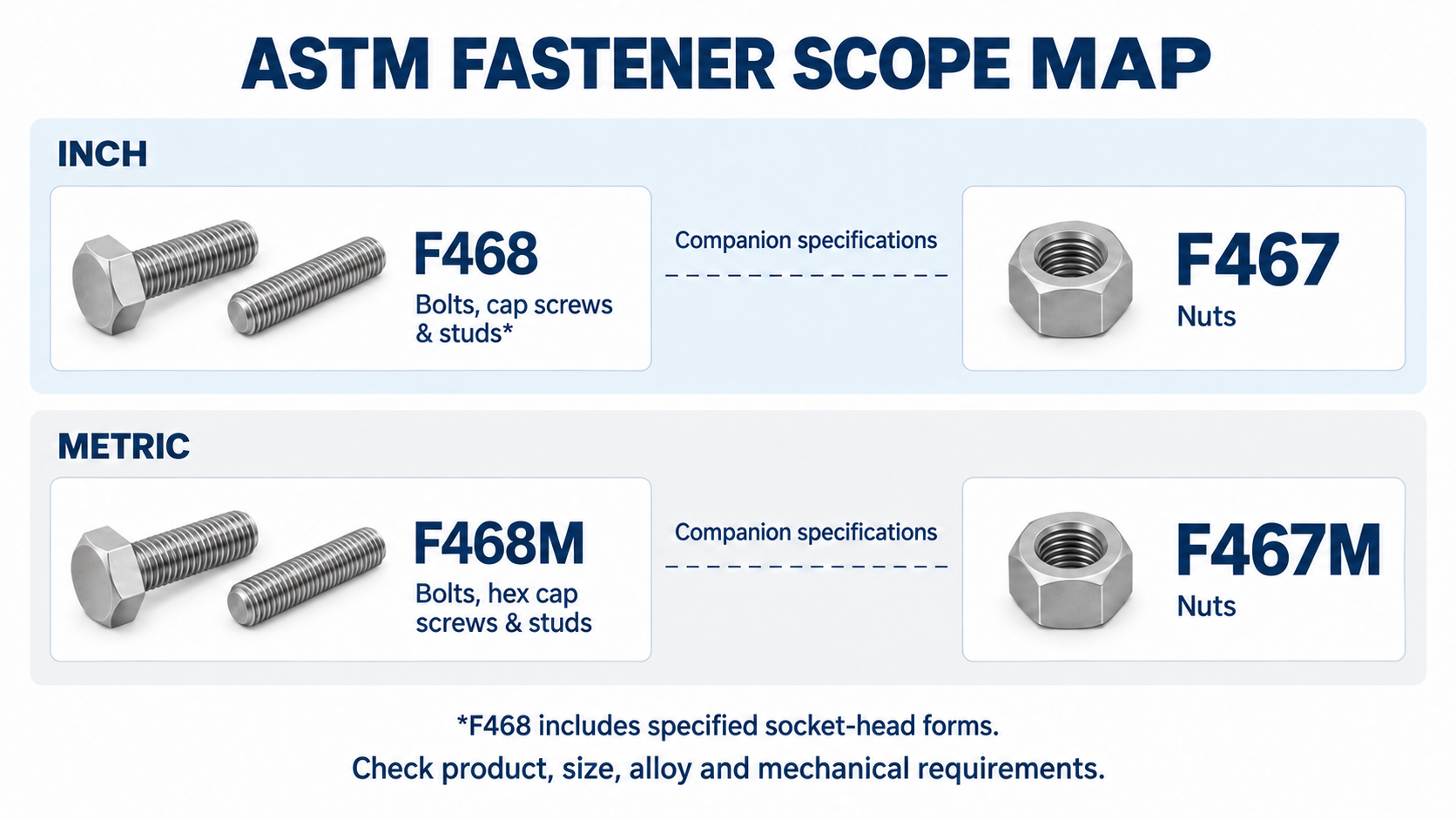
ASTM F468 vs F467: Choosing the Right Fastener Specification
F467 and F467M by size, and why a matching thread does not prove the right nut.
6g/6H vs 2A/2B: What’s the Difference Between Metric and Unified Thread Classes?
2B, 3B and 6H nut thread classes, and what to write on the RFQ.