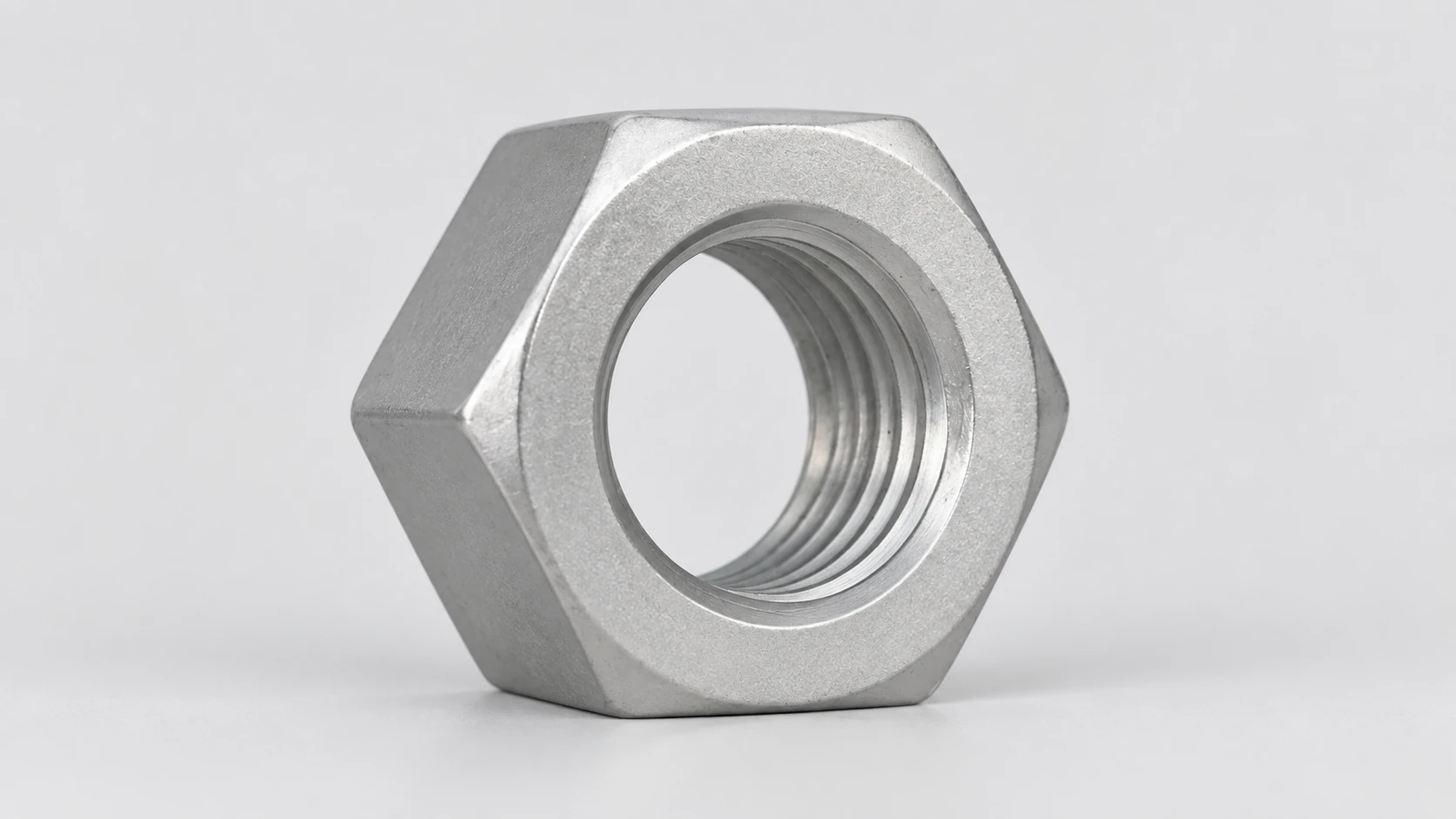
Incoloy 800 Heavy Hex Nuts
ASME B18.2.2ASTM B408
Incoloy 800 heavy hex nuts pair an iron-nickel-chromium alloy with a larger bearing face for retort, exchanger, and radiant-tube joints, where nut-face load distribution matters as much as thread strength. The alloy resists oxidation and carburization at nut faces.
- MOQ
- 100PCS
- Samples · typical
- ~20 days
- Production · typical
- 25–35 days
- Heat treatment
- Annealed
EN 10204 3.1 MTC + heat-number traceability
Which standard is on your order?
Raw Material Specifications
Threads · Metric
Threads · Inch
Dimension Reference
Heat Treatment
AnnealedAnnealing reduces work hardening and restores ductility for the specified supplied condition.
What we can make in Alloy 800

Regular hex
Use on equipment covers and mounting brackets with standard socket access. The compact wrenching envelope is useful where adjacent fasteners or housing walls restrict tool clearance.

Heavy hex
Use on flange-bolting sets and pressure-equipment joints calling for a heavy-hex pattern. The wider bearing footprint and larger wrench size require more seat area and socket clearance than a regular hex nut.

Thin hex
Use in restricted axial spaces or as part of a specified two-nut locking arrangement. Reduced thread engagement means a thin nut is not a direct load-capacity replacement for a full-height nut.
- Metric thread
- M4–M100
- Inch thread
- 1/4″–4″
- Patterns
- Heavy hex
- Thread systems
- Metric · UNC · UNF · 8UN · UNJ
- Final condition
- Annealed
- Inspection
- Thread plug gauges · Across flats · Nut height
Manufacturing route
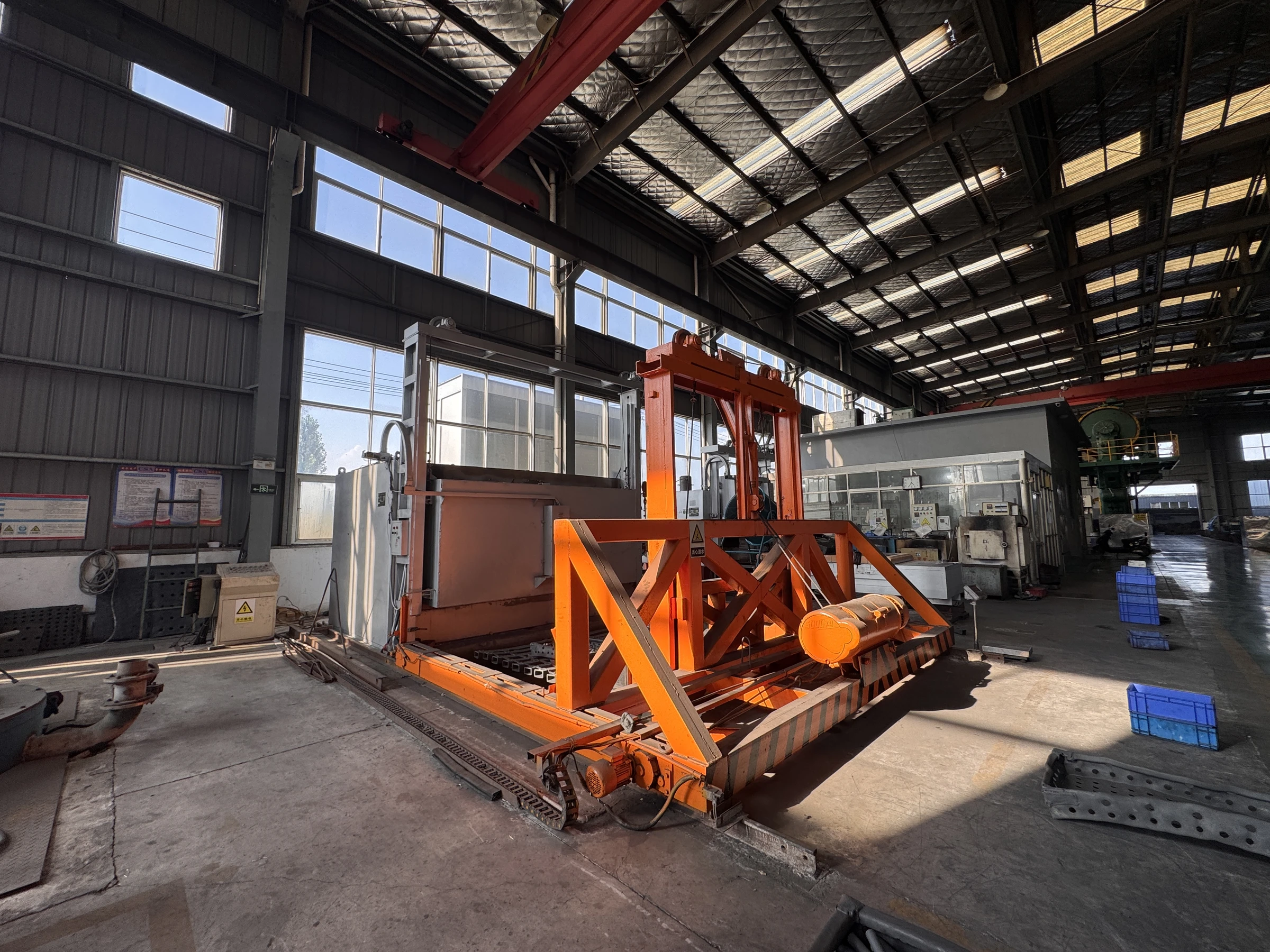
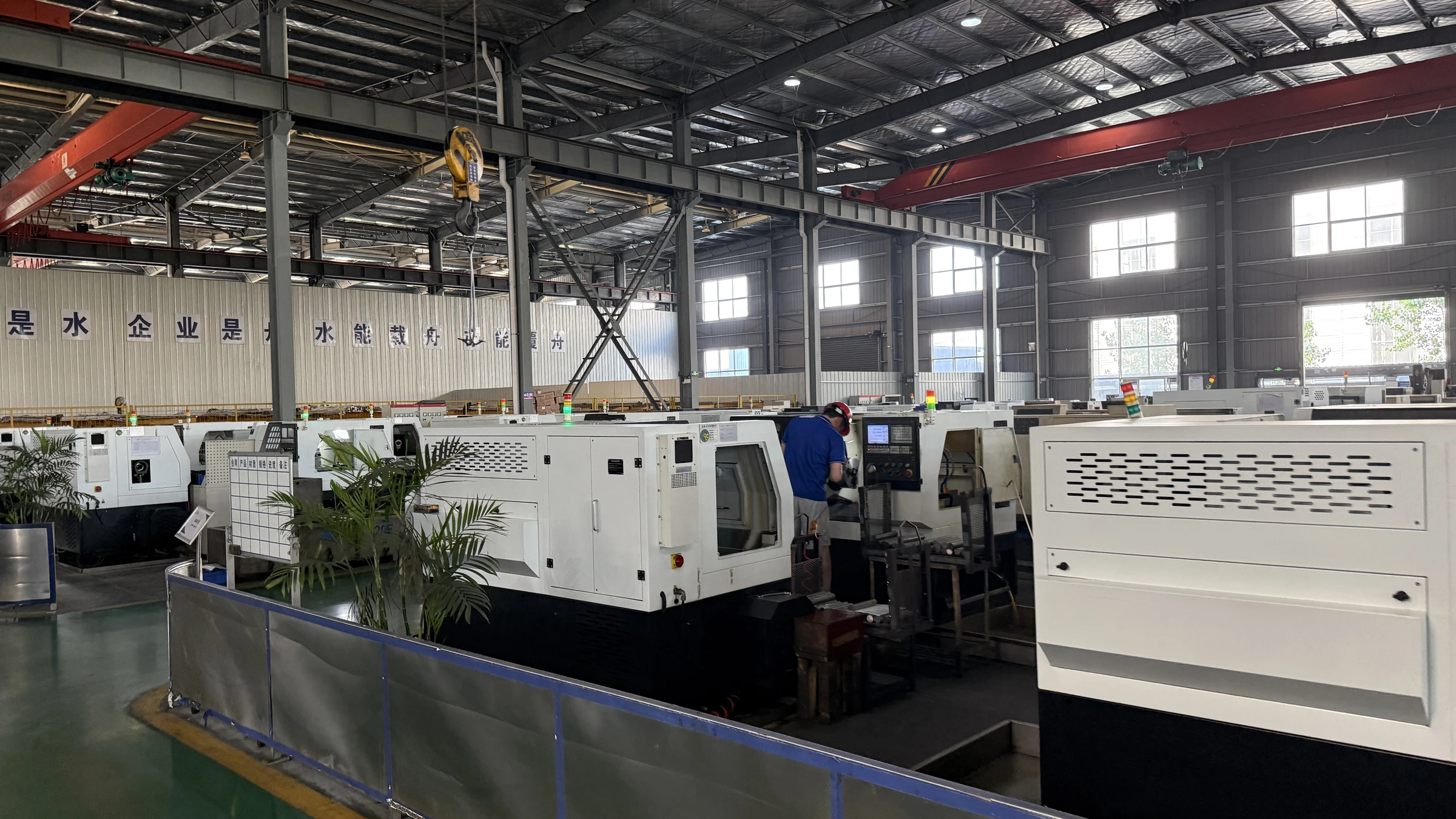
Small lots use machined blanks. Volume nut blanks use a forming route compatible with the alloy before machining the bore and tapping.
Heat treatment & final condition
The ordered annealed or solution-treated state is retained in the lot record; forming and machining do not replace the specified thermal condition.
Finished geometry
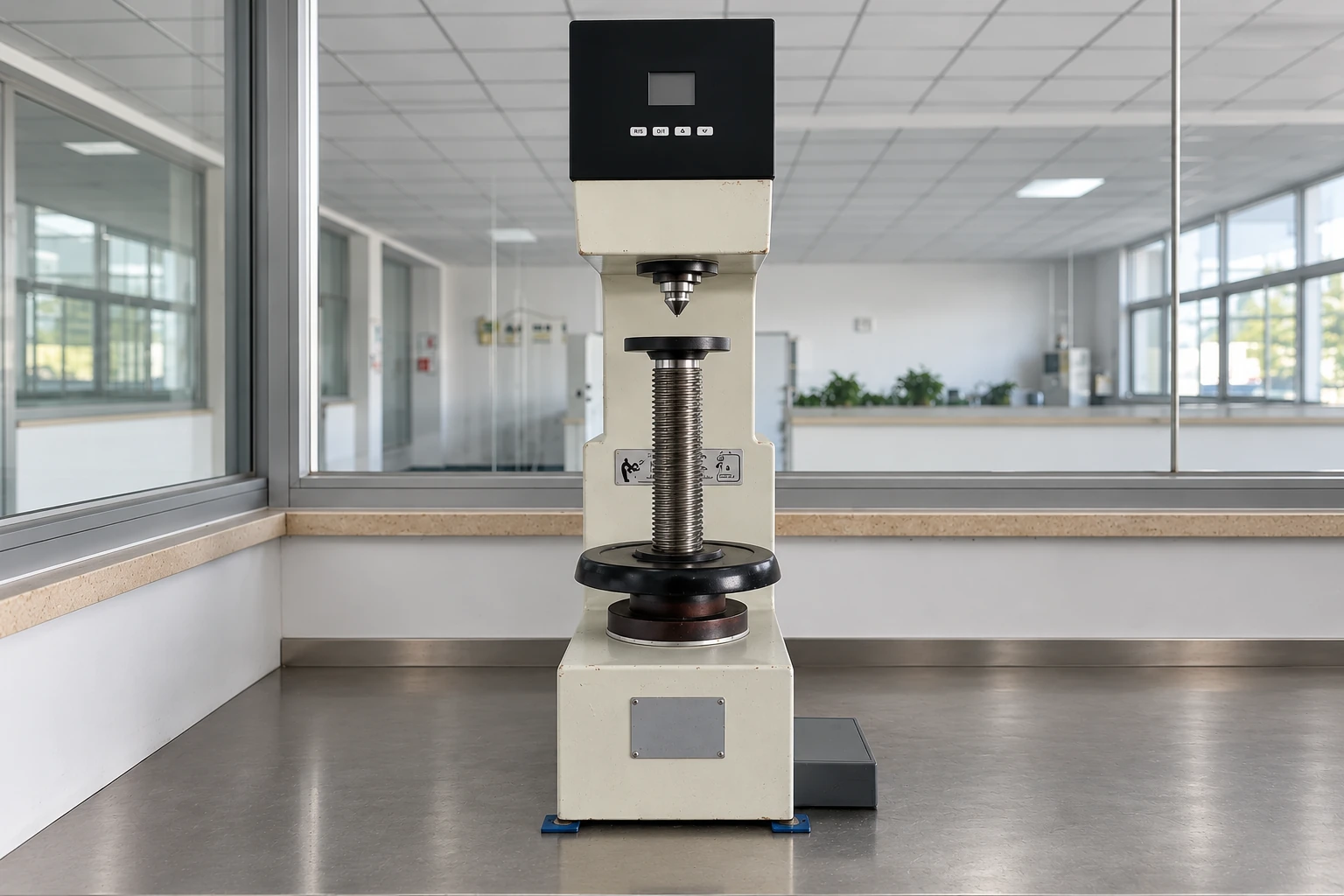
Internal thread gauging, usable engagement and bearing-face alignment are checked after final processing.
Where 800 fits — and what matters
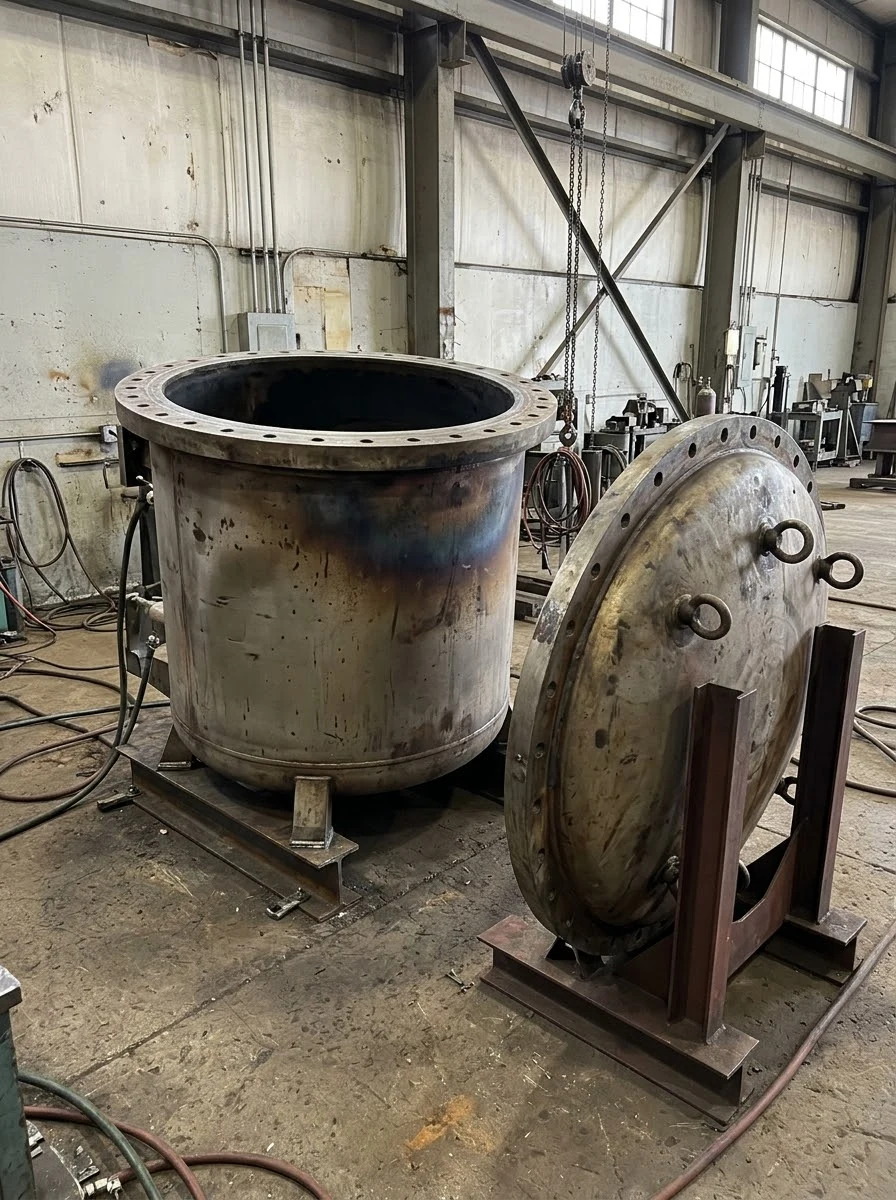
Retort & muffle covers
Incoloy 800 Heavy Hex NutsIncoloy 800 heavy hex nuts secure retort accessory studs exposed to oxidation and carburization. Broad seating faces suit substantial cover spotfaces, while large wrenching flats provide practical access during maintenance. This combination fits moderately loaded furnace hardware with space for a heavy nut pattern.
Connection requirements
- Mating stud diameter, thread form, and thread class
- Nut height, width across flats, and bearing-face condition required
- Oxidising/carburizing duty, cycling history, and heat-number certification
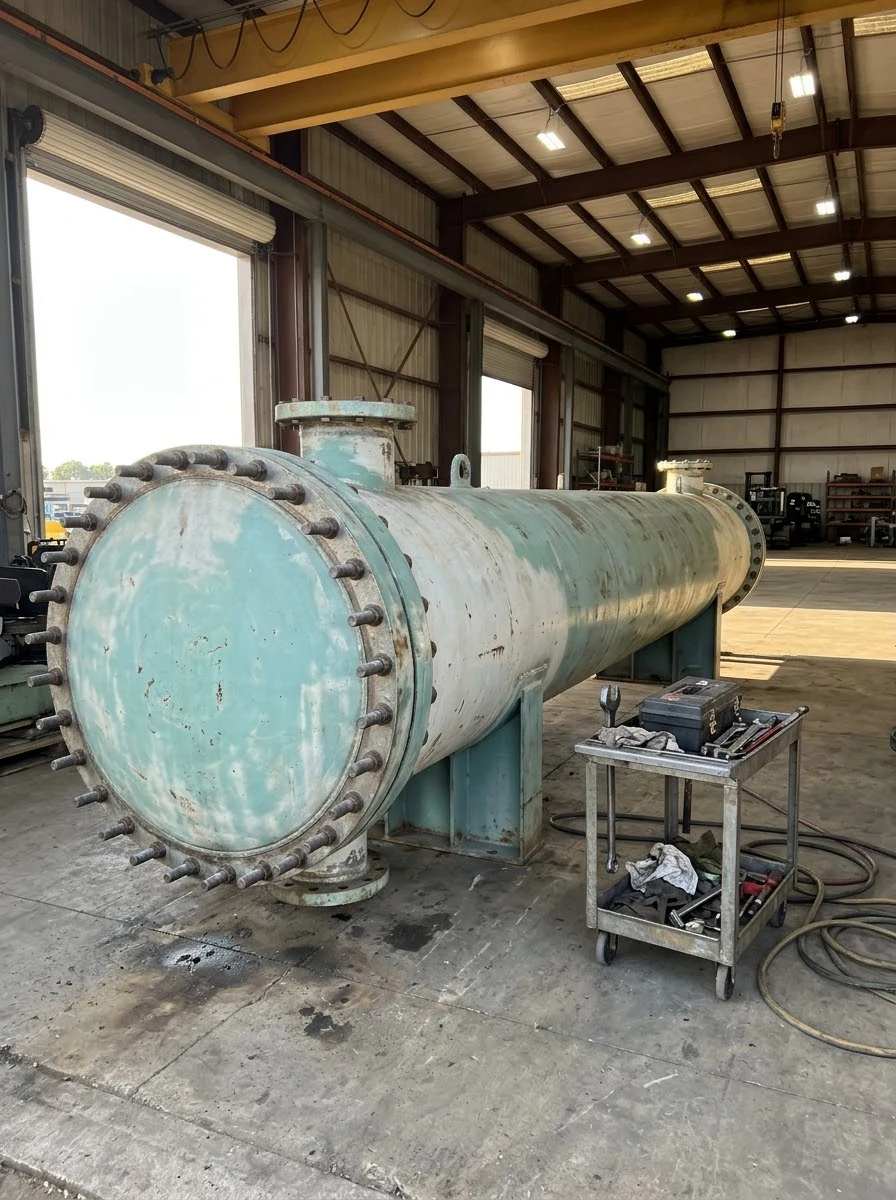
Heat-exchanger & reactor covers
Incoloy 800 Heavy Hex NutsIncoloy 800 heavy hex nuts secure moderately loaded hot-cover studs where oxidation resistance and a broad seating face are useful. Their large flats accommodate maintenance tooling on substantial cover spotfaces. For continuously loaded hot supports, the stronger creep basis of 800H becomes a meaningful reason to compare the two grades.
Connection requirements
- Mating stud diameter, thread form, and thread class
- Nut height, width across flats, and bearing-face condition required
- Oxidising/carburizing duty, cycling history, and heat-number certification
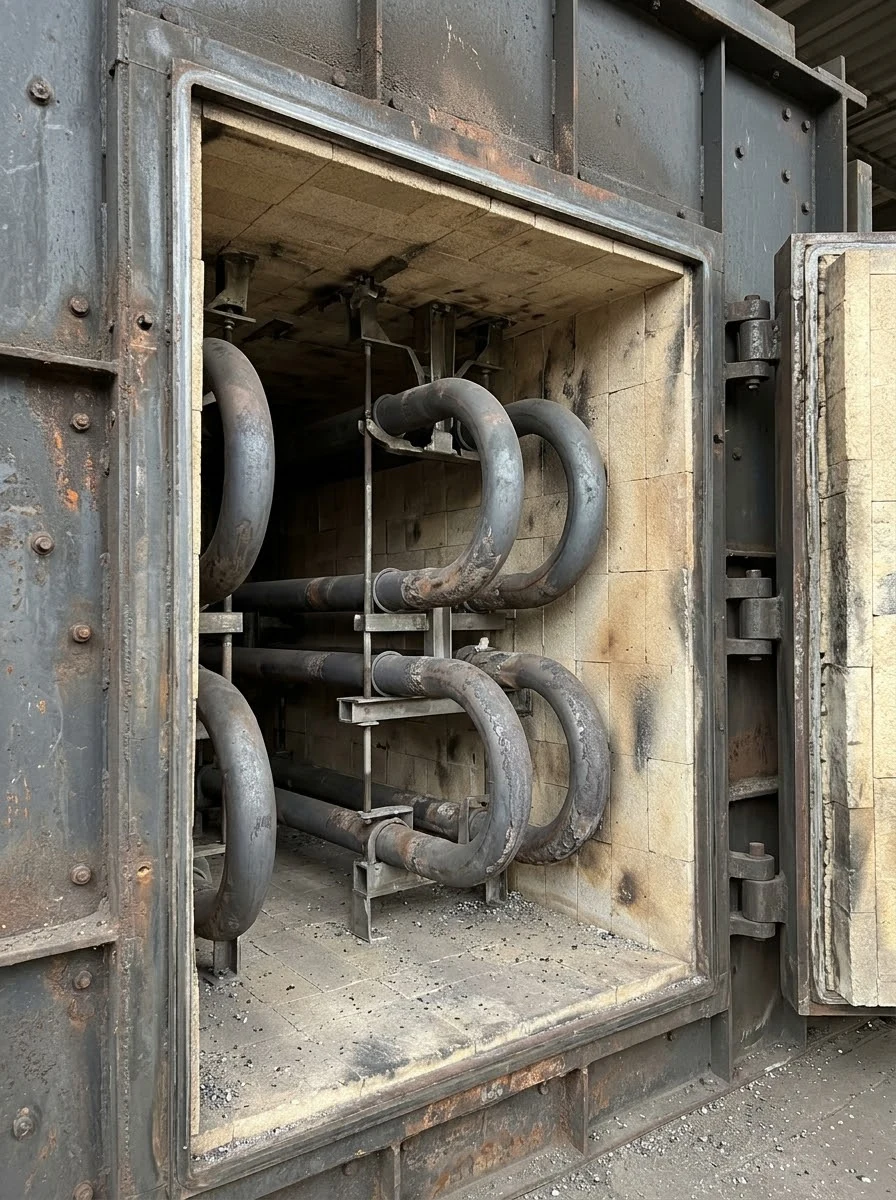
Radiant tubes & circulation fans
Incoloy 800 Heavy Hex NutsRadiant-tube and fan-support hardware can use heavy hex 800 nuts where accessible brackets accommodate the larger pattern. The material resists oxidation and carburization around furnace hardware. Their main practical benefits are heat-resistant threads and broad seating contact at moderately loaded support connections.
Connection requirements
- Mating stud diameter, thread form, and thread class
- Nut height, width across flats, and bearing-face condition required
- Oxidising/carburizing duty, cycling history, and heat-number certification
Same heavy hex nut. Different material priorities.
Incoloy 800 material dataIncoloy 800H Heavy Hex Nuts
Incoloy 800H heavy hex nuts carry sustained loads on hot flange studs and boiler hangers. The creep-focused material condition supports long operating runs, while the heavy pattern provides broad seating contact. Specify the nut condition and load requirements with the mating rod or stud.
Inconel 601 Heavy Hex Nuts
Furnace covers and robust fixture studs expose the nut directly to the hot atmosphere. Inconel 601 heavy hex nuts bring oxidation resistance to those threads and seating faces. Broad flats and a substantial bearing pattern suit support plates and cover spotfaces opened during furnace maintenance.
A-286 Heavy Hex Nuts
A-286 heavy hex nuts carry hot casing, bonnet and tie-bolt loads through a broad bearing face. The precipitation-hardened iron-nickel alloy supplies elevated-temperature strength, while the heavy pattern fits substantial cover spotfaces. Large flats give a socket useful engagement when the assembly is tightened or opened for overhaul.
From drawing to documented delivery
- 01Drawing & BOMForm, dimensions and quantity
- 02Material & formingGrade, heat and manufacturing route
- 03Final inspectionGeometry, threads and ordered tests
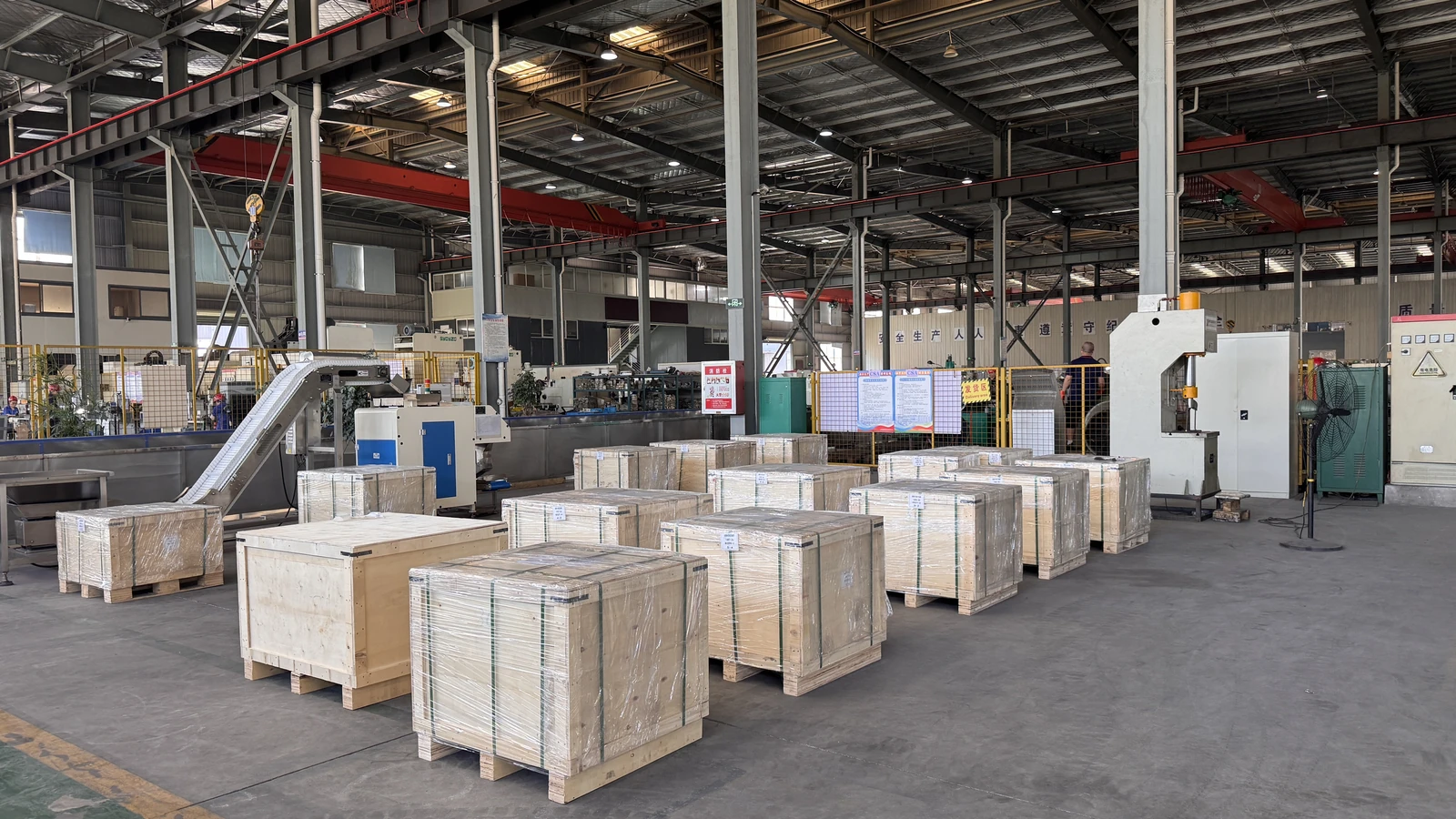
- 04Documents & dispatchLot records and identified packing
Order documents
- Material identity
- UNS N08800 · heat number · ordered condition
- Final-part acceptance
- Grade chemistry, supplied condition and ordered mechanical requirements.
- Dimensional record
- Thread plug gauges · Across flats · Nut height
- Traceability
- EN 10204 3.1 material certificate · production lot · identified packing
Build your 800 heavy hex nut enquiry
Questions about 800 hex nuts
Does a matching UNS make the stud and nut a matched set?
Matching chemistry addresses only one part of the order. Nut strength, effective engagement, internal thread fit and surface friction must also suit the stud and assembly tightening method.