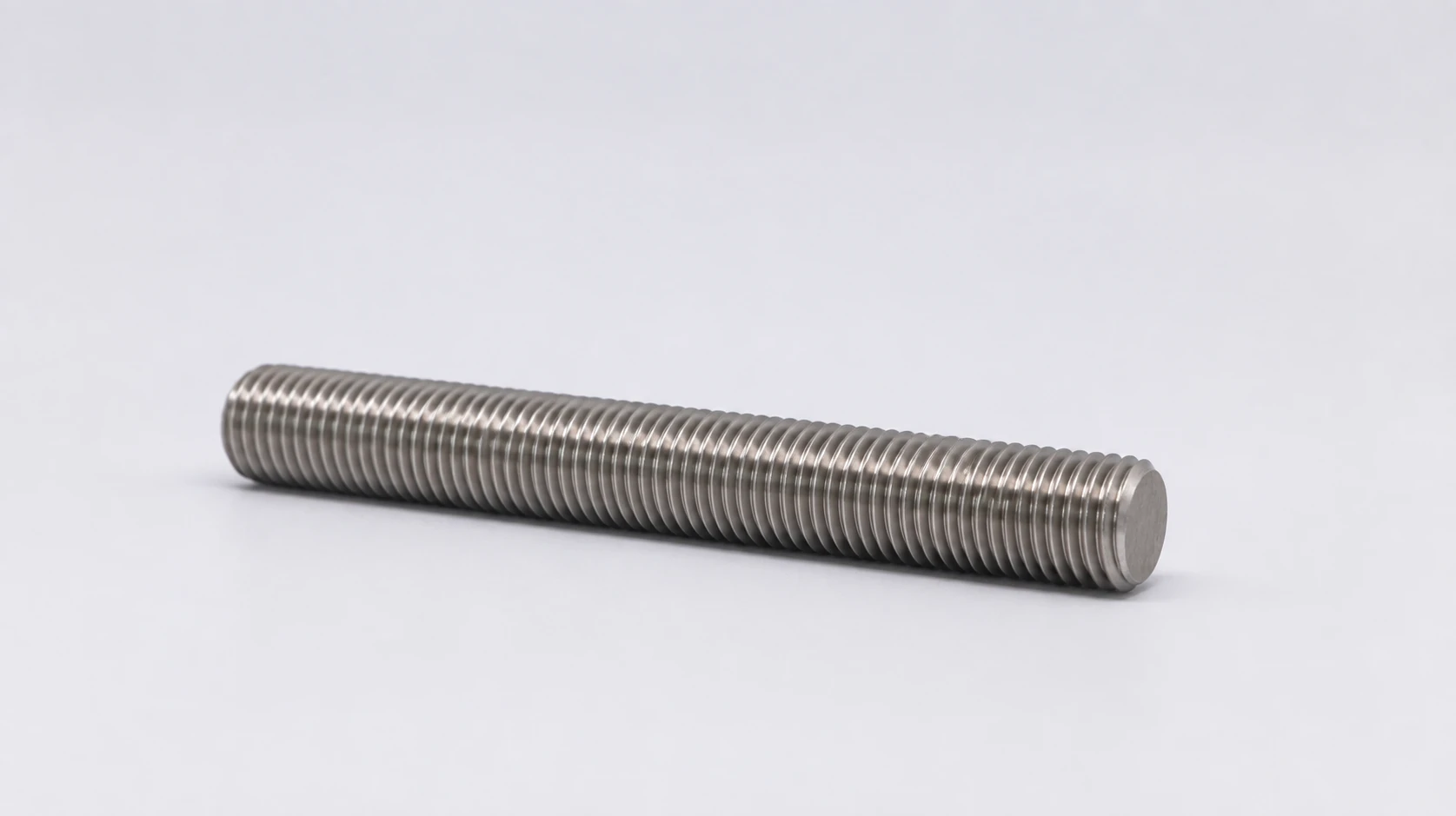
Inconel 601 Stud Bolts
ASME B18.31.2ASTM B166
Inconel 601 stud bolts pair a solid-solution nickel-chromium alloy with double-ended closure for furnace covers and linings that cycle between heating and cooling. The alloy resists scaling and carbon ingress.
- MOQ
- 100PCS
- Samples · typical
- ~20 days
- Production · typical
- 25–35 days
- Heat treatment
- Annealed
EN 10204 3.1 MTC + heat-number traceability
Which standard is on your order?
Raw Material Specifications
Finished-Stud Specifications
Threads · Metric
Threads · Inch
Dimension Reference
Heat Treatment
AnnealedAnnealing reduces work hardening and restores ductility for the specified supplied condition.
What we can make in Alloy 601
Fully threaded
Two nuts clamp the flange or cover; usable thread length spans the assembled grip.
Double-end
A plain centre spans the grip, with a threaded portion at each end for the nuts.
Tap-end
One end engages a tapped casing; the exposed end accepts the cover nut.
- Threads
- Metric · UNC · UNF · 8UN · UNJ
- Forms
- Continuous thread · Double-end · Tap-end
- Final condition
- Annealed
- Inspection
- Thread size and fit; overall and effective thread length; end geometry; lot identification.
Manufacturing route
CNC machining suits samples and special end forms. Repeat lots use cut-to-length stock with rolling or cutting selected for the ordered thread and material condition.
Heat treatment & final condition
The ordered annealed or solution-treated state is retained in the lot record; forming and machining do not replace the specified thermal condition.
Finished geometry
End lengths, runout and effective thread engagement are checked separately from overall length; tap ends are gauged to their own fit requirement.
Where 601 fits — and what matters
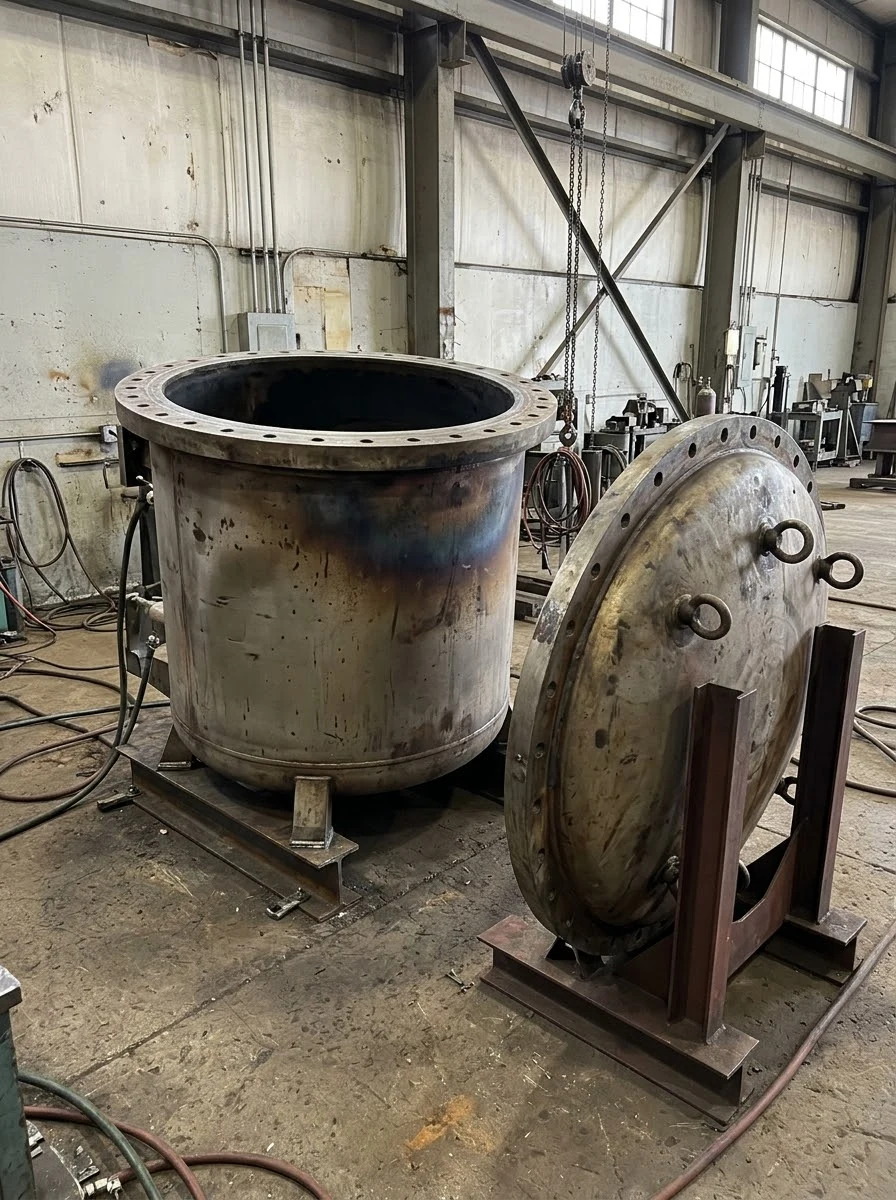
Retort & muffle covers
Inconel 601 Stud BoltsStuds let a retort cover be located over fixed fasteners and secured from the accessible side. Inconel 601 brings oxidation resistance to the exposed stud ends and shanks through furnace cycling. This arrangement is useful when withdrawing bolts from the furnace body at every opening would be inconvenient.
Connection requirements
- Cover joint thickness, gasket type, and required preload
- Stud diameter, overall length, and nut engagement at each end
- Temperature range, cycling duty, and heat-number certification
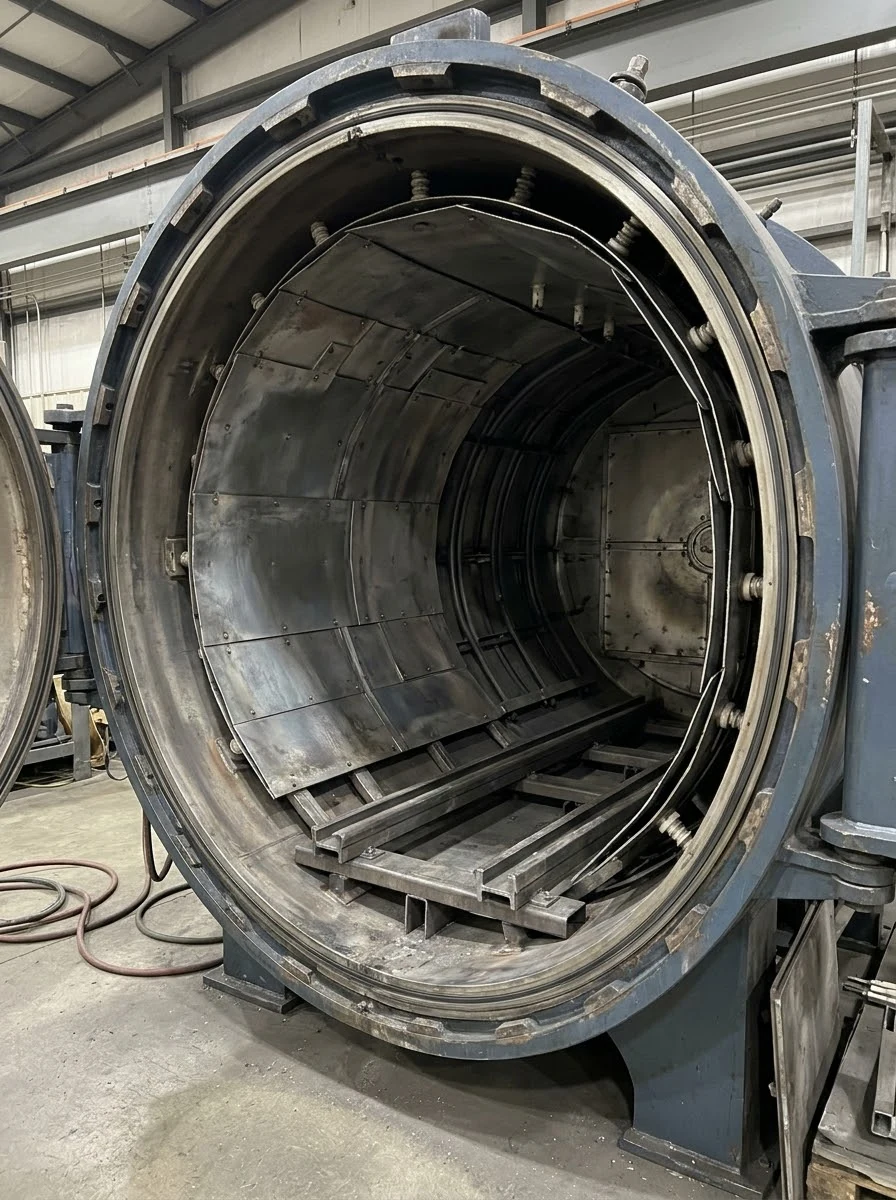
Heat shields & furnace linings
Inconel 601 Stud BoltsInconel 601 studs can support heat-shield brackets and lining retainers in oxidizing furnace zones. The stud provides an attachment point through insulation or a stand-off, while nuts secure the outer hardware. Its length and grip arrangement allow the hot-side attachment and accessible nut position to be planned separately.
Connection requirements
- Panel and lining thickness, and required preload
- Stud diameter, overall length, and nut engagement at each end
- Temperature range, cycling duty, and heat-number certification
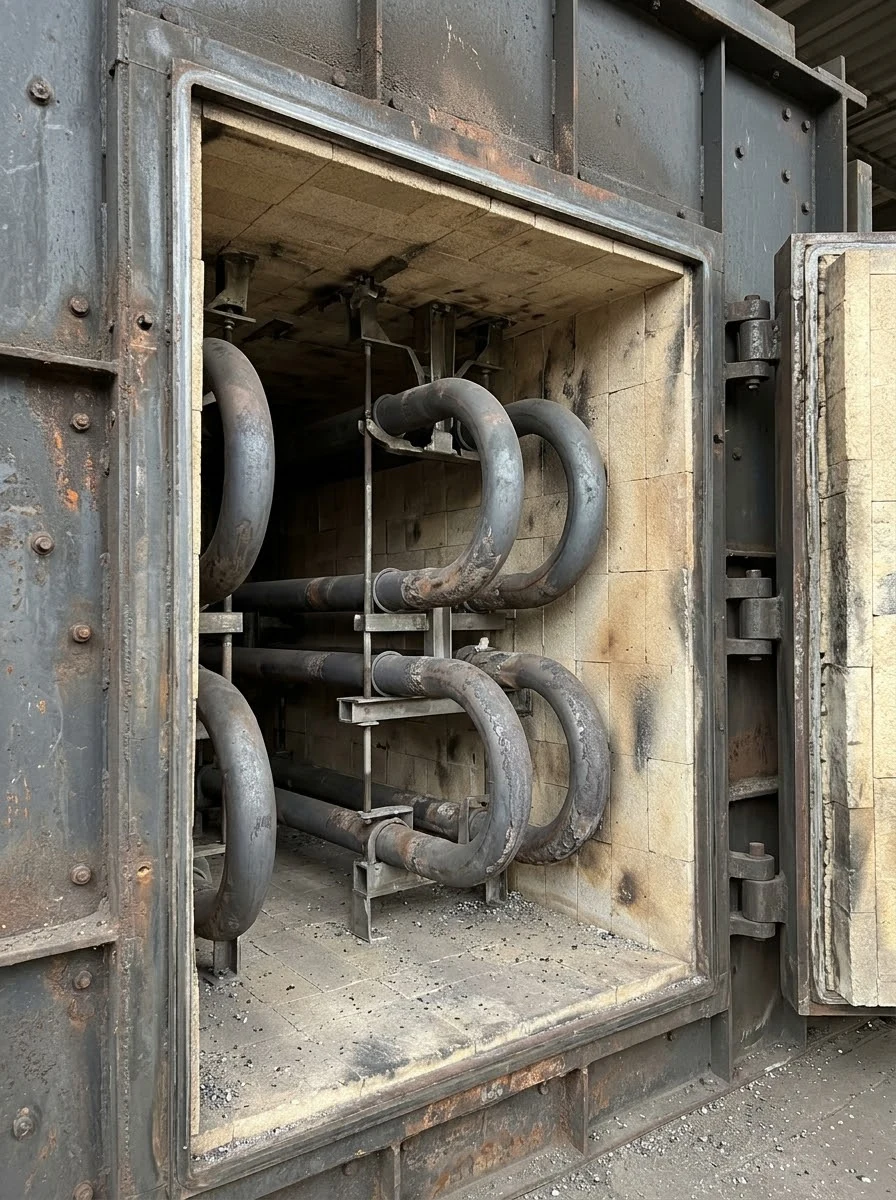
Radiant tubes & circulation fans
Inconel 601 Stud BoltsAround radiant-tube flanges and furnace circulation hardware, 601 studs provide fixed fastening points in a hot oxidizing atmosphere. The nuts can be removed for component servicing while the studs remain installed. Material oxidation resistance is particularly relevant where exposed thread ends repeatedly see the furnace atmosphere.
Connection requirements
- Housing joint thickness, and required preload
- Stud diameter, overall length, and nut engagement at each end
- Temperature range, vibration duty, and heat-number certification
Same stud. Different material priorities.
Inconel 601 material dataInconel 600 Stud Bolts
Inconel 600 studs provide fixed attachment points on lining supports, hot accessory covers and selected caustic-service equipment. Heat and corrosion resistance are useful at exposed shanks and thread ends. Removable nuts allow access without repeatedly withdrawing body-mounted fasteners.
Incoloy 800H Stud Bolts
A hot cover can keep its studs in tension for months between shutdowns. Incoloy 800H studs address that sustained load with the controlled-carbon, coarse-grain condition that improves creep and rupture strength over Incoloy 800. They belong in a stud-and-nut assembly designed for the operating temperature and long-duration load, with accessible nuts for cover removal.
Nimonic 75 Stud Bolts
Nimonic 75 studs anchor moderate-load furnace retainers, auxiliary covers and burner brackets. Oxidation resistance is useful on the exposed hot portions. The fixed mounting arrangement allows nuts and attached components to be removed while the furnace-side stud remains in place.
From drawing to documented delivery
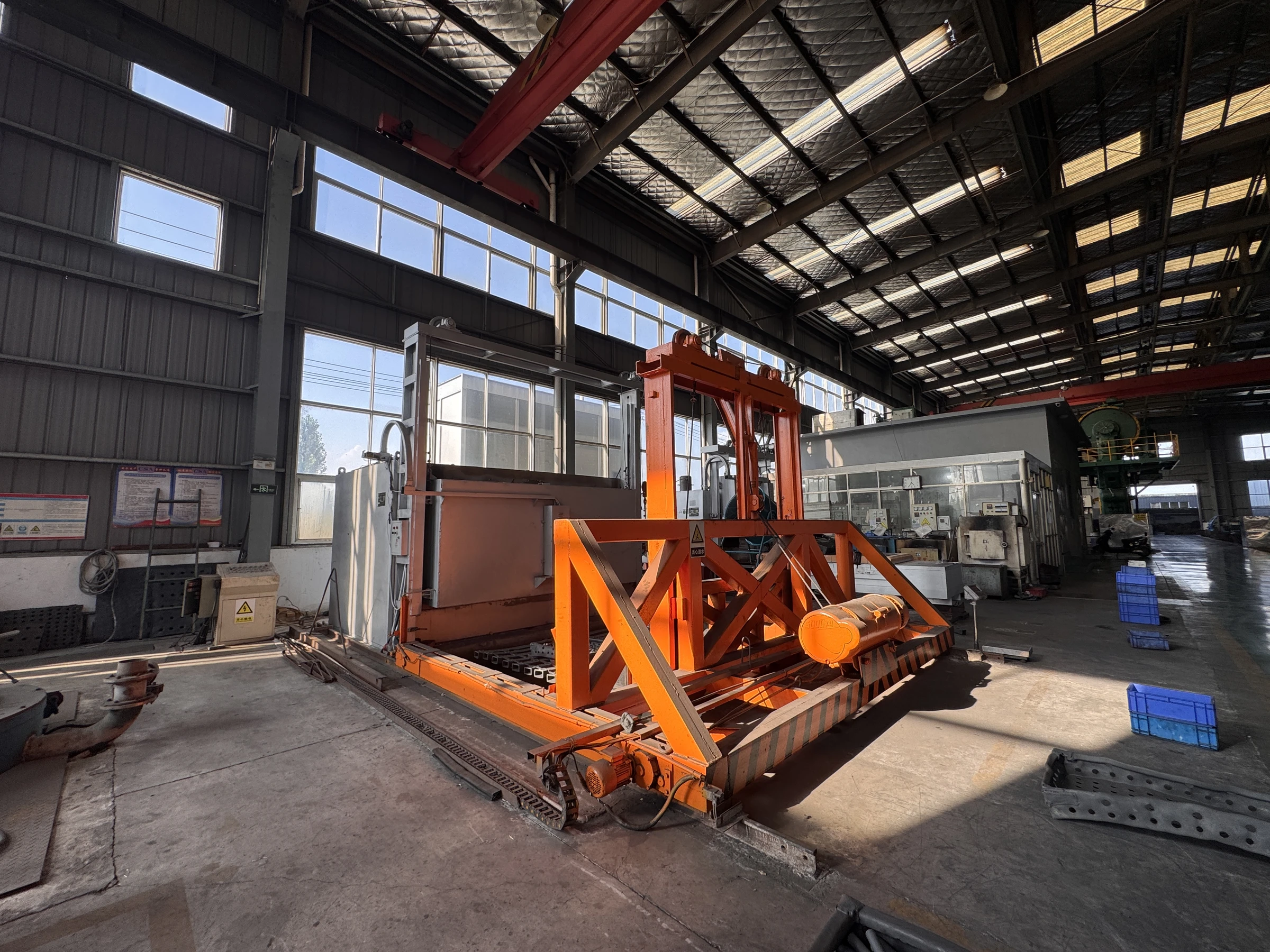
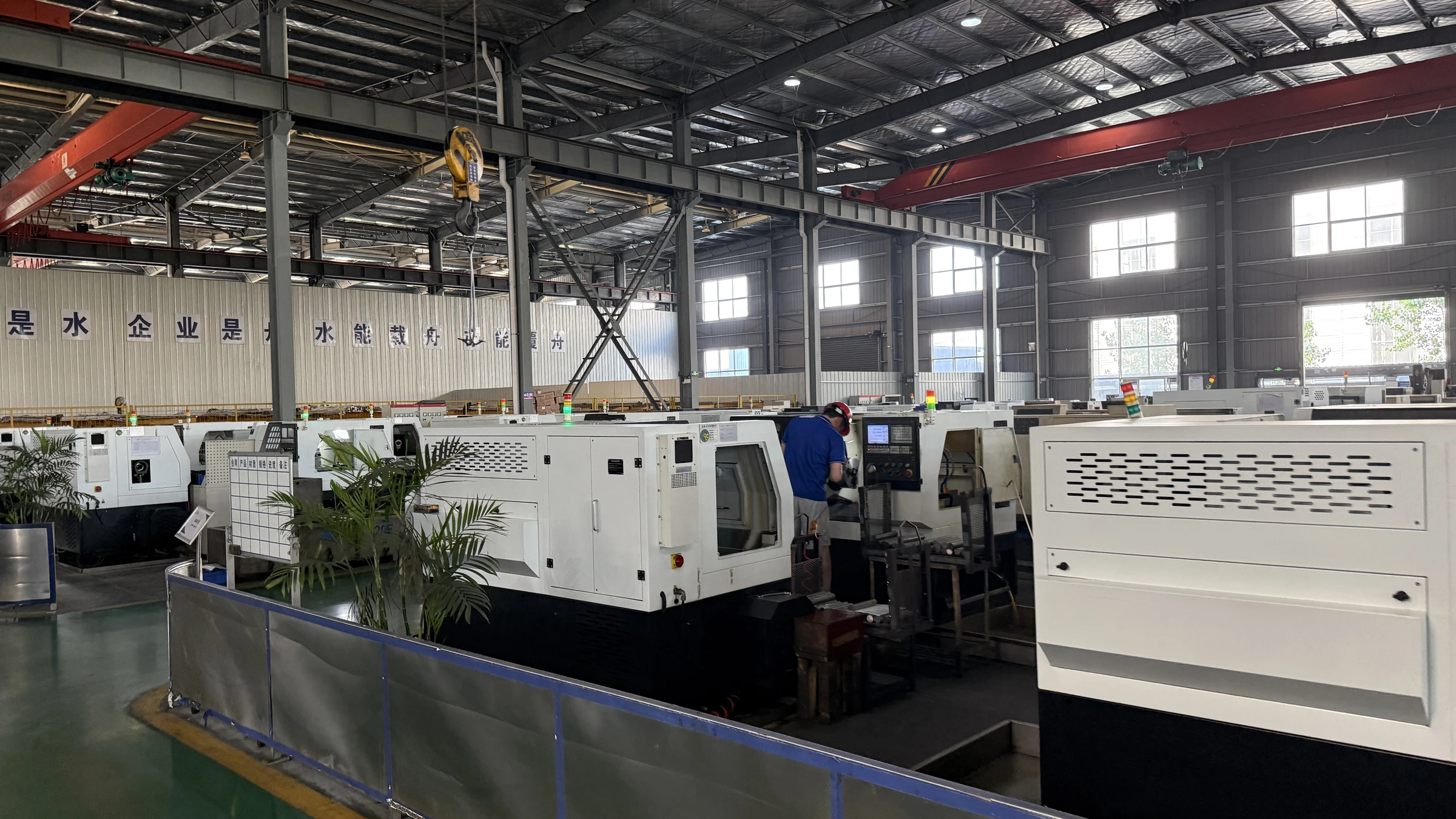
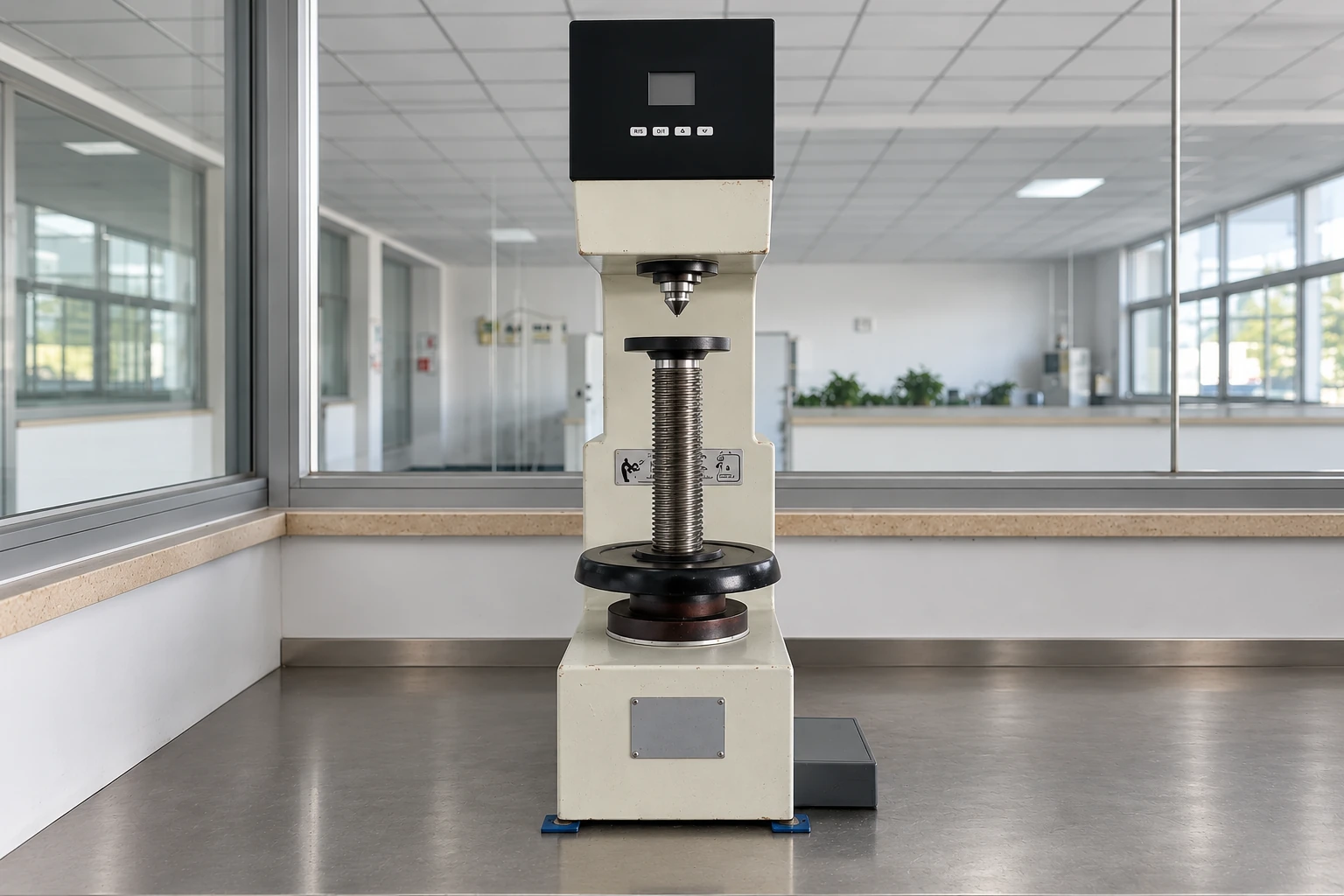
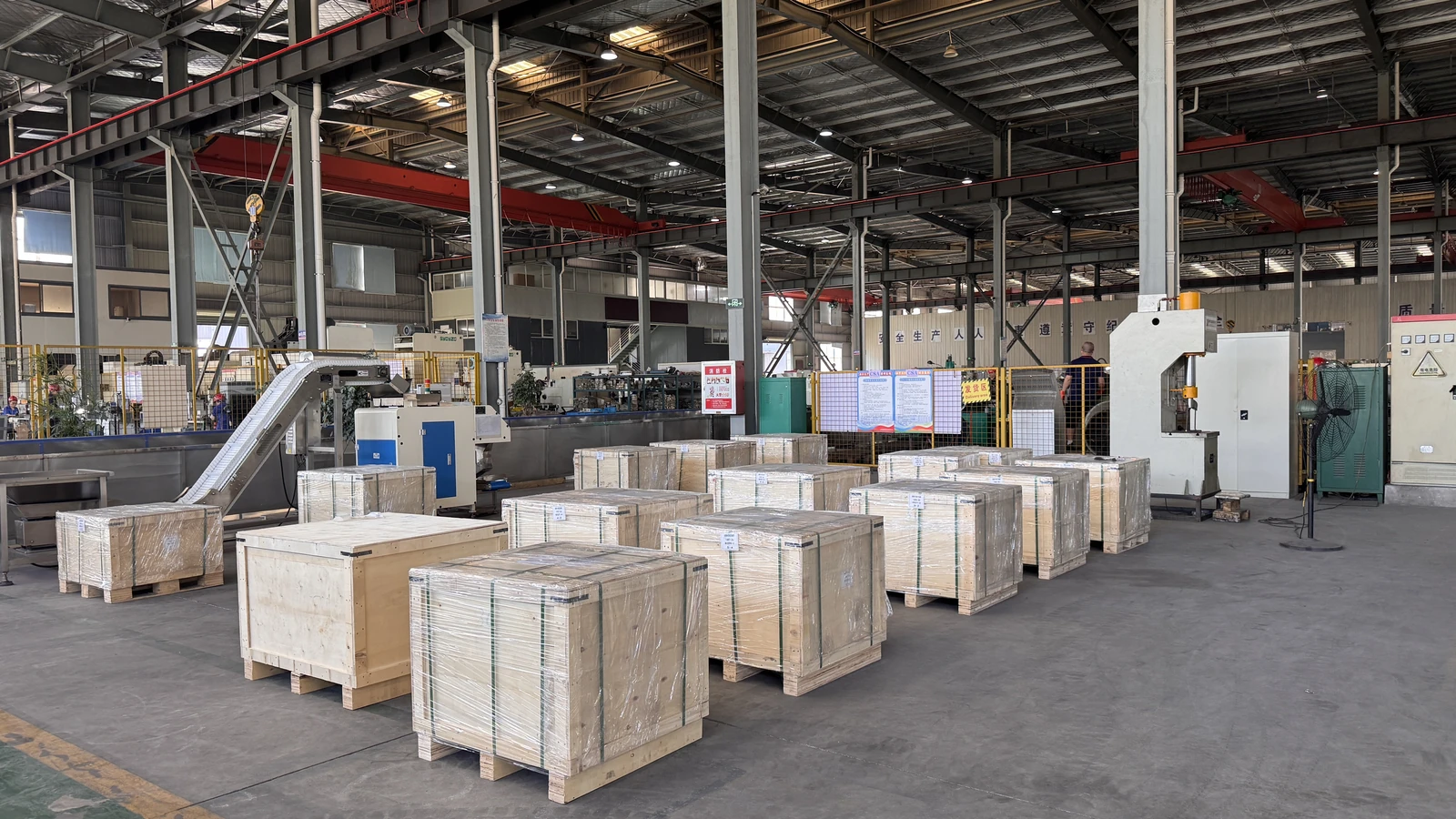
- 01Drawing & BOMForm, dimensions and quantity
- 02Material & formingGrade, heat and manufacturing route
- 03Final inspectionGeometry, threads and ordered tests
- 04Documents & dispatchLot records and identified packing
Order documents
- Material identity
- UNS N06601 · heat number · ordered condition
- Final-part acceptance
- Grade chemistry, supplied condition and ordered mechanical requirements.
- Dimensional record
- Thread size and fit; overall and effective thread length; end geometry; lot identification.
- Traceability
- EN 10204 3.1 material certificate · production lot · identified packing
Matching Kit
Flange Stud Bolt Kits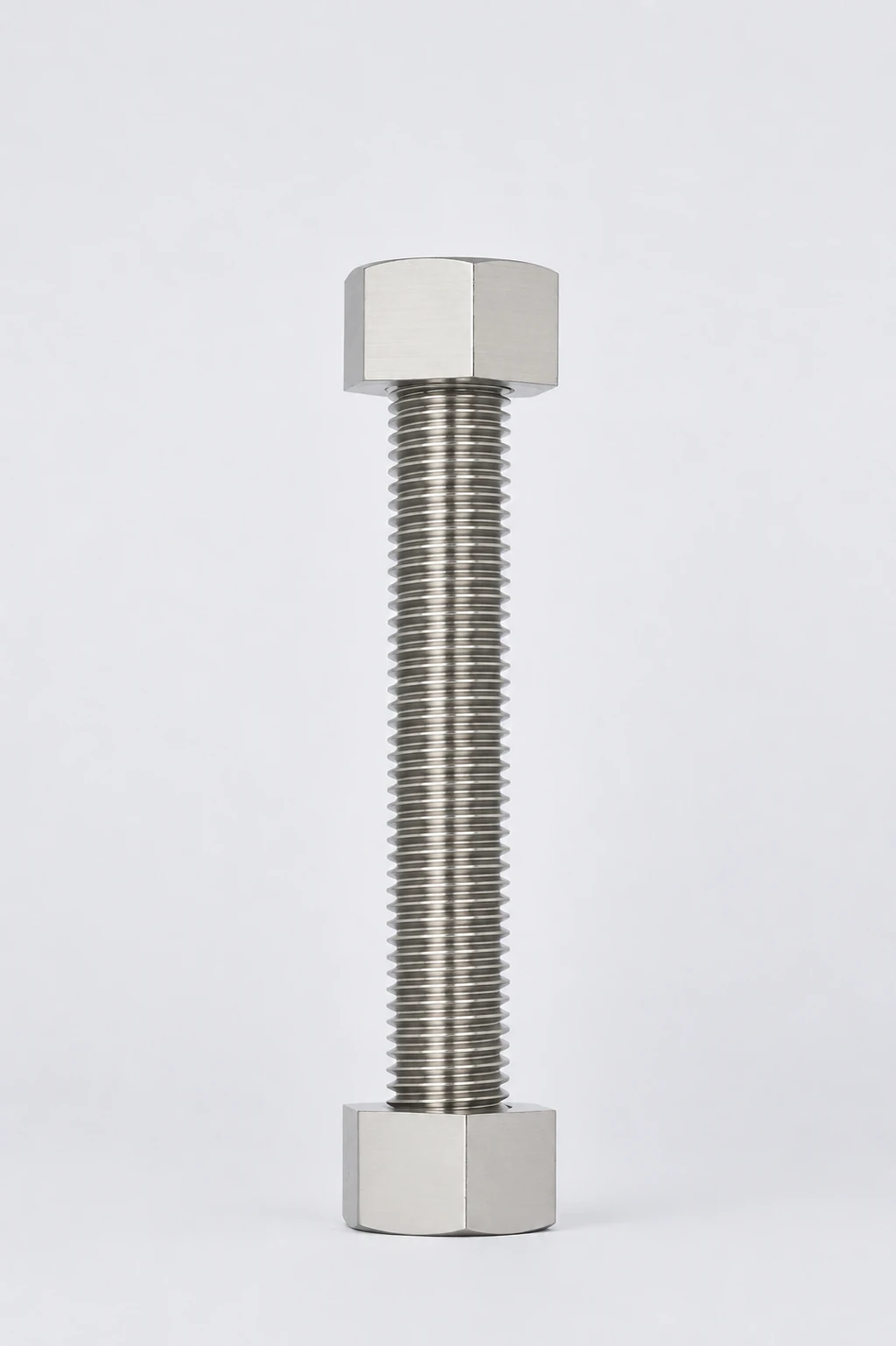
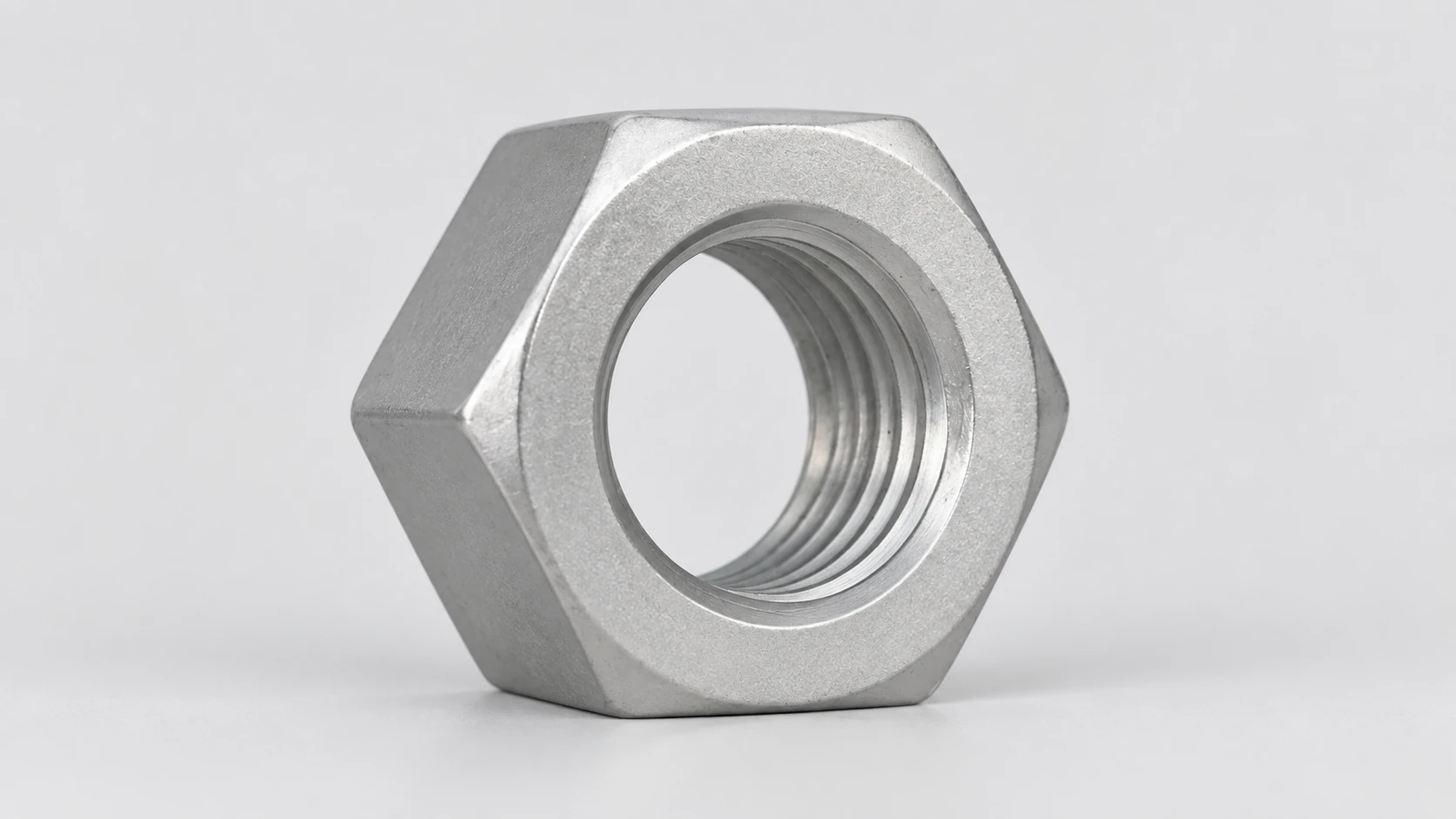
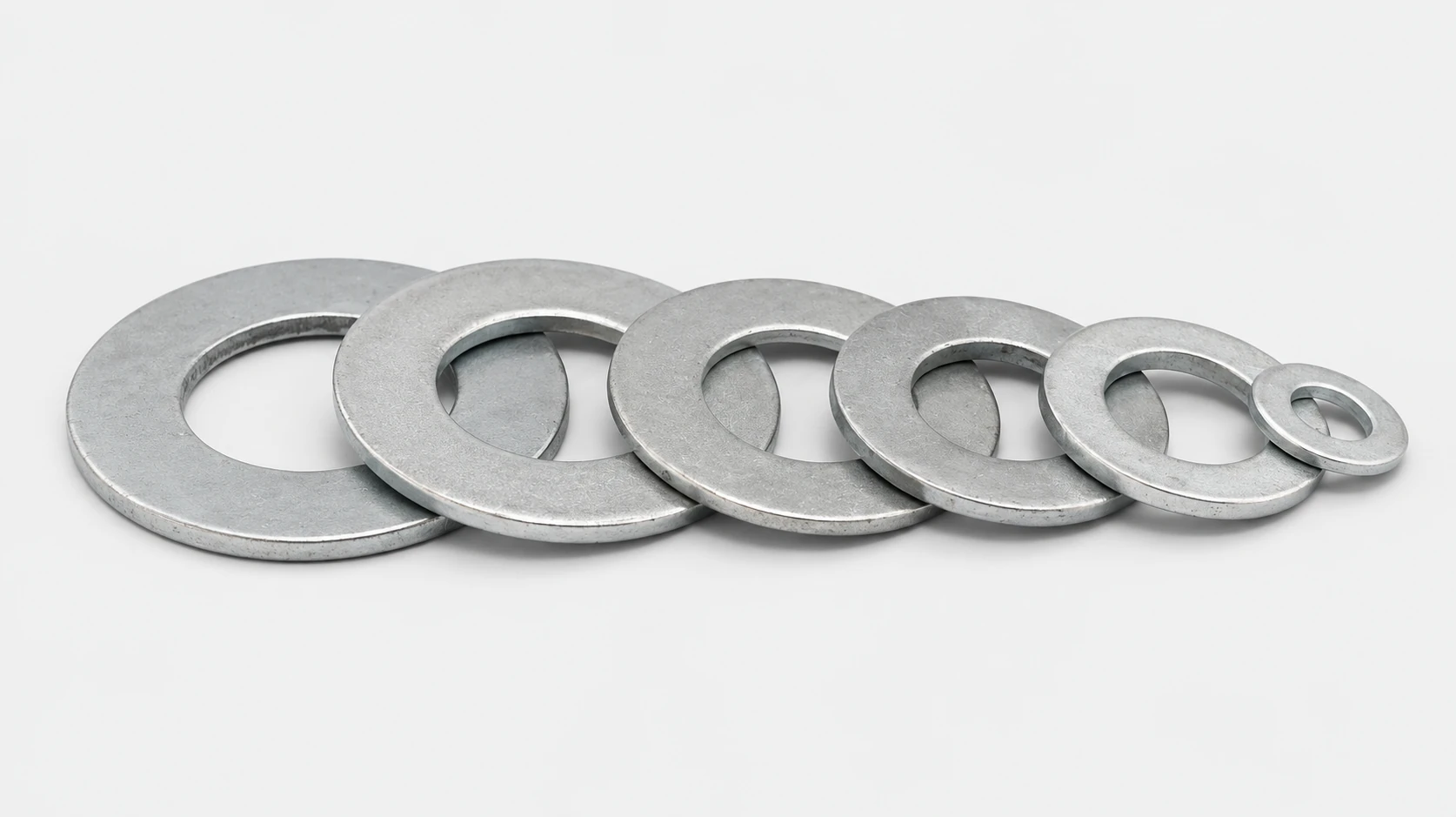
Build your 601 stud enquiry
Questions about 601 stud bolts & threaded rods
Does changing the stud alloy also change the nut selection?
The nut needs compatible internal threads, sufficient engaged height and a specified material condition. Select lubricant or surface treatment with the stud–nut pair, because assembly friction affects the preload obtained from tightening.