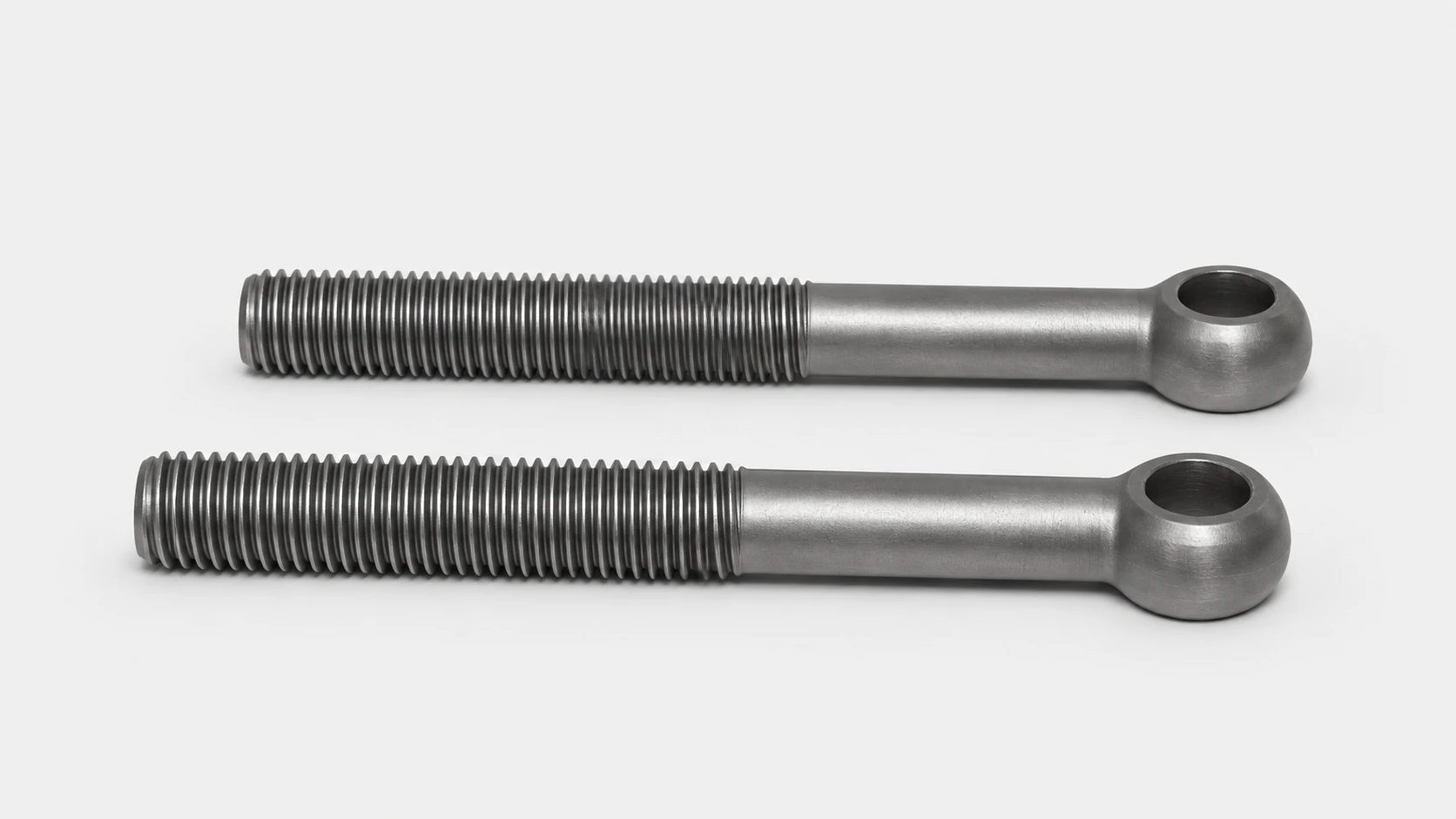
Incoloy 825 Eye-end / swing bolts
DIN 444ASTM B425
Incoloy 825 swing bolts combine a pivoting cover clamp with nickel–chromium–molybdenum–copper corrosion resistance. Eye-to-pin fit and the nut-bearing arrangement define the closed connection and its maintenance travel.
- MOQ
- 100PCS
- Samples · typical
- ~20 days
- Production · typical
- 25–35 days
- Heat treatment
- Annealed
EN 10204 3.1 MTC + heat-number traceability
Which standard is on your order?
Raw Material Specifications
Threads · Metric
Threads · Inch
Dimension Reference
Heat Treatment
AnnealedThe specified anneal restores ductility and the corrosion-resistant supplied condition after hot or cold working.
What we can make in Alloy 825
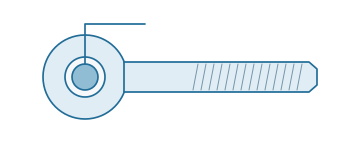
Pivot eye
Use on hinged clamps and access covers that open frequently. The eye stays on a pivot pin so the bolt swings clear of the cover slot without removing the complete fastener.
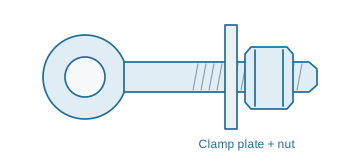
Threaded clamp
The threaded leg sets the clamp opening and tightening travel. On a slotted cover, the nut or clamping handle needs a bearing face wide enough to bridge the slot.
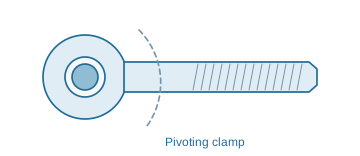
Swing bolt vs lifting eye
Use a swing bolt to retain and tighten a cover; specify a rated lifting component for hoisting. The pivot eye dimensions alone do not establish an allowable lifting load.
- Interface
- Eye bore · Pivot pin
- Clamping
- Threaded shank · Nut
- Use
- Hinged covers · Fixtures
- Threads
- Metric · Inch
- Final condition
- Annealed
- Inspection
- Eye bore · Eye thickness · Pivot-to-end length · Threads
Manufacturing route
CNC machining suits samples and small lots. Cold heading or hot forging is selected for volume production according to alloy formability, head section and size.
Heat treatment & final condition
The final annealed or specified strengthened condition is linked to the lot; an aging treatment is not assumed for a solid-solution alloy.
Finished geometry
Head geometry, bearing face, shank and thread fit are checked after the final machining and thermal operations.
Where 825 fits — and what matters

Chemical Processing
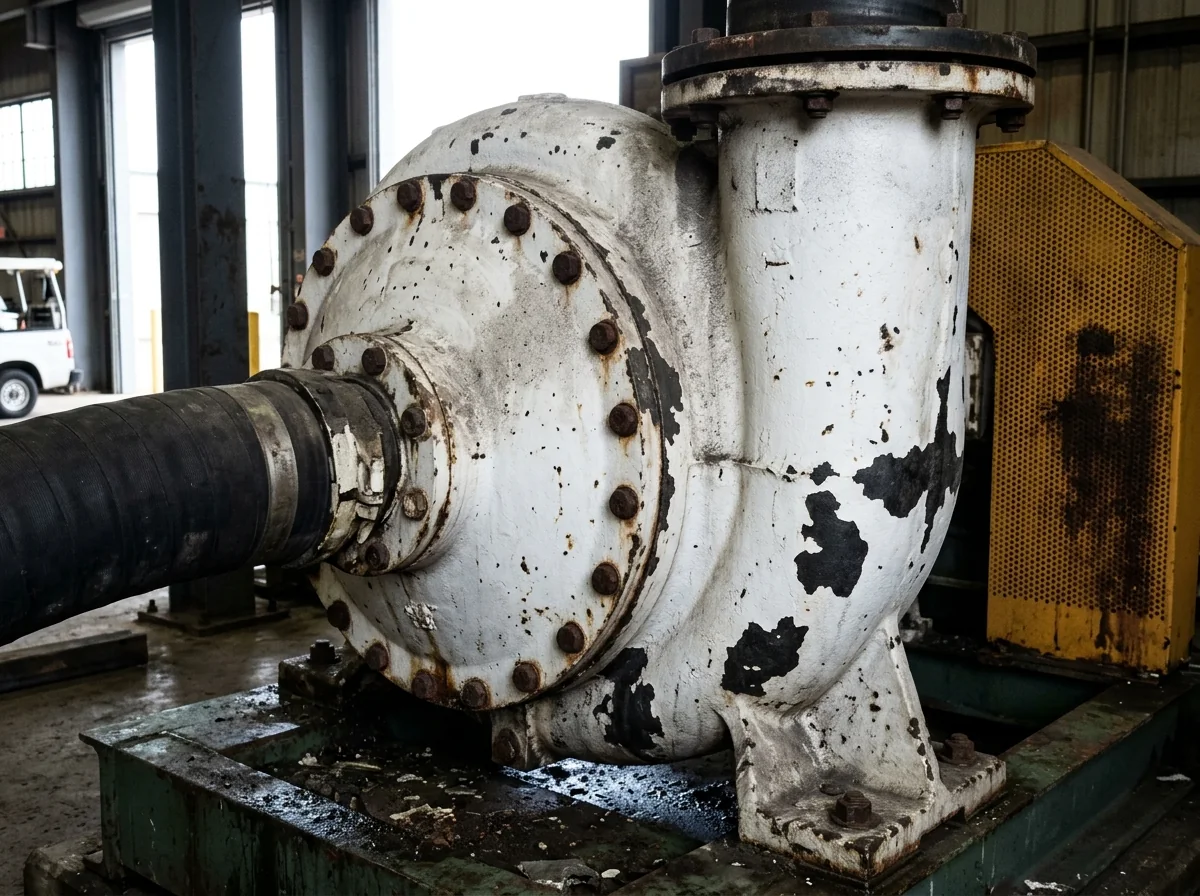
Chemical pump covers and reactor connectionsIncoloy 825 eye-end / swing bolts pivot into and out of the closures on chemical pump covers and reactor connections, allowing the clamp to release without removing the bolt from its hinge pin. Process liquid can remain at the contact after the exposed surface drains.
Pumps, Valves & OEM
Pump casings and valve bonnetsIncoloy 825 eye-end / swing bolts pivot into and out of the closures on pump casings and valve bonnets, allowing the clamp to release without removing the bolt from its hinge pin. Repeated maintenance makes fit, engagement and access part of the component specification.

Mining & Mineral Processing
Chemical-recovery pump and vessel coversIncoloy 825 eye-end / swing bolts pivot into and out of the closures on chemical-recovery pump and vessel covers, allowing the clamp to release without removing the bolt from its hinge pin. Leach solution and deposits act on the installed part; corrosion duty is separate from abrasive wear.
Same eye-end / swing bolt. Different material priorities.
Incoloy 825 material dataHastelloy C-276
Resistance to chemically aggressive, mixed process streams.
- Connection priority
- Pivot contact and tension during cover clamping
- Process liquid and shutdown chemistry
- C-276 is selected for its nickel–chromium–molybdenum–tungsten chemistry. Residual product, cleaning liquid and oxidising contamination can expose a sheltered connection differently from the main flow. Include liquid retained at the eye bore around its pivot and the nut-bearing seat in the exposure description.
Inconel 625
Solid-solution strength and resistance to aggressive process liquids.
- Connection priority
- Pivot contact and tension during cover clamping
- Annealed or solution-annealed 625
- The delivery condition affects strength and high-temperature response. Keep the specified condition with the component’s mechanical acceptance; 718-style aging is not the strengthening route for 625. Include liquid retained at the eye bore around its pivot and the nut-bearing seat in the exposure description.
Hastelloy C-22
Corrosion resistance across oxidising and reducing process exposures.
- Connection priority
- Pivot contact and tension during cover clamping
- Production and cleaning cycles
- C-22’s chromium-bearing chemistry is relevant when chemical exposure changes between operating and cleaning cycles. Include both liquids when comparing it with C-276 or a B-type nickel alloy. Include liquid retained at the eye bore around its pivot and the nut-bearing seat in the exposure description.
From drawing to documented delivery
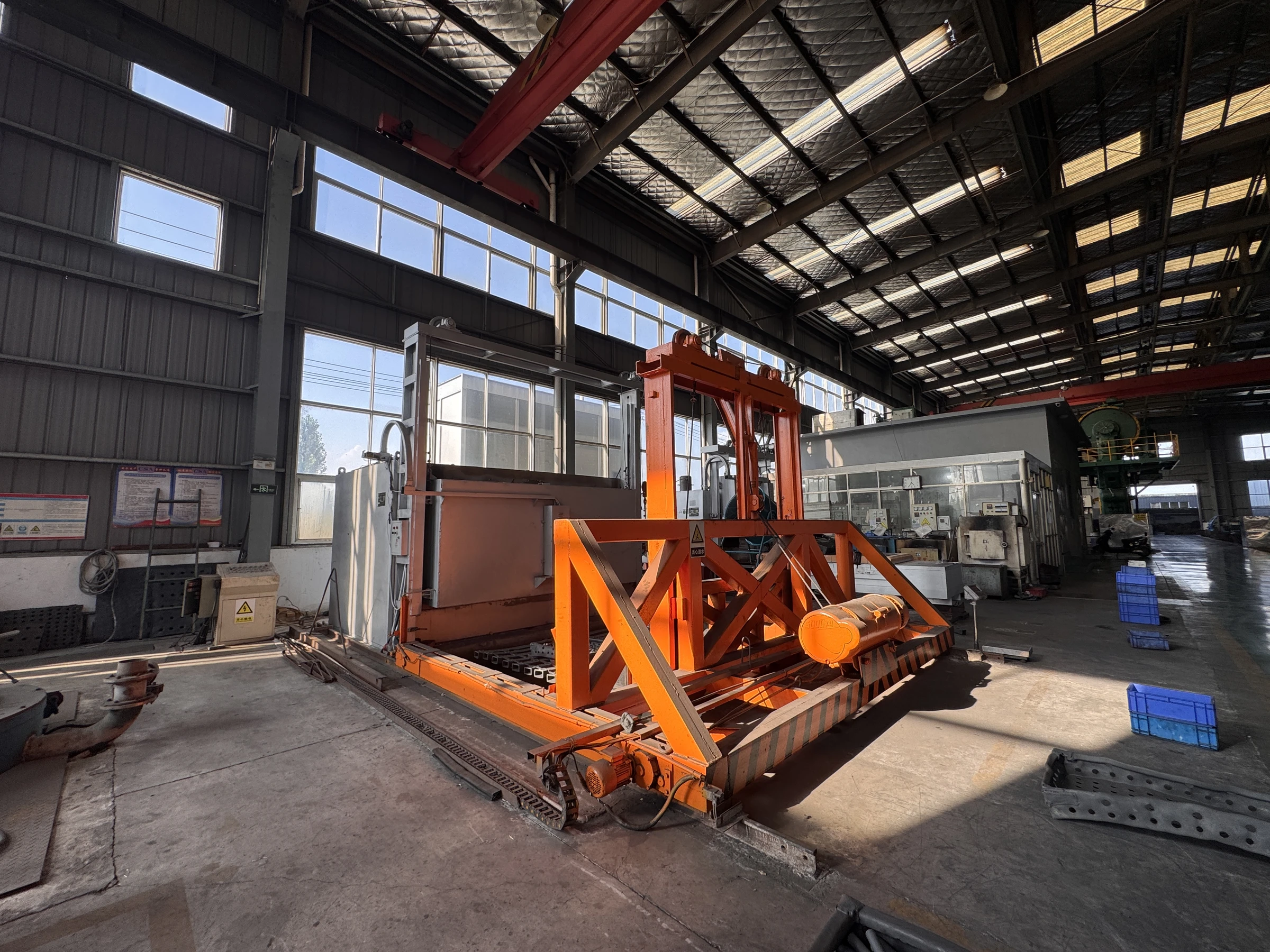
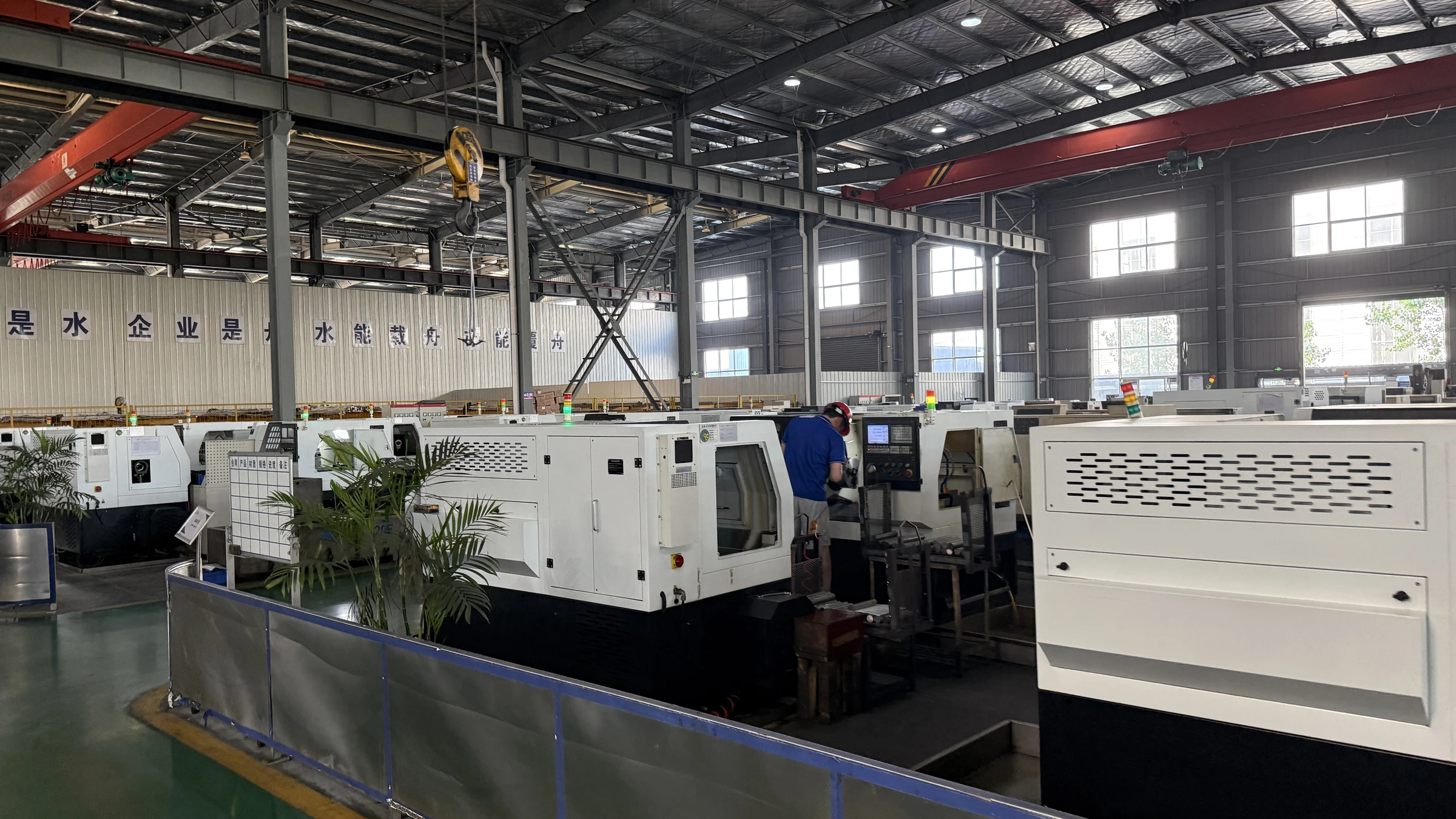
- 01Drawing & BOMForm, dimensions and quantity
- 02Material & formingGrade, heat and manufacturing route
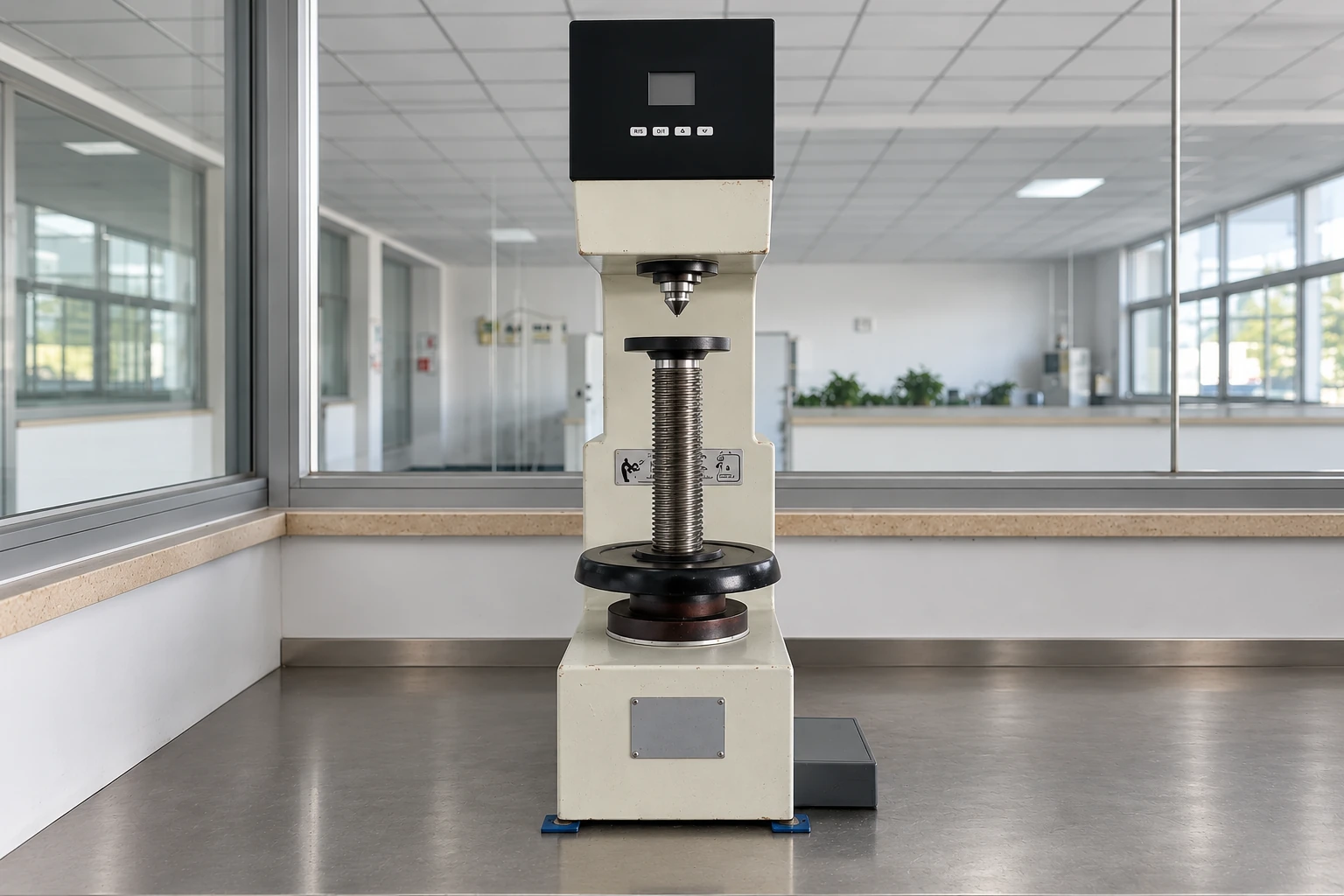
- 03Final inspectionGeometry, threads and ordered tests
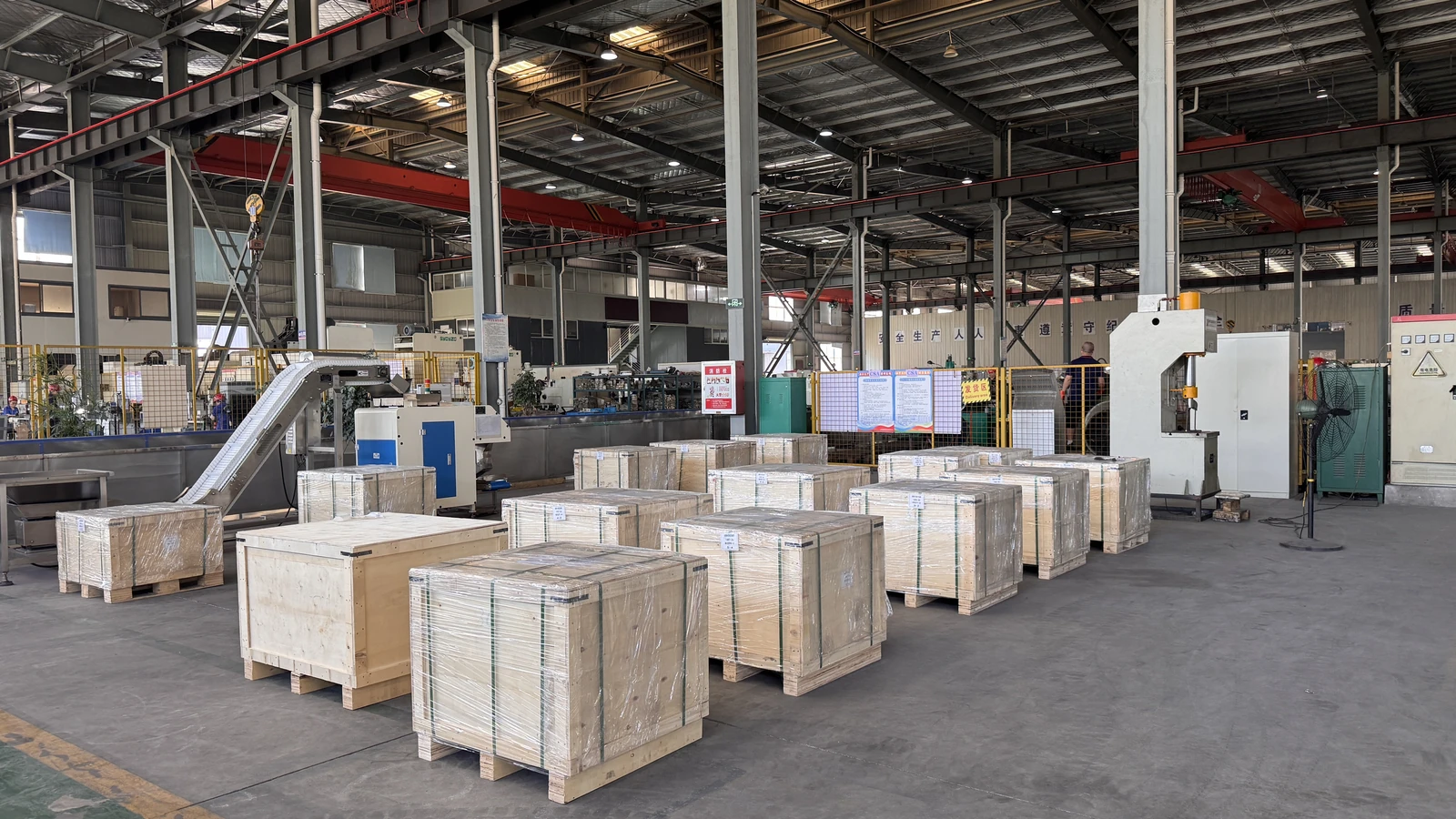
- 04Documents & dispatchLot records and identified packing
Order documents
- Material identity
- UNS N08825 · heat number · ordered condition
- Final-part acceptance
- Grade chemistry, supplied condition and ordered mechanical requirements.
- Dimensional record
- Eye bore · Eye thickness · Pivot-to-end length · Threads
- Traceability
- EN 10204 3.1 material certificate · production lot · identified packing
Build your 825 eye-end / swing bolt enquiry
Questions about 825 eye-end / swing bolts
Is this the same as a rated lifting eye bolt?
This page covers swing-bolt cover and clamp connections. A lifting device needs a separately defined design, load rating and certification; DIN 444 geometry alone does not provide those.