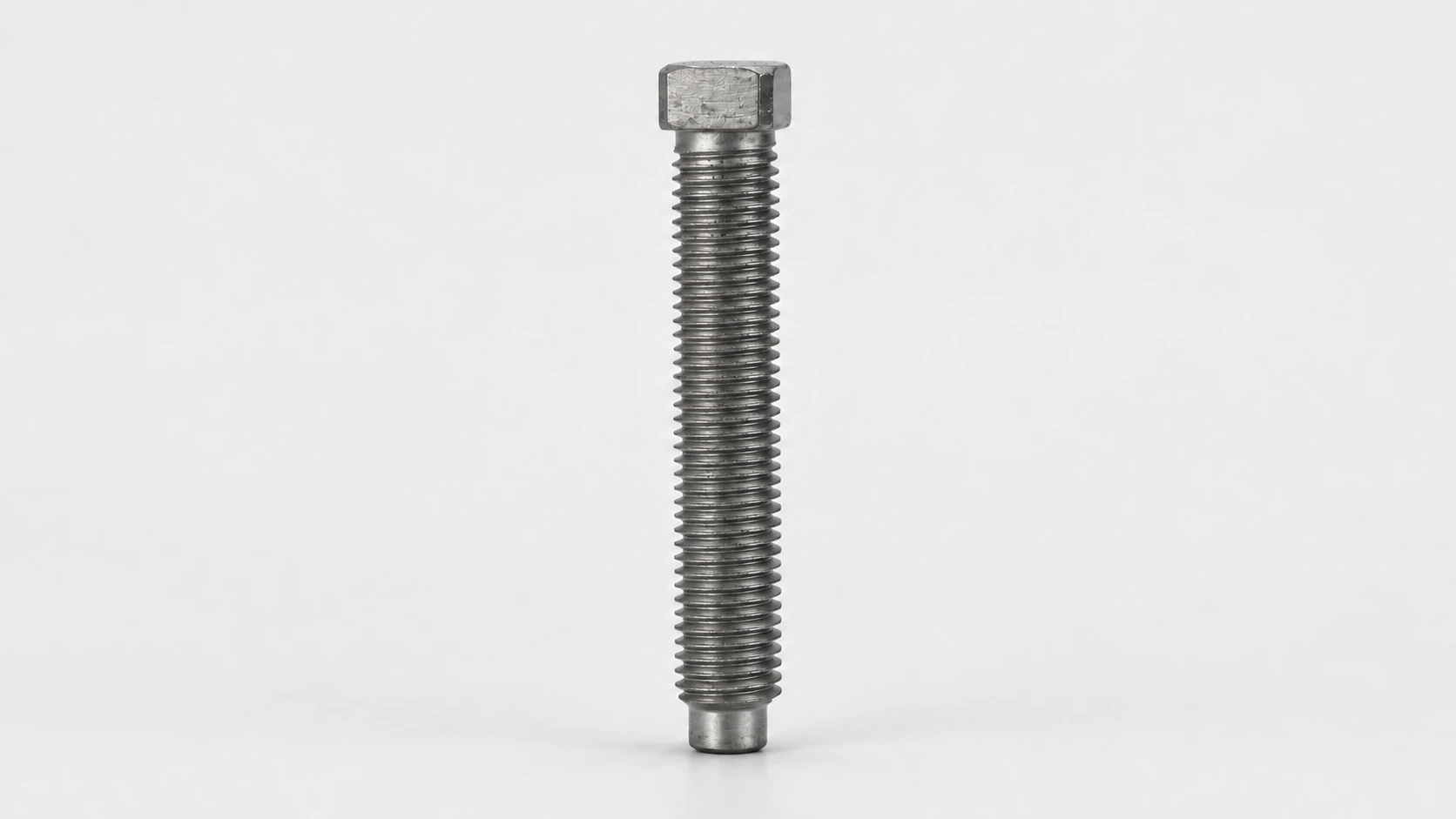
Titanium Grade 2 Custom fasteners
ASTM B348
Titanium Grade 2 custom fasteners use low mass, corrosion resistance and commercially pure titanium formability at drawing-defined bearing, locating or threaded interfaces. The manufacturing route starts with the functional datums and required final condition.
- MOQ
- 100PCS
- Samples · typical
- ~20 days
- Production · typical
- 25–35 days
- Heat treatment
- Annealed
EN 10204 3.1 MTC + heat-number traceability
Which standard is on your order?
Raw Material Specifications
Threads · Metric
Threads · Inch
Heat Treatment
AnnealedAnnealing reduces working stresses and restores ductility, with atmosphere and surface control limiting contamination during heating.
What we can make in Titanium Grade 2

Head & drive
Choose the drive around the installed tool path: external flats need space around the head, while a socket recess needs axial access. Flange diameter determines the bearing footprint on the equipment face.
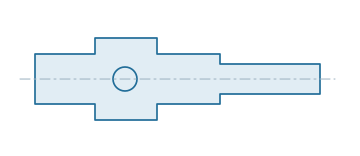
Shank & interfaces
Use shoulders and steps to locate tooling, pivots or covers rather than relying on thread clearance for positioning. Diameter tolerances and transition radii must match the mating bore and seat.
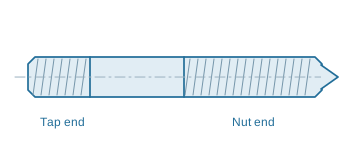
Thread & end form
Use unequal ends for housings and nuts with different engagement depths. Cross-holes, special tips and thread reliefs can provide pin retention, adjustment or clearance at a specific interface.
- Geometry
- Stepped shanks · Special heads · Ends
- Thread systems
- Metric · UNC · UNF · 8UN · UNJ
- Inputs
- Drawing · CAD · Parts list
- Final condition
- Annealed
- Inspection
- Drawing dimensions · Critical fits · Thread gauging
Manufacturing route
CNC machining provides the initial route for special heads and small lots. Formed production requires alloy-specific temperature and surface-contamination control.
Heat treatment & final condition
Forming and thermal processing require contamination control. The final surface is cleaned before dimensional and material acceptance.
Finished geometry
Head geometry, bearing face, shank and thread fit are checked after the final machining and thermal operations.
Where Titanium Grade 2 fits — and what matters

Chemical Processing
Mixer drives and process-equipment bracketsTitanium Grade 2 drawing-based special alloy fasteners provide drawing-defined pins, stepped retainers or shoulder connections for mixer drives and process-equipment brackets. The loaded shoulder, locating fit and service-removal features establish the manufactured geometry. Process liquid can remain at the contact after the exposed surface drains.
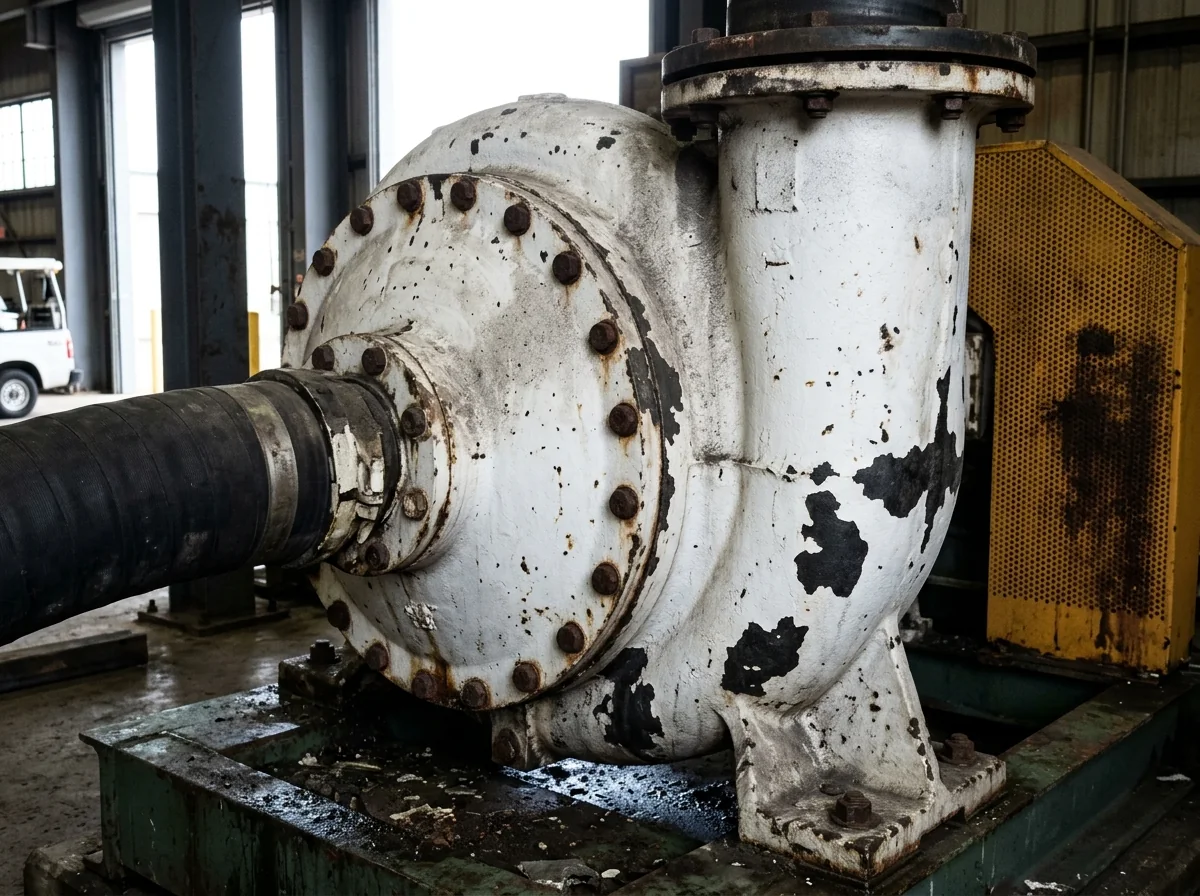
Pumps, Valves & OEM
Actuator mounts and pump baseplatesTitanium Grade 2 drawing-based special alloy fasteners provide drawing-defined pins, stepped retainers or shoulder connections for actuator mounts and pump baseplates. The loaded shoulder, locating fit and service-removal features establish the manufactured geometry. Repeated maintenance makes fit, engagement and access part of the component specification.
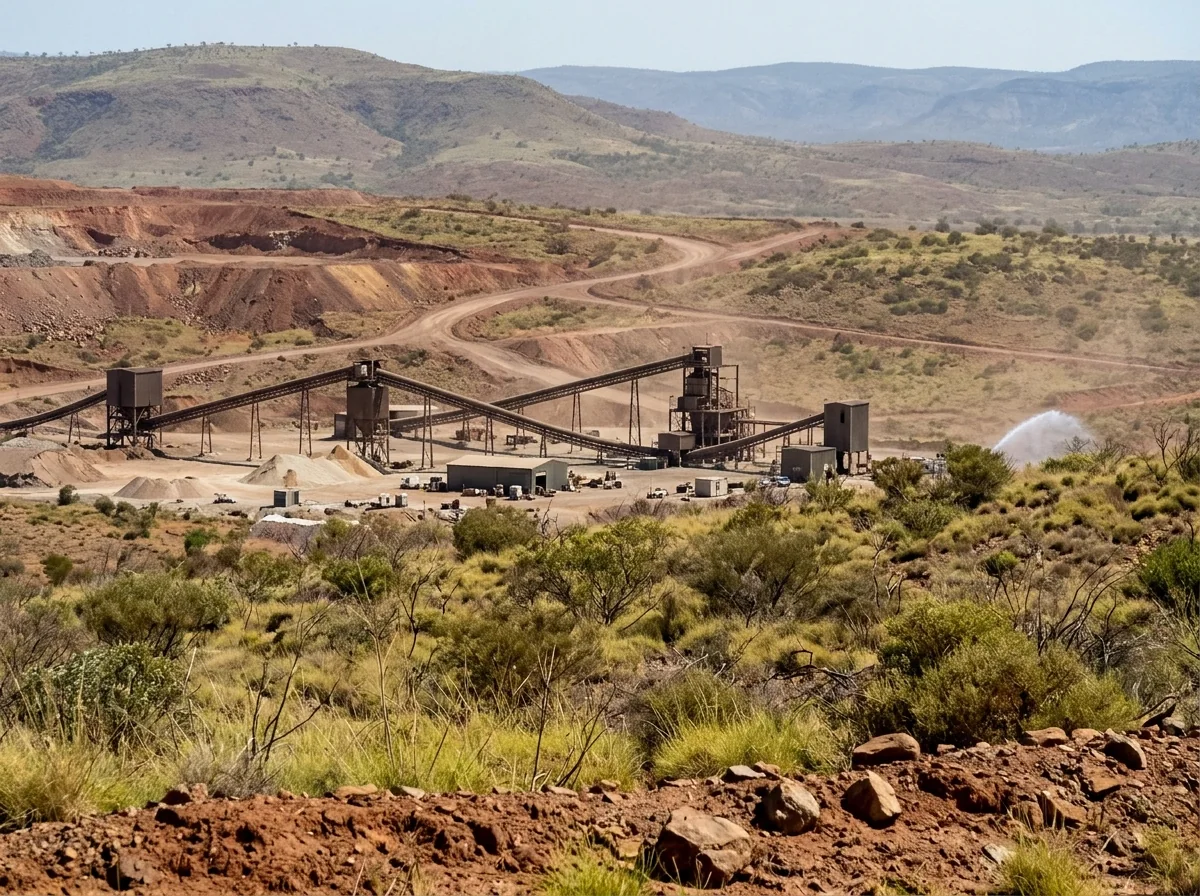
Mining & Mineral Processing
Leach-equipment and dosing-skid supportsTitanium Grade 2 drawing-based special alloy fasteners provide drawing-defined pins, stepped retainers or shoulder connections for leach-equipment and dosing-skid supports. The loaded shoulder, locating fit and service-removal features establish the manufactured geometry. Leach solution and deposits act on the installed part; corrosion duty is separate from abrasive wear.
Same custom fastener. Different material priorities.
Titanium Grade 2 material dataHastelloy C-276
Resistance to chemically aggressive, mixed process streams.
- Connection priority
- The load path through shoulders, steps and threaded features
- Process liquid and shutdown chemistry
- C-276 is selected for its nickel–chromium–molybdenum–tungsten chemistry. Residual product, cleaning liquid and oxidising contamination can expose a sheltered connection differently from the main flow. Include liquid retained at the drawing’s sealing, locating and bearing interfaces in the exposure description.
Inconel 625
Solid-solution strength and resistance to aggressive process liquids.
- Connection priority
- The load path through shoulders, steps and threaded features
- Annealed or solution-annealed 625
- The delivery condition affects strength and high-temperature response. Keep the specified condition with the component’s mechanical acceptance; 718-style aging is not the strengthening route for 625. Include liquid retained at the drawing’s sealing, locating and bearing interfaces in the exposure description.
Hastelloy C-22
Corrosion resistance across oxidising and reducing process exposures.
- Connection priority
- The load path through shoulders, steps and threaded features
- Production and cleaning cycles
- C-22’s chromium-bearing chemistry is relevant when chemical exposure changes between operating and cleaning cycles. Include both liquids when comparing it with C-276 or a B-type nickel alloy. Include liquid retained at the drawing’s sealing, locating and bearing interfaces in the exposure description.
From drawing to documented delivery
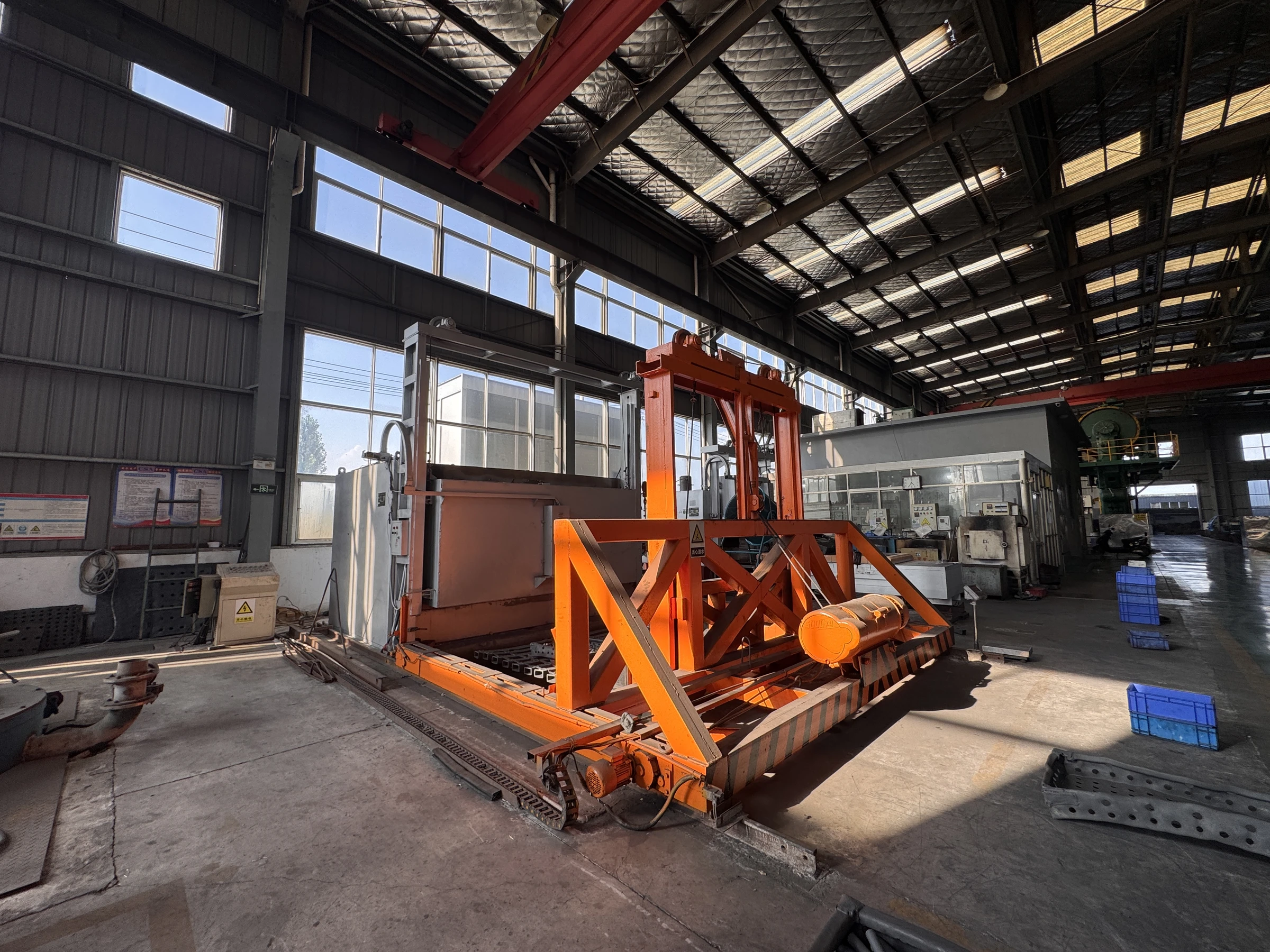
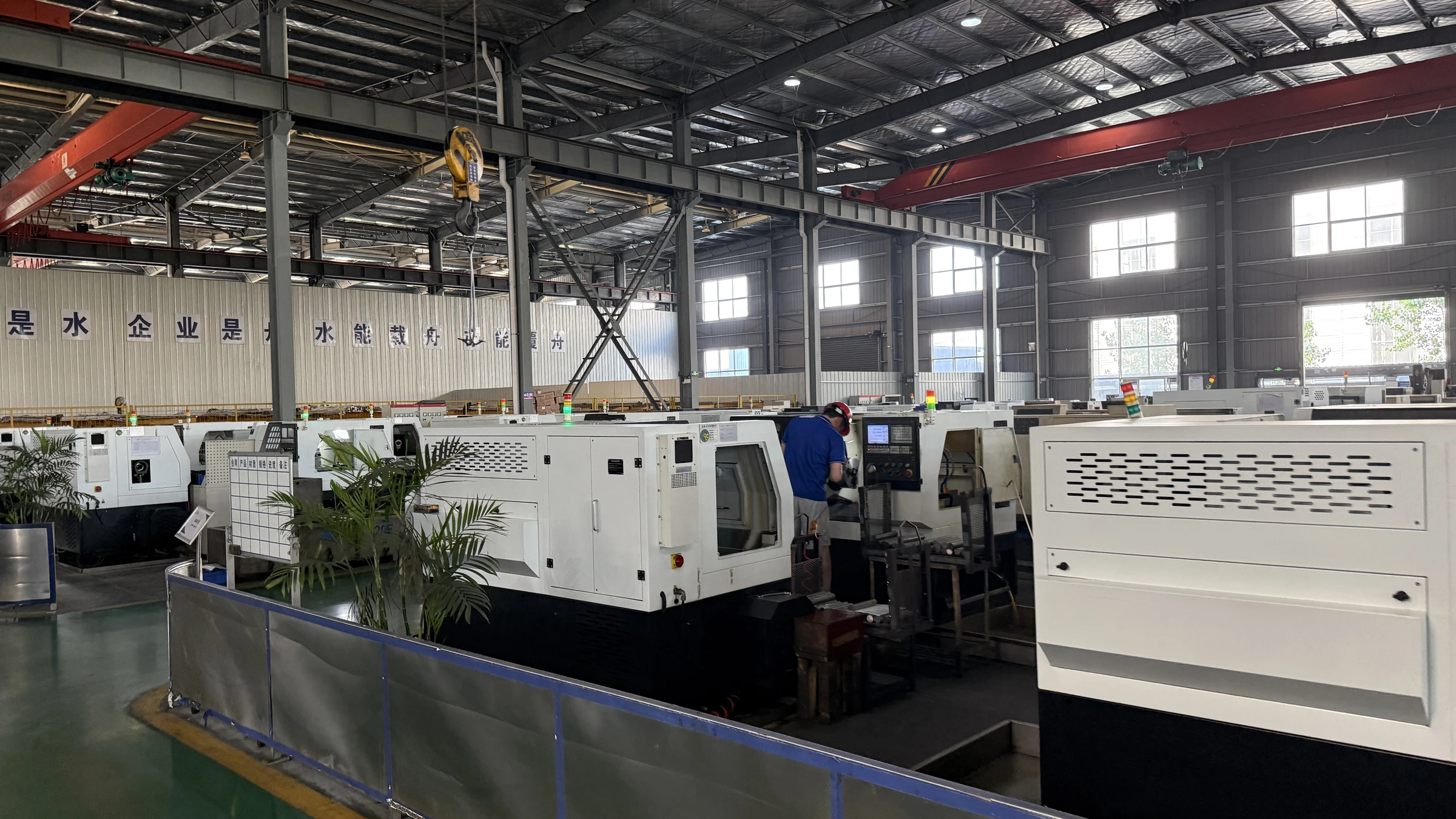
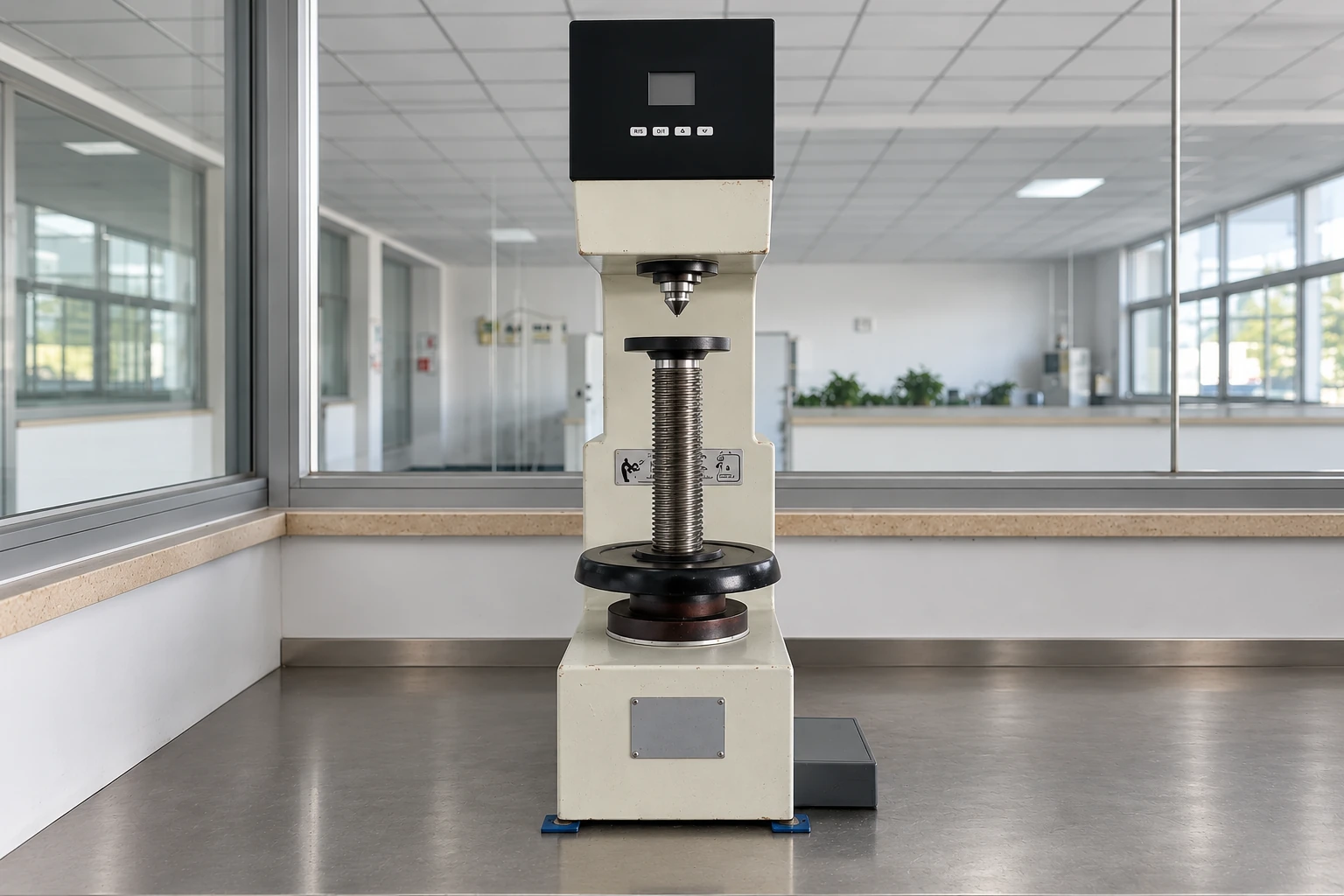
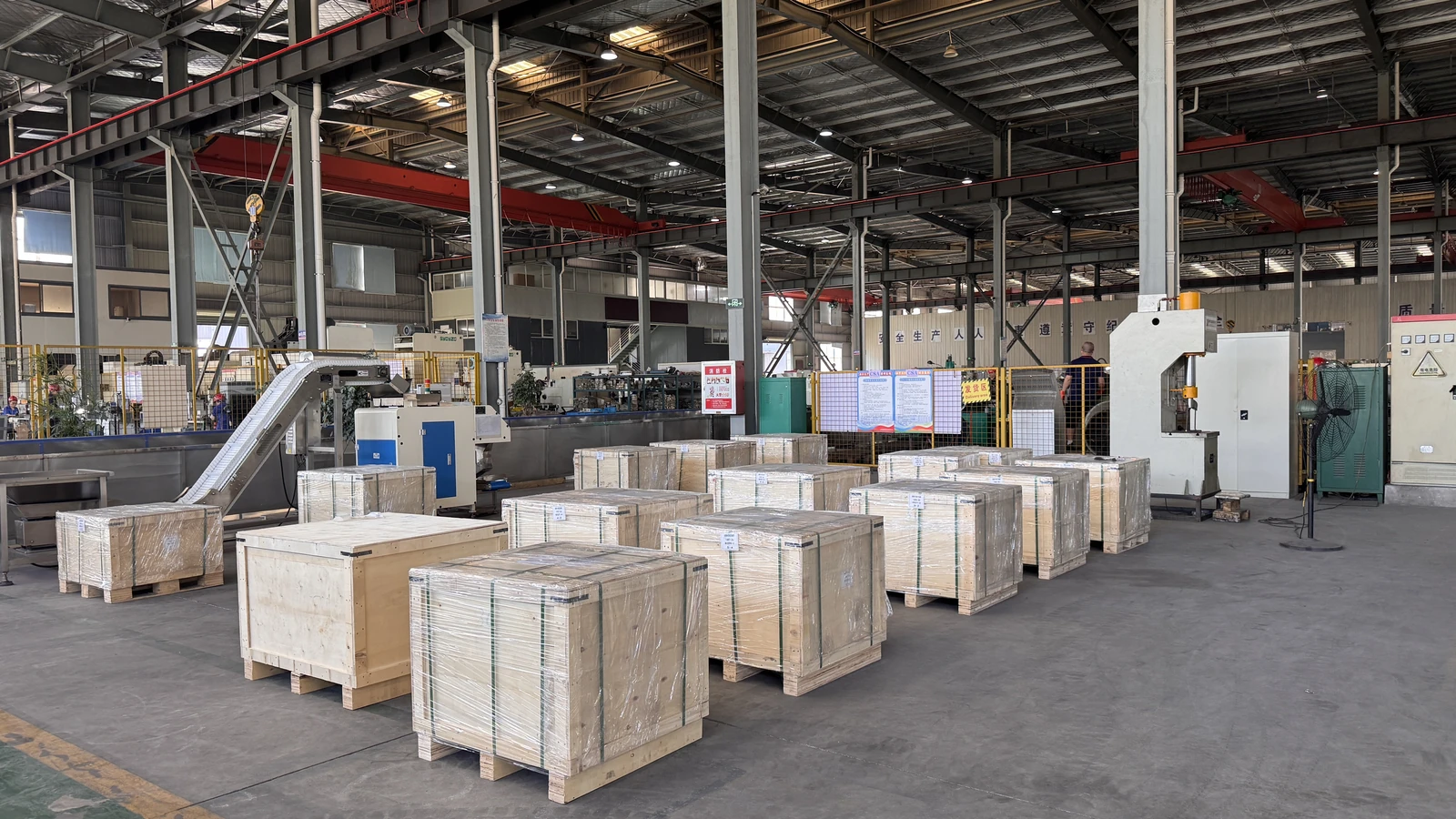
- 01Drawing & BOMForm, dimensions and quantity
- 02Material & formingGrade, heat and manufacturing route
- 03Final inspectionGeometry, threads and ordered tests
- 04Documents & dispatchLot records and identified packing
Order documents
- Material identity
- UNS R50400 · heat number · ordered condition
- Final-part acceptance
- Grade chemistry, surface condition and the ordered mechanical requirements.
- Dimensional record
- Drawing dimensions · Critical fits · Thread gauging
- Traceability
- EN 10204 3.1 material certificate · production lot · identified packing
Build your Titanium Grade 2 custom fastener enquiry
Questions about Titanium Grade 2 drawing-based special alloy fasteners
Which features control acceptance on a custom part?
The datum system and functional interfaces determine inspection: a locating shoulder, seal seat or short thread can be more important than the largest overall dimension. Keep these features identified on the revision supplied for manufacture.