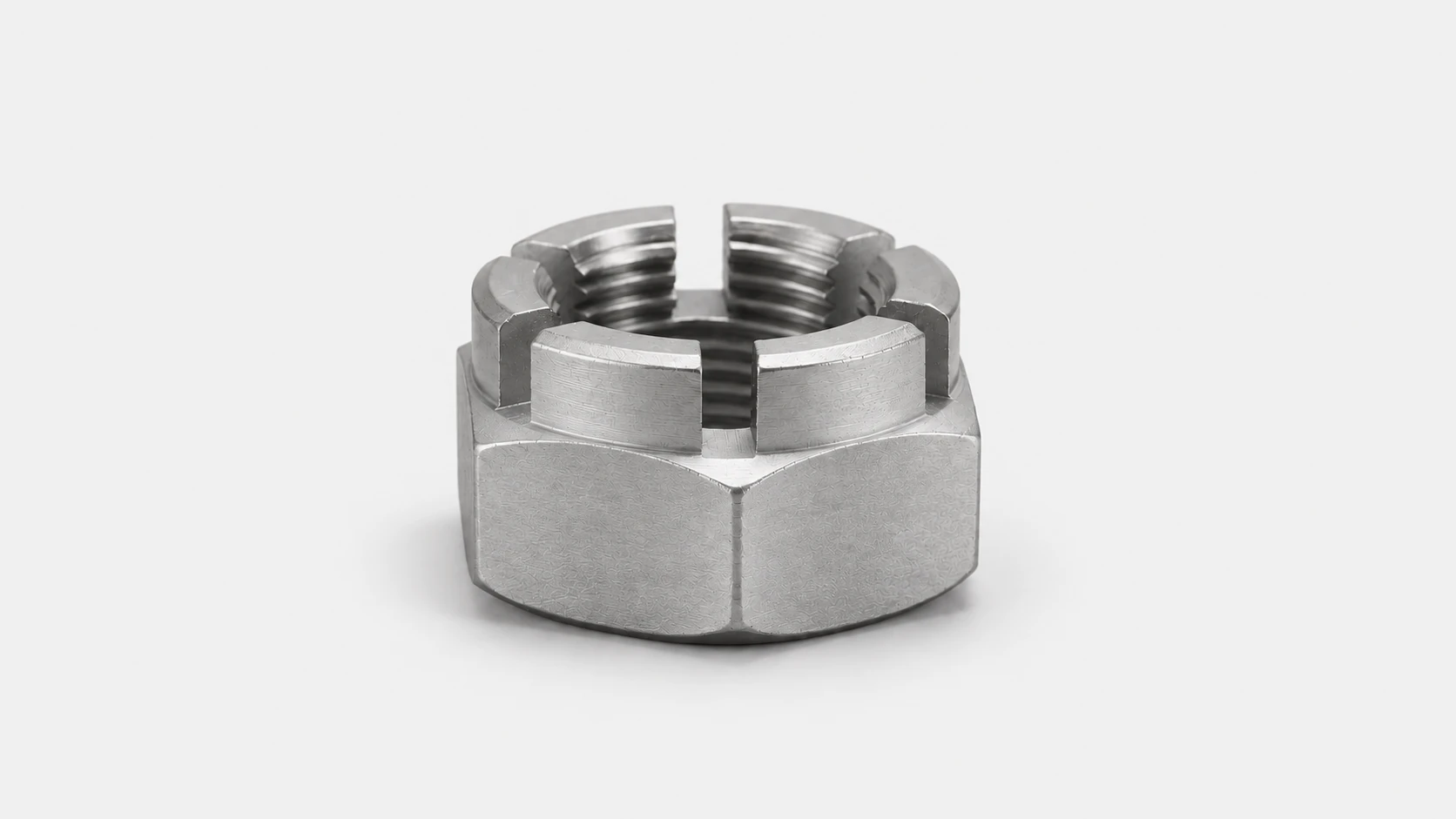
Nimonic 901 Slotted & castle nuts
DIN 935-1AMS 5660 / AMS 5661
Nimonic 901 castle and slotted nuts combine age-hardenable nickel–iron alloy performance for specified hot machinery with visible pin retention. The cross-hole, pin and nut slots complete the system; the nut’s material condition governs its loaded thread.
- MOQ
- 100PCS
- Samples · typical
- ~20 days
- Production · typical
- 25–35 days
- Heat treatment
- Solution treated and aged
EN 10204 3.1 MTC + heat-number traceability
Which standard is on your order?
Raw Material Specifications
Threads · Metric
Threads · Inch
Dimension Reference
Heat Treatment
Solution treated, stabilized and agedThe AMS 5660 route uses solution treatment, stabilization and precipitation aging to develop the specified strength.
What we can make in Nimonic 901

Slotted nut
Use on drilled shafts and pins where a cotter pin retains the nut after adjustment. Slots in the hex body provide a lower axial envelope when the installation has limited clearance.

Castle nut
Use the raised slotted crown to position the cotter-pin path above the wrenching body. The crown needs clearance beyond the bearing assembly or linkage end.
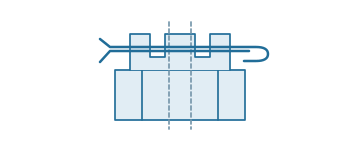
Pin alignment
For wheel, pivot and linkage assemblies, align the slots with the cross-hole using the assembly’s preload or end-play procedure. The pin retains the nut; it does not set the bearing adjustment.
- Retention
- Slots · Split pin
- Mating part
- Cross-drilled bolt or shaft
- Patterns
- Slotted · Castellated
- Threads
- Metric · Inch
- Final condition
- Solution treated and aged
- Inspection
- Slot width · Crown height · Pin clearance · Threads
Manufacturing route
Small lots use machined blanks. Volume nut blanks use a forming route compatible with the alloy before machining the bore and tapping.
Heat treatment & final condition
Solution treatment and the specified aging condition are recorded against the production lot; final dimensions are checked after thermal processing.
Finished geometry
Internal thread gauging, usable engagement and bearing-face alignment are checked after final processing.
Where Nimonic 901 fits — and what matters
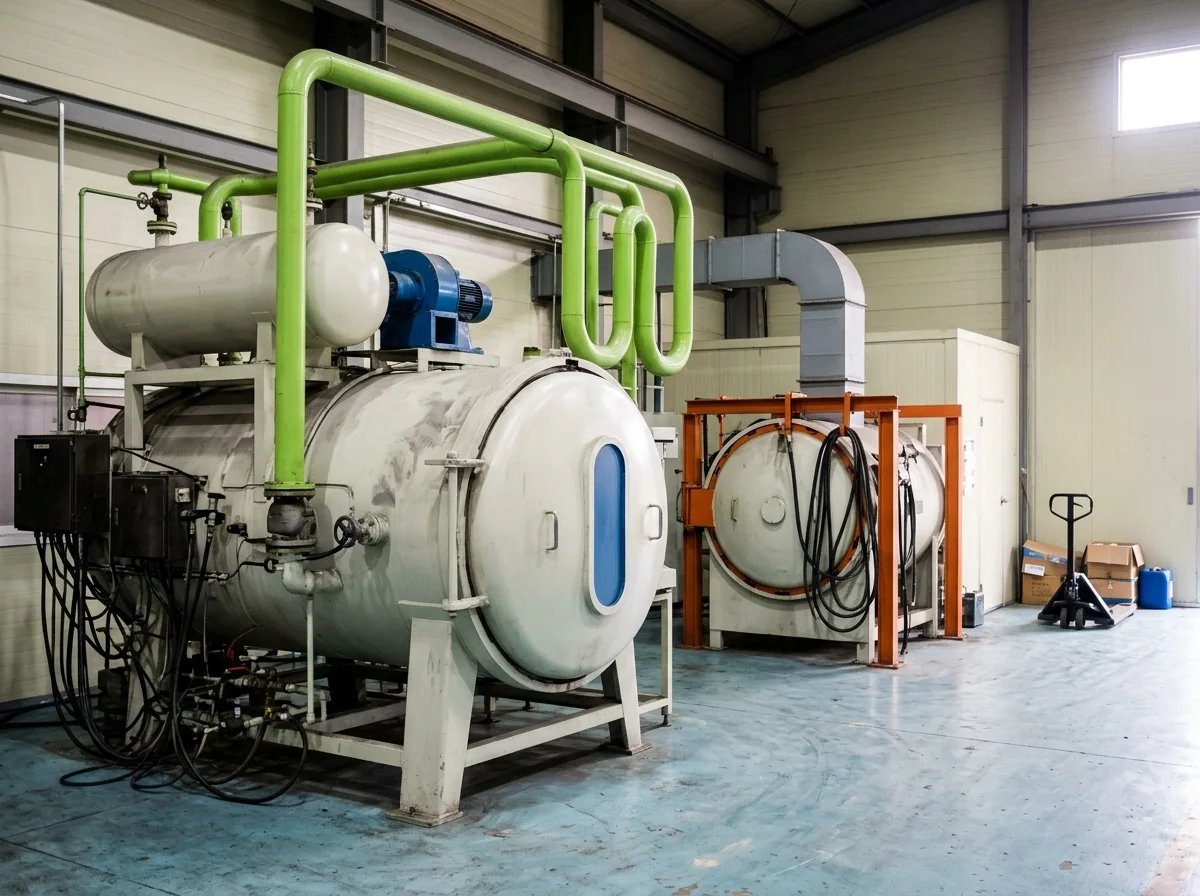
Furnaces & Heat Treatment
Fixture pivots and conveyor shaftsNimonic 901 slotted & castle nuts retain fixture pivots and conveyor shafts with a split pin through the nut slots and a cross-drilled shaft. Slot alignment establishes the final positive-retention position. Hot dwell, thermal expansion and repeated furnace cycles set the working load.
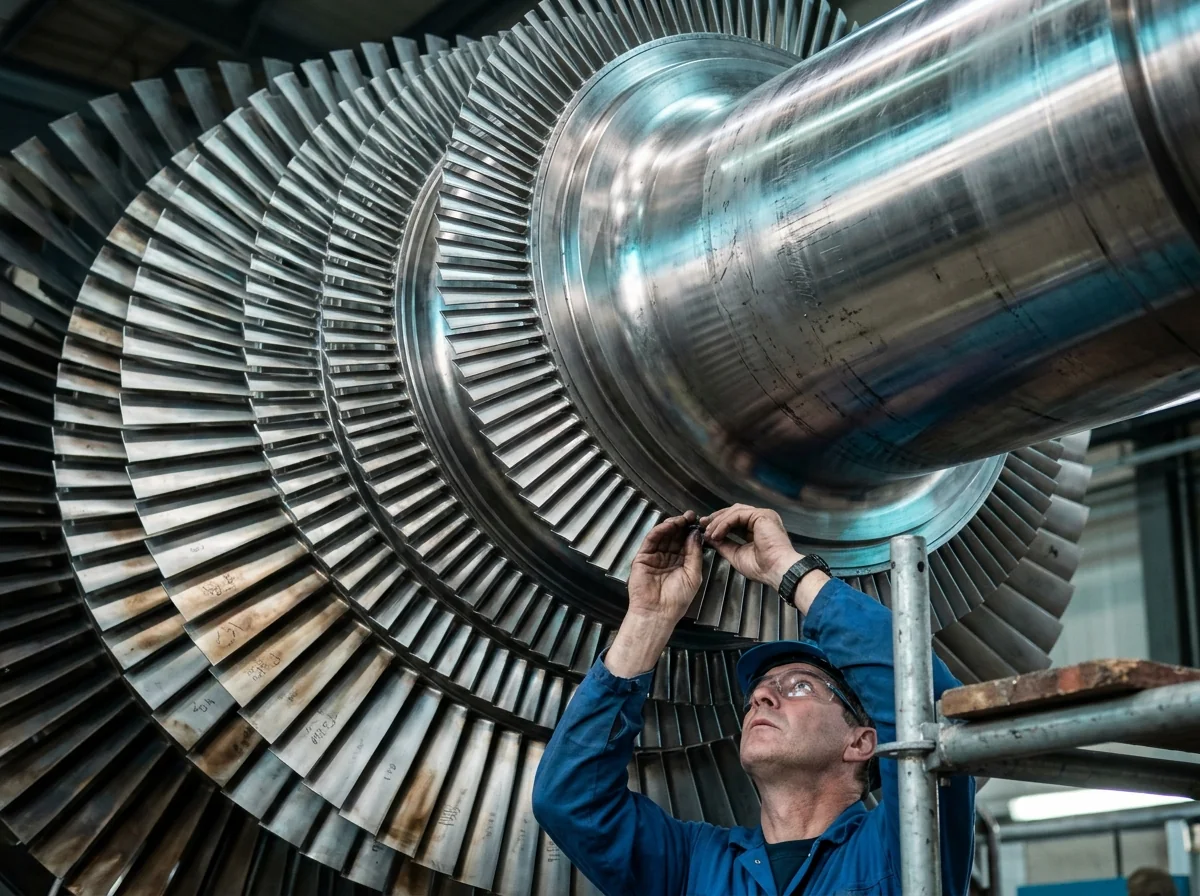
Power & Turbines
Hot-duct linkage pins and damper spindlesNimonic 901 slotted & castle nuts retain hot-duct linkage pins and damper spindles with a split pin through the nut slots and a cross-drilled shaft. Slot alignment establishes the final positive-retention position. Hot dwell and start-stop expansion act on the supported or moving component.

Chemical Processing
Reformer support pins and heater-fixture rodsNimonic 901 slotted & castle nuts retain reformer support pins and heater-fixture rods with a split pin through the nut slots and a cross-drilled shaft. Slot alignment establishes the final positive-retention position. These parts work in the heated equipment zone, where sustained loading and thermal expansion govern their section and clearance.
Same slotted & castle nut. Different material priorities.
Nimonic 901 material dataIncoloy 800HT
Tightly controlled carbon and Al + Ti for creep duty.
- Connection priority
- Nut preload with separate positive pin retention
- N08811 material control
- 800HT tightens the 800-family chemistry around creep performance. Its solution-treated, coarse-grain condition and N08811 identity should remain linked through forming and final acceptance. At the pin slots, cross-drilled shaft and bearing face, the relevant metal temperature can differ from the process or furnace set point.
Inconel 718
Precipitation-hardened strength for compact, highly loaded connections.
- Connection priority
- Nut preload with separate positive pin retention
- Strength after aging
- Machine-stock properties and final aged properties describe different states. The final heat-treatment lot and mechanical results establish the strength available in the installed part. At the pin slots, cross-drilled shaft and bearing face, the relevant metal temperature can differ from the process or furnace set point.
A-286
Aged iron–nickel alloy strength for hot bolting.
- Connection priority
- Nut preload with separate positive pin retention
- Grade 660 class
- An ASTM A453 Grade 660 order includes its class and corresponding processing requirements. The alloy name A-286 alone does not identify that acceptance condition. At the pin slots, cross-drilled shaft and bearing face, the relevant metal temperature can differ from the process or furnace set point.
From drawing to documented delivery
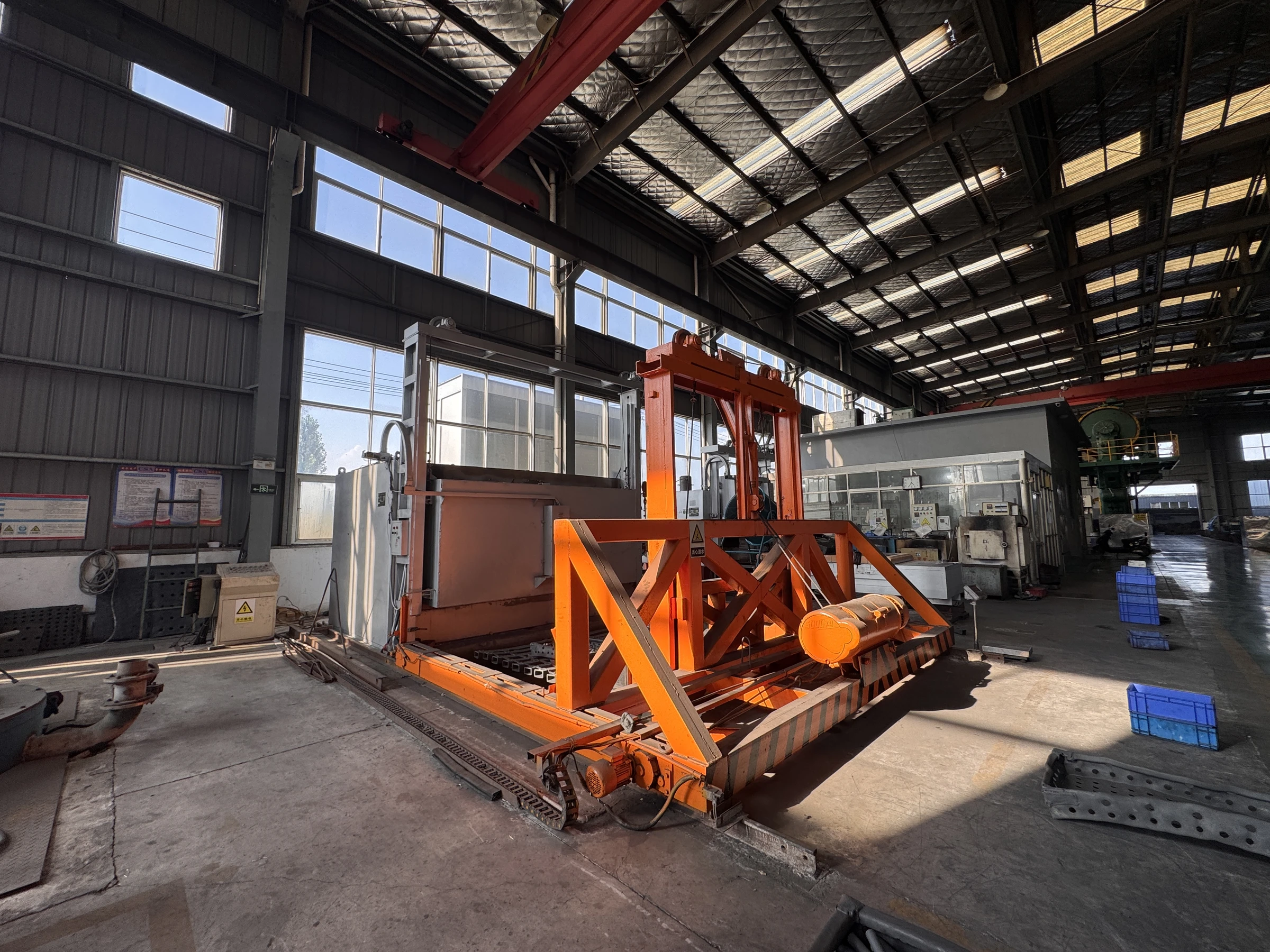
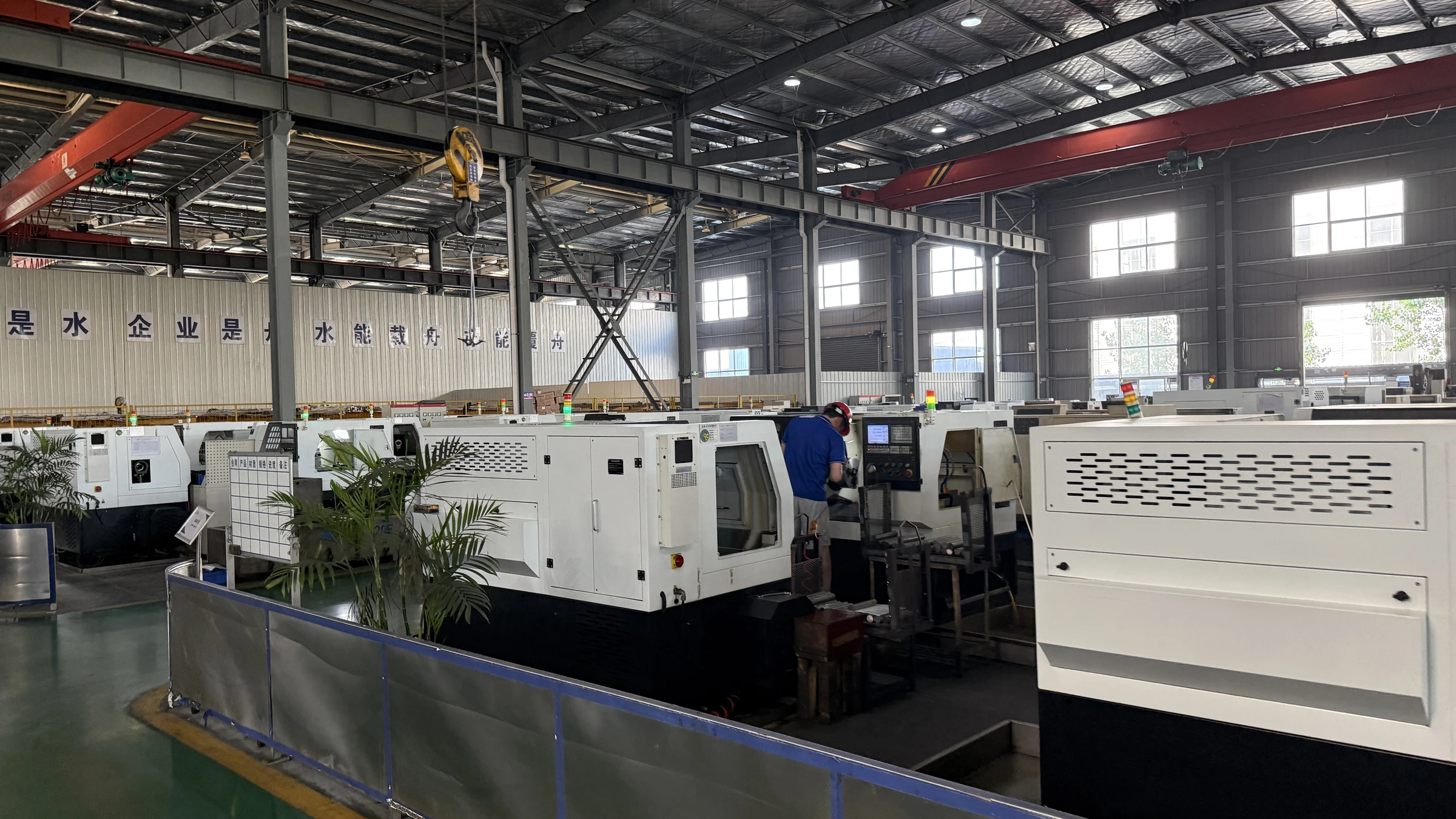
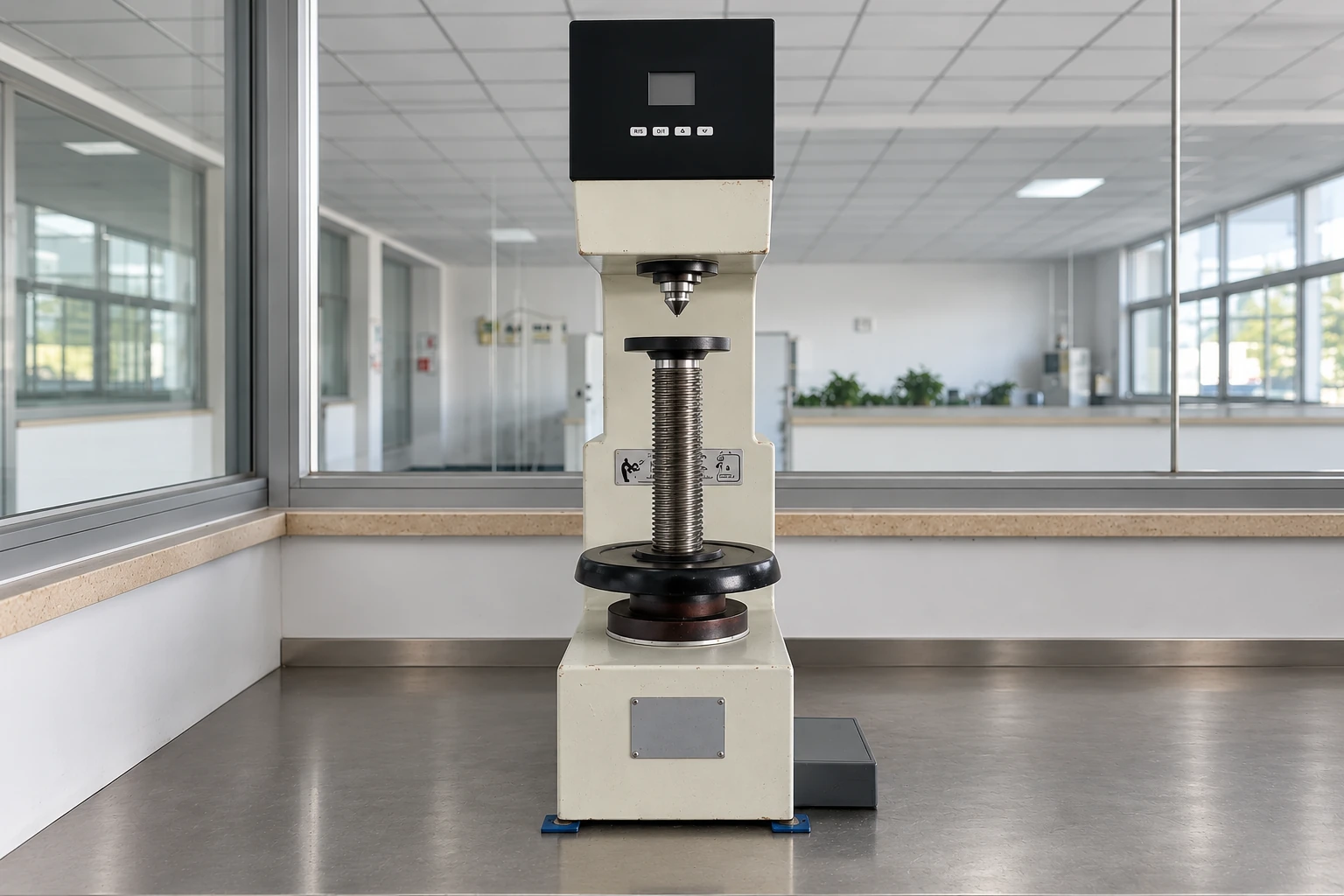
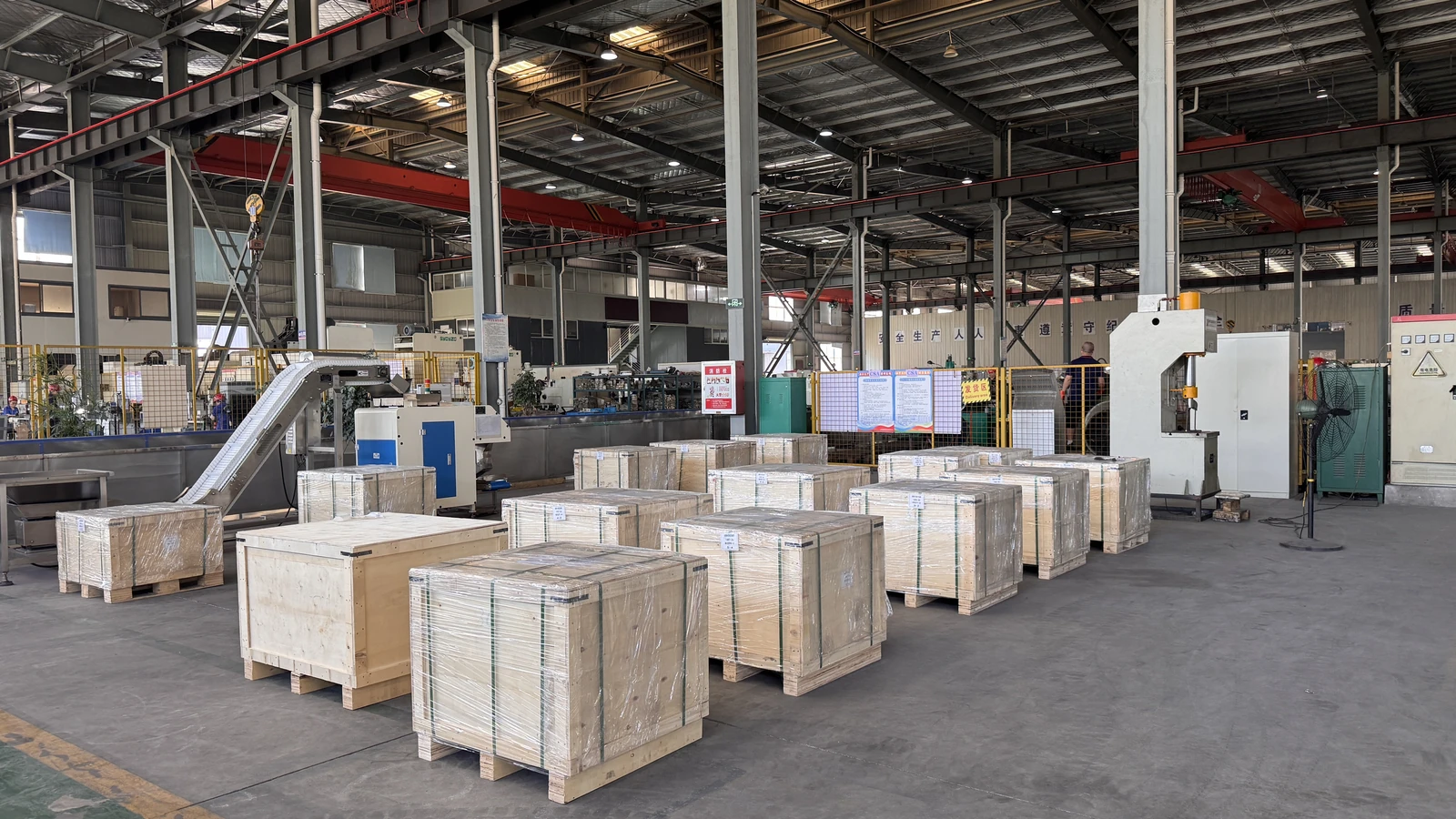
- 01Drawing & BOMForm, dimensions and quantity
- 02Material & formingGrade, heat and manufacturing route
- 03Final inspectionGeometry, threads and ordered tests
- 04Documents & dispatchLot records and identified packing
Order documents
- Material identity
- UNS N09901 · heat number · ordered condition
- Final-part acceptance
- Lot-linked aging record and mechanical acceptance in the final condition.
- Dimensional record
- Slot width · Crown height · Pin clearance · Threads
- Traceability
- EN 10204 3.1 material certificate · production lot · identified packing
Build your Nimonic 901 slotted & castle nut enquiry
Questions about Nimonic 901 slotted & castle nuts
What must be specified with a castle nut?
The cross-drilled shaft, retaining pin material and slot geometry complete the retention system. Slot alignment follows the assembly tightening procedure; the pin does not generate the joint’s clamp load.