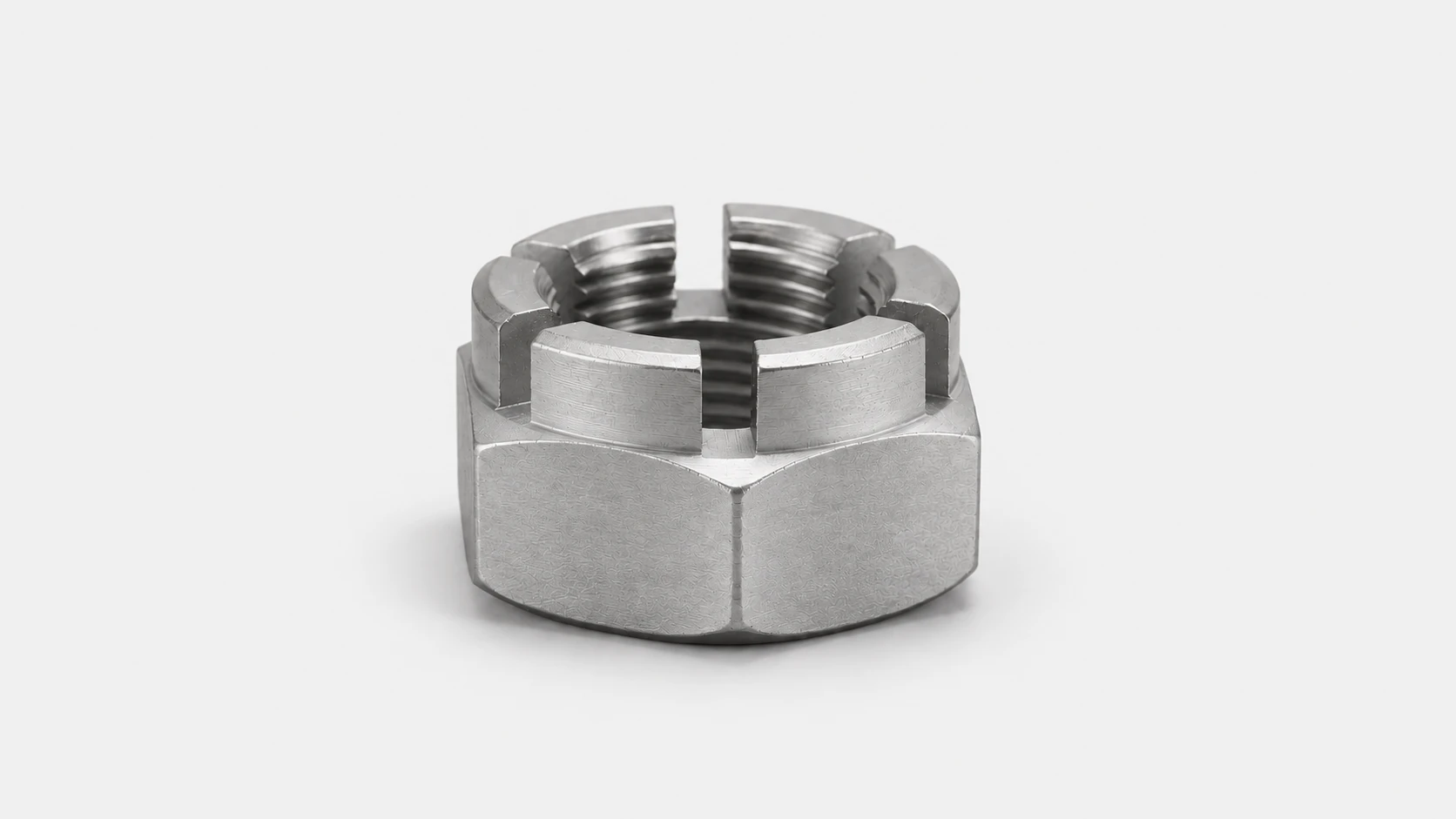
Titanium Grade 5 Slotted & castle nuts
DIN 935-1ASTM B348
Titanium Grade 5 castle and slotted nuts combine higher strength than commercially pure titanium at low density with visible pin retention. The cross-hole, pin and nut slots complete the system; the nut’s material condition governs its loaded thread.
- MOQ
- 100PCS
- Samples · typical
- ~20 days
- Production · typical
- 25–35 days
- Heat treatment
- Annealed
EN 10204 3.1 MTC + heat-number traceability
Which standard is on your order?
Raw Material Specifications
Threads · Metric
Threads · Inch
Dimension Reference
Heat Treatment
AnnealedAnnealing reduces working stresses and restores ductility, with atmosphere and surface control limiting contamination during heating.
What we can make in Titanium Grade 5

Slotted nut
Use on drilled shafts and pins where a cotter pin retains the nut after adjustment. Slots in the hex body provide a lower axial envelope when the installation has limited clearance.

Castle nut
Use the raised slotted crown to position the cotter-pin path above the wrenching body. The crown needs clearance beyond the bearing assembly or linkage end.

Pin alignment
For wheel, pivot and linkage assemblies, align the slots with the cross-hole using the assembly’s preload or end-play procedure. The pin retains the nut; it does not set the bearing adjustment.
- Retention
- Slots · Split pin
- Mating part
- Cross-drilled bolt or shaft
- Patterns
- Slotted · Castellated
- Threads
- Metric · Inch
- Final condition
- Annealed
- Inspection
- Slot width · Crown height · Pin clearance · Threads
Manufacturing route
Small lots use machined blanks. Volume nut blanks use a forming route compatible with the alloy before machining the bore and tapping.
Heat treatment & final condition
Forming and thermal processing require contamination control. The final surface is cleaned before dimensional and material acceptance.
Finished geometry
Internal thread gauging, usable engagement and bearing-face alignment are checked after final processing.
Where Titanium Grade 5 fits — and what matters
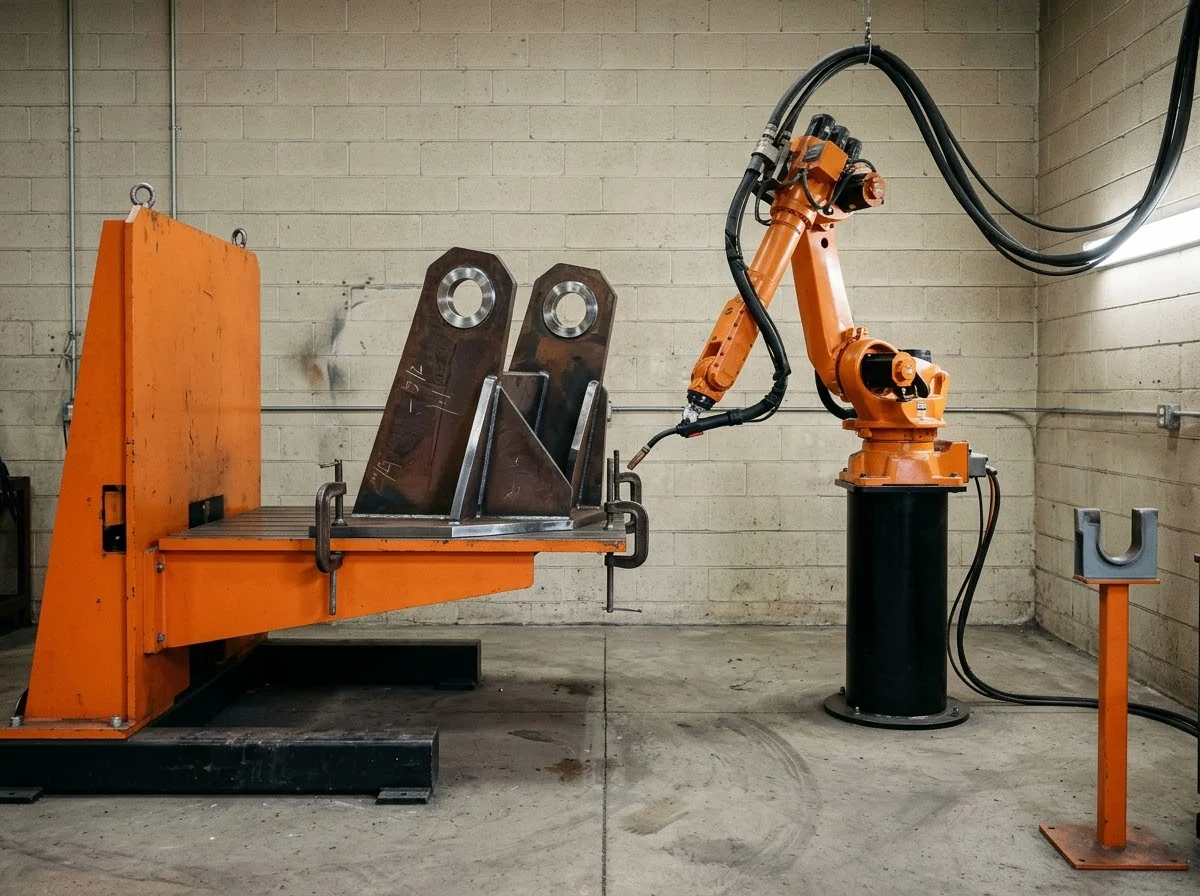
Industrial Machinery & Automation
Drive shafts, collars and guide pinsTitanium Grade 5 slotted & castle nuts retain drive shafts, collars and guide pins with a split pin through the nut slots and a cross-drilled shaft. Slot alignment establishes the final positive-retention position. Alignment, operating cycles and replacement access define the working interface.
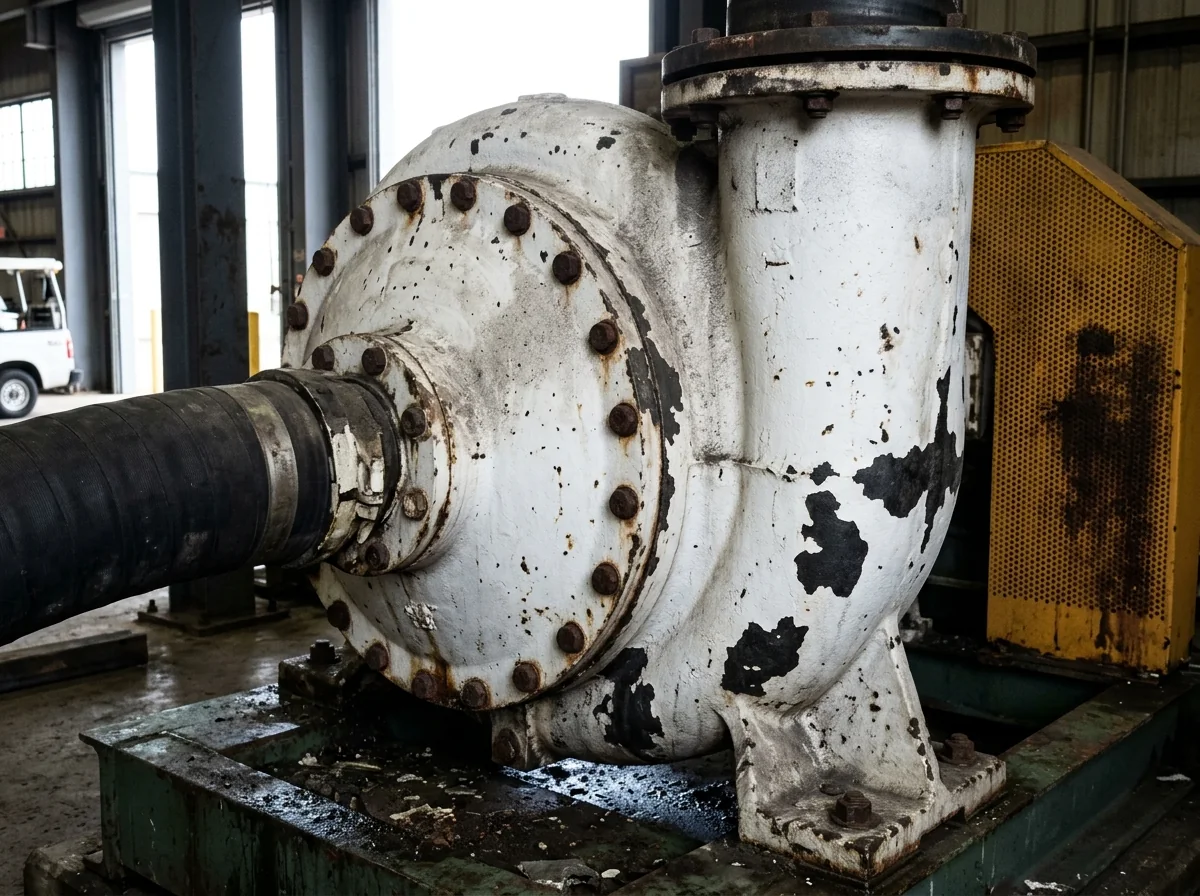
Pumps, Valves & OEM
Valve stems and pump-drive collarsTitanium Grade 5 slotted & castle nuts retain valve stems and pump-drive collars with a split pin through the nut slots and a cross-drilled shaft. Slot alignment establishes the final positive-retention position. Repeated maintenance makes fit, engagement and access part of the component specification.
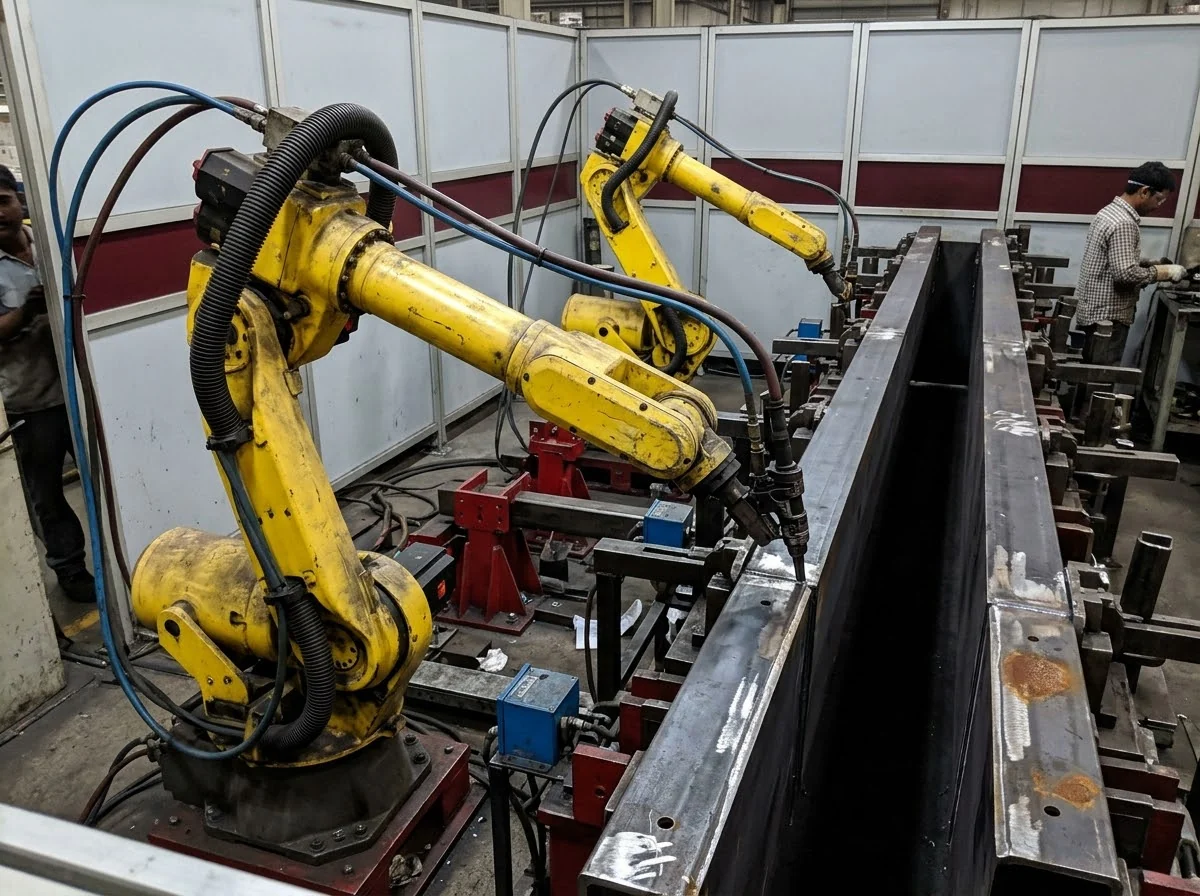
Automotive & EV Manufacturing Equipment
Fixture pins and positioning shaftsTitanium Grade 5 slotted & castle nuts retain fixture pins and positioning shafts with a split pin through the nut slots and a cross-drilled shaft. Slot alignment establishes the final positive-retention position. Repeated tooling changes require consistent seating and repeatable assembly dimensions.
Same slotted & castle nut. Different material priorities.
Titanium Grade 5 material dataTitanium Grade 2
Low mass, corrosion resistance and commercially pure titanium formability.
- Connection priority
- Nut preload with separate positive pin retention
- Commercially pure titanium
- Grade 2 favours corrosion resistance and forming characteristics over the higher strength of Grade 5. Mating-metal contact, surface condition and assembly friction remain part of the connection design. Include liquid retained at the pin slots, cross-drilled shaft and bearing face in the exposure description.
Inconel 718
Precipitation-hardened strength for compact, highly loaded connections.
- Connection priority
- Nut preload with separate positive pin retention
- Strength after aging
- Machine-stock properties and final aged properties describe different states. The final heat-treatment lot and mechanical results establish the strength available in the installed part. At the pin slots, cross-drilled shaft and bearing face, the relevant metal temperature can differ from the process or furnace set point.
From drawing to documented delivery
- 01Drawing & BOMForm, dimensions and quantity
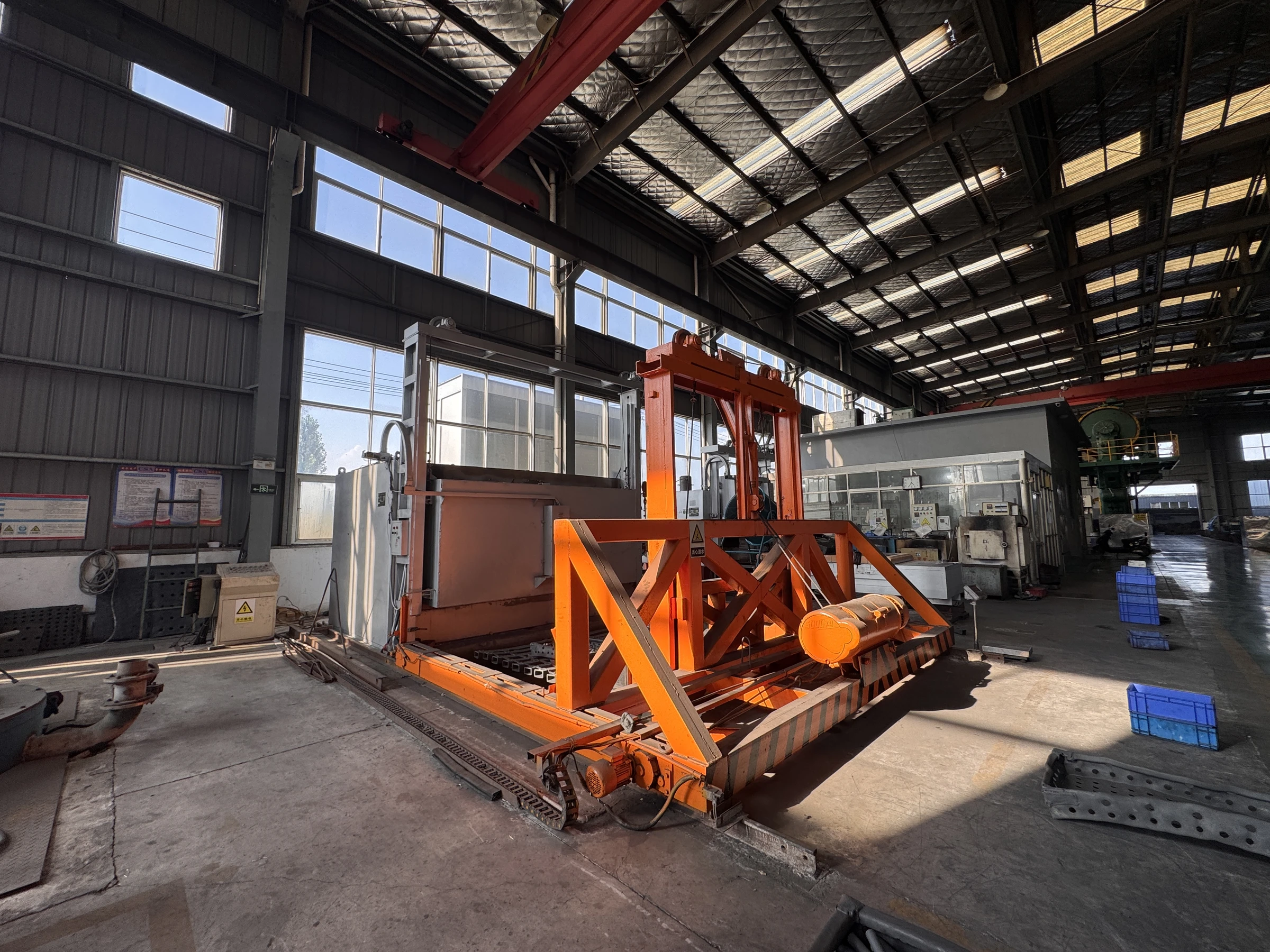
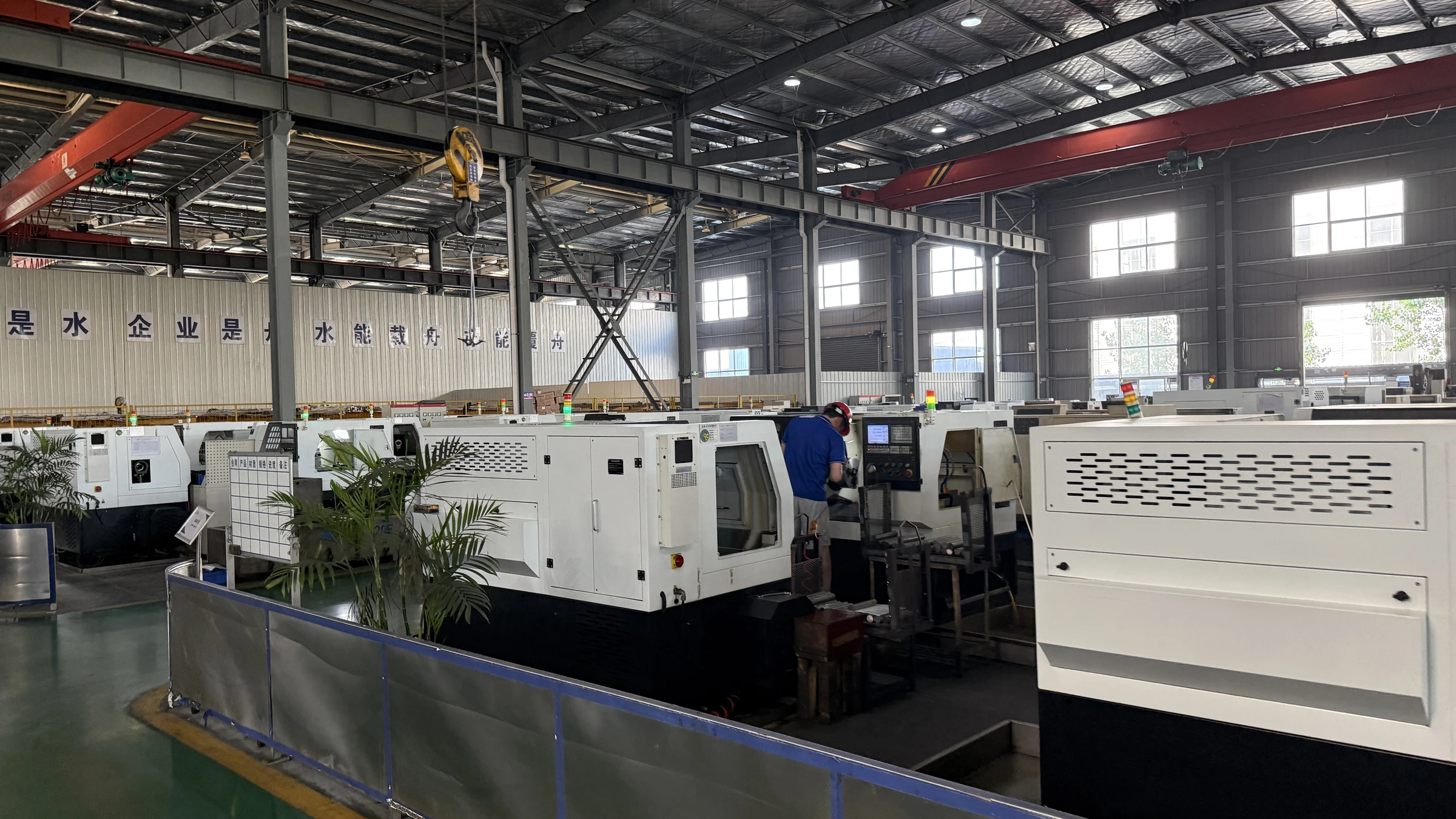
- 02Material & formingGrade, heat and manufacturing route
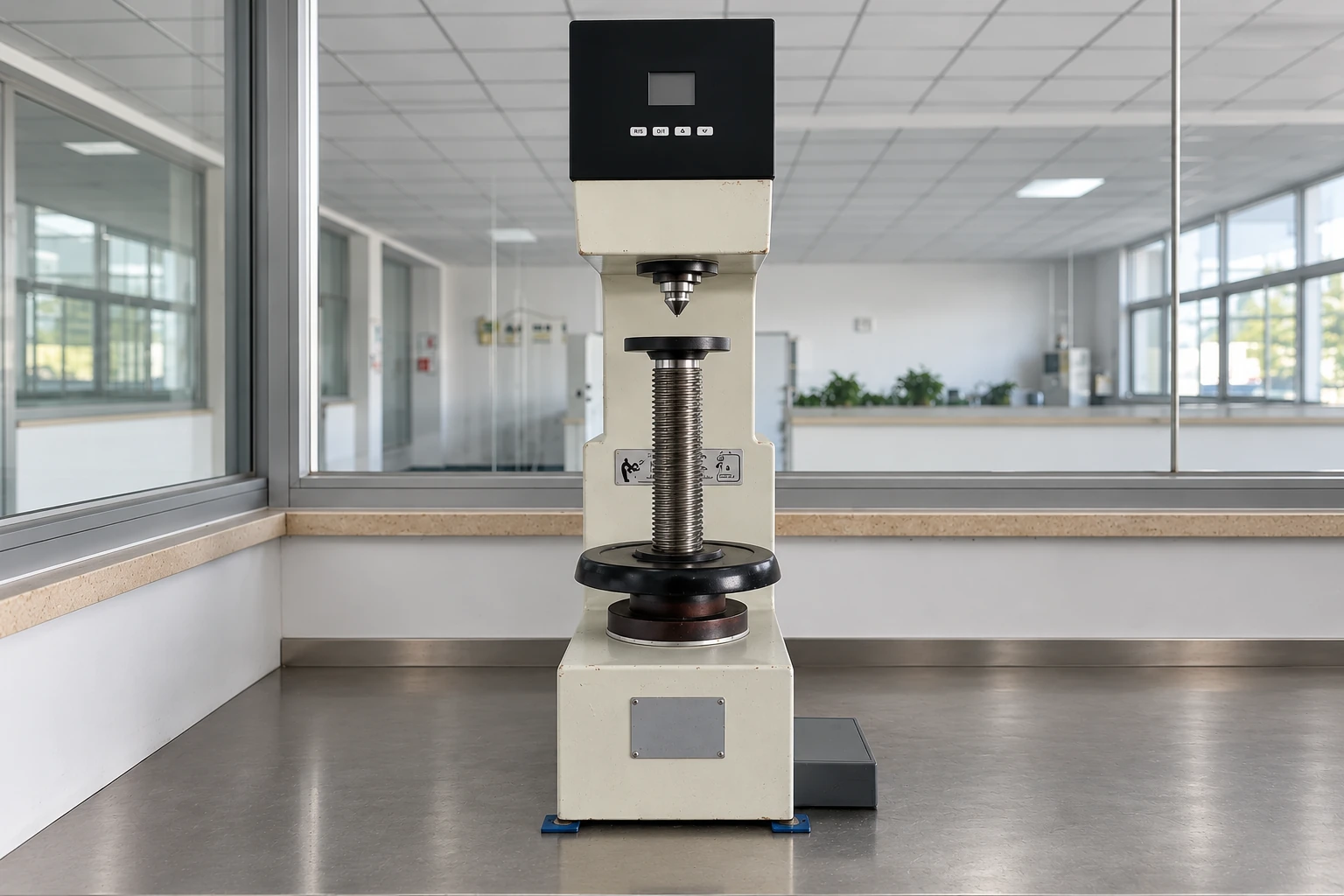
- 03Final inspectionGeometry, threads and ordered tests
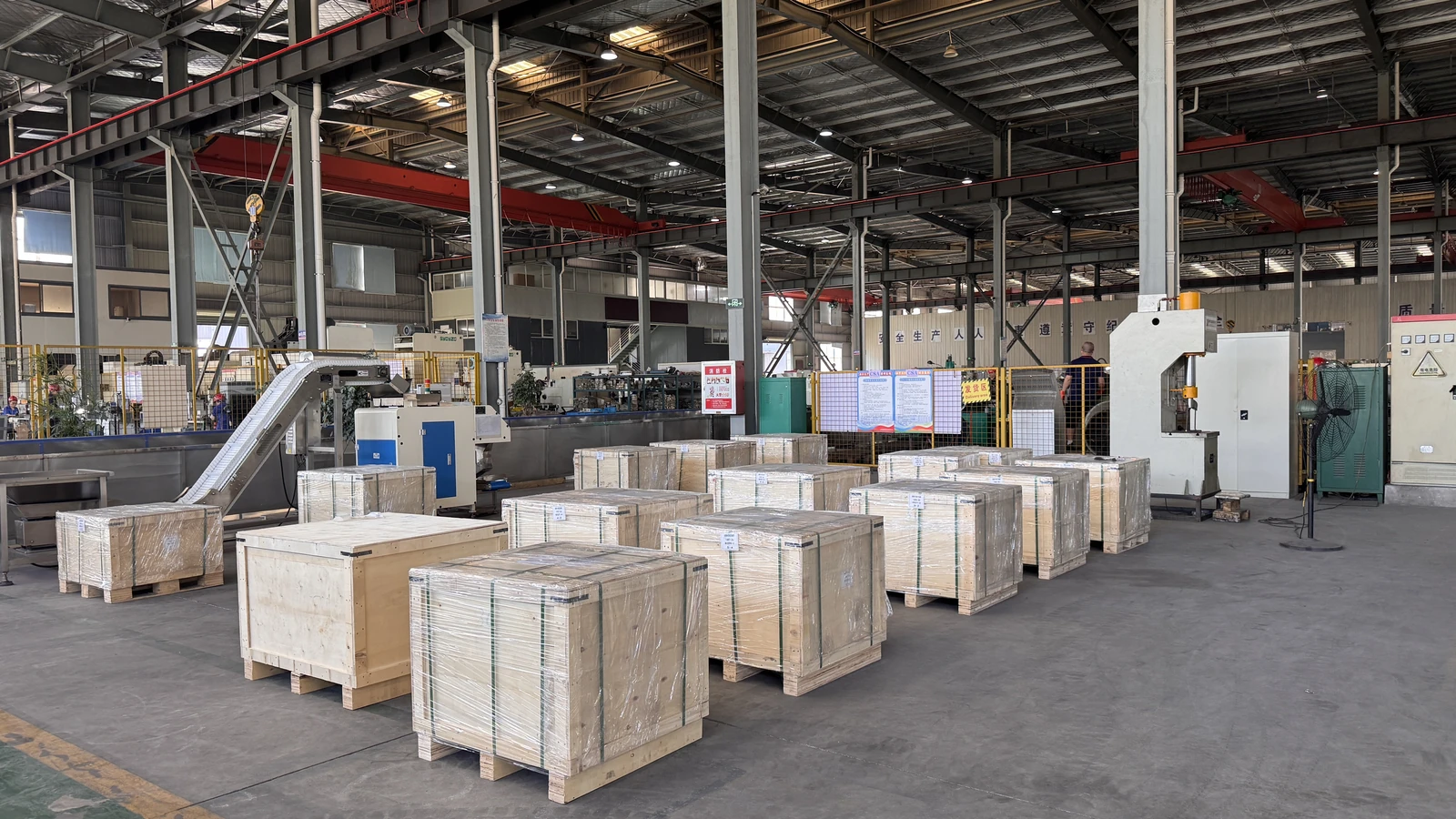
- 04Documents & dispatchLot records and identified packing
Order documents
- Material identity
- UNS R56400 · heat number · ordered condition
- Final-part acceptance
- Grade chemistry, surface condition and the ordered mechanical requirements.
- Dimensional record
- Slot width · Crown height · Pin clearance · Threads
- Traceability
- EN 10204 3.1 material certificate · production lot · identified packing
Build your Titanium Grade 5 slotted & castle nut enquiry
Questions about Titanium Grade 5 slotted & castle nuts
What must be specified with a castle nut?
The cross-drilled shaft, retaining pin material and slot geometry complete the retention system. Slot alignment follows the assembly tightening procedure; the pin does not generate the joint’s clamp load.