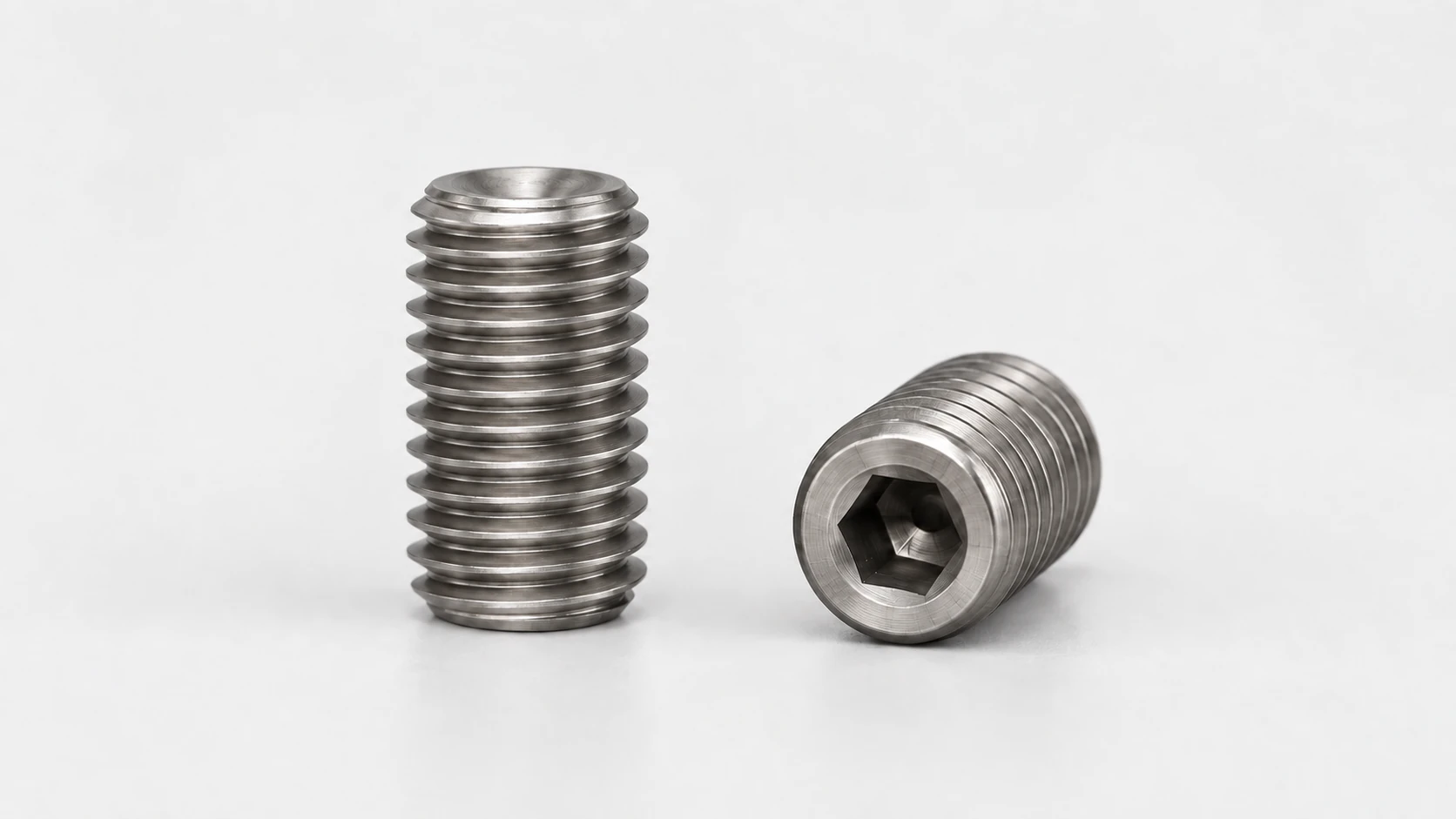
A-286 Set screws
ISO 4026 / ISO 4027
A-286 set screws put aged iron–nickel alloy strength for hot bolting at a small, highly loaded shaft contact. Point style and the final hardness determine whether that contact locates, clamps or indents the mating part.
- MOQ
- 100PCS
- Samples · typical
- ~20 days
- Production · typical
- 25–35 days
- Heat treatment
- Solution treated and aged
EN 10204 3.1 MTC + heat-number traceability
Which standard is on your order?
Raw Material Specifications
Threads · Metric
Threads · Inch
Dimension Reference
Heat Treatment
Solution treated and agedSolution treatment is followed by precipitation aging, with the Grade 660 class defining the required heat-treatment route and final properties.
What we can make in A-286
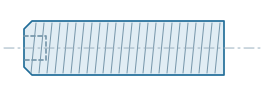
Flat point
Use for repeated adjustment against a flat or pad where deep penetration is unwanted. A prepared flat on the shaft gives more stable seating than contact on a round surface.
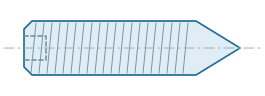
Cone point
Use for positive location in a prepared dimple on a shaft or collar. The concentrated tip contact can mark the component, making it less suitable for frequent repositioning on a finished shaft.
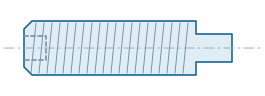
Dog point
Use the cylindrical tip in a hole or guide slot to locate a collar or restrict travel. Control tip diameter and projection to avoid binding or bottoming in the mating feature.
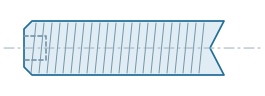
Cup point
Use on shaft collars and hubs where the cup edge can bite into the shaft to resist slip. Expect a contact mark; use a prepared seat when repeated removal and repositioning matter.
- Drive
- Internal hex socket
- Point forms
- Flat · Cone · Dog · Cup
- Length basis
- Overall length
- Threads
- Metric · Inch
- Final condition
- Solution treated and aged
- Inspection
- Point geometry · Overall length · Socket · Threads
Manufacturing route
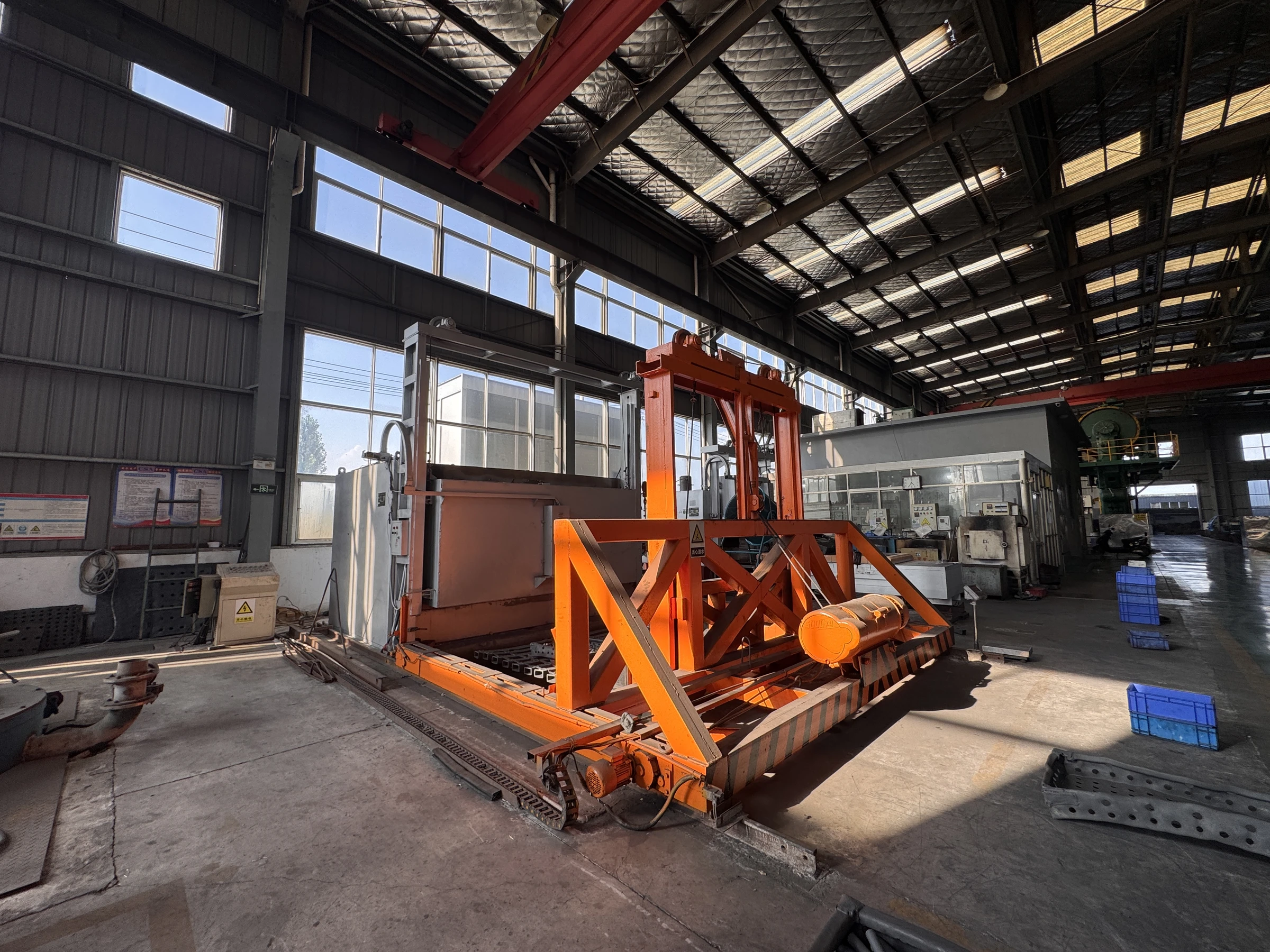
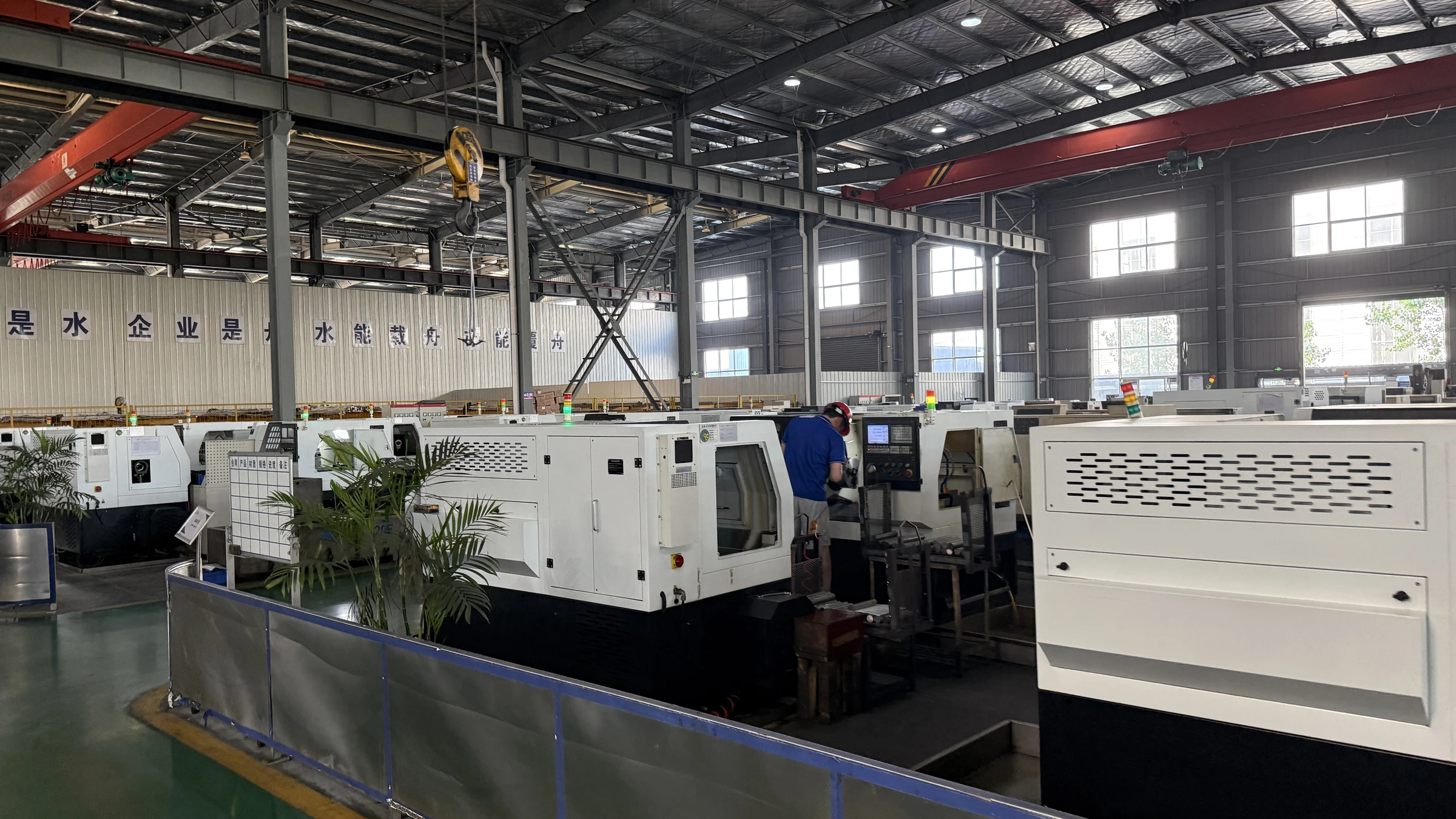
CNC machining suits small lots and special points. The socket and flat, cup, cone or dog point are produced as functional features on the same axis.
Heat treatment & final condition
Solution treatment and the specified aging condition are recorded against the production lot; final dimensions are checked after thermal processing.
Finished geometry
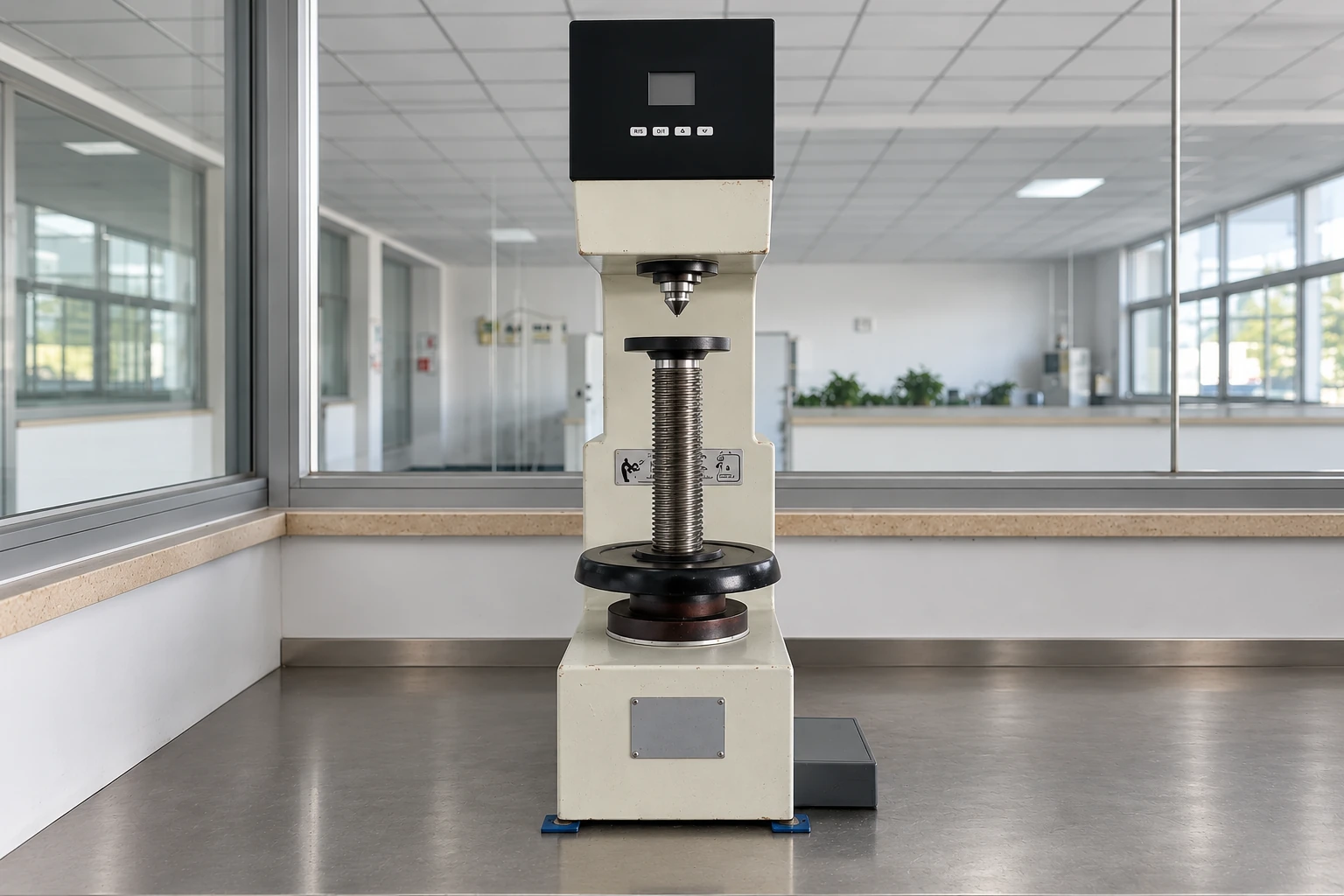
Point hardness and final thread fit are checked in the ordered heat-treated state; a higher point hardness must remain compatible with the shaft.
Where A-286 fits — and what matters
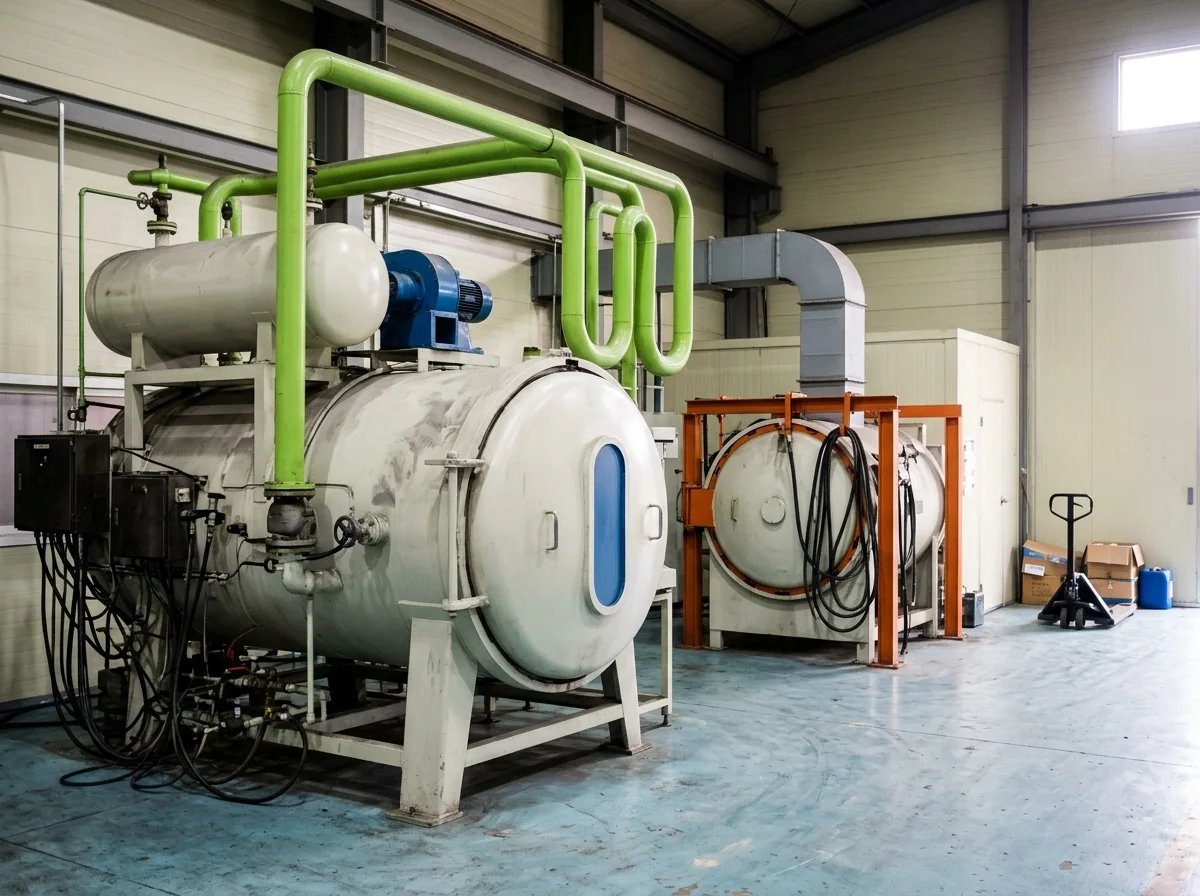
Furnaces & Heat Treatment
Fixture pivots and conveyor shaftsA-286 set screws lock collars or hubs to fixture pivots and conveyor shafts. Cup, cone, flat and dog points transfer load through different shaft contacts or locating features. Hot dwell, thermal expansion and repeated furnace cycles set the working load.

Power & Turbines
Hot-duct linkage pins and damper spindlesA-286 set screws lock collars or hubs to hot-duct linkage pins and damper spindles. Cup, cone, flat and dog points transfer load through different shaft contacts or locating features. Hot dwell and start-stop expansion act on the supported or moving component.

Chemical Processing
Reformer support pins and heater-fixture rodsA-286 set screws lock collars or hubs to reformer support pins and heater-fixture rods. Cup, cone, flat and dog points transfer load through different shaft contacts or locating features. These parts work in the heated equipment zone, where sustained loading and thermal expansion govern their section and clearance.
Same set screw. Different material priorities.
A-286 material dataIncoloy 800HT
Tightly controlled carbon and Al + Ti for creep duty.
- Connection priority
- Local contact pressure at the point
- N08811 material control
- 800HT tightens the 800-family chemistry around creep performance. Its solution-treated, coarse-grain condition and N08811 identity should remain linked through forming and final acceptance. At the point against the shaft and the blind drive recess, the relevant metal temperature can differ from the process or furnace set point.
Inconel 718
Precipitation-hardened strength for compact, highly loaded connections.
- Connection priority
- Local contact pressure at the point
- Strength after aging
- Machine-stock properties and final aged properties describe different states. The final heat-treatment lot and mechanical results establish the strength available in the installed part. At the point against the shaft and the blind drive recess, the relevant metal temperature can differ from the process or furnace set point.
310S
Low-carbon heat resistance in oxidation-exposed equipment.
- Connection priority
- Local contact pressure at the point
- 310S is not 310H
- S31008 is the low-carbon grade. For a component under sustained hot load, distinguish that specification from the controlled-carbon creep purpose of S31009. At the point against the shaft and the blind drive recess, the relevant metal temperature can differ from the process or furnace set point.
From drawing to documented delivery
- 01Drawing & BOMForm, dimensions and quantity
- 02Material & formingGrade, heat and manufacturing route
- 03Final inspectionGeometry, threads and ordered tests
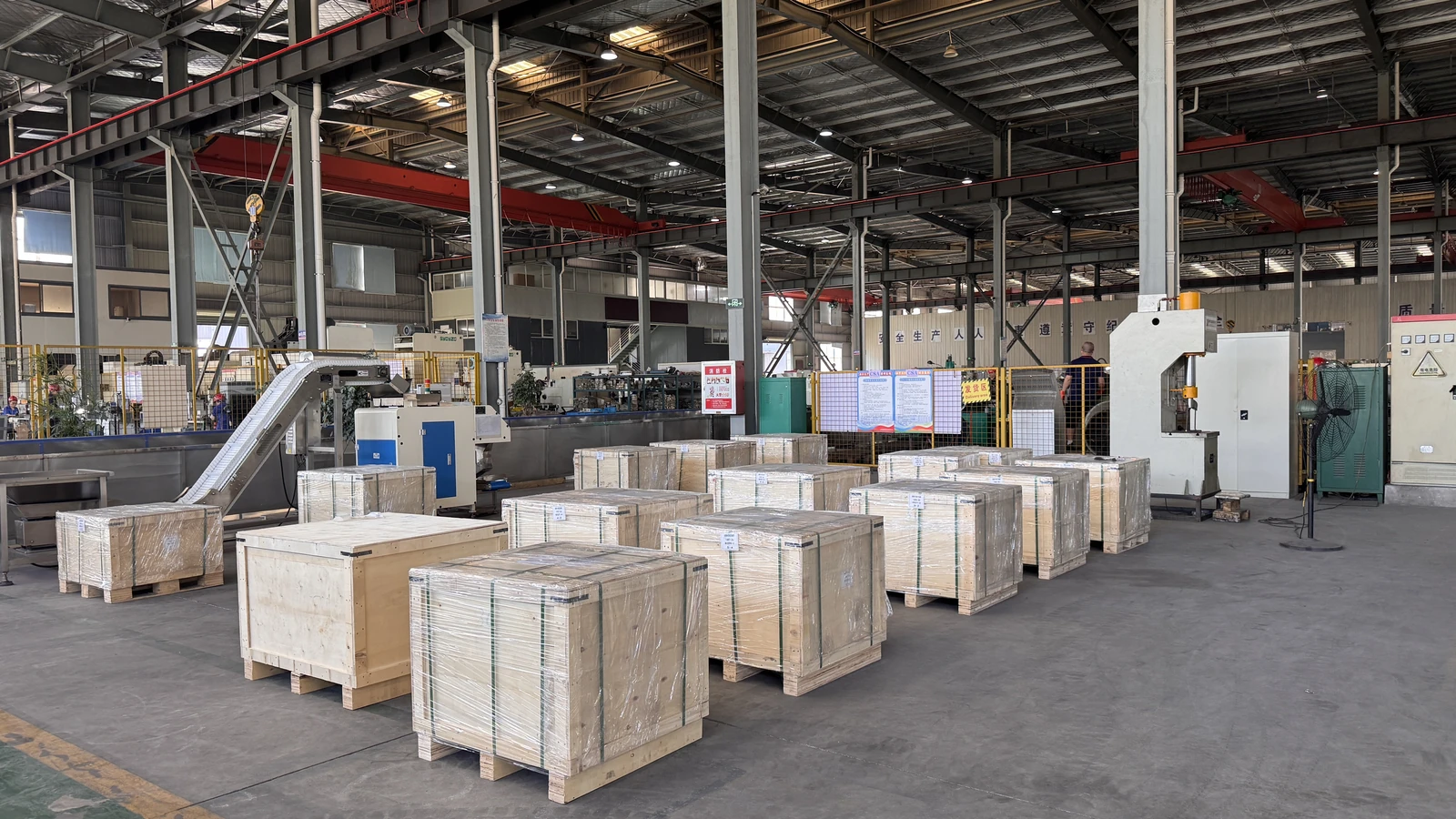
- 04Documents & dispatchLot records and identified packing
Order documents
- Material identity
- UNS S66286 · heat number · ordered condition
- Final-part acceptance
- Lot-linked aging record and mechanical acceptance in the final condition.
- Dimensional record
- Point geometry · Overall length · Socket · Threads
- Traceability
- EN 10204 3.1 material certificate · production lot · identified packing
Build your A-286 set screw enquiry
Questions about A-286 set screws
Should point hardness always be maximised?
A very hard point can damage a softer shaft, while a soft point can flatten on a hard surface. The point geometry, shaft hardness and required holding or locating function determine the useful combination.