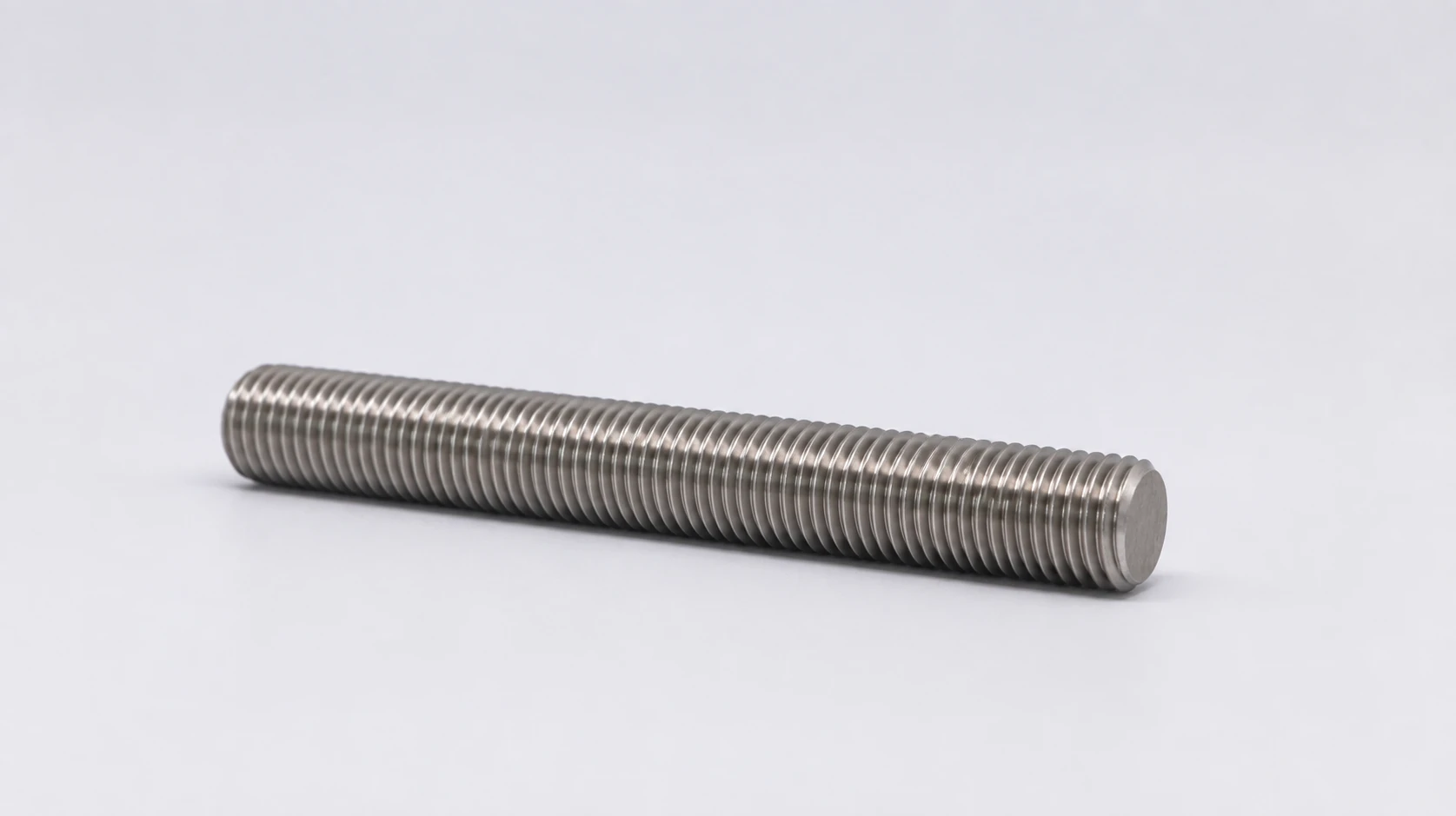
304L Stud Bolts
ASME B18.31.2ASTM A276
304L stud bolts bring low-carbon austenitic compatibility with fabricated stainless equipment to flange and cover joints. The stud condition, mating nuts and end form determine how the assembly carries and retains clamp load.
- MOQ
- 100PCS
- Samples · typical
- ~20 days
- Production · typical
- 25–35 days
- Heat treatment
- Solution annealed
EN 10204 3.1 MTC + heat-number traceability
Which standard is on your order?
Raw Material Specifications
Finished-Stud Specifications
Threads · Metric
Threads · Inch
Dimension Reference
Heat Treatment
Solution annealed; cold worked for strengthened conditionsSolution annealing restores a ductile corrosion-resistant structure, while specified cold work raises strength without precipitation aging.
What we can make in 304L
Fully threaded
Two nuts clamp the flange or cover; usable thread length spans the assembled grip.
Double-end
A plain centre spans the grip, with a threaded portion at each end for the nuts.
Tap-end
One end engages a tapped casing; the exposed end accepts the cover nut.
- Threads
- Metric · UNC · UNF · 8UN · UNJ
- Forms
- Continuous thread · Double-end · Tap-end
- Final condition
- Solution annealed
- Inspection
- Thread size and fit; overall and effective thread length; end geometry; lot identification.
Manufacturing route
CNC machining suits samples and special end forms. Repeat lots use cut-to-length stock with rolling or cutting selected for the ordered thread and material condition.
Heat treatment & final condition
The final annealed or specified strengthened condition is linked to the lot; an aging treatment is not assumed for a solid-solution alloy.
Finished geometry
End lengths, runout and effective thread engagement are checked separately from overall length; tap ends are gauged to their own fit requirement.
Where 304L fits — and what matters
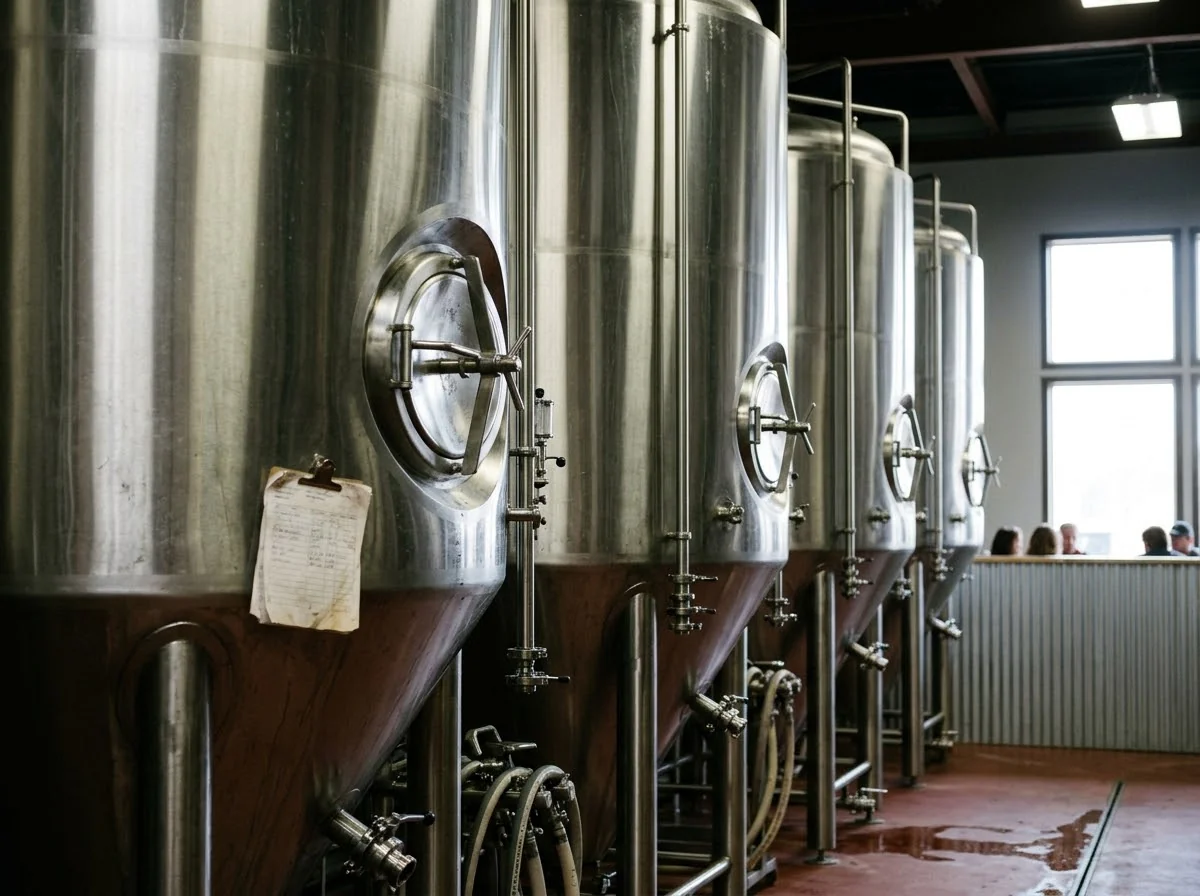
Food & Beverage Equipment
Washdown pump housings and removable covers304L stud bolts & threaded rods clamp washdown pump housings and removable covers with nuts on the exposed ends, keeping the stud in place when a cover is removed. Cleaning liquid can remain under the part; exposed finish and access for cleaning matter at the assembled joint.
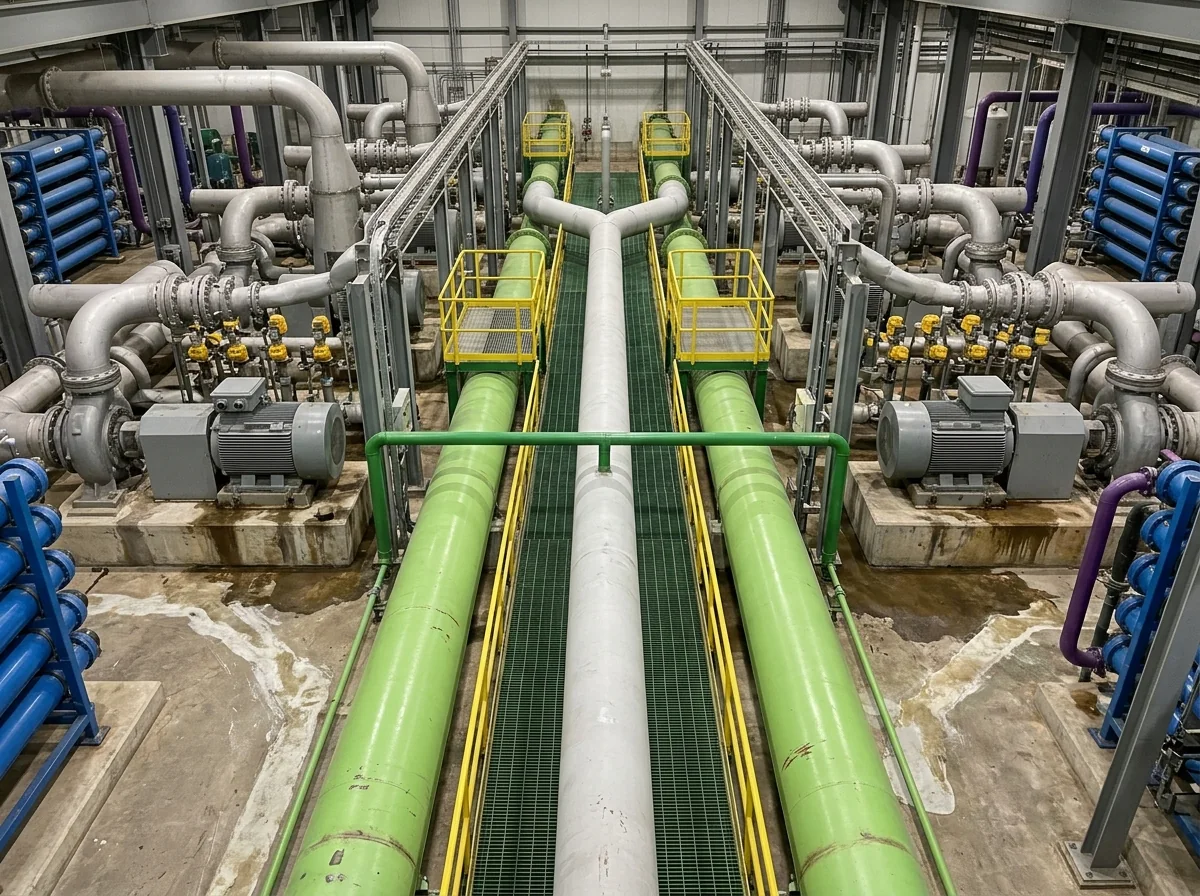
Water Treatment & Desalination
Filter housings and treatment-pump covers304L stud bolts & threaded rods clamp filter housings and treatment-pump covers with nuts on the exposed ends, keeping the stud in place when a cover is removed. The water stream, cleaning cycle and retained liquid define exposure at the installed part.
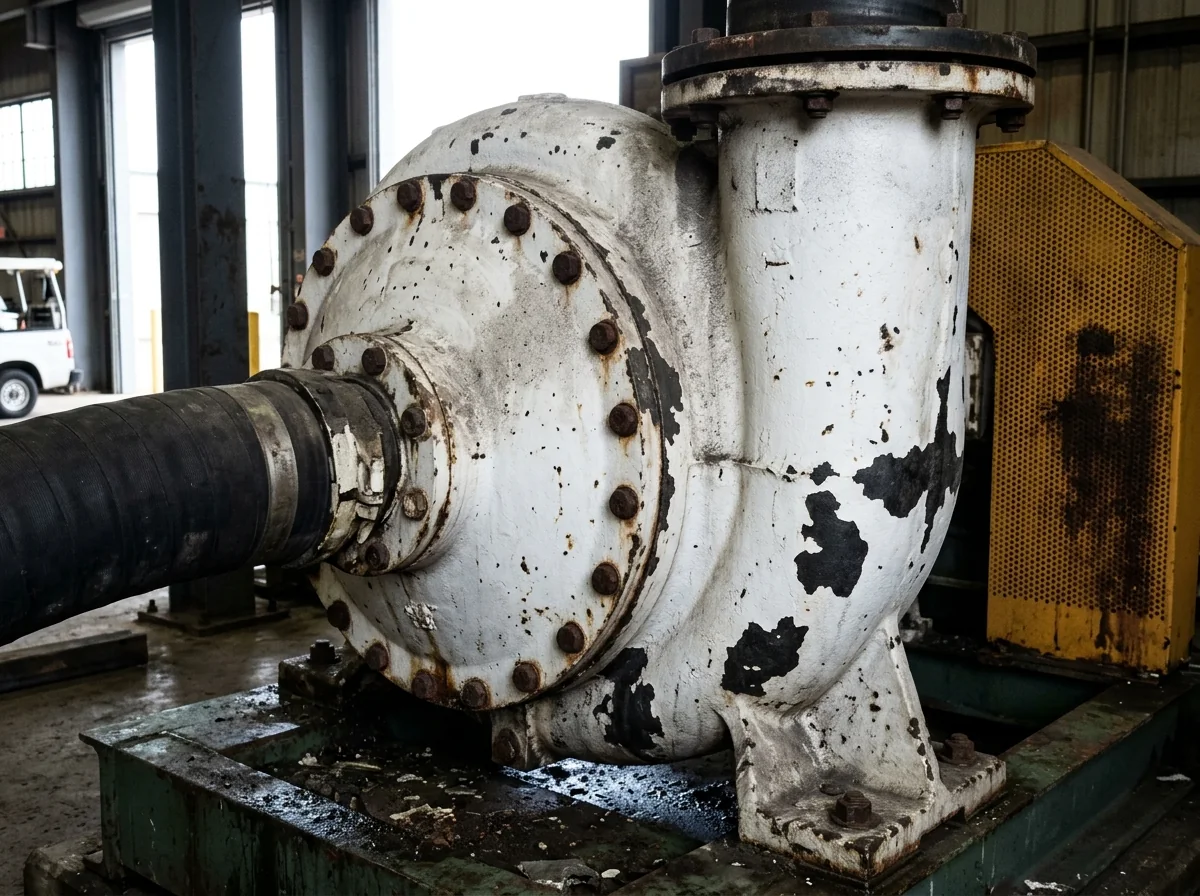
Pumps, Valves & OEM
Pump casings and valve bonnets304L stud bolts & threaded rods clamp pump casings and valve bonnets with nuts on the exposed ends, keeping the stud in place when a cover is removed. Repeated maintenance makes fit, engagement and access part of the component specification.
Same stud. Different material priorities.
304L material data316L
Molybdenum-bearing stainless performance in wet equipment.
- Connection priority
- Stud tension and clamp-load retention
- Washdown and retained cleaner
- Cleaner concentration, rinse quality and deposits determine the exposure in covered joints. The low-carbon designation does not independently establish a fastener strength class. Include liquid retained at the exposed thread roots and nut-bearing faces in the exposure description.
17-4 PH
Aging-controlled strength and hardness.
- Connection priority
- Stud tension and clamp-load retention
- H900 versus H1150
- The aging condition changes the balance of strength, hardness and toughness. A replacement part needs the specified H condition, especially where contact wear and shock load occur together.
Inconel 625
Solid-solution strength and resistance to aggressive process liquids.
- Connection priority
- Stud tension and clamp-load retention
- Annealed or solution-annealed 625
- The delivery condition affects strength and high-temperature response. Keep the specified condition with the component’s mechanical acceptance; 718-style aging is not the strengthening route for 625. Include liquid retained at the exposed thread roots and nut-bearing faces in the exposure description.
From drawing to documented delivery
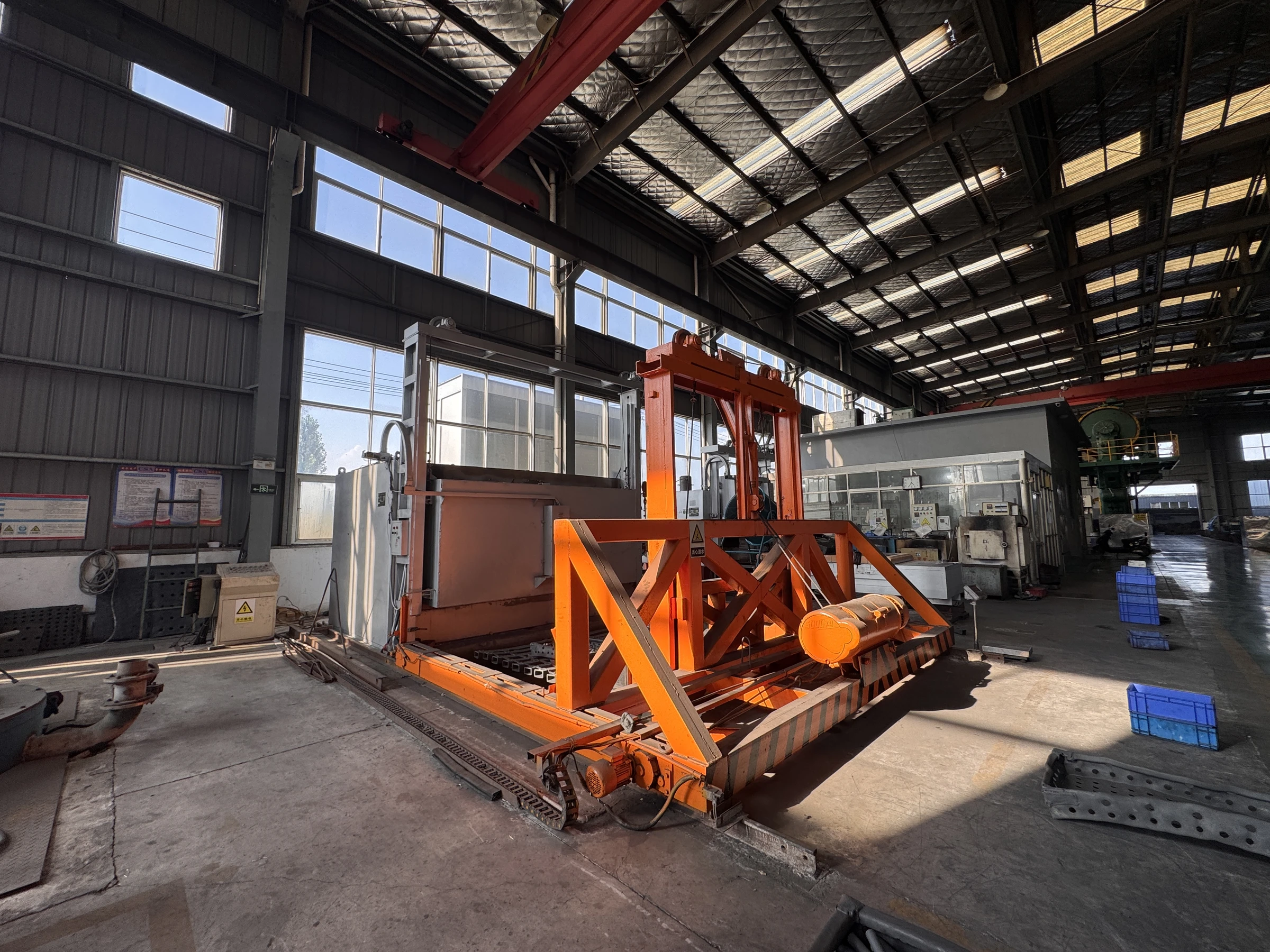
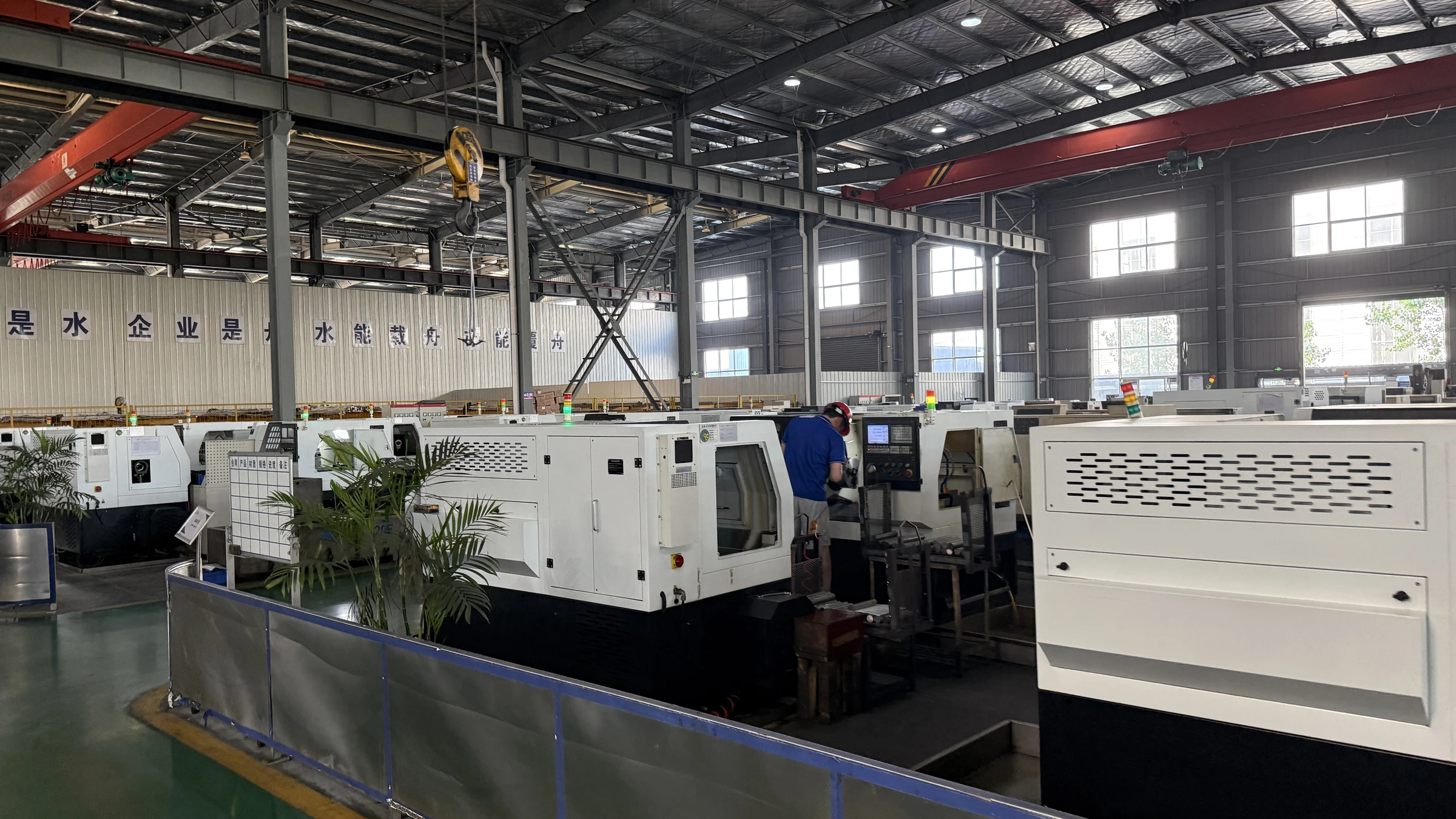
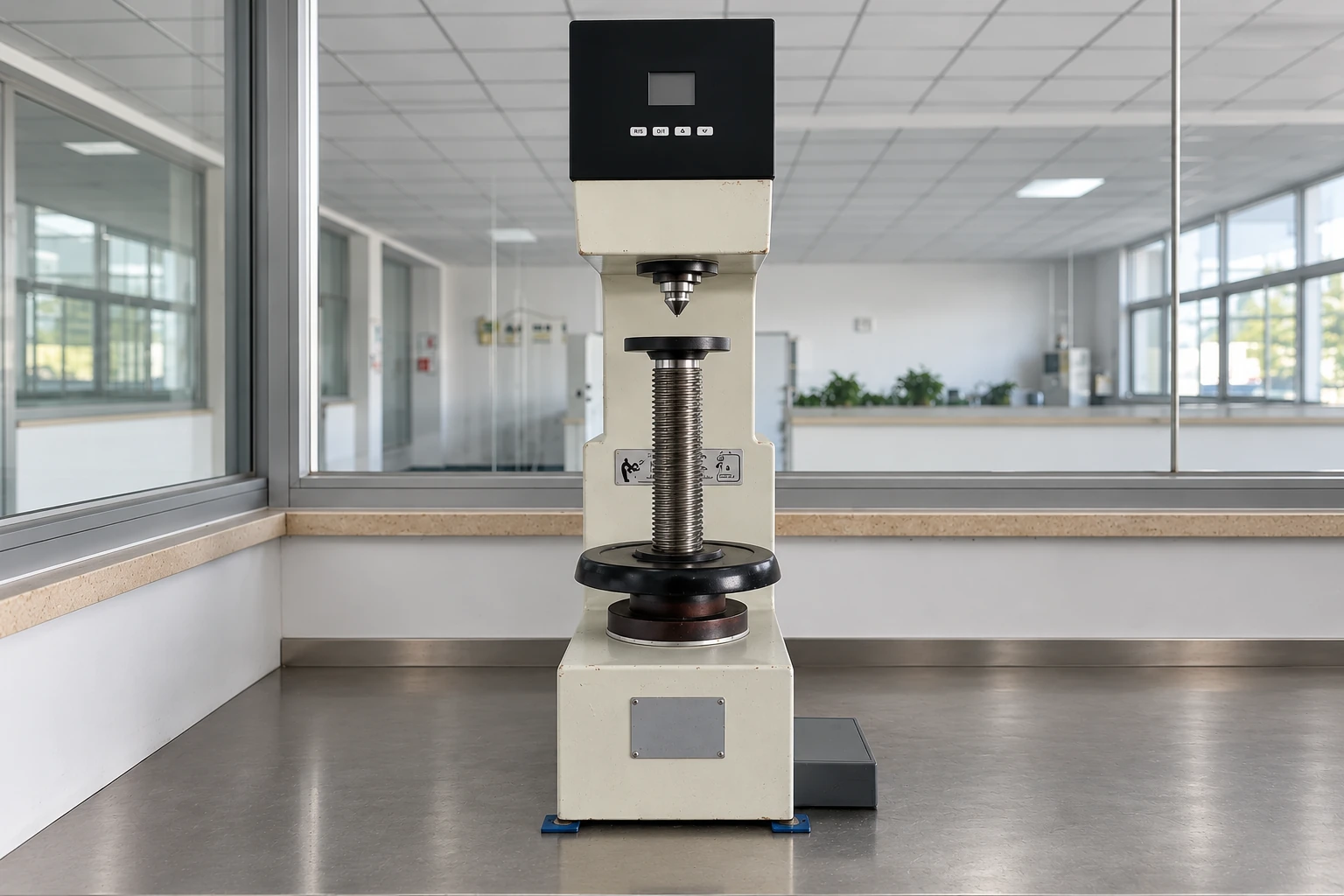
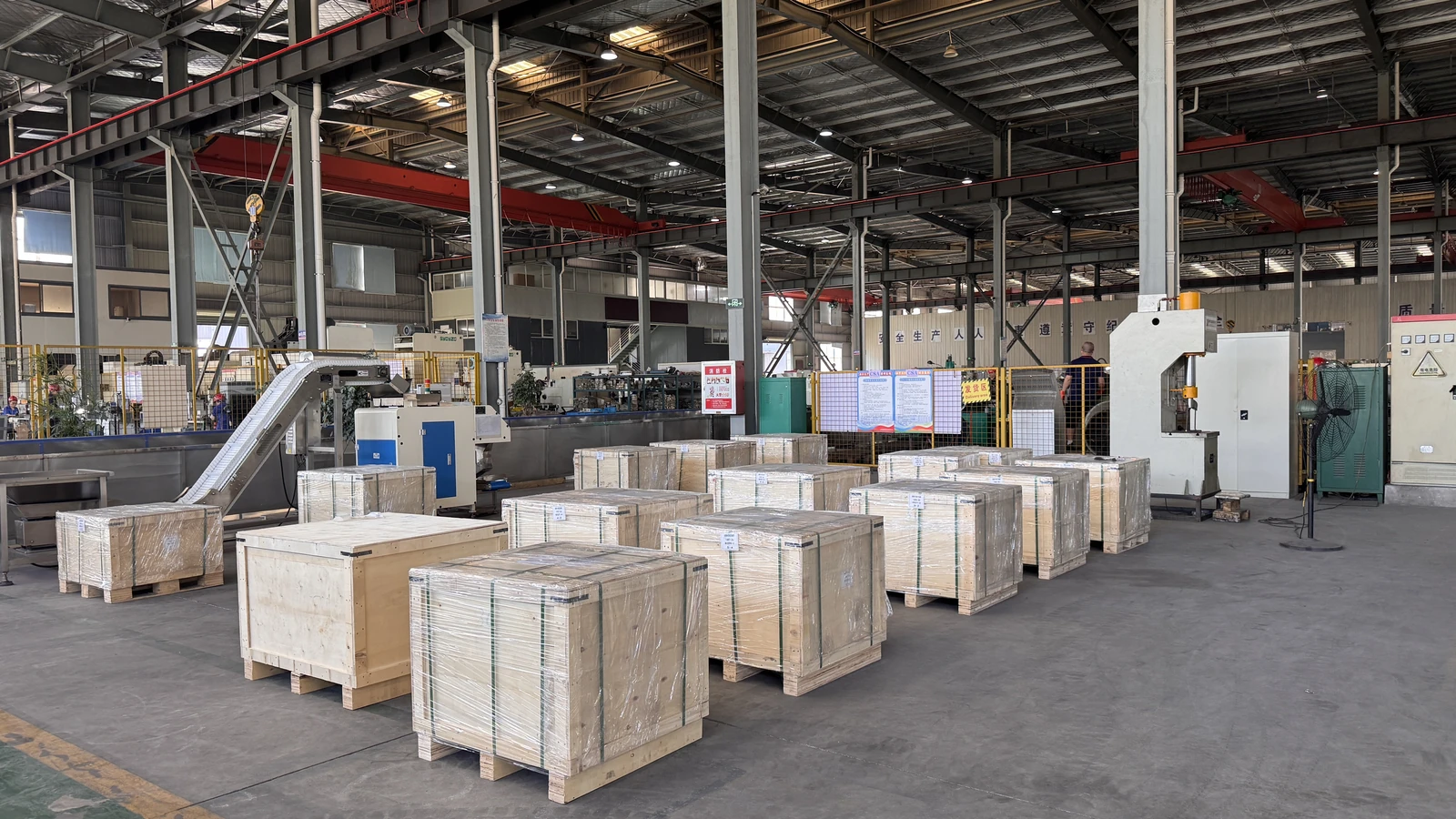
- 01Drawing & BOMForm, dimensions and quantity
- 02Material & formingGrade, heat and manufacturing route
- 03Final inspectionGeometry, threads and ordered tests
- 04Documents & dispatchLot records and identified packing
Order documents
- Material identity
- UNS S30403 · heat number · ordered condition
- Final-part acceptance
- Grade chemistry, supplied condition and ordered mechanical requirements.
- Dimensional record
- Thread size and fit; overall and effective thread length; end geometry; lot identification.
- Traceability
- EN 10204 3.1 material certificate · production lot · identified packing
Matching Kit
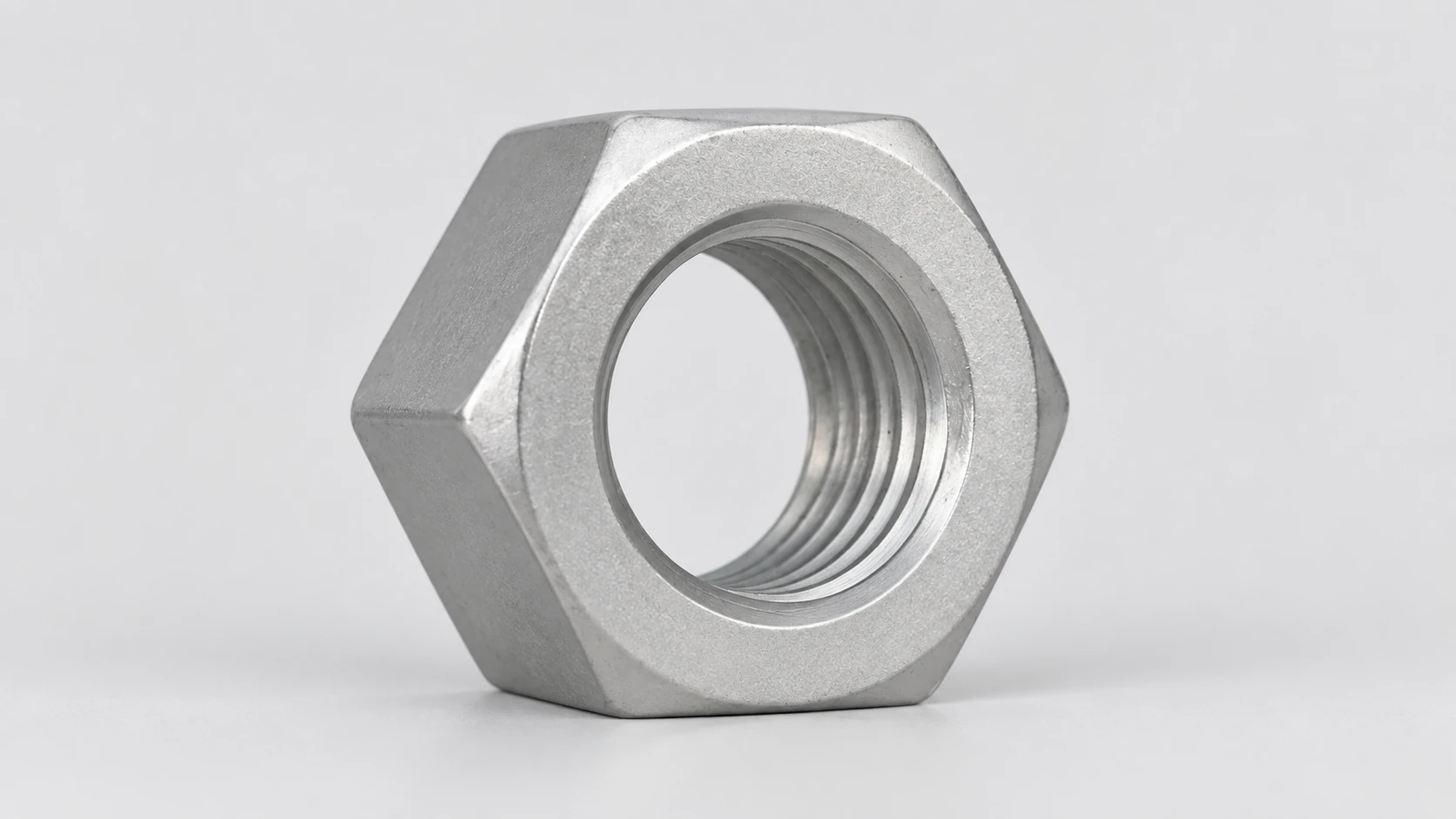
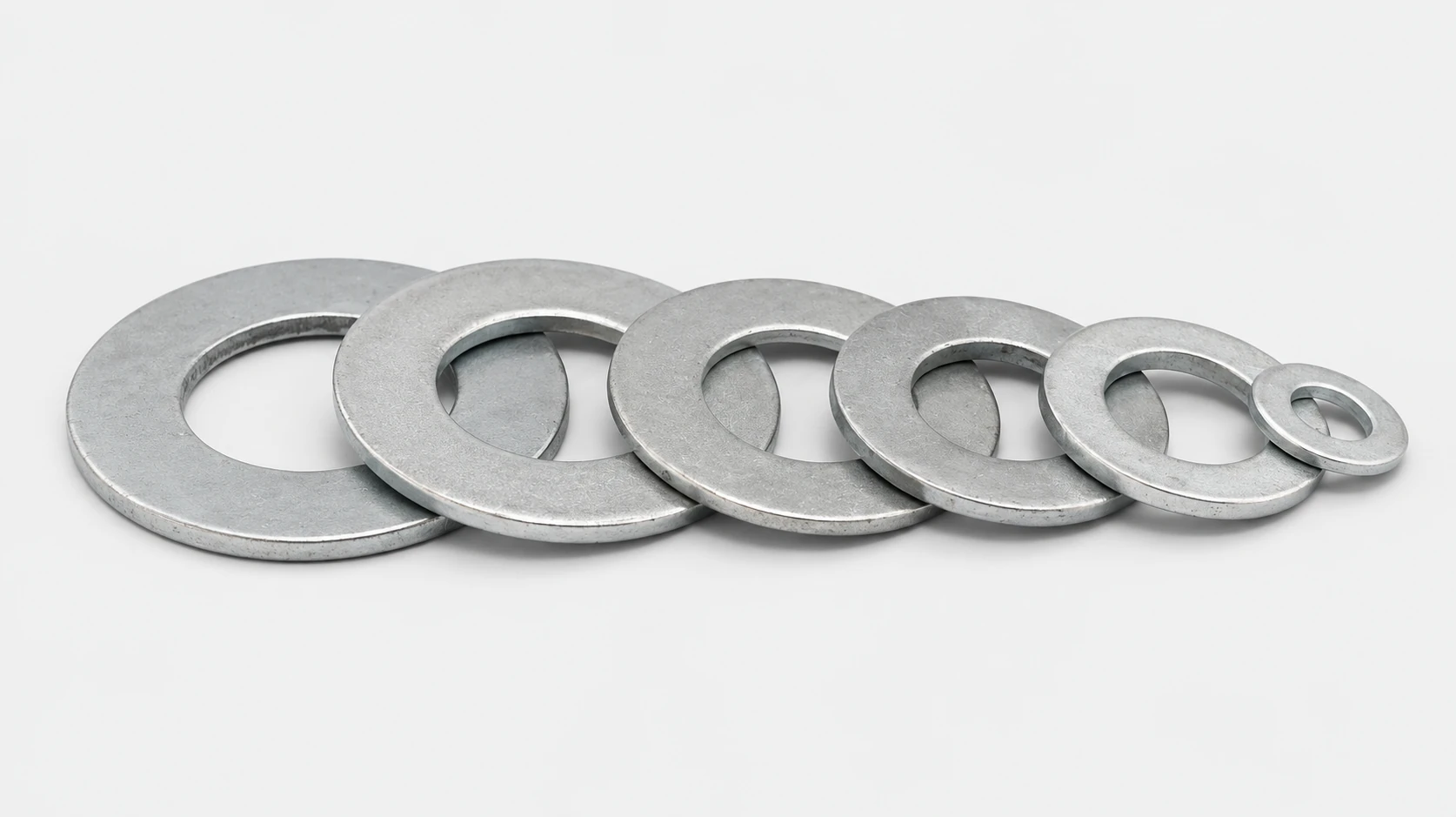
Flange Stud Bolt Kits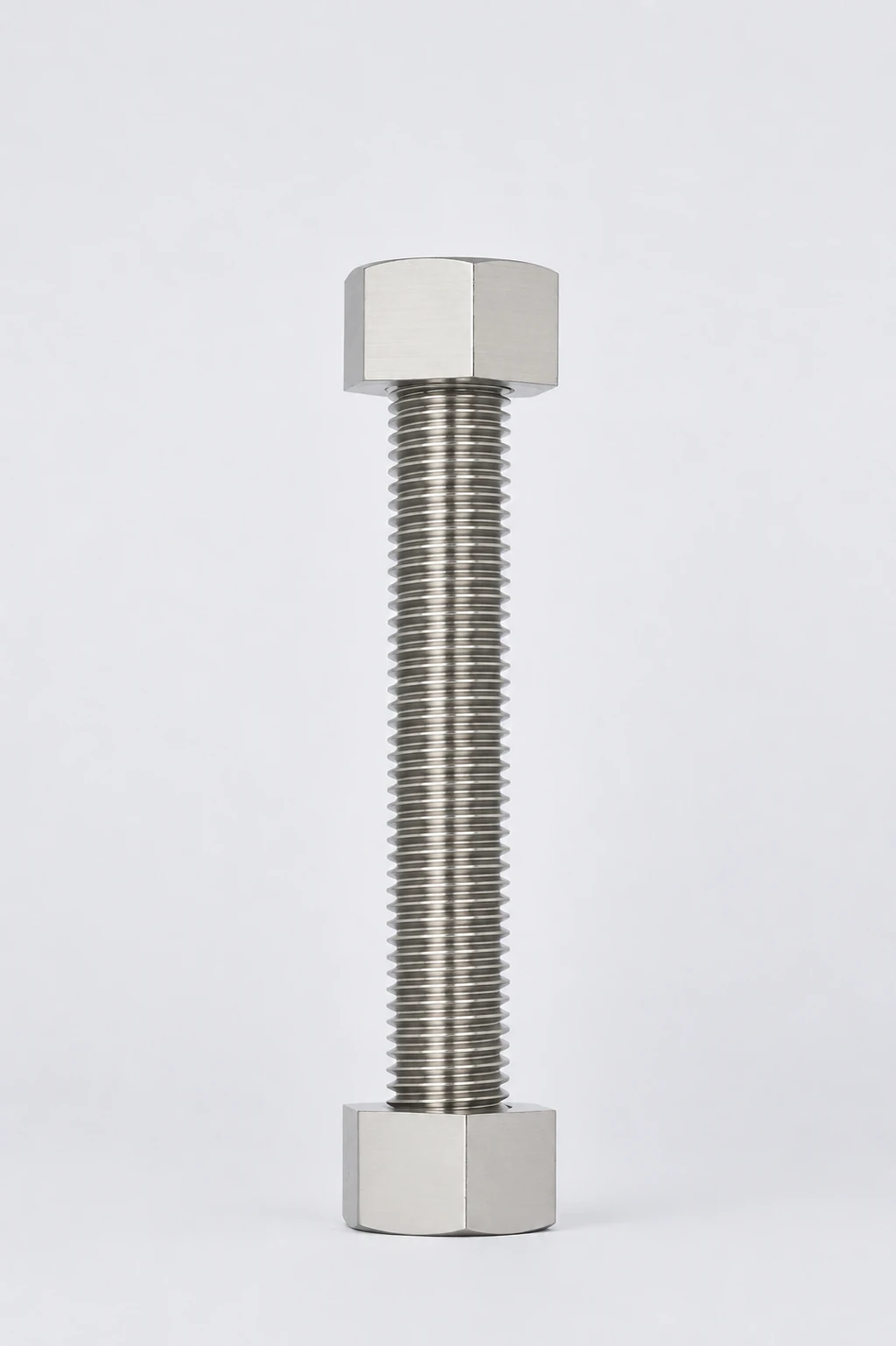
Build your 304L stud enquiry
Questions about 304L stud bolts & threaded rods
Does changing the stud alloy also change the nut selection?
The nut needs compatible internal threads, sufficient engaged height and a specified material condition. Select lubricant or surface treatment with the stud–nut pair, because assembly friction affects the preload obtained from tightening.