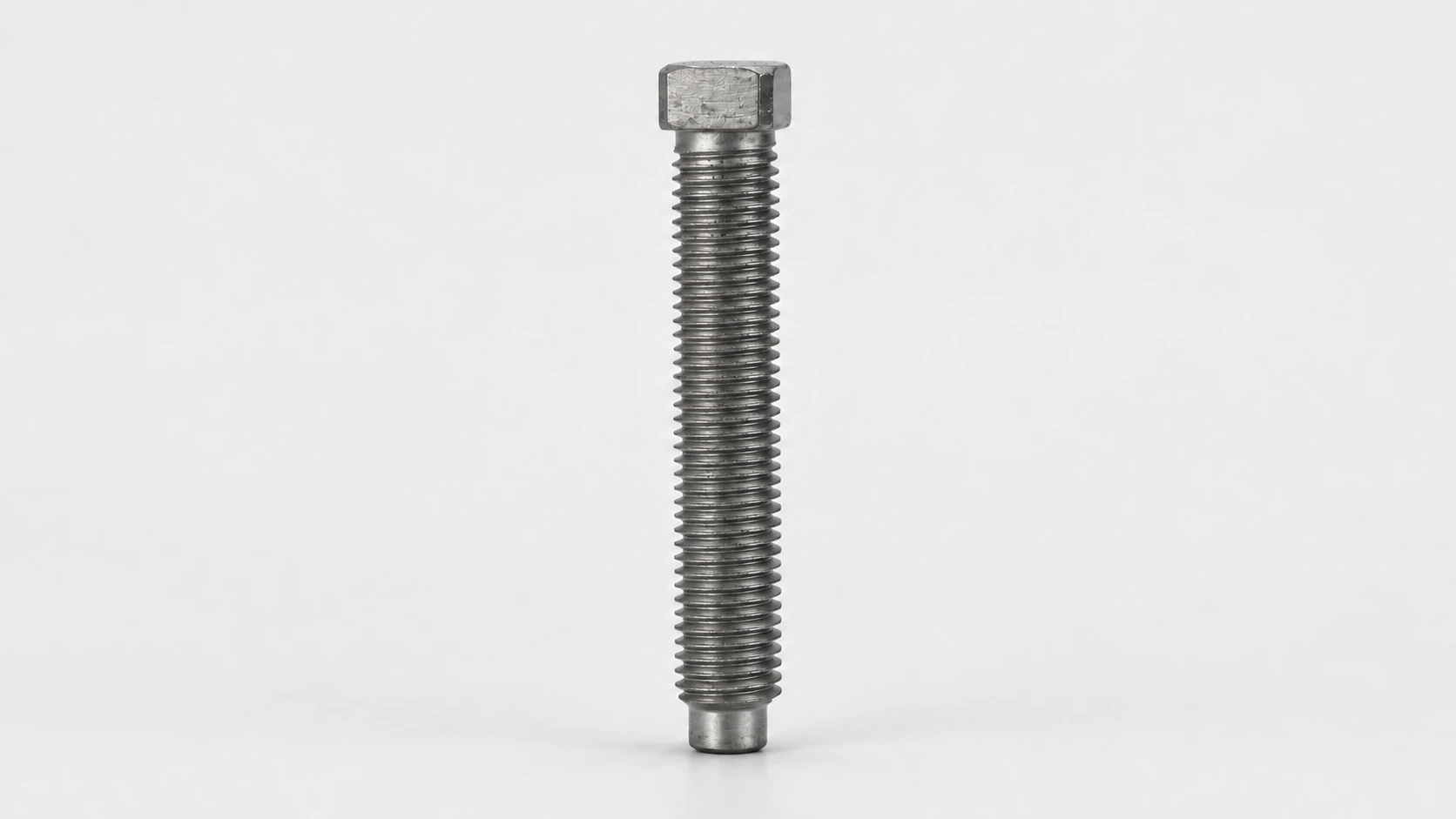
Nimonic 75 Custom fasteners
BS HR 5
Nimonic 75 custom fasteners use oxidation resistance in heat-processing equipment at drawing-defined bearing, locating or threaded interfaces. The manufacturing route starts with the functional datums and required final condition.
- MOQ
- 100PCS
- Samples · typical
- ~20 days
- Production · typical
- 25–35 days
- Heat treatment
- Annealed
EN 10204 3.1 MTC + heat-number traceability
Which standard is on your order?
Raw Material Specifications
Threads · Metric
Threads · Inch
Heat Treatment
AnnealedAnnealing reduces work hardening and restores ductility for the specified supplied condition.
What we can make in Nimonic 75

Head & drive
Choose the drive around the installed tool path: external flats need space around the head, while a socket recess needs axial access. Flange diameter determines the bearing footprint on the equipment face.

Shank & interfaces
Use shoulders and steps to locate tooling, pivots or covers rather than relying on thread clearance for positioning. Diameter tolerances and transition radii must match the mating bore and seat.
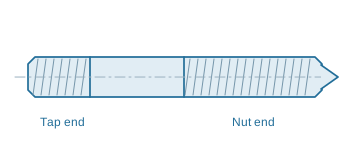
Thread & end form
Use unequal ends for housings and nuts with different engagement depths. Cross-holes, special tips and thread reliefs can provide pin retention, adjustment or clearance at a specific interface.
- Geometry
- Stepped shanks · Special heads · Ends
- Thread systems
- Metric · UNC · UNF · 8UN · UNJ
- Inputs
- Drawing · CAD · Parts list
- Final condition
- Annealed
- Inspection
- Drawing dimensions · Critical fits · Thread gauging
Manufacturing route
CNC machining suits samples and small lots. Cold heading or hot forging is selected for volume production according to alloy formability, head section and size.
Heat treatment & final condition
The ordered annealed or solution-treated state is retained in the lot record; forming and machining do not replace the specified thermal condition.
Finished geometry
Head geometry, bearing face, shank and thread fit are checked after the final machining and thermal operations.
Where Nimonic 75 fits — and what matters
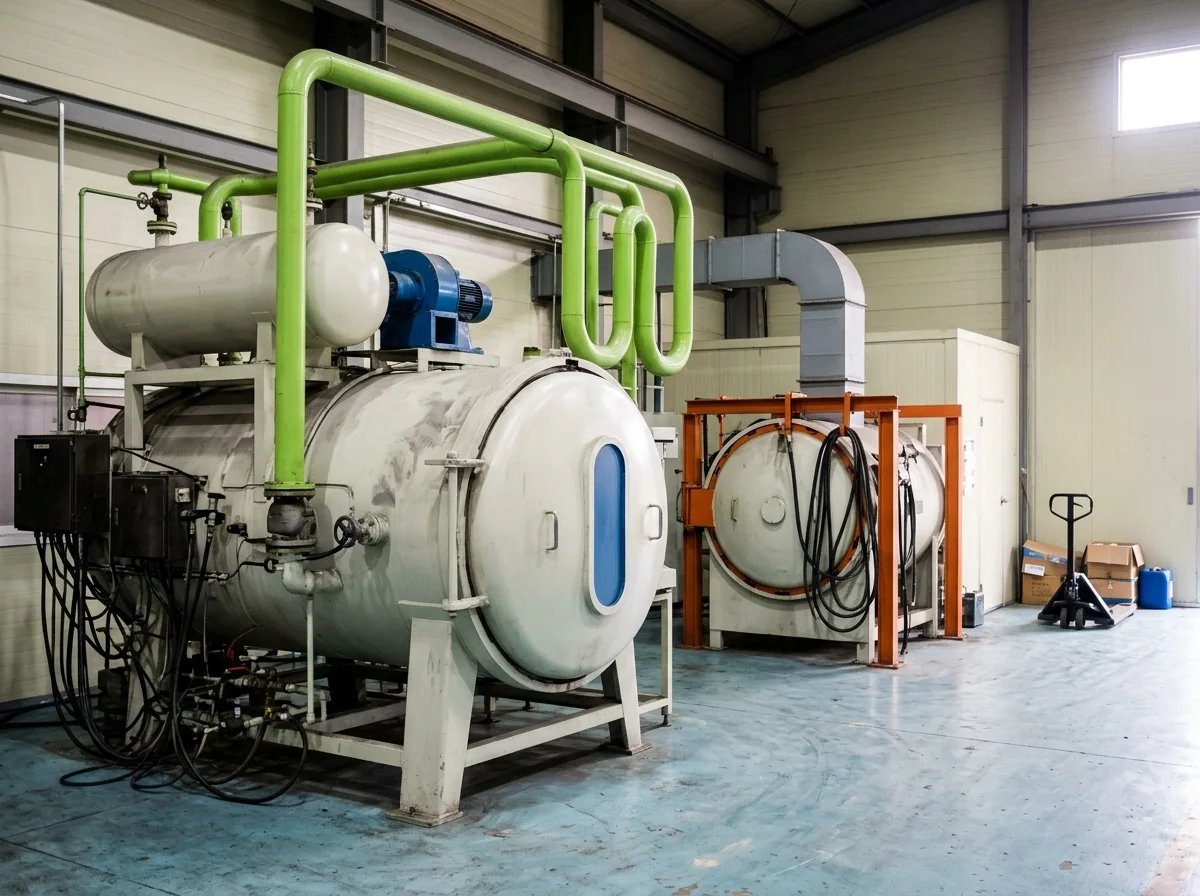
Furnaces & Heat Treatment
Heat-treatment fixturesNimonic 75 drawing-based special alloy fasteners provide drawing-defined pins, stepped retainers or shoulder connections for heat-treatment fixtures. The loaded shoulder, locating fit and service-removal features establish the manufactured geometry. Hot dwell, thermal expansion and repeated furnace cycles set the working load.
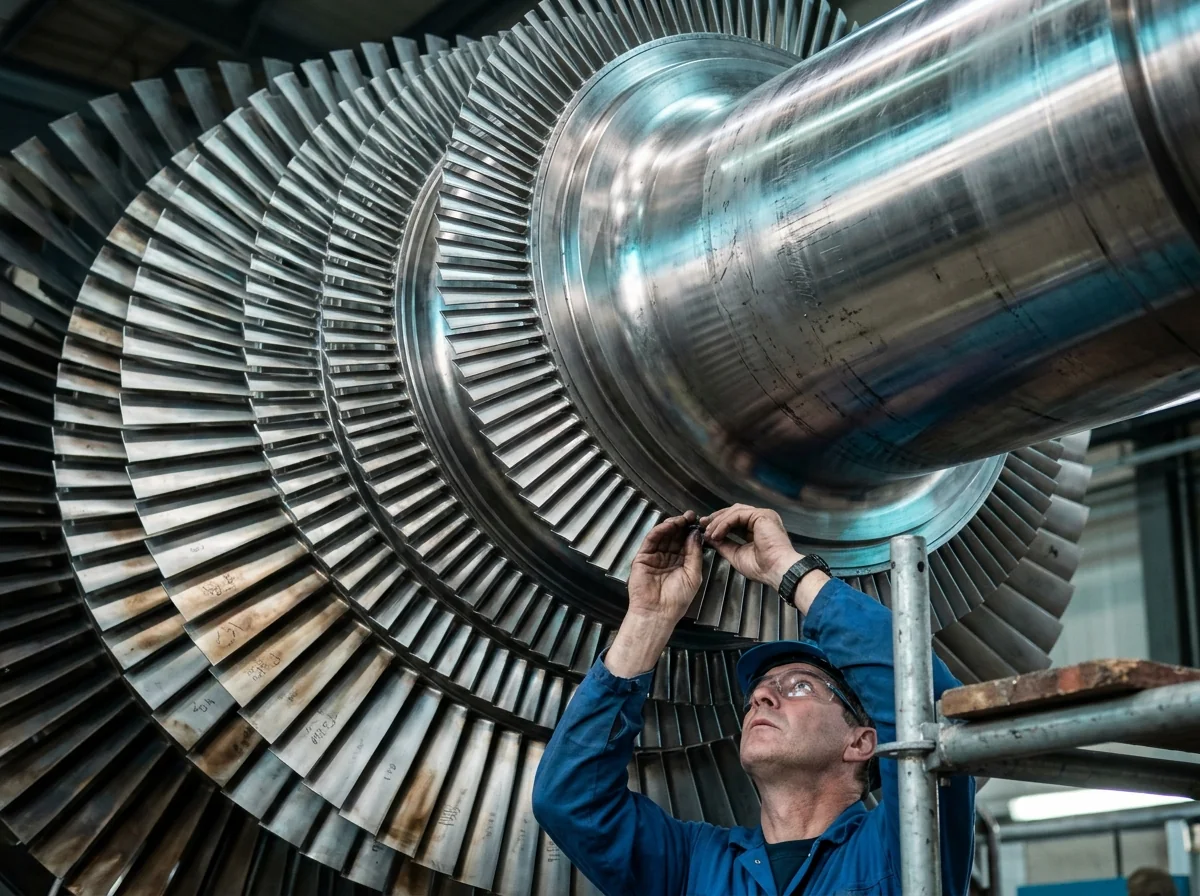
Power & Turbines
Boiler-duct supports and hot auxiliary bracketsNimonic 75 drawing-based special alloy fasteners provide drawing-defined pins, stepped retainers or shoulder connections for boiler-duct supports and hot auxiliary brackets. The loaded shoulder, locating fit and service-removal features establish the manufactured geometry. Hot dwell and start-stop expansion act on the supported or moving component.

Chemical Processing
Reformer tube-support and heater fixturesNimonic 75 drawing-based special alloy fasteners provide drawing-defined pins, stepped retainers or shoulder connections for reformer tube-support and heater fixtures. The loaded shoulder, locating fit and service-removal features establish the manufactured geometry. These parts work in the heated equipment zone, where sustained loading and thermal expansion govern their section and clearance.
Same custom fastener. Different material priorities.
Nimonic 75 material dataIncoloy 800HT
Tightly controlled carbon and Al + Ti for creep duty.
- Connection priority
- The load path through shoulders, steps and threaded features
- N08811 material control
- 800HT tightens the 800-family chemistry around creep performance. Its solution-treated, coarse-grain condition and N08811 identity should remain linked through forming and final acceptance. At the drawing’s sealing, locating and bearing interfaces, the relevant metal temperature can differ from the process or furnace set point.
Inconel 718
Precipitation-hardened strength for compact, highly loaded connections.
- Connection priority
- The load path through shoulders, steps and threaded features
- Strength after aging
- Machine-stock properties and final aged properties describe different states. The final heat-treatment lot and mechanical results establish the strength available in the installed part. At the drawing’s sealing, locating and bearing interfaces, the relevant metal temperature can differ from the process or furnace set point.
A-286
Aged iron–nickel alloy strength for hot bolting.
- Connection priority
- The load path through shoulders, steps and threaded features
- Grade 660 class
- An ASTM A453 Grade 660 order includes its class and corresponding processing requirements. The alloy name A-286 alone does not identify that acceptance condition. At the drawing’s sealing, locating and bearing interfaces, the relevant metal temperature can differ from the process or furnace set point.
From drawing to documented delivery
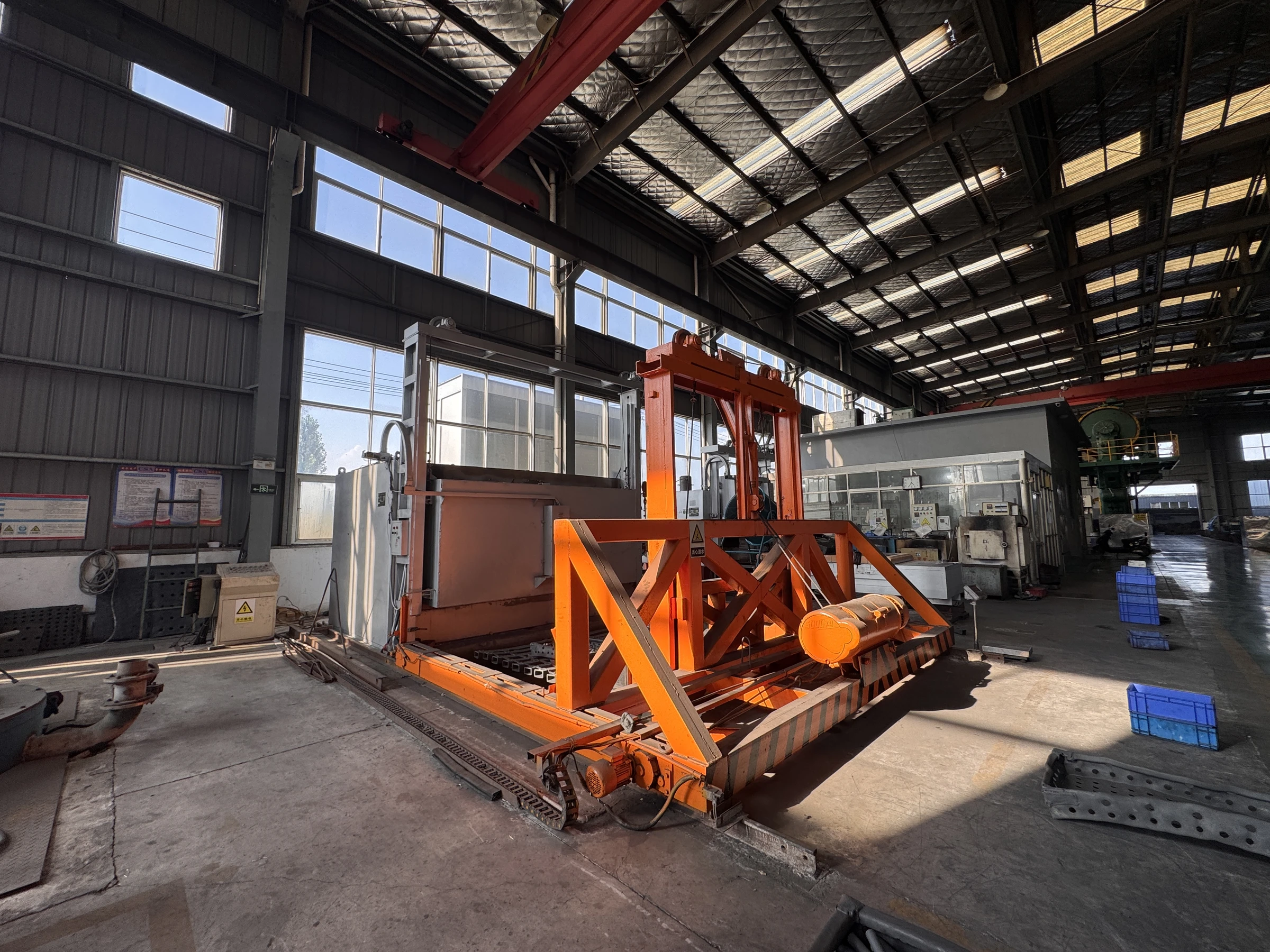
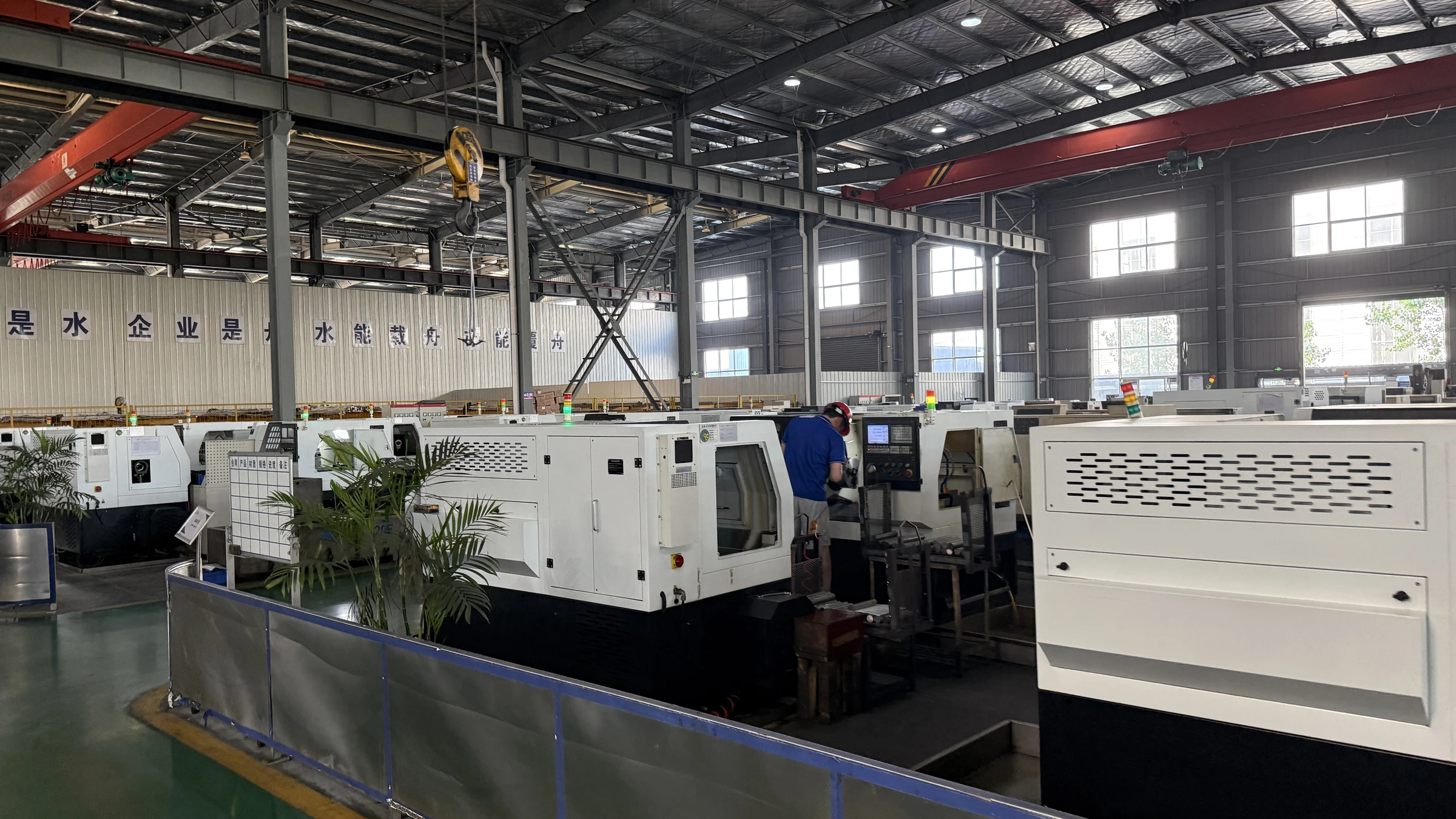
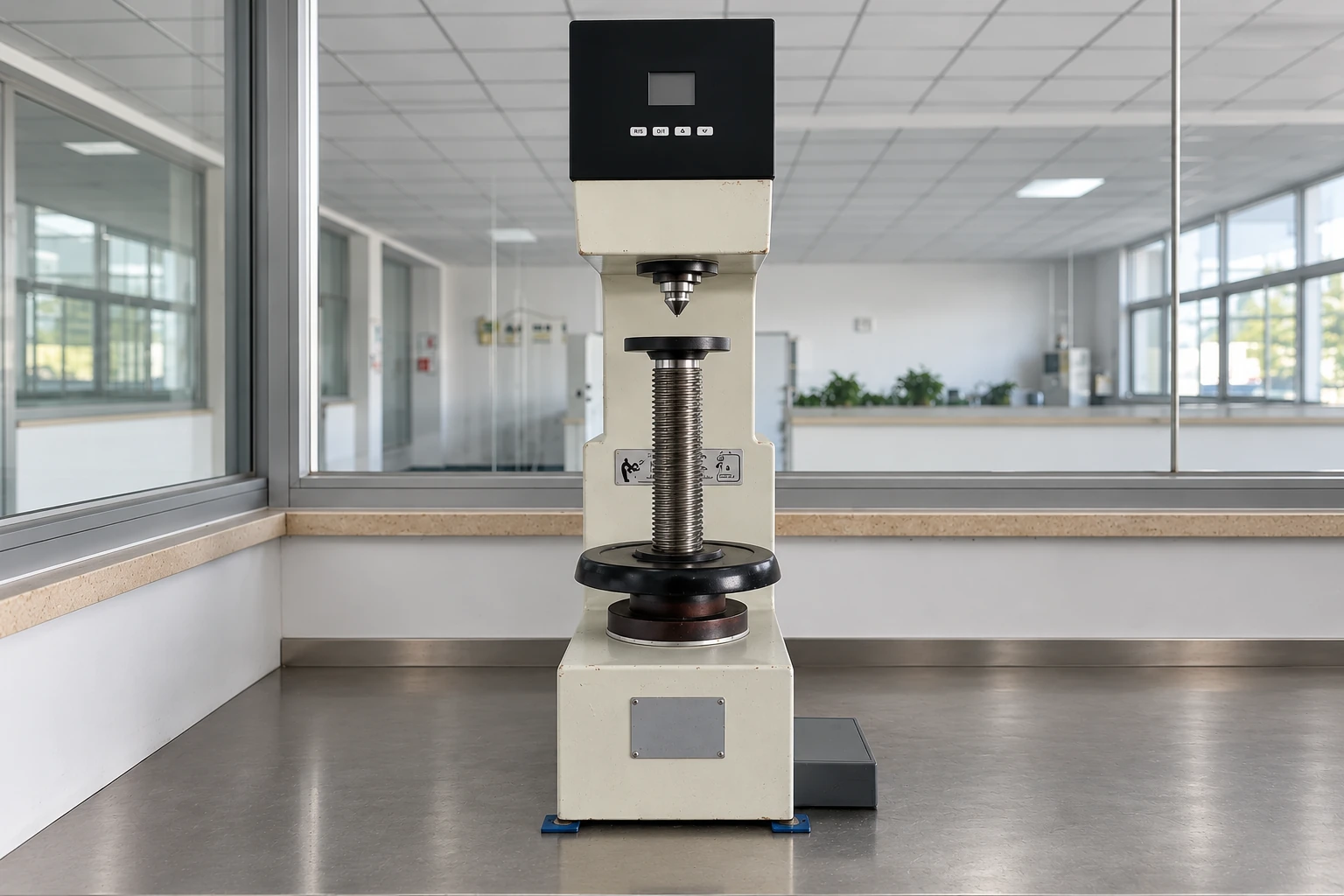
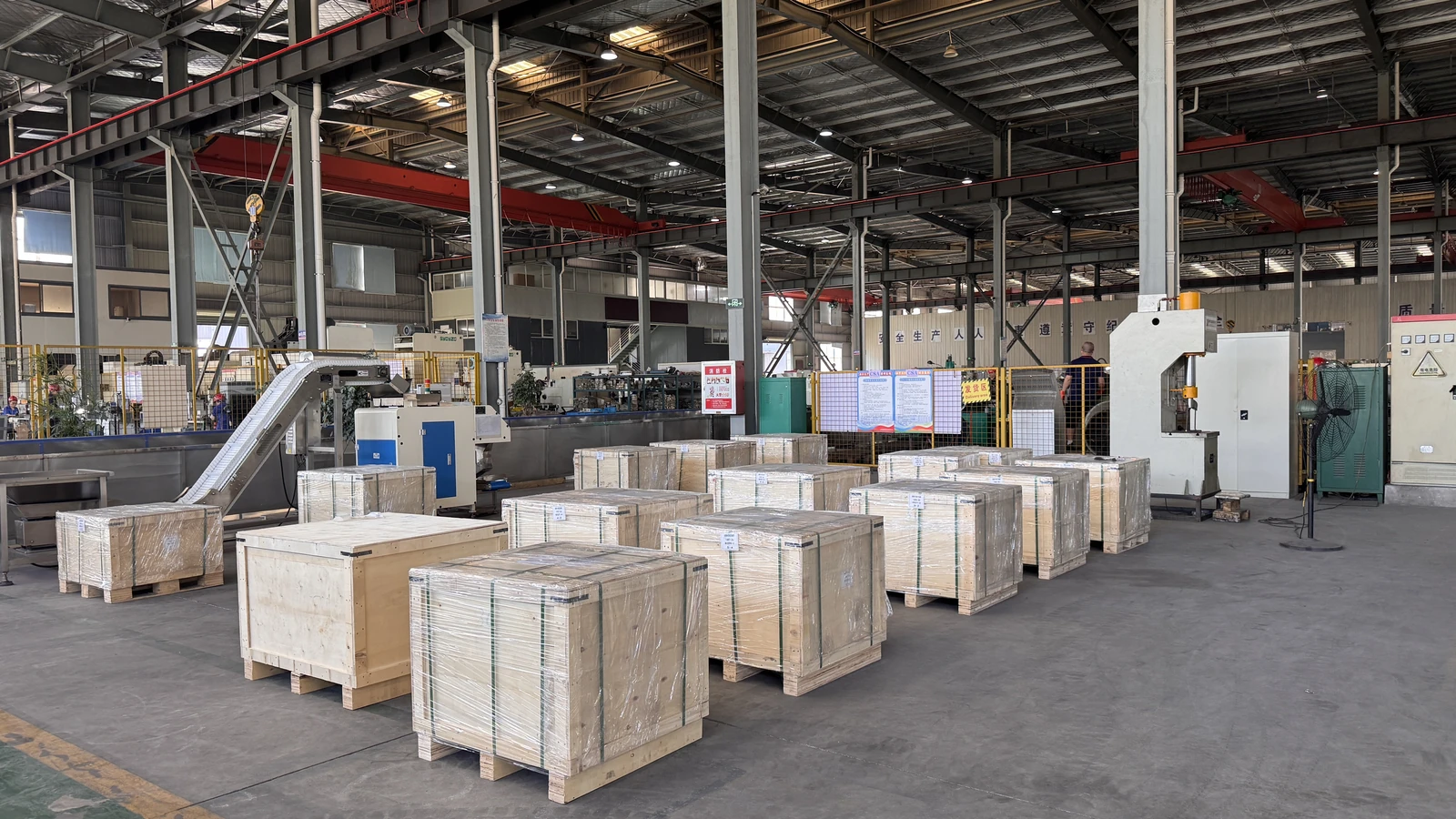
- 01Drawing & BOMForm, dimensions and quantity
- 02Material & formingGrade, heat and manufacturing route
- 03Final inspectionGeometry, threads and ordered tests
- 04Documents & dispatchLot records and identified packing
Order documents
- Material identity
- UNS N06075 · heat number · ordered condition
- Final-part acceptance
- Grade chemistry, supplied condition and ordered mechanical requirements.
- Dimensional record
- Drawing dimensions · Critical fits · Thread gauging
- Traceability
- EN 10204 3.1 material certificate · production lot · identified packing
Build your Nimonic 75 custom fastener enquiry
Questions about Nimonic 75 drawing-based special alloy fasteners
Which features control acceptance on a custom part?
The datum system and functional interfaces determine inspection: a locating shoulder, seal seat or short thread can be more important than the largest overall dimension. Keep these features identified on the revision supplied for manufacture.