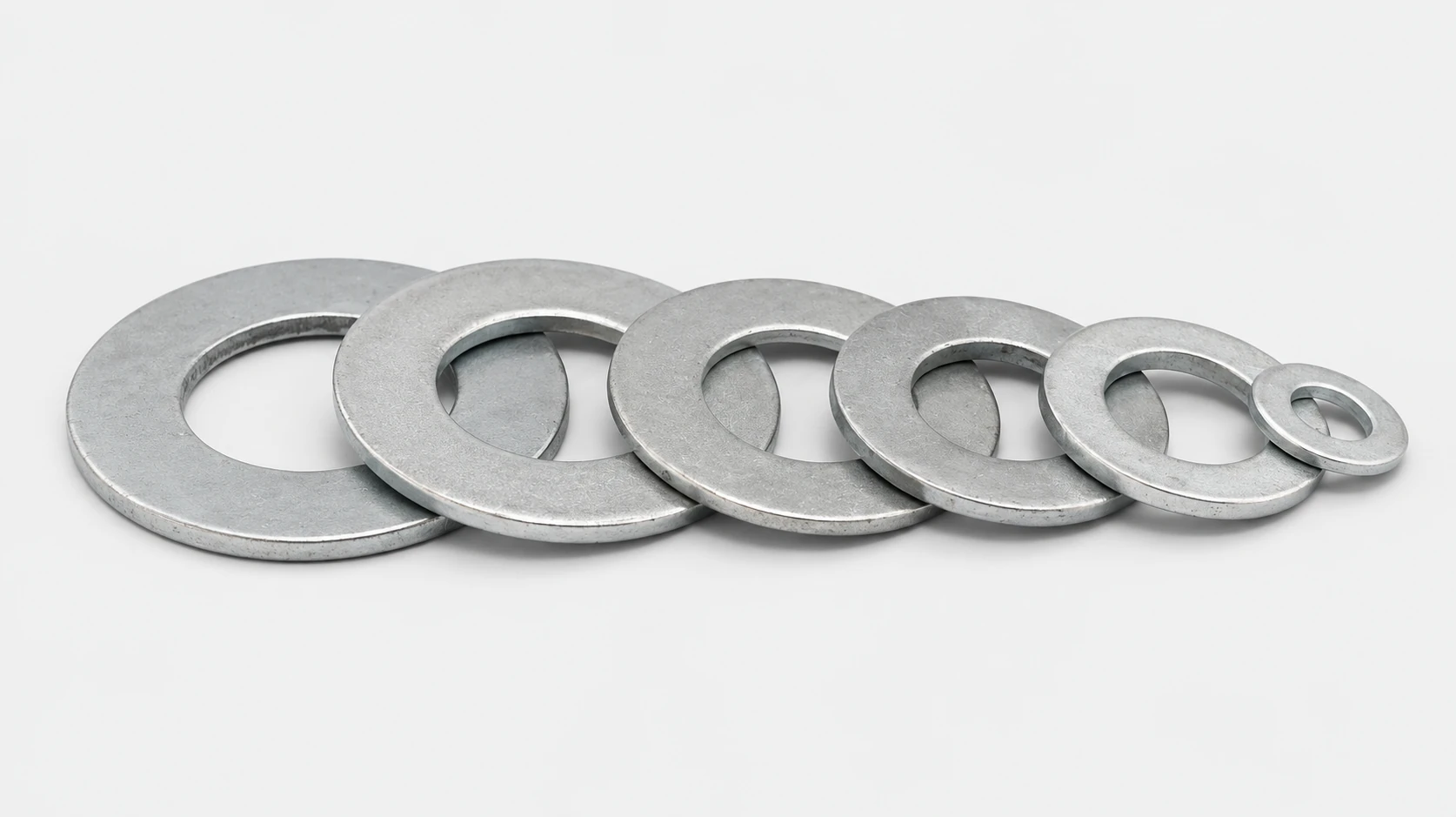
Inconel 718 Flat Washers
ISO 7089 / ISO 7090ASTM B670
Inconel 718 washers provide an age-hardened bearing surface beneath heavily loaded turbine and valve fasteners. They are useful where concentrated nut pressure could permanently deform a softer washer. Diameter and thickness are selected for both the fastener load and the bearing capacity of the casing or cover beneath it.
- MOQ
- 100PCS
- Samples · typical
- ~20 days
- Production · typical
- 25–35 days
- Heat treatment
- Solution treated / solution treated and aged
EN 10204 3.1 MTC + heat-number traceability
Which standard is on your order?
Raw Material Specifications
Dimension Reference
Heat Treatment
Solution treated; aged when specifiedSolution treatment prepares 718 for forming or machining, and subsequent aging develops the strength required by the ordered condition.
What we can make in Alloy 718

Normal series
Use under bolt heads and nuts on machined equipment faces with adequate surrounding seat area. The bore must clear the bolt shank and under-head radius so the washer lies flat.

Larger outside diameter
Use over slots, oversized holes and softer mounting surfaces to spread the bearing load. Washer thickness matters as well as diameter: a thin wide washer can dish over an unsupported opening.

Square & special profiles
Use on channel supports, slotted bases and special mounting pads where a round washer leaves insufficient support. Profile and hole position keep the bearing plate seated across the actual opening.
- Geometry
- Bore × outside diameter × thickness
- Forms
- Round · Square · Drawing profiles
- Function
- Bearing surface · Spacing
- Sizing
- Metric · Inch
- Final condition
- Solution treated · solution treated and aged
- Inspection
- Bore · Outside diameter · Thickness · Burrs
Manufacturing route
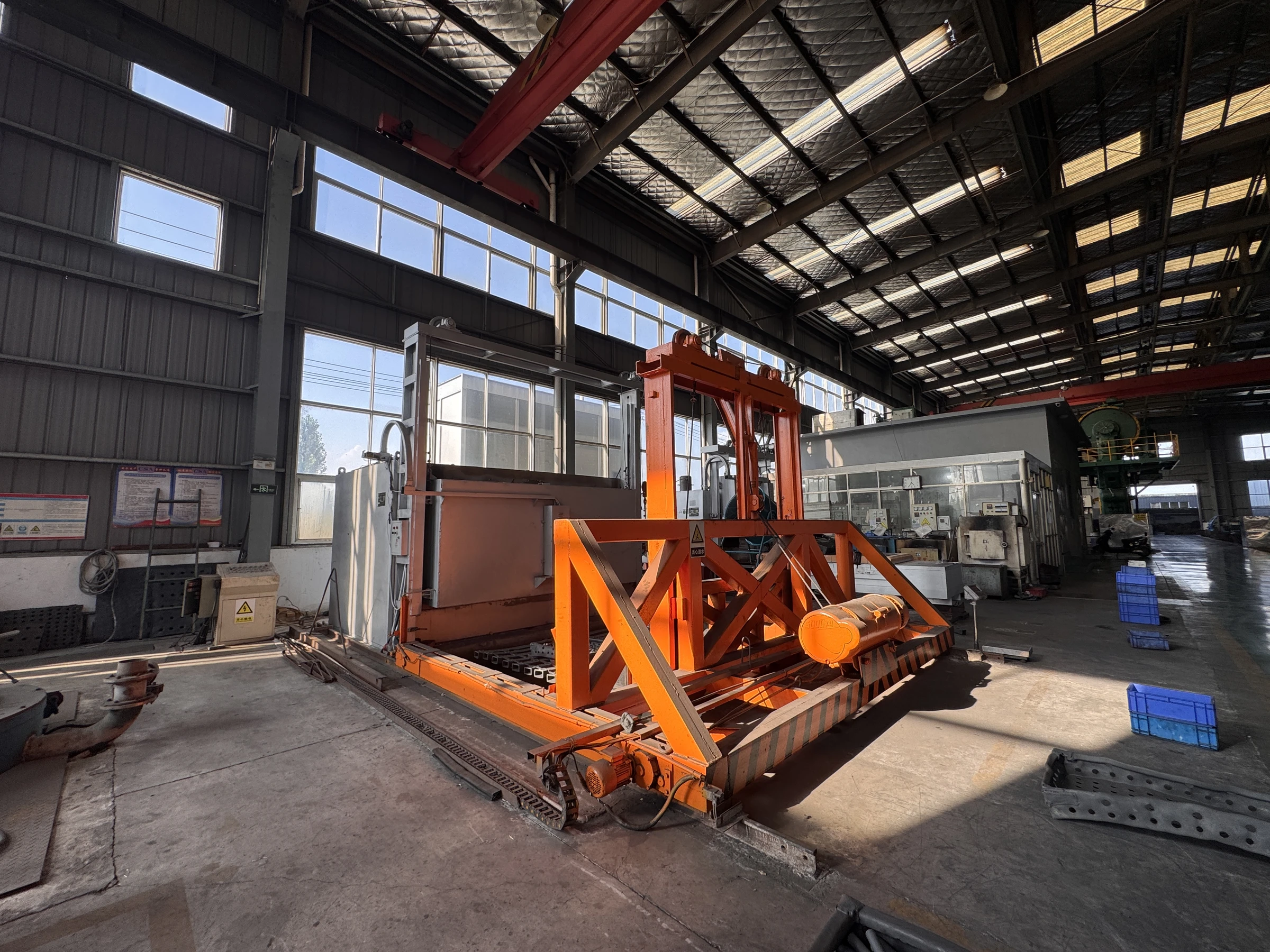
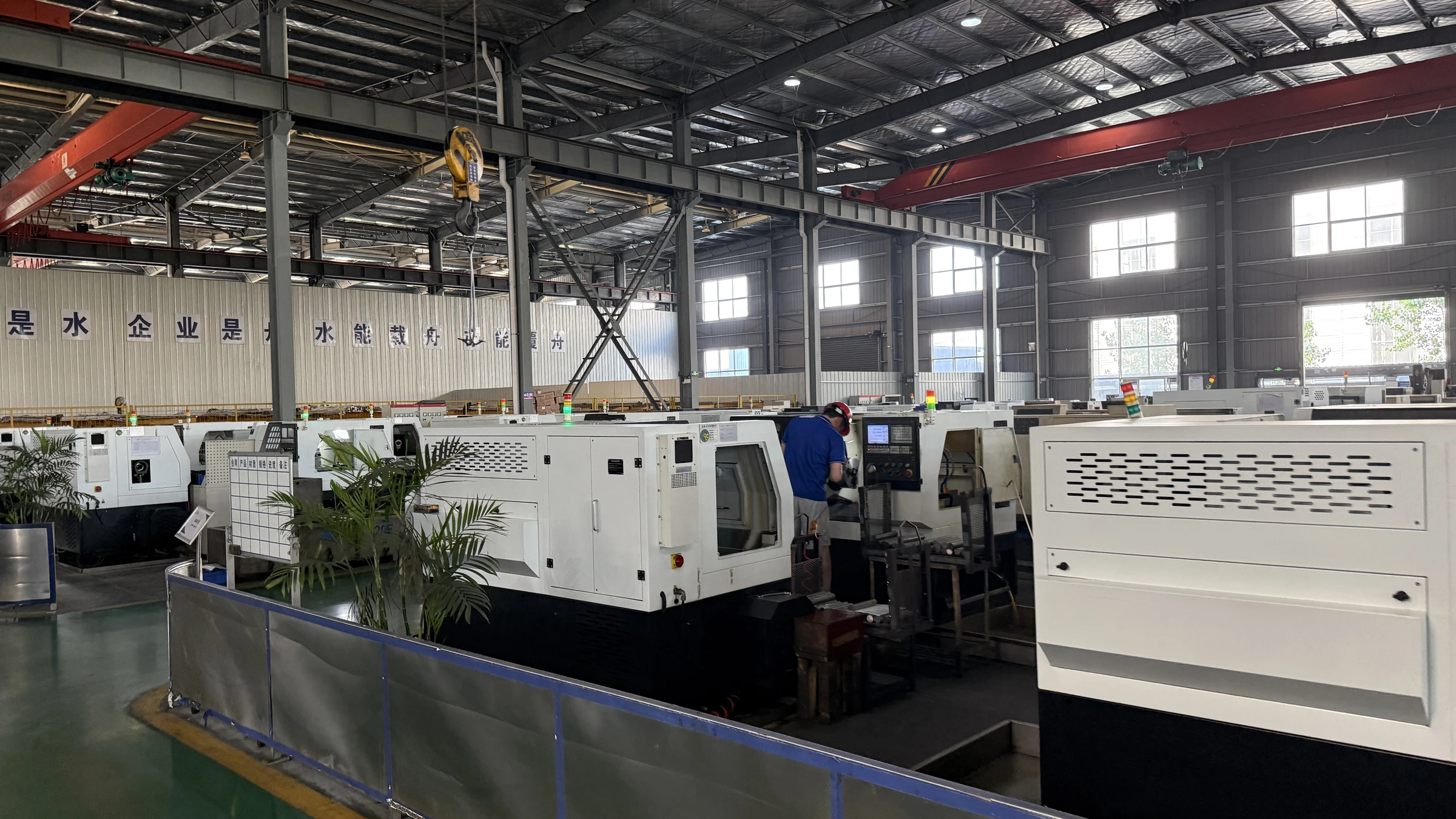
Small lots can be machined from suitable stock; repeat production uses cut or punched blanks with bore and outer edge finishing.
Heat treatment & final condition
Solution treatment and the specified aging condition are recorded against the production lot; final dimensions are checked after thermal processing.
Finished geometry
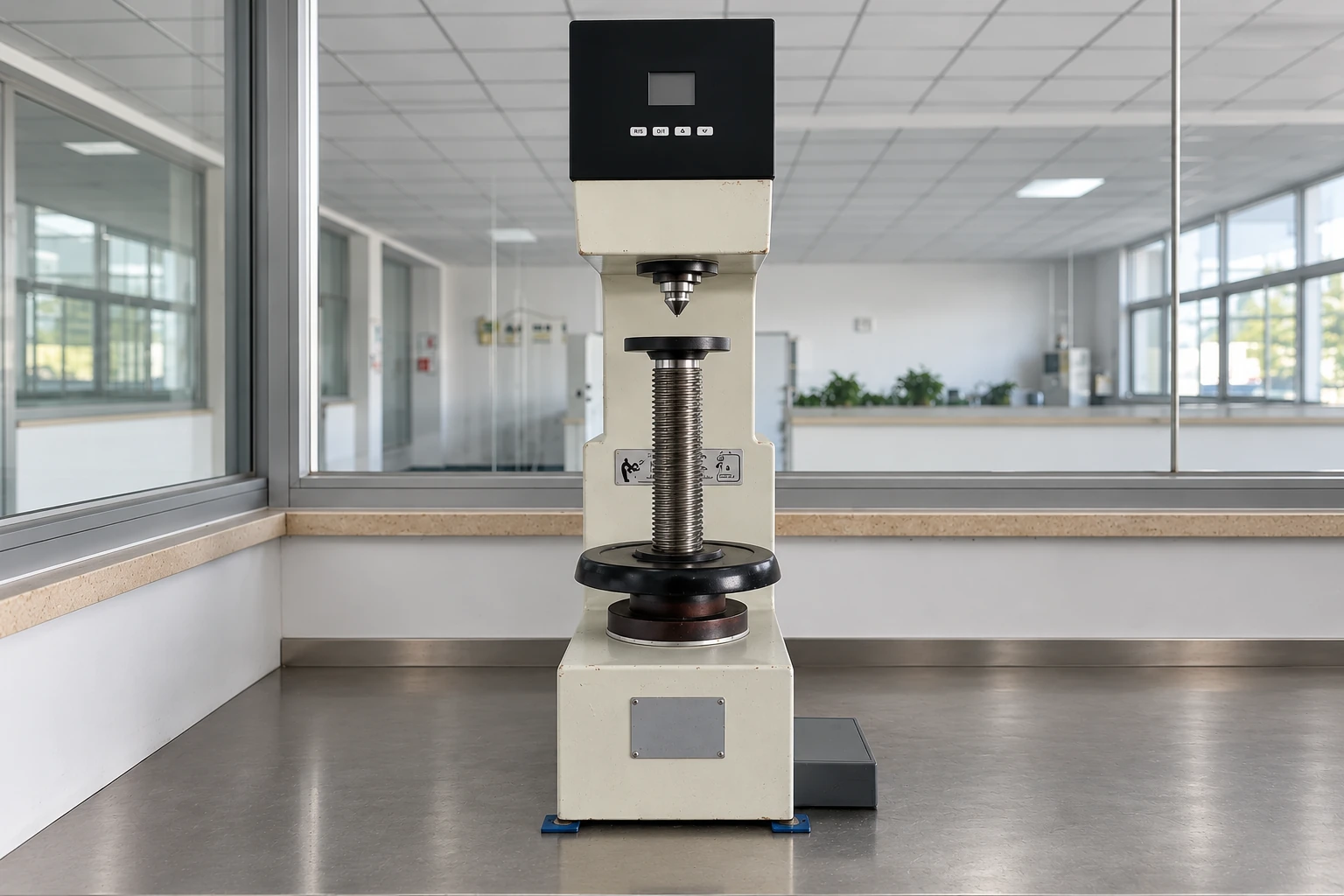
Final condition and hardness are chosen for bearing load, then flatness and parallel faces are checked after thermal processing.
Where 718 fits — and what matters
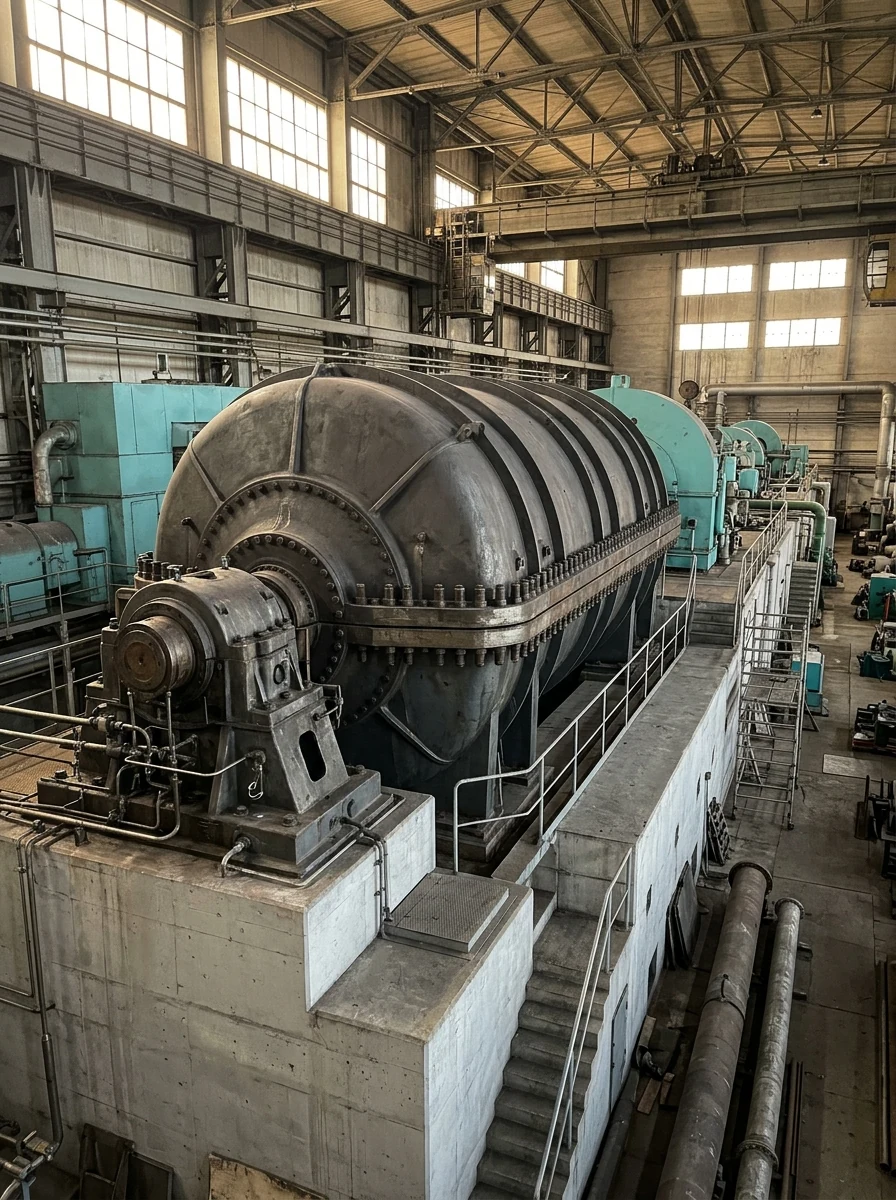
Gas & steam turbine casing joints
Inconel 718 Flat WashersTurbine casing studs put substantial pressure onto the surface beneath each nut. Age-hardened 718 washers provide a strong, replaceable seat in this confined area. Their thickness and flatness matter during tightening: a washer that beds into the casing or deforms changes the installed clamp load.
Connection requirements
- Nut bearing diameter and casing spotface
- Required washer hardness and heat-treatment condition
- Operating metal temperature and preload
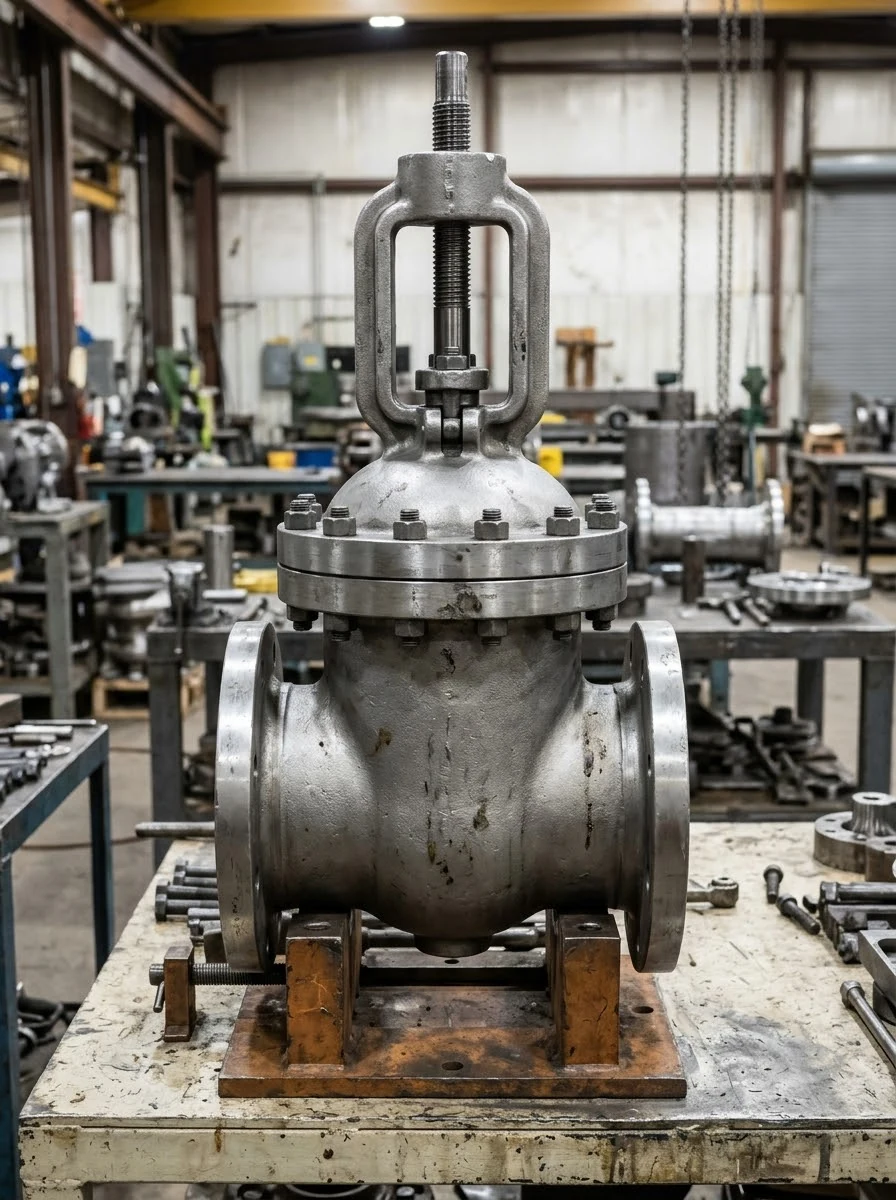
High-pressure valve bonnets
Inconel 718 Flat WashersA compact high-pressure bonnet may need to carry substantial nut pressure on a limited spotface. An age-hardened 718 washer can resist permanent deformation at that seat while providing a replaceable surface during overhaul. Its outside diameter must still provide enough contact area for the bonnet material beneath it.
Connection requirements
- Stud runout and washer bore clearance
- Bonnet spotface diameter
- Washer hardness and thickness
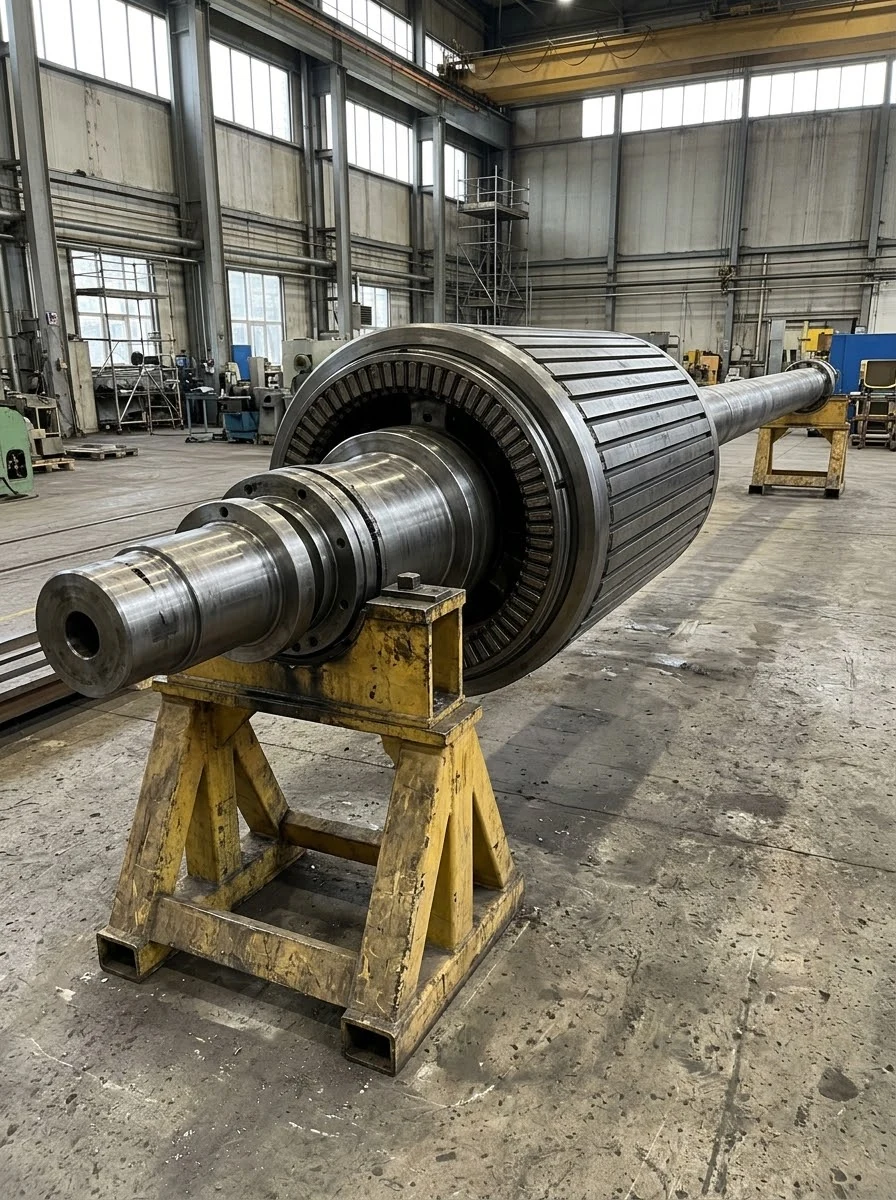
Generator & rotor tie-bolt assemblies
Inconel 718 Flat WashersAt the ends of tie-bolt assemblies, 718 washers distribute the nut load onto a machined end face. Age-hardened strength is useful under the concentrated bearing pressure, while controlled thickness keeps the assembled stack consistent. For rotating parts, concentricity and mass consistency are additional drawing requirements.
Connection requirements
- End-face diameter and surface finish
- Thickness tolerance across the washer set
- Concentricity and balance requirements
Same washer. Different material priorities.
Inconel 718 material dataA-286 Flat Washers
A-286 washers are an iron-nickel alloy option for hot bolted joints that need an age-hardened bearing face. They suit turbine auxiliaries and heated supports where a soft washer would settle under load. Compared with corrosion-focused nickel-alloy washers, their selection starts with the seating pressure and operating temperature.
Inconel 625 Flat Washers
Inconel 625 washers provide replaceable bearing faces on seawater-pump covers and chemical flange joints. Their nickel-chromium-molybdenum corrosion resistance is useful where liquid remains beneath the nut after exposed surfaces dry. Thickness and outside diameter let the washer support the nut pressure on a compact spotface or span a wider support opening.
Monel K-500 Flat Washers
K-500 washers add bearing strength to marine bolted joints while retaining the nickel-copper alloy family used in seawater equipment. They are most useful where the loaded seat is compact. Age-hardened condition and mating fastener load matter more here than a generic seawater label; cathodically protected subsea assemblies require a separate hydrogen-susceptibility review.
From drawing to documented delivery
- 01Drawing & BOMForm, dimensions and quantity
- 02Material & formingGrade, heat and manufacturing route
- 03Final inspectionGeometry, threads and ordered tests
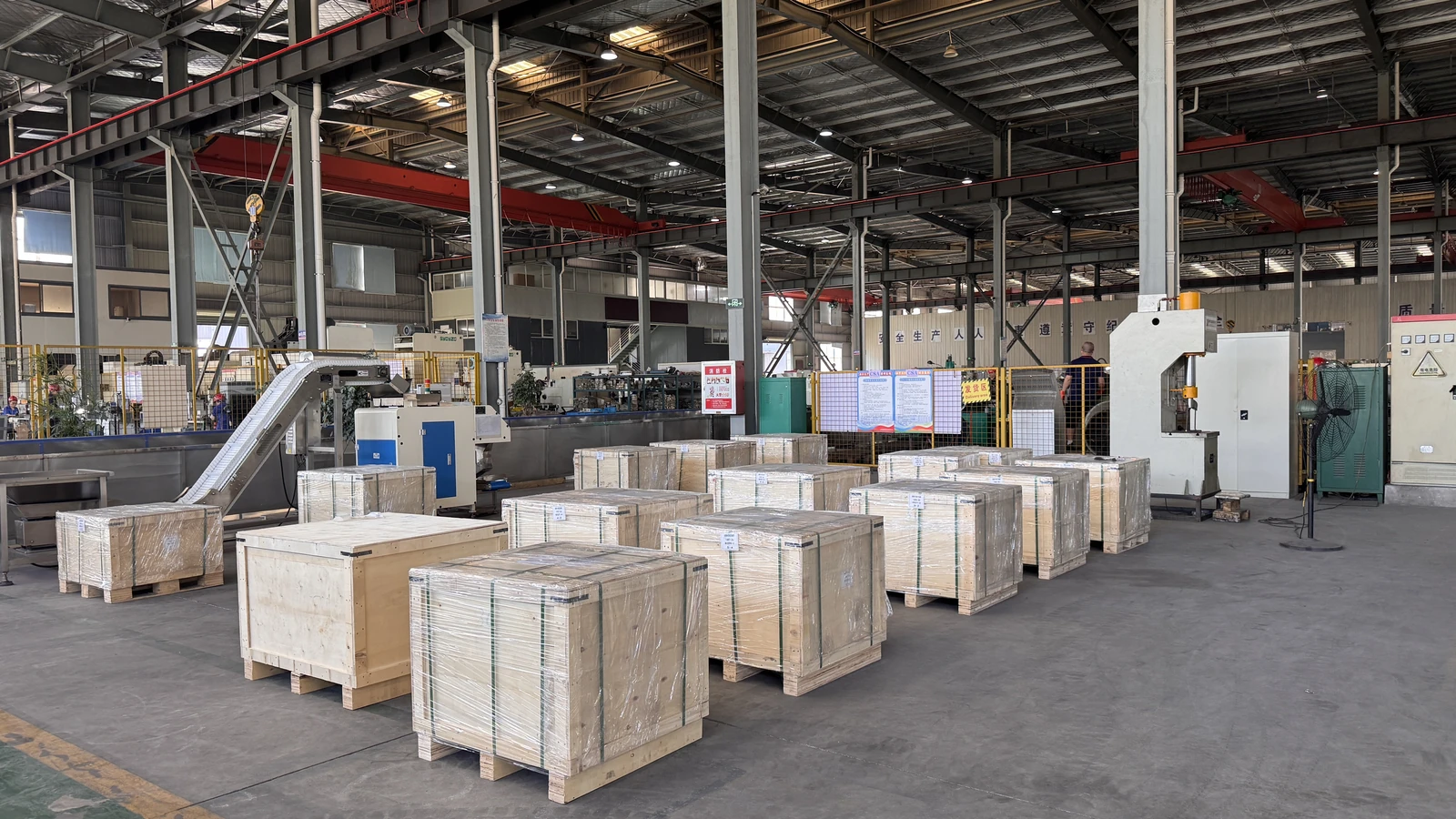
- 04Documents & dispatchLot records and identified packing
Order documents
- Material identity
- UNS N07718 · heat number · ordered condition
- Final-part acceptance
- Lot-linked aging record and mechanical acceptance in the final condition.
- Dimensional record
- Bore · Outside diameter · Thickness · Burrs
- Traceability
- EN 10204 3.1 material certificate · production lot · identified packing
Build your 718 washer enquiry
Questions about 718 flat washers
Should the washer use the same alloy as the bolt?
The wetted assembly may need matching corrosion resistance, but the washer also needs sufficient bearing strength and thickness. The bolt grade does not by itself specify a hardened or load-rated washer.