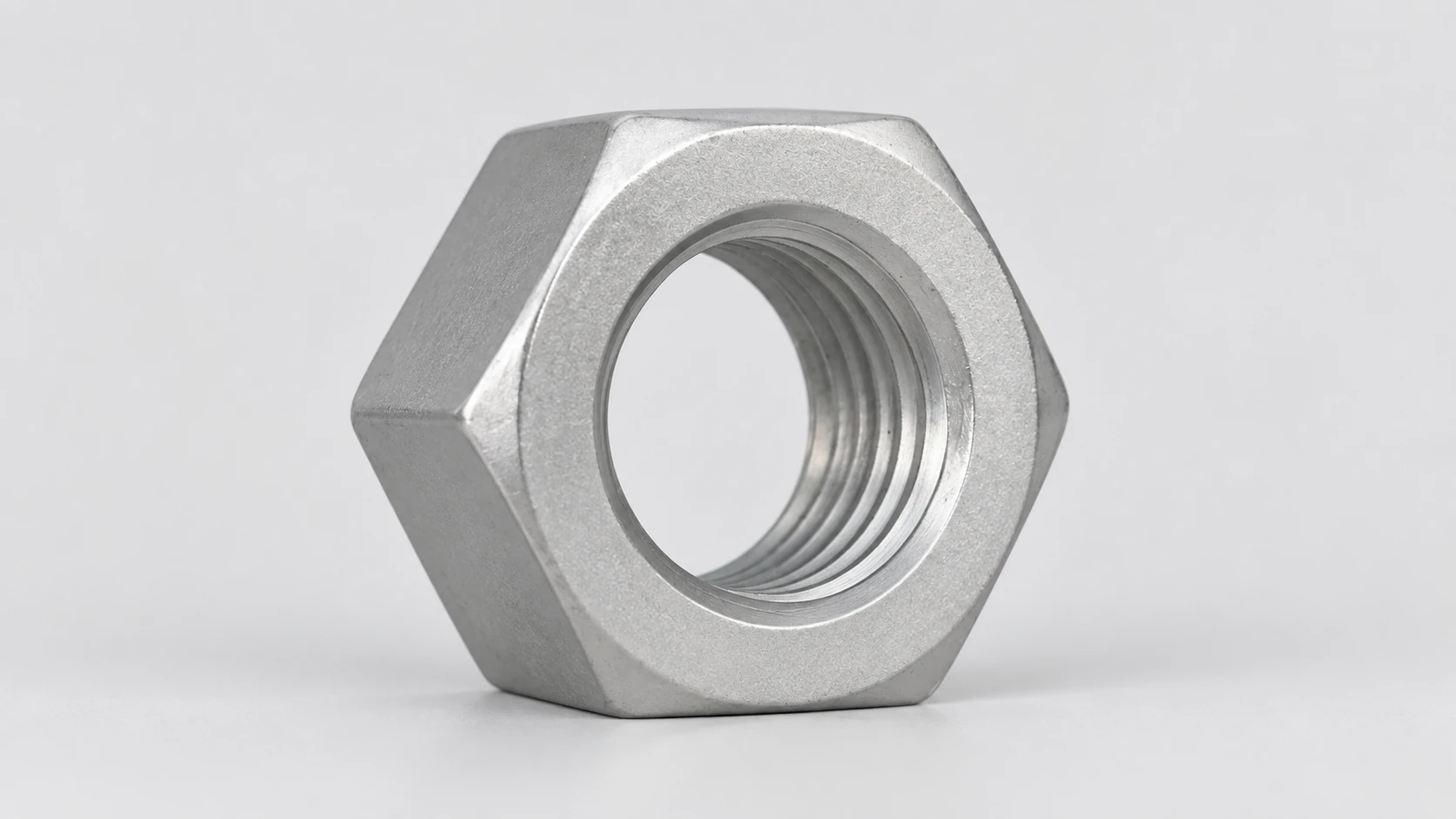
316L Hex nuts
ISO 4032
316L nuts place molybdenum-bearing stainless performance in wet equipment in the internal thread and bearing face of the connection. Regular or heavy hex geometry, usable engagement and final condition must match the stud or bolt.
- MOQ
- 100PCS
- Samples · typical
- ~20 days
- Production · typical
- 25–35 days
- Heat treatment
- Solution annealed
EN 10204 3.1 MTC + heat-number traceability
Which standard is on your order?
Raw Material Specifications
Finished-Nut Specifications
Threads · Metric
Threads · Inch
Dimension Reference
Heat Treatment
Solution annealed; cold worked for strengthened conditionsSolution annealing restores a ductile corrosion-resistant structure, while specified cold work raises strength without precipitation aging.
What we can make in 316L

Regular hex
Use on equipment covers and mounting brackets with standard socket access. The compact wrenching envelope is useful where adjacent fasteners or housing walls restrict tool clearance.

Heavy hex
Use on flange-bolting sets and pressure-equipment joints calling for a heavy-hex pattern. The wider bearing footprint and larger wrench size require more seat area and socket clearance than a regular hex nut.

Thin hex
Use in restricted axial spaces or as part of a specified two-nut locking arrangement. Reduced thread engagement means a thin nut is not a direct load-capacity replacement for a full-height nut.
- Metric thread
- M4–M100
- Inch thread
- 1/4″–4″
- Patterns
- Regular hex · Heavy hex
- Thread systems
- Metric · UNC · UNF · 8UN · UNJ
- Final condition
- Solution annealed · Cold worked
- Inspection
- Thread plug gauges · Across flats · Nut height
Manufacturing route
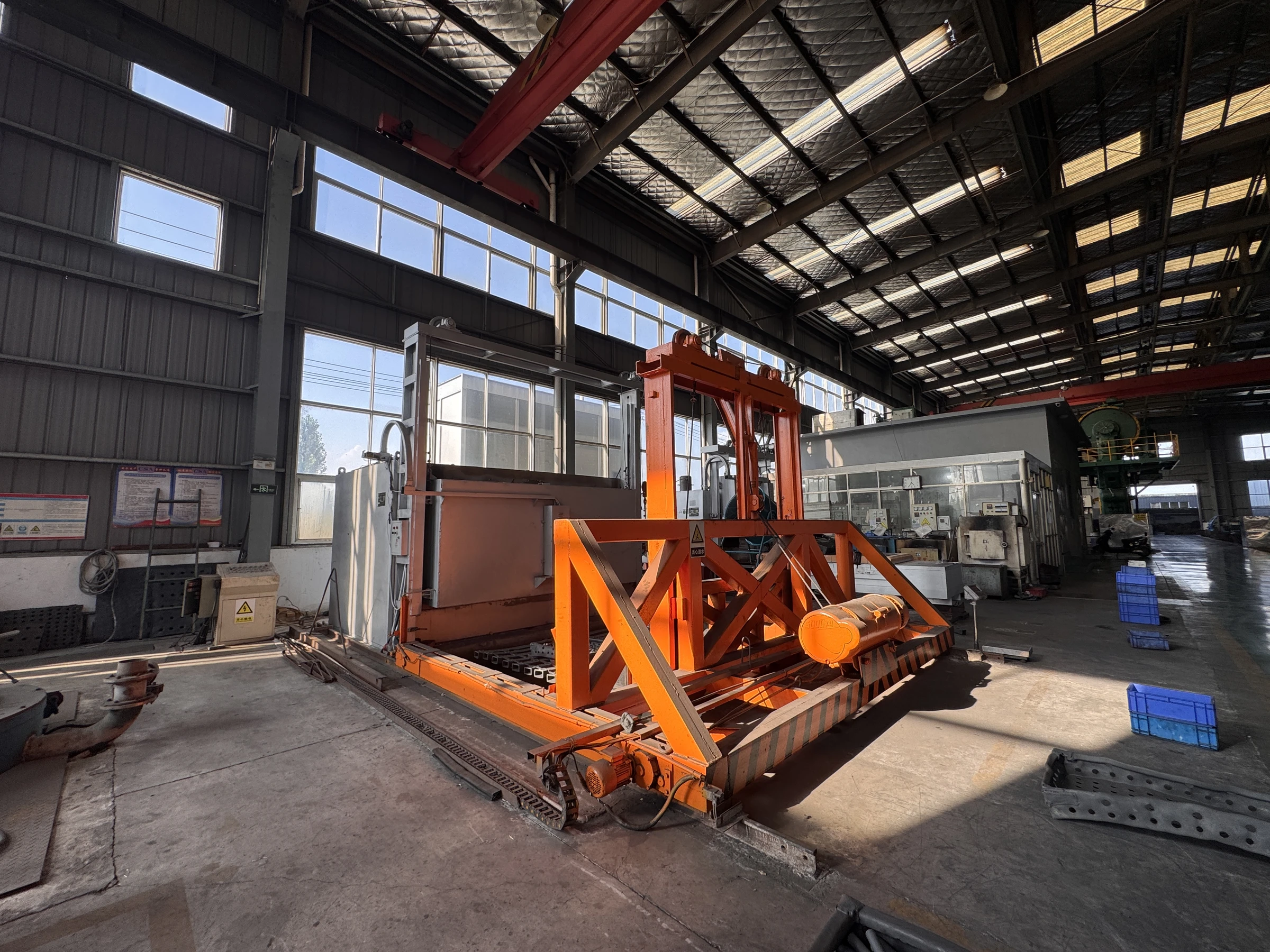
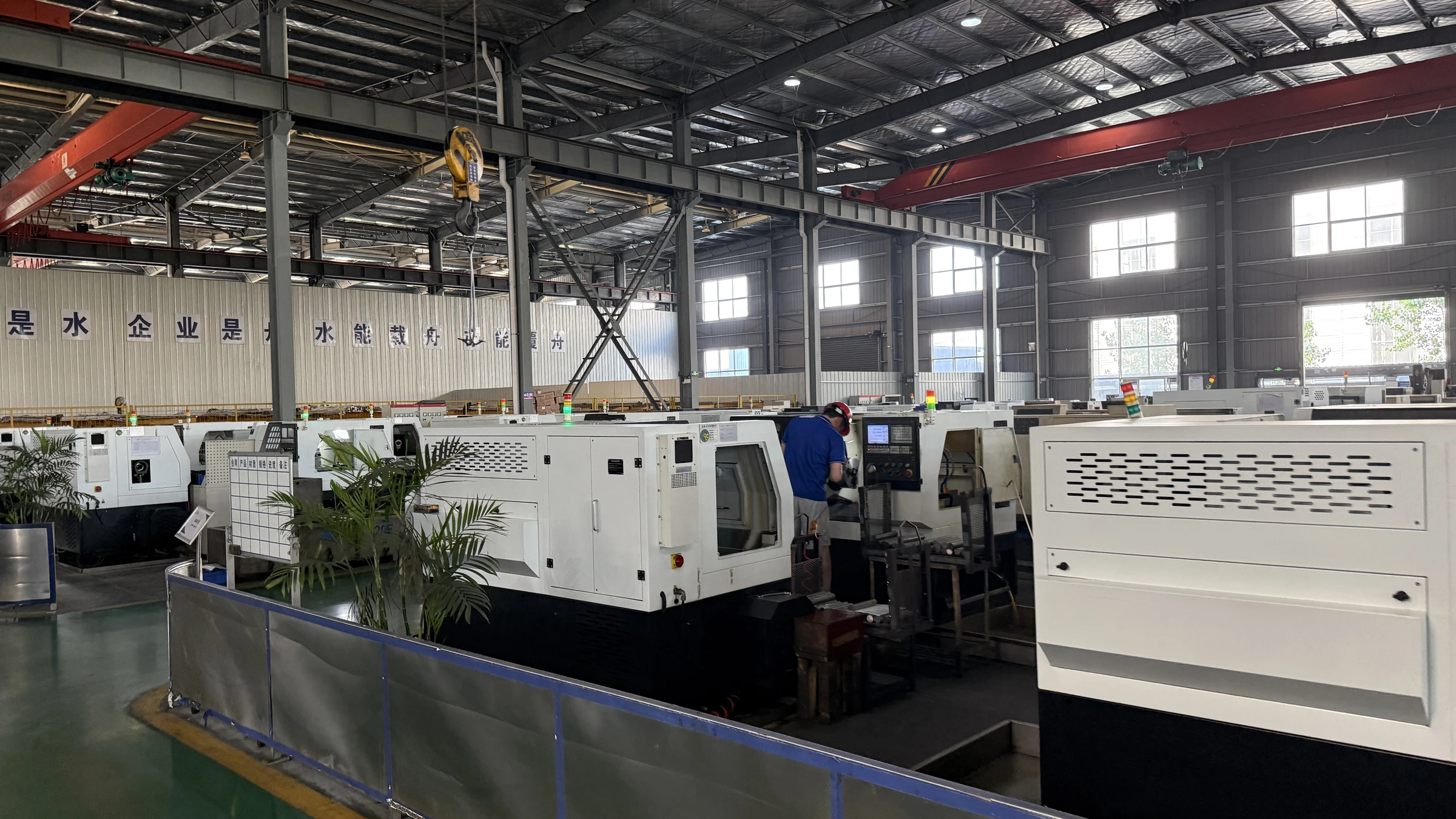
Small lots use machined blanks. Volume nut blanks use a forming route compatible with the alloy before machining the bore and tapping.
Heat treatment & final condition
The final annealed or specified strengthened condition is linked to the lot; an aging treatment is not assumed for a solid-solution alloy.
Finished geometry
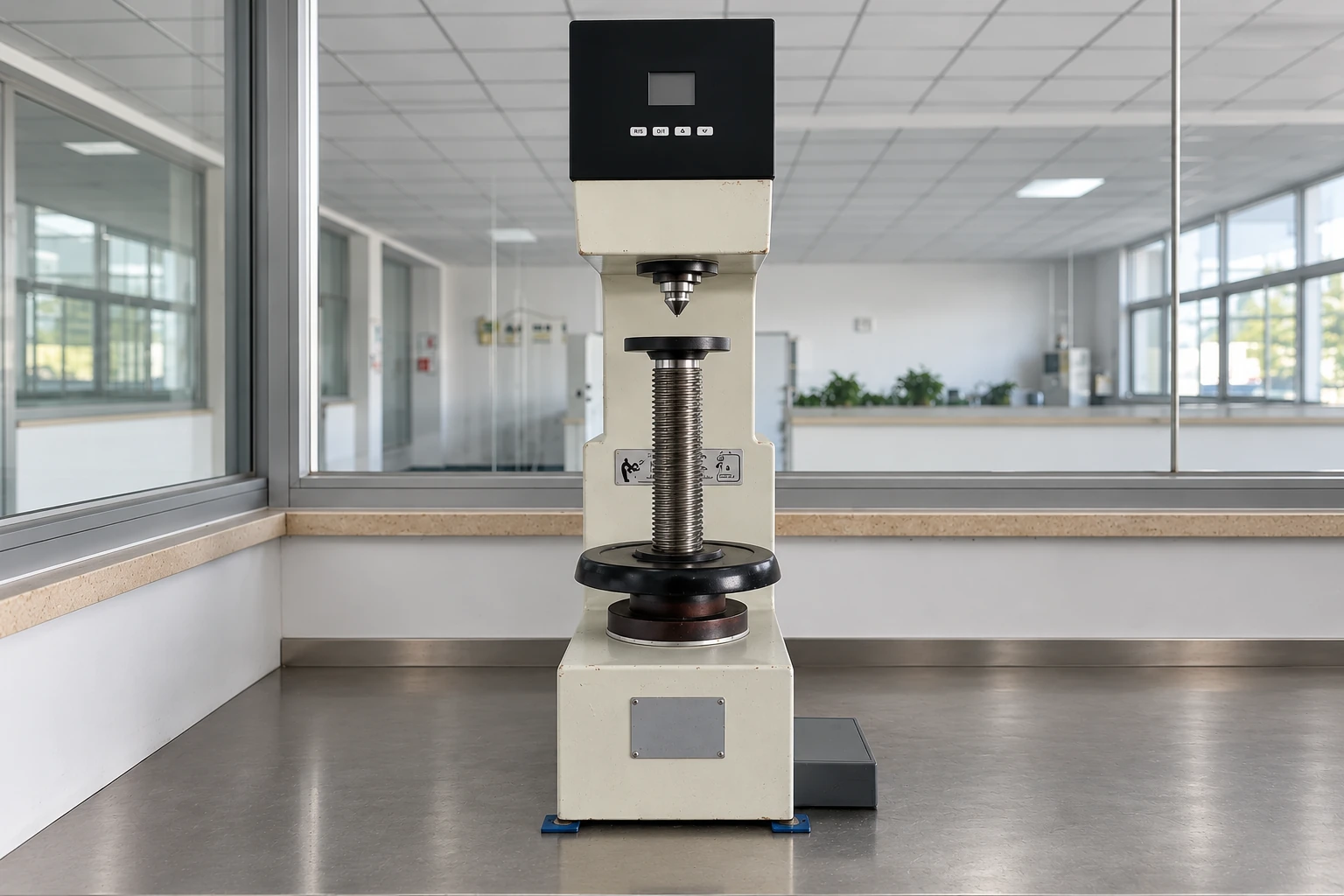
Internal thread gauging, usable engagement and bearing-face alignment are checked after final processing.
Where 316L fits — and what matters

Food & Beverage Equipment
Washdown pump housings and removable covers316L hex nuts complete the stud connections on washdown pump housings and removable covers. The nut pattern provides the bearing area and thread engagement for the selected stud and tightening method. Cleaning liquid can remain under the part; exposed finish and access for cleaning matter at the assembled joint.
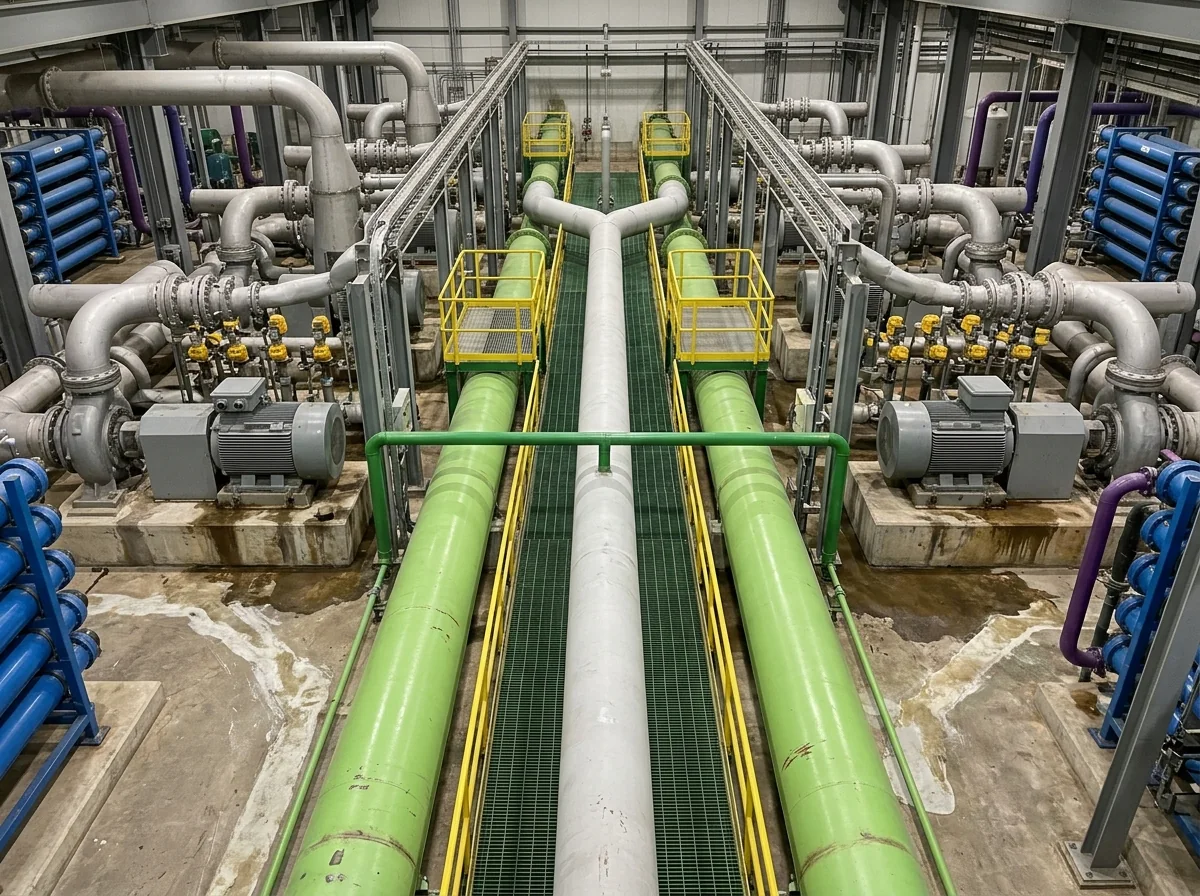
Water Treatment & Desalination
Filter housings and treatment-pump covers316L hex nuts complete the stud connections on filter housings and treatment-pump covers. The nut pattern provides the bearing area and thread engagement for the selected stud and tightening method. The water stream, cleaning cycle and retained liquid define exposure at the installed part.
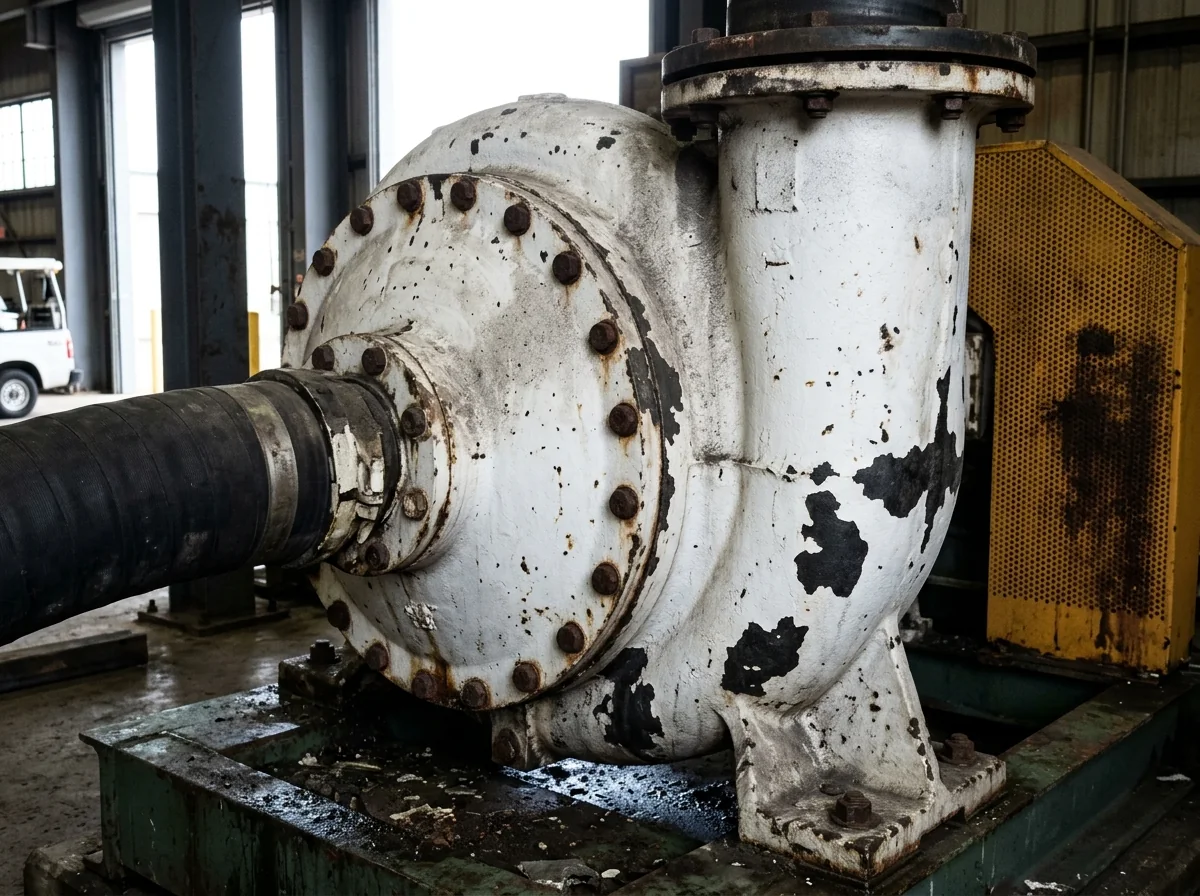
Pumps, Valves & OEM
Pump casings and valve bonnets316L hex nuts complete the stud connections on pump casings and valve bonnets. The nut pattern provides the bearing area and thread engagement for the selected stud and tightening method. Repeated maintenance makes fit, engagement and access part of the component specification.
Same hex nut. Different material priorities.
316L material data17-4 PH
Aging-controlled strength and hardness.
- Connection priority
- Thread-stripping resistance and bearing pressure
- H900 versus H1150
- The aging condition changes the balance of strength, hardness and toughness. A replacement part needs the specified H condition, especially where contact wear and shock load occur together.
Inconel 625
Solid-solution strength and resistance to aggressive process liquids.
- Connection priority
- Thread-stripping resistance and bearing pressure
- Annealed or solution-annealed 625
- The delivery condition affects strength and high-temperature response. Keep the specified condition with the component’s mechanical acceptance; 718-style aging is not the strengthening route for 625. Include liquid retained at the internal threads and the nut-bearing face in the exposure description.
Duplex 2205
Duplex strength and chloride-corrosion resistance.
- Connection priority
- Thread-stripping resistance and bearing pressure
- S31803 or S32205
- The specified UNS fixes the chemistry. Solution treatment, section size and the ordered mechanical or corrosion tests establish the final duplex condition. Include liquid retained at the internal threads and the nut-bearing face in the exposure description.
From drawing to documented delivery
- 01Drawing & BOMForm, dimensions and quantity
- 02Material & formingGrade, heat and manufacturing route
- 03Final inspectionGeometry, threads and ordered tests
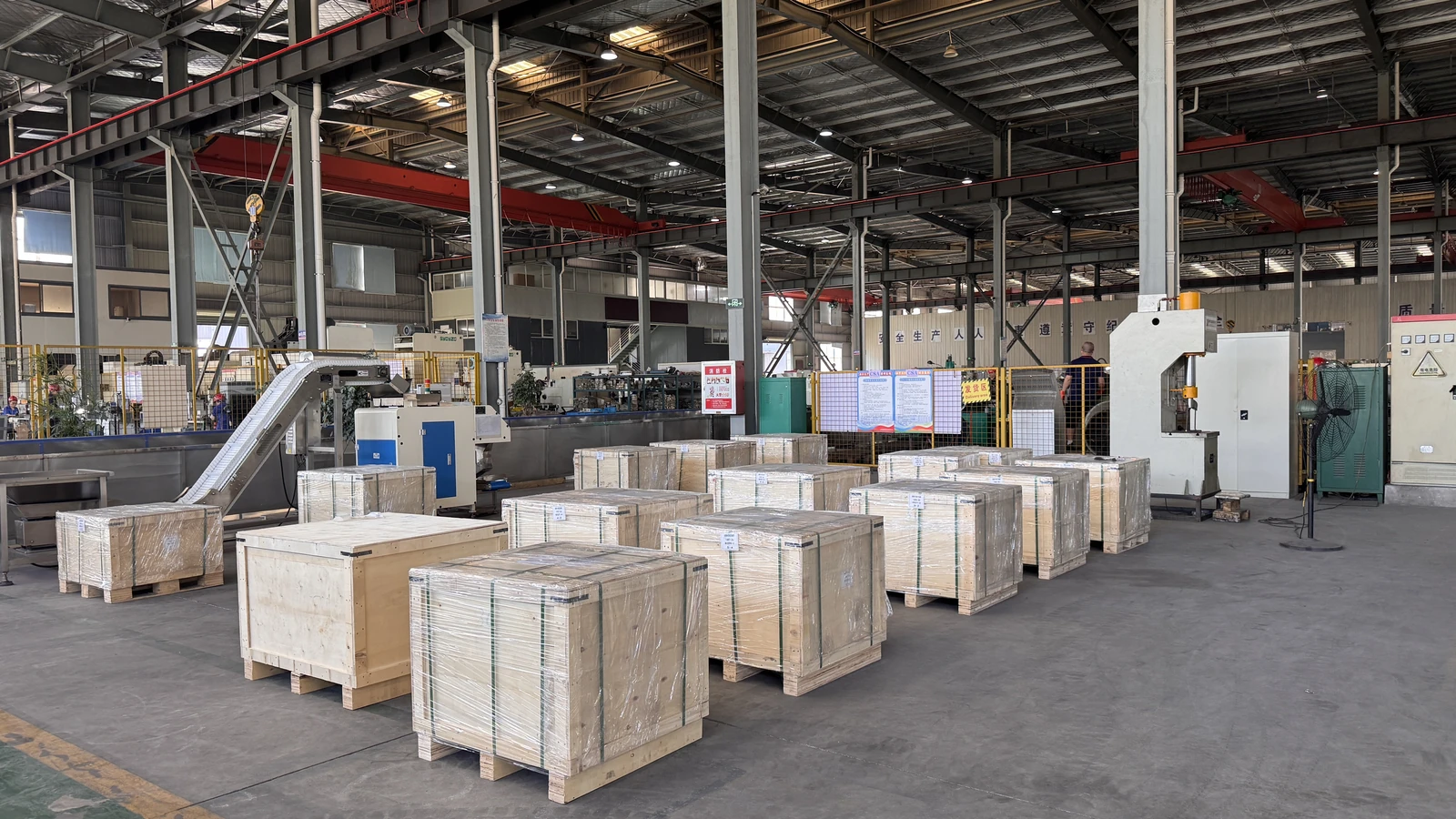
- 04Documents & dispatchLot records and identified packing
Order documents
- Material identity
- UNS S31603 · heat number · ordered condition
- Final-part acceptance
- Grade chemistry, supplied condition and ordered mechanical requirements.
- Dimensional record
- Thread plug gauges · Across flats · Nut height
- Traceability
- EN 10204 3.1 material certificate · production lot · identified packing
Matching Kit
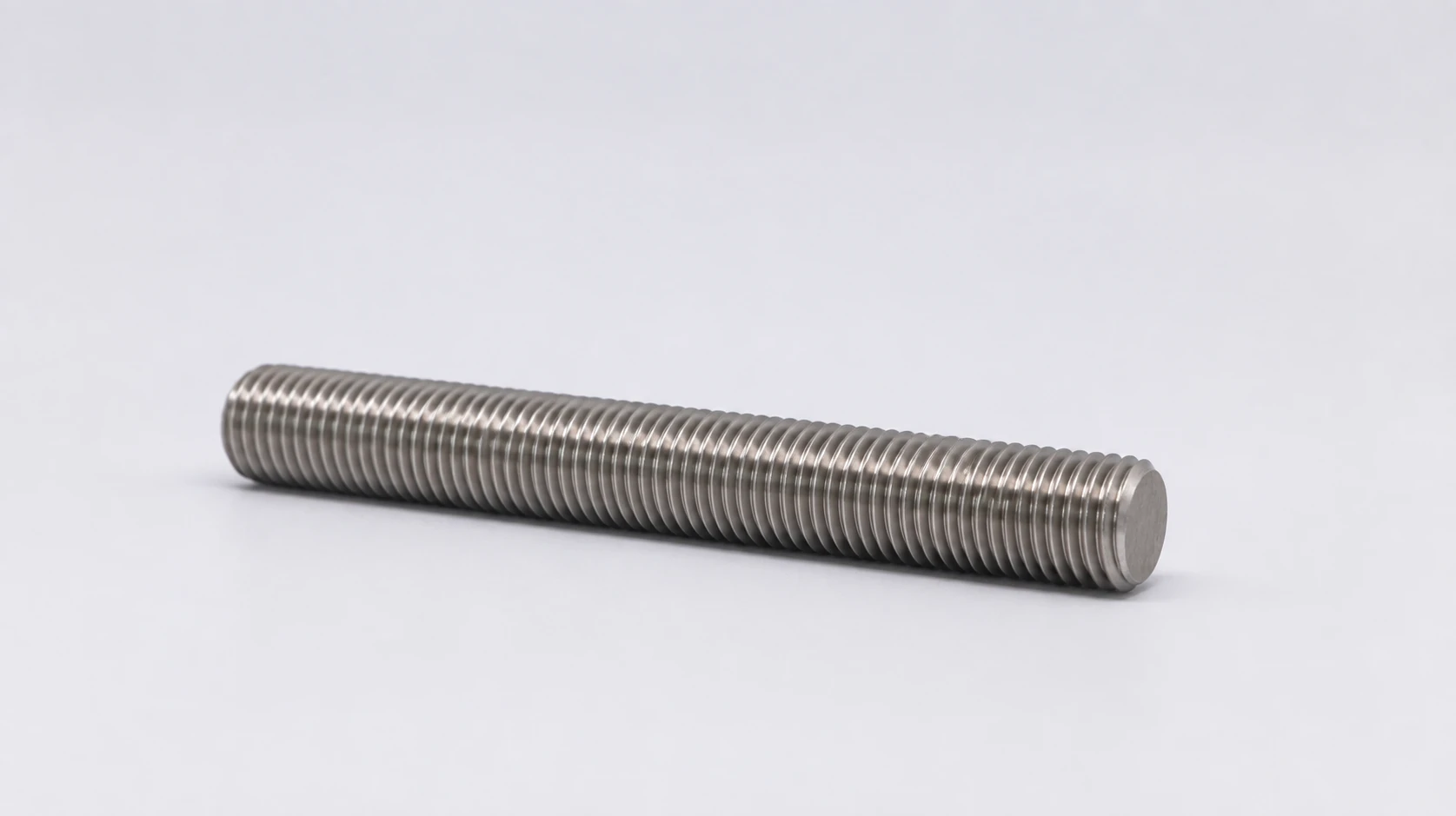
Flange Stud Bolt Kits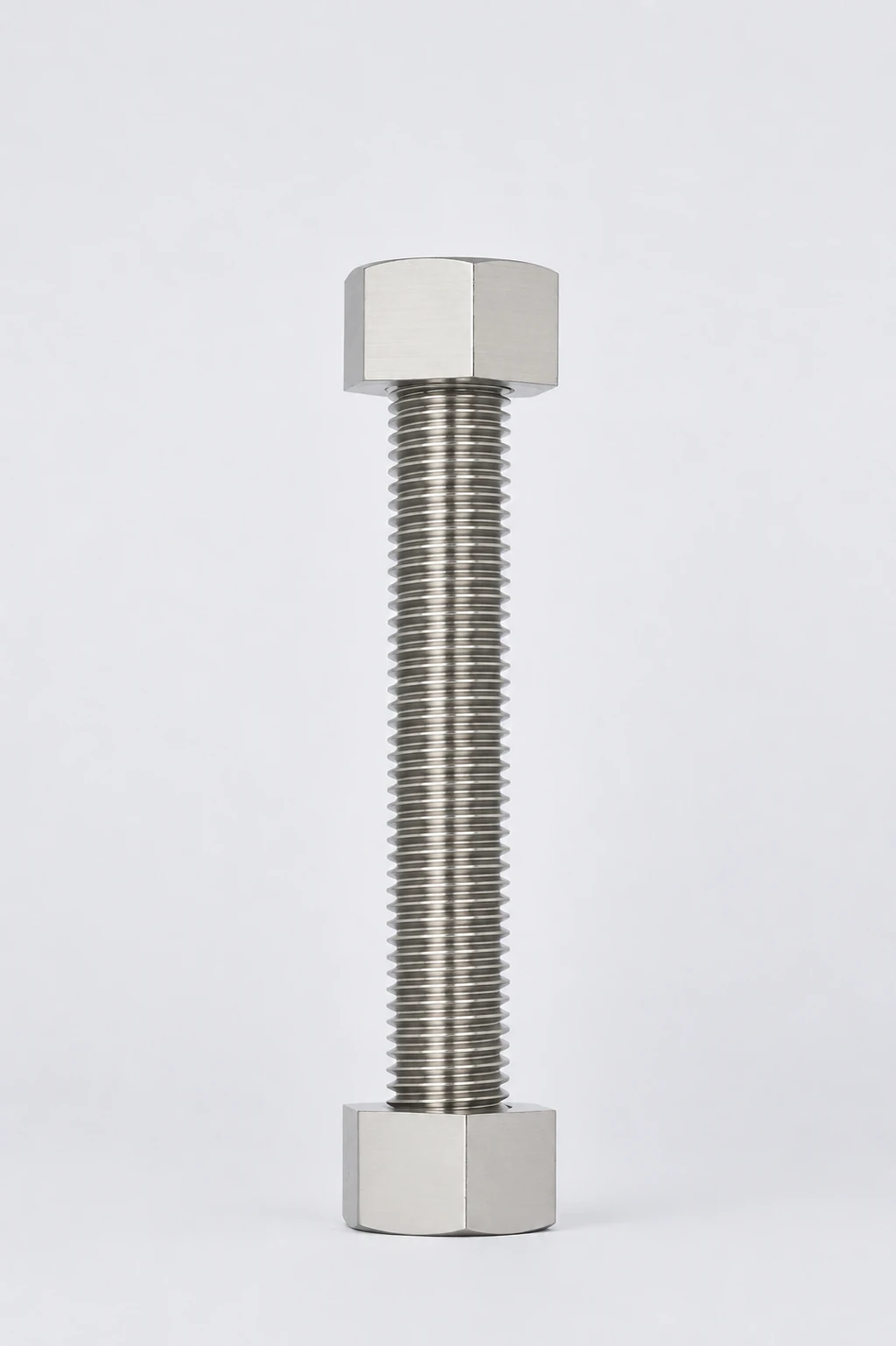
Build your 316L hex nut enquiry
Questions about 316L hex nuts
Does a matching UNS make the stud and nut a matched set?
Matching chemistry addresses only one part of the order. Nut strength, effective engagement, internal thread fit and surface friction must also suit the stud and assembly tightening method.