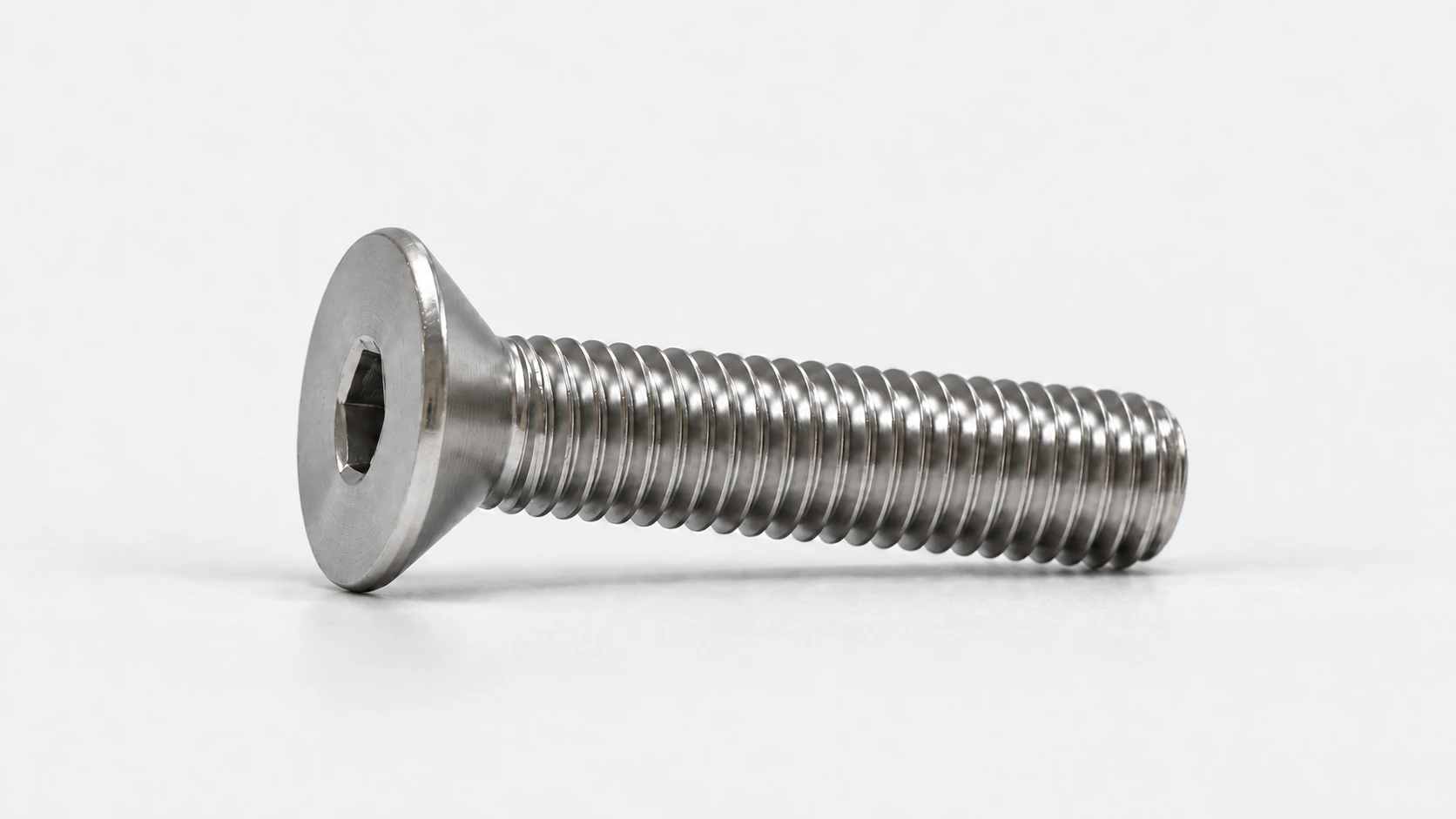
Titanium Grade 2 Hex socket countersunk screws
ISO 10642ASTM B348
Flush seating puts the load into the conical head of a Titanium Grade 2 countersunk screw. Low mass, corrosion resistance and commercially pure titanium formability is combined with a matching head angle and acceptance of the reduced head section.
- MOQ
- 100PCS
- Samples · typical
- ~20 days
- Production · typical
- 25–35 days
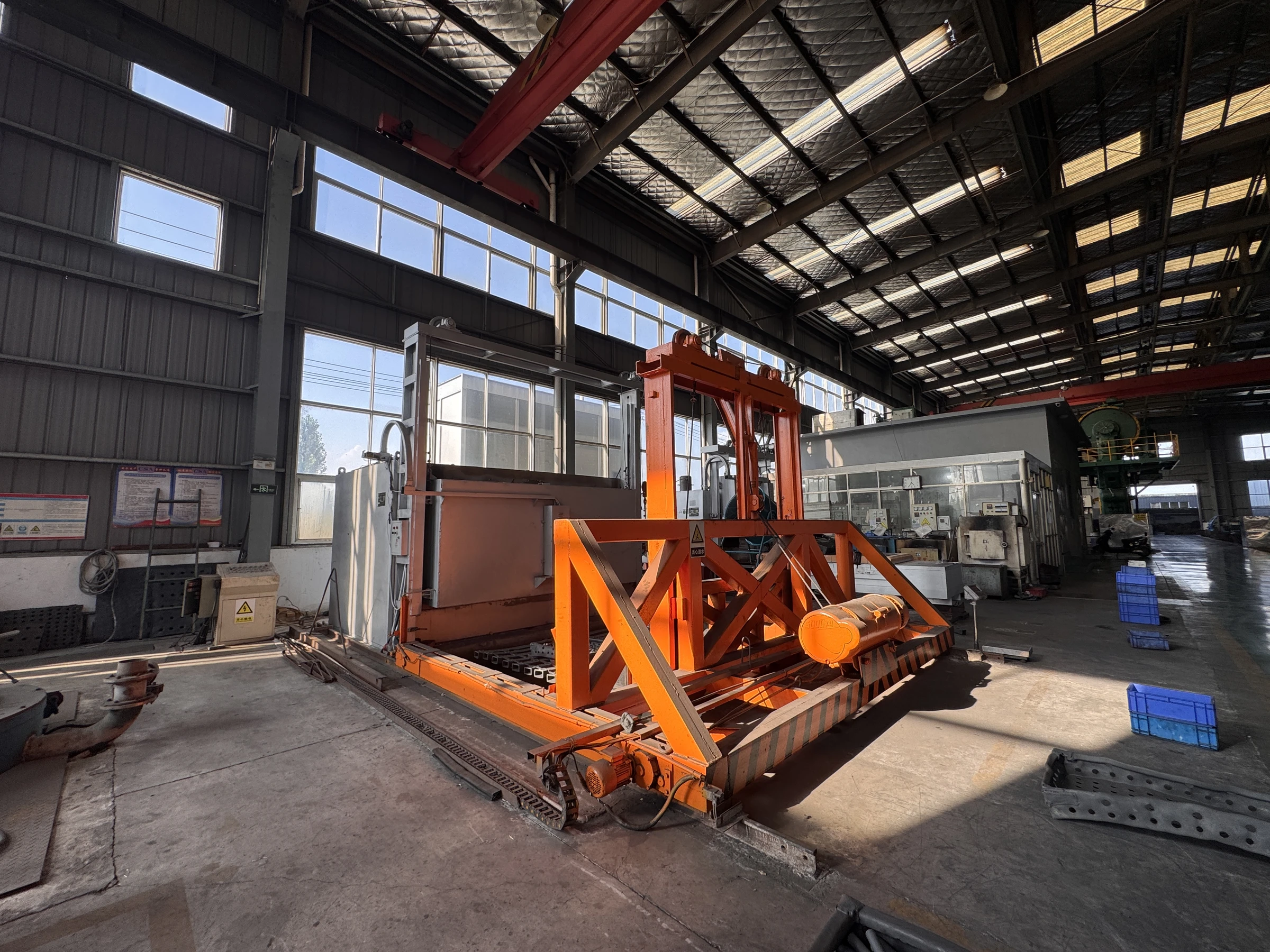
- Heat treatment
- Annealed
EN 10204 3.1 MTC + heat-number traceability
Which standard is on your order?
Raw Material Specifications
Finished-Screw Specifications
Threads · Metric
Threads · Inch
Dimension Reference
Heat Treatment
AnnealedAnnealing reduces working stresses and restores ductility, with atmosphere and surface control limiting contamination during heating.
What we can make in Titanium Grade 2
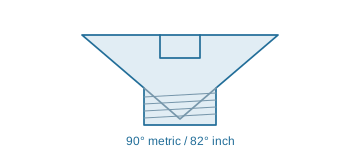
Head angle & seating
90° metric and 82° inch heads need matching countersinks. Head diameter and recess depth control whether the screw sits flush.
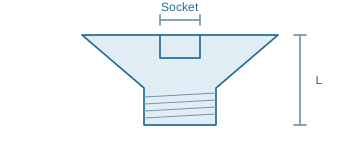
Socket & overall length
Specify overall length including the head. Socket size and depth govern key engagement, especially in shallow head sections.
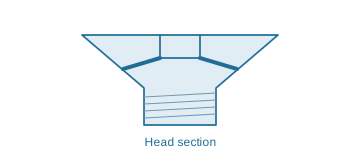
Reduced head loadability
ISO 10642 identifies reduced loadability from the countersunk head and socket geometry. For Inconel 718 or A-286, assess head capacity and seating contact alongside the specified material strength and assembly preload.
- Drive
- Internal hex socket
- Head angle
- 90° metric · 82° inch
- Length basis
- Overall, including head
- Threads
- Metric · UNC · UNF · UNJ
- Final condition
- Annealed
- Inspection
- Head angle & diameter · Socket size & depth · Overall length · Thread gauges
Manufacturing route
CNC machining provides the initial route for special heads and small lots. Formed production requires alloy-specific temperature and surface-contamination control.
Heat treatment & final condition
Forming and thermal processing require contamination control. The final surface is cleaned before dimensional and material acceptance.
Finished geometry
Head angle, socket depth and the head-to-shank transition are inspected with the thread; the reduced head section remains part of finished-part acceptance.
Where Titanium Grade 2 fits — and what matters
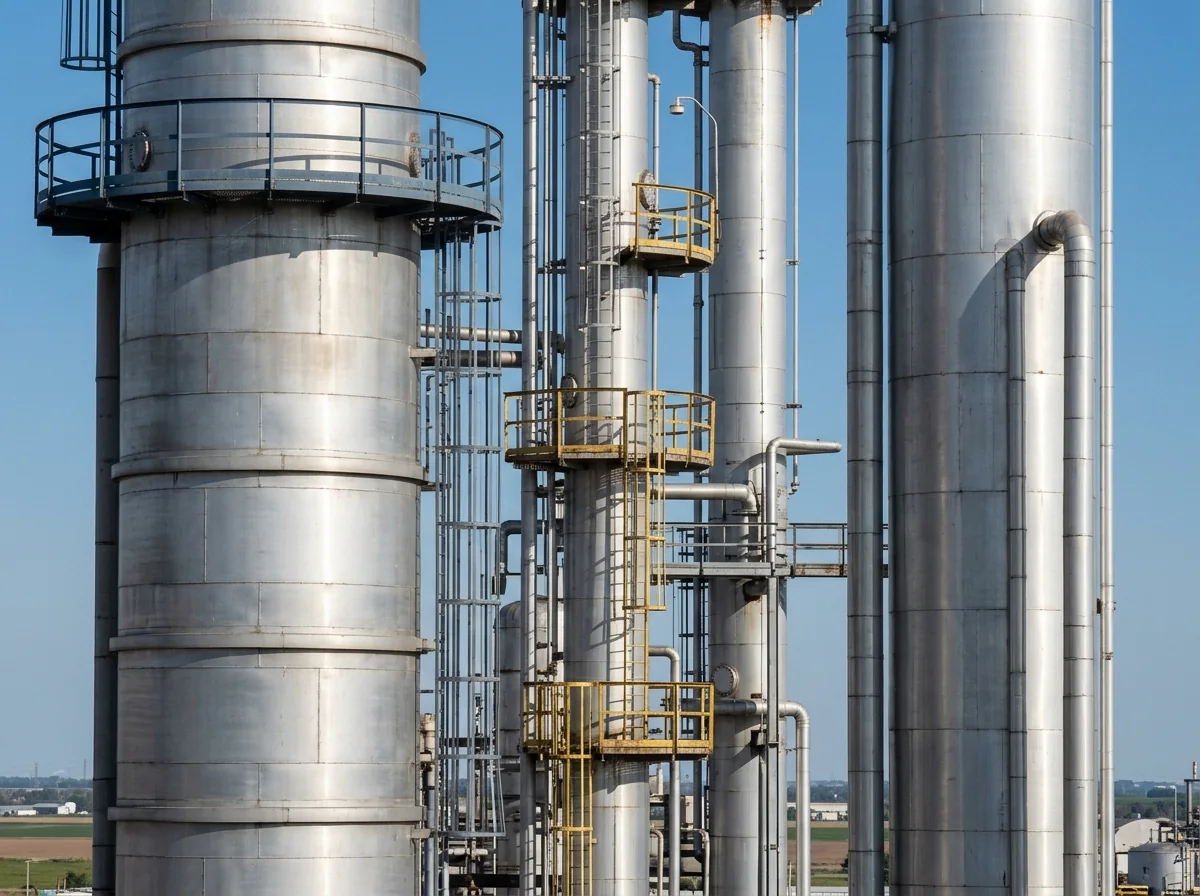
Chemical Processing
Process-equipment covers and shieldsTitanium Grade 2 hex socket countersunk screws secure process-equipment covers and shields with the head below or flush with the surface, leaving clearance for neighbouring moving parts or removable covers. Process liquid can remain at the contact after the exposed surface drains.
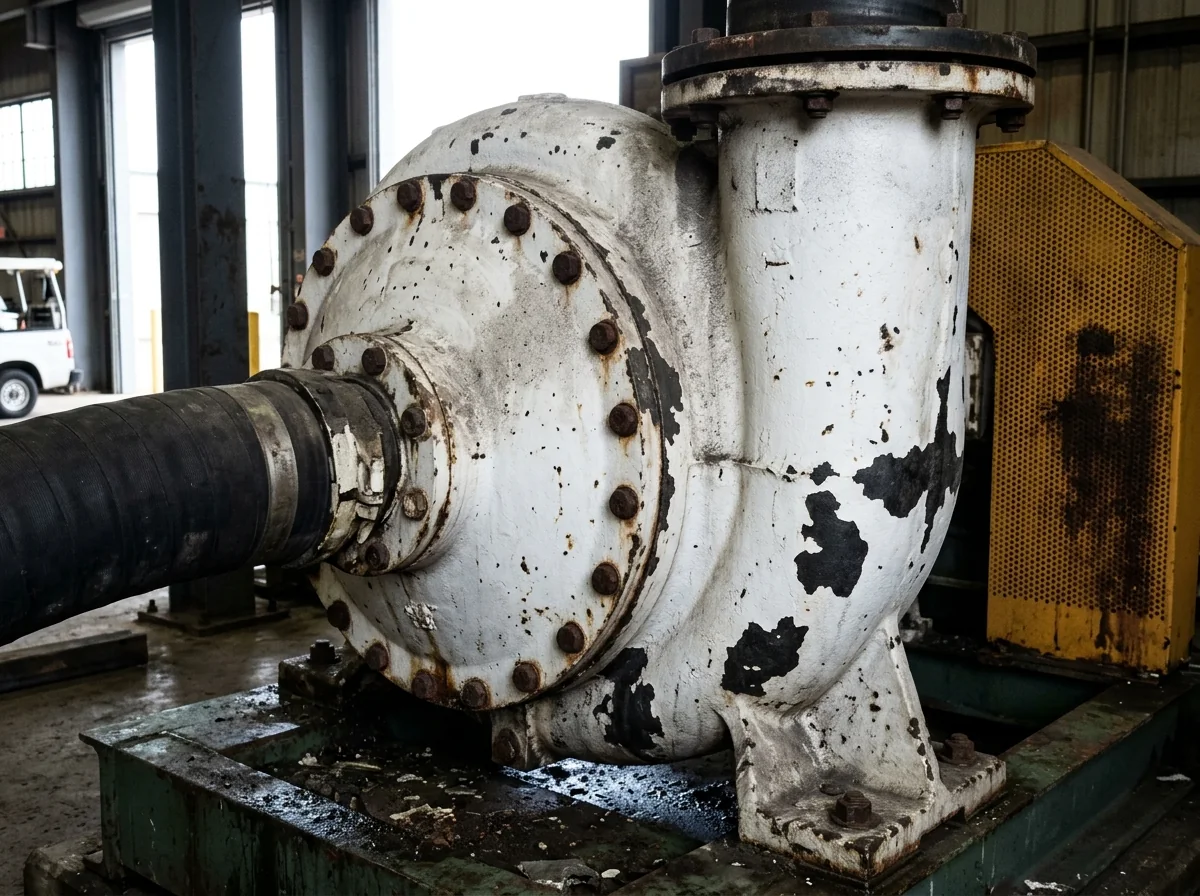
Pumps, Valves & OEM
Actuator housings and removable equipment coversTitanium Grade 2 hex socket countersunk screws secure actuator housings and removable equipment covers with the head below or flush with the surface, leaving clearance for neighbouring moving parts or removable covers. Repeated maintenance makes fit, engagement and access part of the component specification.
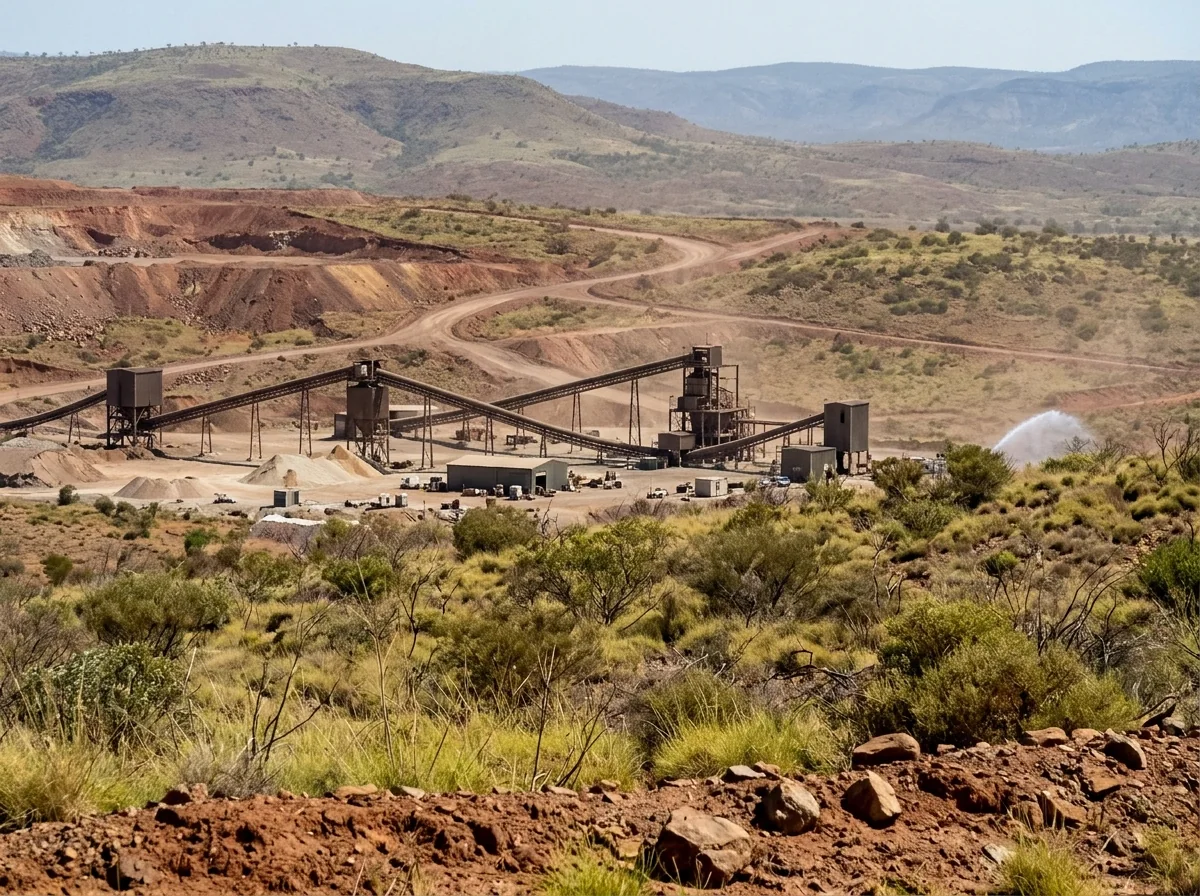
Mining & Mineral Processing
Chemical-recovery equipment shieldsTitanium Grade 2 hex socket countersunk screws secure chemical-recovery equipment shields with the head below or flush with the surface, leaving clearance for neighbouring moving parts or removable covers. Leach solution and deposits act on the installed part; corrosion duty is separate from abrasive wear.
Same hex socket countersunk screw. Different material priorities.
Titanium Grade 2 material dataHastelloy C-276
Resistance to chemically aggressive, mixed process streams.
- Connection priority
- Head-bearing stress in the reduced countersunk section
- Process liquid and shutdown chemistry
- C-276 is selected for its nickel–chromium–molybdenum–tungsten chemistry. Residual product, cleaning liquid and oxidising contamination can expose a sheltered connection differently from the main flow. Include liquid retained at the conical seat and recessed socket in the exposure description.
Inconel 625
Solid-solution strength and resistance to aggressive process liquids.
- Connection priority
- Head-bearing stress in the reduced countersunk section
- Annealed or solution-annealed 625
- The delivery condition affects strength and high-temperature response. Keep the specified condition with the component’s mechanical acceptance; 718-style aging is not the strengthening route for 625. Include liquid retained at the conical seat and recessed socket in the exposure description.
Hastelloy C-22
Corrosion resistance across oxidising and reducing process exposures.
- Connection priority
- Head-bearing stress in the reduced countersunk section
- Production and cleaning cycles
- C-22’s chromium-bearing chemistry is relevant when chemical exposure changes between operating and cleaning cycles. Include both liquids when comparing it with C-276 or a B-type nickel alloy. Include liquid retained at the conical seat and recessed socket in the exposure description.
From drawing to documented delivery
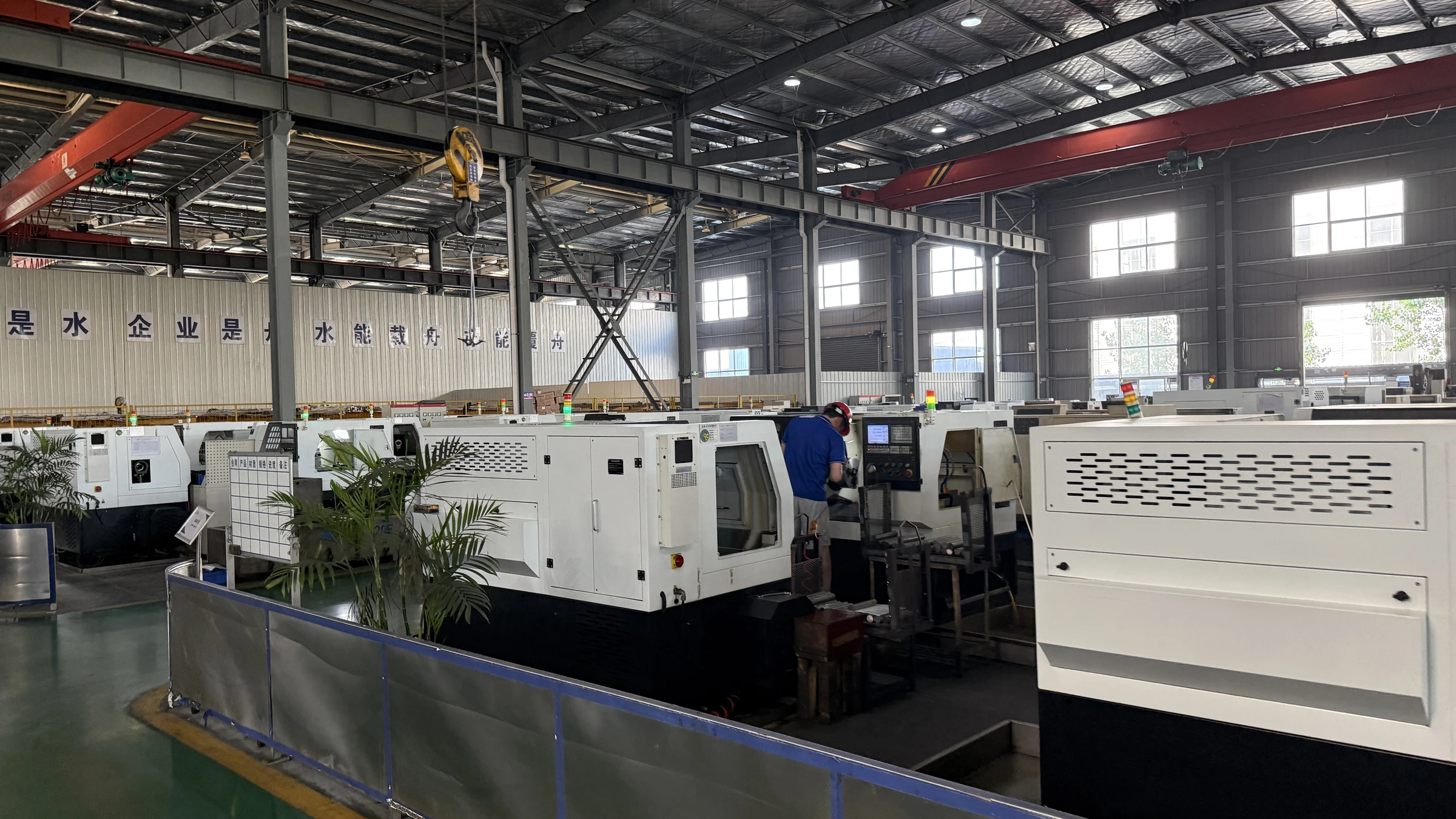
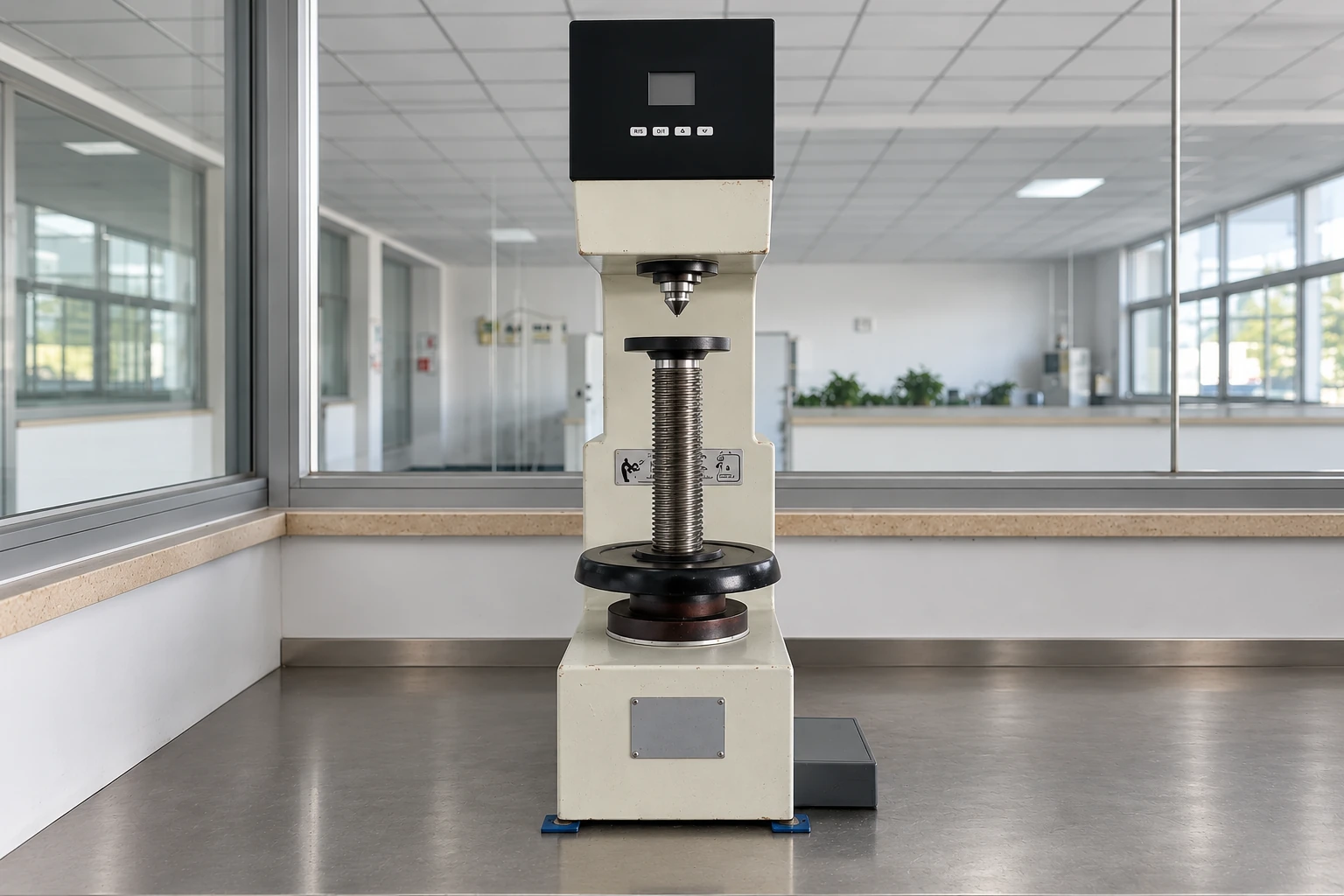
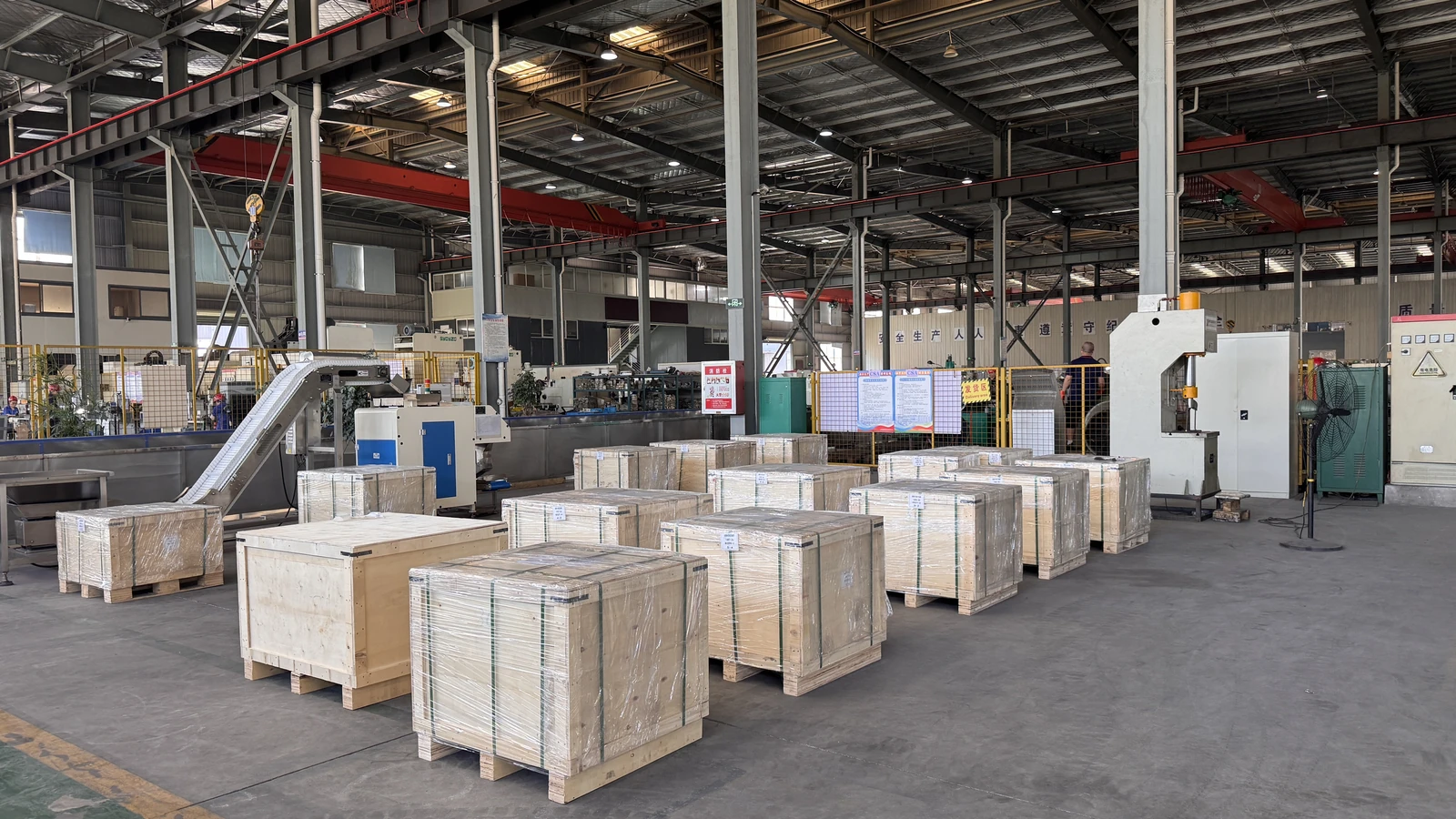
- 01Drawing & BOMForm, dimensions and quantity
- 02Material & formingGrade, heat and manufacturing route
- 03Final inspectionGeometry, threads and ordered tests
- 04Documents & dispatchLot records and identified packing
Order documents
- Material identity
- UNS R50400 · heat number · ordered condition
- Final-part acceptance
- Grade chemistry, surface condition and the ordered mechanical requirements.
- Dimensional record
- Head angle & diameter · Socket size & depth · Overall length · Thread gauges
- Traceability
- EN 10204 3.1 material certificate · production lot · identified packing
Build your Titanium Grade 2 hex socket countersunk screw enquiry
Questions about Titanium Grade 2 hex socket countersunk screws
Does a high-strength alloy remove countersunk-head loadability limits?
The conical head and socket still reduce the available section. Head-bearing stress, countersink contact and housing thread engagement need assessment alongside the final alloy strength.