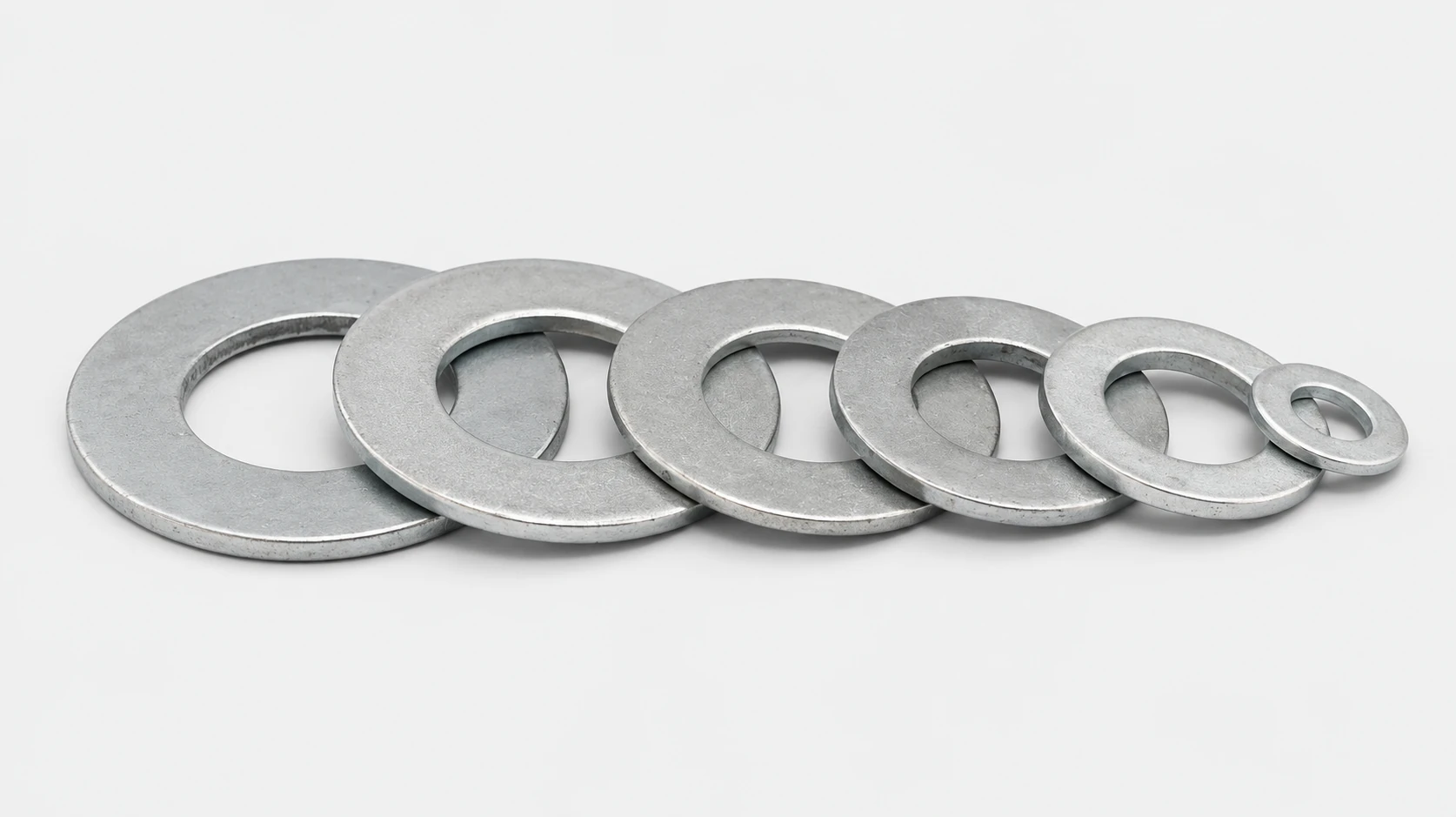
Incoloy 825 Flat Washers
ISO 7089 / ISO 7090ASTM B424
Incoloy 825 flat washers support nuts and bolt heads on acid-handling flanges, pump covers and tank hardware. They provide a replaceable corrosion-resistant seat where a standard steel washer would introduce a vulnerable part into an otherwise corrosion-resistant assembly.
- MOQ
- 100PCS
- Samples · typical
- ~20 days
- Production · typical
- 25–35 days
- Heat treatment
- Annealed
EN 10204 3.1 MTC + heat-number traceability
Which standard is on your order?
Raw Material Specifications
Dimension Reference
Heat Treatment
AnnealedThe specified anneal restores ductility and the corrosion-resistant supplied condition after hot or cold working.
What we can make in Alloy 825

Normal series
Use under bolt heads and nuts on machined equipment faces with adequate surrounding seat area. The bore must clear the bolt shank and under-head radius so the washer lies flat.

Larger outside diameter
Use over slots, oversized holes and softer mounting surfaces to spread the bearing load. Washer thickness matters as well as diameter: a thin wide washer can dish over an unsupported opening.

Square & special profiles
Use on channel supports, slotted bases and special mounting pads where a round washer leaves insufficient support. Profile and hole position keep the bearing plate seated across the actual opening.
- Geometry
- Bore × outside diameter × thickness
- Forms
- Round · Square · Drawing profiles
- Function
- Bearing surface · Spacing
- Sizing
- Metric · Inch
- Final condition
- Annealed
- Inspection
- Bore · Outside diameter · Thickness · Burrs
Manufacturing route
Small lots can be machined from suitable stock; repeat production uses cut or punched blanks with bore and outer edge finishing.
Heat treatment & final condition
The final annealed or specified strengthened condition is linked to the lot; an aging treatment is not assumed for a solid-solution alloy.
Finished geometry
Thickness, flatness and edge finish establish the bearing geometry; the washer is not labelled hardened solely because the alloy is corrosion resistant.
Where 825 fits — and what matters
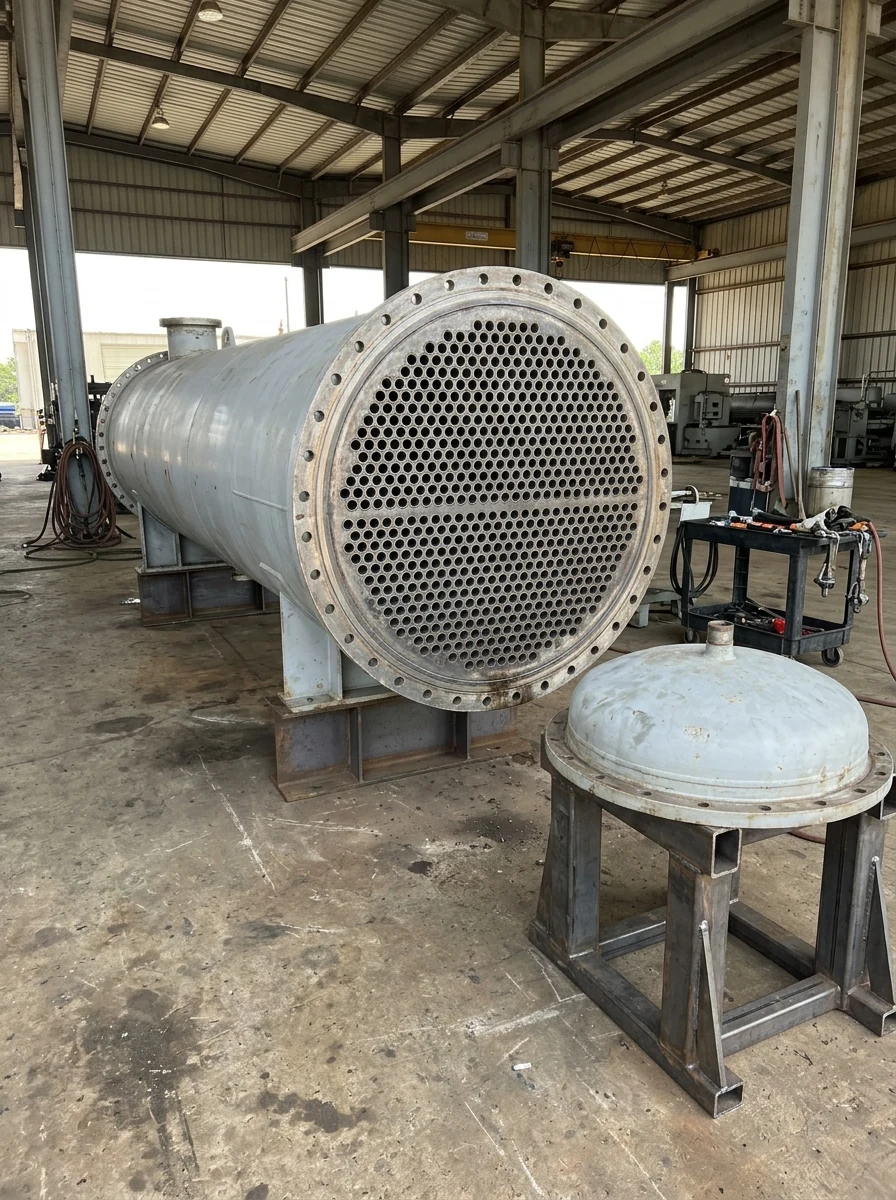
Acid heat exchangers & condensers
Incoloy 825 Flat WashersBeneath exchanger cover nuts, 825 washers carry contact pressure onto the flange spotface while resisting compatible acid residues. The outside diameter should fit entirely on that spotface. A washer that overlaps an edge or casting radius will not give the nut the flat support its nominal diameter suggests.
Connection requirements
- Spotface diameter and nearby radii
- Nut footprint and washer thickness
- Residual acid chemistry
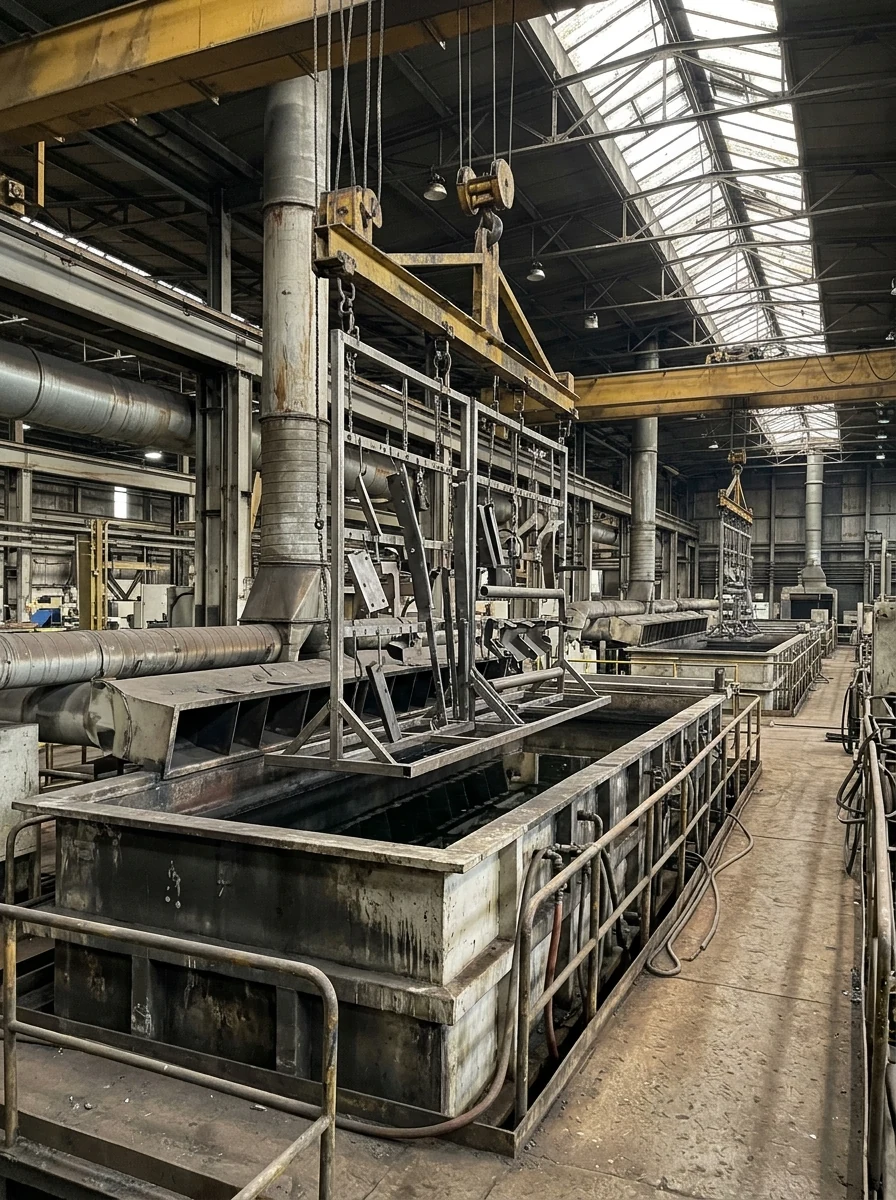
Pickling tank & acid-bath hardware
Incoloy 825 Flat WashersPickling equipment brackets often have oversized or slotted fixing holes. Incoloy 825 washers can bridge these openings in compatible acid-splash service. Their outside diameter sets the covered area and thickness controls bending across the opening, so a wider washer may also need to be thicker.
Connection requirements
- Slot dimensions and edge distance
- Bracket load and washer span
- Bath and rinse chemistry
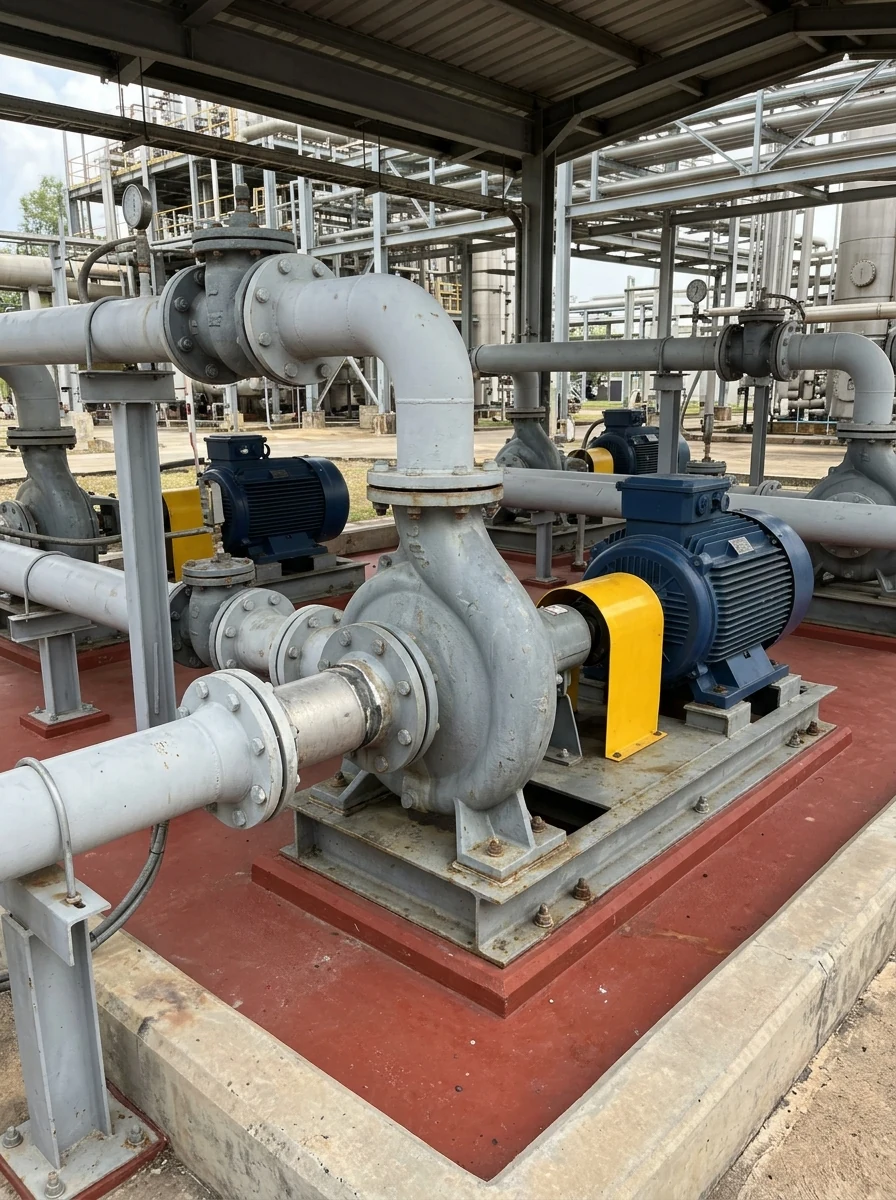
Chemical transfer pump casings
Incoloy 825 Flat Washers825 washers provide a replaceable seat beneath chemical-pump cover bolts that are repeatedly removed for servicing. They are useful where acid drips attack the bearing area. Bore clearance, flatness and a smooth edge help the washer sit squarely against the casing without catching the bolt’s under-head radius.
Connection requirements
- Bolt under-head radius
- Casing seating surface
- Washer bore and face finish
Same washer. Different material priorities.
Incoloy 825 material dataHastelloy C-276 Flat Washers
C-276 washers are a strong candidate for acid-plant flanges and scrubber hardware exposed to mixed chemical residues. Their purpose is to preserve the bearing surface in aggressive wet service, rather than provide age-hardened strength. Outside diameter and thickness should give the nut a supported seat without creating a thin, easily bent rim.
Inconel 625 Flat Washers
Inconel 625 washers provide replaceable bearing faces on seawater-pump covers and chemical flange joints. Their nickel-chromium-molybdenum corrosion resistance is useful where liquid remains beneath the nut after exposed surfaces dry. Thickness and outside diameter let the washer support the nut pressure on a compact spotface or span a wider support opening.
254 SMO Flat Washers
254 SMO flat washers provide replaceable bearing faces beneath bleach-plant and seawater-equipment fasteners. The six-moly austenitic grade offers greater resistance to localized chloride attack than common 316. Supported diameter, thickness and hardness are selected for the pressure applied by the nut or bolt head.
From drawing to documented delivery
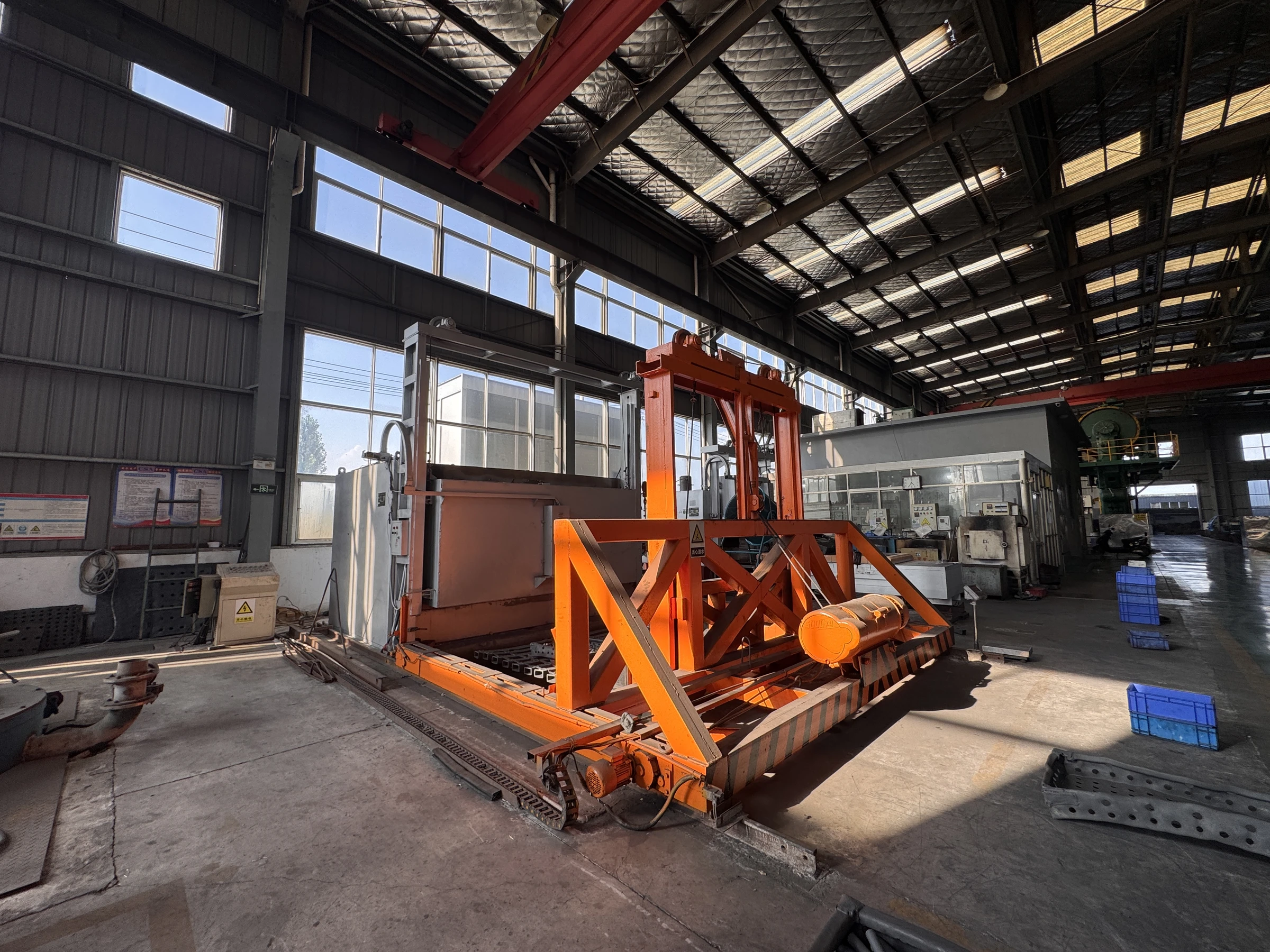
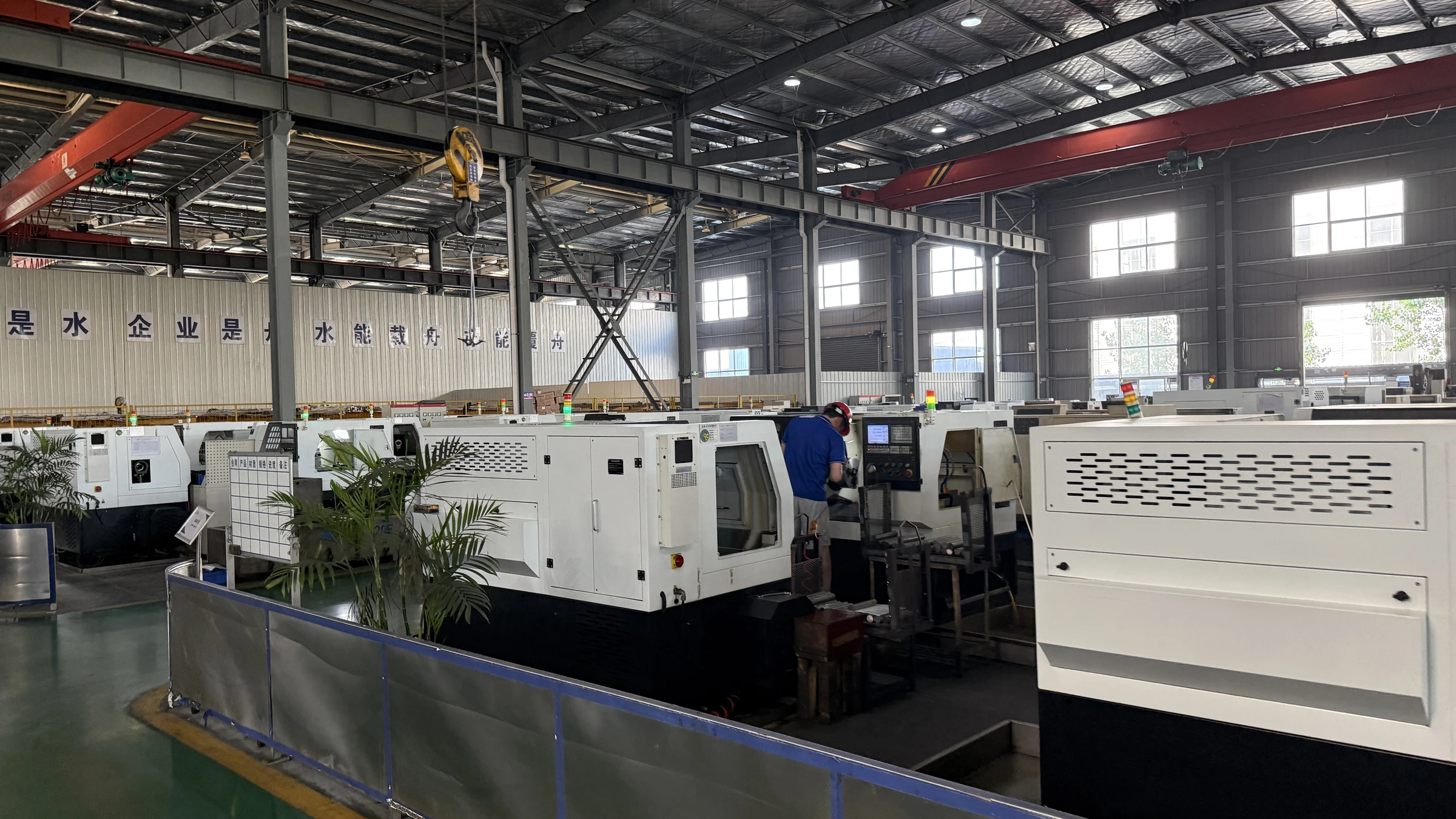
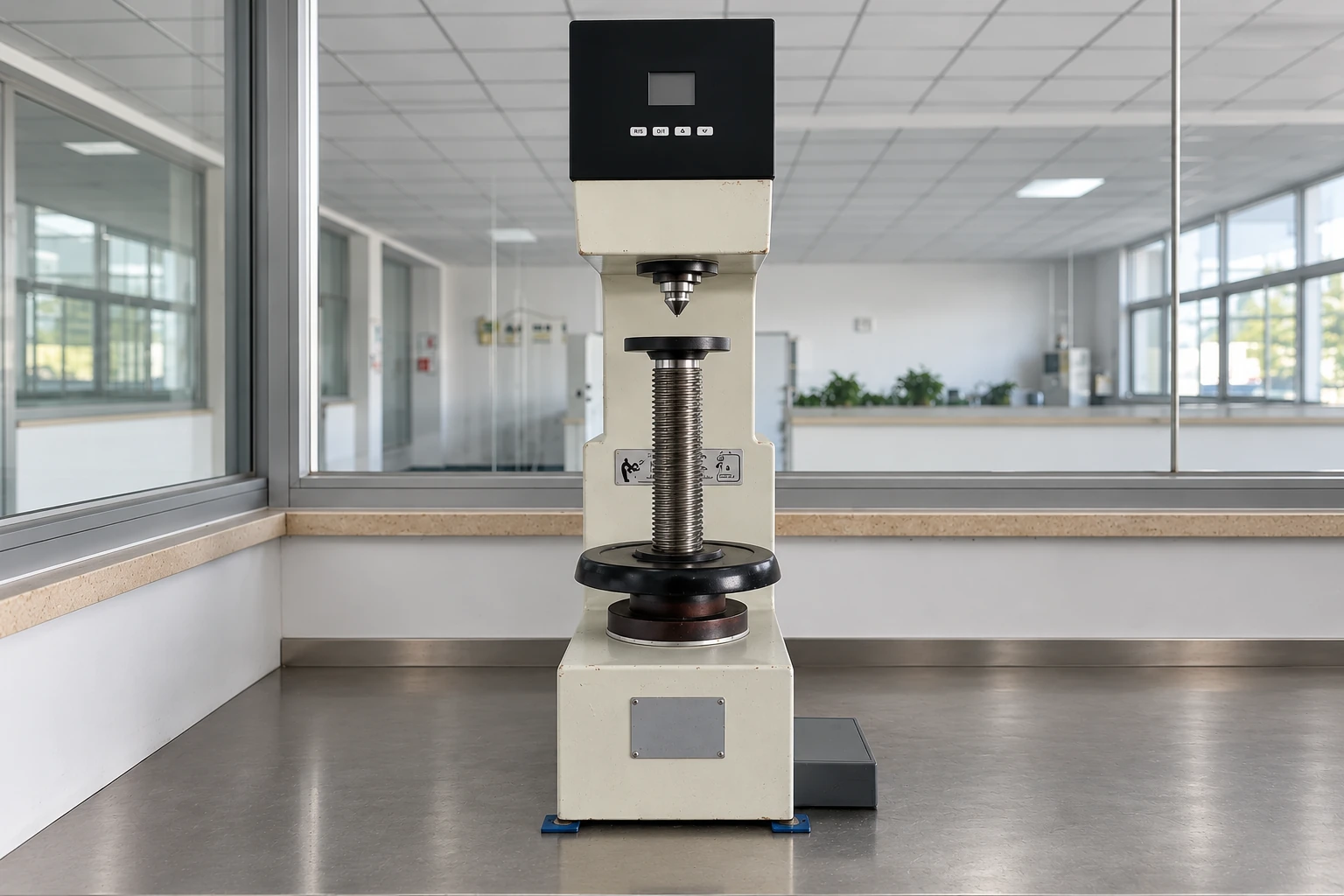
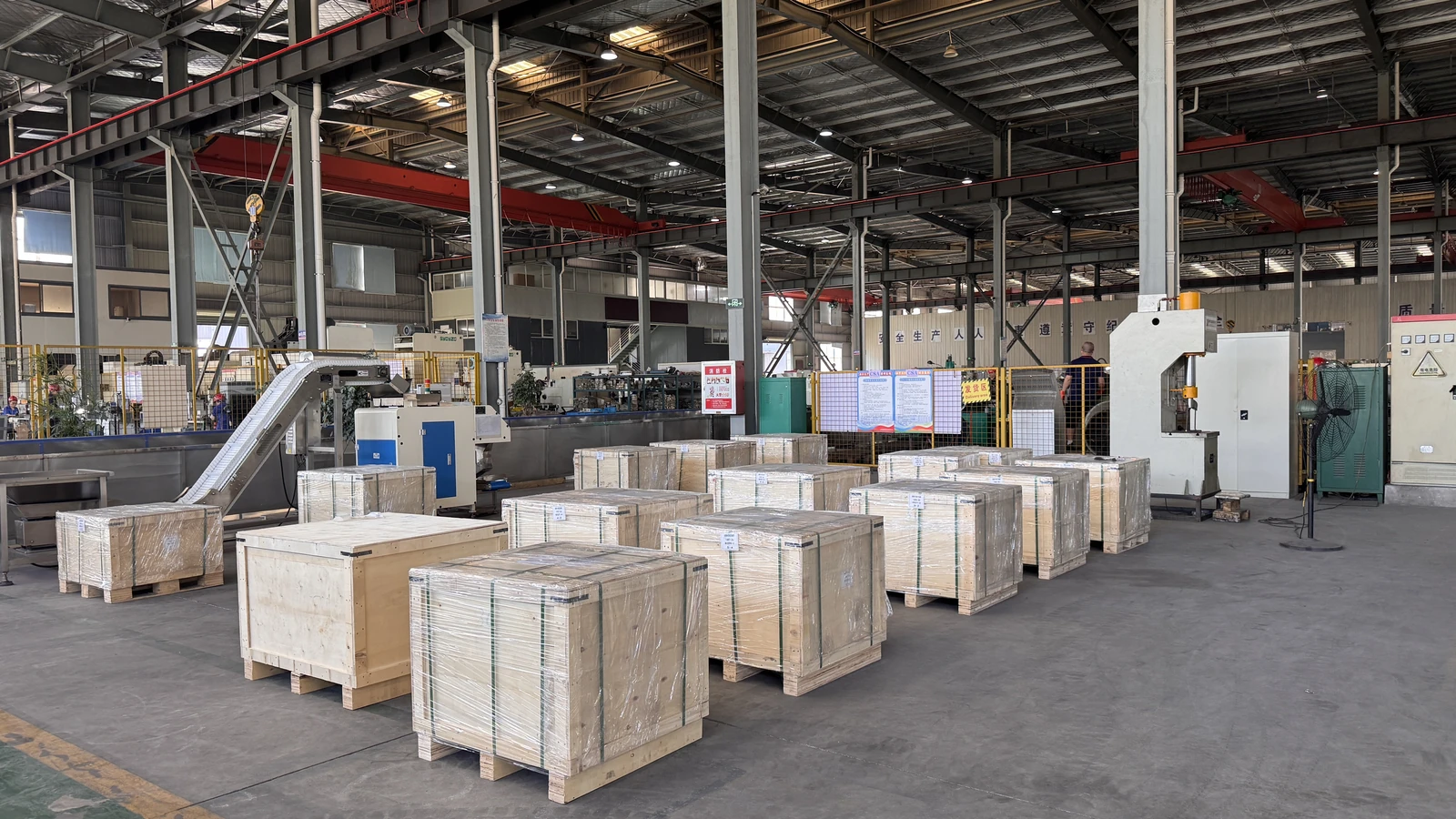
- 01Drawing & BOMForm, dimensions and quantity
- 02Material & formingGrade, heat and manufacturing route
- 03Final inspectionGeometry, threads and ordered tests
- 04Documents & dispatchLot records and identified packing
Order documents
- Material identity
- UNS N08825 · heat number · ordered condition
- Final-part acceptance
- Grade chemistry, supplied condition and ordered mechanical requirements.
- Dimensional record
- Bore · Outside diameter · Thickness · Burrs
- Traceability
- EN 10204 3.1 material certificate · production lot · identified packing
Build your 825 washer enquiry
Questions about 825 flat washers
Should the washer use the same alloy as the bolt?
The wetted assembly may need matching corrosion resistance, but the washer also needs sufficient bearing strength and thickness. The bolt grade does not by itself specify a hardened or load-rated washer.