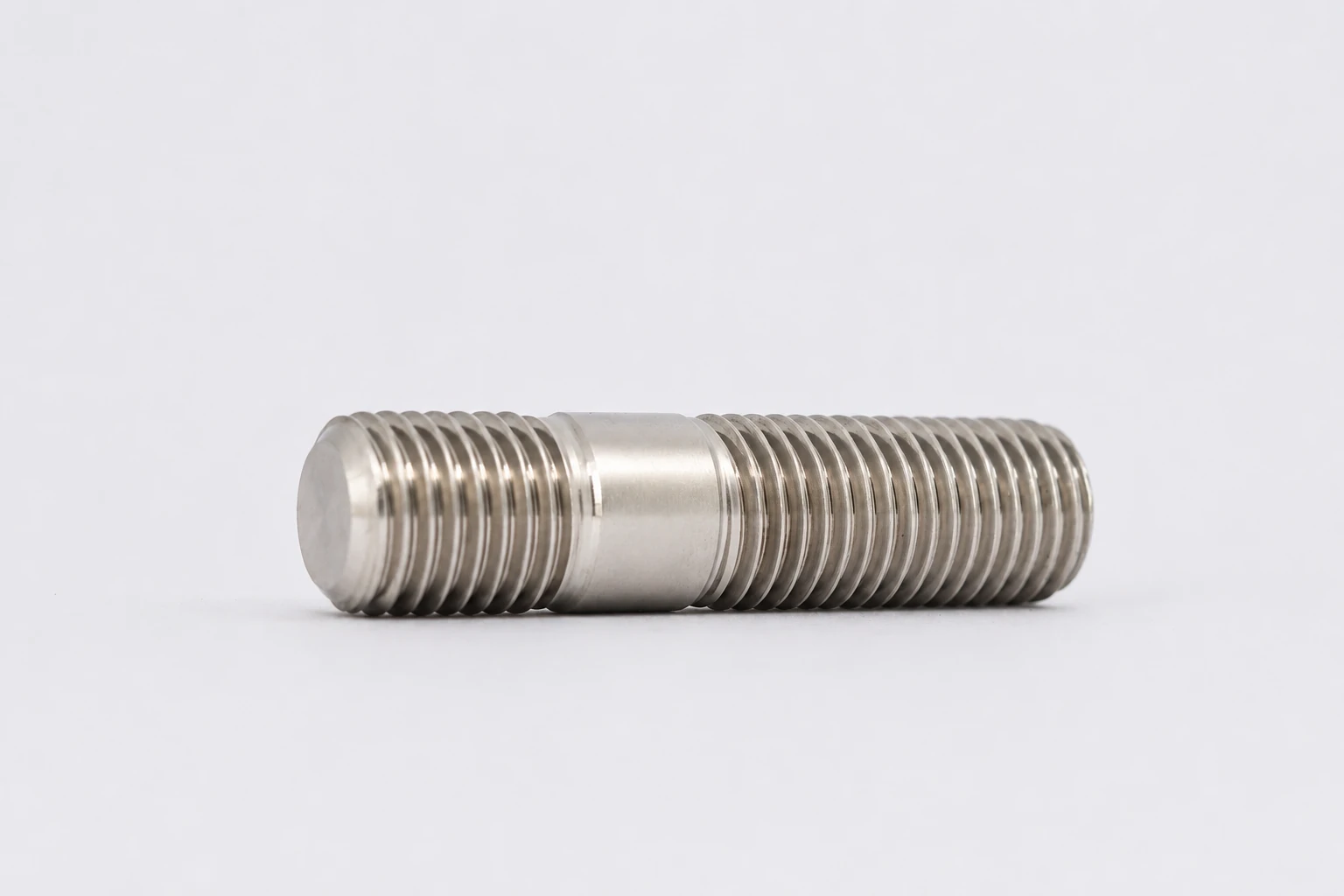
Incoloy 800HT Double-end studs
ASME B18.31.2ASTM B408
A Incoloy 800HT double-end stud leaves the installed end in the equipment body while the service nut is removed. Its tightly controlled carbon and Al + Ti for creep duty must cover the trapped body-end interface as well as the exposed end.
- MOQ
- 100PCS
- Samples · typical
- ~20 days
- Production · typical
- 25–35 days
- Heat treatment
- Solution annealed (≥1149°C / 2100°F)
EN 10204 3.1 MTC + heat-number traceability
Which standard is on your order?
Raw Material Specifications
Threads · Metric
Threads · Inch
Dimension Reference
Heat Treatment
Solution annealedThe specified solution treatment develops the controlled grain structure needed for sustained high-temperature creep duty.
What we can make in Alloy 800HT
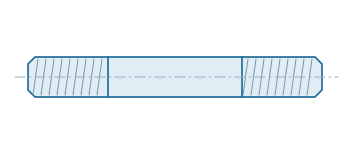
Clamping stud
Use for through-bolted covers and housings with access to both nuts. The plain grip spans the joint; independently sized threaded ends accommodate unequal nut-side clearances.
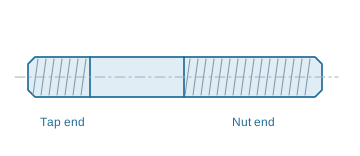
Tap-end stud
Use on valve bonnets and machine housings opened repeatedly for maintenance. The insertion end remains in the body while the outer nut is removed, reducing repeated wear of the housing thread.
- Thread systems
- Metric · UNC · UNF · 8UN · UNJ
- Geometry
- Two threaded ends · Plain shank
- Assembly
- Nut-to-nut · Tap-end
- Final condition
- Solution annealed (≥1149°C / 2100°F)
- Inspection
- End thread lengths · Shank diameter · Thread gauging
Manufacturing route
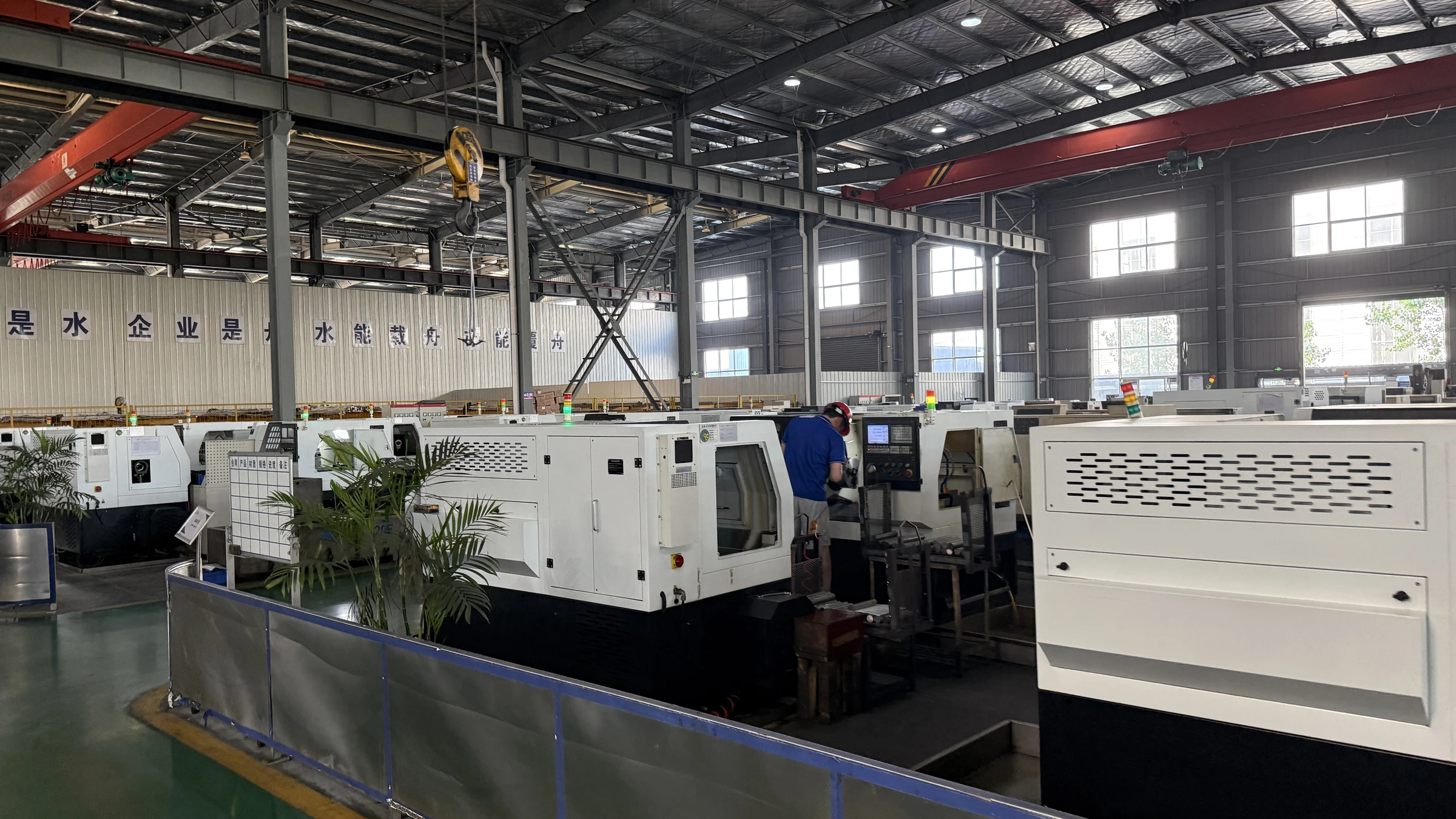
CNC machining suits samples and special end forms. Repeat lots use cut-to-length stock with rolling or cutting selected for the ordered thread and material condition.
Heat treatment & final condition
Solution annealing at a minimum of 1149°C (2100°F) establishes the coarse-grain condition used for creep resistance. The heat-treatment record and grain-size result identify this delivery state.
Finished geometry
End lengths, runout and effective thread engagement are checked separately from overall length; tap ends are gauged to their own fit requirement.
Where 800HT fits — and what matters

Furnaces & Heat Treatment
Retort and furnace-access coversIncoloy 800HT double-end studs connect retort and furnace-access covers through a threaded body end and an accessible nut end. The plain shank spans the cover grip. Hot dwell, thermal expansion and repeated furnace cycles set the working load.

Power & Turbines
Hot-gas access covers and inspection closuresIncoloy 800HT double-end studs connect hot-gas access covers and inspection closures through a threaded body end and an accessible nut end. The plain shank spans the cover grip. Hot dwell and start-stop expansion act on the supported or moving component.

Chemical Processing
Reformer access covers and hot-gas inspection closuresIncoloy 800HT double-end studs connect reformer access covers and hot-gas inspection closures through a threaded body end and an accessible nut end. The plain shank spans the cover grip. These parts work in the heated equipment zone, where sustained loading and thermal expansion govern their section and clearance.
Same double-end stud. Different material priorities.
Incoloy 800HT material dataIncoloy 800
UNS N08800- Carbon
- ≤0.10%
- What changes
- General heat and oxidation resistance; no grain-size requirement in the family comparison.
Incoloy 800H
UNS N08810- Carbon
- 0.05–0.10%
- What changes
- Controlled carbon and coarse-grain condition for creep and stress-rupture duty.
Incoloy 800HT
UNS N08811 · Current grade- Carbon
- 0.06–0.10%
- What changes
- Tighter carbon and Al + Ti control (0.85–1.20%), with solution treatment and coarse grain for creep duty.
From drawing to documented delivery
- 01Drawing & BOMForm, dimensions and quantity
- 02Material & formingGrade, heat and manufacturing route
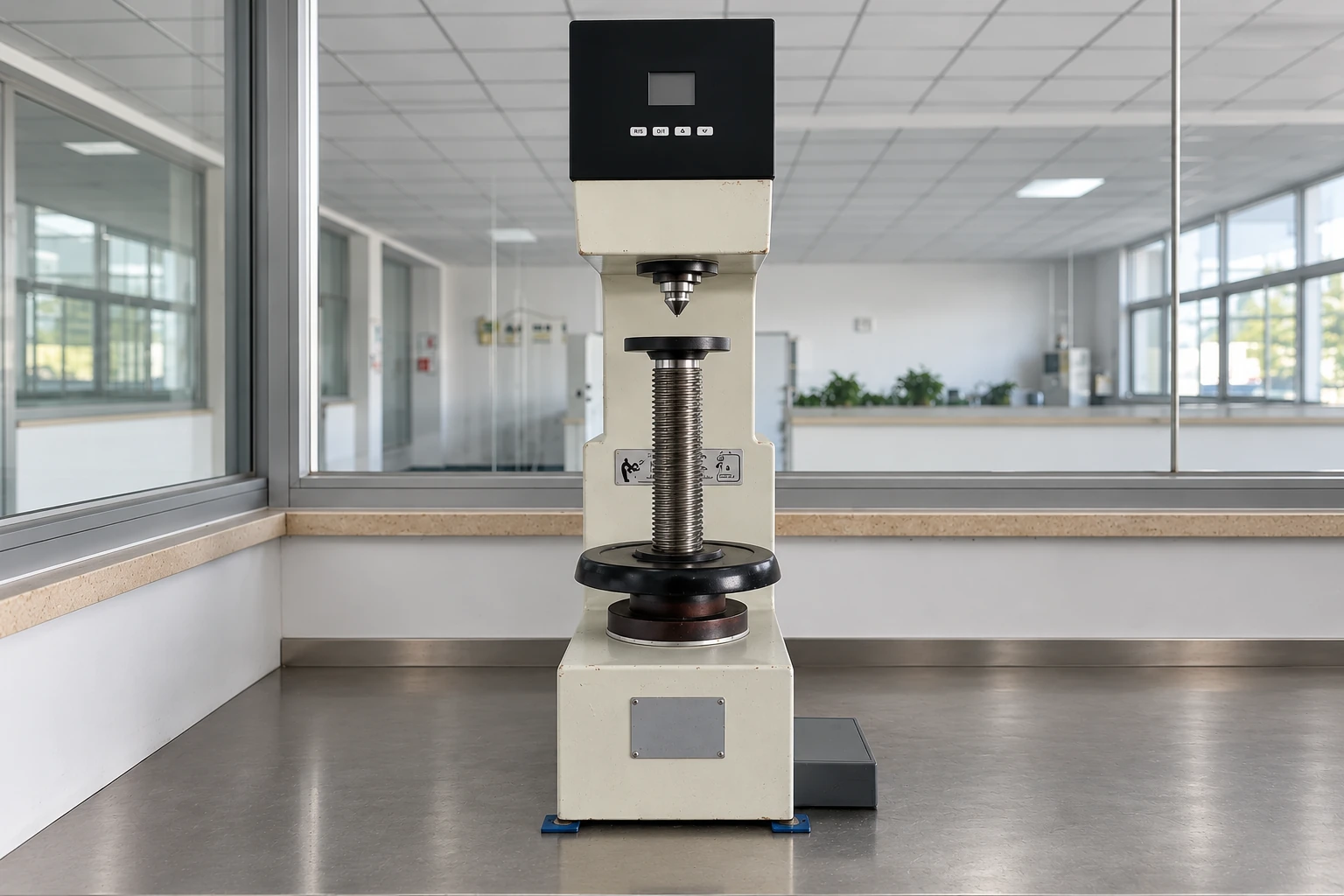
- 03Final inspectionGeometry, threads and ordered tests
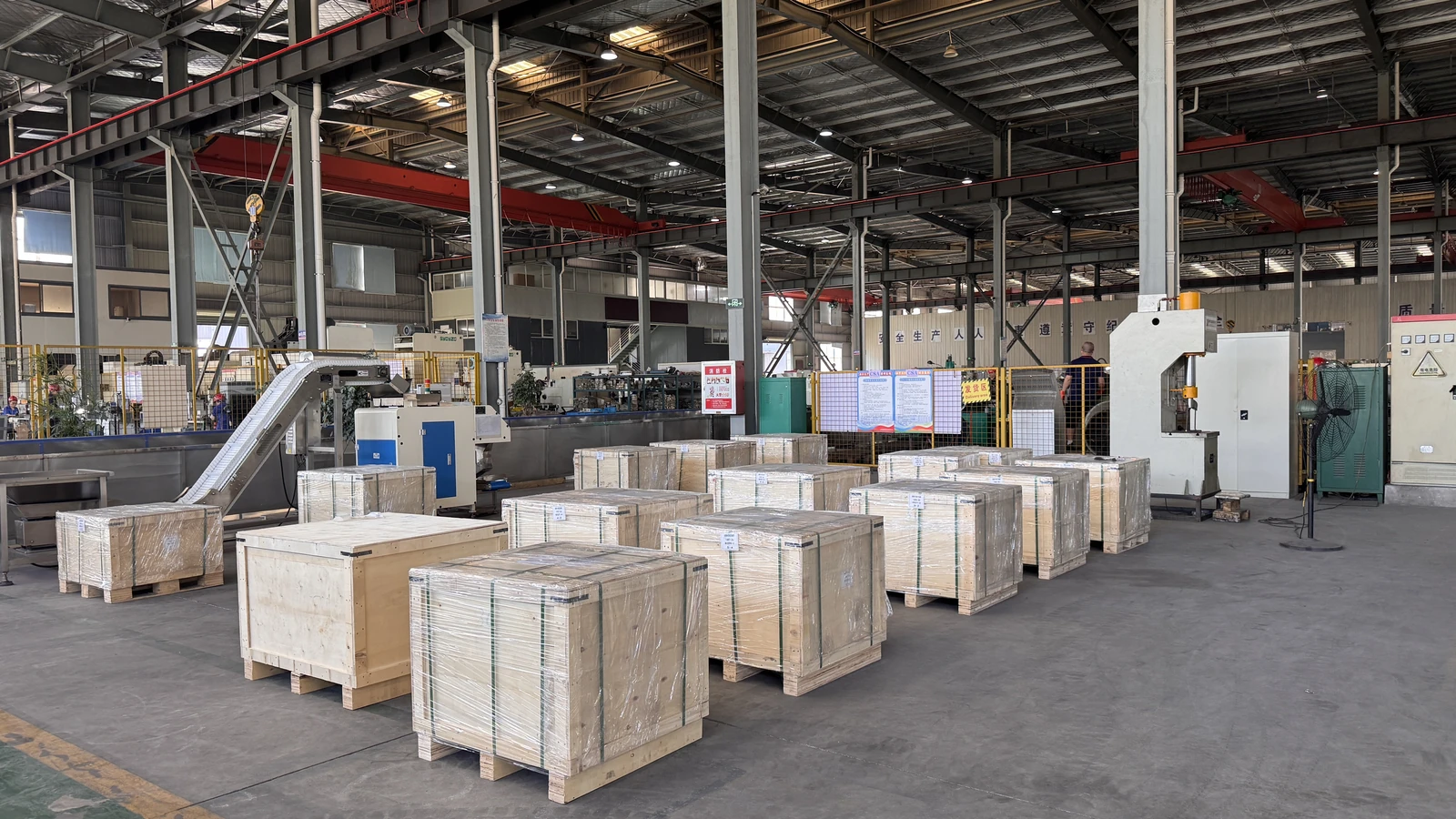
- 04Documents & dispatchLot records and identified packing
Order documents
- Material identity
- UNS N08811 · heat number · ordered condition
- Final-part acceptance
- UNS grade, carbon and alloy chemistry, solution-treatment record and ordered grain-size evidence.
- Dimensional record
- End thread lengths · Shank diameter · Thread gauging
- Traceability
- EN 10204 3.1 material certificate · production lot · identified packing
Build your 800HT double-end stud enquiry
Questions about 800HT double-end studs
Can both ends use the same thread designation?
They can, but the body end may require a different fit or engagement from the nut end. Record each end separately, including a different pitch or interference requirement where the equipment drawing uses one.