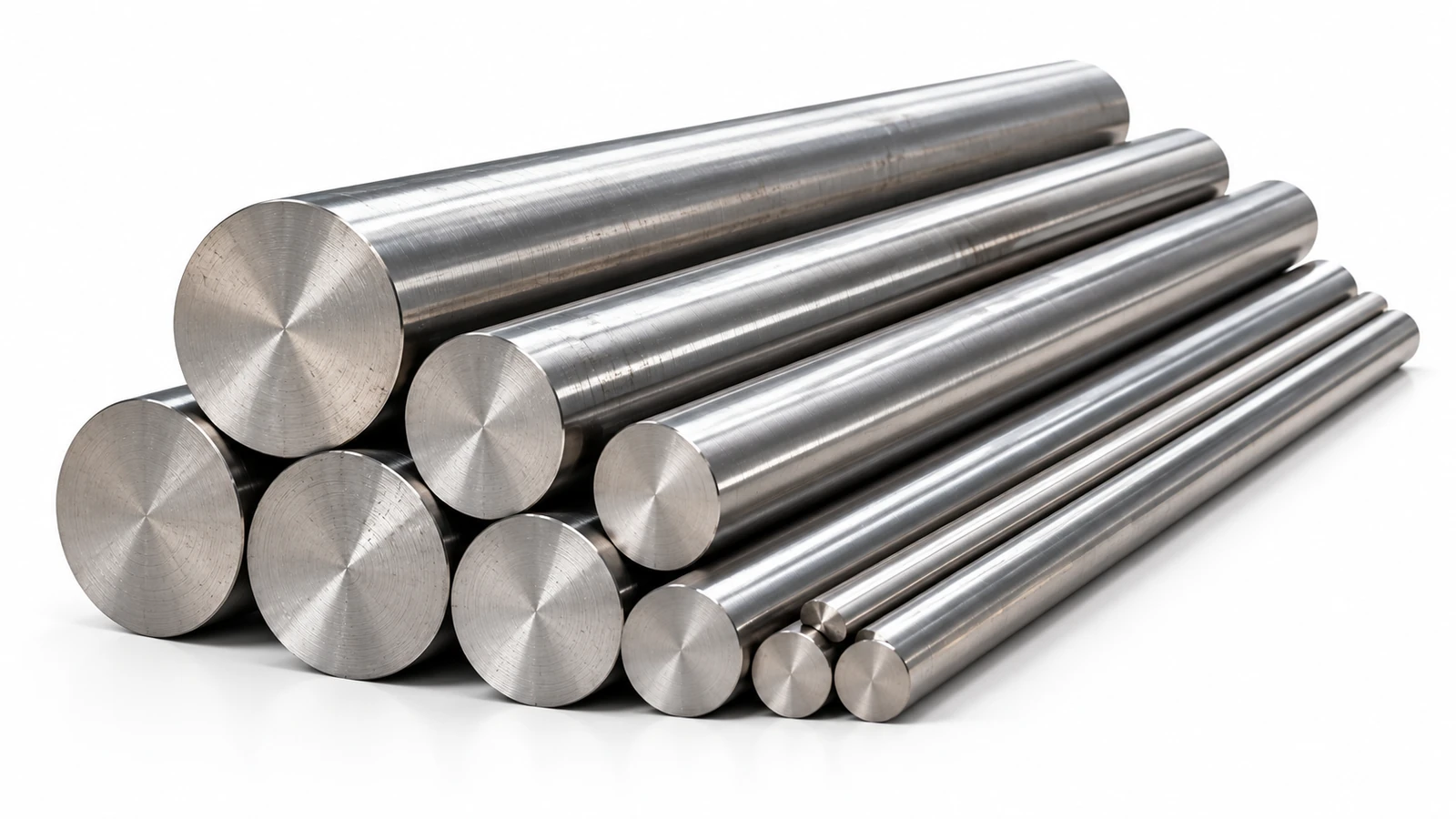
Incoloy 800 round bar
ASTM B408
Incoloy 800 round bar supplies heat and oxidation resistance for thermal equipment to machined shafts, retainers and fastening parts. Diameter allowance and delivery condition determine the route from stock to the final loaded section.
- MOQ
- 100 kg
- Samples · typical
- ~20 days
- Production · typical
- 25–35 days
- Heat treatment
- Annealed
EN 10204 3.1 MTC + heat-number traceability
Which standard is on your order?
Raw Material Specifications
Heat Treatment
AnnealedAnnealing reduces work hardening and restores ductility for the specified supplied condition.
What we can make in Alloy 800

Full-length bar
Use for repeated turning of shafts, studs and valve components from one heat-traceable stock length. Bar diameter must include machining allowance for the finished surface and straightness.

Cut blank
Use saw-cut blanks for short-run machining or forging starts. Cutting allowance and end squareness affect how much usable length remains after facing.
- Section
- Solid round
- Size
- Diameter × length
- Surface
- Turned · Ground · Drawn
- Supply form
- Bars · Cut pieces
- Final condition
- Annealed
- Inspection
- Cross-section · Surface · Delivery condition · Heat identity
Supply & preparation
Cut lengths preserve the heat identity of the original bar. Turning or grinding allowance follows the required finished diameter.
Material condition
The ordered annealed or solution-treated state is retained in the lot record; forming and machining do not replace the specified thermal condition.
Finished geometry
Diameter, straightness, surface condition and cut length are checked against the stock order.
Where 800 fits — and what matters
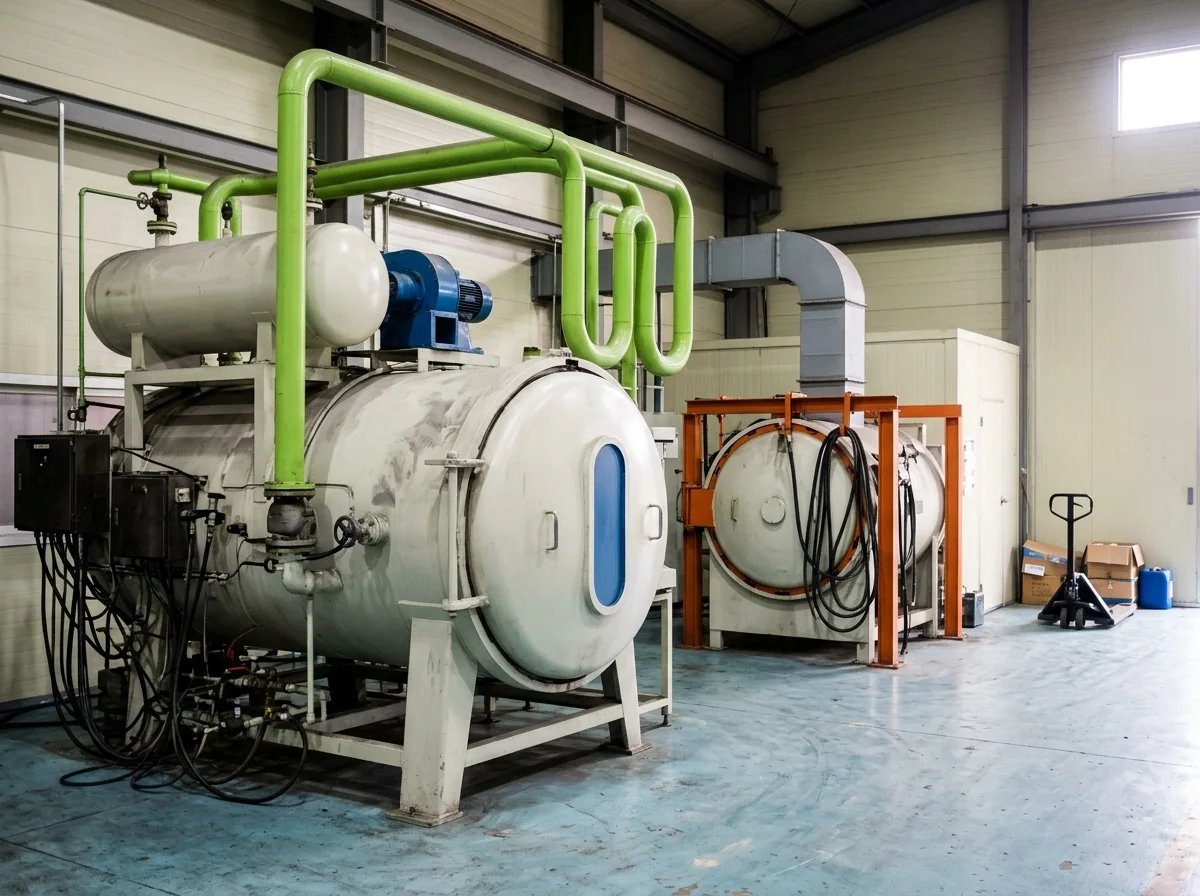
Furnaces & Heat Treatment
Fixture pivots and conveyor shaftsIncoloy 800 round bar provides machining stock for fixture pivots and conveyor shafts, including turned shoulders, bearing seats and threaded ends. Bar diameter includes the allowance for finishing the final part. Hot dwell, thermal expansion and repeated furnace cycles set the working load.
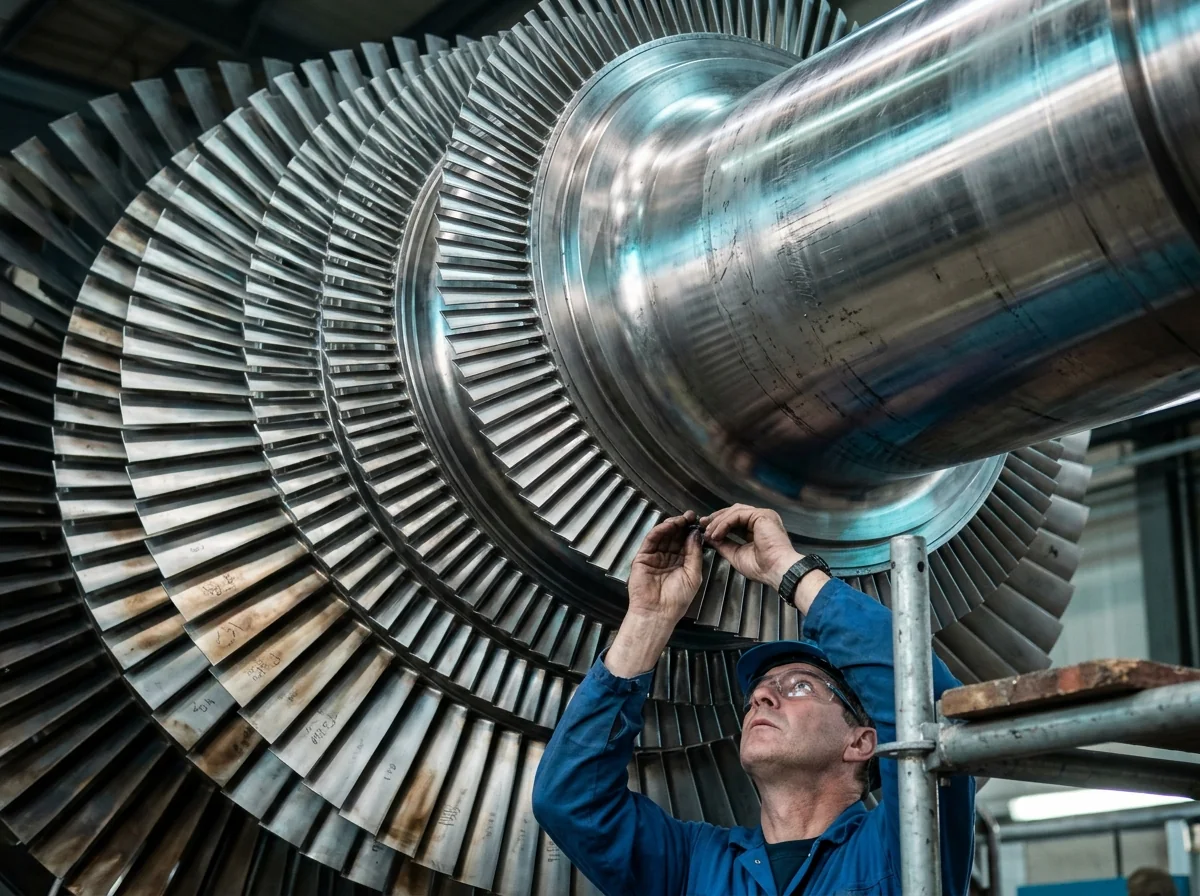
Power & Turbines
Hot-duct linkage pins and damper spindlesIncoloy 800 round bar provides machining stock for hot-duct linkage pins and damper spindles, including turned shoulders, bearing seats and threaded ends. Bar diameter includes the allowance for finishing the final part. Hot dwell and start-stop expansion act on the supported or moving component.

Chemical Processing
Reformer support pins and heater-fixture rodsIncoloy 800 round bar provides machining stock for reformer support pins and heater-fixture rods, including turned shoulders, bearing seats and threaded ends. Bar diameter includes the allowance for finishing the final part. These parts work in the heated equipment zone, where sustained loading and thermal expansion govern their section and clearance.
Same round bar. Different material priorities.
Incoloy 800 material dataIncoloy 800
UNS N08800 · Current grade- Carbon
- ≤0.10%
- What changes
- General heat and oxidation resistance; no grain-size requirement in the family comparison.
Incoloy 800H
UNS N08810- Carbon
- 0.05–0.10%
- What changes
- Controlled carbon and coarse-grain condition for creep and stress-rupture duty.
Incoloy 800HT
UNS N08811- Carbon
- 0.06–0.10%
- What changes
- Tighter carbon and Al + Ti control (0.85–1.20%), with solution treatment and coarse grain for creep duty.
From drawing to documented delivery
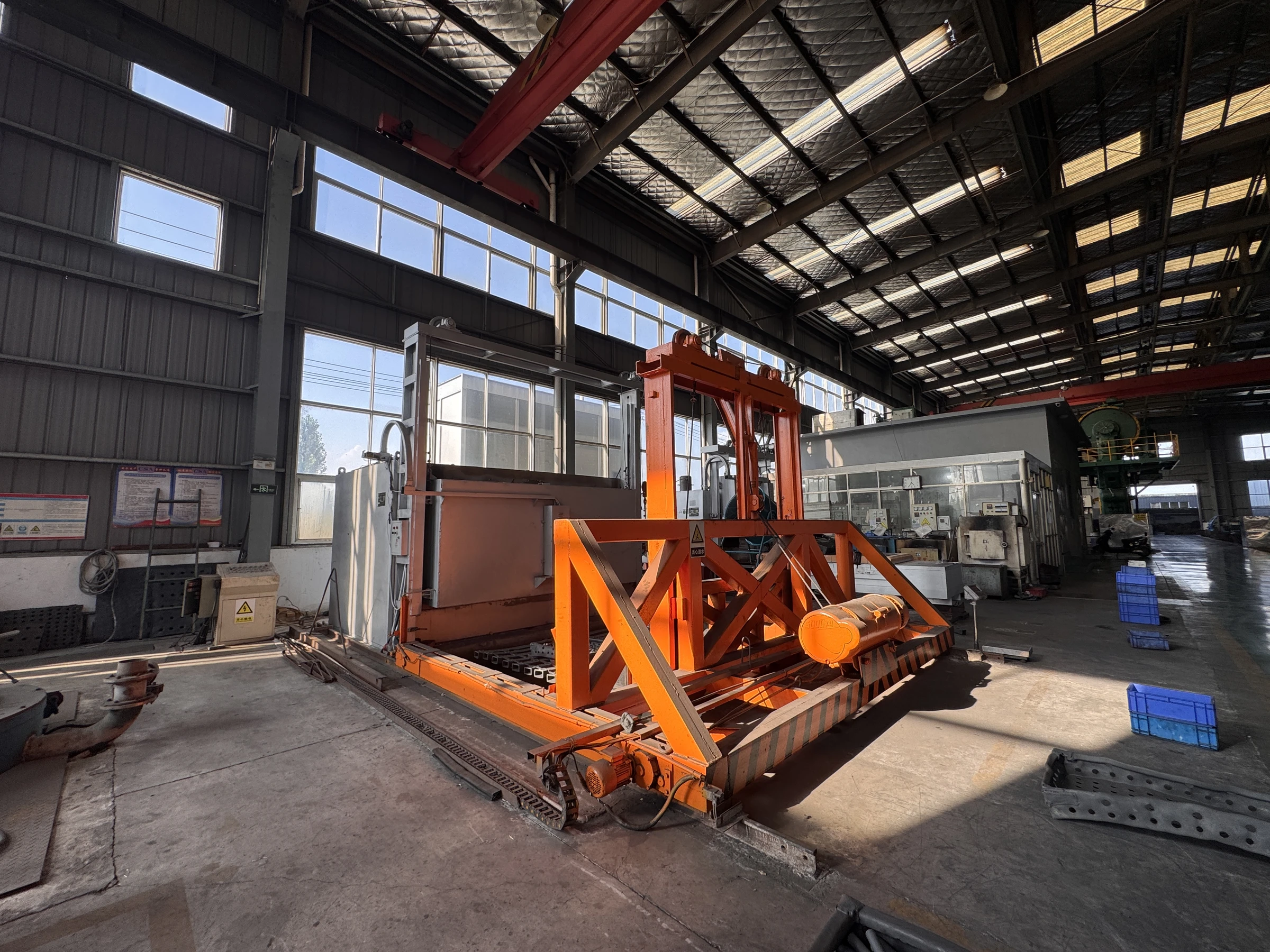
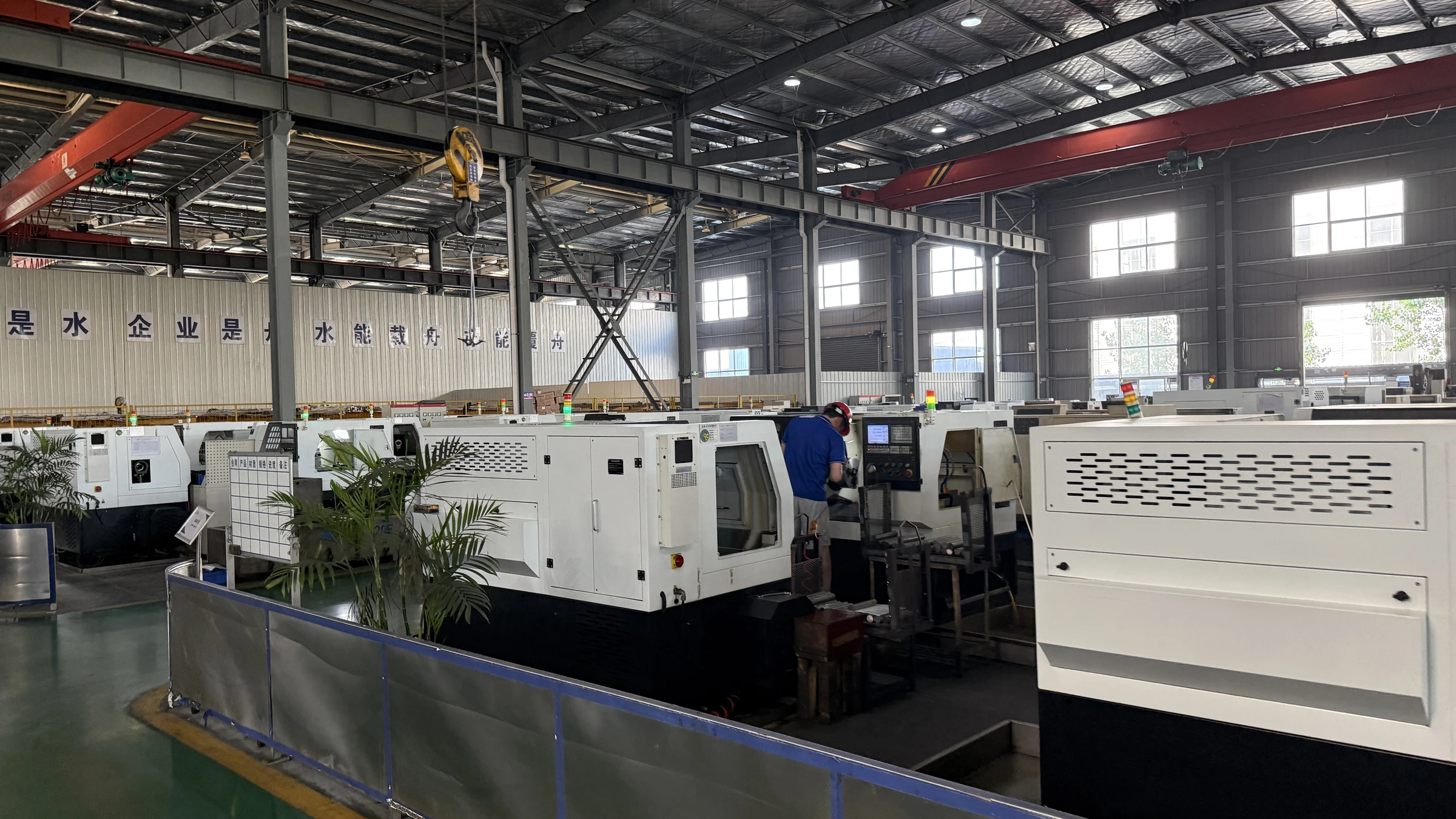
- 01Drawing & BOMForm, dimensions and quantity
- 02Material & formingGrade, heat and manufacturing route
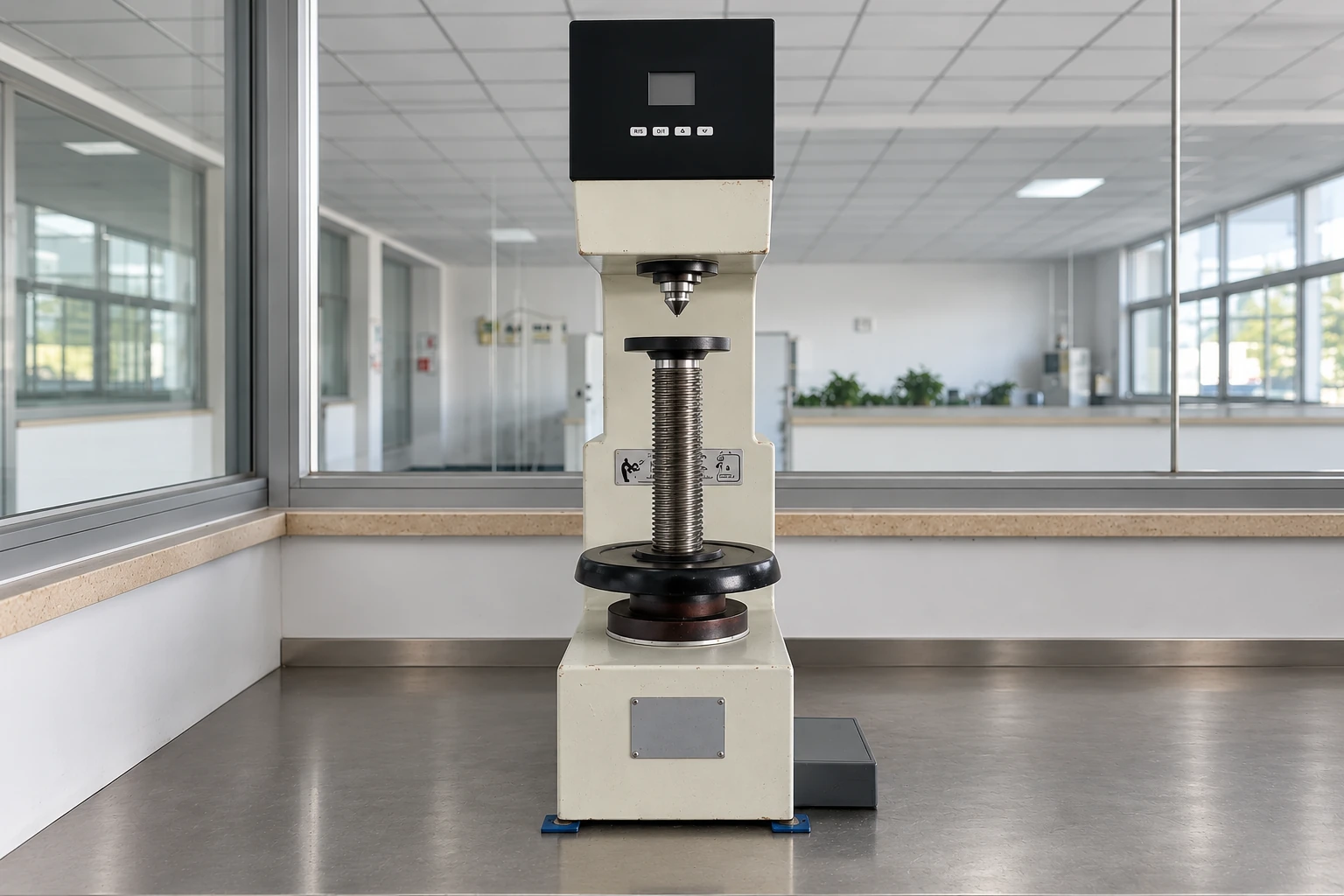
- 03Final inspectionGeometry, threads and ordered tests
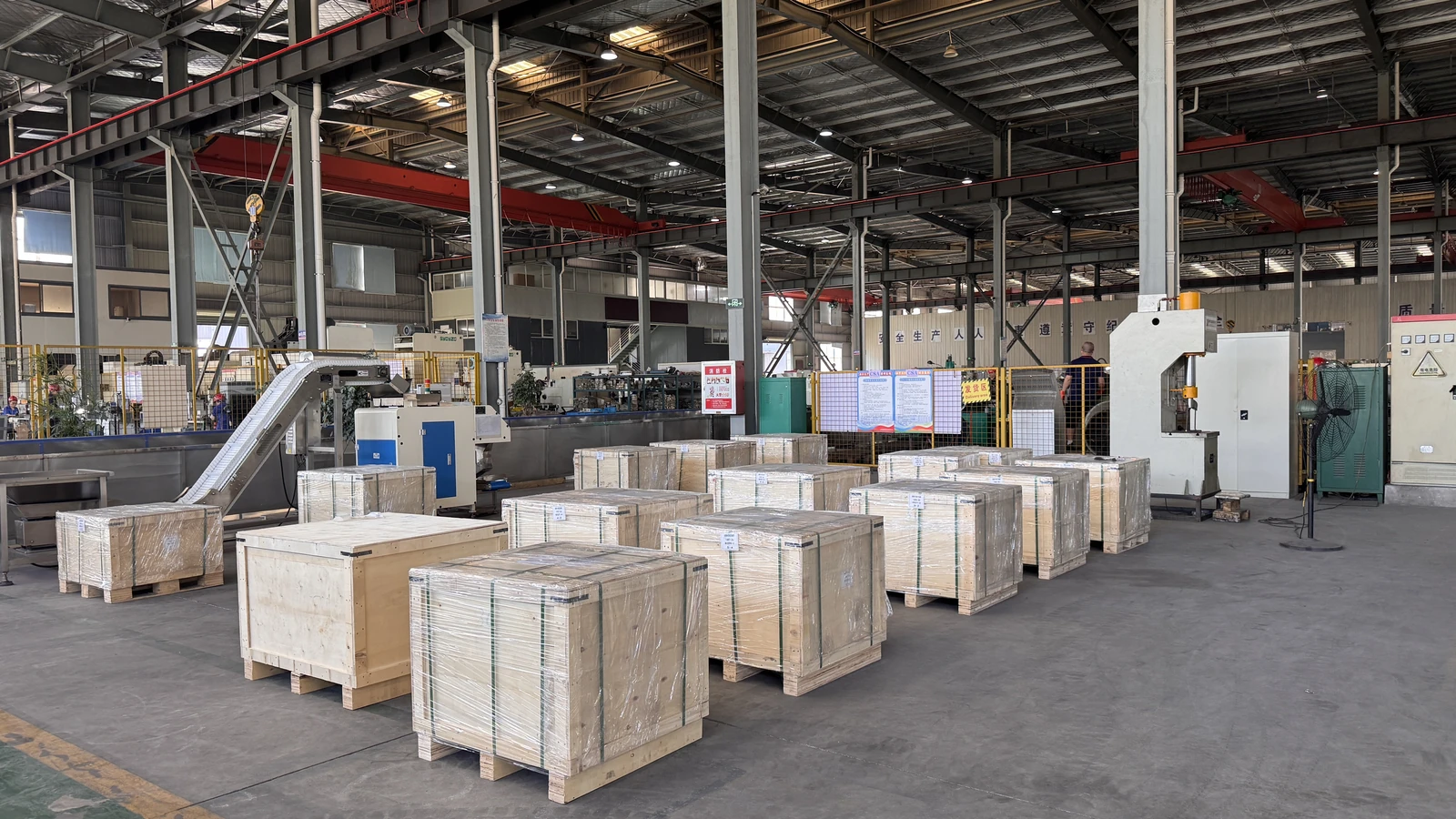
- 04Documents & dispatchLot records and identified packing
Order documents
- Material identity
- UNS N08800 · heat number · ordered condition
- Stock acceptance
- Grade chemistry, supplied condition and ordered mechanical requirements.
- Dimensional record
- Cross-section · Surface · Delivery condition · Heat identity
- Traceability
- EN 10204 3.1 material certificate · production lot · identified packing
Build your 800 round bar enquiry
Questions about 800 round bar
Is the bar condition the same as the finished-part condition?
Not necessarily. A solution-treated or annealed blank may be selected for machining before a specified final treatment. Stock and finished-part mechanical records need to identify the conditions they represent.