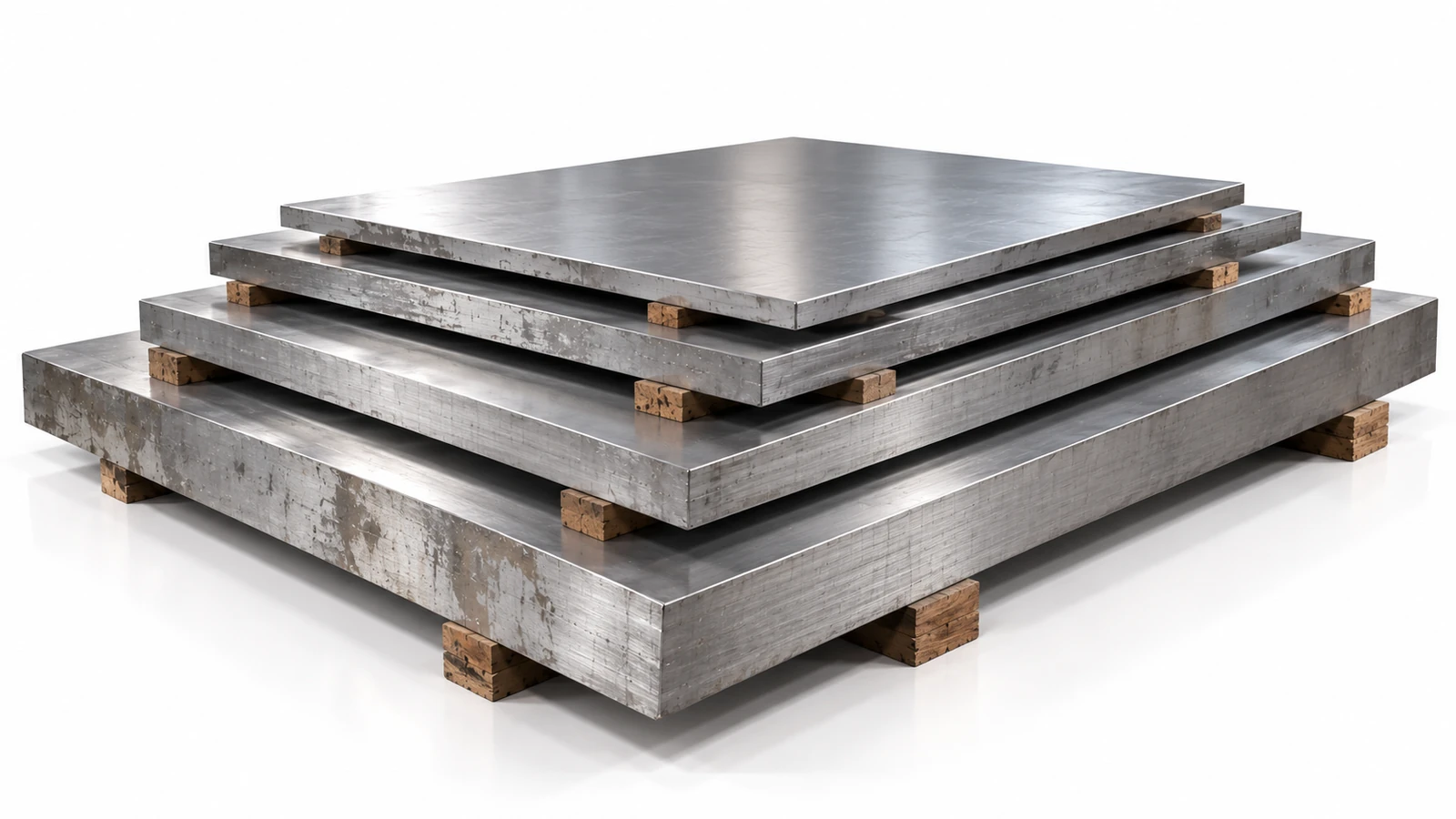
Nimonic 75 plate & sheet
BS HR 203
Nimonic 75 plate and sheet provide oxidation resistance in heat-processing equipment for cut, formed or fabricated components. Thickness, flatness and thermal history determine how the stock becomes a usable cover, liner or structural section.
- MOQ
- 100 kg
- Samples · typical
- ~20 days
- Production · typical
- 25–35 days
- Heat treatment
- Annealed
EN 10204 3.1 MTC + heat-number traceability
Which standard is on your order?
Raw Material Specifications
Heat Treatment
AnnealedAnnealing reduces work hardening and restores ductility for the specified supplied condition.
What we can make in Nimonic 75
Plate
Use for machined covers, tube sheets and equipment plates. Include finishing allowance where machining must remove mill scale or achieve flat gasket and bearing faces.

Sheet
Use for formed covers, ducting and thermal shields where bendability and thickness consistency matter. Surface finish and grain direction can affect visible surfaces and bend quality.

Cut blanks
Use cut profiles to reduce workshop cutting and material waste before fabrication. Hole position, edge finish and heat-affected edges matter when the blank goes directly into forming or welding.
- Size
- Thickness × width × length
- Supply form
- Plate · Sheet · Cut blanks
- Geometry
- Flatness · Squareness · Edges
- Condition
- Grade-specific delivery condition
- Final condition
- Annealed
- Inspection
- Cross-section · Surface · Delivery condition · Heat identity
Supply & preparation
Plate or sheet is prepared as full pieces or cut blanks, with stock condition retained through cutting and identification.
Material condition
The ordered annealed or solution-treated state is retained in the lot record; forming and machining do not replace the specified thermal condition.
Finished geometry
Thickness, flatness, squareness and edge condition determine the usable blank.
Where Nimonic 75 fits — and what matters
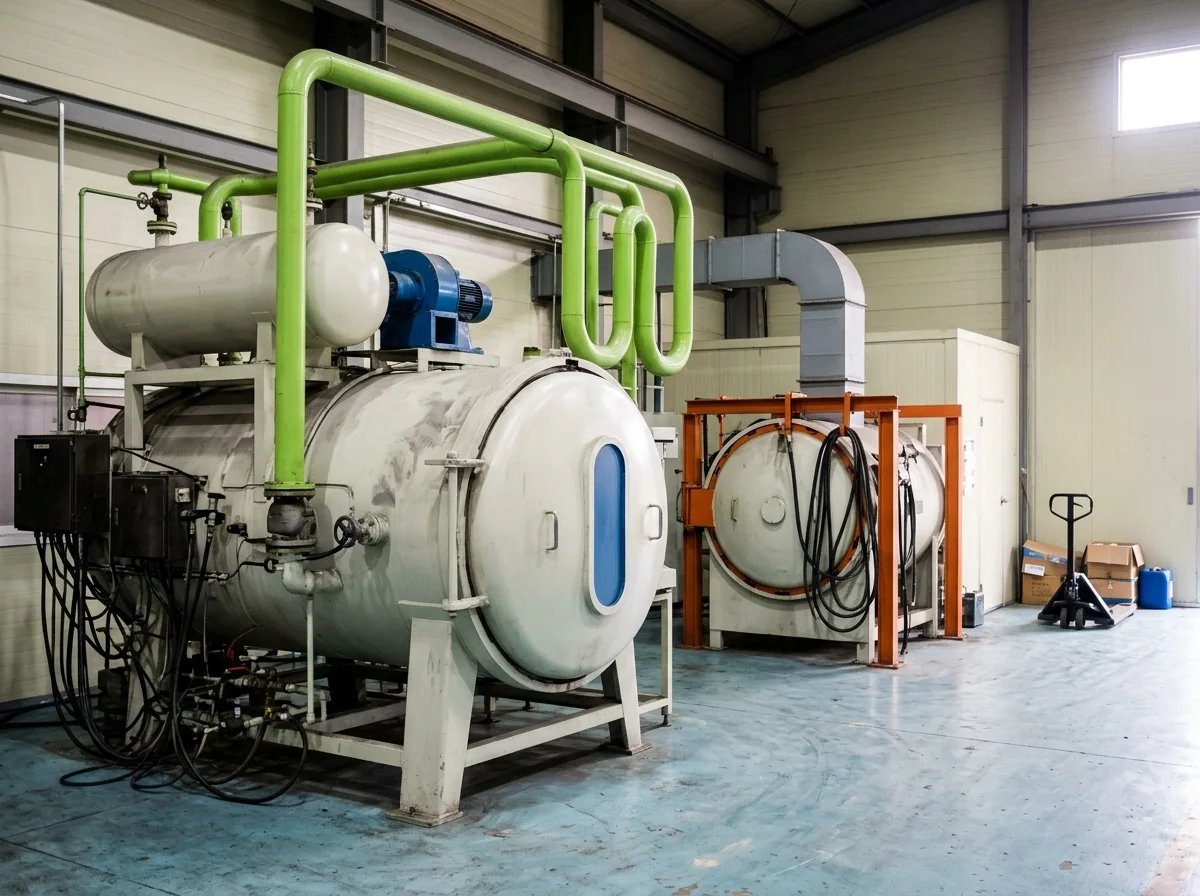
Furnaces & Heat Treatment
Furnace shields and casing panelsNimonic 75 plate & sheet are cut and formed into furnace shields and casing panels, support plates or cover blanks. Thickness and flatness set the available section before cutting, bending or joining. Hot dwell, thermal expansion and repeated furnace cycles set the working load.

Power & Turbines
Hot-duct shields and thermal bafflesNimonic 75 plate & sheet are cut and formed into hot-duct shields and thermal baffles, support plates or cover blanks. Thickness and flatness set the available section before cutting, bending or joining. Hot dwell and start-stop expansion act on the supported or moving component.
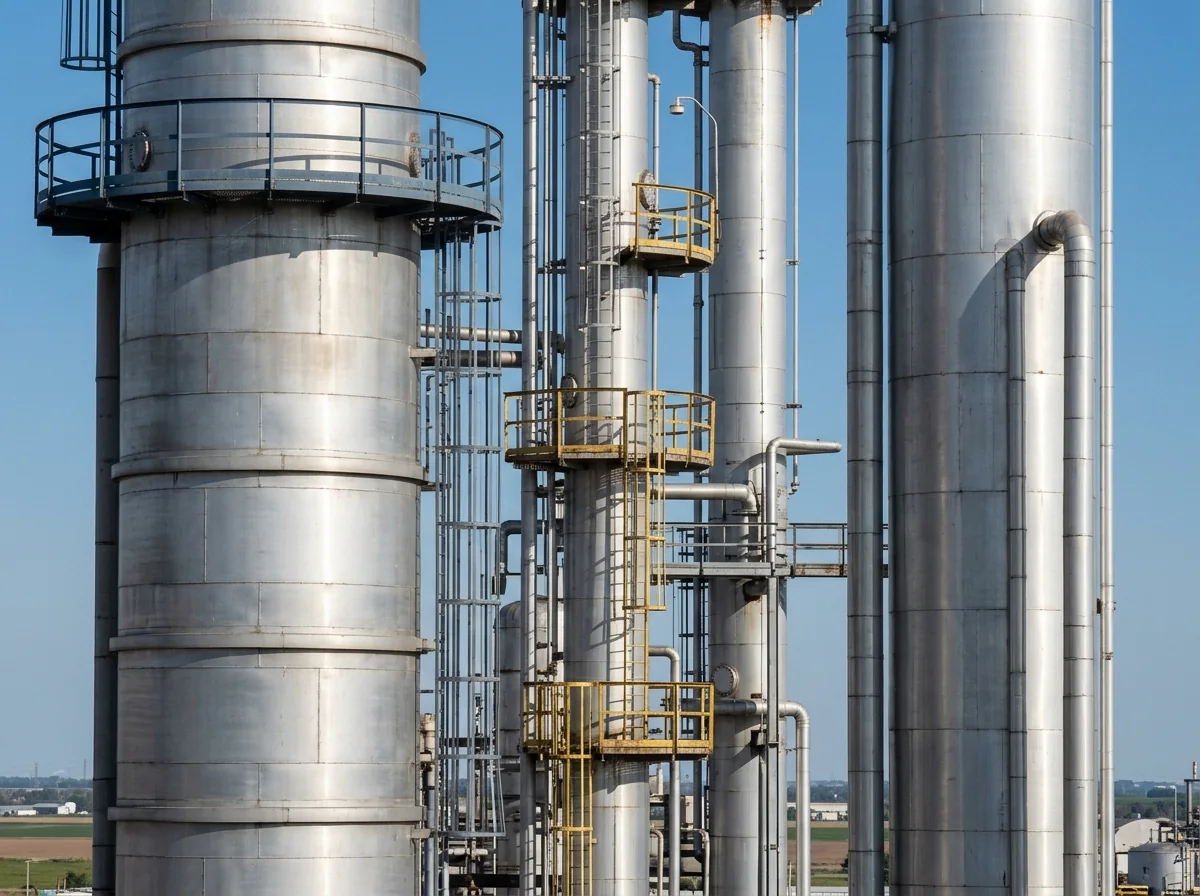
Chemical Processing
Process-heater shields and bafflesNimonic 75 plate & sheet are cut and formed into process-heater shields and baffles, support plates or cover blanks. Thickness and flatness set the available section before cutting, bending or joining. These parts work in the heated equipment zone, where sustained loading and thermal expansion govern their section and clearance.
Same plate & sheet. Different material priorities.
Nimonic 75 material dataIncoloy 800HT
Tightly controlled carbon and Al + Ti for creep duty.
- Connection priority
- Plate stiffness or the load carried by a formed section
- N08811 material control
- 800HT tightens the 800-family chemistry around creep performance. Its solution-treated, coarse-grain condition and N08811 identity should remain linked through forming and final acceptance. At formed corners, cut edges and welded seams, the relevant metal temperature can differ from the process or furnace set point.
Inconel 718
Precipitation-hardened strength for compact, highly loaded connections.
- Connection priority
- Plate stiffness or the load carried by a formed section
- Strength after aging
- Machine-stock properties and final aged properties describe different states. The final heat-treatment lot and mechanical results establish the strength available in the installed part. At formed corners, cut edges and welded seams, the relevant metal temperature can differ from the process or furnace set point.
A-286
Aged iron–nickel alloy strength for hot bolting.
- Connection priority
- Plate stiffness or the load carried by a formed section
- Grade 660 class
- An ASTM A453 Grade 660 order includes its class and corresponding processing requirements. The alloy name A-286 alone does not identify that acceptance condition. At formed corners, cut edges and welded seams, the relevant metal temperature can differ from the process or furnace set point.
From drawing to documented delivery
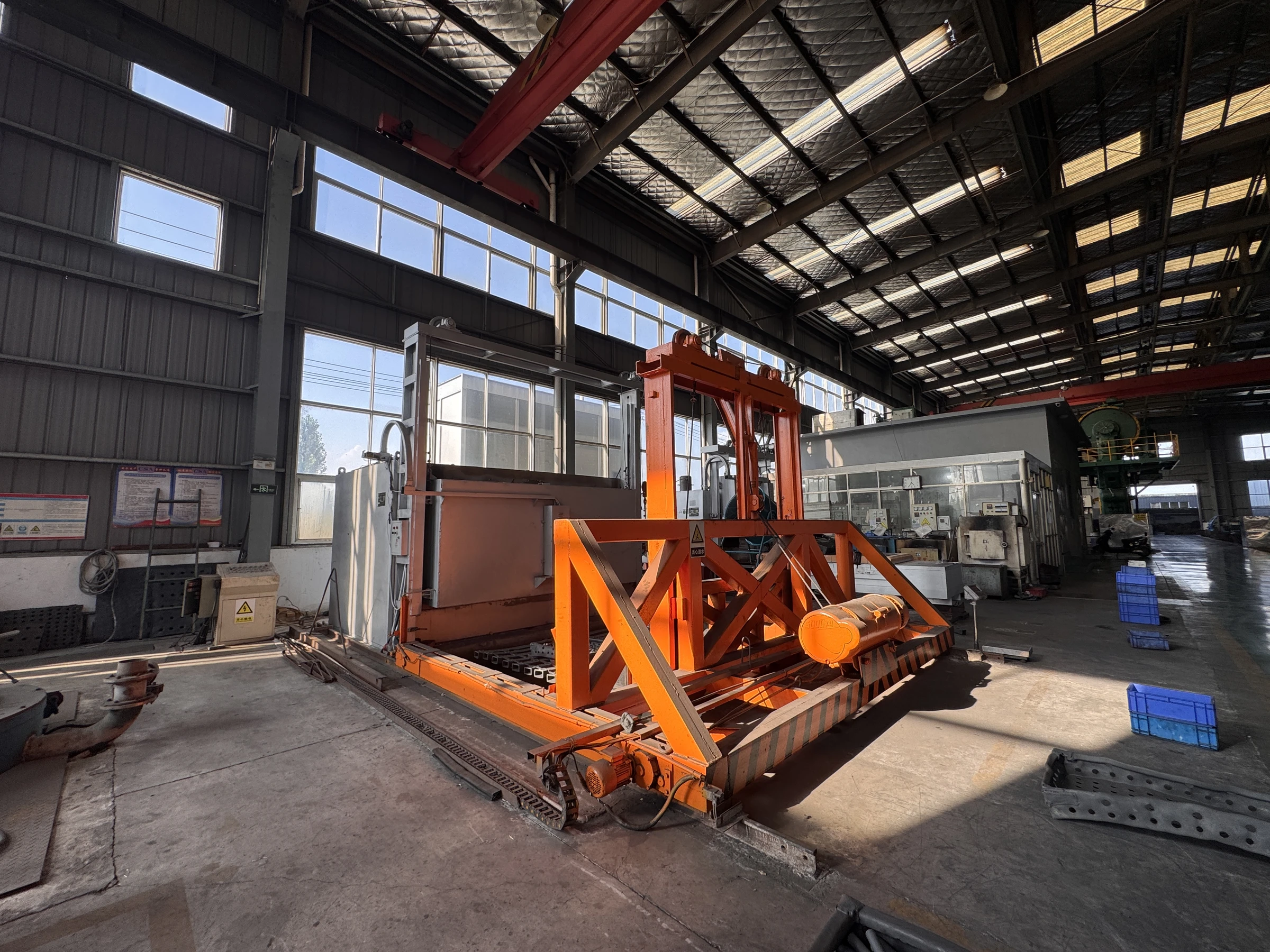
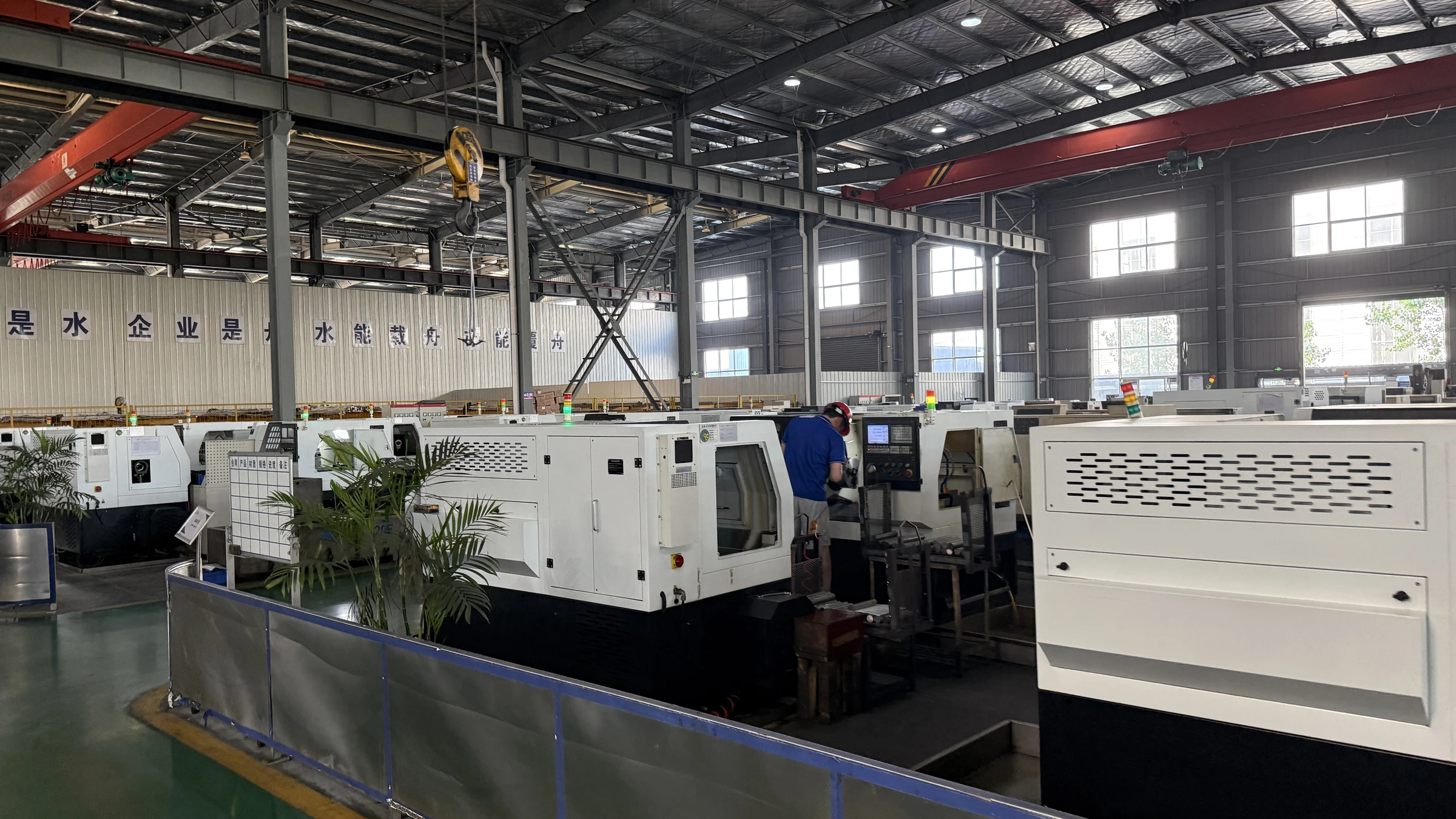
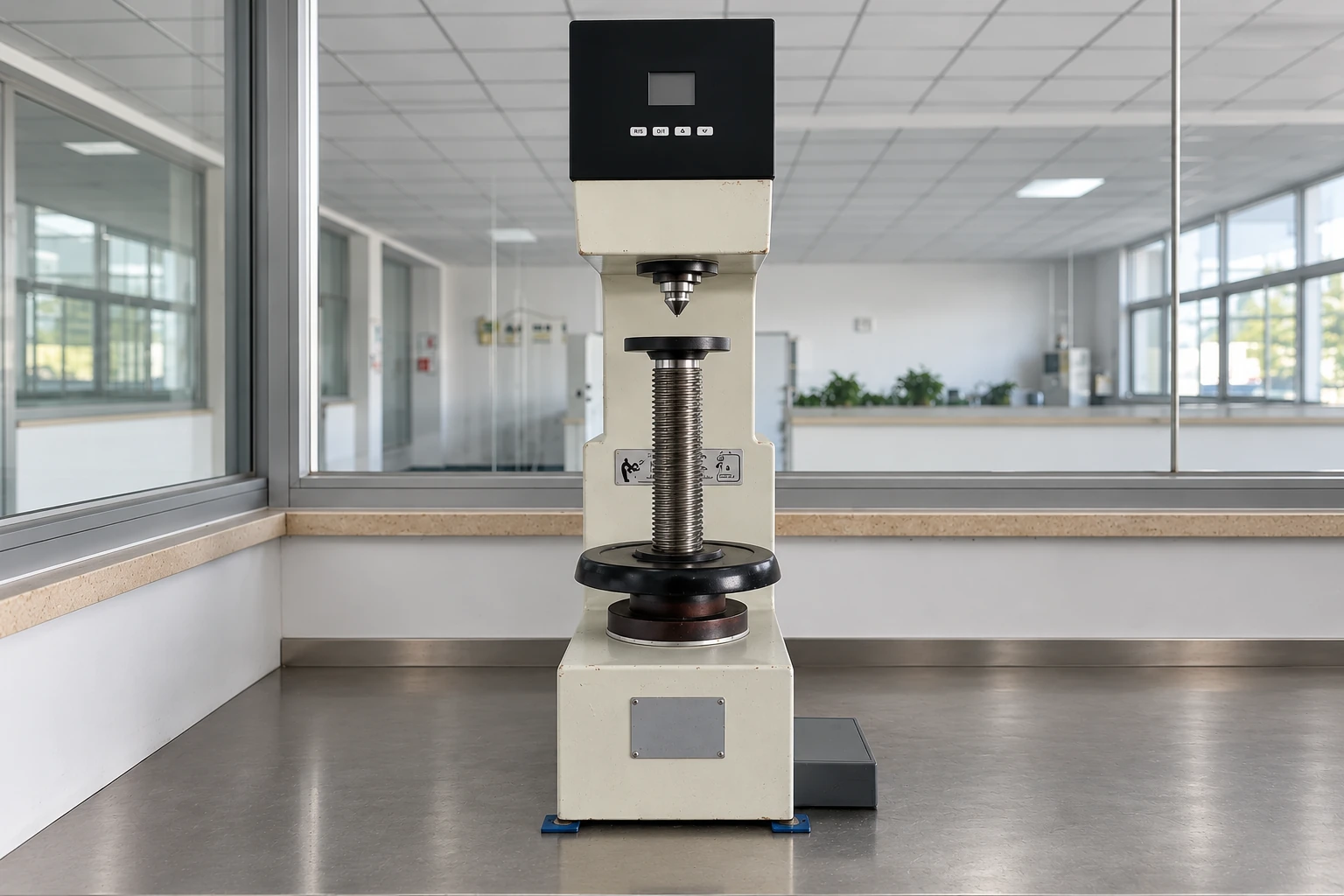
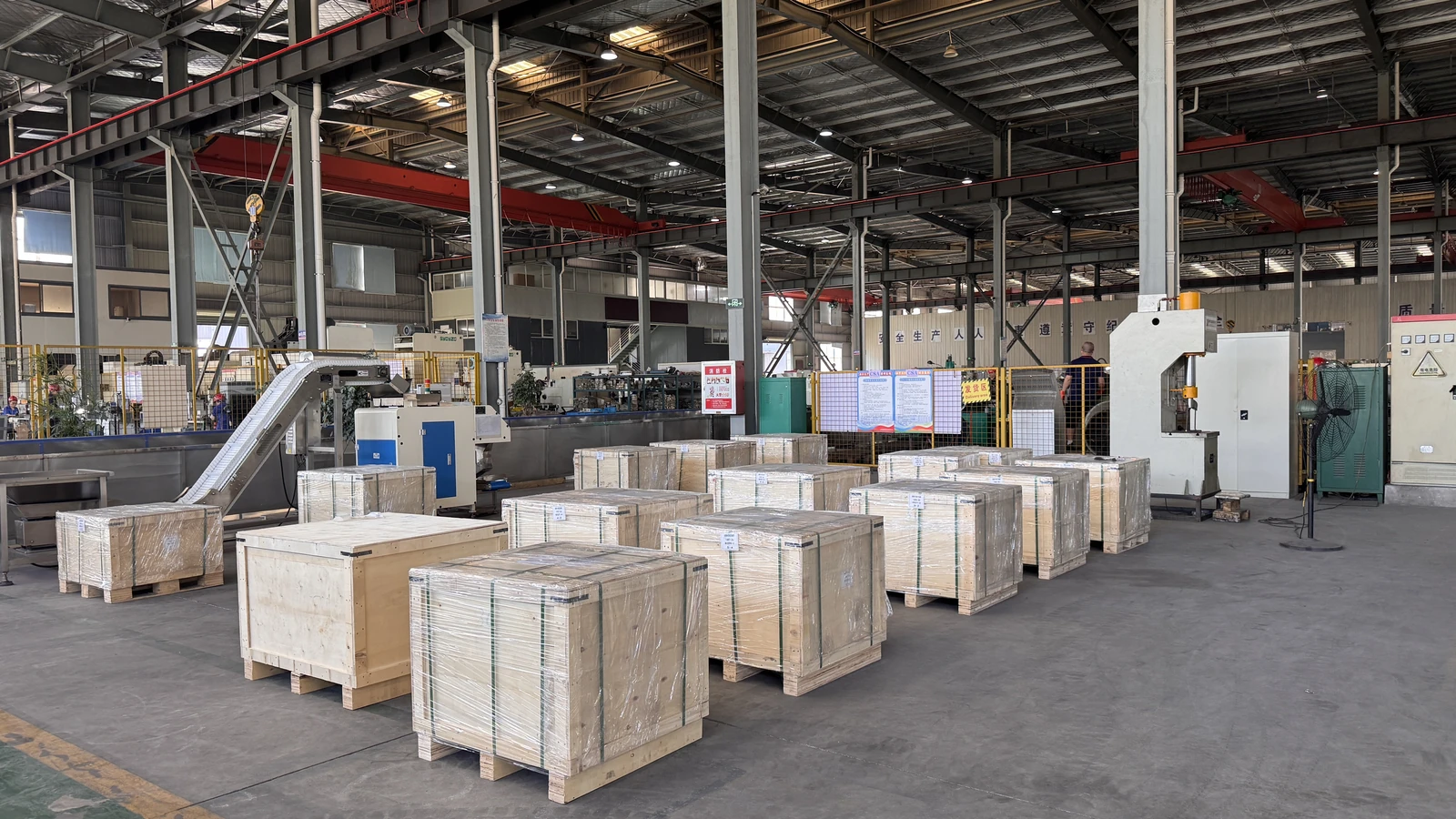
- 01Drawing & BOMForm, dimensions and quantity
- 02Material & formingGrade, heat and manufacturing route
- 03Final inspectionGeometry, threads and ordered tests
- 04Documents & dispatchLot records and identified packing
Order documents
- Material identity
- UNS N06075 · heat number · ordered condition
- Stock acceptance
- Grade chemistry, supplied condition and ordered mechanical requirements.
- Dimensional record
- Cross-section · Surface · Delivery condition · Heat identity
- Traceability
- EN 10204 3.1 material certificate · production lot · identified packing
Build your Nimonic 75 plate & sheet enquiry
Questions about Nimonic 75 plate & sheet
Which stock details matter beyond alloy and thickness?
Flatness, surface finish, edge preparation and any directional forming requirement influence the usable component. A cut blank also needs a heat identity that survives separation from the original sheet or plate.