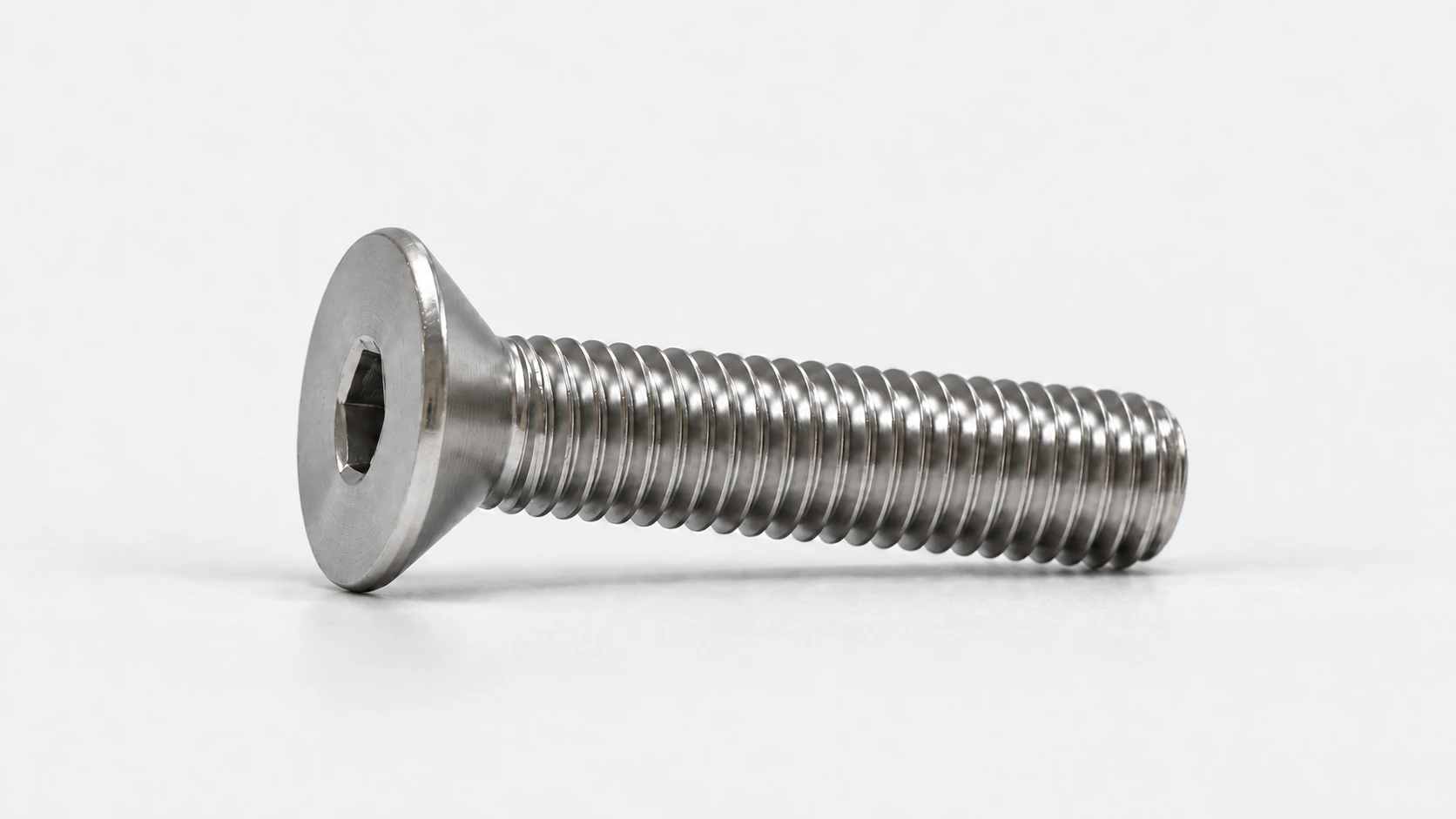
254 SMO Hex socket countersunk screws
ISO 10642ASTM A276
Flush seating puts the load into the conical head of a 254 SMO countersunk screw. High-molybdenum austenitic resistance to chloride exposure is combined with a matching head angle and acceptance of the reduced head section.
- MOQ
- 100PCS
- Samples · typical
- ~20 days
- Production · typical
- 25–35 days
- Heat treatment
- Solution annealed
EN 10204 3.1 MTC + heat-number traceability
Which standard is on your order?
Raw Material Specifications
Threads · Metric
Threads · Inch
Dimension Reference
Heat Treatment
Solution annealedSolution annealing and rapid cooling retain alloying elements in solution and restore the specified corrosion-resistant condition.
What we can make in 254 SMO
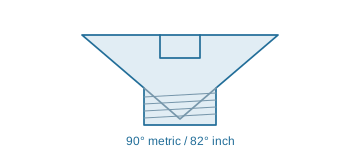
Head angle & seating
90° metric and 82° inch heads need matching countersinks. Head diameter and recess depth control whether the screw sits flush.
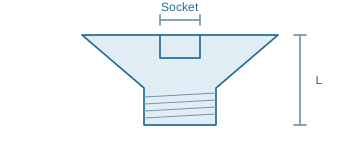
Socket & overall length
Specify overall length including the head. Socket size and depth govern key engagement, especially in shallow head sections.
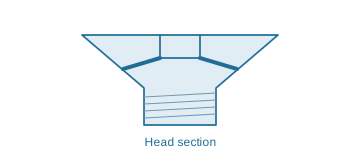
Reduced head loadability
ISO 10642 identifies reduced loadability from the countersunk head and socket geometry. For Inconel 718 or A-286, assess head capacity and seating contact alongside the specified material strength and assembly preload.
- Drive
- Internal hex socket
- Head angle
- 90° metric · 82° inch
- Length basis
- Overall, including head
- Threads
- Metric · UNC · UNF · UNJ
- Final condition
- Solution annealed
- Inspection
- Head angle & diameter · Socket size & depth · Overall length · Thread gauges
Manufacturing route
CNC machining suits samples and small lots. Cold heading or hot forging is selected for volume production according to alloy formability, head section and size.
Heat treatment & final condition
The final annealed or specified strengthened condition is linked to the lot; an aging treatment is not assumed for a solid-solution alloy.
Finished geometry
Head angle, socket depth and the head-to-shank transition are inspected with the thread; the reduced head section remains part of finished-part acceptance.
Where 254 SMO fits — and what matters
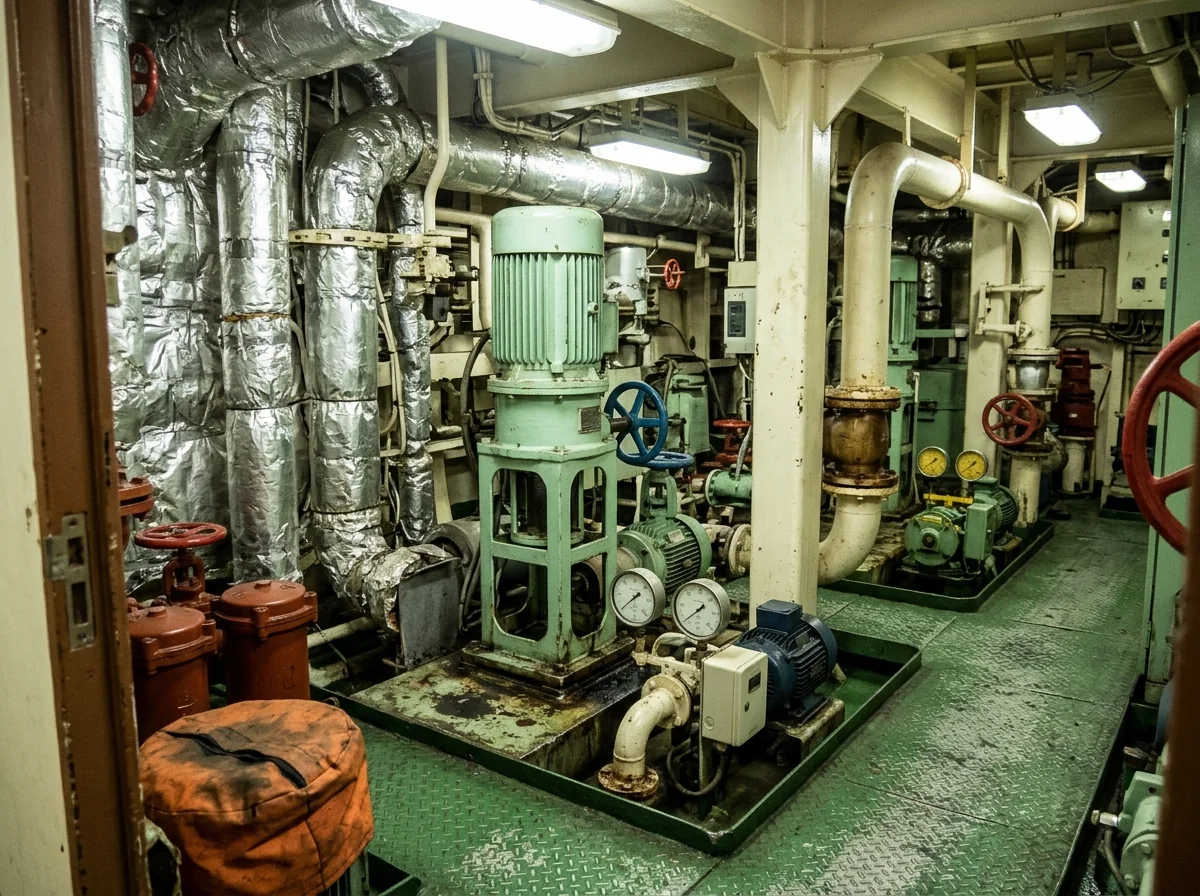
Offshore & Marine
Marine equipment enclosures254 SMO hex socket countersunk screws secure marine equipment enclosures with the head below or flush with the surface, leaving clearance for neighbouring moving parts or removable covers. The assembled contact is exposed to saltwater, deposits and neighbouring metals.
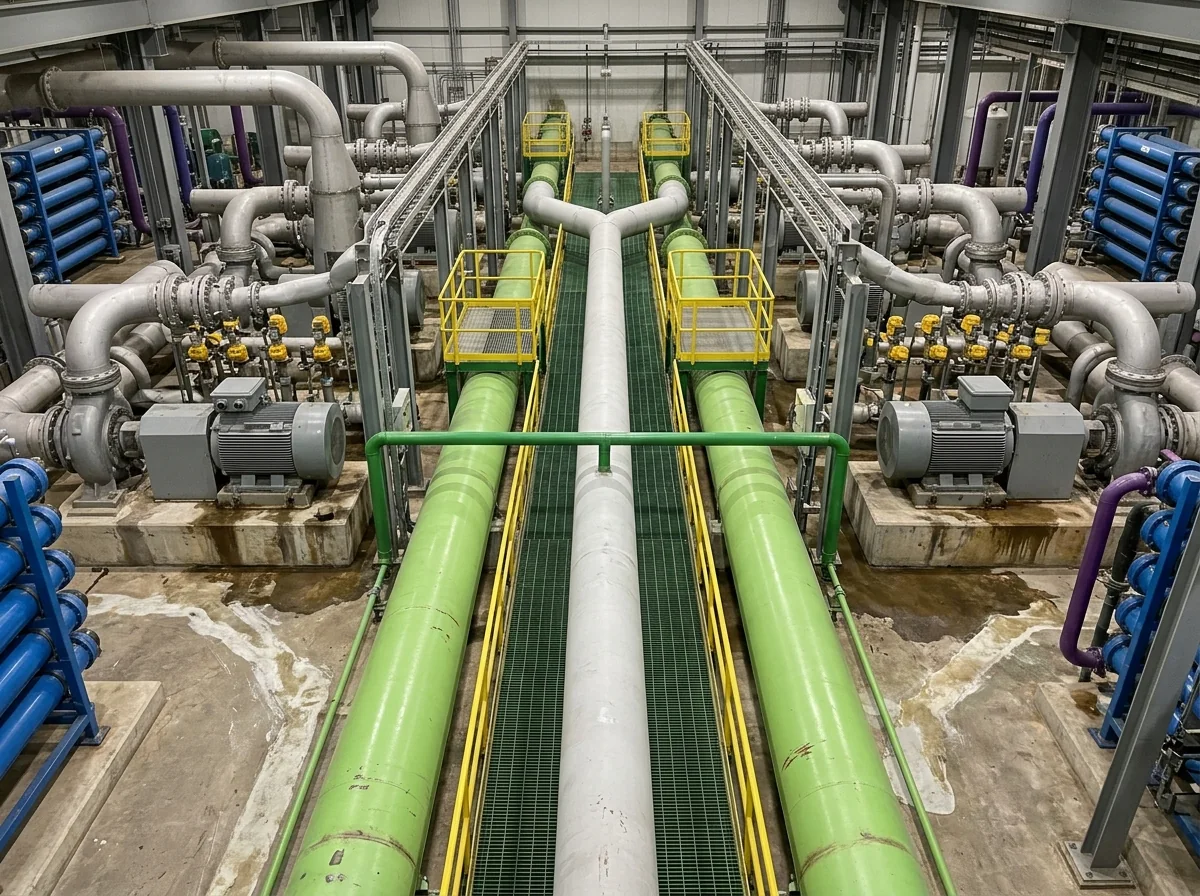
Water Treatment & Desalination
Filtration-equipment covers254 SMO hex socket countersunk screws secure filtration-equipment covers with the head below or flush with the surface, leaving clearance for neighbouring moving parts or removable covers. The water stream, cleaning cycle and retained liquid define exposure at the installed part.
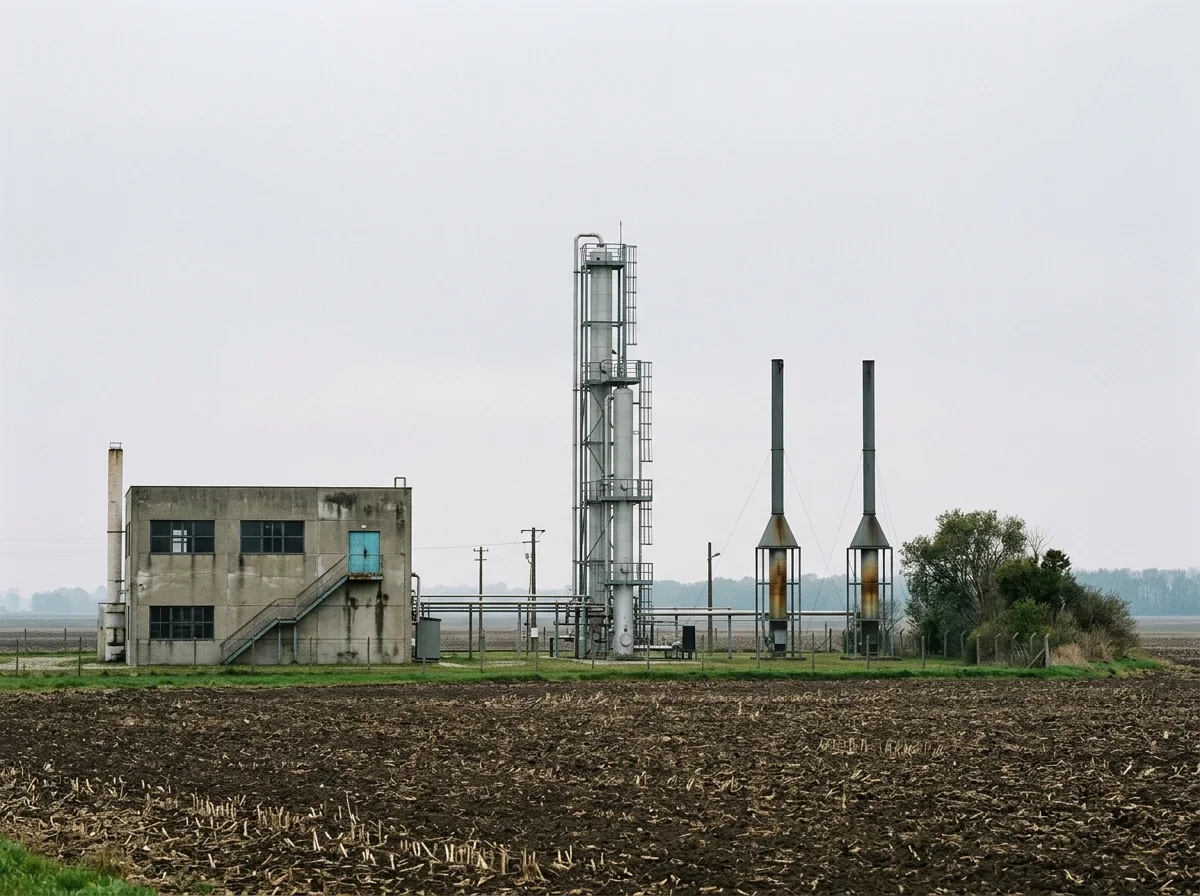
Oil & Gas
Instrument and auxiliary-equipment enclosures254 SMO hex socket countersunk screws secure instrument and auxiliary-equipment enclosures with the head below or flush with the surface, leaving clearance for neighbouring moving parts or removable covers. Utility connections and pressure-boundary parts have separate acceptance requirements on the equipment drawing.
Same hex socket countersunk screw. Different material priorities.
254 SMO material dataInconel 625
Solid-solution strength and resistance to aggressive process liquids.
- Connection priority
- Head-bearing stress in the reduced countersunk section
- Annealed or solution-annealed 625
- The delivery condition affects strength and high-temperature response. Keep the specified condition with the component’s mechanical acceptance; 718-style aging is not the strengthening route for 625. Include liquid retained at the conical seat and recessed socket in the exposure description.
Super Duplex 2507
Super-duplex strength and resistance to chloride pitting.
- Connection priority
- Head-bearing stress in the reduced countersunk section
- Final duplex structure
- S32750 chemistry and final solution treatment belong together. Forming, section size and cooling affect the structure represented by the mechanical and corrosion records. Include liquid retained at the conical seat and recessed socket in the exposure description.
Monel K-500
Age-hardened strength in the nickel–copper alloy family.
- Connection priority
- Head-bearing stress in the reduced countersunk section
- Strength and hydrogen exposure
- K-500 gains strength through aging. Cathodic protection, hydrogen exposure and the ordered condition need joint consideration in highly loaded marine components. Include liquid retained at the conical seat and recessed socket in the exposure description.
From drawing to documented delivery
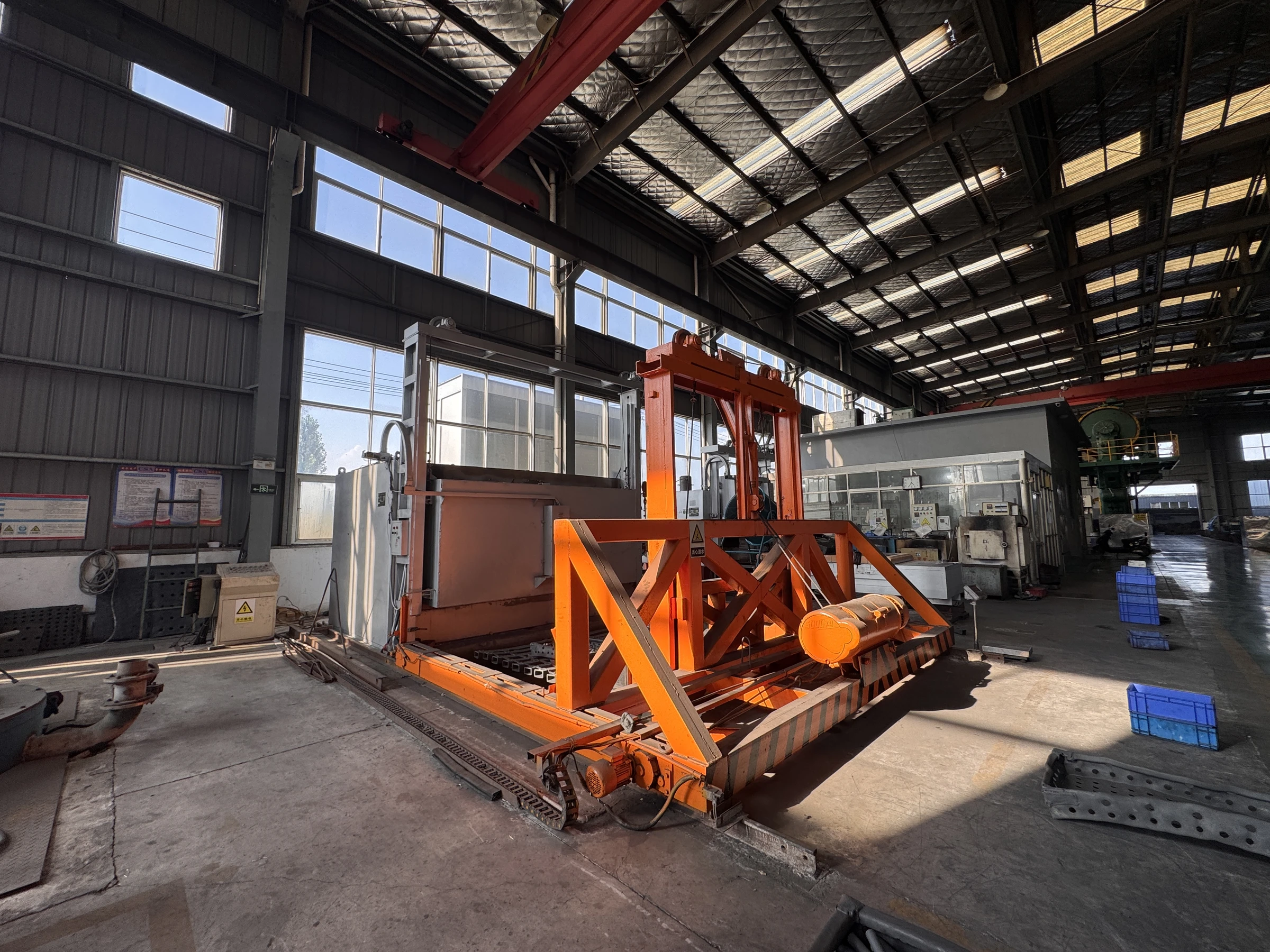
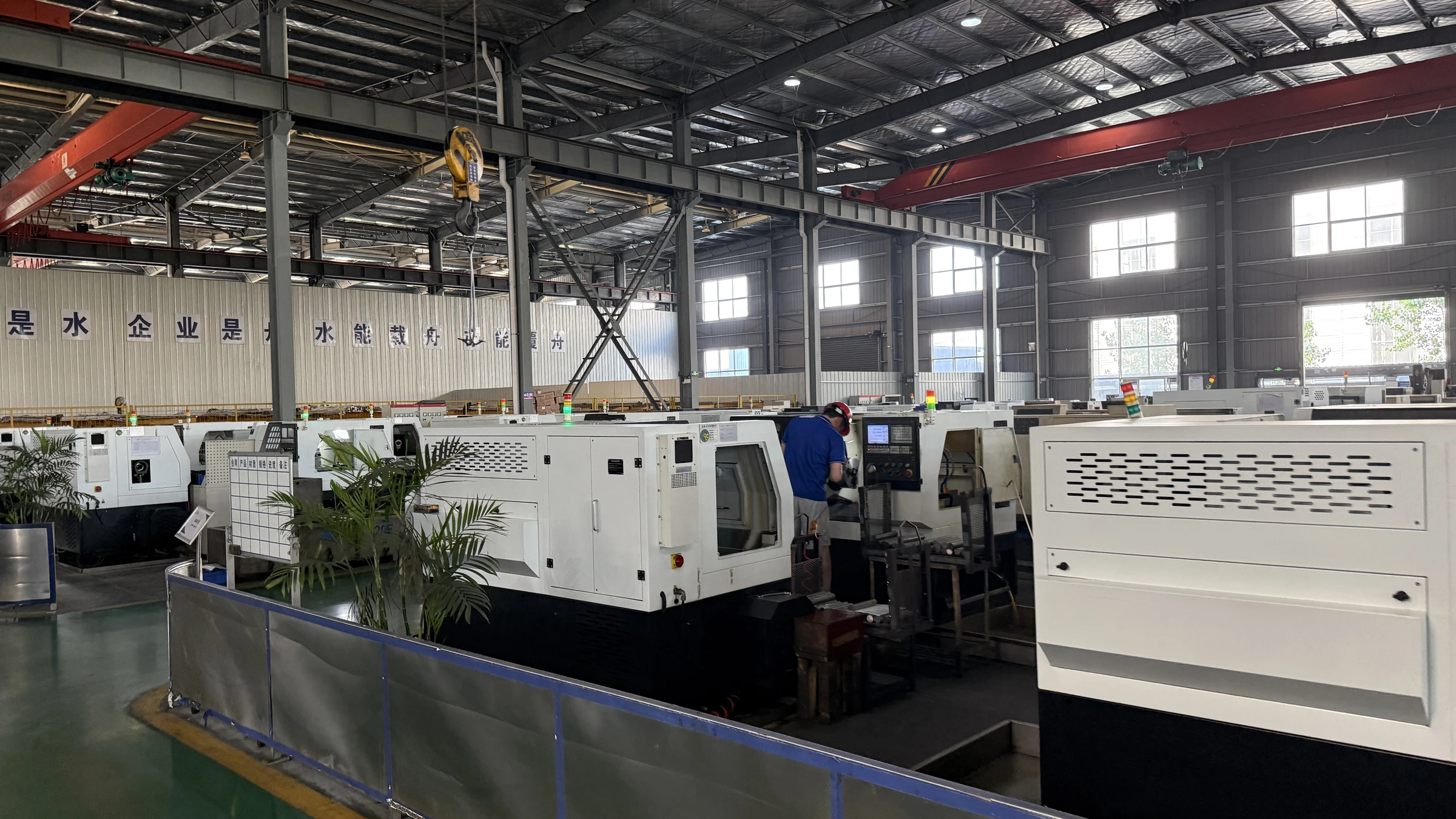
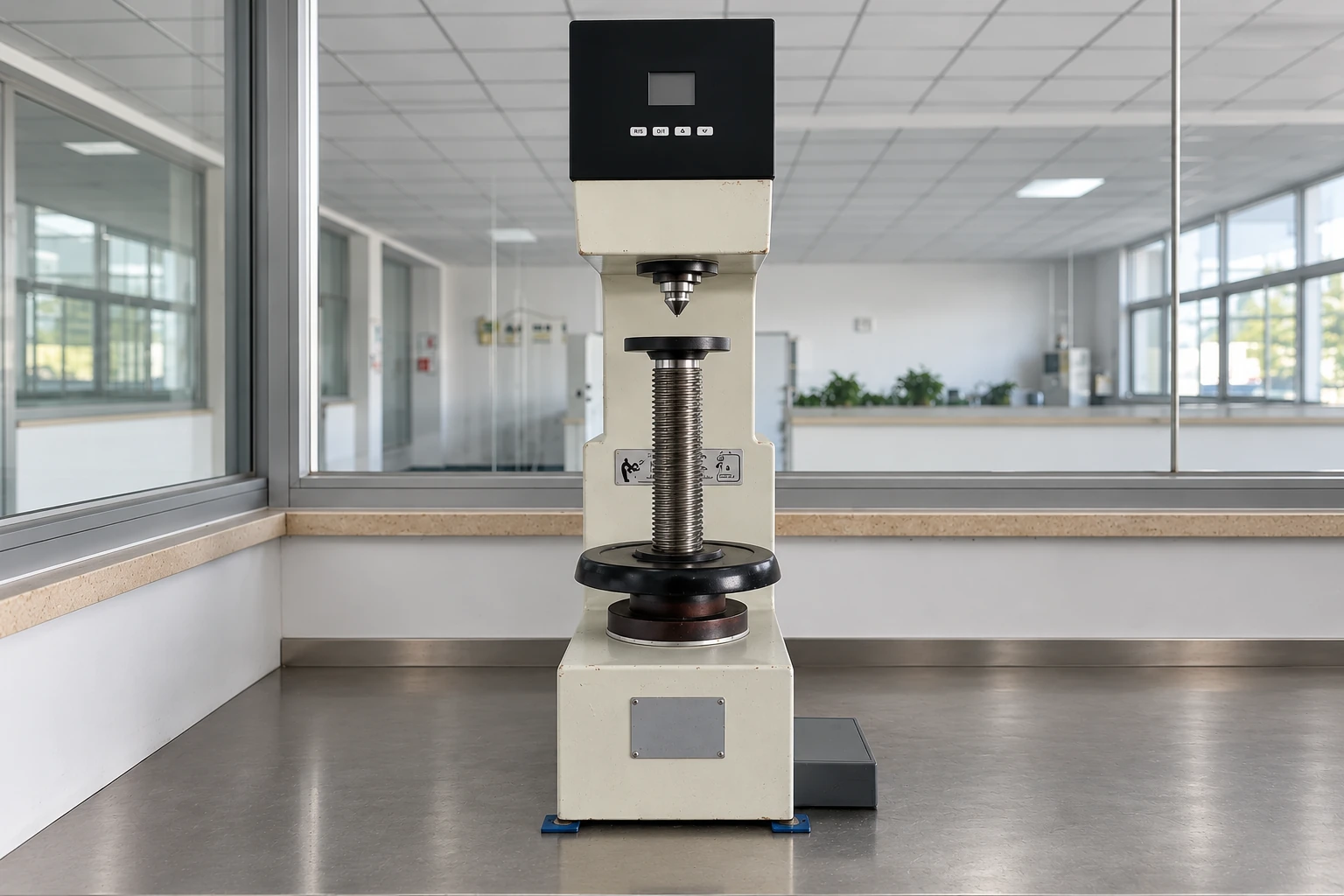
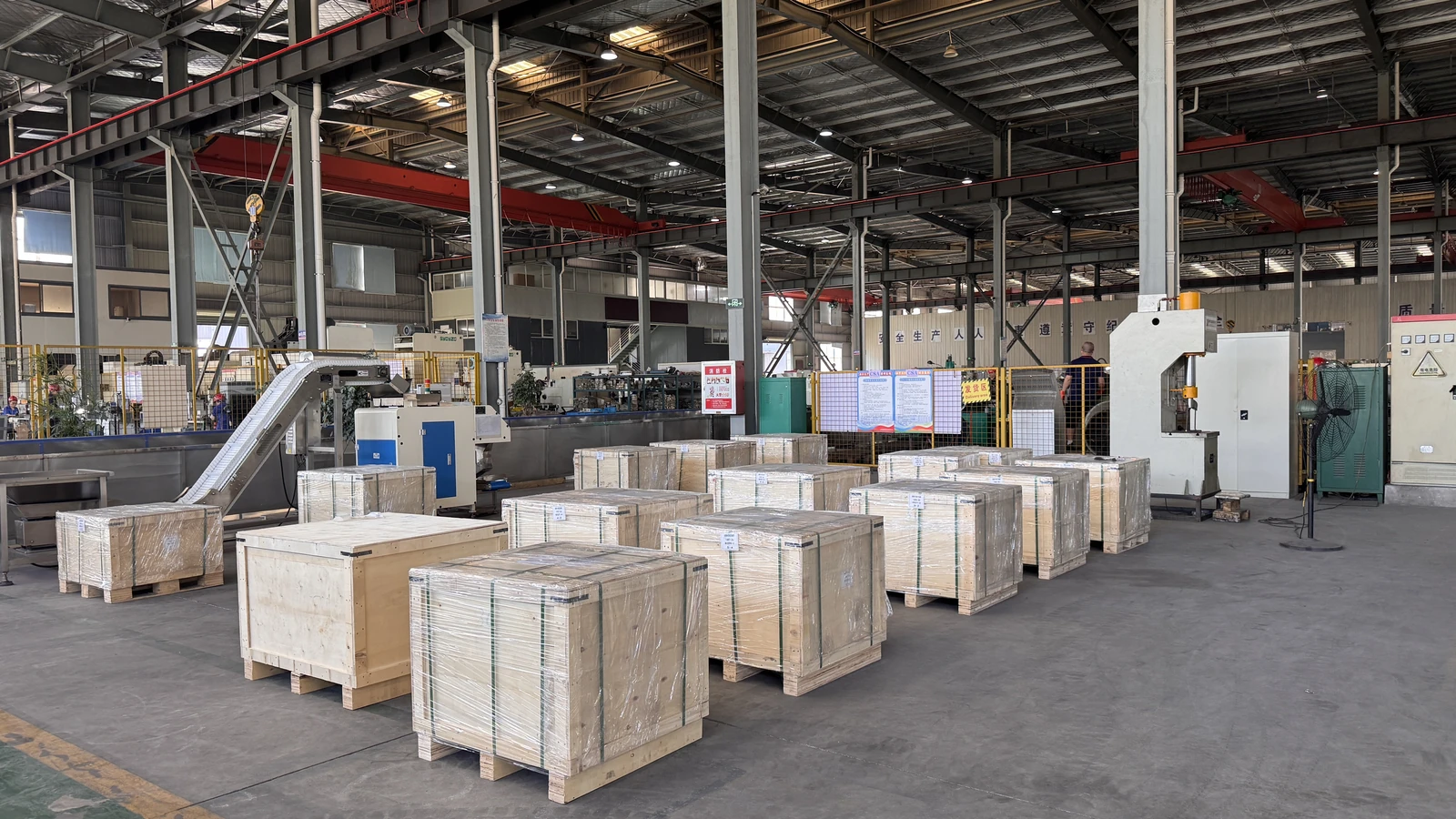
- 01Drawing & BOMForm, dimensions and quantity
- 02Material & formingGrade, heat and manufacturing route
- 03Final inspectionGeometry, threads and ordered tests
- 04Documents & dispatchLot records and identified packing
Order documents
- Material identity
- UNS S31254 · heat number · ordered condition
- Final-part acceptance
- Grade chemistry, supplied condition and ordered mechanical requirements.
- Dimensional record
- Head angle & diameter · Socket size & depth · Overall length · Thread gauges
- Traceability
- EN 10204 3.1 material certificate · production lot · identified packing
Build your 254 SMO hex socket countersunk screw enquiry
Questions about 254 SMO hex socket countersunk screws
Does a high-strength alloy remove countersunk-head loadability limits?
The conical head and socket still reduce the available section. Head-bearing stress, countersink contact and housing thread engagement need assessment alongside the final alloy strength.