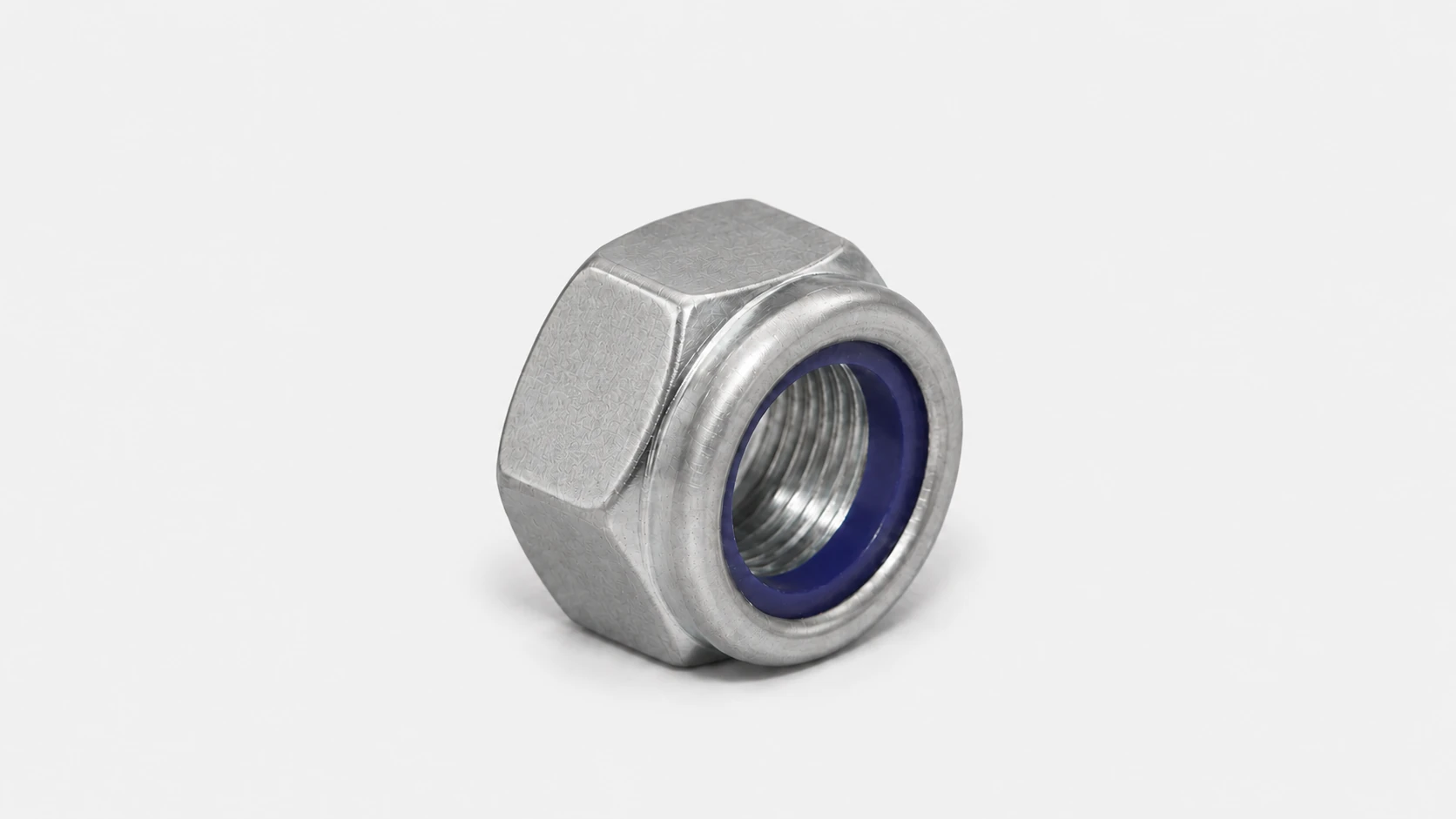
Stainless Steel 310H Nylon-insert lock nuts
ISO 7040
Stainless Steel 310H nylon-insert nuts combine a specified alloy body with polymer-generated prevailing torque. Insert temperature, chemical compatibility and reuse performance define the complete nut’s service, including when the body is selected for controlled-carbon stainless performance for sustained hot loading.
- MOQ
- 100PCS
- Samples · typical
- ~20 days
- Production · typical
- 25–35 days
- Heat treatment
- Solution annealed
EN 10204 3.1 MTC + heat-number traceability
Which standard is on your order?
Threads · Metric
Threads · Inch
Dimension Reference
Heat Treatment
Solution annealedSolution annealing and rapid cooling retain alloying elements in solution and restore the specified corrosion-resistant condition.
What we can make in Stainless Steel 310H
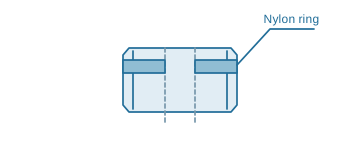
Nylon insert
Use where a prevailing-torque nut helps retain an adjustment or mounting connection without a separate locking part. The bolt must engage through the nylon ring for the insert to act.

Metal body
The metal threads carry the axial clamp load. Select the body pattern and strength for that load, then check the additional running torque from the insert when setting the tightening process.

Temperature & chemicals
Choose this form for equipment temperatures and chemicals compatible with the insert. A nickel-alloy body does not make nylon suitable for furnace service; use an all-metal locking arrangement for elevated-temperature joints.
- Locking element
- Nylon insert
- Drive
- External hex
- Threads
- Metric · Inch
- Service limit
- Controlled by the insert
- Final condition
- Solution annealed
- Inspection
- Insert retention · Prevailing torque · Dimensions
Manufacturing route
Small lots use machined blanks. Volume nut blanks use a forming route compatible with the alloy before machining the bore and tapping.
Heat treatment & final condition
The ordered annealed or solution-treated state is retained in the lot record; forming and machining do not replace the specified thermal condition.
Finished geometry
The nylon insert is installed after metal heat treatment and finishing. Prevailing torque is checked on the complete nut, including the specified reuse requirement.
Where 310H fits — and what matters
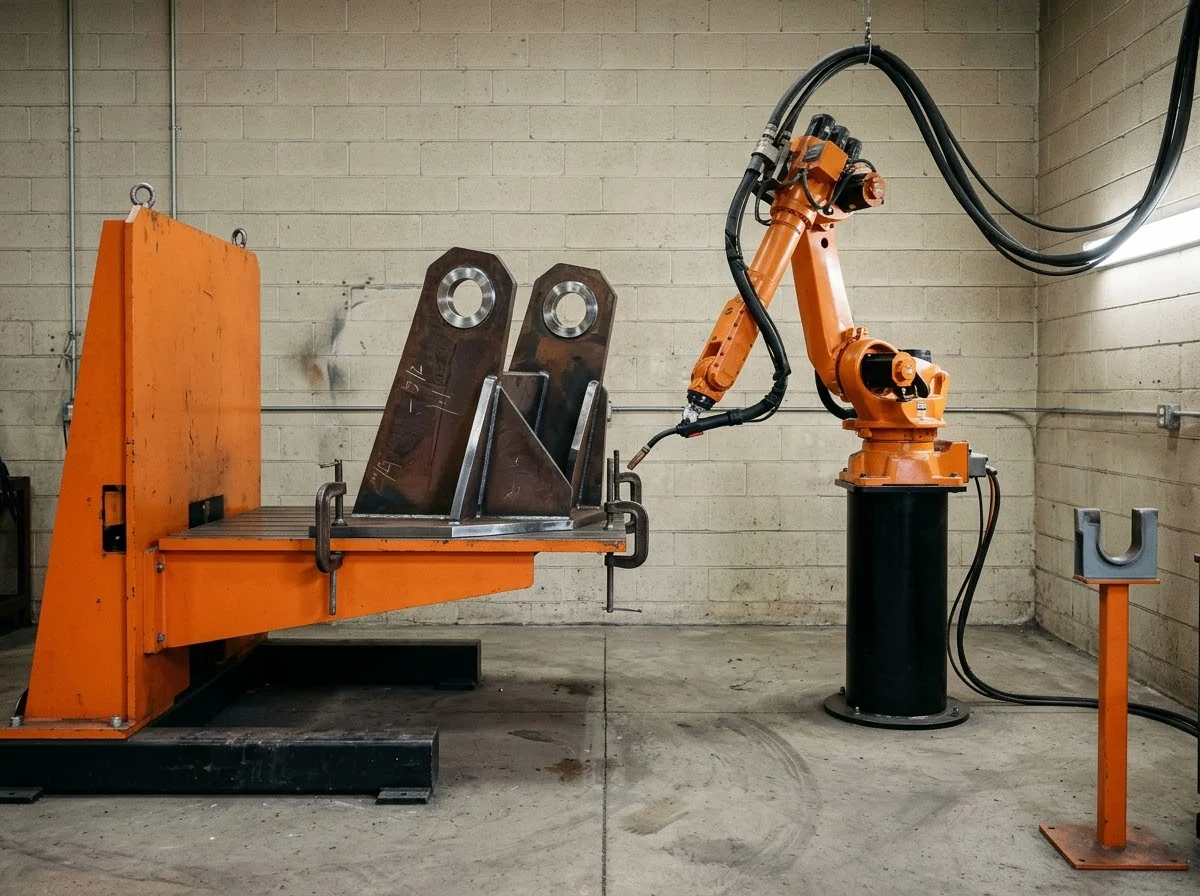
Industrial Machinery & Automation
Machine frames and positioning fixturesStainless Steel 310H nylon-insert lock nuts retain the threaded mountings on machine frames and positioning fixtures using insert-generated prevailing torque. The nylon insert defines the temperature and reuse limits of the complete nut. Alignment, operating cycles and replacement access define the working interface.
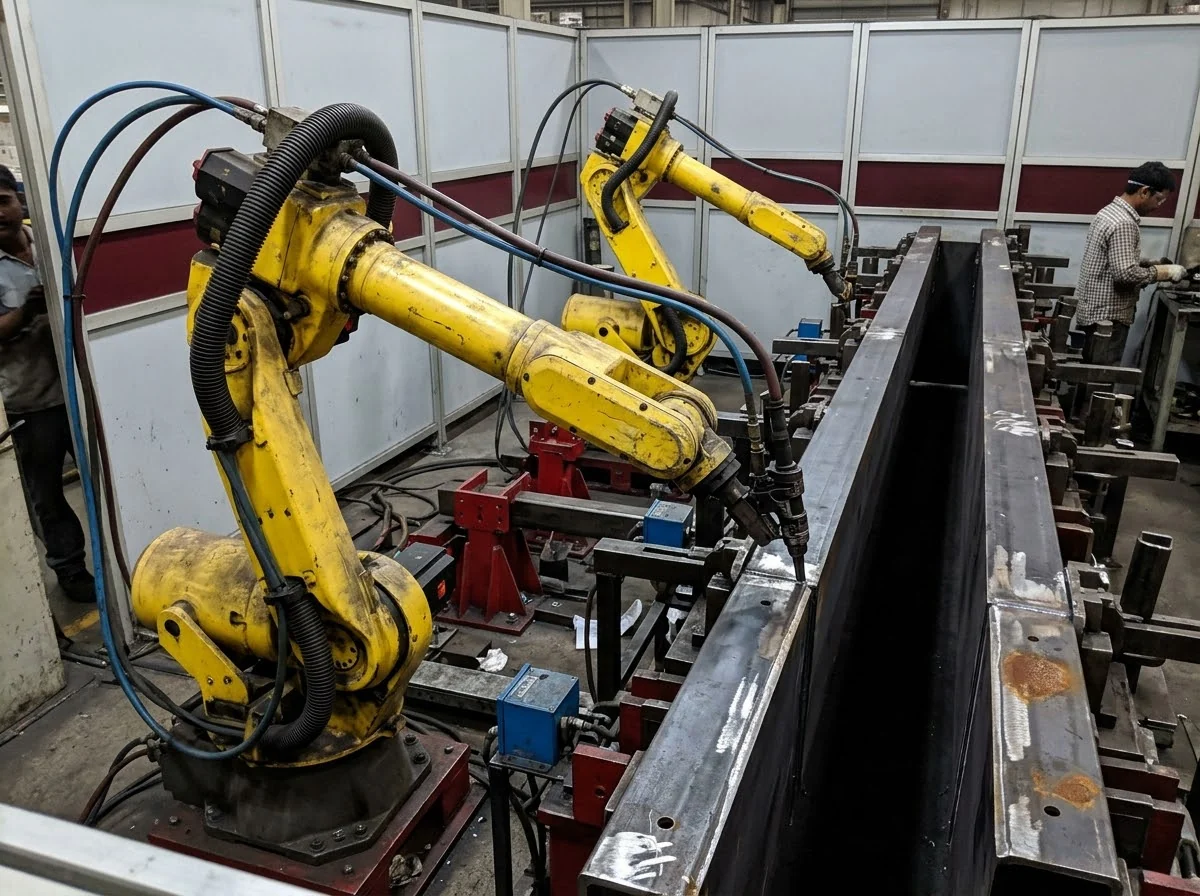
Automotive & EV Manufacturing Equipment
Assembly fixtures and test-rig framesStainless Steel 310H nylon-insert lock nuts retain the threaded mountings on assembly fixtures and test-rig frames using insert-generated prevailing torque. The nylon insert defines the temperature and reuse limits of the complete nut. Repeated tooling changes require consistent seating and repeatable assembly dimensions.
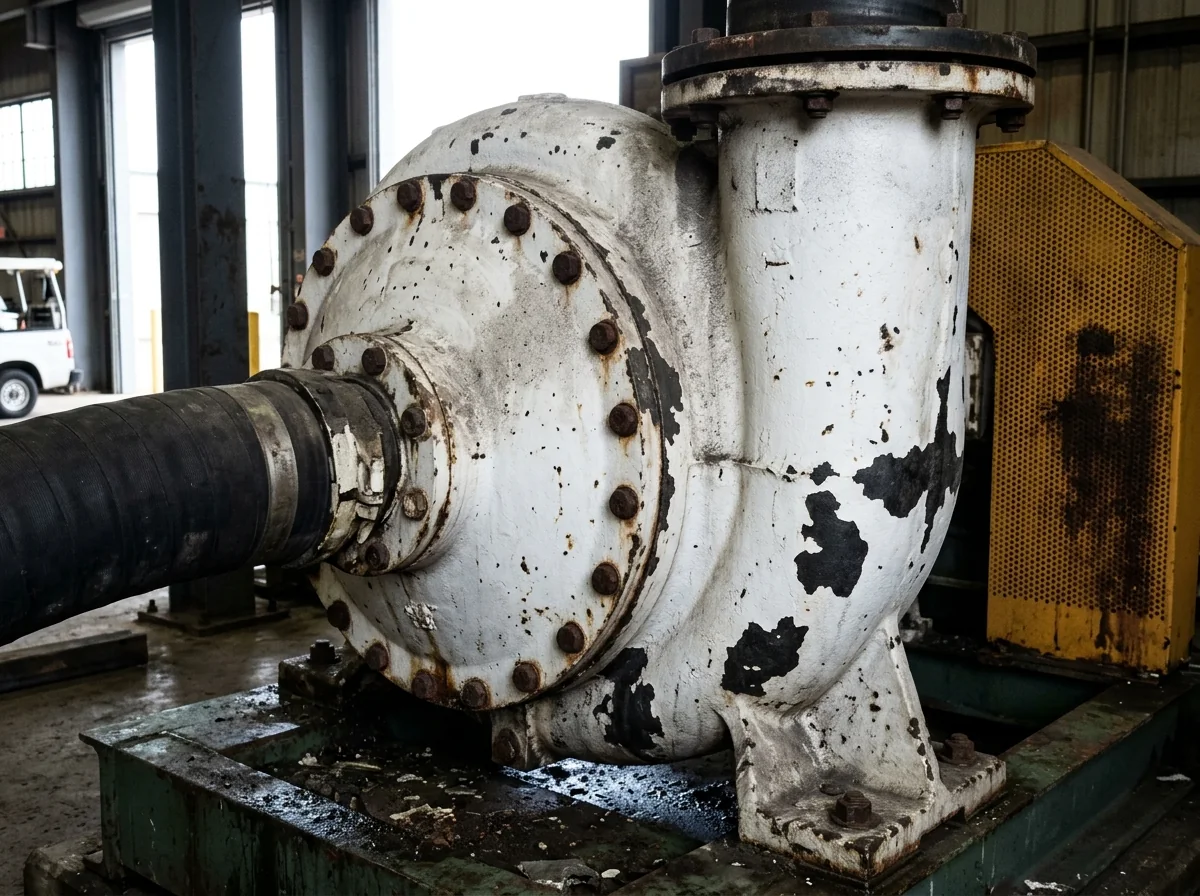
Pumps, Valves & OEM
Actuator mounts and pump baseplatesStainless Steel 310H nylon-insert lock nuts retain the threaded mountings on actuator mounts and pump baseplates using insert-generated prevailing torque. The nylon insert defines the temperature and reuse limits of the complete nut. Repeated maintenance makes fit, engagement and access part of the component specification.
Same nylon-insert lock nut. Different material priorities.
Stainless Steel 310H material data316L
Molybdenum-bearing stainless performance in wet equipment.
- Connection priority
- Metal-body load capacity and polymer-generated prevailing torque
- Washdown and retained cleaner
- The 316L body and the nylon insert need separate acceptance. Cleaner, moisture and temperature exposure reach the insert at the mating thread; its rated condition controls prevailing-torque service.
17-4 PH
Aging-controlled strength and hardness.
- Connection priority
- Metal-body load capacity and polymer-generated prevailing torque
- H900 versus H1150
- The 17-4 PH body and the nylon insert need separate acceptance. Cleaner, moisture and temperature exposure reach the insert at the mating thread; its rated condition controls prevailing-torque service.
Inconel 625
Solid-solution strength and resistance to aggressive process liquids.
- Connection priority
- Metal-body load capacity and polymer-generated prevailing torque
- Annealed or solution-annealed 625
- The Inconel 625 body and the nylon insert need separate acceptance. Cleaner, moisture and temperature exposure reach the insert at the mating thread; its rated condition controls prevailing-torque service.
From drawing to documented delivery
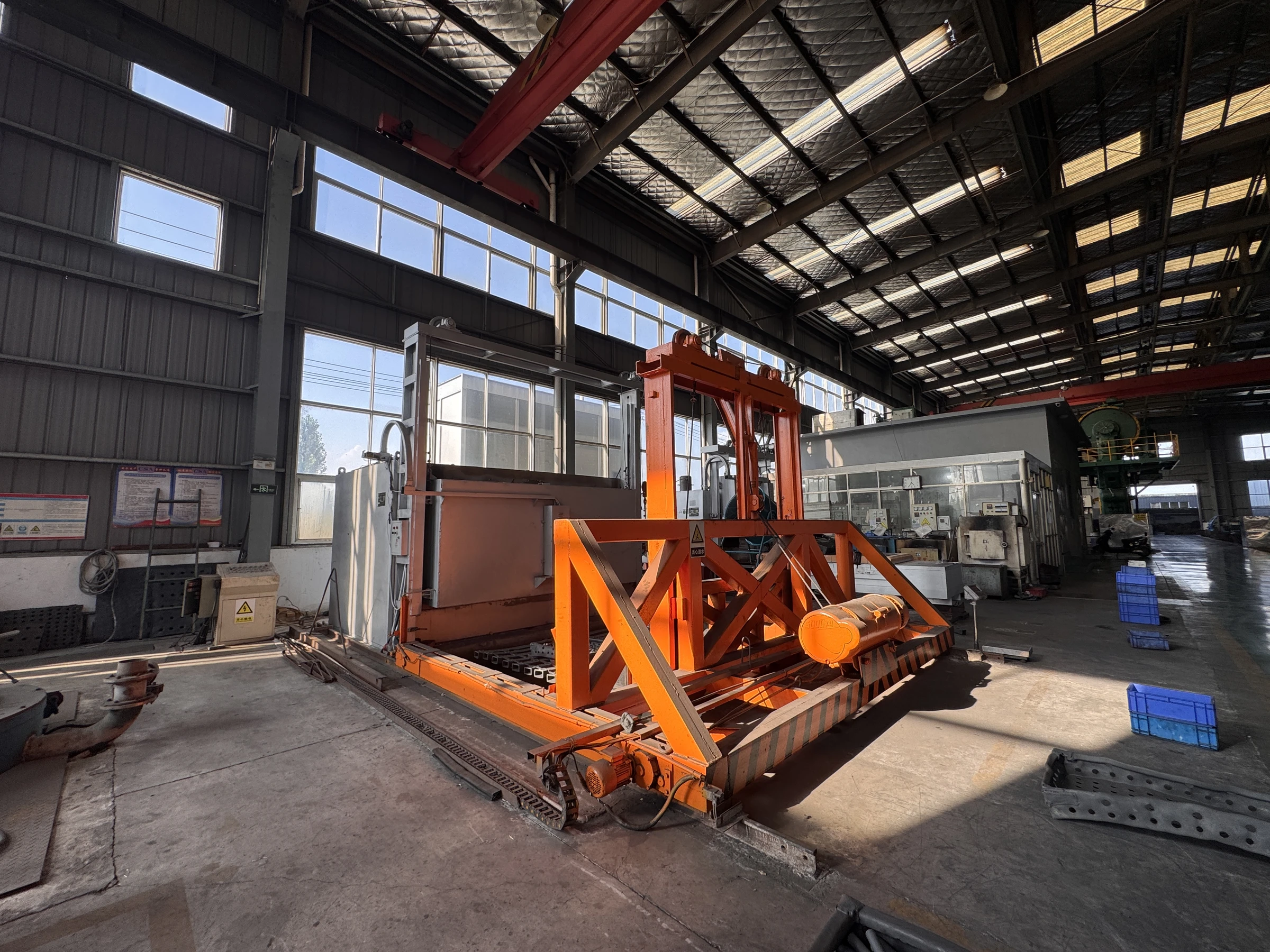
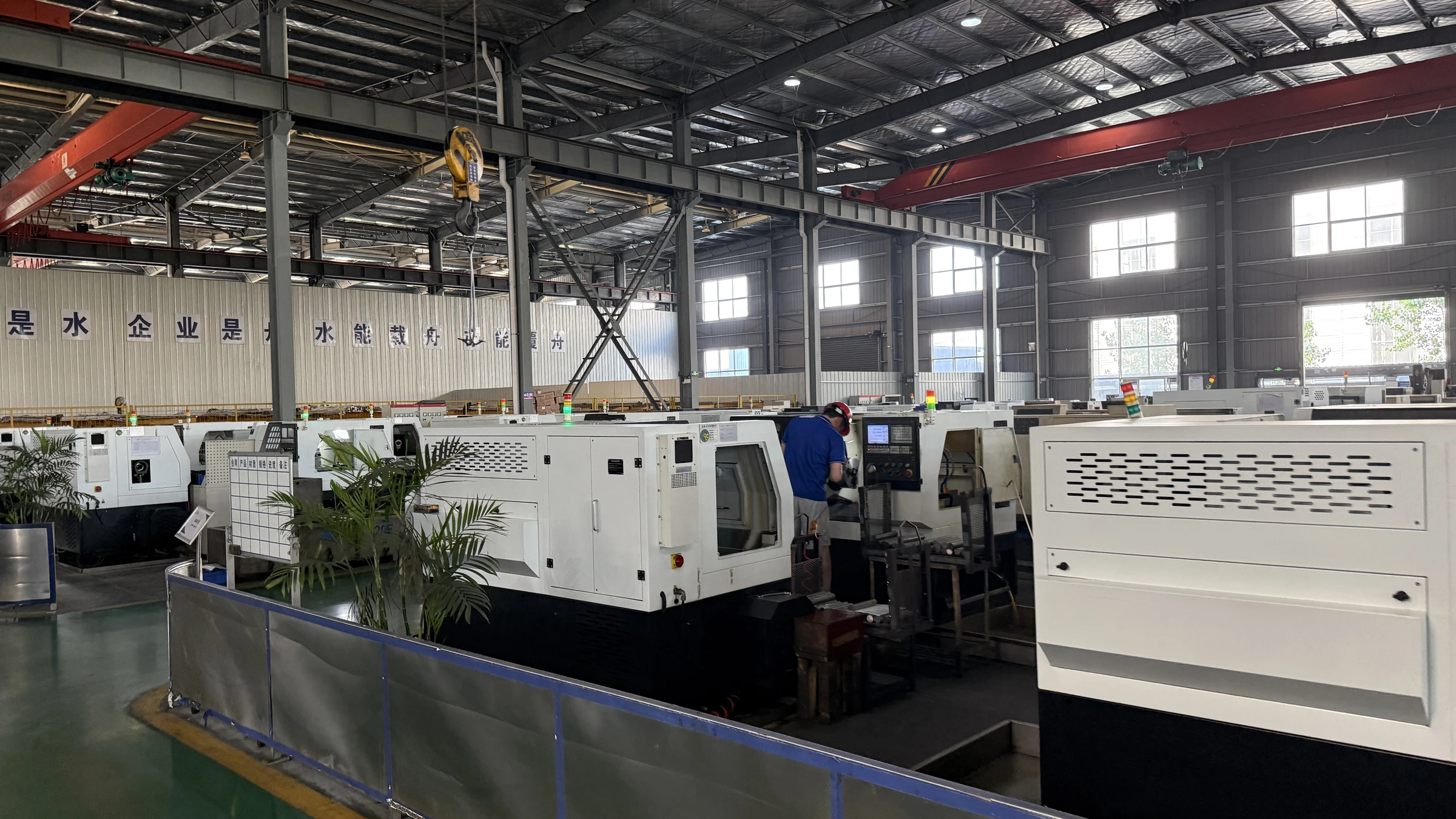
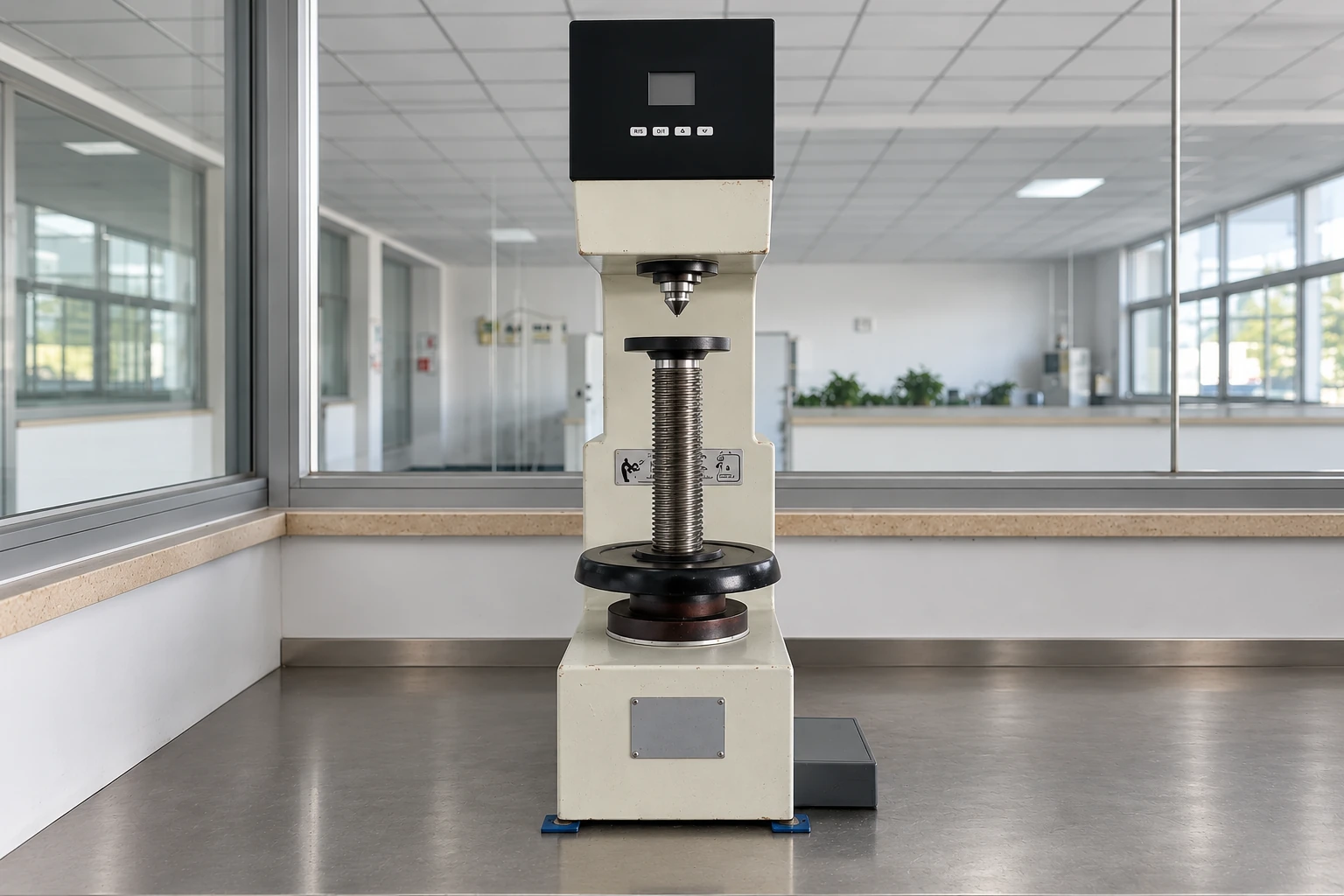
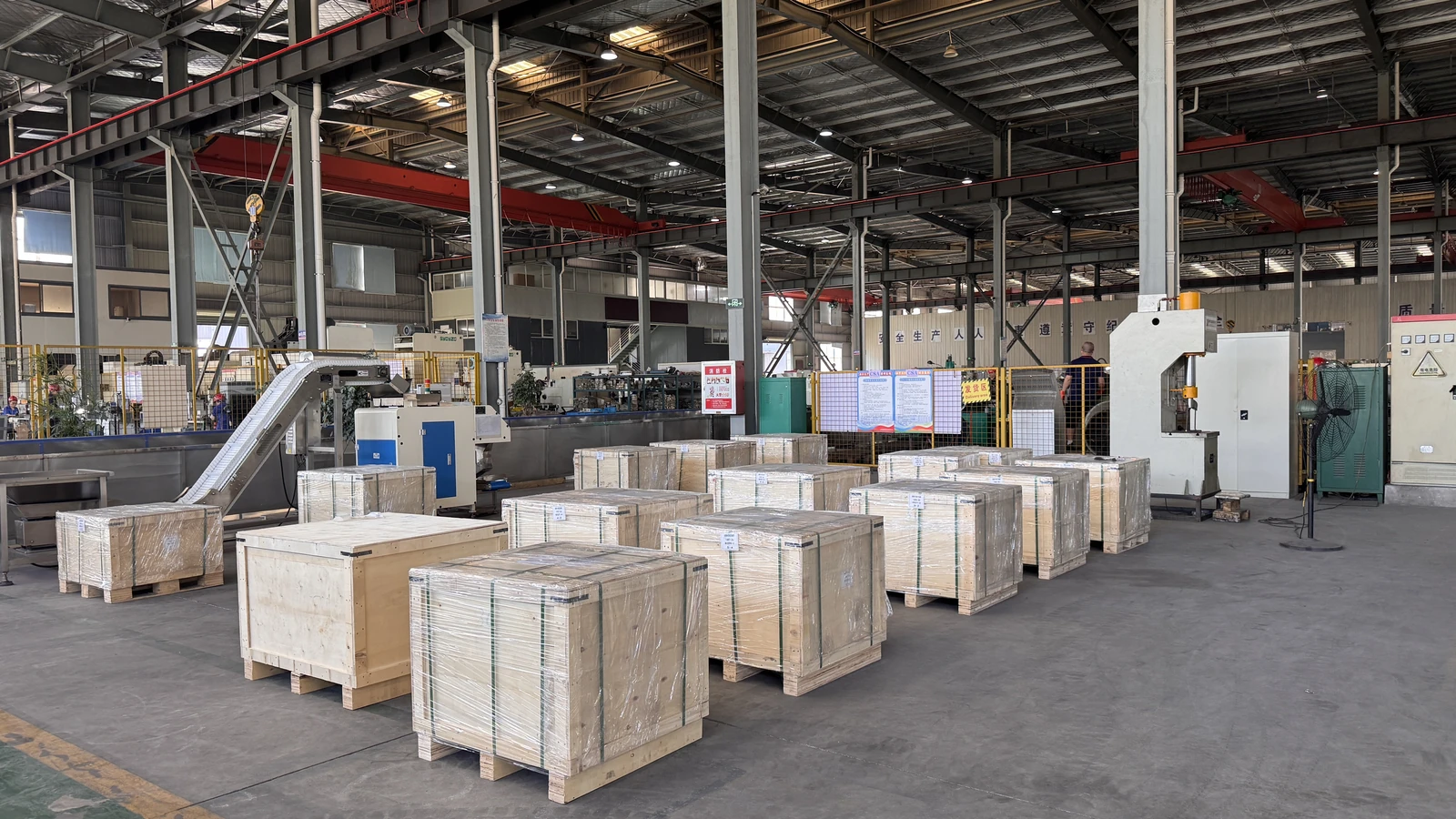
- 01Drawing & BOMForm, dimensions and quantity
- 02Material & formingGrade, heat and manufacturing route
- 03Final inspectionGeometry, threads and ordered tests
- 04Documents & dispatchLot records and identified packing
Order documents
- Material identity
- UNS S31009 · heat number · ordered condition
- Final-part acceptance
- Grade chemistry, supplied condition and ordered mechanical requirements. Insert identity and complete-nut prevailing-torque results.
- Dimensional record
- Insert retention · Prevailing torque · Dimensions
- Traceability
- EN 10204 3.1 material certificate · production lot · identified packing
Build your 310H nylon-insert lock nut enquiry
Questions about 310H nylon-insert lock nuts
Can a heat-resistant body make the nylon nut suitable for a hot joint?
The nylon remains the temperature-limiting part. Use the actual insert rating and required prevailing-torque performance; a hot-service metal grade does not extend the polymer’s limit.