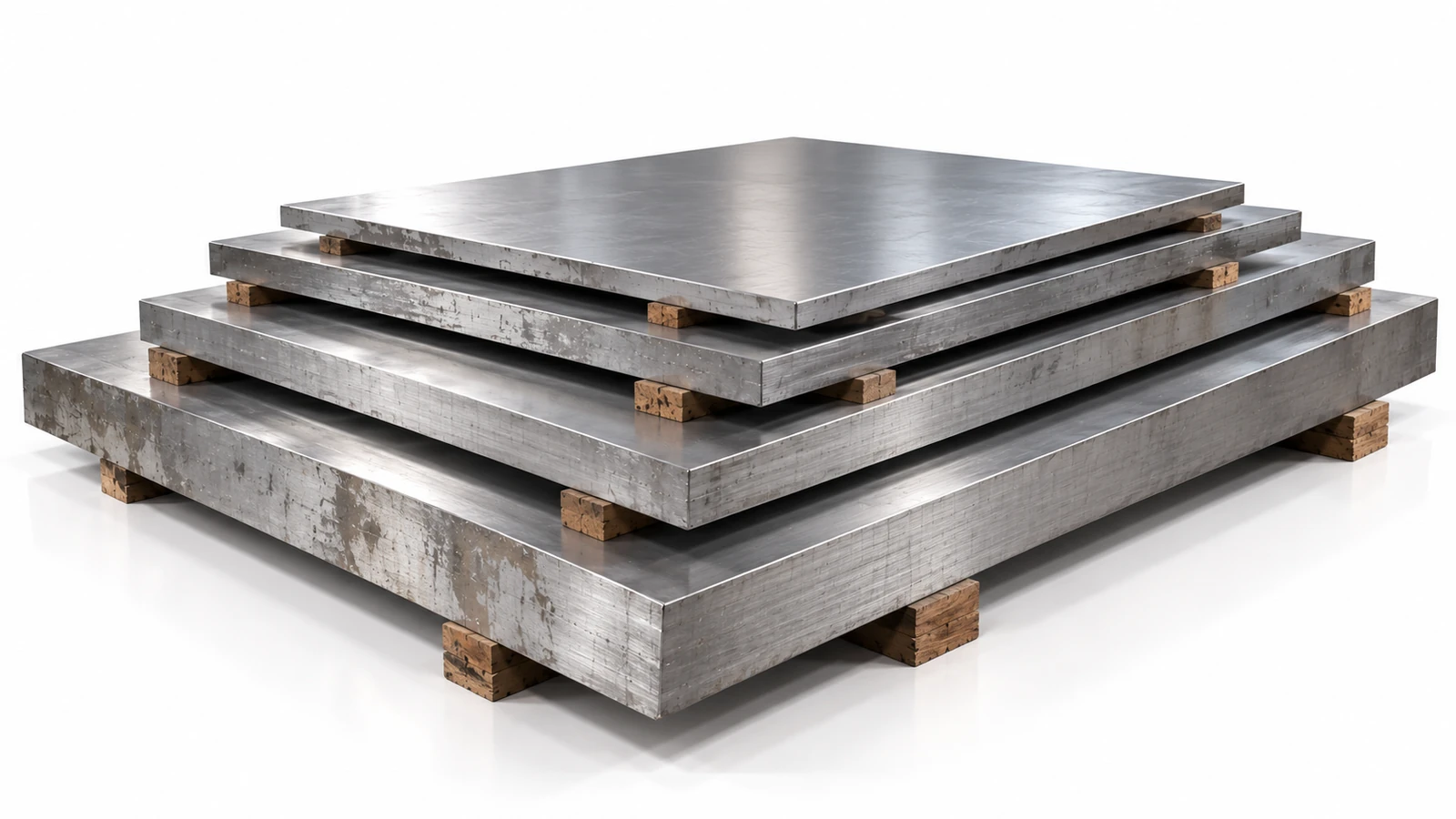
17-4 PH plate & sheet
ASTM A693
17-4 PH plate and sheet provide aging-controlled strength and hardness for cut, formed or fabricated components. Thickness, flatness and thermal history determine how the stock becomes a usable cover, liner or structural section.
- MOQ
- 100 kg
- Samples · typical
- ~20 days
- Production · typical
- 25–35 days
- Heat treatment
- Solution treated (Condition A) / Age hardened H900 / Age hardened H1025 / Age hardened H1150
EN 10204 3.1 MTC + heat-number traceability
Which standard is on your order?
Raw Material Specifications
Heat Treatment
Solution treated, then aged to the specified H conditionCondition A is the solution-treated starting state; aging to H900, H1025 or H1150 sets the final strength–toughness balance.
What we can make in 17-4 PH
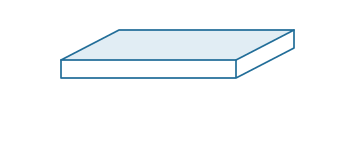
Plate
Use for machined covers, tube sheets and equipment plates. Include finishing allowance where machining must remove mill scale or achieve flat gasket and bearing faces.
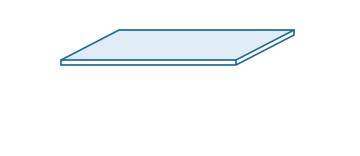
Sheet
Use for formed covers, ducting and thermal shields where bendability and thickness consistency matter. Surface finish and grain direction can affect visible surfaces and bend quality.

Cut blanks
Use cut profiles to reduce workshop cutting and material waste before fabrication. Hole position, edge finish and heat-affected edges matter when the blank goes directly into forming or welding.
- Size
- Thickness × width × length
- Supply form
- Plate · Sheet · Cut blanks
- Geometry
- Flatness · Squareness · Edges
- Condition
- Grade-specific delivery condition
- Final condition
- Solution treated (Condition A) · Age hardened H900 · Age hardened H1025 · Age hardened H1150
- Inspection
- Cross-section · Surface · Delivery condition · Heat identity
Supply & preparation
Plate or sheet is prepared as full pieces or cut blanks, with stock condition retained through cutting and identification.
Material condition
Solution treatment and the specified aging condition are recorded against the production lot; final dimensions are checked after thermal processing.
Finished geometry
Thickness, flatness, squareness and edge condition determine the usable blank.
Where 17-4 PH fits — and what matters
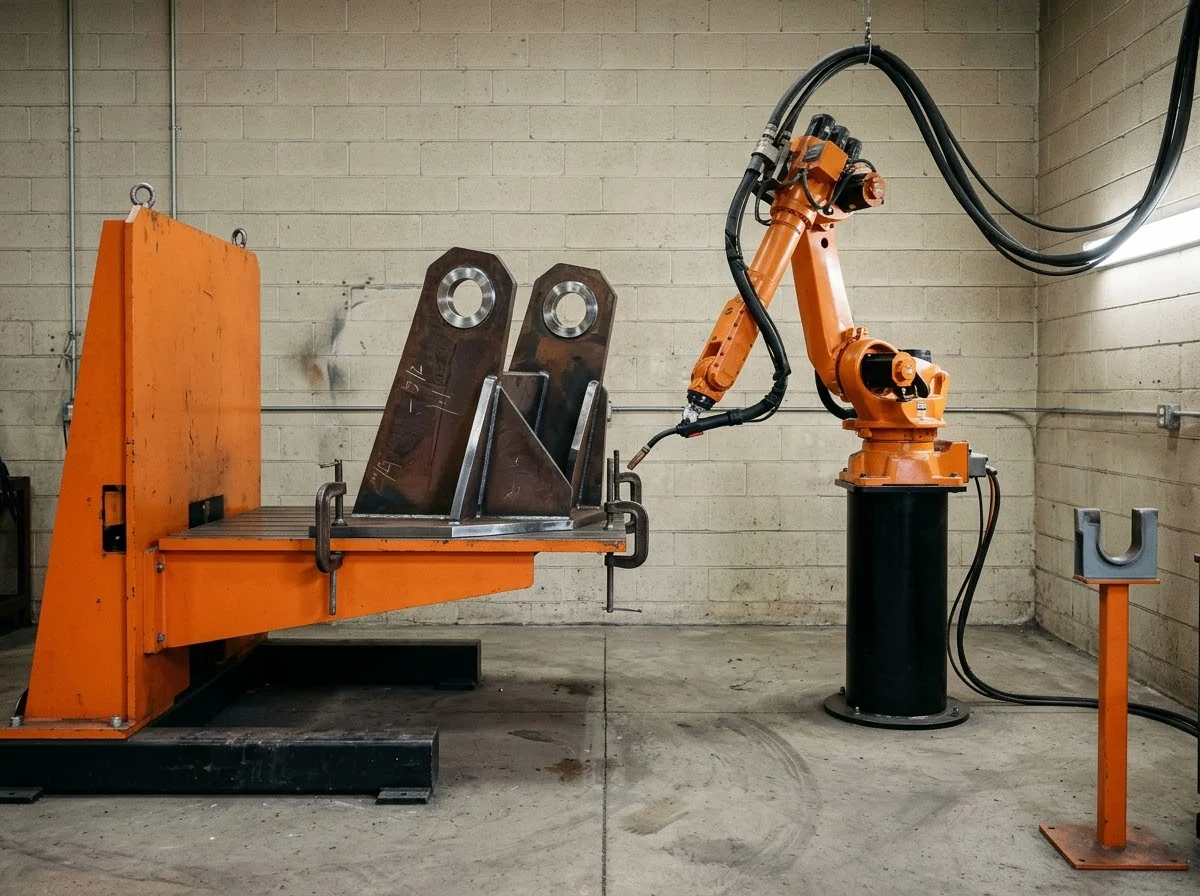
Industrial Machinery & Automation
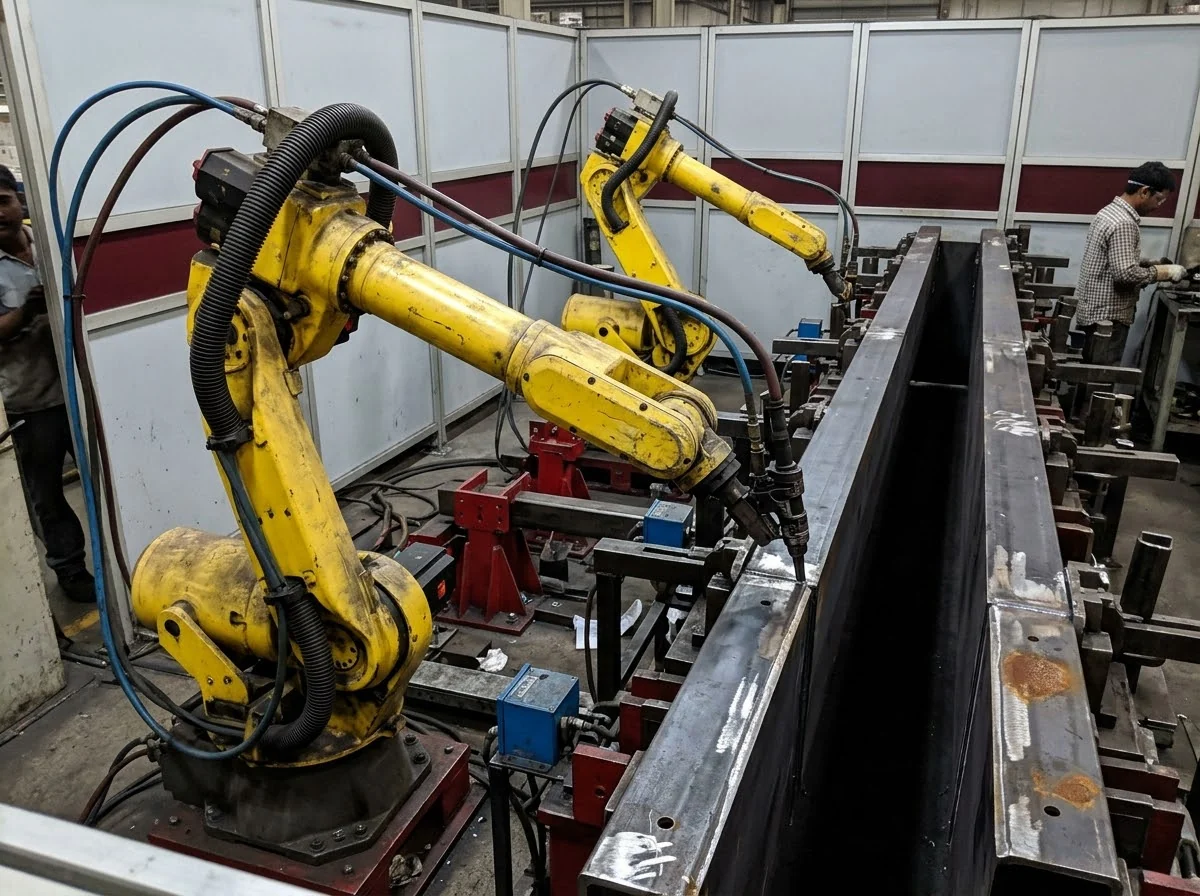
Machine guards and instrument panels17-4 PH plate & sheet are cut and formed into machine guards and instrument panels, support plates or cover blanks. Thickness and flatness set the available section before cutting, bending or joining. Alignment, operating cycles and replacement access define the working interface.
Automotive & EV Manufacturing Equipment
Production-machine guards and sensor panels17-4 PH plate & sheet are cut and formed into production-machine guards and sensor panels, support plates or cover blanks. Thickness and flatness set the available section before cutting, bending or joining. Repeated tooling changes require consistent seating and repeatable assembly dimensions.
Pumps, Valves & OEM
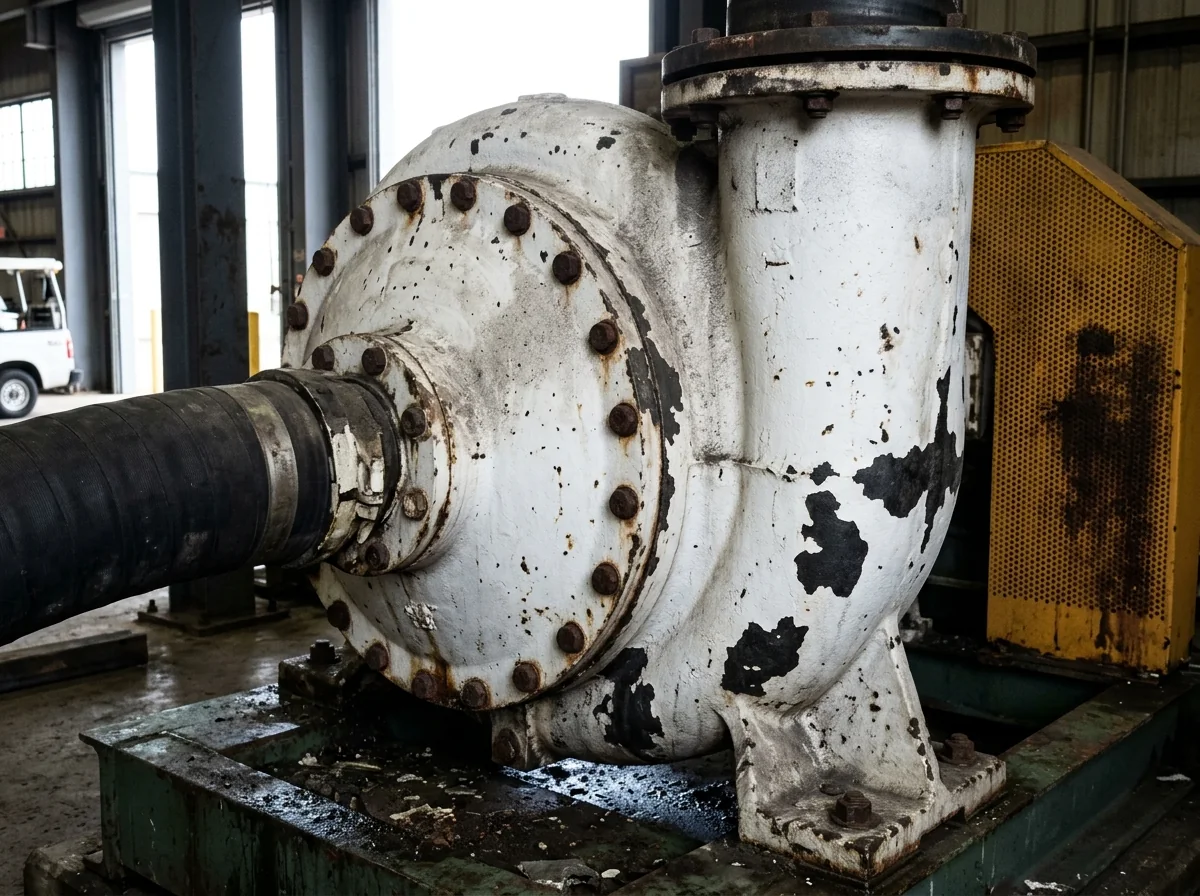
Actuator housings and removable equipment covers17-4 PH plate & sheet are cut and formed into actuator housings and removable equipment covers, support plates or cover blanks. Thickness and flatness set the available section before cutting, bending or joining. Repeated maintenance makes fit, engagement and access part of the component specification.
Same plate & sheet. Different material priorities.
17-4 PH material data316L
Molybdenum-bearing stainless performance in wet equipment.
- Connection priority
- Plate stiffness or the load carried by a formed section
- Washdown and retained cleaner
- Cleaner concentration, rinse quality and deposits determine the exposure in covered joints. The low-carbon designation does not independently establish a fastener strength class. Include liquid retained at formed corners, cut edges and welded seams in the exposure description.
Inconel 625
Solid-solution strength and resistance to aggressive process liquids.
- Connection priority
- Plate stiffness or the load carried by a formed section
- Annealed or solution-annealed 625
- The delivery condition affects strength and high-temperature response. Keep the specified condition with the component’s mechanical acceptance; 718-style aging is not the strengthening route for 625. Include liquid retained at formed corners, cut edges and welded seams in the exposure description.
Duplex 2205
Duplex strength and chloride-corrosion resistance.
- Connection priority
- Plate stiffness or the load carried by a formed section
- S31803 or S32205
- The specified UNS fixes the chemistry. Solution treatment, section size and the ordered mechanical or corrosion tests establish the final duplex condition. Include liquid retained at formed corners, cut edges and welded seams in the exposure description.
From drawing to documented delivery
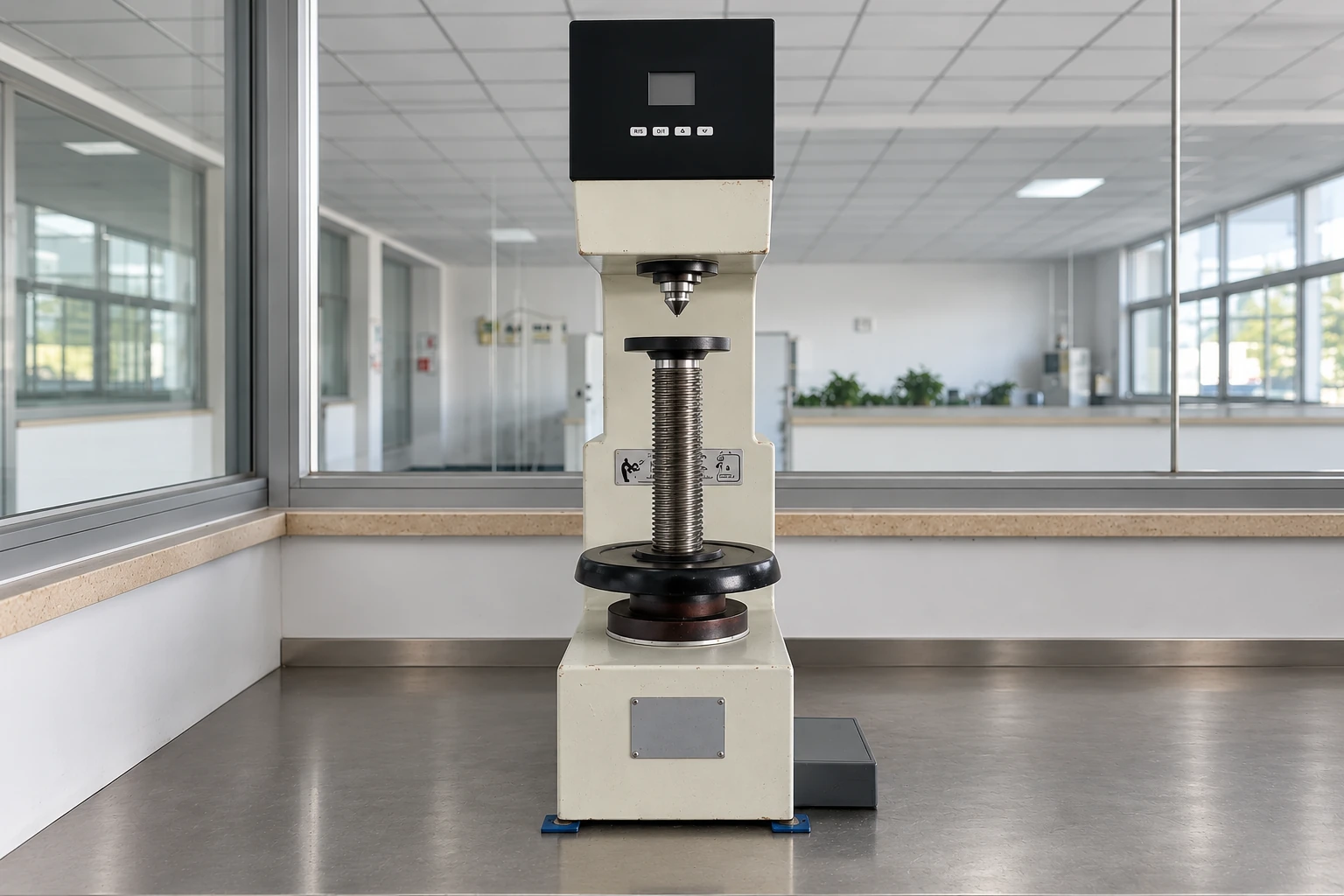
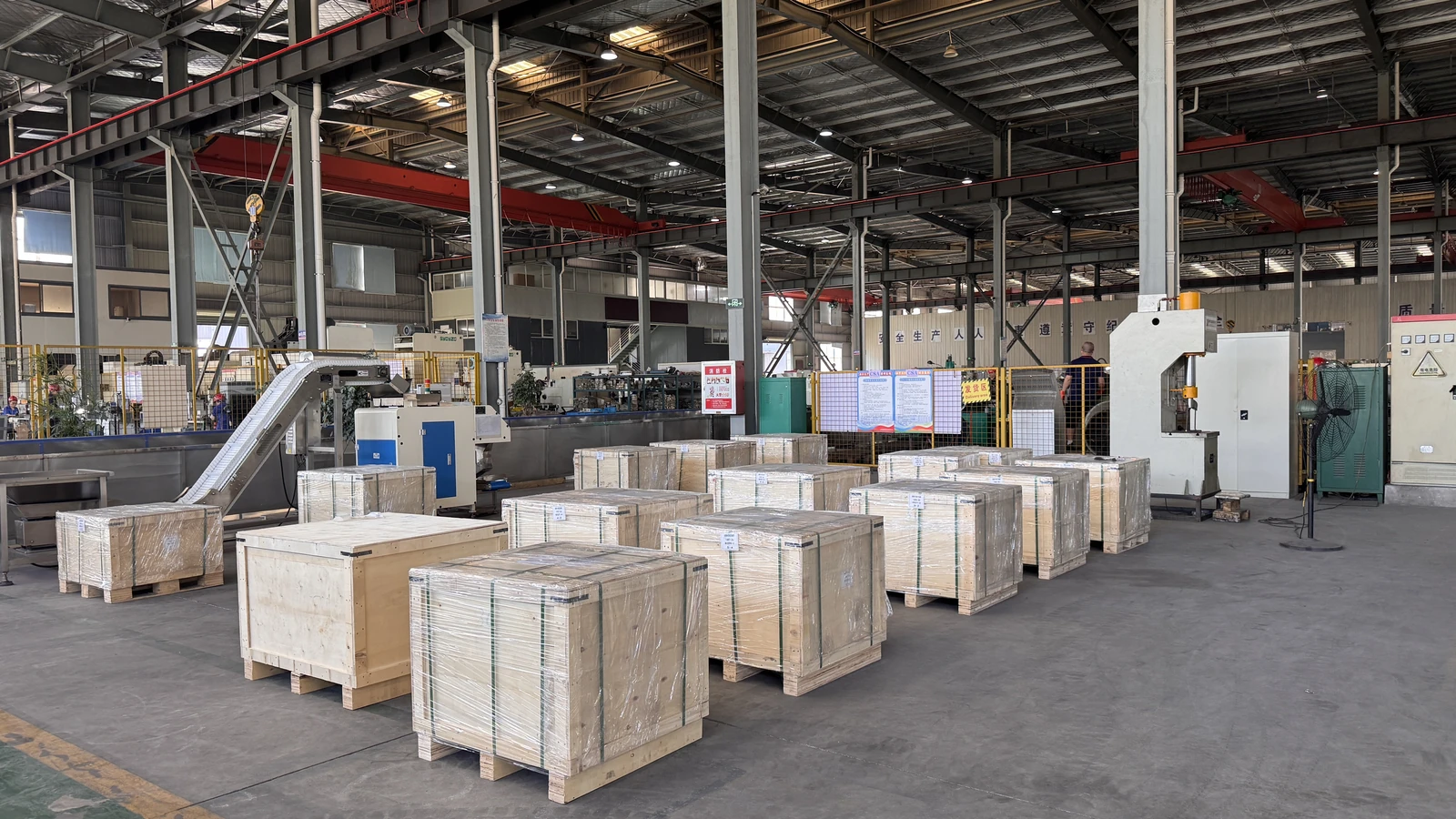
- 01Drawing & BOMForm, dimensions and quantity
- 02Material & formingGrade, heat and manufacturing route
- 03Final inspectionGeometry, threads and ordered tests
- 04Documents & dispatchLot records and identified packing
Order documents
- Material identity
- UNS S17400 · heat number · ordered condition
- Stock acceptance
- Lot-linked aging record and mechanical acceptance in the final condition.
- Dimensional record
- Cross-section · Surface · Delivery condition · Heat identity
- Traceability
- EN 10204 3.1 material certificate · production lot · identified packing
Build your 17-4 PH plate & sheet enquiry
Questions about 17-4 PH plate & sheet
Which stock details matter beyond alloy and thickness?
Flatness, surface finish, edge preparation and any directional forming requirement influence the usable component. A cut blank also needs a heat identity that survives separation from the original sheet or plate.