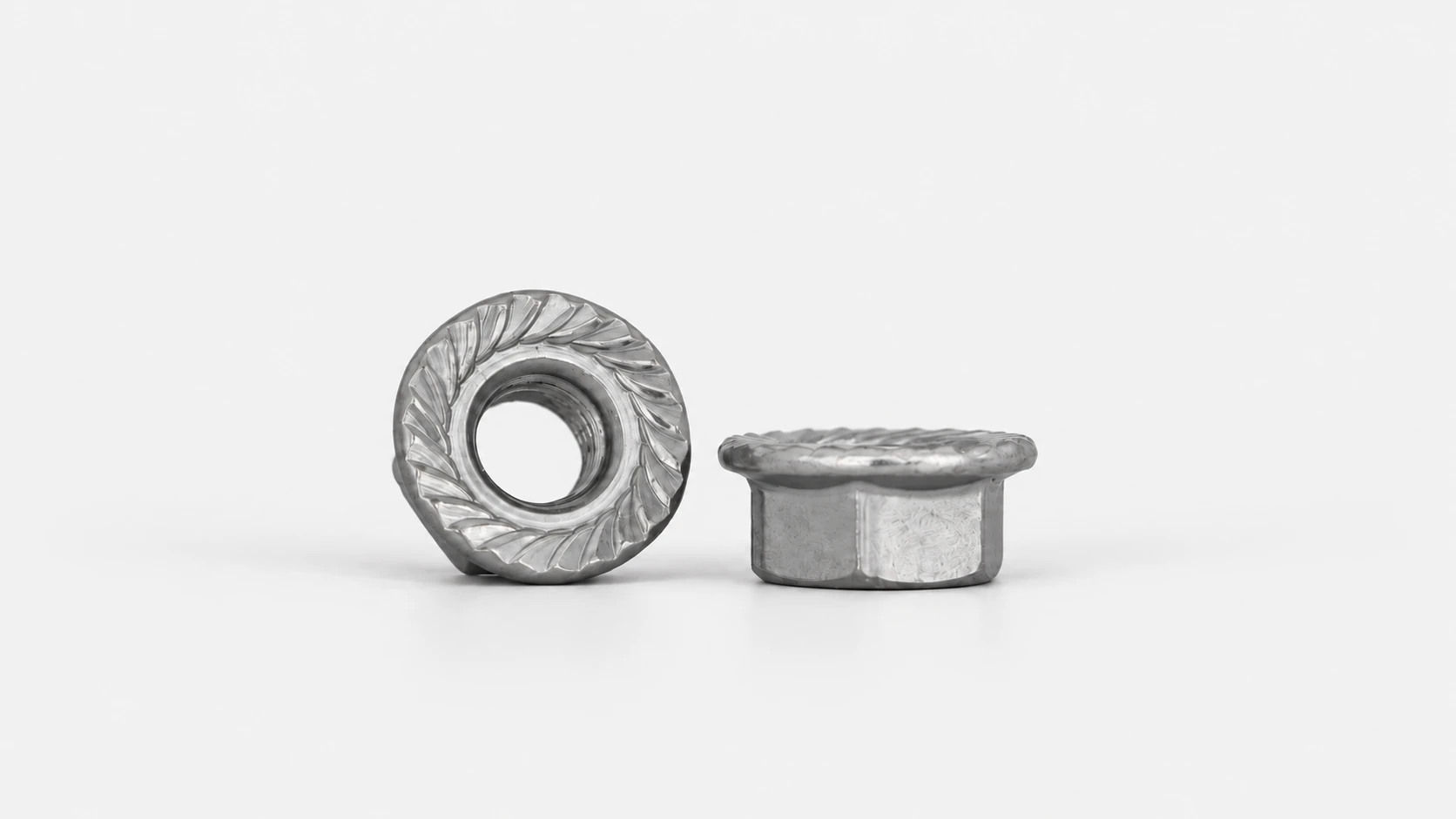
Titanium Grade 2 Serrated flange nuts
ISO 4161ASTM B348
Titanium Grade 2 serrated flange nuts engage the member directly through their toothed seat. Low mass, corrosion resistance and commercially pure titanium formability concerns the nut body; the substrate exposed by the serrations remains part of the same connection.
- MOQ
- 100PCS
- Samples · typical
- ~20 days
- Production · typical
- 25–35 days
- Heat treatment
- Annealed
EN 10204 3.1 MTC + heat-number traceability
Which standard is on your order?
Raw Material Specifications
Threads · Metric
Threads · Inch
Dimension Reference
Heat Treatment
AnnealedAnnealing reduces working stresses and restores ductility, with atmosphere and surface control limiting contamination during heating.
What we can make in Titanium Grade 2
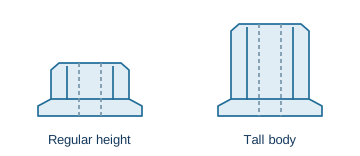
Body height: regular / tall
- Regular height
- Fits compact equipment covers and mounting brackets where clearance above the nut is limited.
- Tall body
- Provides longer thread engagement on clamping studs in jigs, fixtures and machine-tool setups that are tightened and released repeatedly.

Bearing face: plain / serrated
- Plain face
- For painted covers and finished equipment faces where serration marks are unwanted.
- Serrated face
- For metal mounting brackets where teeth can bite directly into the seat to resist rotation.
All configurations shown are available on request.
- Bearing face
- Serrated flange
- Drive
- External hex
- Threads
- Metric · Inch
- Key dimensions
- Flange diameter · Nut height
- Final condition
- Annealed
- Inspection
- Flange diameter · Serrations · Nut height · Threads
Manufacturing route
Small lots use machined blanks. Volume nut blanks use a forming route compatible with the alloy before machining the bore and tapping.
Heat treatment & final condition
Forming and thermal processing require contamination control. The final surface is cleaned before dimensional and material acceptance.
Finished geometry
Internal thread gauging, usable engagement and bearing-face alignment are checked after final processing.
Where Titanium Grade 2 fits — and what matters

Chemical Processing
Mixer drives and process-equipment bracketsTitanium Grade 2 serrated flange nuts clamp mixer drives and process-equipment brackets through a serrated flange that engages the mounting face. The mating surface must accept the serration contact. Process liquid can remain at the contact after the exposed surface drains.
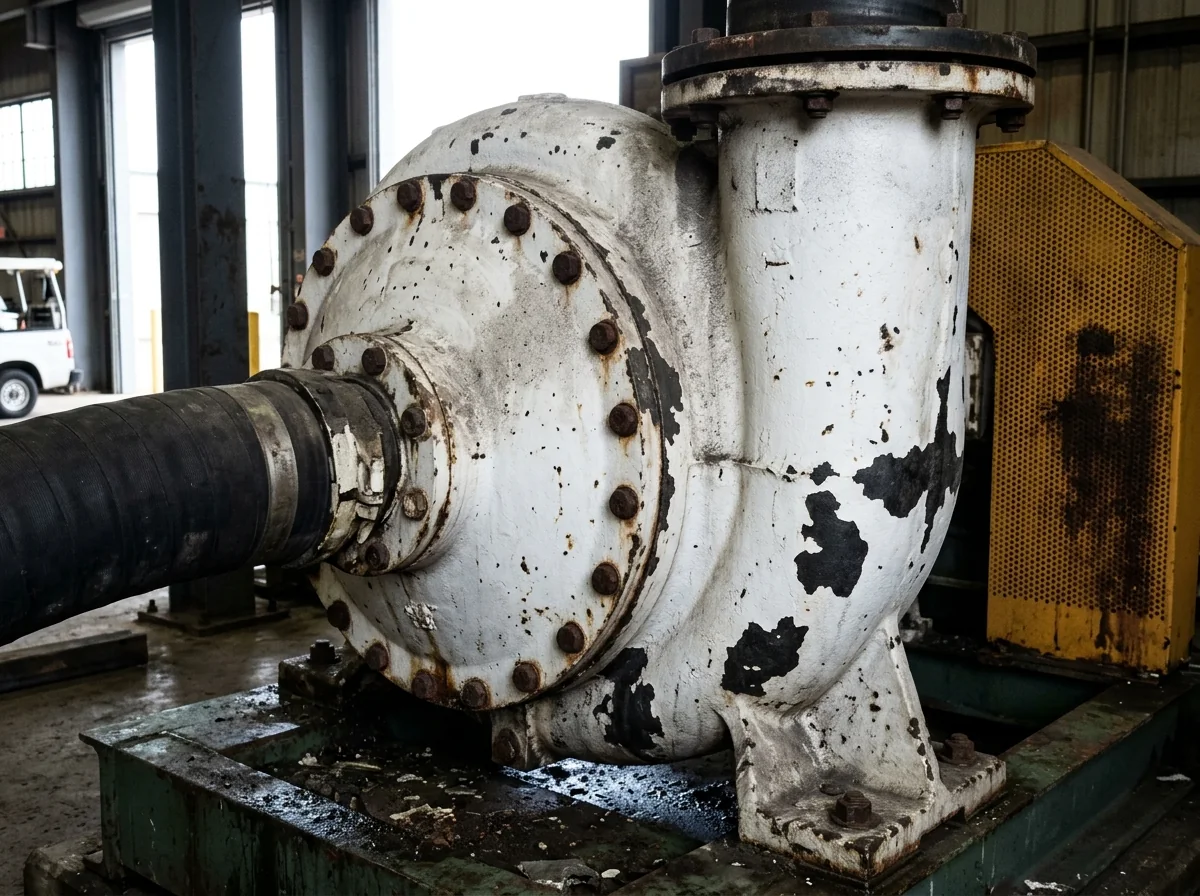
Pumps, Valves & OEM
Actuator mounts and pump baseplatesTitanium Grade 2 serrated flange nuts clamp actuator mounts and pump baseplates through a serrated flange that engages the mounting face. The mating surface must accept the serration contact. Repeated maintenance makes fit, engagement and access part of the component specification.
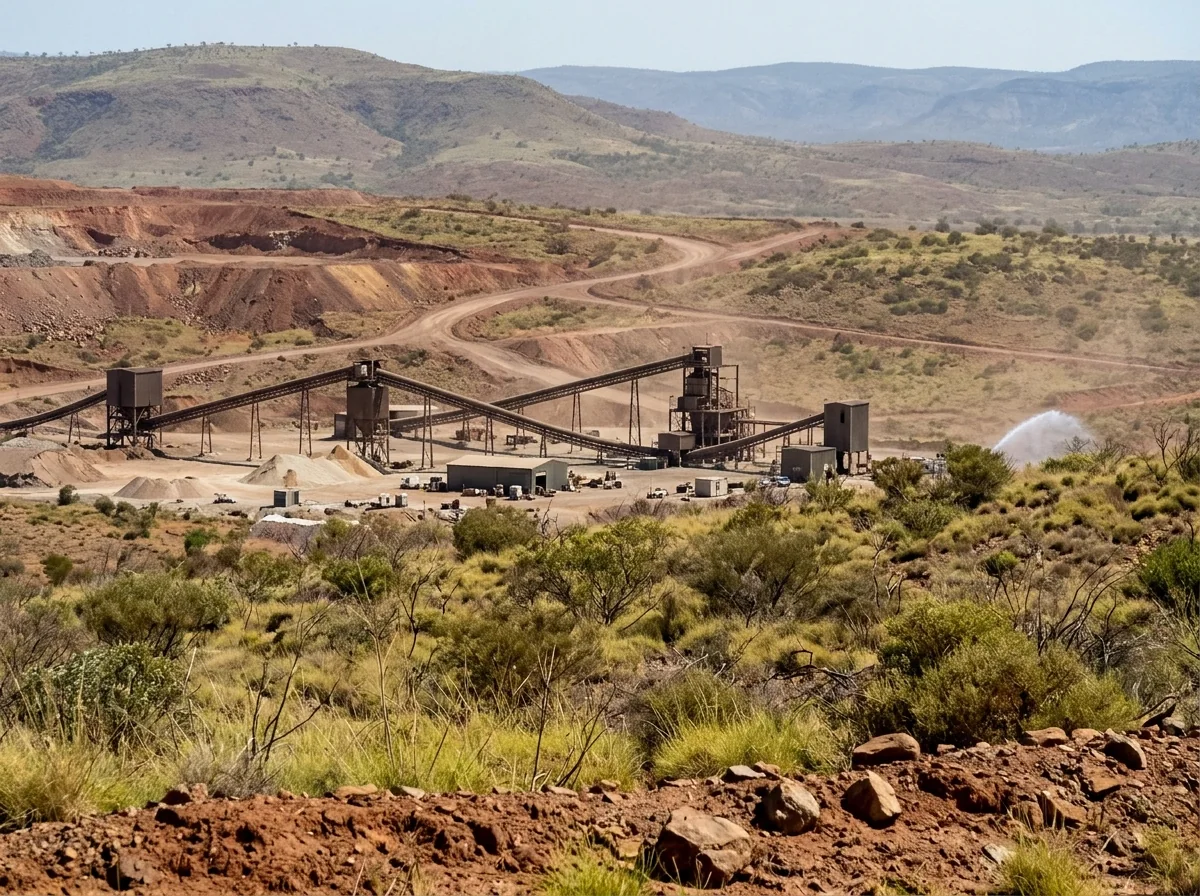
Mining & Mineral Processing
Leach-equipment and dosing-skid supportsTitanium Grade 2 serrated flange nuts clamp leach-equipment and dosing-skid supports through a serrated flange that engages the mounting face. The mating surface must accept the serration contact. Leach solution and deposits act on the installed part; corrosion duty is separate from abrasive wear.
Same serrated flange nut. Different material priorities.
Titanium Grade 2 material dataHastelloy C-276
Resistance to chemically aggressive, mixed process streams.
- Connection priority
- Bearing and tooth engagement against the member
- Process liquid and shutdown chemistry
- C-276 is selected for its nickel–chromium–molybdenum–tungsten chemistry. Residual product, cleaning liquid and oxidising contamination can expose a sheltered connection differently from the main flow. Include liquid retained at the serration tips and the covered flange seat in the exposure description.
Inconel 625
Solid-solution strength and resistance to aggressive process liquids.
- Connection priority
- Bearing and tooth engagement against the member
- Annealed or solution-annealed 625
- The delivery condition affects strength and high-temperature response. Keep the specified condition with the component’s mechanical acceptance; 718-style aging is not the strengthening route for 625. Include liquid retained at the serration tips and the covered flange seat in the exposure description.
Hastelloy C-22
Corrosion resistance across oxidising and reducing process exposures.
- Connection priority
- Bearing and tooth engagement against the member
- Production and cleaning cycles
- C-22’s chromium-bearing chemistry is relevant when chemical exposure changes between operating and cleaning cycles. Include both liquids when comparing it with C-276 or a B-type nickel alloy. Include liquid retained at the serration tips and the covered flange seat in the exposure description.
From drawing to documented delivery
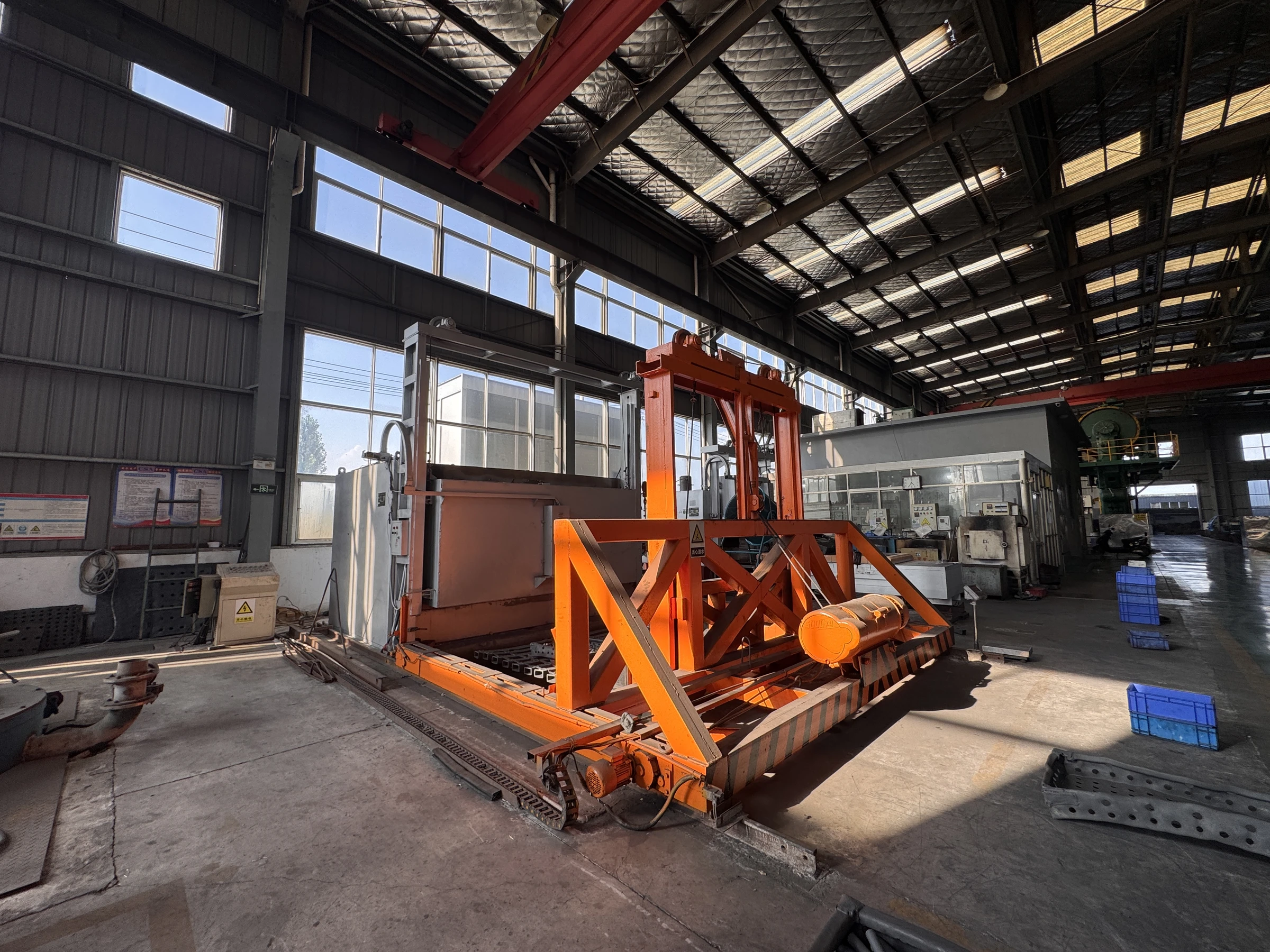
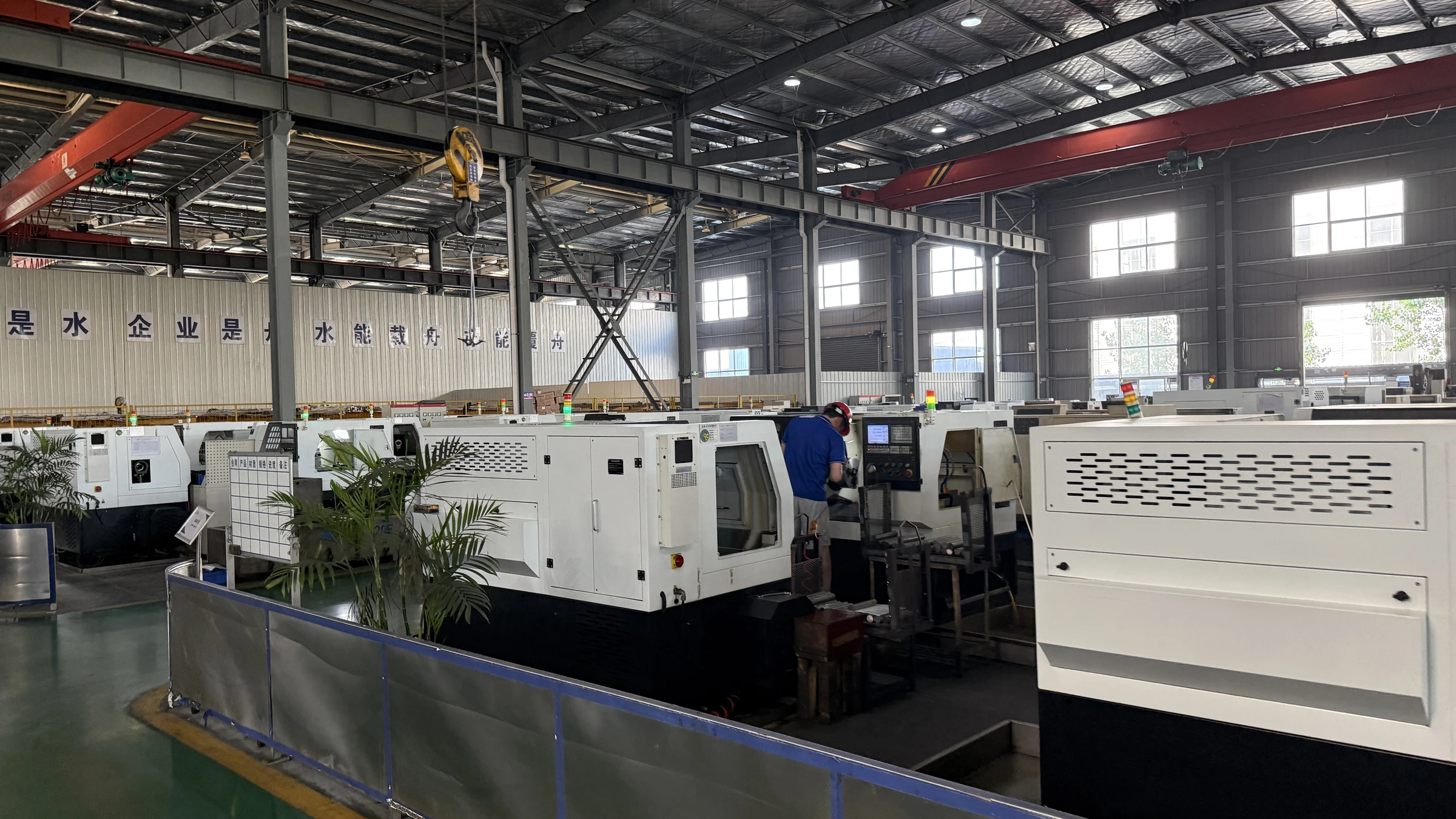
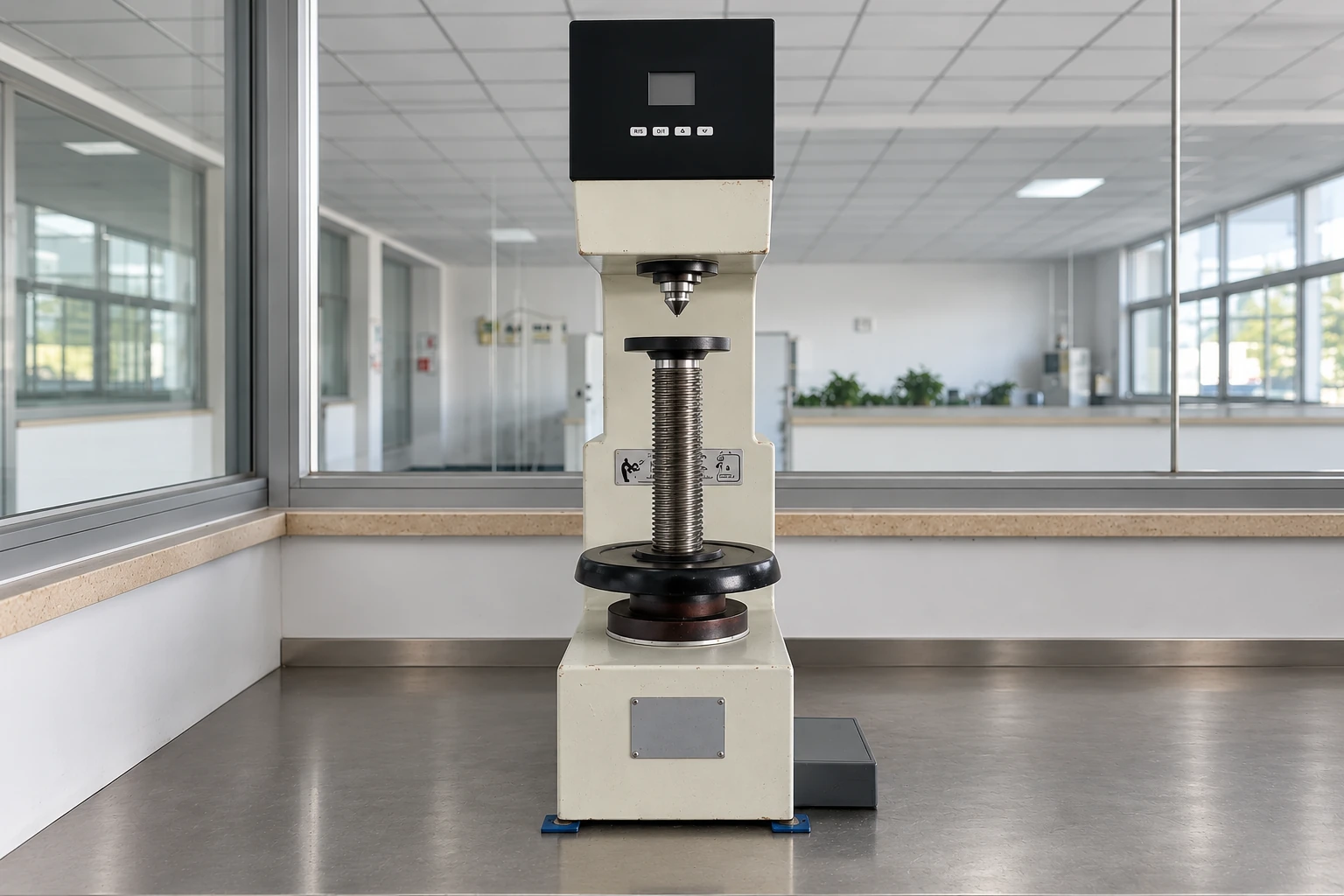
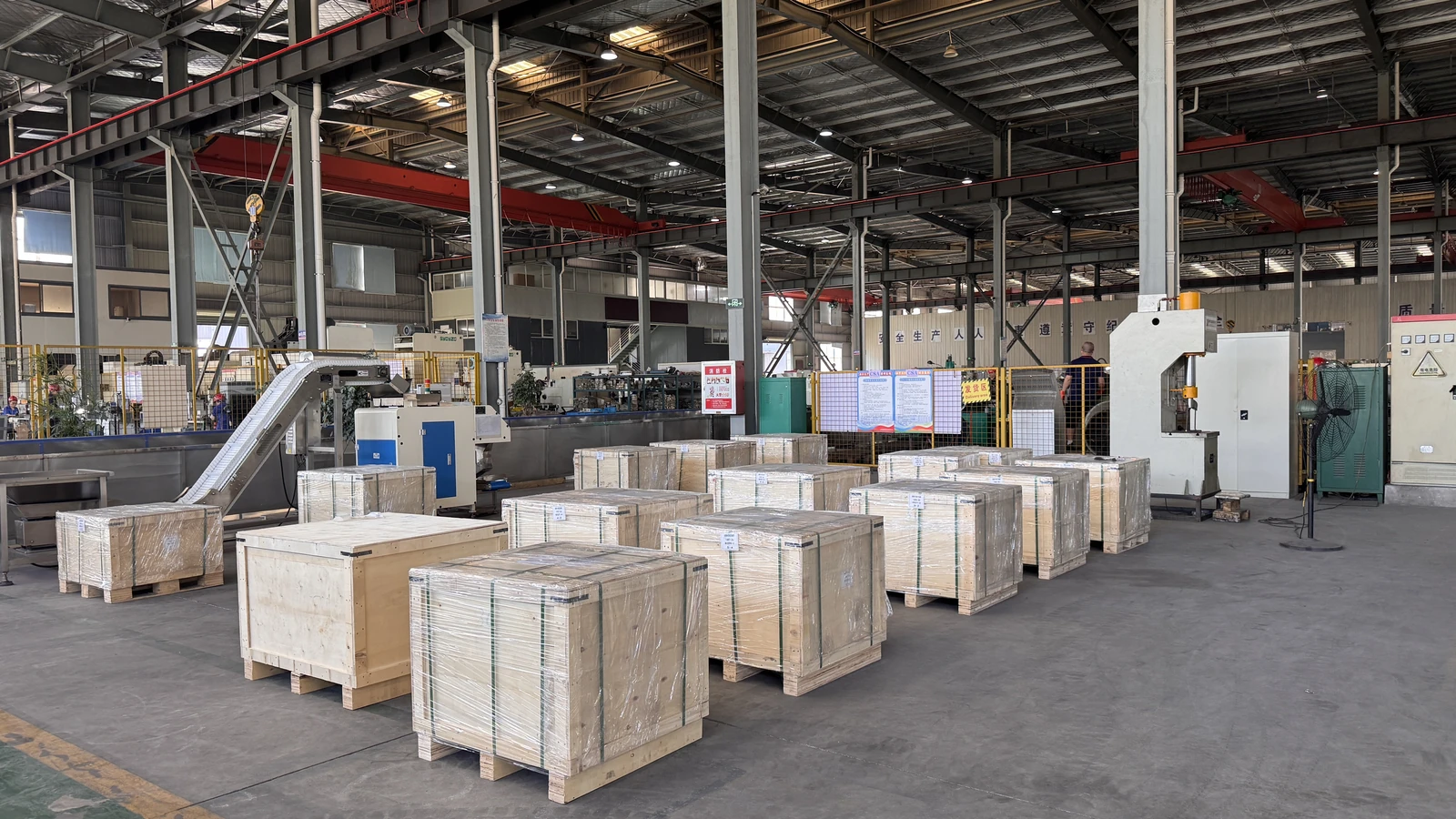
- 01Drawing & BOMForm, dimensions and quantity
- 02Material & formingGrade, heat and manufacturing route
- 03Final inspectionGeometry, threads and ordered tests
- 04Documents & dispatchLot records and identified packing
Order documents
- Material identity
- UNS R50400 · heat number · ordered condition
- Final-part acceptance
- Grade chemistry, surface condition and the ordered mechanical requirements.
- Dimensional record
- Flange diameter · Serrations · Nut height · Threads
- Traceability
- EN 10204 3.1 material certificate · production lot · identified packing
Build your Titanium Grade 2 serrated flange nut enquiry
Questions about Titanium Grade 2 serrated flange nuts
Will serrations preserve a coated bearing surface?
Serrations work by engaging the surface and can break its coating. Include the exposed substrate in the corrosion assessment; the nut’s own alloy cannot protect coating damage underneath it.