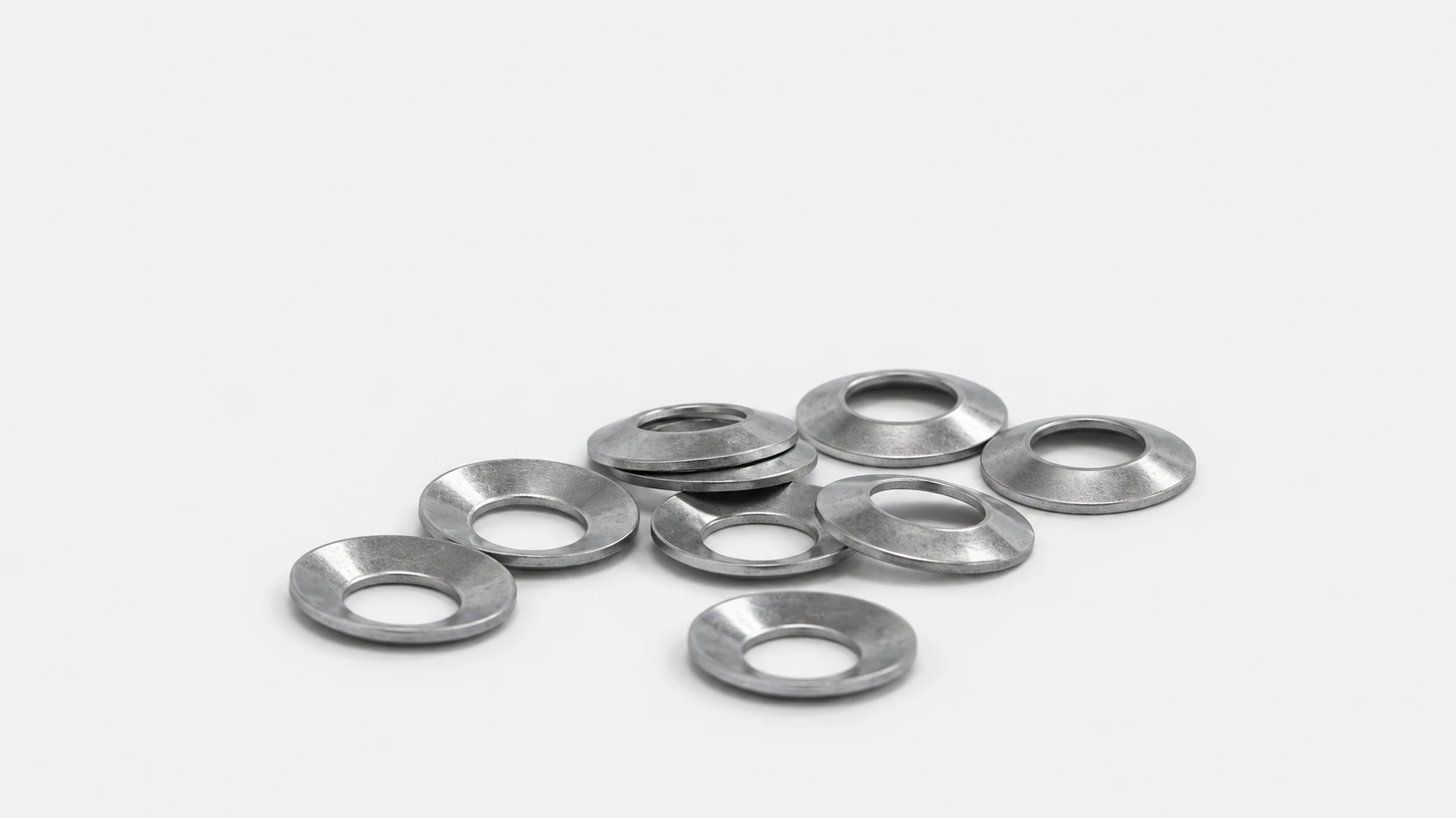
Titanium Grade 2 Belleville disc springs
EN 16983ASTM B265
Titanium Grade 2 disc springs put low mass, corrosion resistance and commercially pure titanium formability into a flexing preload element. Working force, installed height and final material condition define the part more usefully than free diameter alone.
- MOQ
- 100PCS
- Samples · typical
- ~20 days
- Production · typical
- 25–35 days
- Heat treatment
- Annealed
EN 10204 3.1 MTC + heat-number traceability
Which standard is on your order?
Raw Material Specifications
Dimension Reference
Heat Treatment
AnnealedAnnealing reduces working stresses and restores ductility, with atmosphere and surface control limiting contamination during heating.
What we can make in Titanium Grade 2

Single disc
Use under a fastener or in a preload mechanism when a short axial space must provide spring force. Select by load at working deflection, not by bore and outside diameter alone.

Series stack
Alternate disc orientation when a joint needs more travel to accommodate thermal movement or seating loss. Total travel increases at approximately the single-disc load; guides keep the stack aligned.

Parallel stack
Nest discs in the same orientation when the available travel is small but more spring force is needed. Load rises at approximately the single-disc deflection, with friction affecting the real load-deflection response.
- Form
- Conical disc
- Key dimensions
- Bore · Outside diameter · Thickness
- Spring definition
- Free height · Load–deflection
- Stacking
- Single · Series · Parallel
- Final condition
- Annealed
- Inspection
- Free height · Thickness · Load–deflection
Manufacturing route
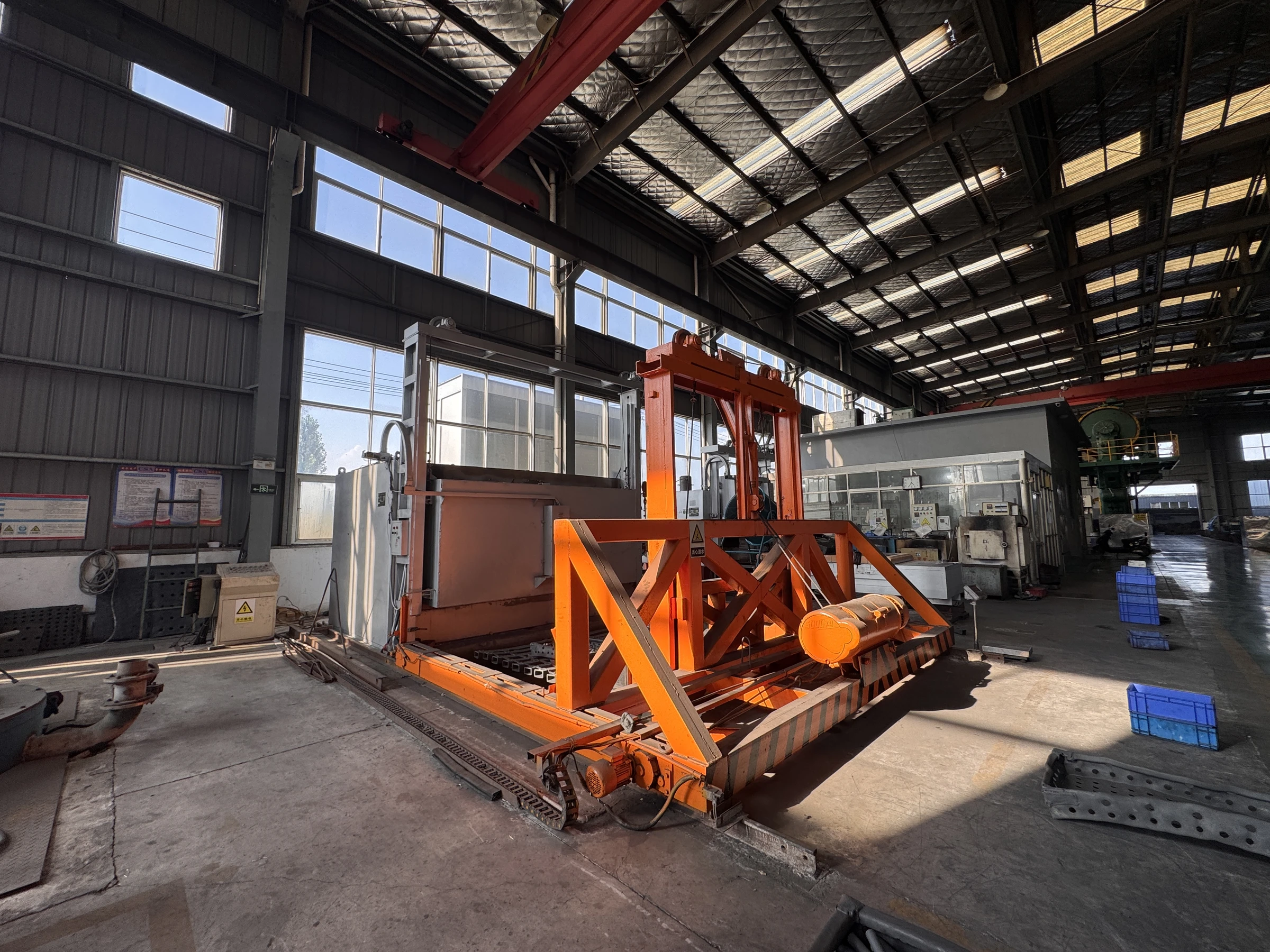
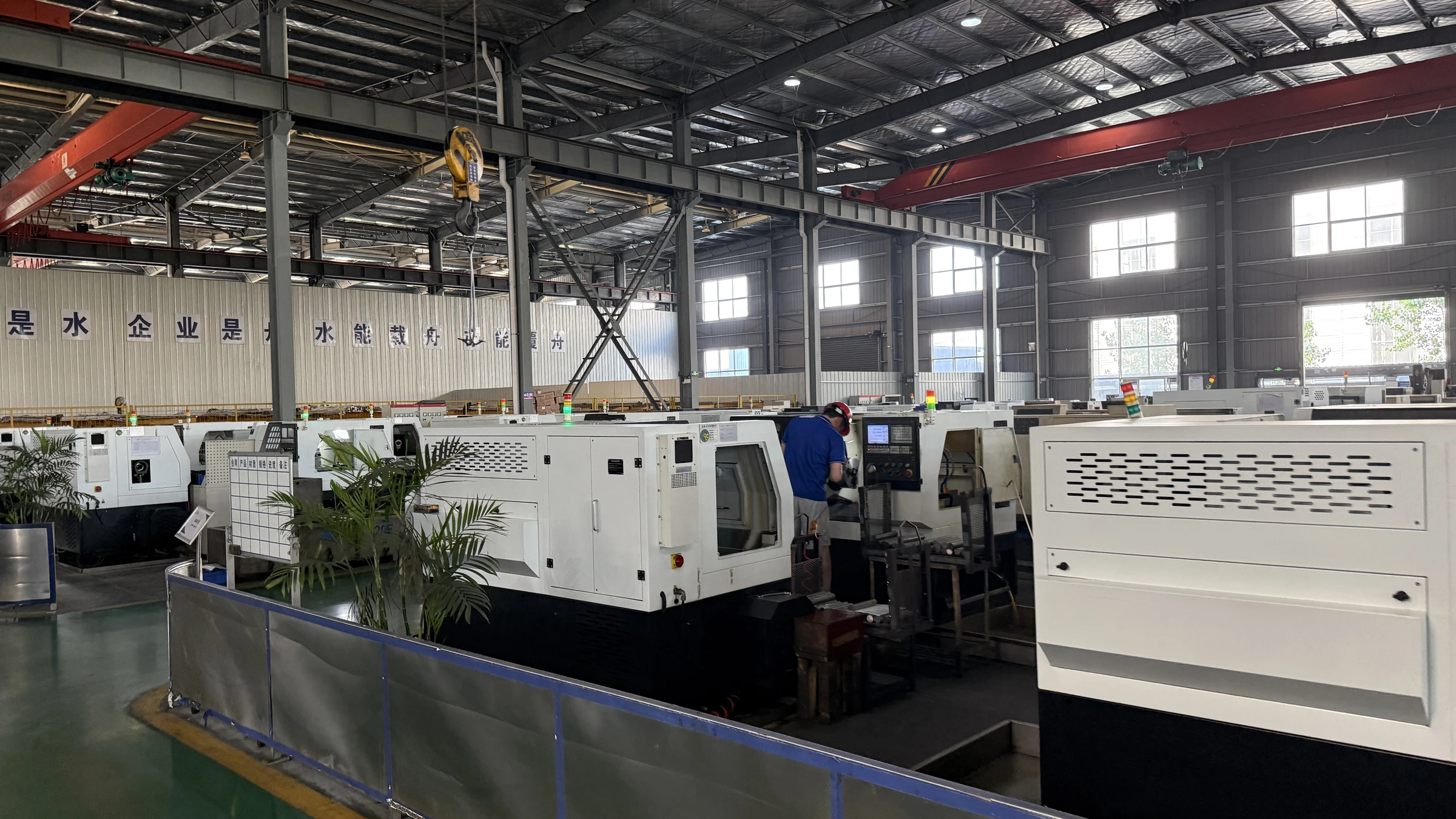
Disc blanks are cut and formed to the required cone height; thickness and edge quality control stress distribution through the working travel.
Heat treatment & final condition
Forming and thermal processing require contamination control. The final surface is cleaned before dimensional and material acceptance.
Working performance
The alloy’s elastic modulus and forming response require a dedicated load–deflection design. A steel spring rating cannot be carried over to the same-size reactive-metal disc or ring.
Where Titanium Grade 2 fits — and what matters

Chemical Processing
Mixer drives and process-equipment bracketsTitanium Grade 2 disc spring / belleville washers form preload stacks in the bolted mounts of mixer drives and process-equipment brackets. Working deflection allows the stack to accommodate movement while maintaining the designed spring force. Process liquid can remain at the contact after the exposed surface drains.
Pumps, Valves & OEM
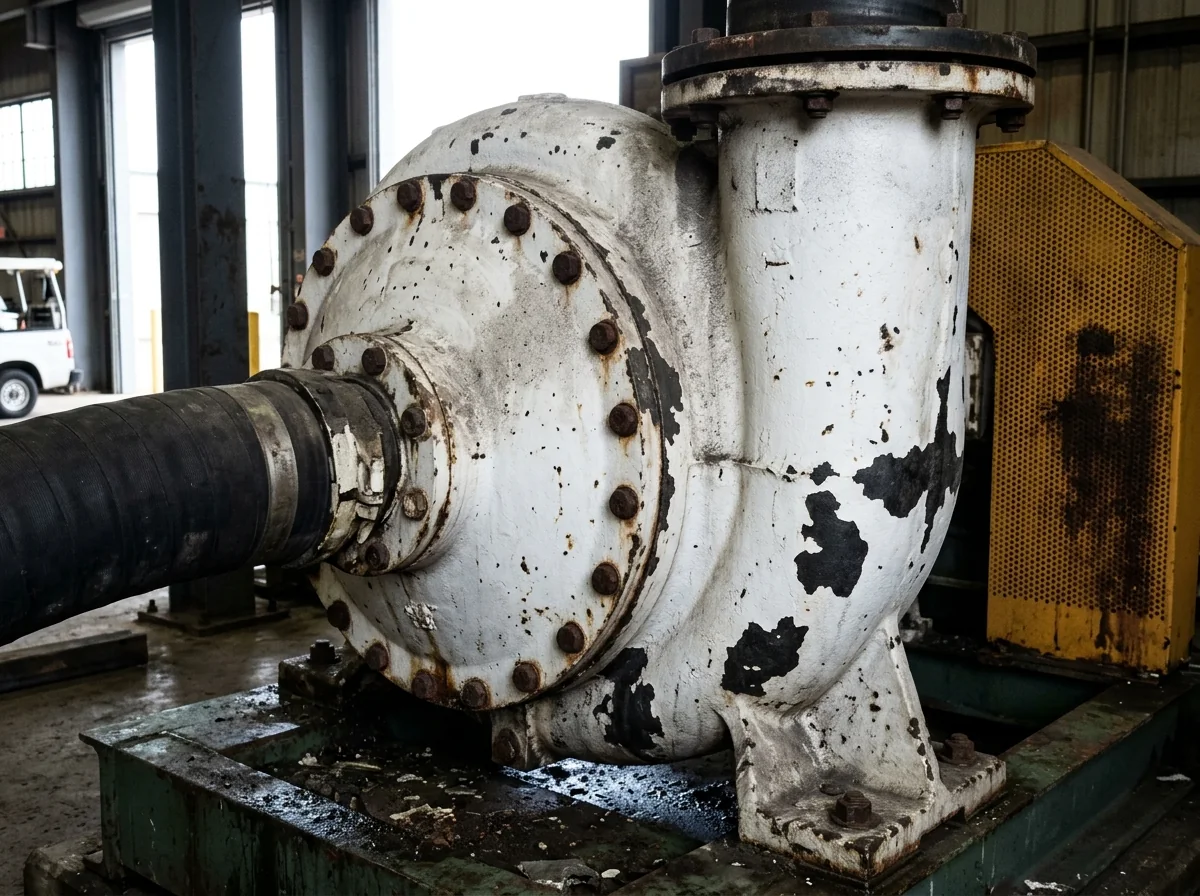
Actuator mounts and pump baseplatesTitanium Grade 2 disc spring / belleville washers form preload stacks in the bolted mounts of actuator mounts and pump baseplates. Working deflection allows the stack to accommodate movement while maintaining the designed spring force. Repeated maintenance makes fit, engagement and access part of the component specification.

Mining & Mineral Processing
Leach-equipment and dosing-skid supportsTitanium Grade 2 disc spring / belleville washers form preload stacks in the bolted mounts of leach-equipment and dosing-skid supports. Working deflection allows the stack to accommodate movement while maintaining the designed spring force. Leach solution and deposits act on the installed part; corrosion duty is separate from abrasive wear.
Same disc spring. Different material priorities.
Titanium Grade 2 material dataInconel X-750
Age-hardened strength and a choice of hot-service heat treatments.
- Connection priority
- Force at working deflection and relaxation during dwell
- Spring treatment versus bolting treatment
- X-750 has several heat-treatment routes. The route for retained spring force is selected around relaxation and working stress; a bolting strength requirement calls for its own specified condition. At the loaded disc faces and stack contact edges, the relevant metal temperature can differ from the process or furnace set point.
Inconel 718
Precipitation-hardened strength for compact, highly loaded connections.
- Connection priority
- Force at working deflection and relaxation during dwell
- Strength after aging
- Machine-stock properties and final aged properties describe different states. The final heat-treatment lot and mechanical results establish the strength available in the installed part. At the loaded disc faces and stack contact edges, the relevant metal temperature can differ from the process or furnace set point.
Inconel 625
Solid-solution strength and resistance to aggressive process liquids.
- Connection priority
- Force at working deflection and relaxation during dwell
- Annealed or solution-annealed 625
- The delivery condition affects strength and high-temperature response. Keep the specified condition with the component’s mechanical acceptance; 718-style aging is not the strengthening route for 625. Include liquid retained at the loaded disc faces and stack contact edges in the exposure description.
From drawing to documented delivery
- 01Drawing & BOMForm, dimensions and quantity
- 02Material & formingGrade, heat and manufacturing route
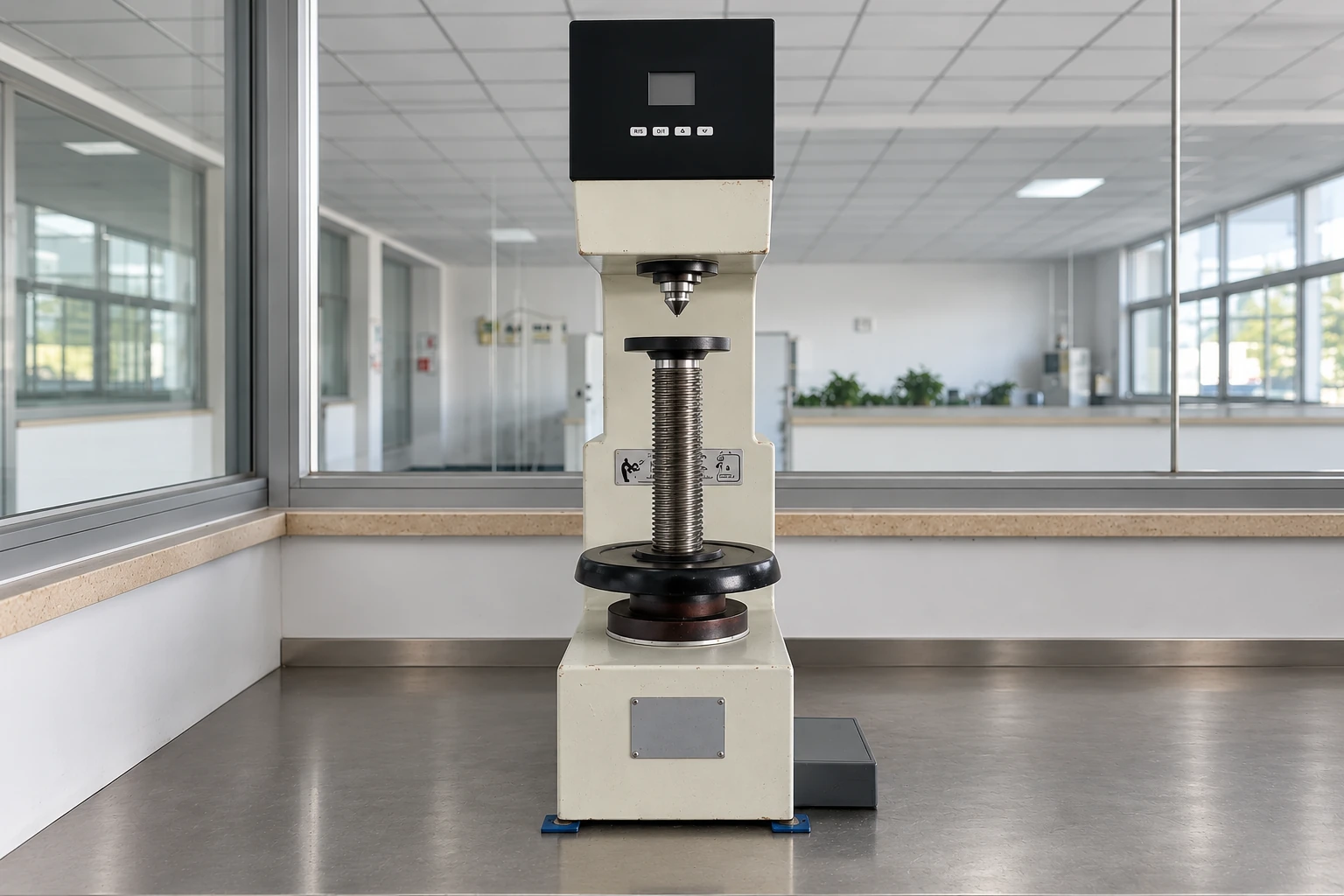
- 03Final inspectionGeometry, threads and ordered tests
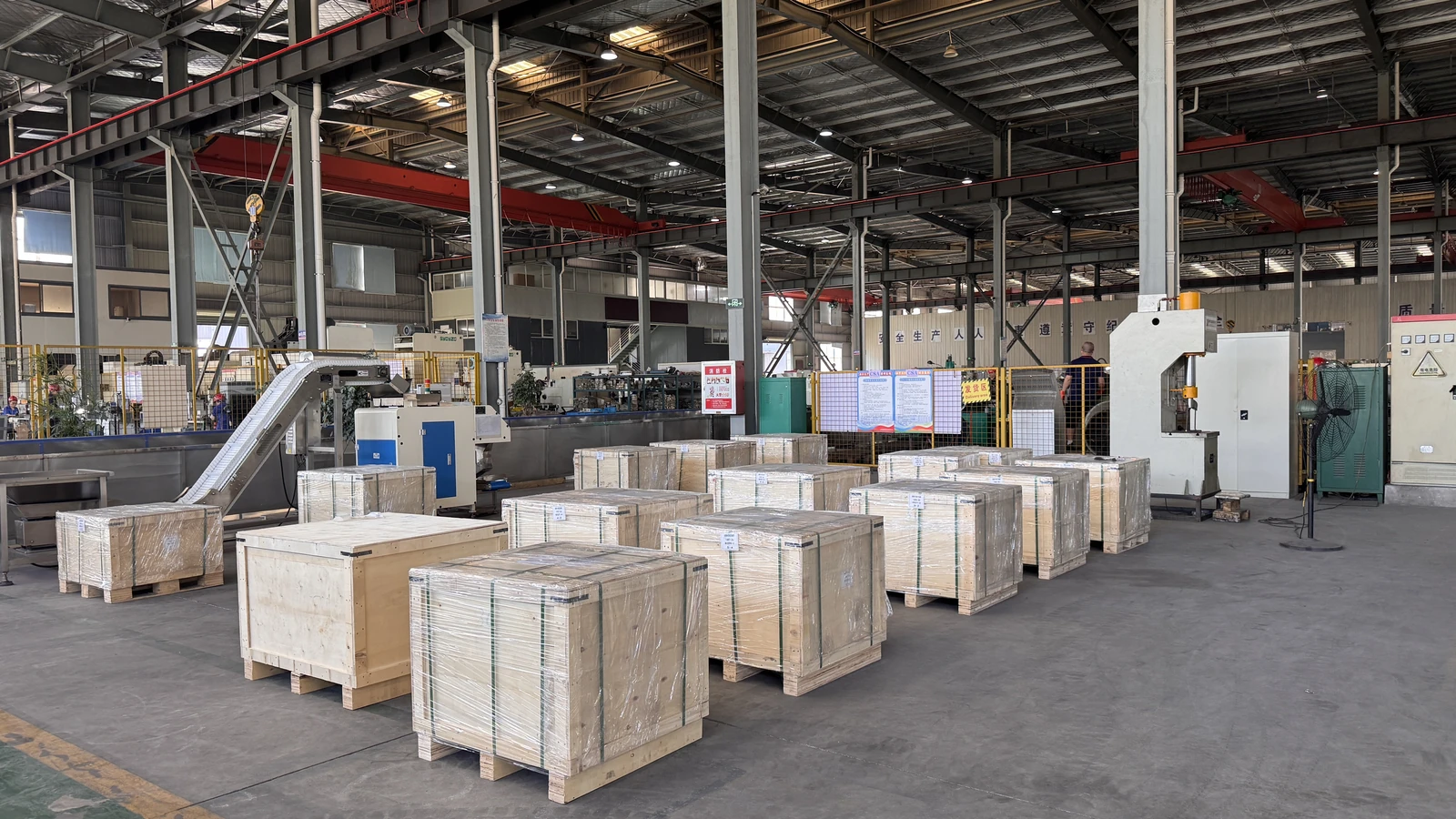
- 04Documents & dispatchLot records and identified packing
Order documents
- Material identity
- UNS R50400 · heat number · ordered condition
- Final-part acceptance
- Grade chemistry, surface condition and the ordered mechanical requirements. Load–deflection and permanent-set results for the specified spring geometry.
- Dimensional record
- Free height · Thickness · Load–deflection
- Traceability
- EN 10204 3.1 material certificate · production lot · identified packing
Build your Titanium Grade 2 disc spring enquiry
Questions about Titanium Grade 2 disc spring / belleville washers
Can an alloy change preserve the same disc-spring rating?
Elastic modulus, yield behaviour and final condition influence the load–deflection curve. Recalculate and verify the working response for the selected alloy rather than carrying over a same-size steel disc’s rating.