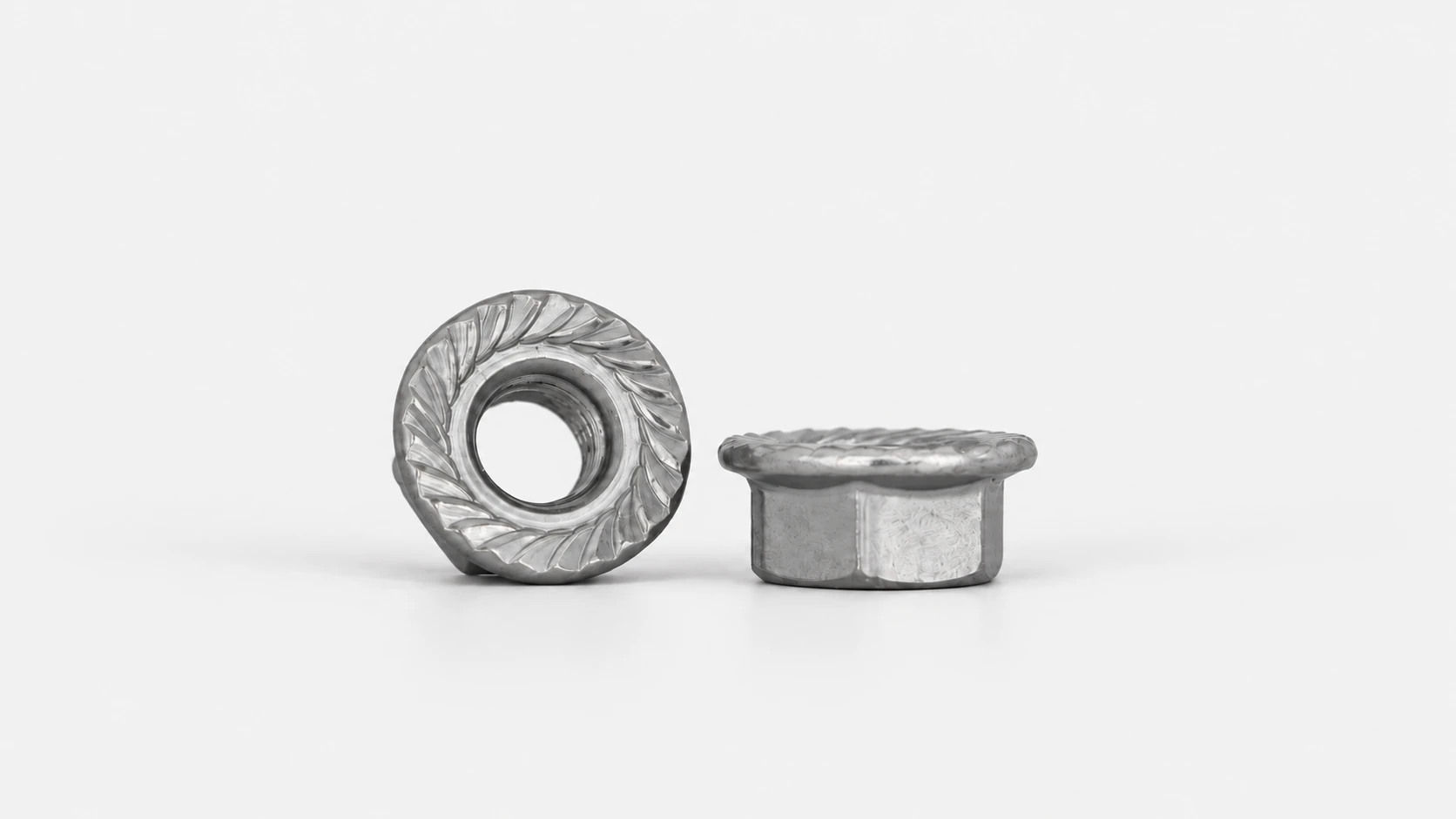
Alloy 926 Serrated flange nuts
ISO 4161ASTM B649
Alloy 926 serrated flange nuts engage the member directly through their toothed seat. High-molybdenum, nitrogen-bearing resistance to chloride media concerns the nut body; the substrate exposed by the serrations remains part of the same connection.
- MOQ
- 100PCS
- Samples · typical
- ~20 days
- Production · typical
- 25–35 days
- Heat treatment
- Solution annealed
EN 10204 3.1 MTC + heat-number traceability
Which standard is on your order?
Raw Material Specifications
Threads · Metric
Threads · Inch
Dimension Reference
Heat Treatment
Solution annealedSolution annealing and rapid cooling retain alloying elements in solution and restore the specified corrosion-resistant condition.
What we can make in Alloy 926
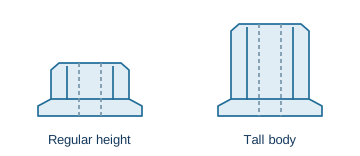
Body height: regular / tall
- Regular height
- Fits compact equipment covers and mounting brackets where clearance above the nut is limited.
- Tall body
- Provides longer thread engagement on clamping studs in jigs, fixtures and machine-tool setups that are tightened and released repeatedly.
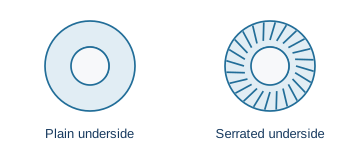
Bearing face: plain / serrated
- Plain face
- For painted covers and finished equipment faces where serration marks are unwanted.
- Serrated face
- For metal mounting brackets where teeth can bite directly into the seat to resist rotation.
All configurations shown are available on request.
- Bearing face
- Serrated flange
- Drive
- External hex
- Threads
- Metric · Inch
- Key dimensions
- Flange diameter · Nut height
- Final condition
- Solution annealed
- Inspection
- Flange diameter · Serrations · Nut height · Threads
Manufacturing route
Small lots use machined blanks. Volume nut blanks use a forming route compatible with the alloy before machining the bore and tapping.
Heat treatment & final condition
The final annealed or specified strengthened condition is linked to the lot; an aging treatment is not assumed for a solid-solution alloy.
Finished geometry
Internal thread gauging, usable engagement and bearing-face alignment are checked after final processing.
Where 926 fits — and what matters
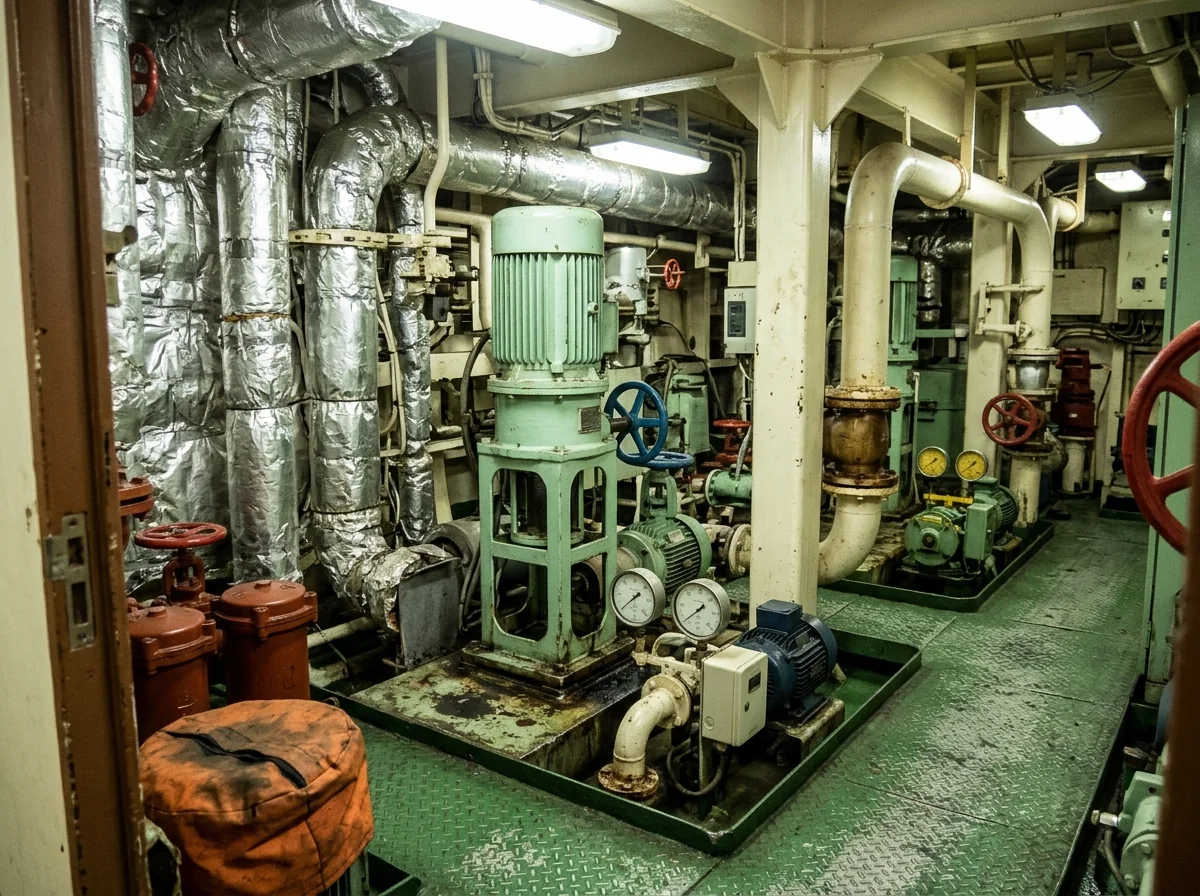
Offshore & Marine
Deck-equipment brackets and marine pump skidsAlloy 926 serrated flange nuts clamp deck-equipment brackets and marine pump skids through a serrated flange that engages the mounting face. The mating surface must accept the serration contact. The assembled contact is exposed to saltwater, deposits and neighbouring metals.
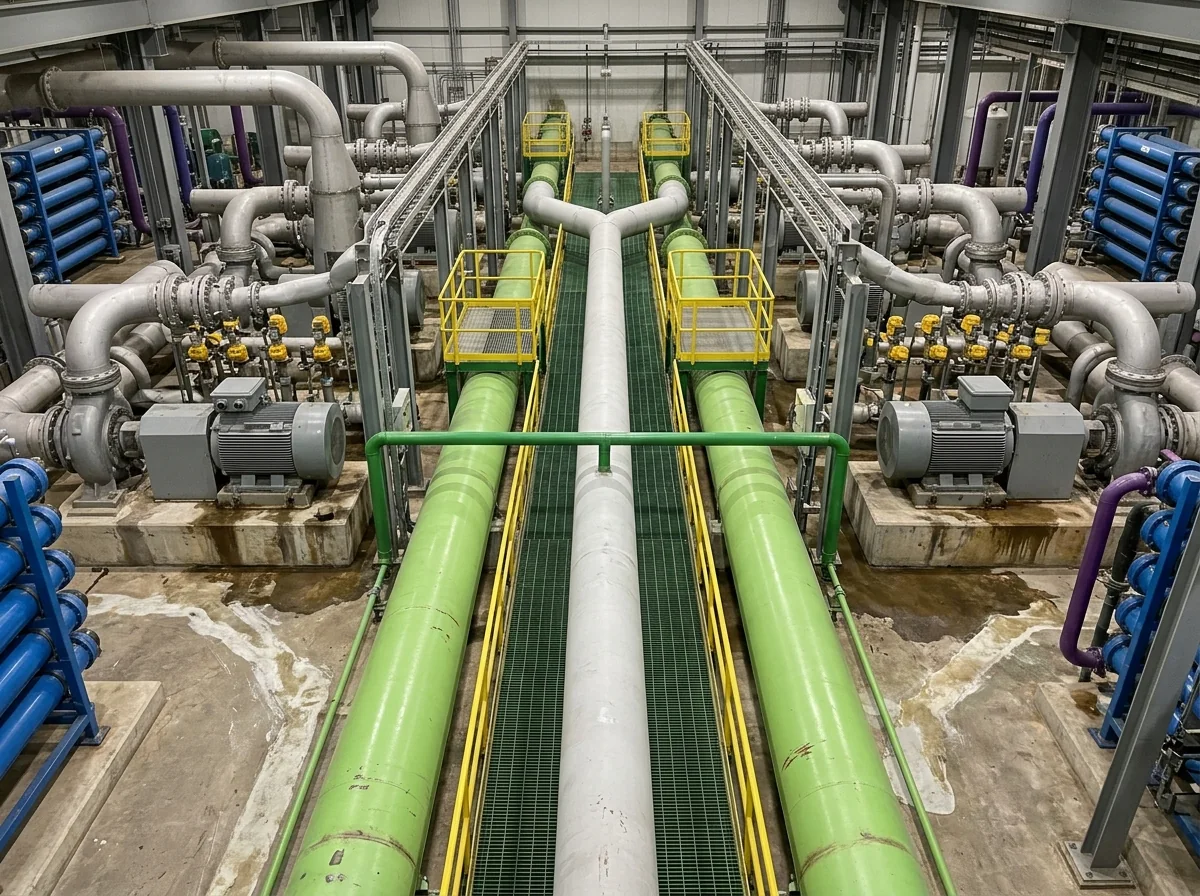
Water Treatment & Desalination
Membrane-skid and pump supportsAlloy 926 serrated flange nuts clamp membrane-skid and pump supports through a serrated flange that engages the mounting face. The mating surface must accept the serration contact. The water stream, cleaning cycle and retained liquid define exposure at the installed part.
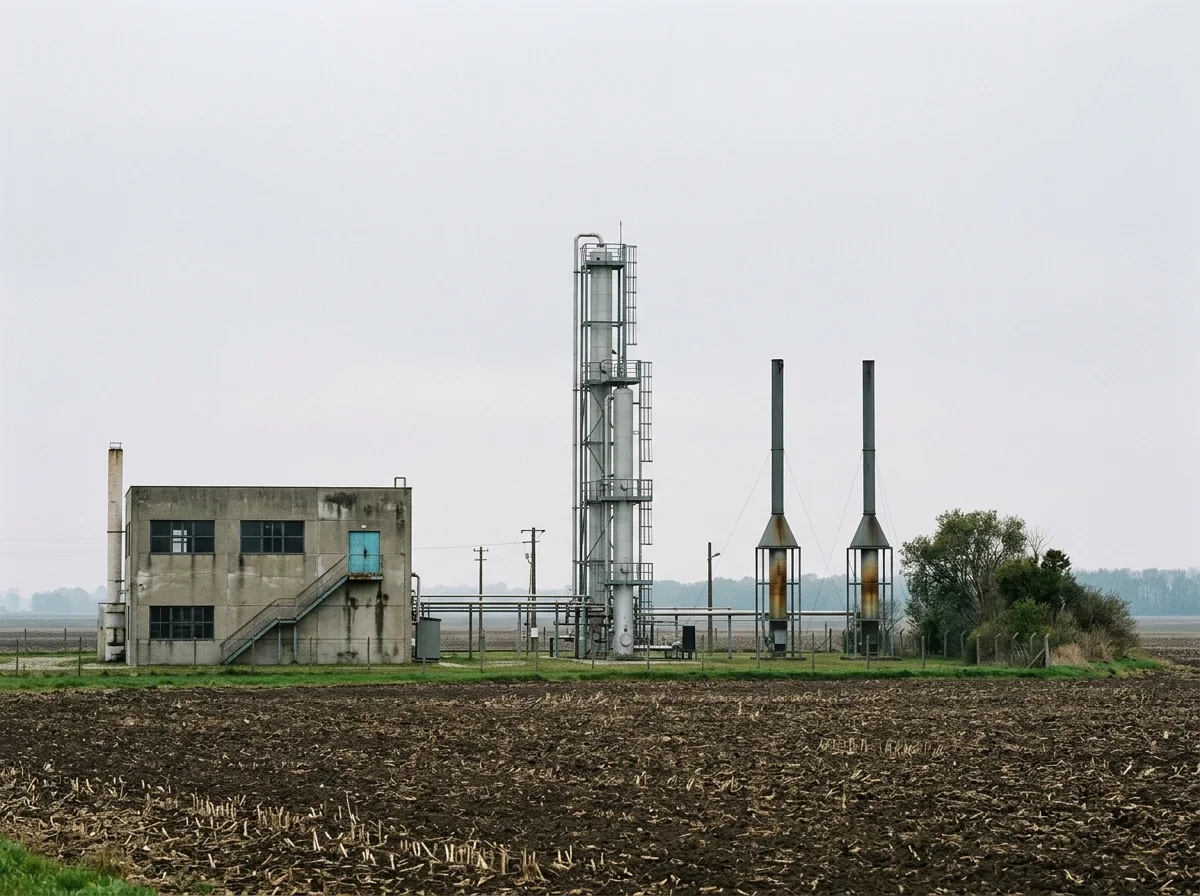
Oil & Gas
Utility skids and instrument supportsAlloy 926 serrated flange nuts clamp utility skids and instrument supports through a serrated flange that engages the mounting face. The mating surface must accept the serration contact. Utility connections and pressure-boundary parts have separate acceptance requirements on the equipment drawing.
Same serrated flange nut. Different material priorities.
Alloy 926 material dataInconel 625
Solid-solution strength and resistance to aggressive process liquids.
- Connection priority
- Bearing and tooth engagement against the member
- Annealed or solution-annealed 625
- The delivery condition affects strength and high-temperature response. Keep the specified condition with the component’s mechanical acceptance; 718-style aging is not the strengthening route for 625. Include liquid retained at the serration tips and the covered flange seat in the exposure description.
Super Duplex 2507
Super-duplex strength and resistance to chloride pitting.
- Connection priority
- Bearing and tooth engagement against the member
- Final duplex structure
- S32750 chemistry and final solution treatment belong together. Forming, section size and cooling affect the structure represented by the mechanical and corrosion records. Include liquid retained at the serration tips and the covered flange seat in the exposure description.
Monel K-500
Age-hardened strength in the nickel–copper alloy family.
- Connection priority
- Bearing and tooth engagement against the member
- Strength and hydrogen exposure
- K-500 gains strength through aging. Cathodic protection, hydrogen exposure and the ordered condition need joint consideration in highly loaded marine components. Include liquid retained at the serration tips and the covered flange seat in the exposure description.
From drawing to documented delivery
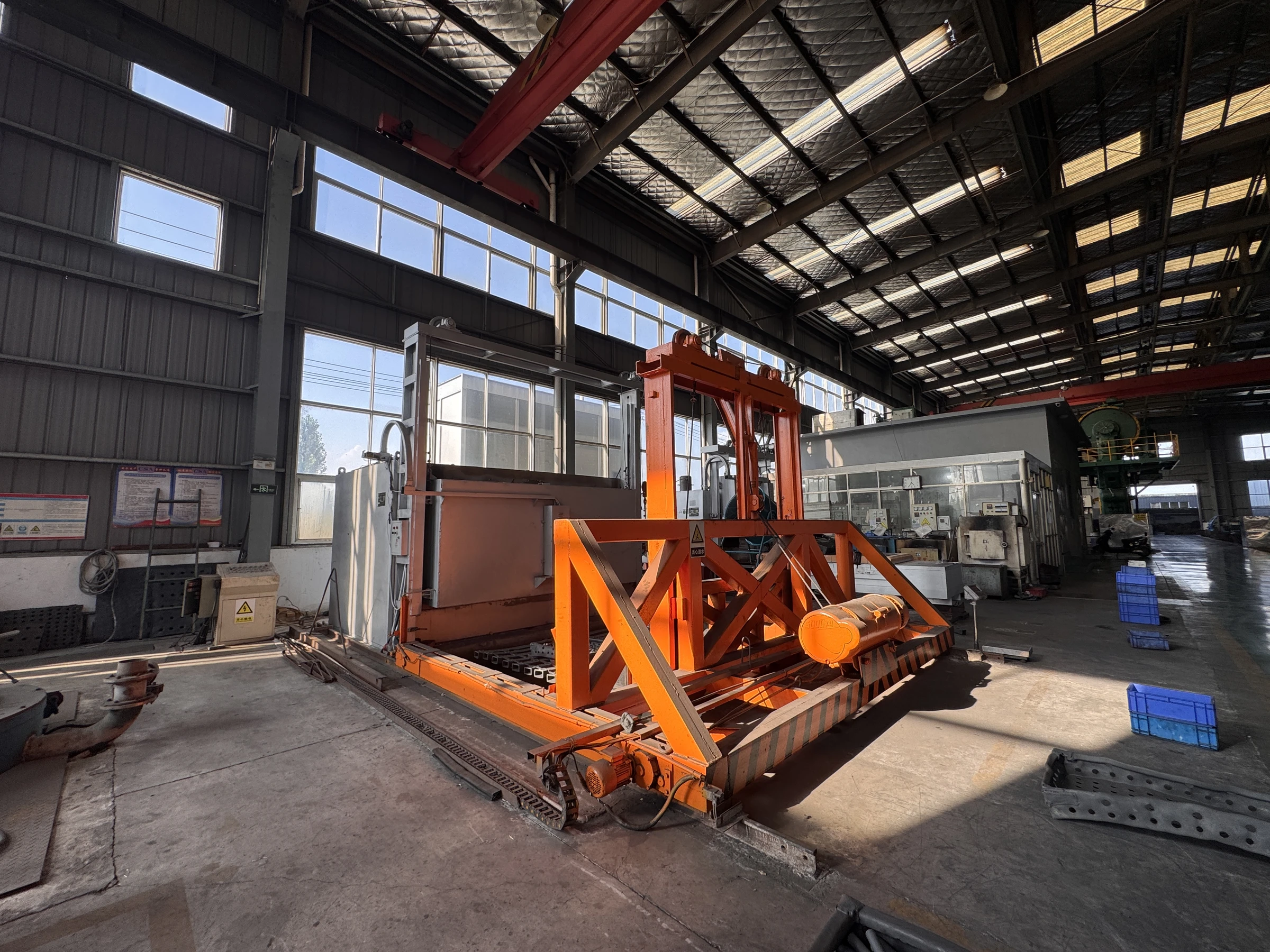
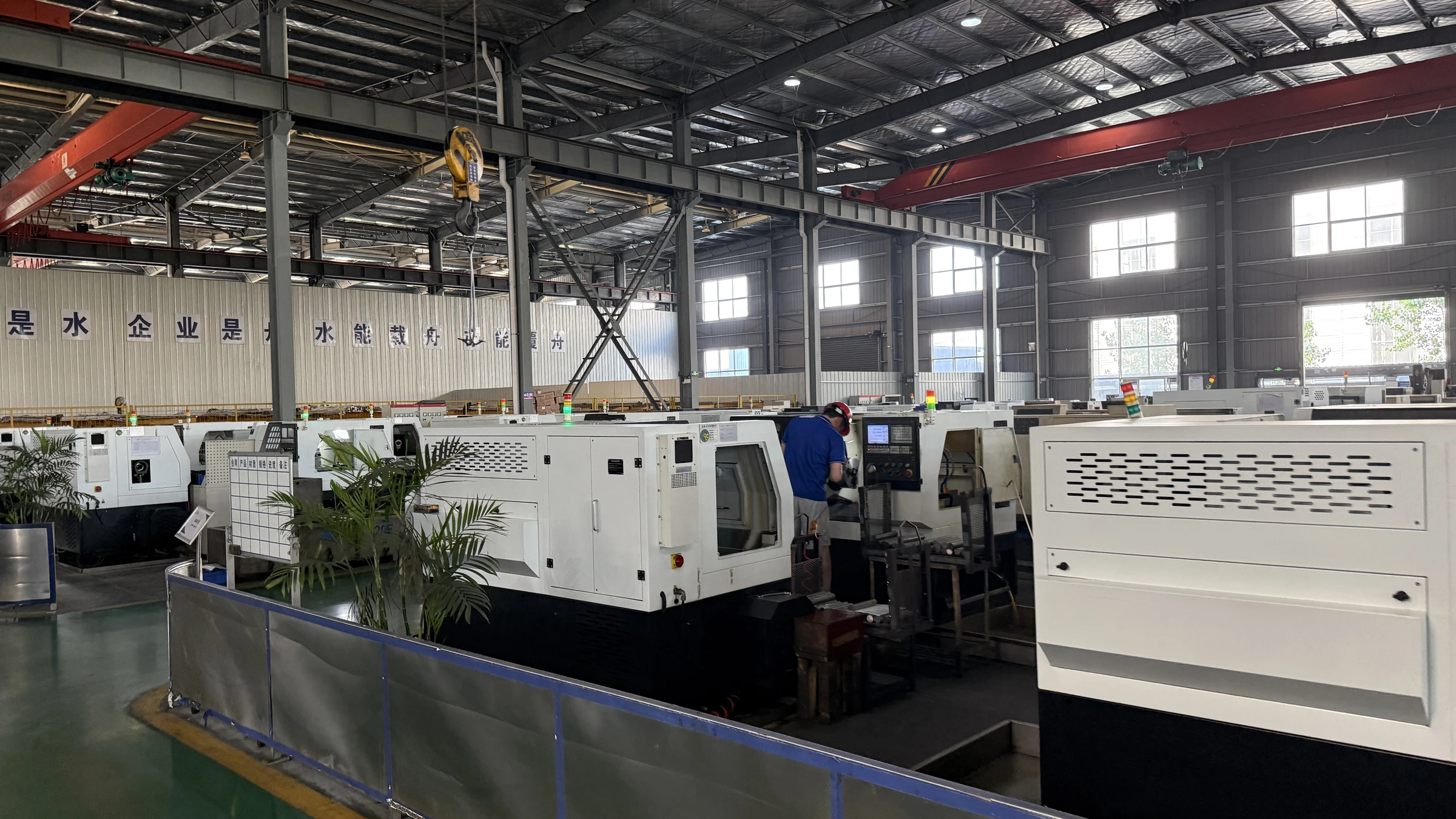
- 01Drawing & BOMForm, dimensions and quantity
- 02Material & formingGrade, heat and manufacturing route
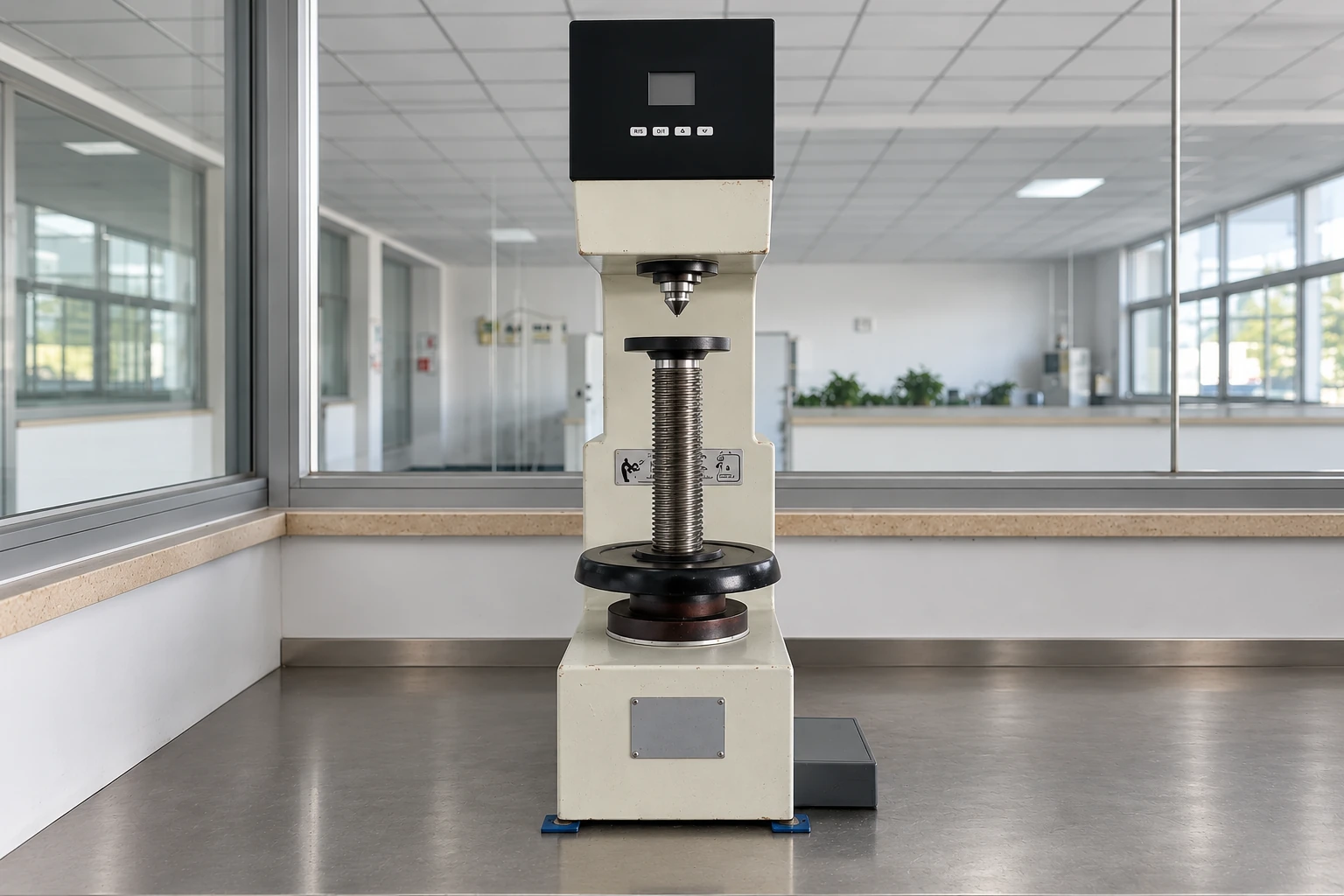
- 03Final inspectionGeometry, threads and ordered tests
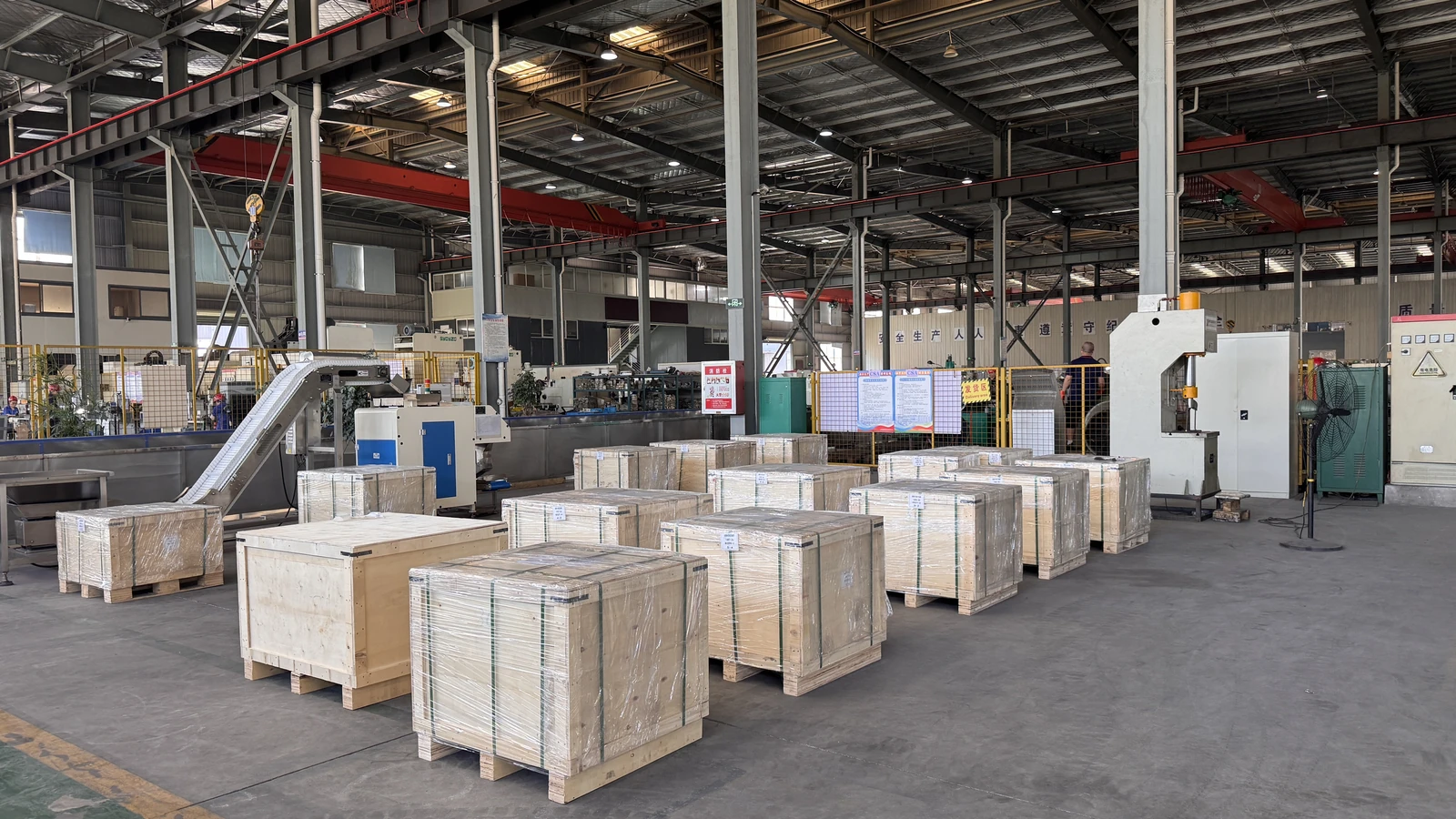
- 04Documents & dispatchLot records and identified packing
Order documents
- Material identity
- UNS N08926 · heat number · ordered condition
- Final-part acceptance
- Grade chemistry, supplied condition and ordered mechanical requirements.
- Dimensional record
- Flange diameter · Serrations · Nut height · Threads
- Traceability
- EN 10204 3.1 material certificate · production lot · identified packing
Build your 926 serrated flange nut enquiry
Questions about 926 serrated flange nuts
Will serrations preserve a coated bearing surface?
Serrations work by engaging the surface and can break its coating. Include the exposed substrate in the corrosion assessment; the nut’s own alloy cannot protect coating damage underneath it.