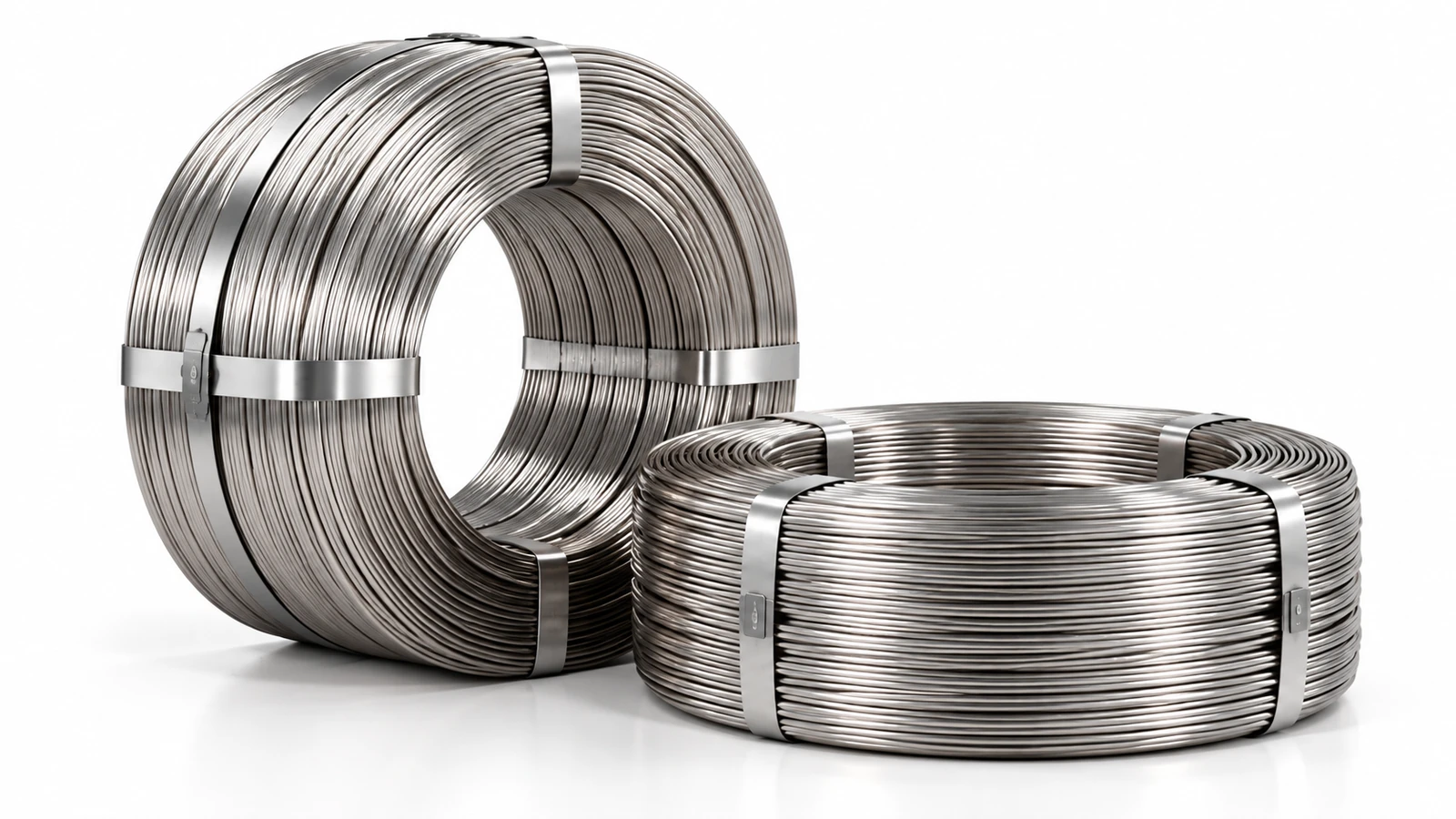
Inconel 718 wire
EN 10204 3.1
Inconel 718 wire brings precipitation-hardened strength for compact, highly loaded connections to formed pins, retainers and specified spring components. Diameter, supplied temper and surface quality determine the feasible forming and final-treatment route.
- MOQ
- 100 kg
- Samples · typical
- ~20 days
- Production · typical
- 25–35 days
- Heat treatment
- Solution treated / solution treated and aged
EN 10204 3.1 MTC + heat-number traceability
Which standard is on your order?
Raw Material Specifications
Heat Treatment
Solution treated and cold worked; precipitation hardenableAMS 5962 wire is solution treated and cold worked, leaving subsequent aging to develop the strength required for the finished component.
What we can make in Alloy 718
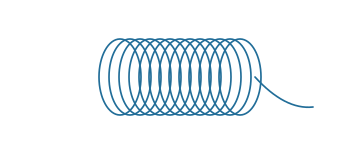
Coiled wire
Use for repeated spring coiling, wire forming and cold-heading feeds. Wire condition must match the next operation: ductile feedstock for heavy forming, spring temper where the design needs elastic strength.
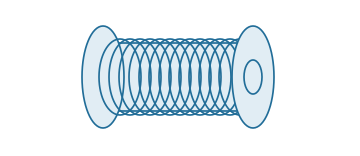
Spooled wire
Use for controlled payout into automatic feeding and winding equipment. Spool dimensions and winding quality affect uninterrupted feeding as much as wire diameter.

Straight lengths
Use for individual pins, straight wire components and small batches without a coil-feeding line. Straightness and cut-end condition reduce preparation before machining or forming.
- Section
- Round wire
- Supply form
- Coil · Spool · Straight length
- Size
- Diameter · Diameter tolerance
- Condition
- Annealed · Specified temper
- Final condition
- Solution treated · solution treated and aged
- Inspection
- Cross-section · Surface · Delivery condition · Heat identity
Supply & preparation
Coil, spool or straightened lengths are identified with diameter and supplied temper; spring wire and heading wire are different orders.
Material condition
Solution treatment and the specified aging condition are recorded against the production lot; final dimensions are checked after thermal processing.
Finished geometry
Diameter, surface defects, coil set and packaging are checked against the intended forming process.
Where 718 fits — and what matters
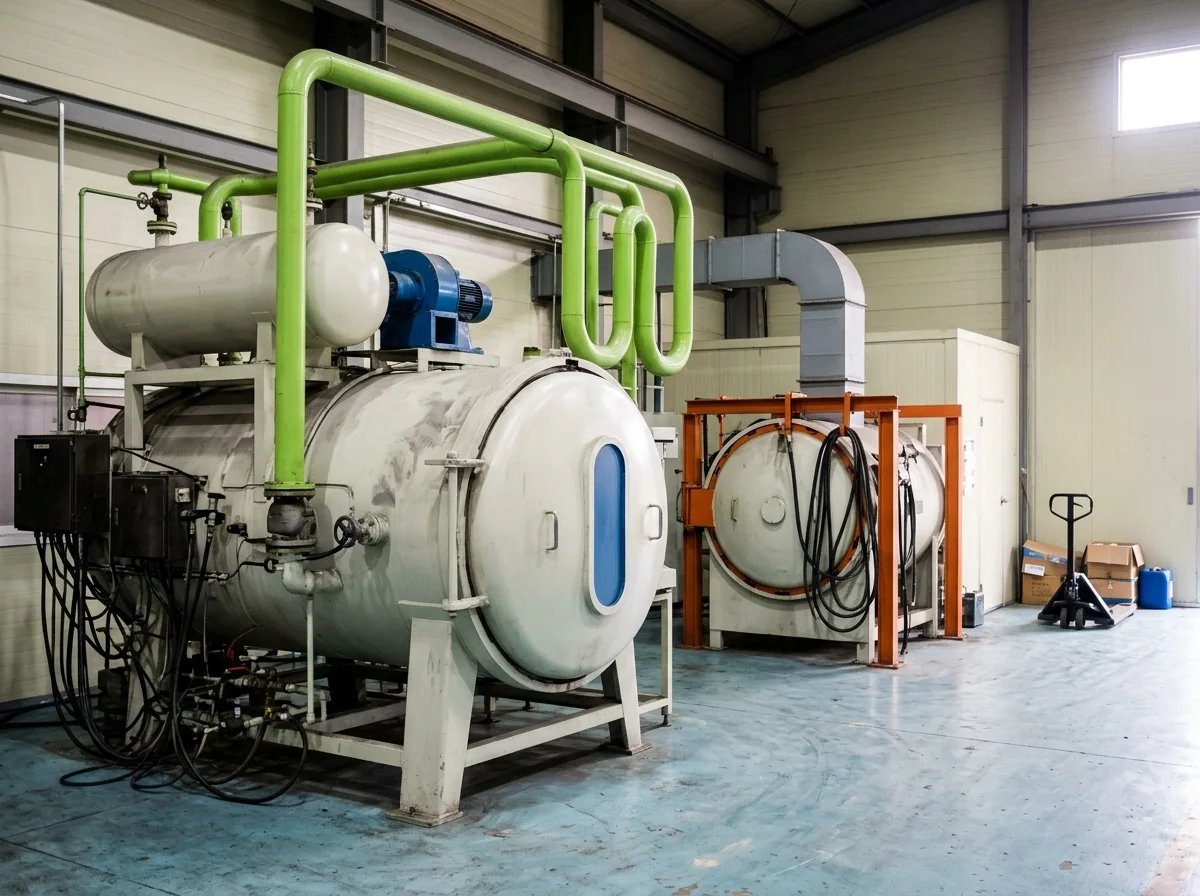
Furnaces & Heat Treatment
Heat-treatment fixturesInconel 718 wire is formed into retaining clips, wire pins or spring blanks for heat-treatment fixtures. Wire diameter and supplied temper define the forming step and subsequent final-condition treatment. Hot dwell, thermal expansion and repeated furnace cycles set the working load.
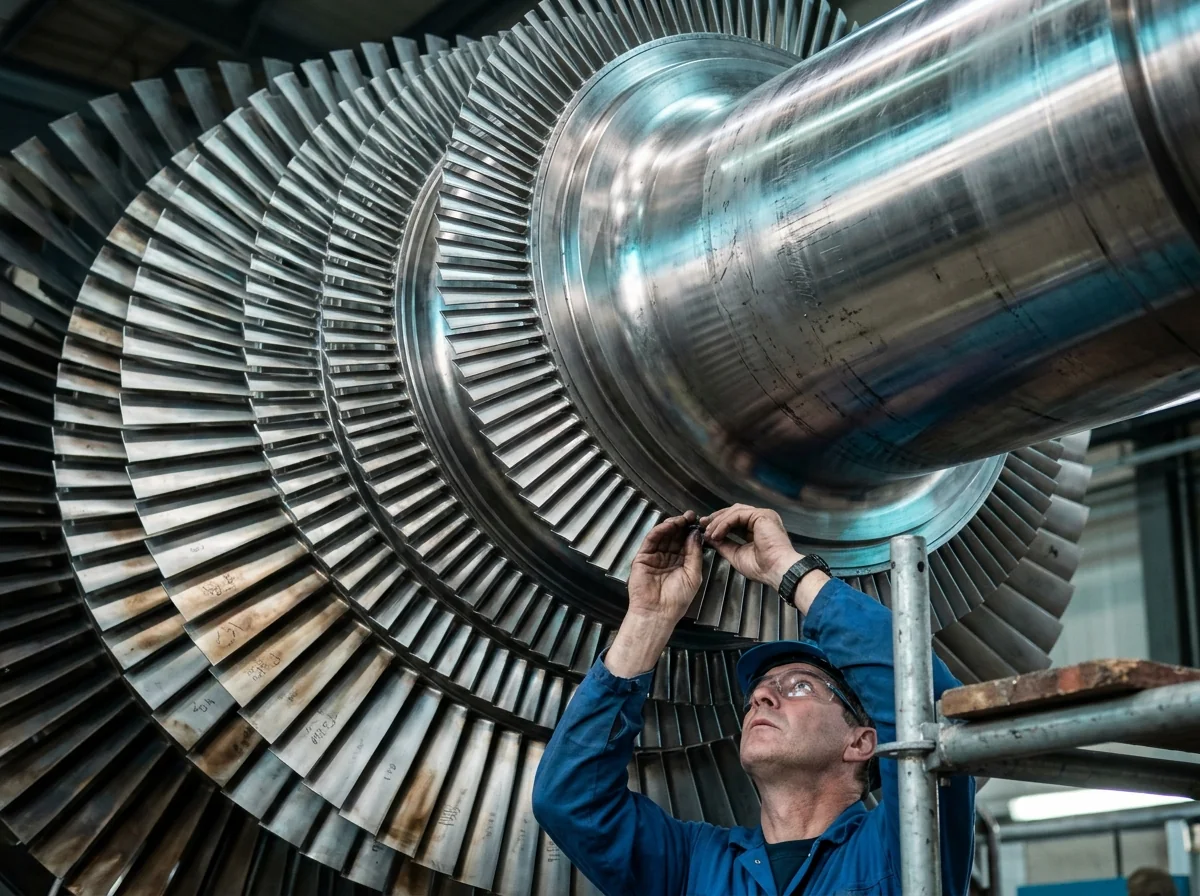
Power & Turbines
Boiler-duct supports and hot auxiliary bracketsInconel 718 wire is formed into retaining clips, wire pins or spring blanks for boiler-duct supports and hot auxiliary brackets. Wire diameter and supplied temper define the forming step and subsequent final-condition treatment. Hot dwell and start-stop expansion act on the supported or moving component.
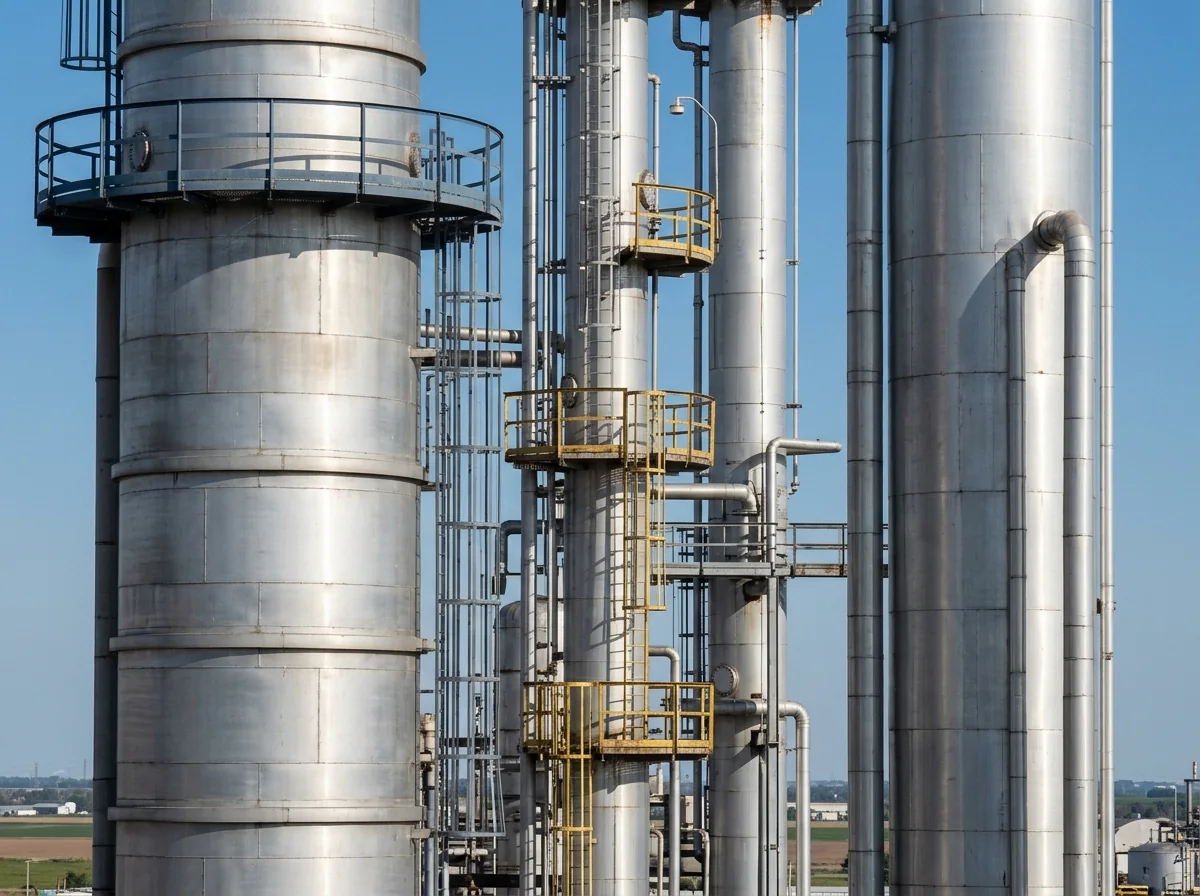
Chemical Processing
Reformer tube-support and heater fixturesInconel 718 wire is formed into retaining clips, wire pins or spring blanks for reformer tube-support and heater fixtures. Wire diameter and supplied temper define the forming step and subsequent final-condition treatment. These parts work in the heated equipment zone, where sustained loading and thermal expansion govern their section and clearance.
Same wire. Different material priorities.
Inconel 718 material dataIncoloy 800HT
Tightly controlled carbon and Al + Ti for creep duty.
- Connection priority
- The strength or spring response of the formed wire
- N08811 material control
- 800HT tightens the 800-family chemistry around creep performance. Its solution-treated, coarse-grain condition and N08811 identity should remain linked through forming and final acceptance. At tight bends and the original wire surface after forming, the relevant metal temperature can differ from the process or furnace set point.
A-286
Aged iron–nickel alloy strength for hot bolting.
- Connection priority
- The strength or spring response of the formed wire
- Grade 660 class
- An ASTM A453 Grade 660 order includes its class and corresponding processing requirements. The alloy name A-286 alone does not identify that acceptance condition. At tight bends and the original wire surface after forming, the relevant metal temperature can differ from the process or furnace set point.
310S
Low-carbon heat resistance in oxidation-exposed equipment.
- Connection priority
- The strength or spring response of the formed wire
- 310S is not 310H
- S31008 is the low-carbon grade. For a component under sustained hot load, distinguish that specification from the controlled-carbon creep purpose of S31009. At tight bends and the original wire surface after forming, the relevant metal temperature can differ from the process or furnace set point.
From drawing to documented delivery
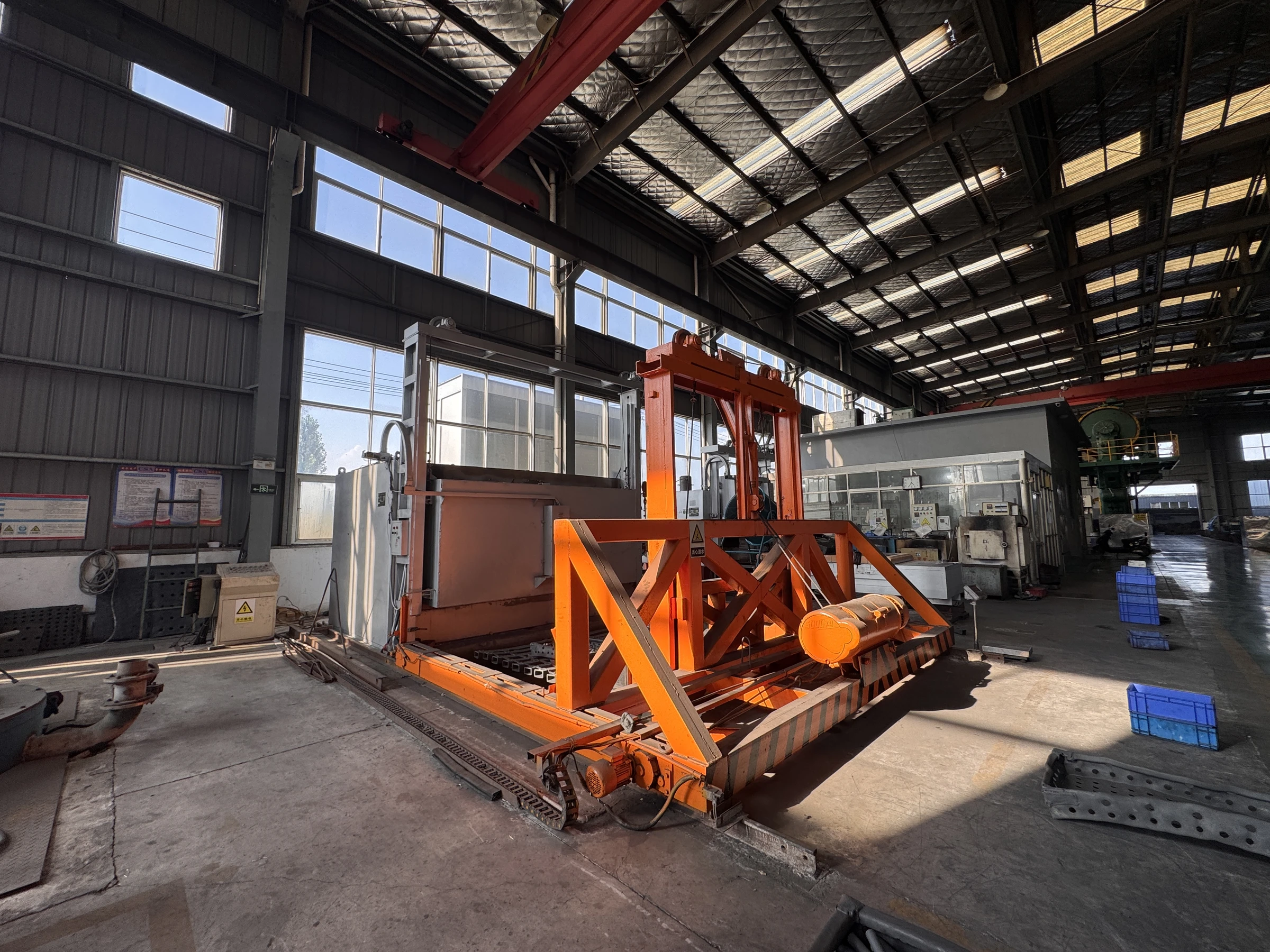
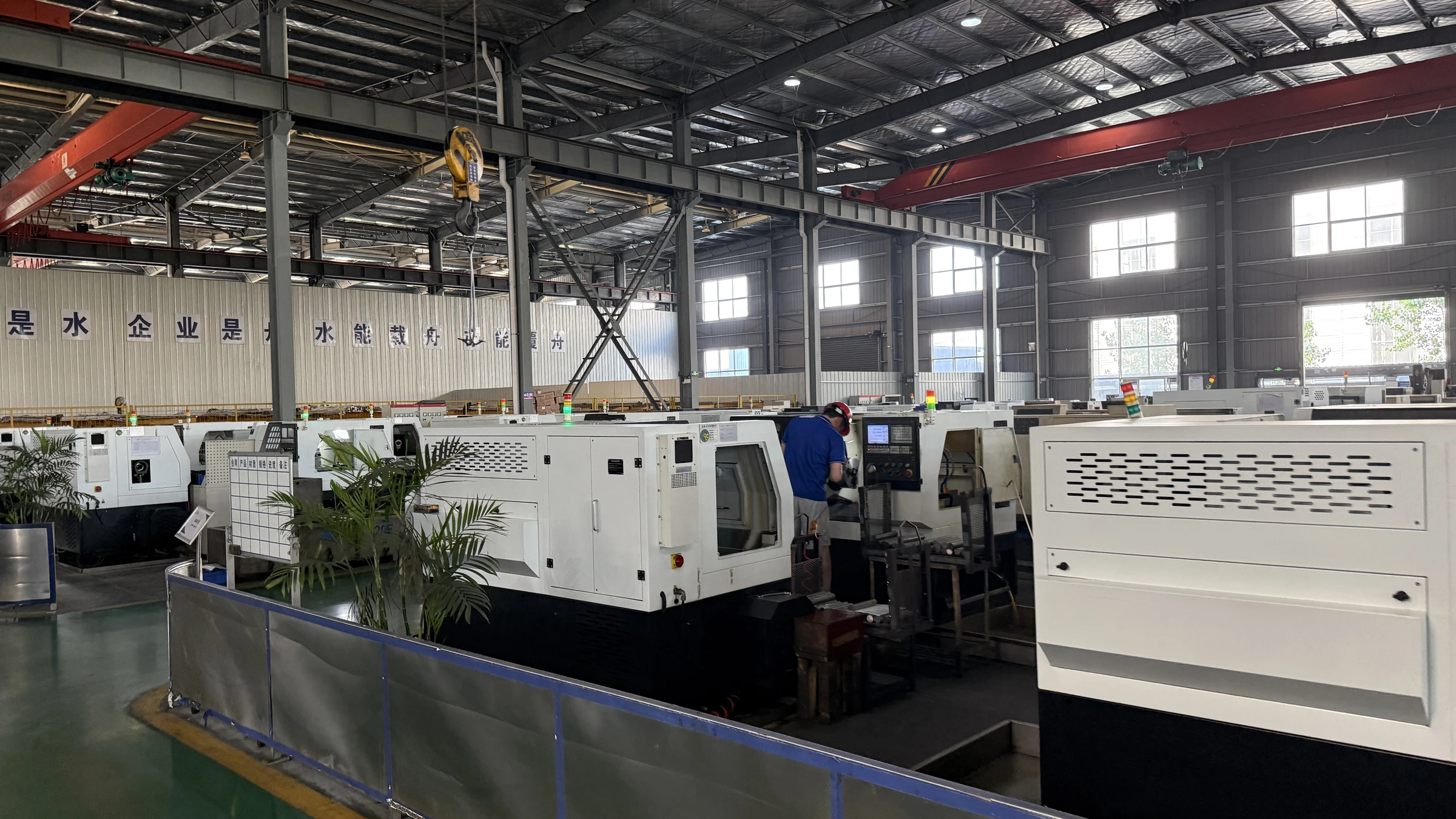
- 01Drawing & BOMForm, dimensions and quantity
- 02Material & formingGrade, heat and manufacturing route
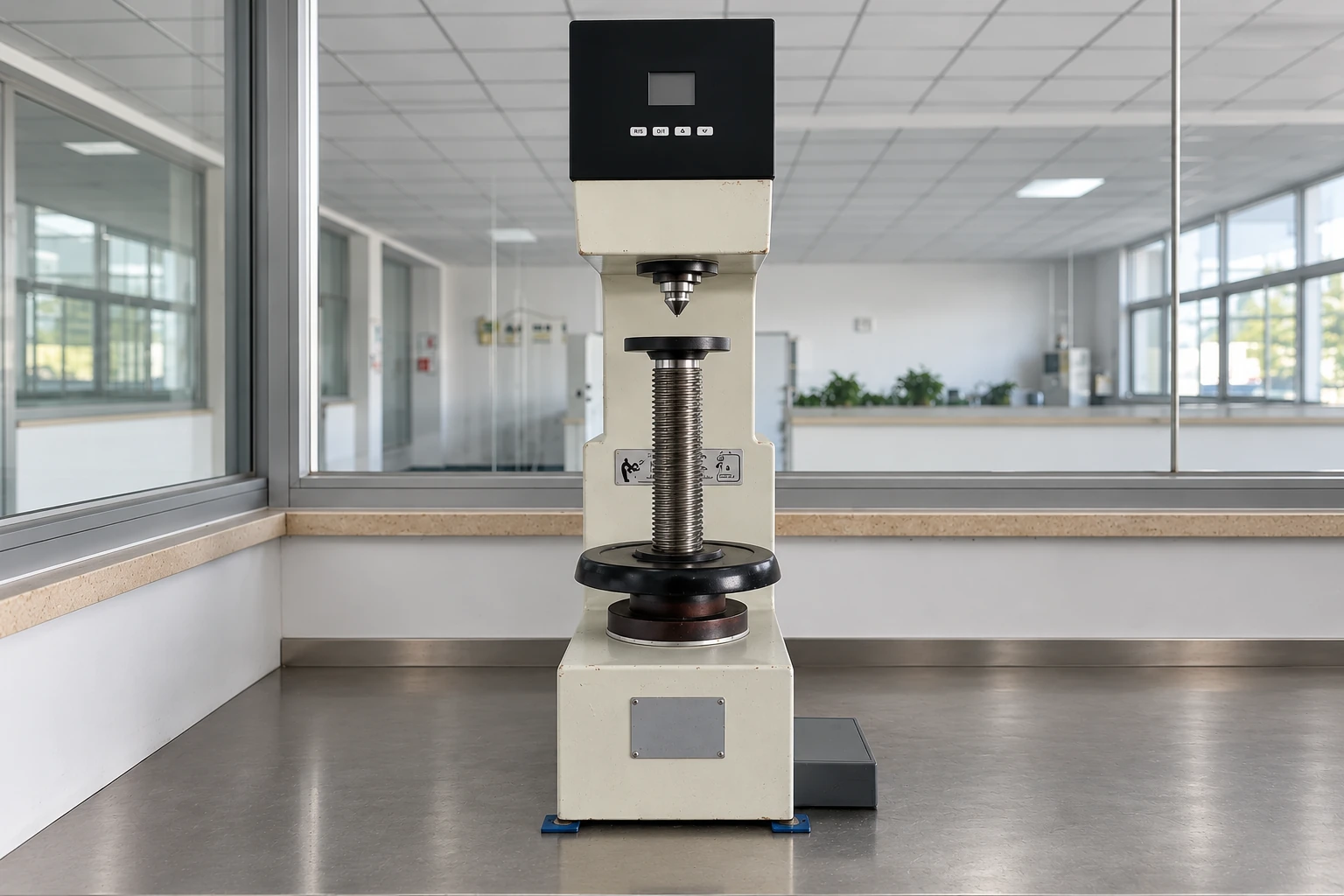
- 03Final inspectionGeometry, threads and ordered tests
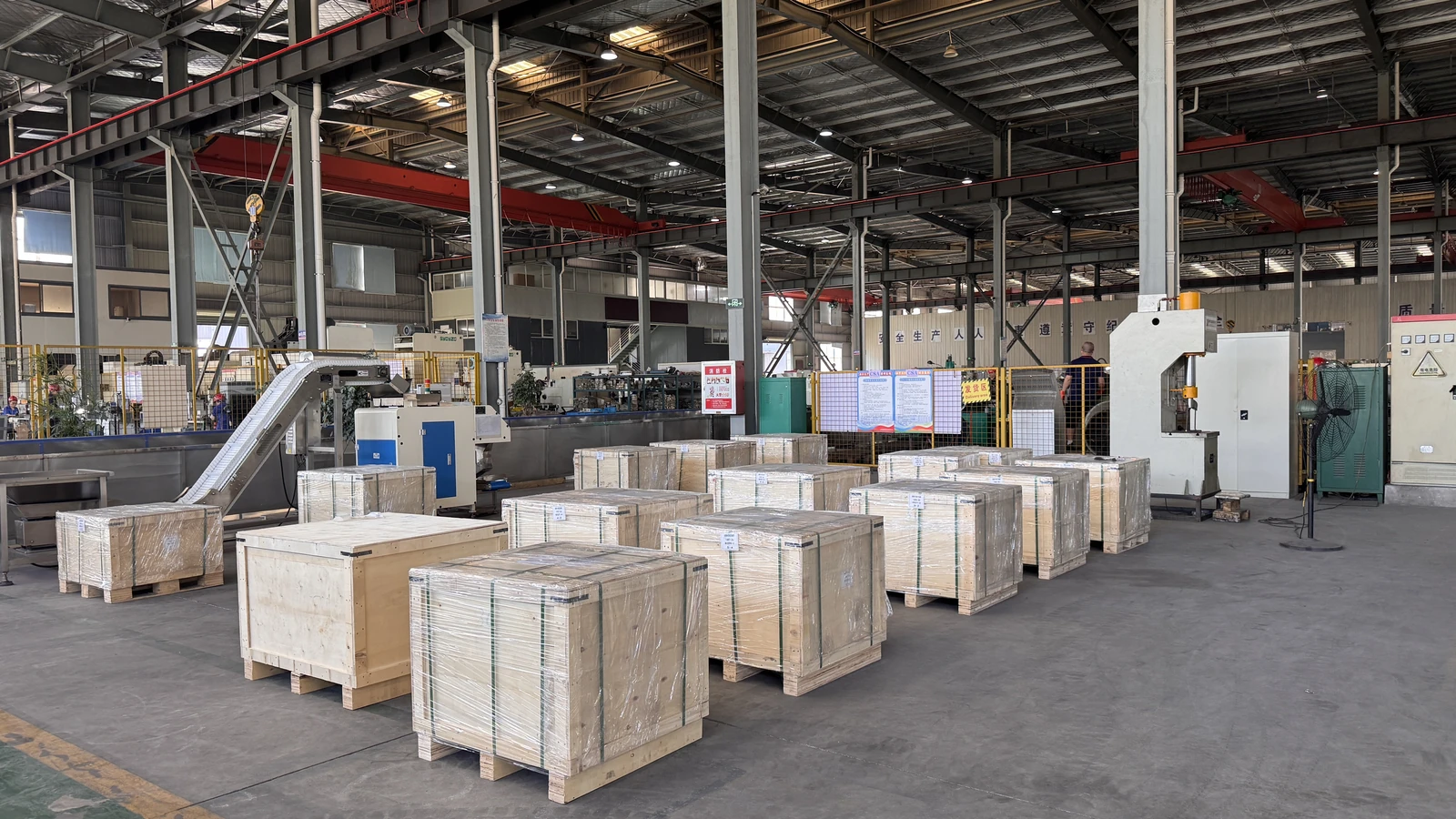
- 04Documents & dispatchLot records and identified packing
Order documents
- Material identity
- UNS N07718 · heat number · ordered condition
- Stock acceptance
- Lot-linked aging record and mechanical acceptance in the final condition.
- Dimensional record
- Cross-section · Surface · Delivery condition · Heat identity
- Traceability
- EN 10204 3.1 material certificate · production lot · identified packing
Build your 718 wire enquiry
Questions about 718 wire
Can heading wire and spring wire be ordered by grade alone?
Their forming and working-strength requirements differ. Specify diameter, supplied temper, surface condition and the intended operation so the wire can follow the required manufacturing route.