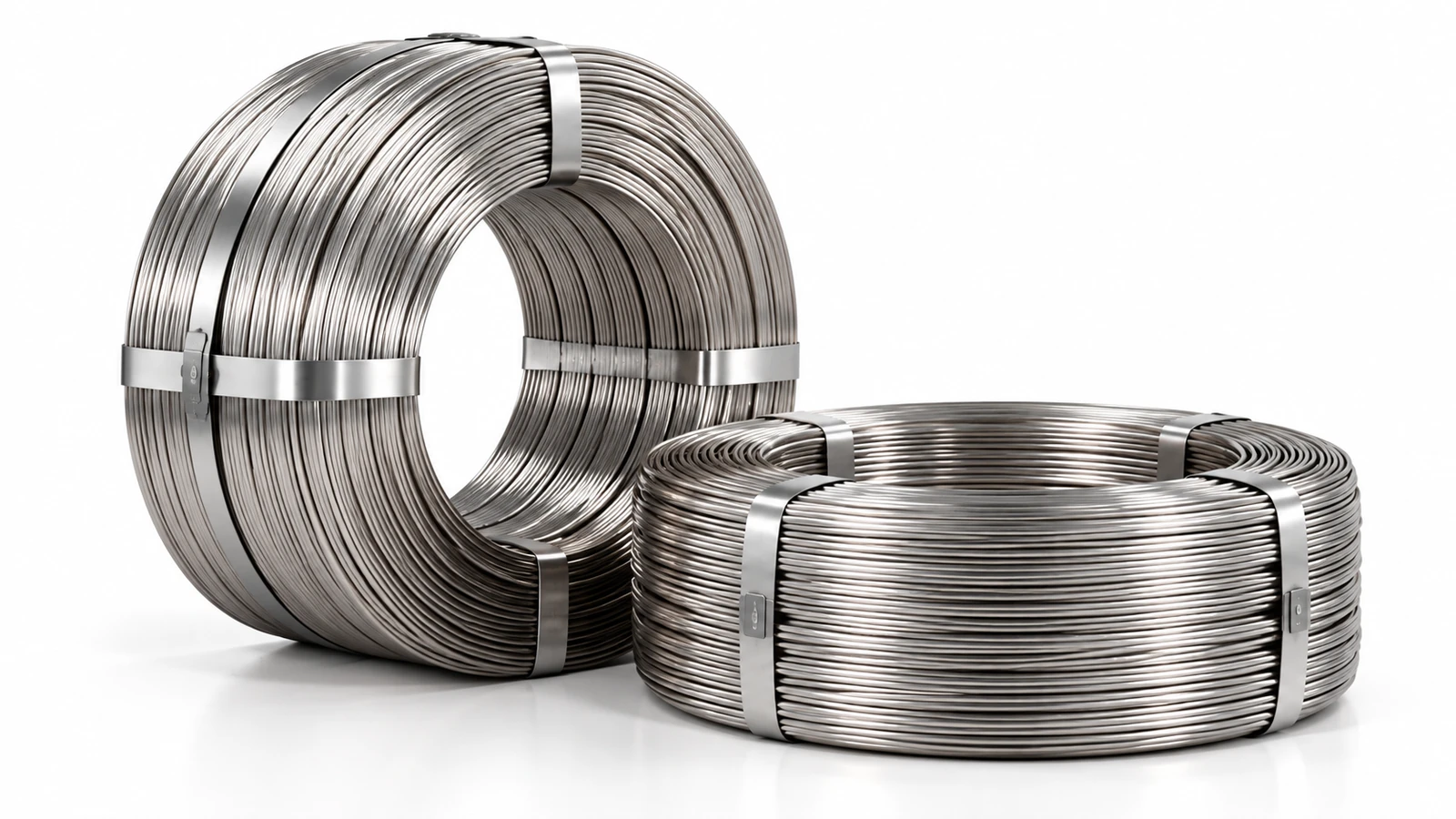
316L wire
EN 10204 3.1
316L wire brings molybdenum-bearing stainless performance in wet equipment to formed pins, retainers and specified spring components. Diameter, supplied temper and surface quality determine the feasible forming and final-treatment route.
- MOQ
- 100 kg
- Samples · typical
- ~20 days
- Production · typical
- 25–35 days
- Heat treatment
- Solution annealed
EN 10204 3.1 MTC + heat-number traceability
Which standard is on your order?
Heat Treatment
Solution annealed; cold worked for strengthened conditionsSolution annealing restores a ductile corrosion-resistant structure, while specified cold work raises strength without precipitation aging.
What we can make in 316L
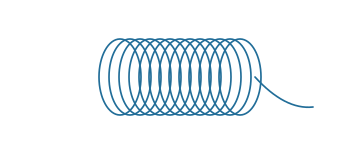
Coiled wire
Use for repeated spring coiling, wire forming and cold-heading feeds. Wire condition must match the next operation: ductile feedstock for heavy forming, spring temper where the design needs elastic strength.
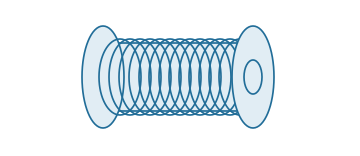
Spooled wire
Use for controlled payout into automatic feeding and winding equipment. Spool dimensions and winding quality affect uninterrupted feeding as much as wire diameter.

Straight lengths
Use for individual pins, straight wire components and small batches without a coil-feeding line. Straightness and cut-end condition reduce preparation before machining or forming.
- Section
- Round wire
- Supply form
- Coil · Spool · Straight length
- Size
- Diameter · Diameter tolerance
- Condition
- Annealed · Specified temper
- Final condition
- Solution annealed · Cold worked
- Inspection
- Cross-section · Surface · Delivery condition · Heat identity
Supply & preparation
Coil, spool or straightened lengths are identified with diameter and supplied temper; spring wire and heading wire are different orders.
Material condition
The final annealed or specified strengthened condition is linked to the lot; an aging treatment is not assumed for a solid-solution alloy.
Finished geometry
Diameter, surface defects, coil set and packaging are checked against the intended forming process.
Where 316L fits — and what matters
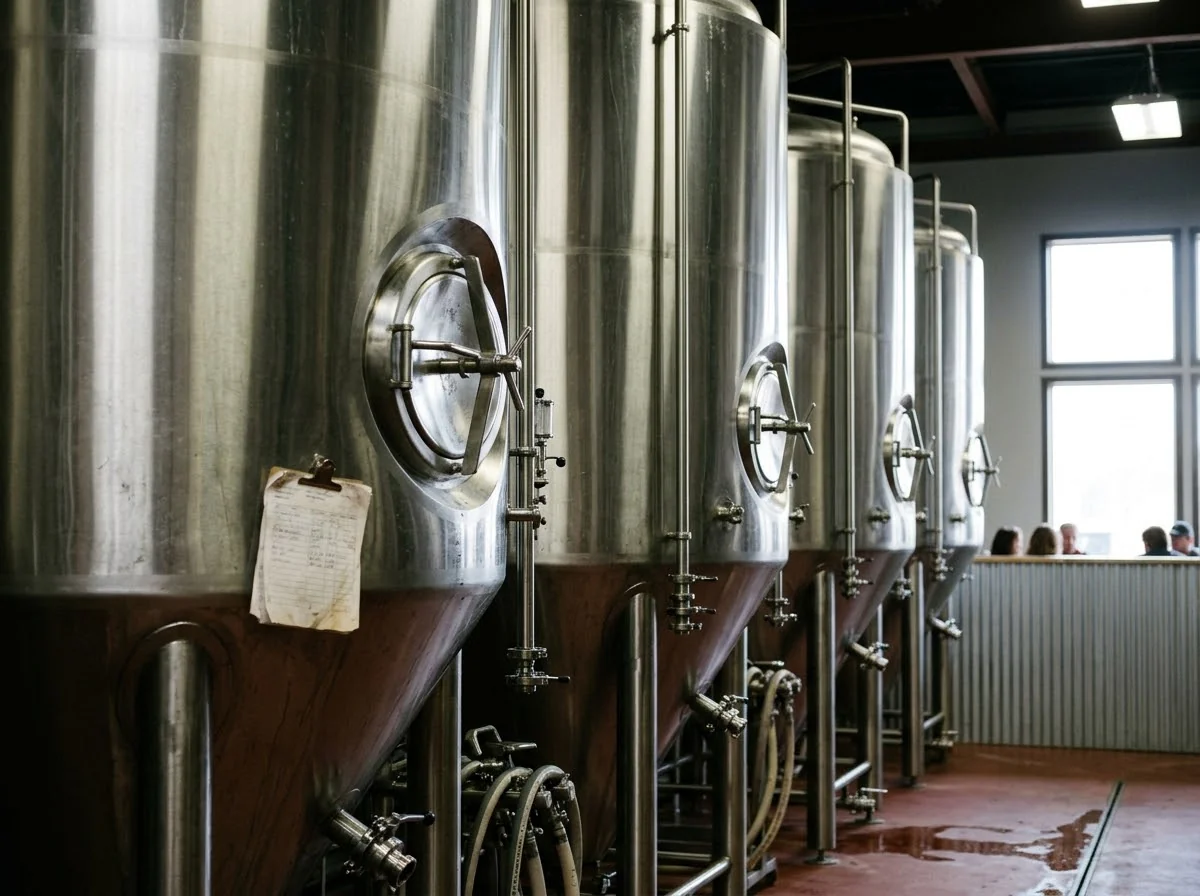
Food & Beverage Equipment
Conveyor and washdown-equipment brackets316L wire is formed into retaining clips, wire pins or spring blanks for conveyor and washdown-equipment brackets. Wire diameter and supplied temper define the forming step and subsequent final-condition treatment. Cleaning liquid can remain under the part; exposed finish and access for cleaning matter at the assembled joint.
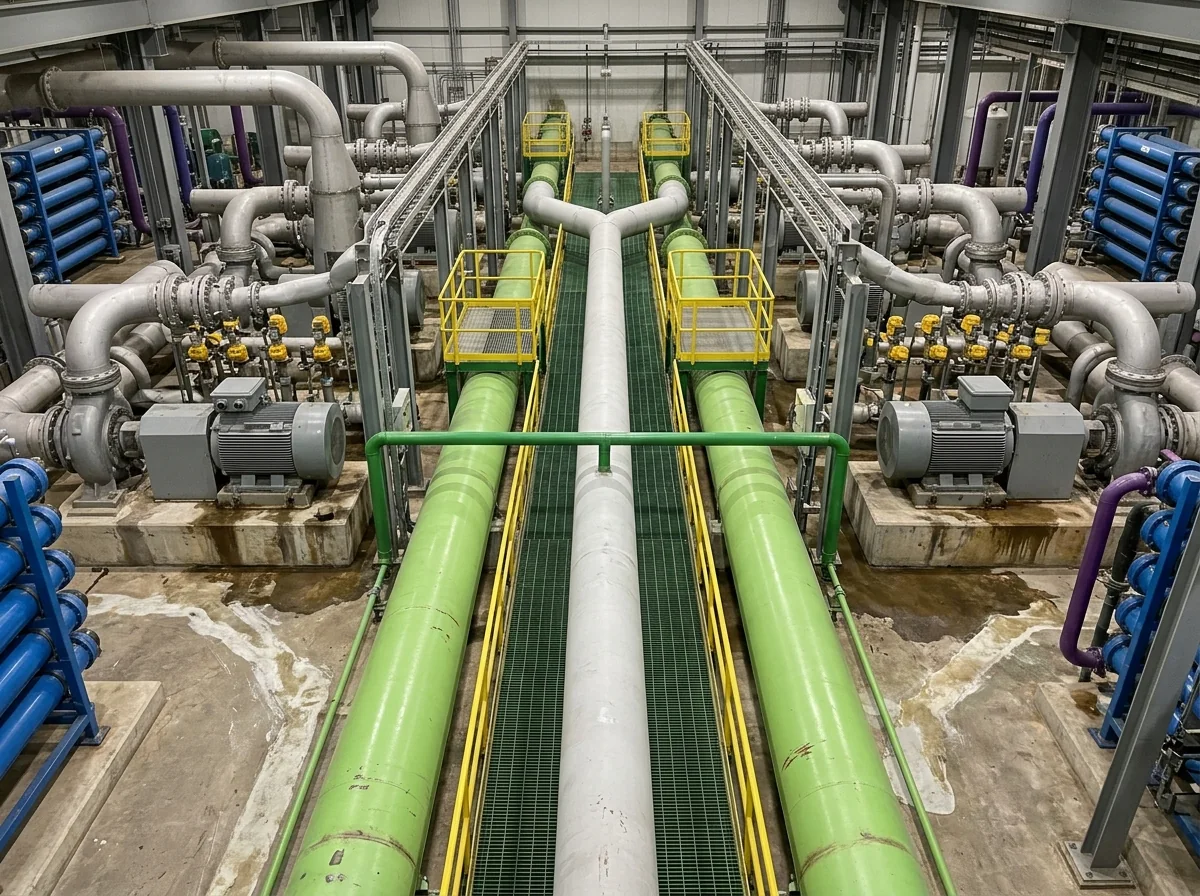
Water Treatment & Desalination
Membrane-skid and pump supports316L wire is formed into retaining clips, wire pins or spring blanks for membrane-skid and pump supports. Wire diameter and supplied temper define the forming step and subsequent final-condition treatment. The water stream, cleaning cycle and retained liquid define exposure at the installed part.
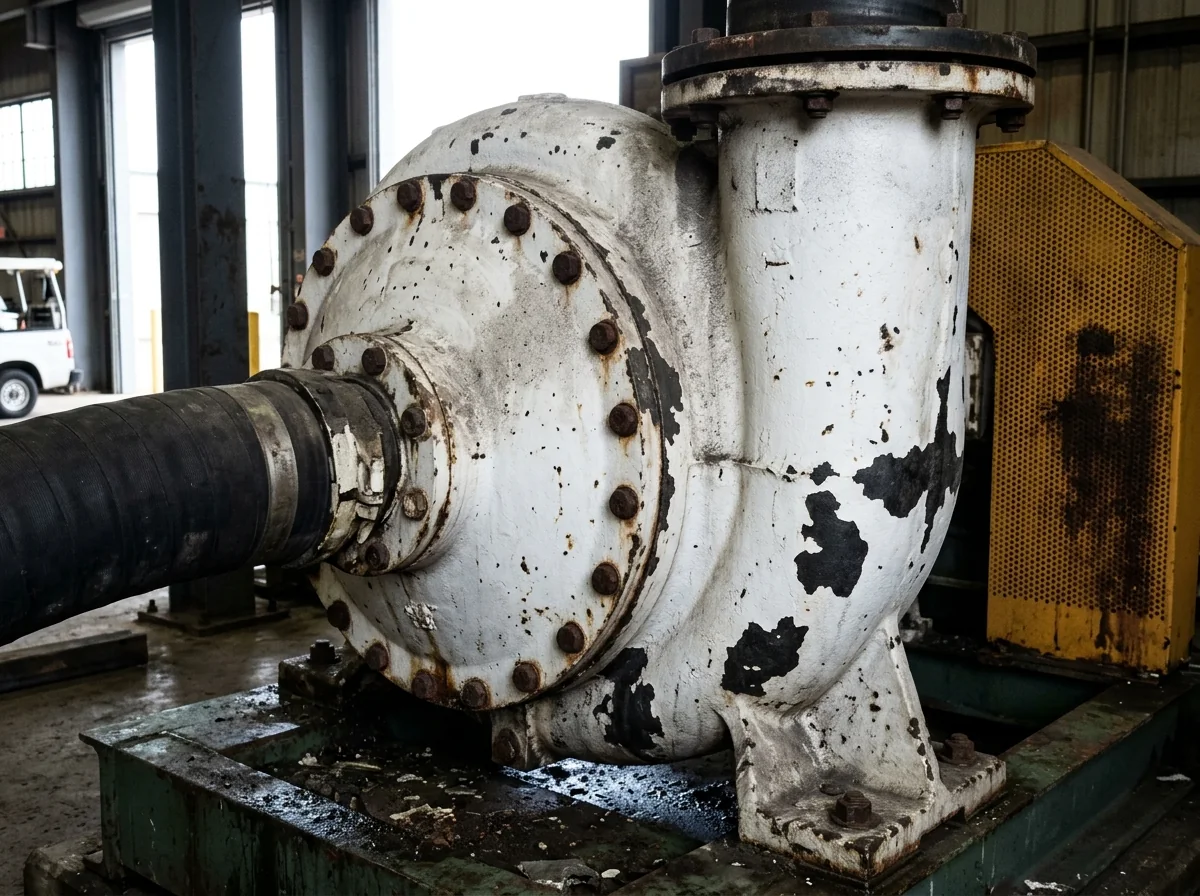
Pumps, Valves & OEM
Actuator mounts and pump baseplates316L wire is formed into retaining clips, wire pins or spring blanks for actuator mounts and pump baseplates. Wire diameter and supplied temper define the forming step and subsequent final-condition treatment. Repeated maintenance makes fit, engagement and access part of the component specification.
Same wire. Different material priorities.
316L material data17-4 PH
Aging-controlled strength and hardness.
- Connection priority
- The strength or spring response of the formed wire
- H900 versus H1150
- The aging condition changes the balance of strength, hardness and toughness. A replacement part needs the specified H condition, especially where contact wear and shock load occur together.
Inconel 625
Solid-solution strength and resistance to aggressive process liquids.
- Connection priority
- The strength or spring response of the formed wire
- Annealed or solution-annealed 625
- The delivery condition affects strength and high-temperature response. Keep the specified condition with the component’s mechanical acceptance; 718-style aging is not the strengthening route for 625. Include liquid retained at tight bends and the original wire surface after forming in the exposure description.
Duplex 2205
Duplex strength and chloride-corrosion resistance.
- Connection priority
- The strength or spring response of the formed wire
- S31803 or S32205
- The specified UNS fixes the chemistry. Solution treatment, section size and the ordered mechanical or corrosion tests establish the final duplex condition. Include liquid retained at tight bends and the original wire surface after forming in the exposure description.
From drawing to documented delivery
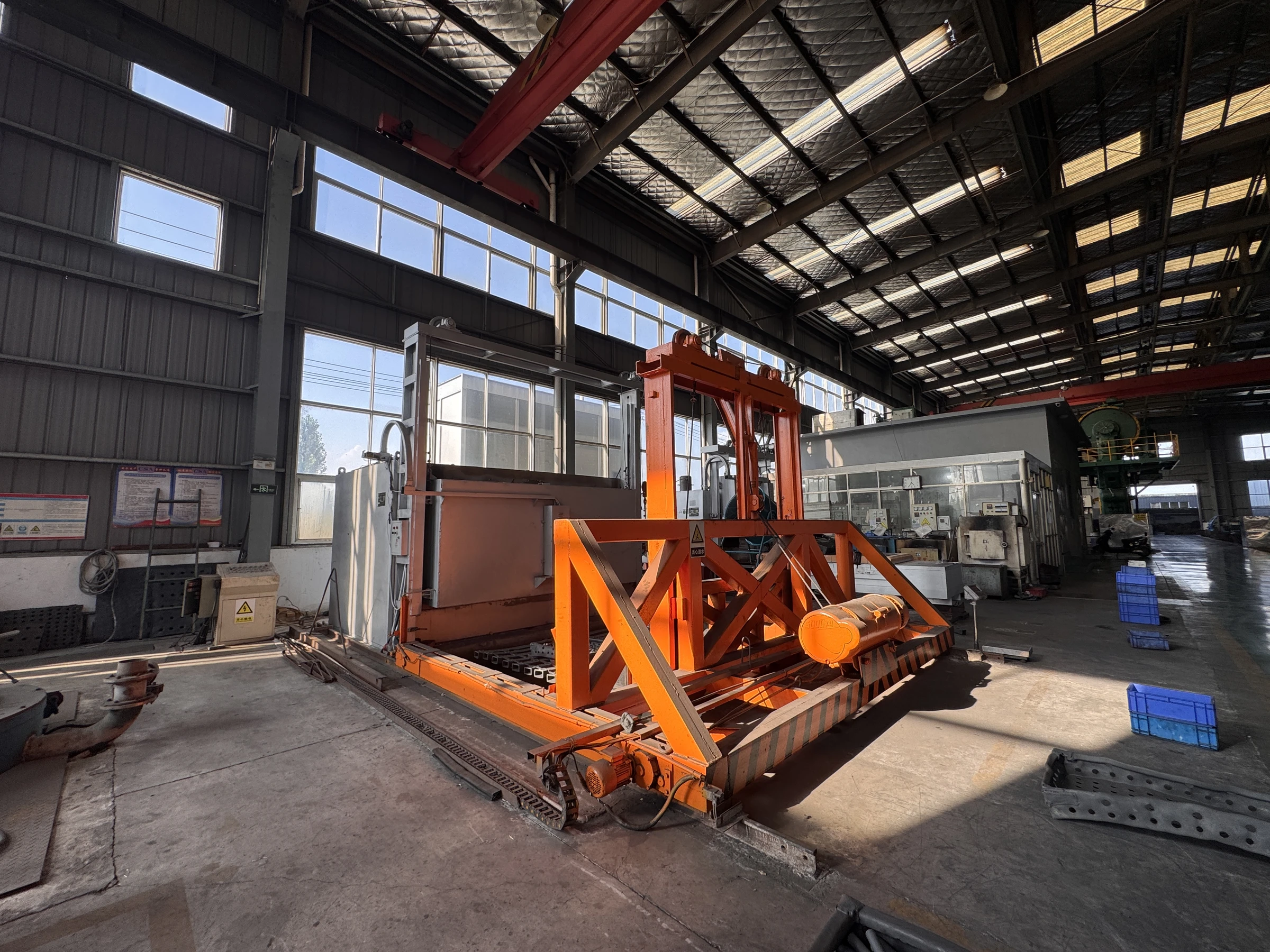
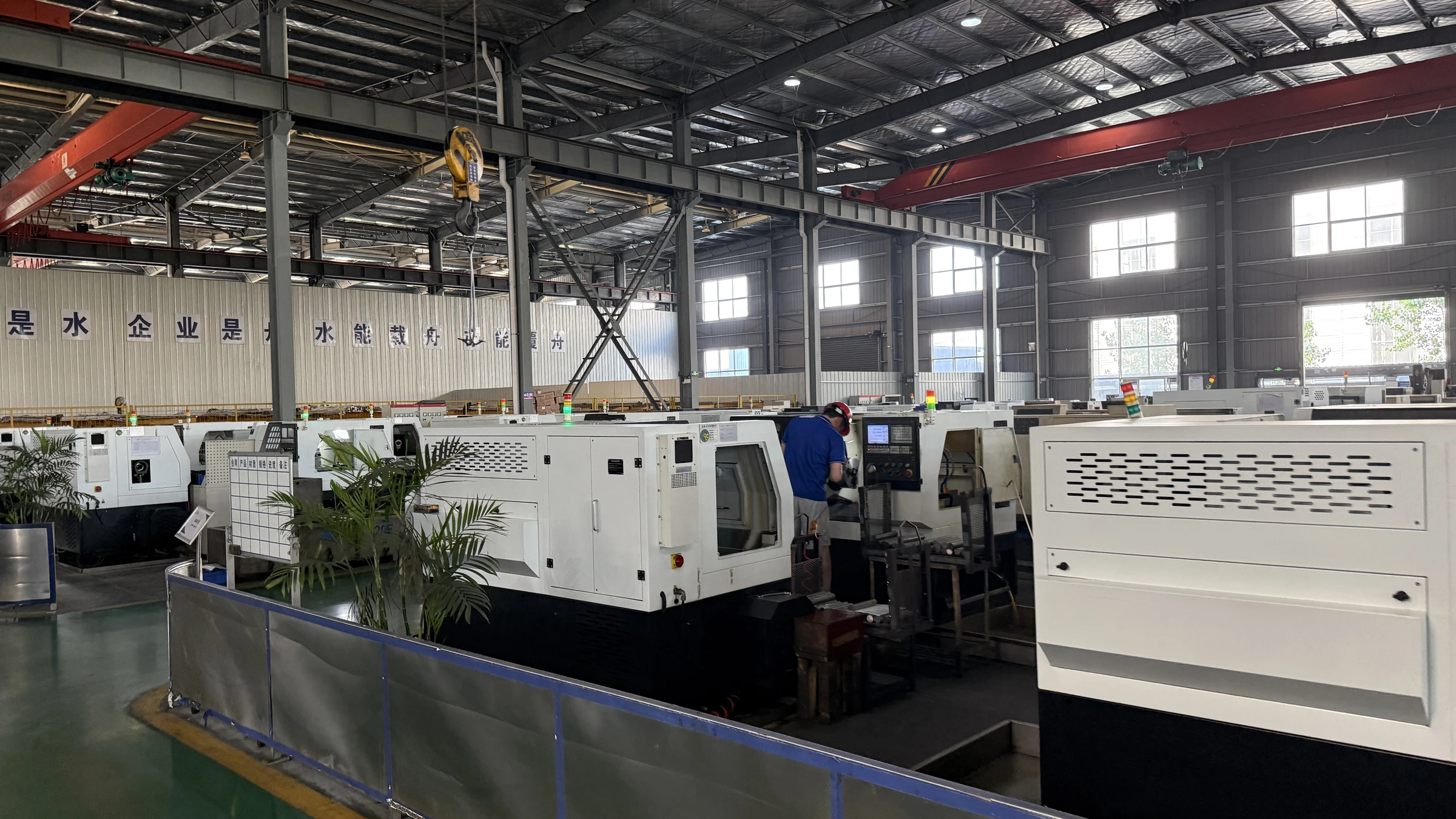
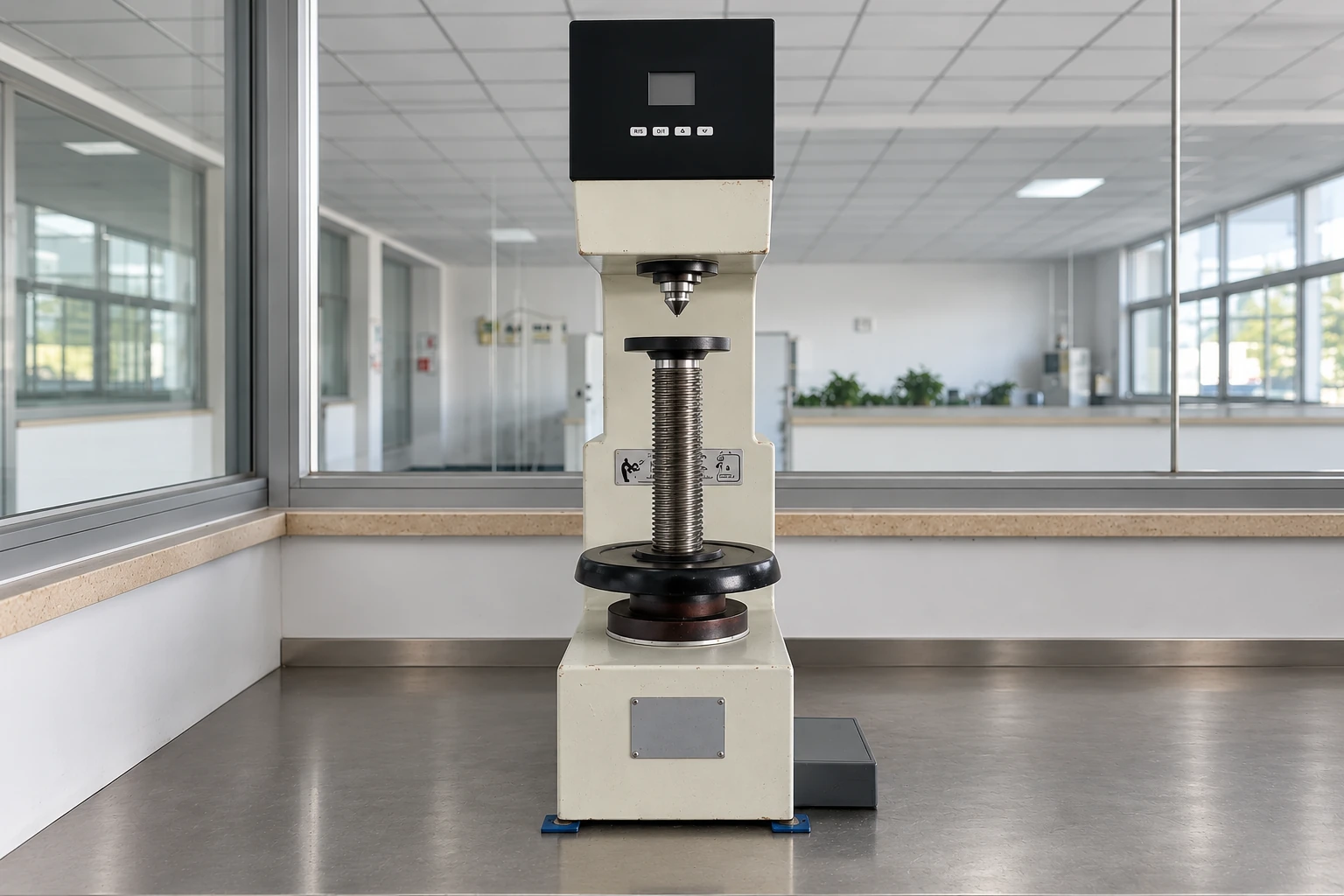
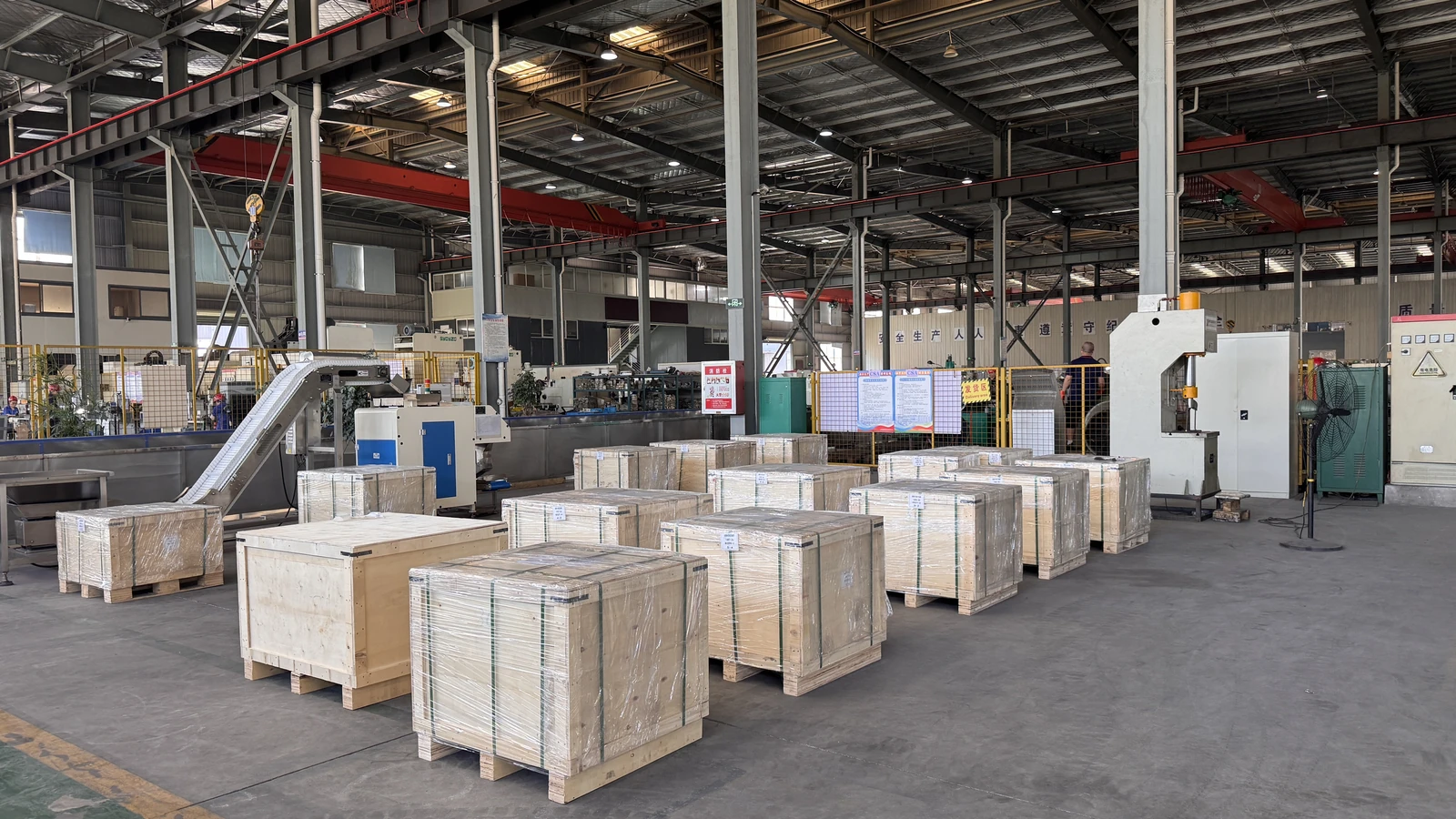
- 01Drawing & BOMForm, dimensions and quantity
- 02Material & formingGrade, heat and manufacturing route
- 03Final inspectionGeometry, threads and ordered tests
- 04Documents & dispatchLot records and identified packing
Order documents
- Material identity
- UNS S31603 · heat number · ordered condition
- Stock acceptance
- Grade chemistry, supplied condition and ordered mechanical requirements.
- Dimensional record
- Cross-section · Surface · Delivery condition · Heat identity
- Traceability
- EN 10204 3.1 material certificate · production lot · identified packing
Build your 316L wire enquiry
Questions about 316L wire
Can heading wire and spring wire be ordered by grade alone?
Their forming and working-strength requirements differ. Specify diameter, supplied temper, surface condition and the intended operation so the wire can follow the required manufacturing route.